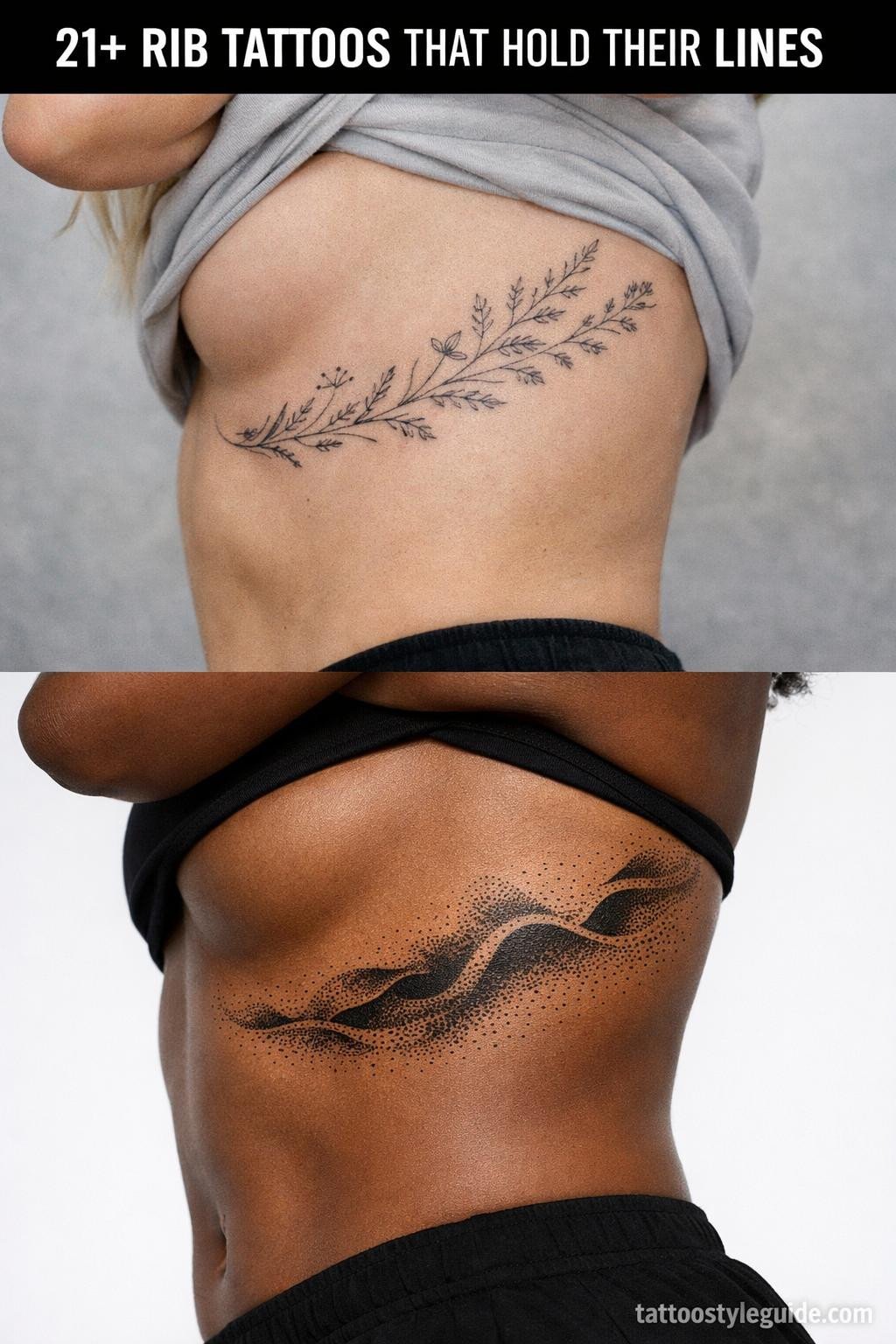
Rib tattoos for women are the most technically demanding placement on the torso, and most people underestimate that before they sit down. The skin here stretches over bone and cartilage with almost no fat buffer, which means every needle pass registers at full intensity. That pain reality aside, the rib cage rewards designs that run vertical.
Elongated compositions lock into the natural architecture of the side body in a way no other placement matches. The collection below covers the full range, from hairline single-needle botanicals to bold traditional flash, with placement logic built into every choice.
Why Vertical Rose Designs Win the Rib Cage Every Time
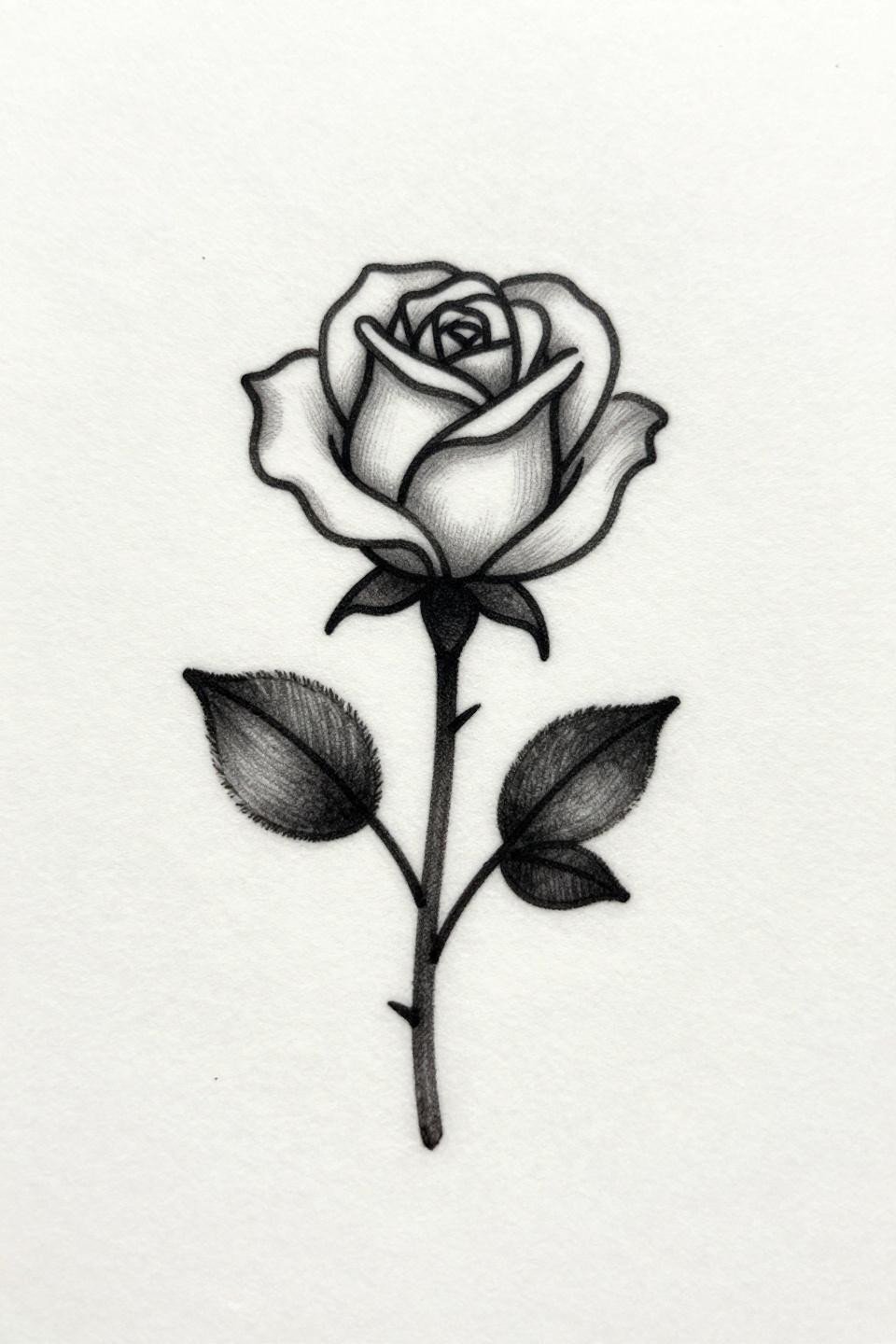
A single-needle 1RL rose in strict vertical orientation reads as one of the cleanest rib placements available, the stem tracking the natural line of the ribcage without fighting the body’s contour.
Zero fills and open negative space mean this style is fully dependent on linework precision. Speed control matters here: any wobble at the petal curves shows immediately on healed work.
Botanical Lungs Need an Artist Who Understands Negative Space
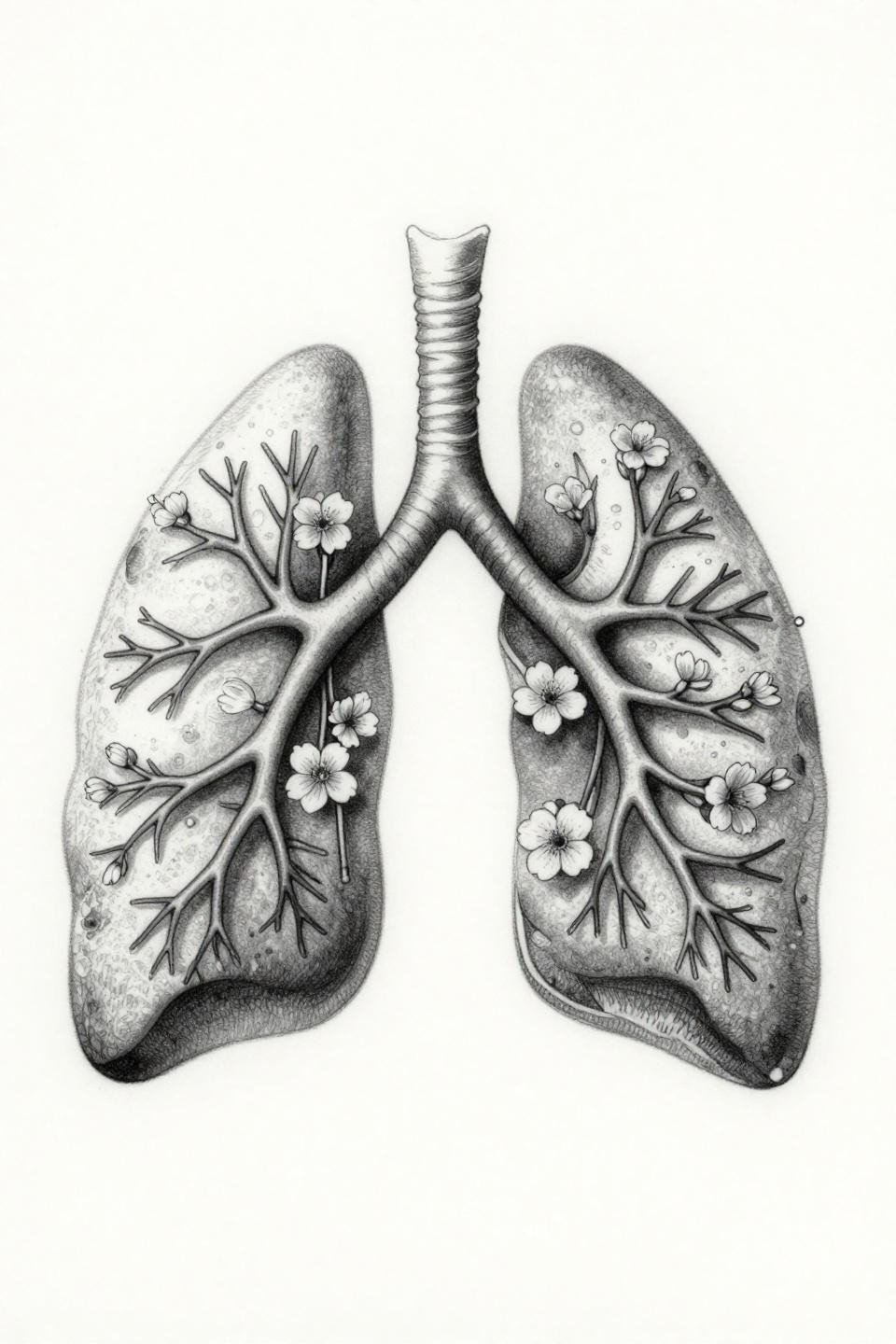
Anatomical lungs wrapped in flowering vines make compositional sense here: the bilateral form mirrors the ribcage symmetry underneath, and the branching bronchial pathways echo the bone structure they sit over.
Grey wash dilution from dense midtone to open edge is the technical move that keeps this from reading flat. On olive and darker skin tones, those midtones need to be pushed darker or they disappear within two years.
The Honeybee That Earns Its Placement With Pure Restraint
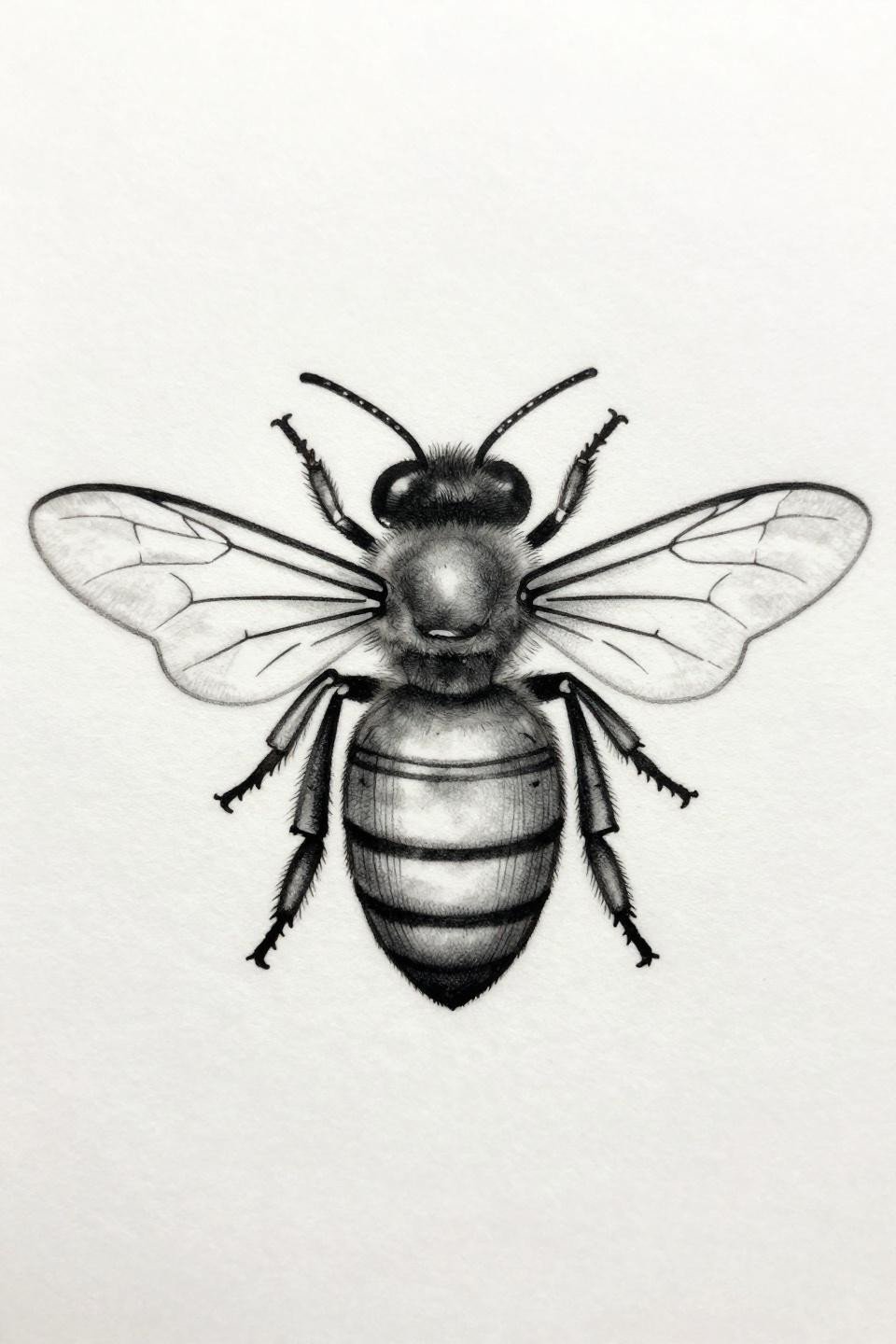
A small honeybee in strict lateral profile, rendered with no fill and open negative space, is a masterclass in compositional economy. The segmented abdomen stripe detail and wing outline do all the visual work.
Small-scale single-needle work like this ages differently by placement: the protected rib cage gives it 5 to 8 years of crispness before the hairlines begin to soften, longer than finger or wrist equivalents.
One Unbroken Line Means No Room for Recovery
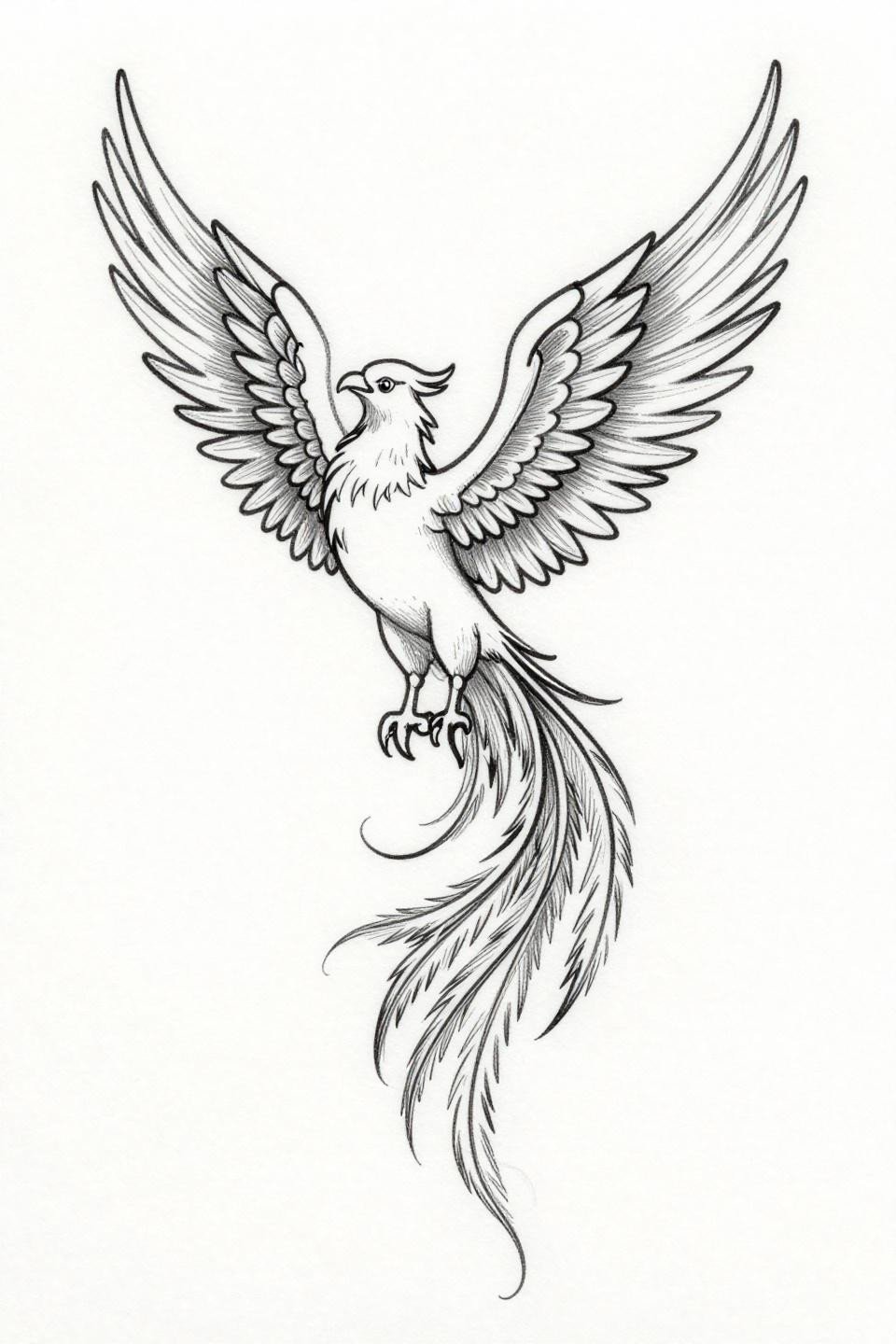
A continuous-line phoenix ascending vertically, entire form rendered as one unbroken hairline stroke, is one of the harder designs to execute cleanly because there is no second chance mid-line.
This is a strong hidden tattoo candidate for the side rib: completely concealed under a fitted top, fully visible in a swimsuit or bralette. Ask to see the artist’s healed continuous-line work before committing.
Crosshatch Feathers and the Longevity Case for Etching Style
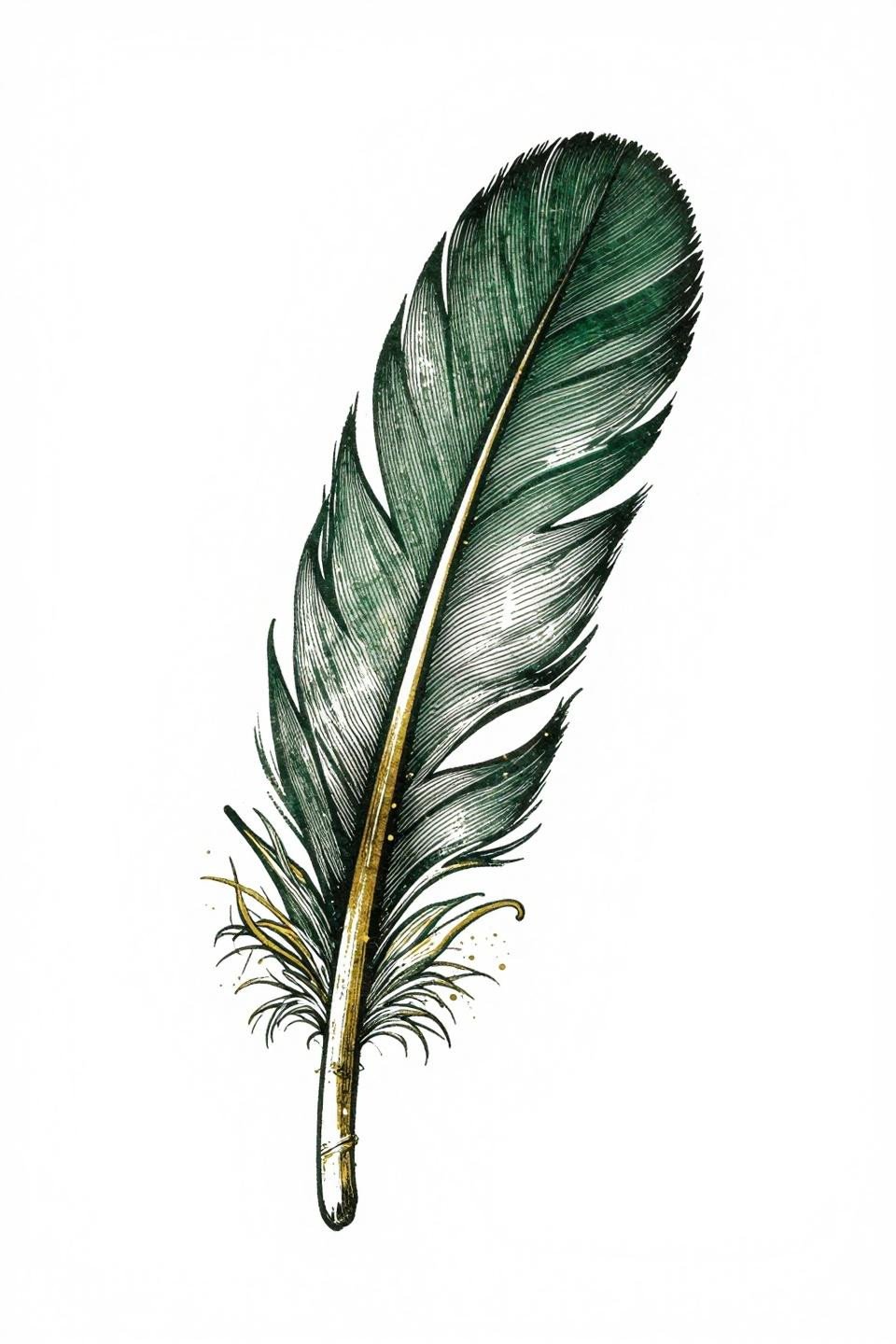
An elongated feather rendered in crosshatch etching technique, with dense parallel hatching building tonal depth across each barb, performs better over time than open single-needle linework at the same scale.
The forest green and gold accent ink palette here is a deliberate longevity choice: these pigments hold color density on light to medium skin tones without the fade risk of yellows or pastels.
Irezumi Koi on the Ribs: Scale and Direction Are Not Optional
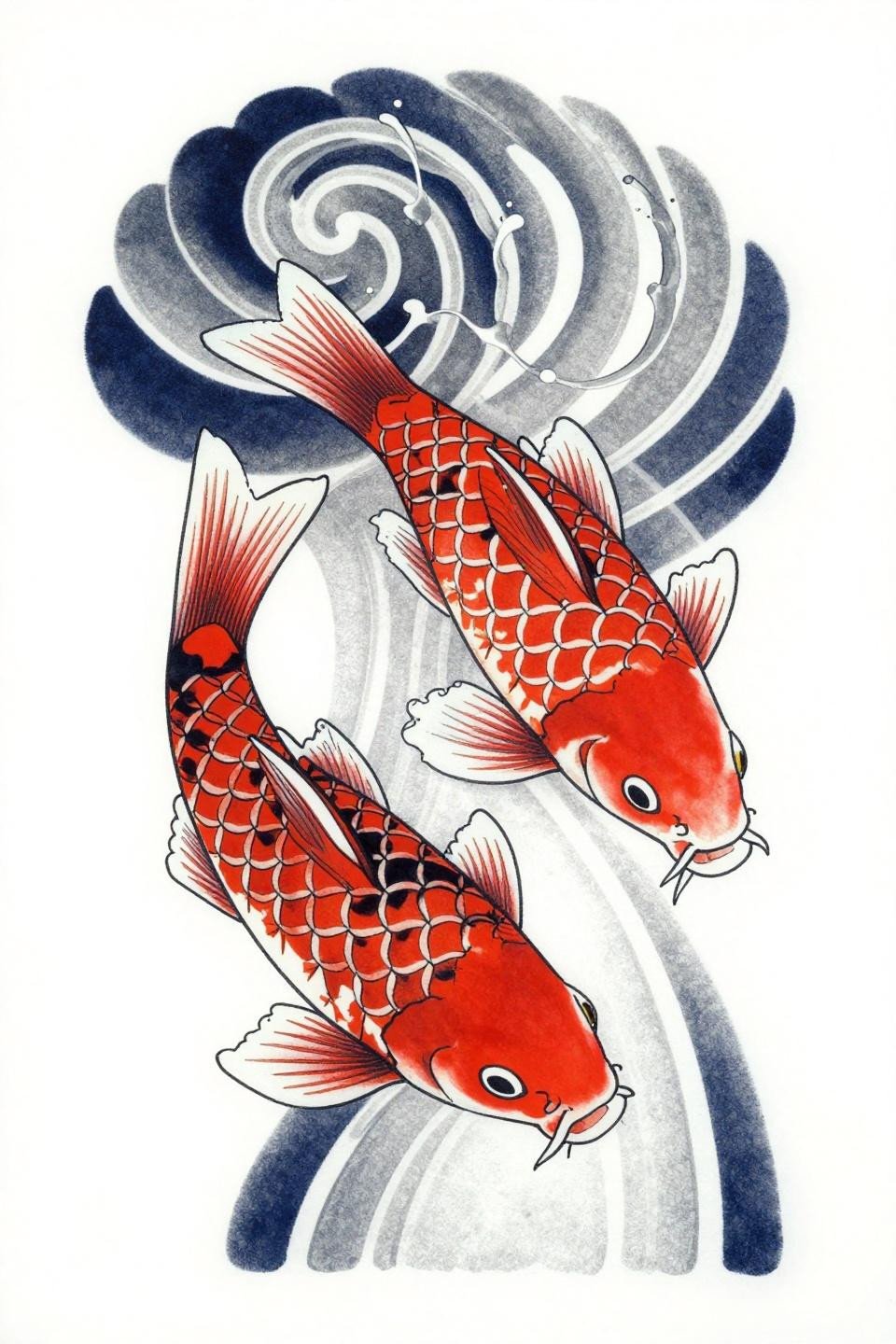
Traditional irezumi koi follows the S-curve spine and faces left per canon, and that directional rule exists for good reason: it maps the ascending dynamic of the fish onto the vertical rib placement with natural momentum.
Bold irezumi outlines at this weight are the longevity signal that separates this style from decorative approximations. Check that the scale hatching stays consistent across the full body, not just the upper sections visible in fresh photographs.
Dotwork Hourglass: Where Stipple Density Does the Structural Work
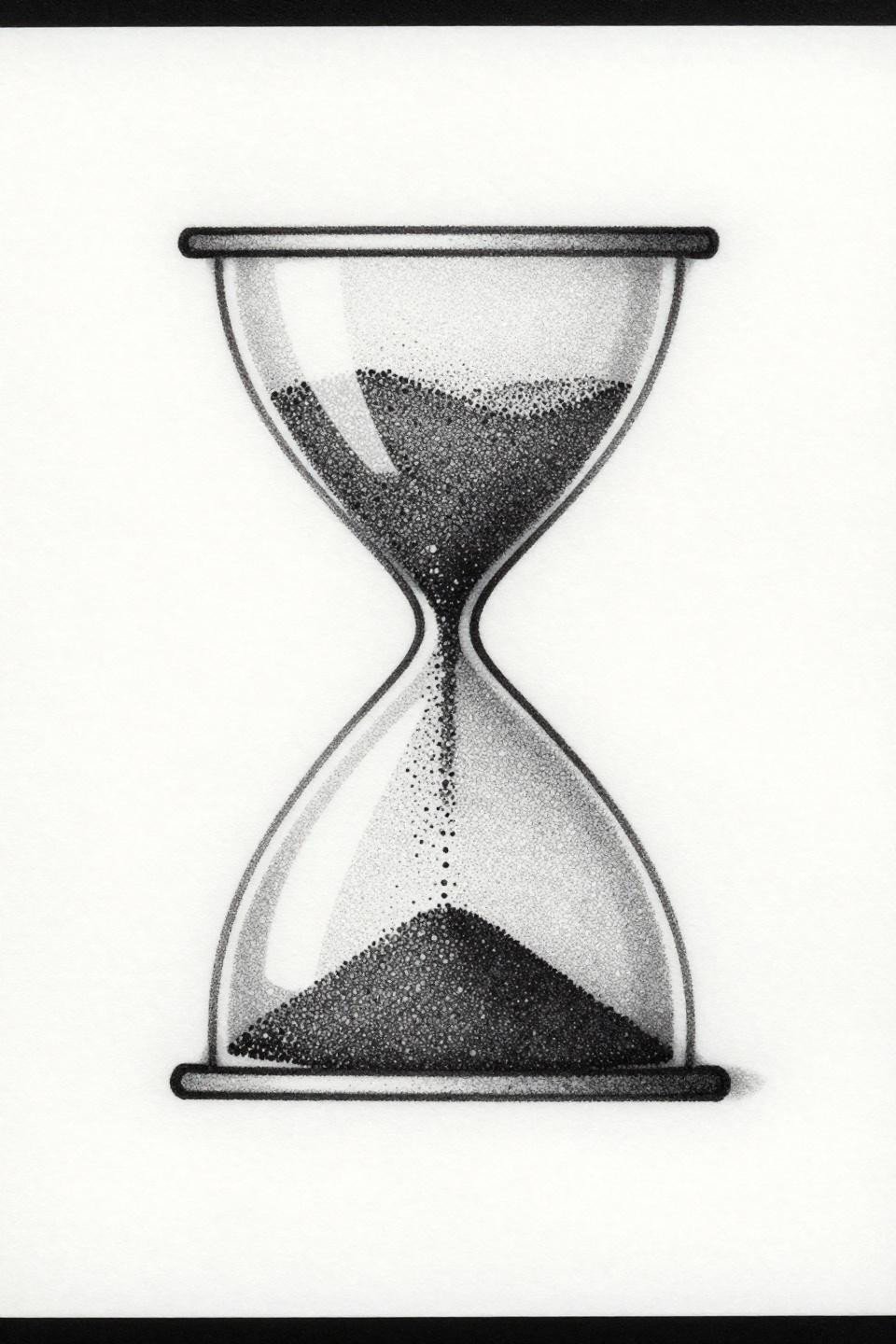
A geometric hourglass built entirely from stipple dot clusters, no outlines, relies on dot density gradients to define shape. The bilateral symmetry along the vertical axis makes it a natural fit for the rib’s long, narrow canvas.
Look for consistent dot size across the full gradient when reviewing artist portfolios. Uneven dot weight is the most common failure point in dotwork at this scale, and it reads clearly in healed photos.
Celtic Knotwork Needs Bold Outlines to Survive the Rib’s Movement
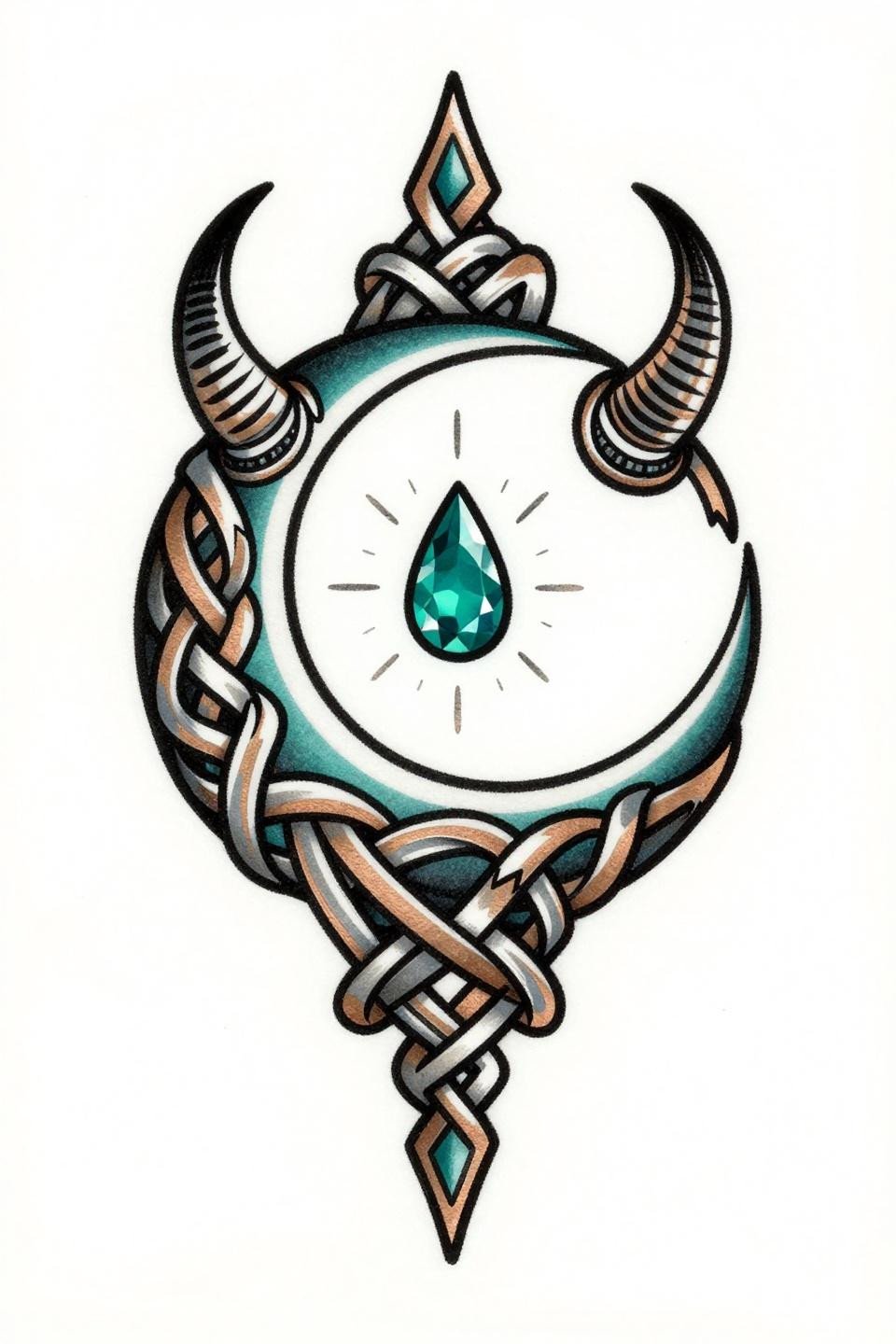
A crescent moon with interlaced knotwork and bold 2 to 3 point outlines holds its structure on the rib cage where fine line equivalents would soften within a few years from the skin’s constant lateral stretch.
The deep teal and copper metallic fill palette reads clean on lighter skin tones. On medium and olive tones, the metallic copper tends to read warm amber, which can shift the overall tone of the piece slightly warmer than the flash reference shows.
Art Nouveau Locket: When the Composition Closes on Itself
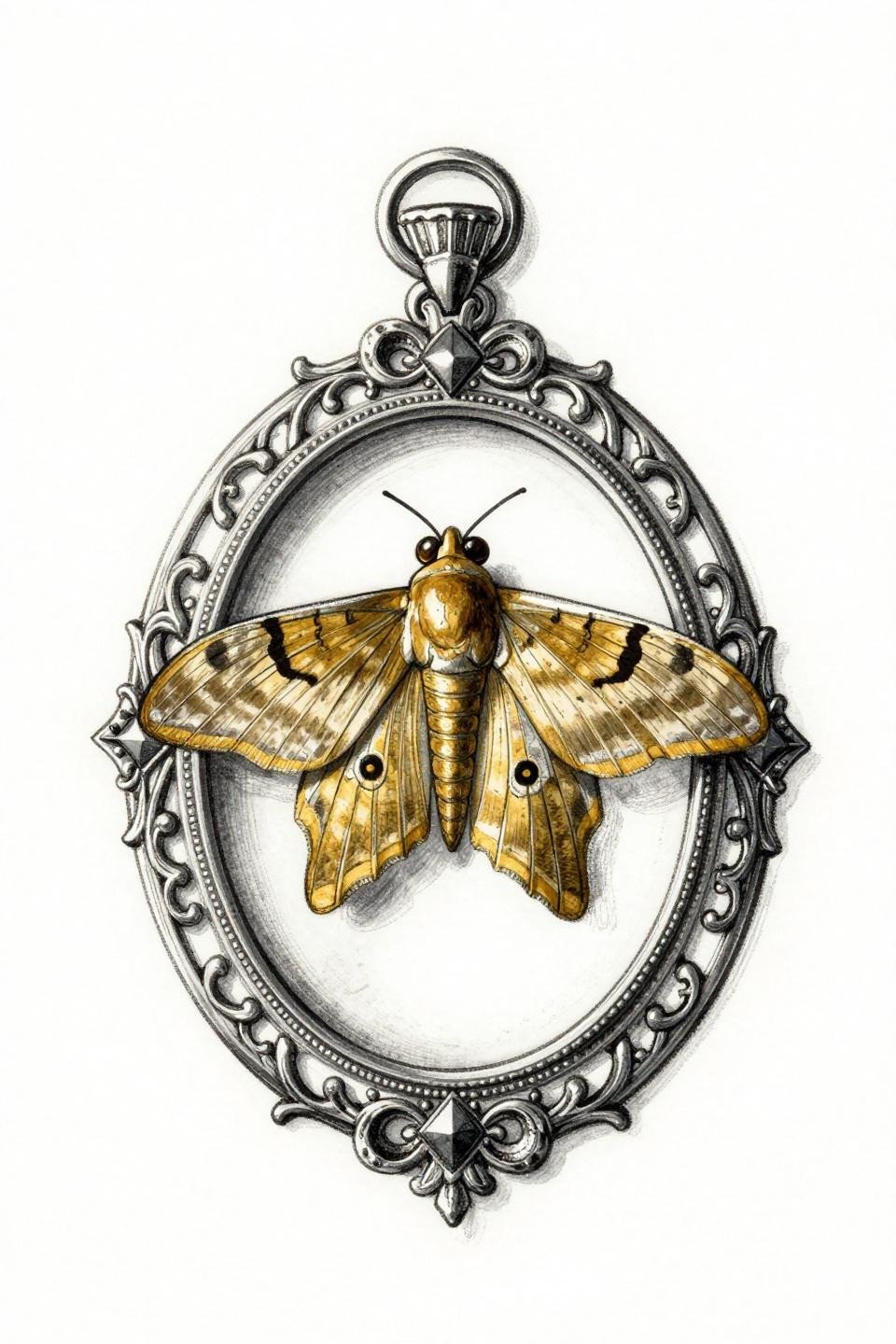
An open locket with anatomical moth wings emerging from the chamber is a closed compositional form, self-contained and scalable, which makes it one of the more placement-flexible designs in this collection.
The burnished gold and solid black palette has a shelf life advantage: black holds indefinitely on well-saturated skin, and the gold reads warm amber as it ages rather than fading to grey like yellows or greens.
Side Rib Placement Is Where Traditional Flash Finds Its Best Frame

A traditional American sacred heart with thorned vines and radiating rays, executed with flat crimson and bold outline weight, is one of the few traditional flash pieces that reads as intentional rather than retrofitted on the rib cage.
For back tattoo placement options for women who want to eventually connect a rib piece to a back composition, traditional flash like this bridges the gap more cleanly than fine line work does.
Coiled Serpent: The Circular Form That Maps the Rib Naturally
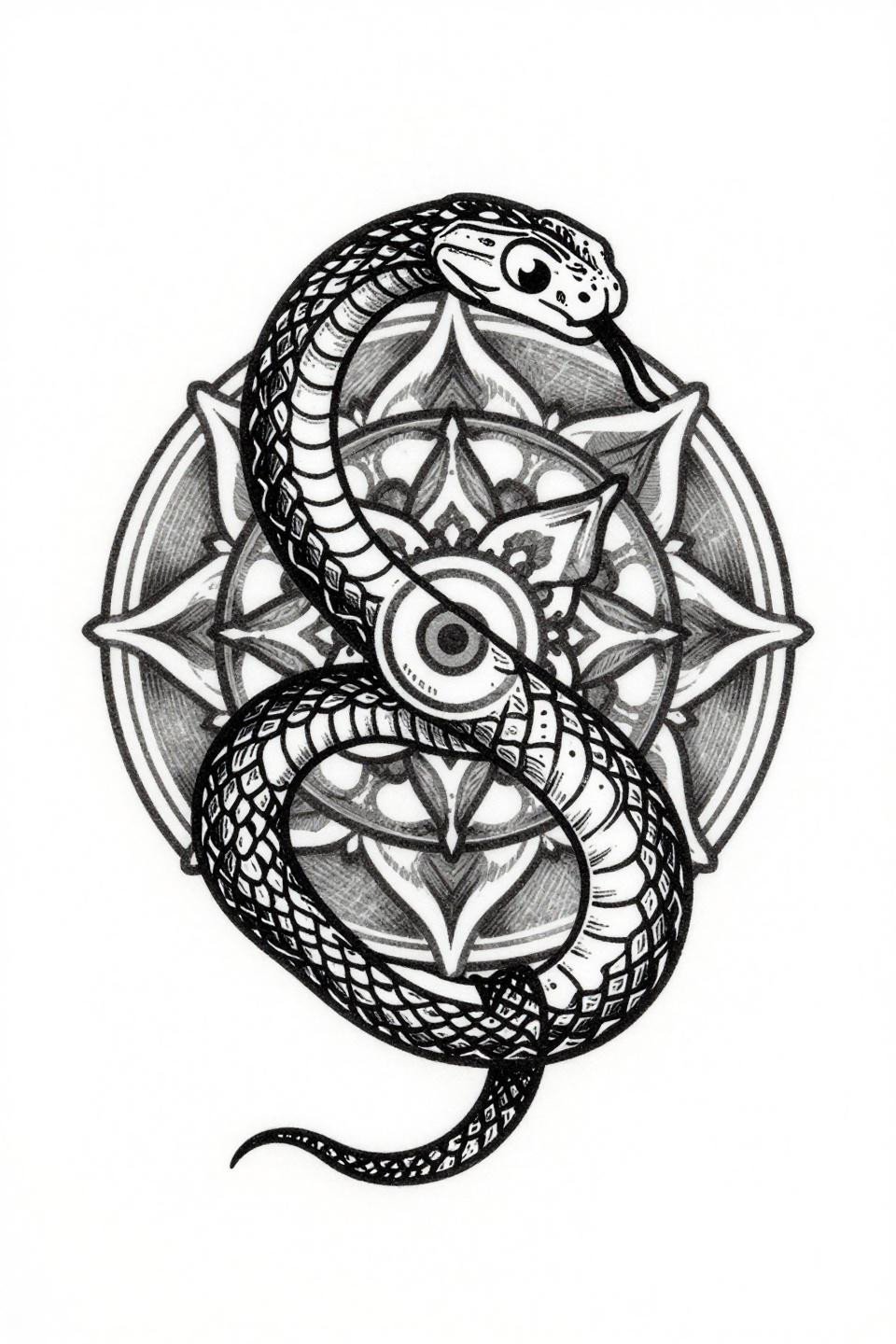
A serpent coiled in vertical spiral with crosshatch parallel line engraving for scale texture sits differently on the rib than linear designs: the circular mass anchors visually over one or two ribs without needing to chase the vertical axis.
Etching-style woodcut work at this density holds sharpness longer than fine line equivalents because the parallel hatching gives the eye more structure to read even as individual lines soften slightly with age.
Infinity Heartbeat: A Concept That Actually Has Technical Justification
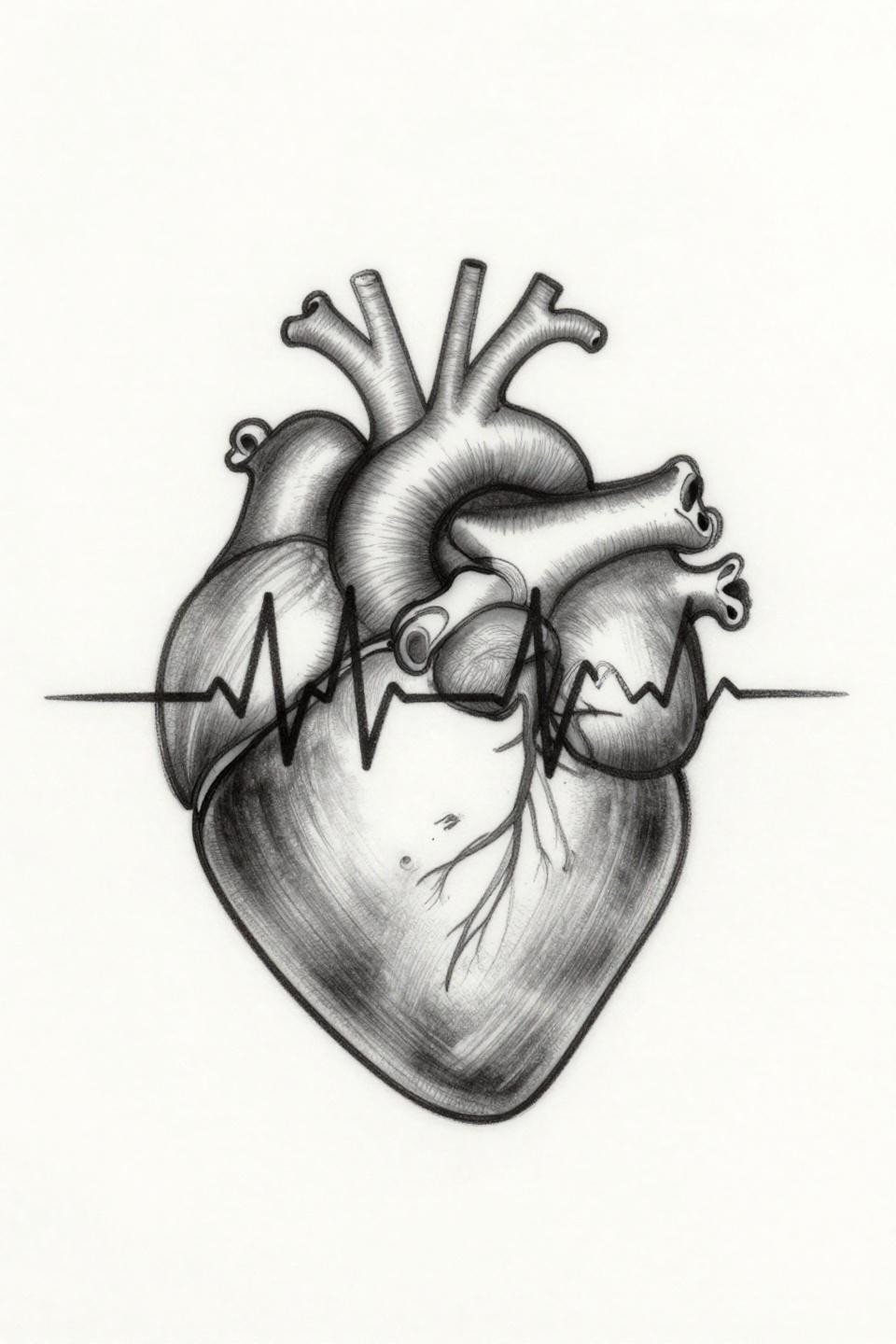
An infinity symbol with an integrated heartbeat waveform rendered as one continuous unbroken gesture line works technically because the horizontal infinity form naturally sits along the rib’s lateral plane without fighting the placement.
Grey wash for subtle midtones here is a smart anchor. Pure single-line work with zero wash tends to read lighter than expected on skin, especially on fair complexions where the contrast between skin and ink is lower than flash paper suggests.
Small Compass on the Ribs: Scale Is the Only Variable That Matters
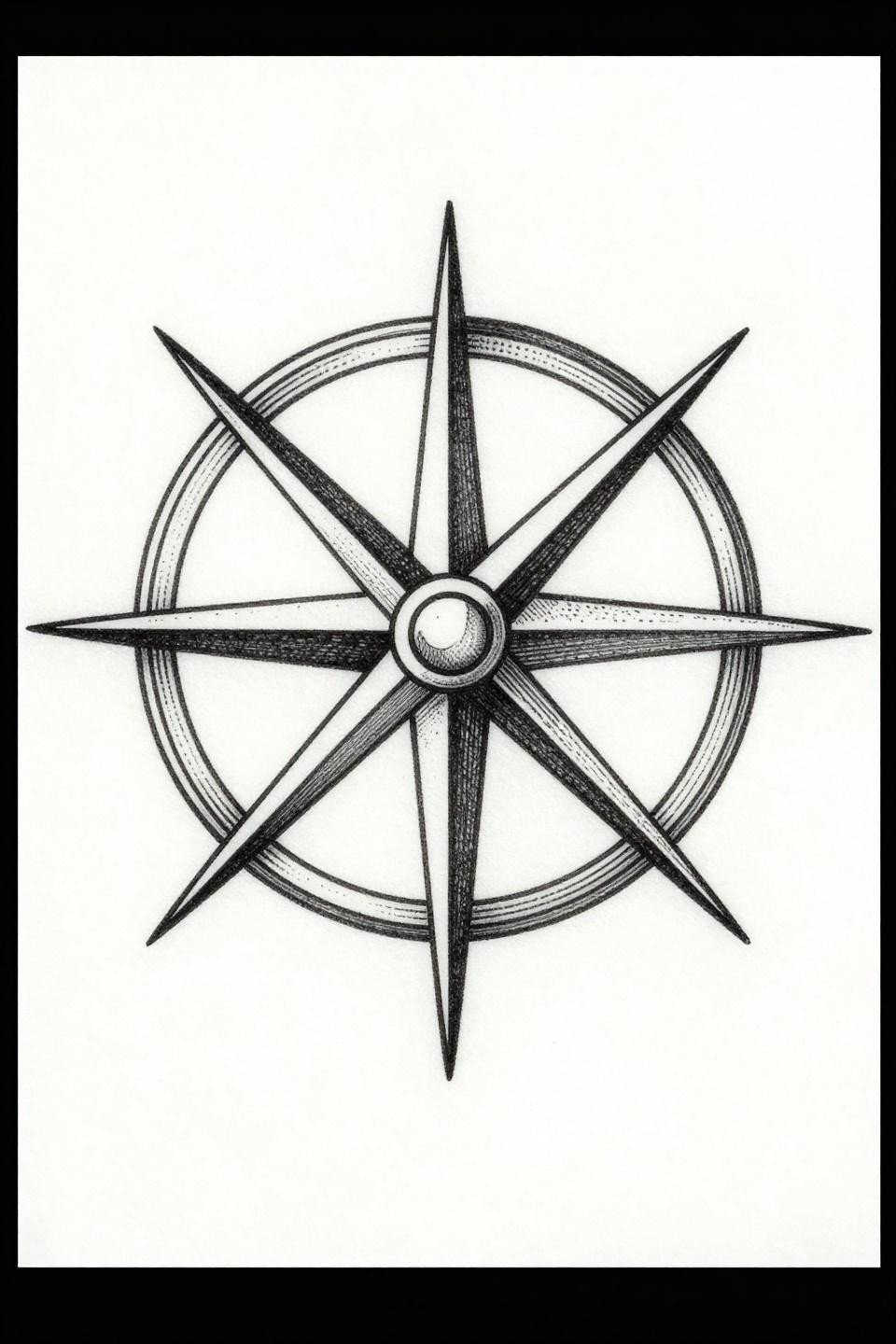
A minimalist compass rose with 0.3mm crosshatch engraving along the directional arms is a scale-sensitive design. Under 4 centimeters across, the parallel line hatching starts to merge on skin within 3 to 5 years.
At 6 to 8 centimeters, the same design holds clean for a decade in a protected placement like the lower rib. Scale up before you sit down, not after you see the healed result.
Neo-Traditional Feather: Negative Space as the Actual Subject
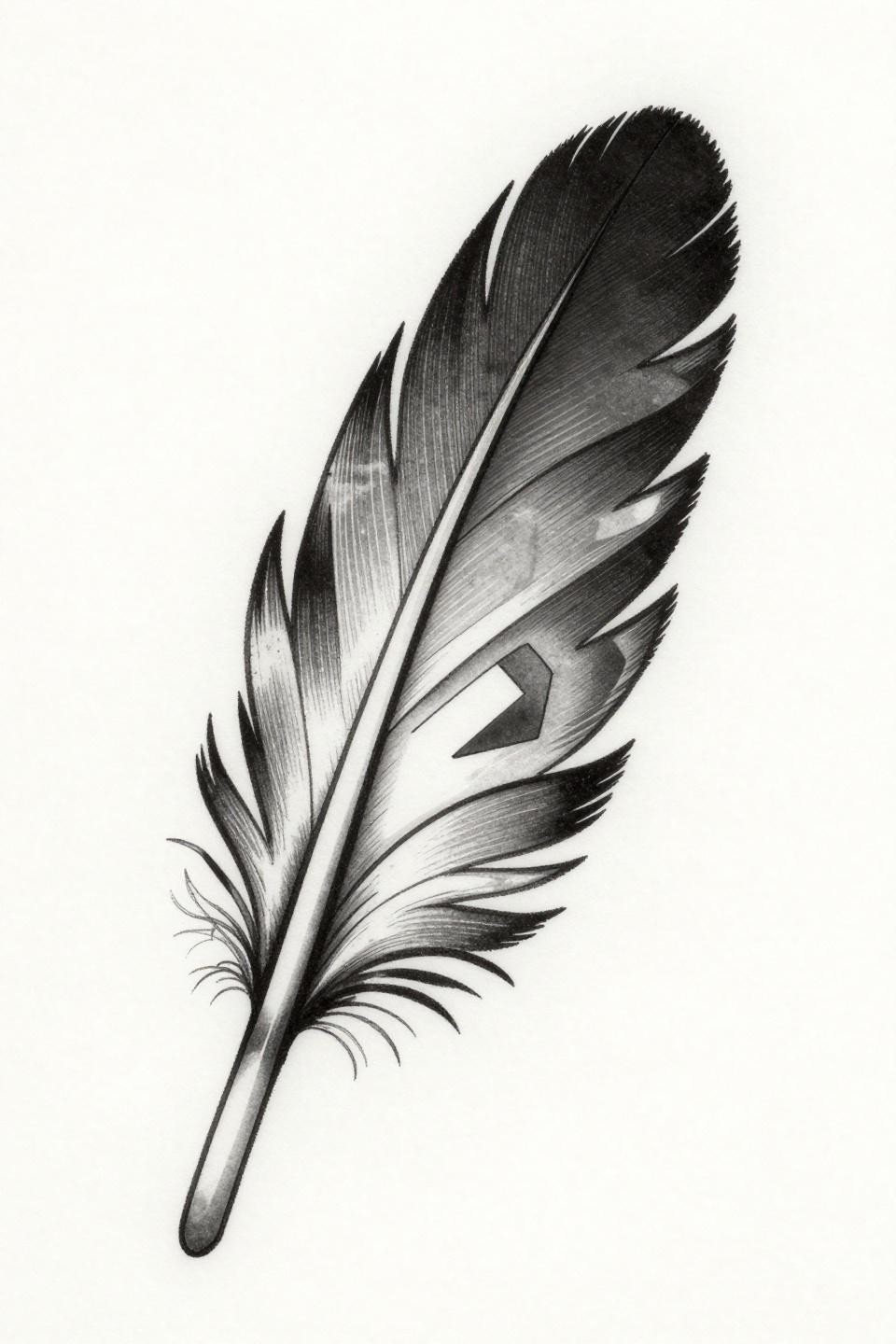
A neo-traditional feather with barbs dissolving into geometric void cutouts uses negative space as structural mass, which means the white of the skin is doing active compositional work, not just filling gaps.
This reads best on lighter skin where the contrast between the dense black outline and the open cutouts is sharpest. On medium and olive tones, the negative space windows close faster as the surrounding skin’s undertone reduces perceived contrast.
Orchid Watercolor on the Ribs Requires a Specific Anchoring Decision
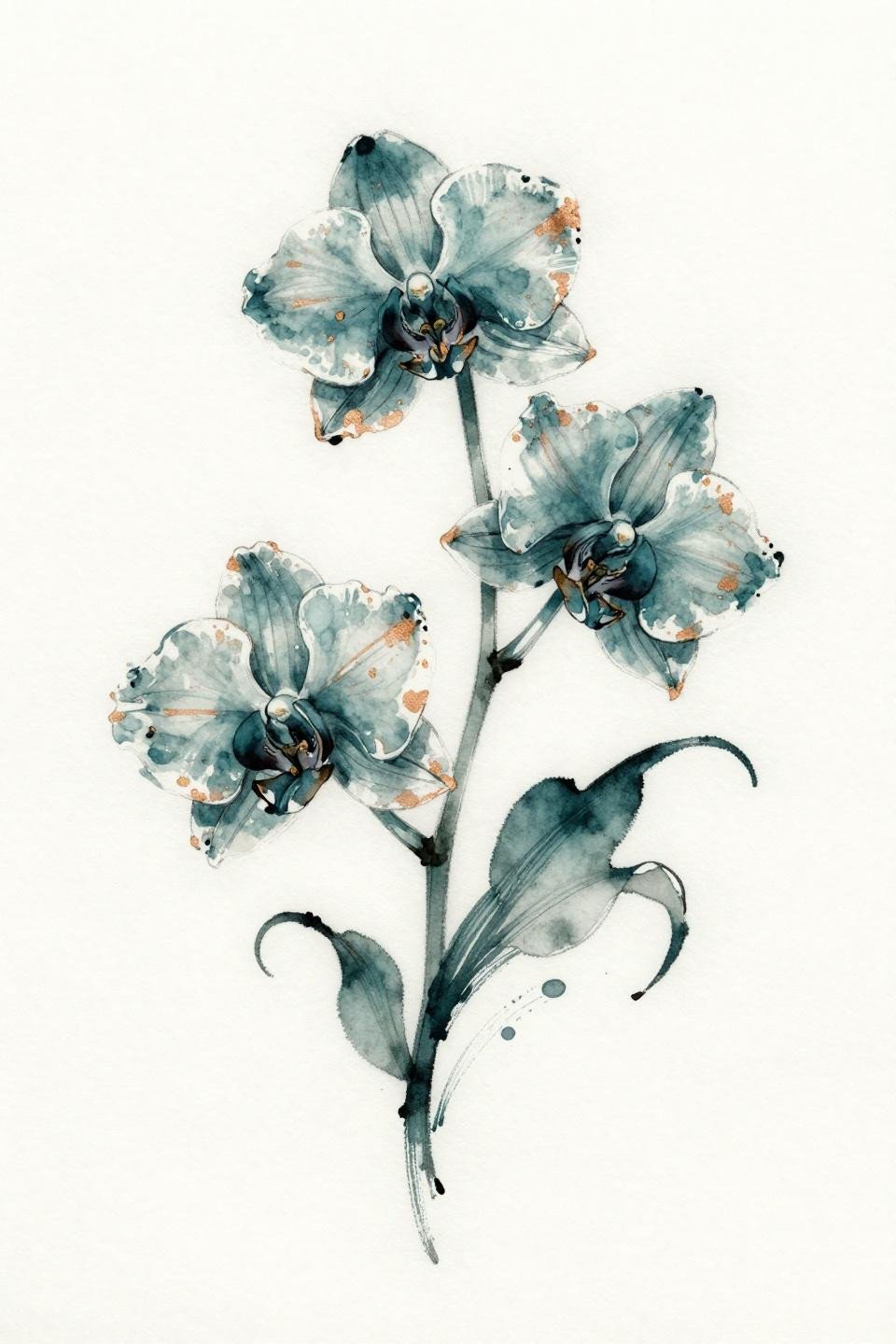
A single-stem orchid in watercolor style with calligraphic brushwork and wet ink diffusion at the petal edges is one of the more placement-specific designs here: the arching asymmetric stem reads naturally along the side rib’s vertical flow.
Watercolor without a defined outline blurs by year 3 to 5 regardless of aftercare. The teal and copper palette holds better than pure pigment washes, but this is a style that benefits from a fine line botanical anchor on at least the stem and calyx.
Split Pomegranate: When Cross-Section Composition Is the Right Call
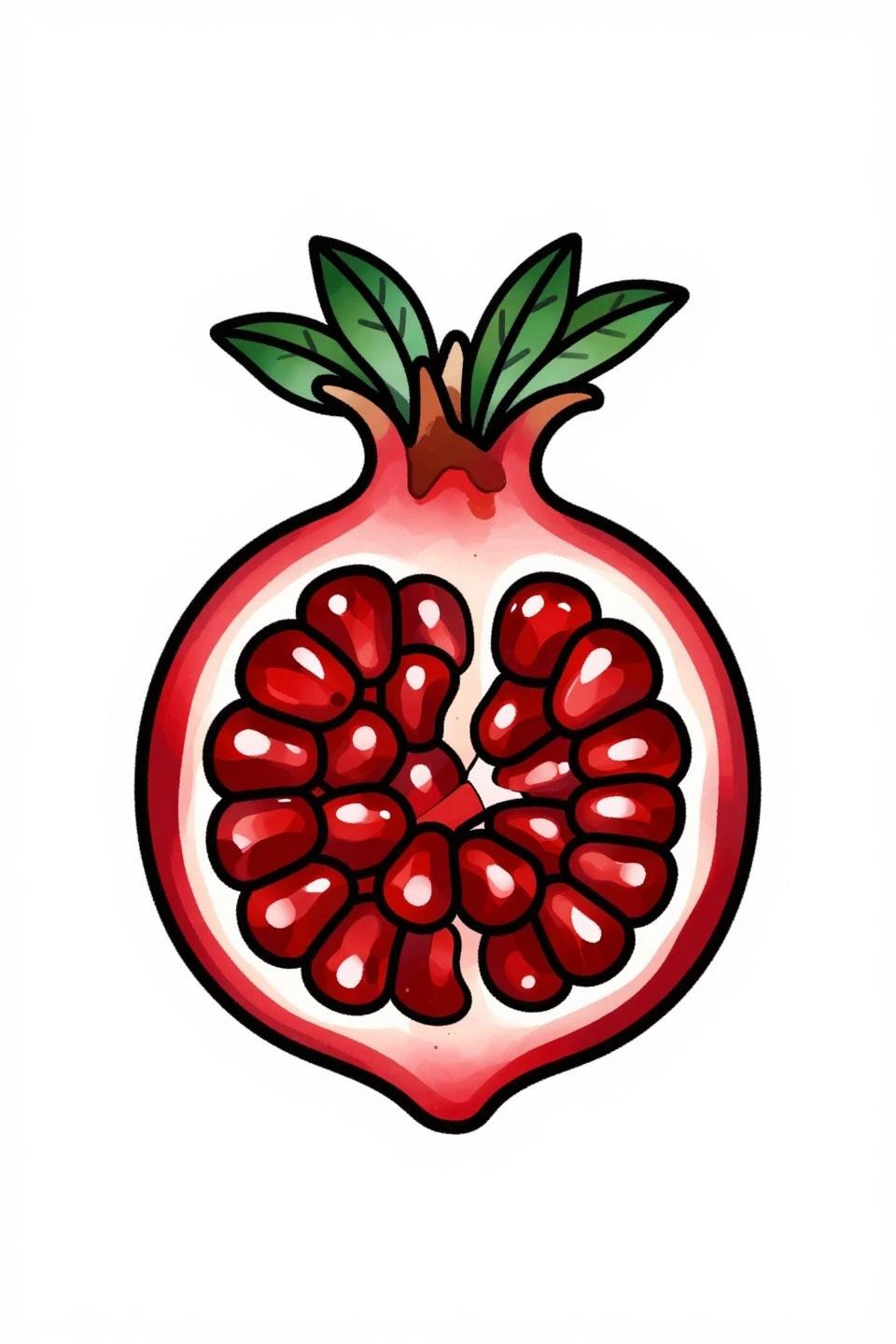
A pomegranate split open in botanical cross-section, with bold 2 to 3 point outlines and flat crimson fills, uses horizontal density at the seed chamber to anchor the design against the ribcage’s lateral pull during movement.
Bold outline weight at this scale is a longevity decision, not just a stylistic one. The crimson fill will shift slightly warmer over 10 years, but the outline structure keeps the composition legible long after the fill has aged.
Fine Line Lotus and the Placement Logic Behind the Vertical Stack
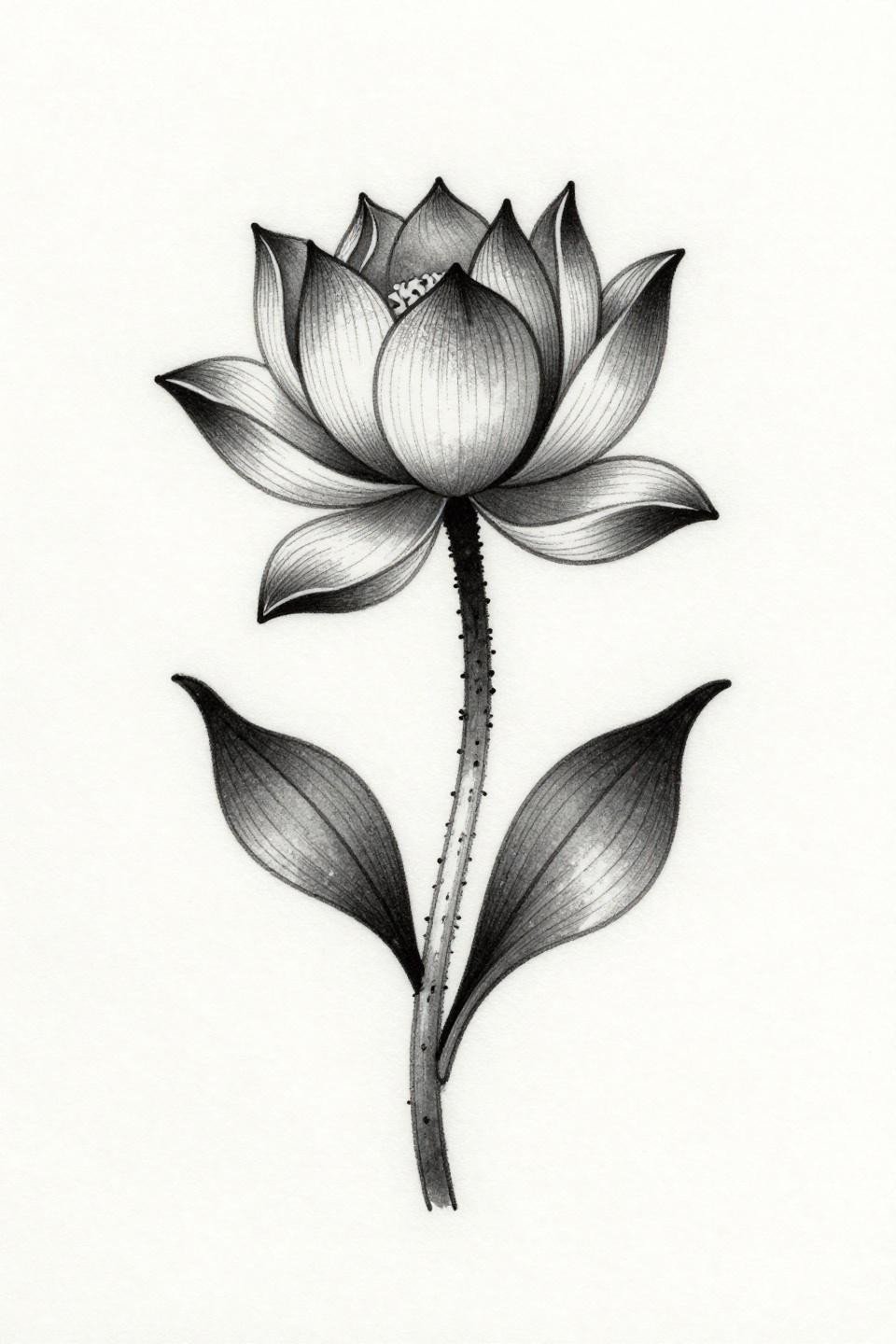
A lotus in strict vertical orientation, single petal unfurling from a closed bud with continuous unbroken linework, fits the rib cage because the stacked form never asks the design to spread laterally where the placement is weakest.
Weight variation at the petal edges is the technical signal here. Uniform hairline work looks flat on skin. An artist who varies line pressure from 0.3mm at the tip to 0.5mm at the base understands how ink reads after the heal.
Art Deco Feather: When Geometric Precision Meets an Organic Silhouette
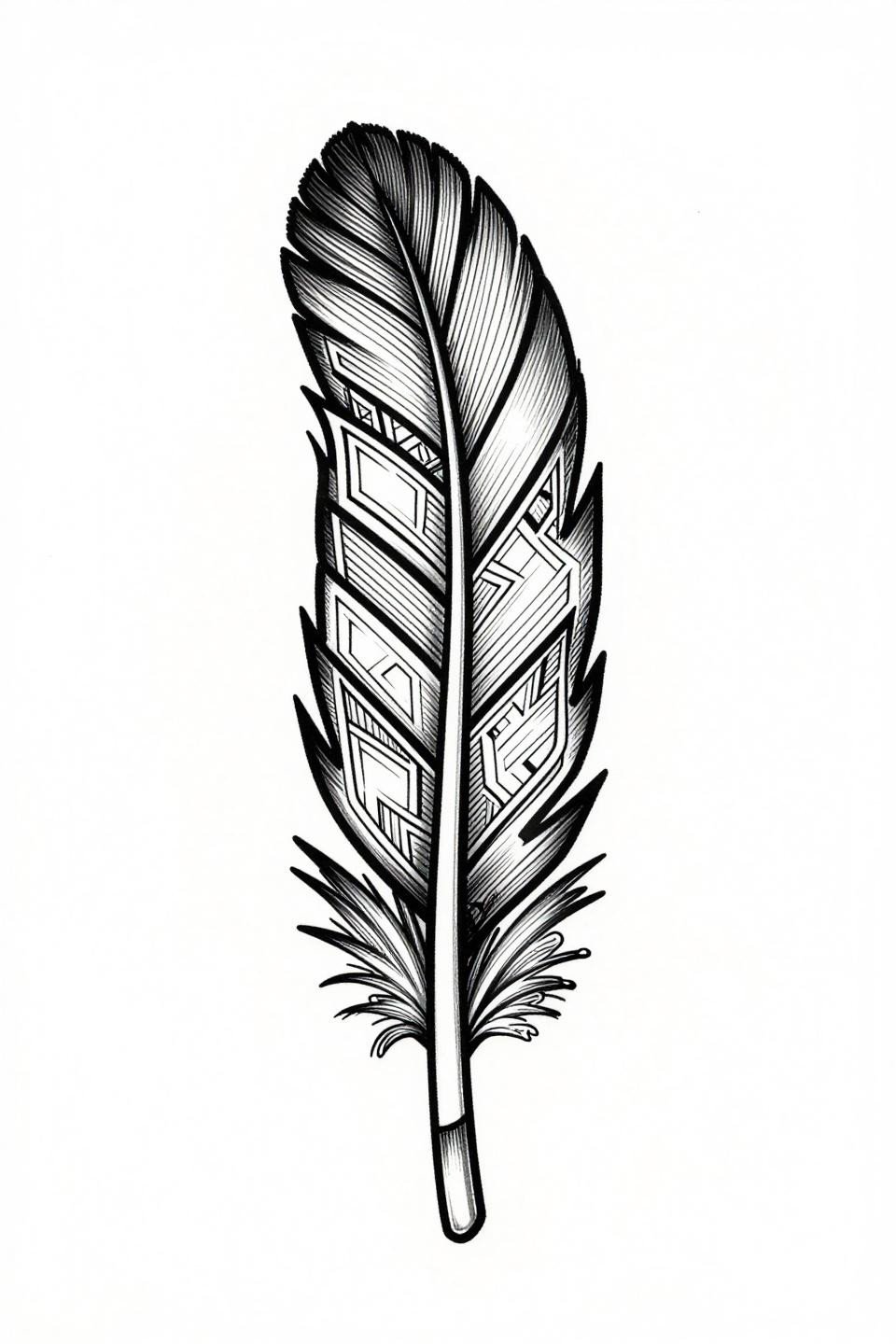
An art deco feather with a rectilinear geometric lattice filling the interior barbs works as a rib placement because the elongated vertical silhouette maps the canvas while the interior geometry adds visual density without requiring broad coverage.
No grey wash means this design is entirely dependent on linework precision and the quality of the outline’s single bold outer boundary. Check that the artist’s compass-drafted geometric work holds true angles at small scale before booking.
Constellation on the Side Rib: Sparse Work That Needs Confident Spacing
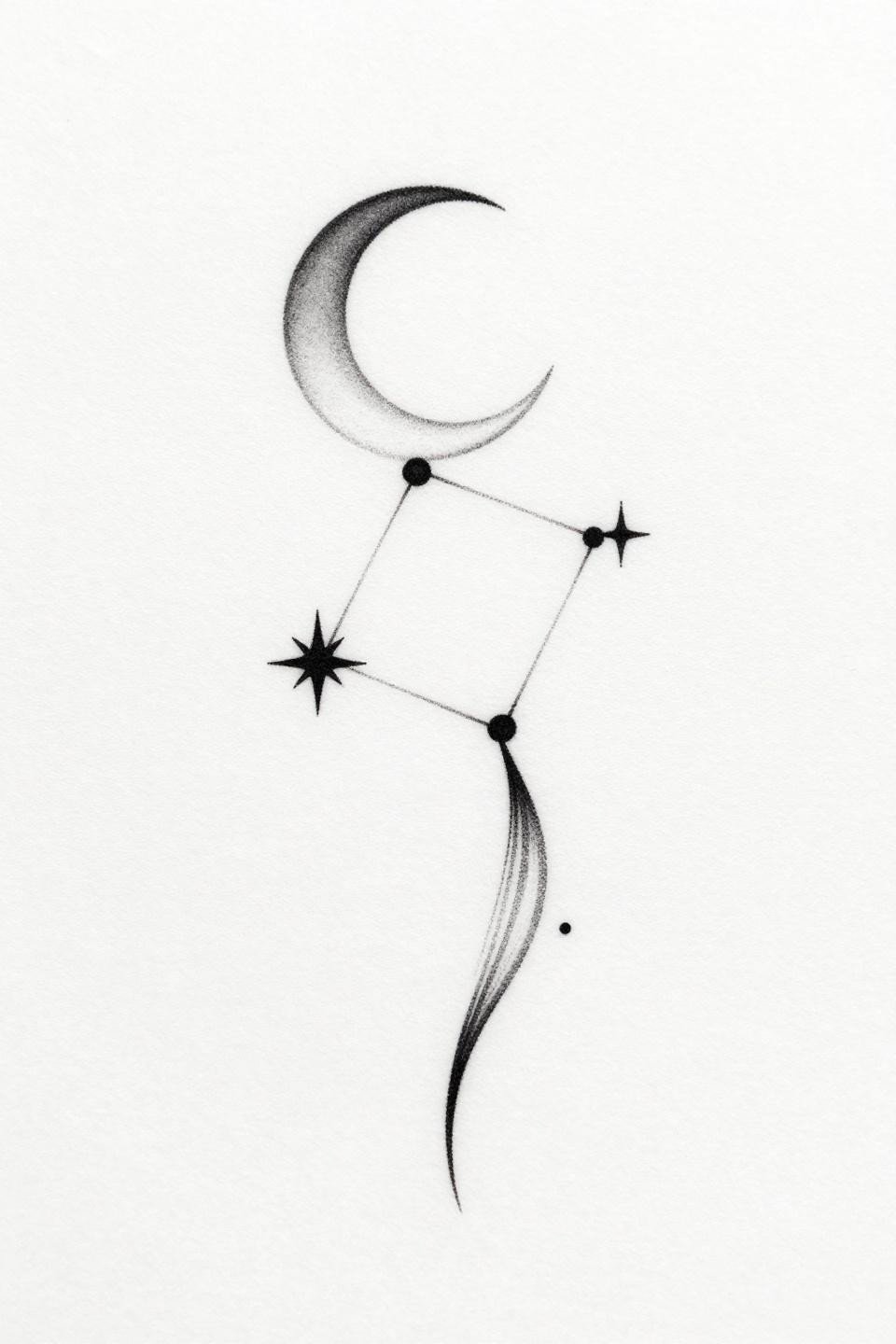
A sparse constellation with five star dots connected by hairline 0.5mm connection lines and a crescent moon accent relies entirely on the intentional spacing between elements to read as composed rather than scattered.
On the side rib, the vertical negative space between dot clusters follows the natural gap between ribs, which reinforces the design’s structure without the artist having to force it. That alignment is placement logic, not coincidence.
Geometric Mandala as a Rib Anchor: When Radial Symmetry Meets a Vertical Canvas
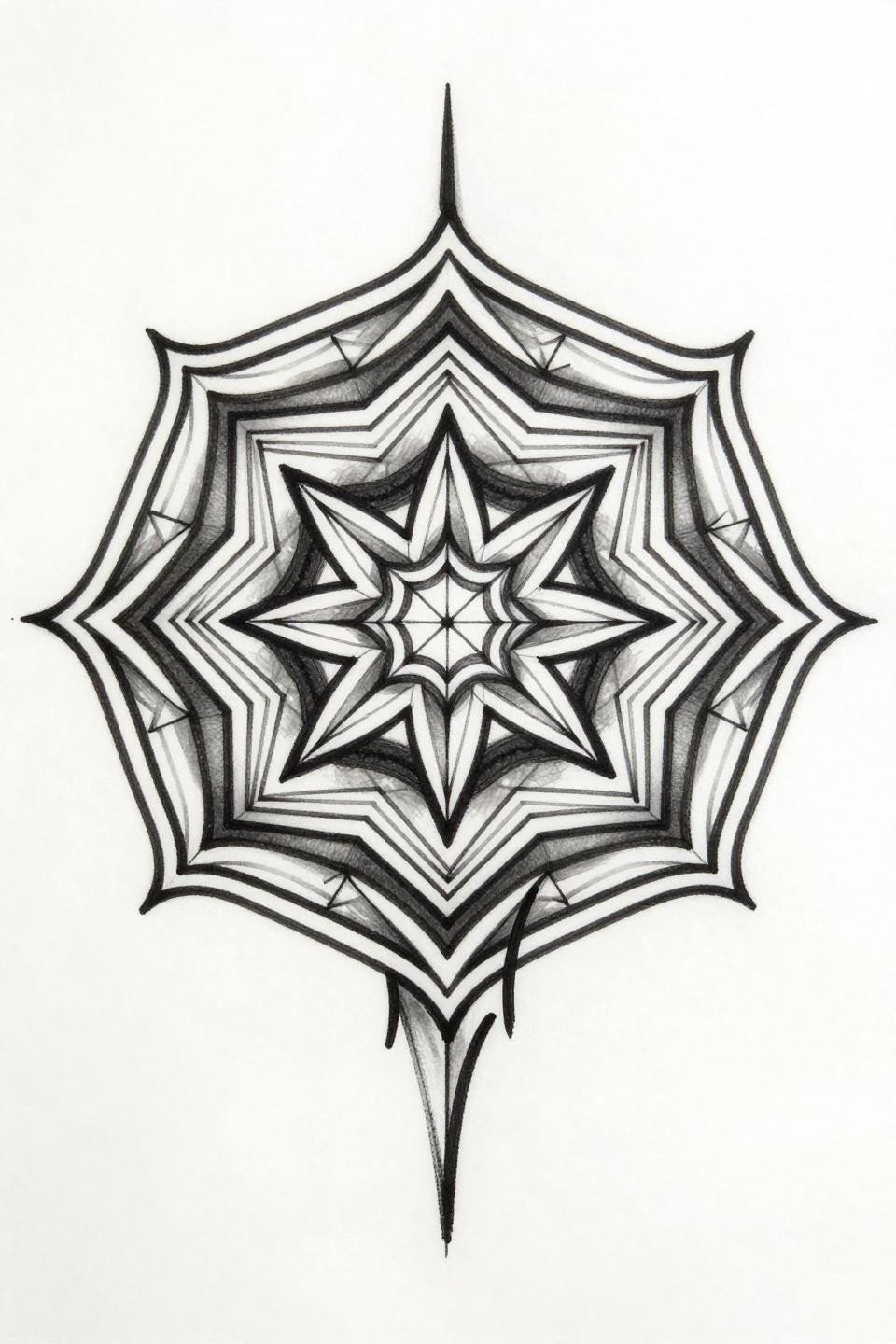
A tribal geometric mandala with nested hexagons and compass-drafted radial symmetry sits differently than elongated rib designs: it anchors over one central point rather than tracking the vertical axis, which works best on the lower or floating rib area.
Bold 2 to 3 point outlines with flat fills at this geometric complexity hold their structure for decades. The grey wash midtones build depth without requiring color, which means zero color-fade maintenance across the life of the piece.
Wildflower Continuous Line: The Design That Earns Its Simplicity
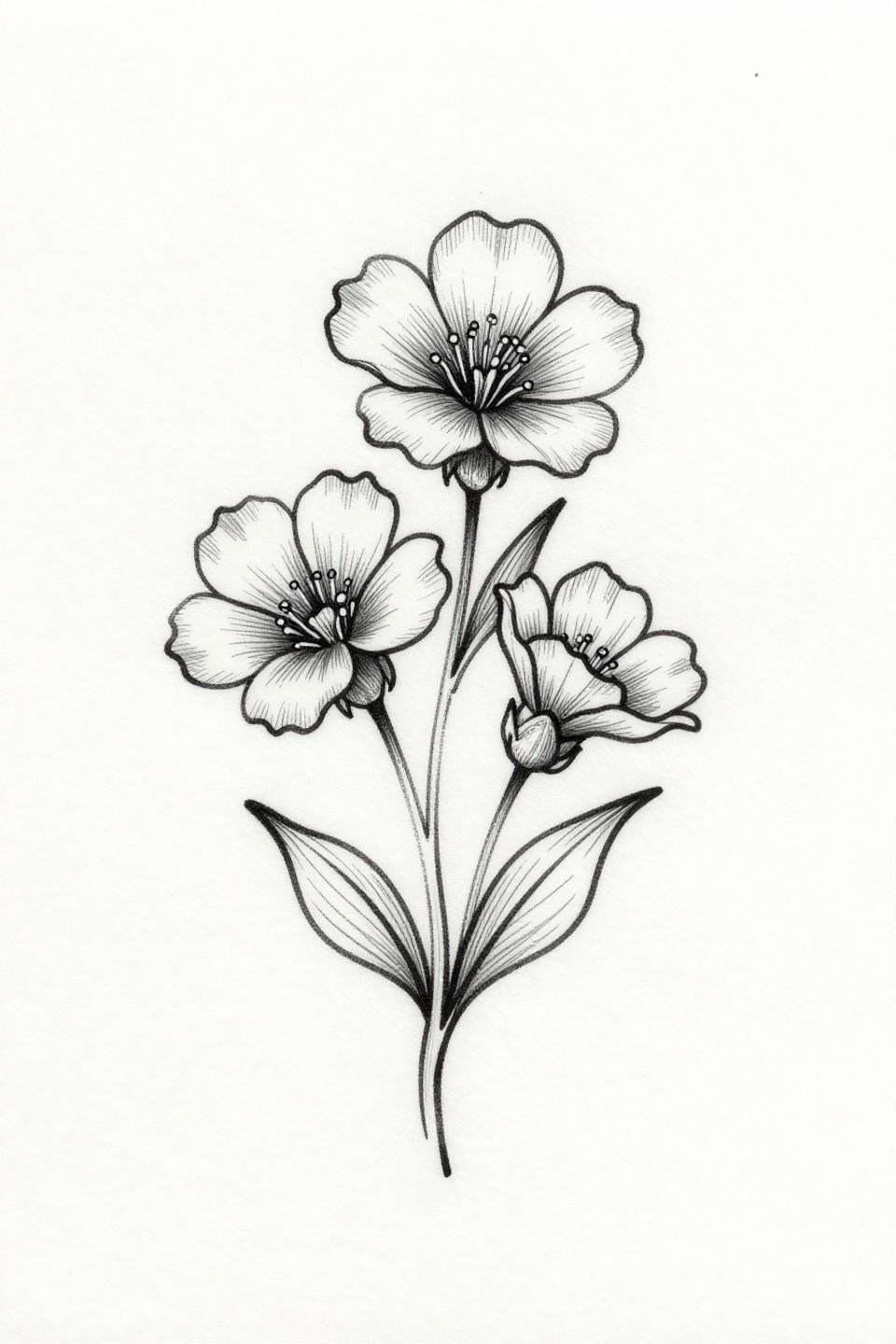
A wildflower stem with three botanically accurate blooms rendered in one unbroken 0.5mm single-needle stroke, zero fill, is the purest expression of what fine line rib work can do when the composition is disciplined.
This is a strong reference for collectors who want maximum placement flexibility. The slim vertical profile fits anywhere from the floating rib to the upper lateral chest without compositional adjustment.
Narrow these 21 references down to 3 that match your actual placement zone: floating rib, mid-side, or upper lateral. Scale and orientation are the two decisions that matter most before you walk into consultation. Send those 3 references with a clear note on the vertical length you want covered and let the artist build from there.