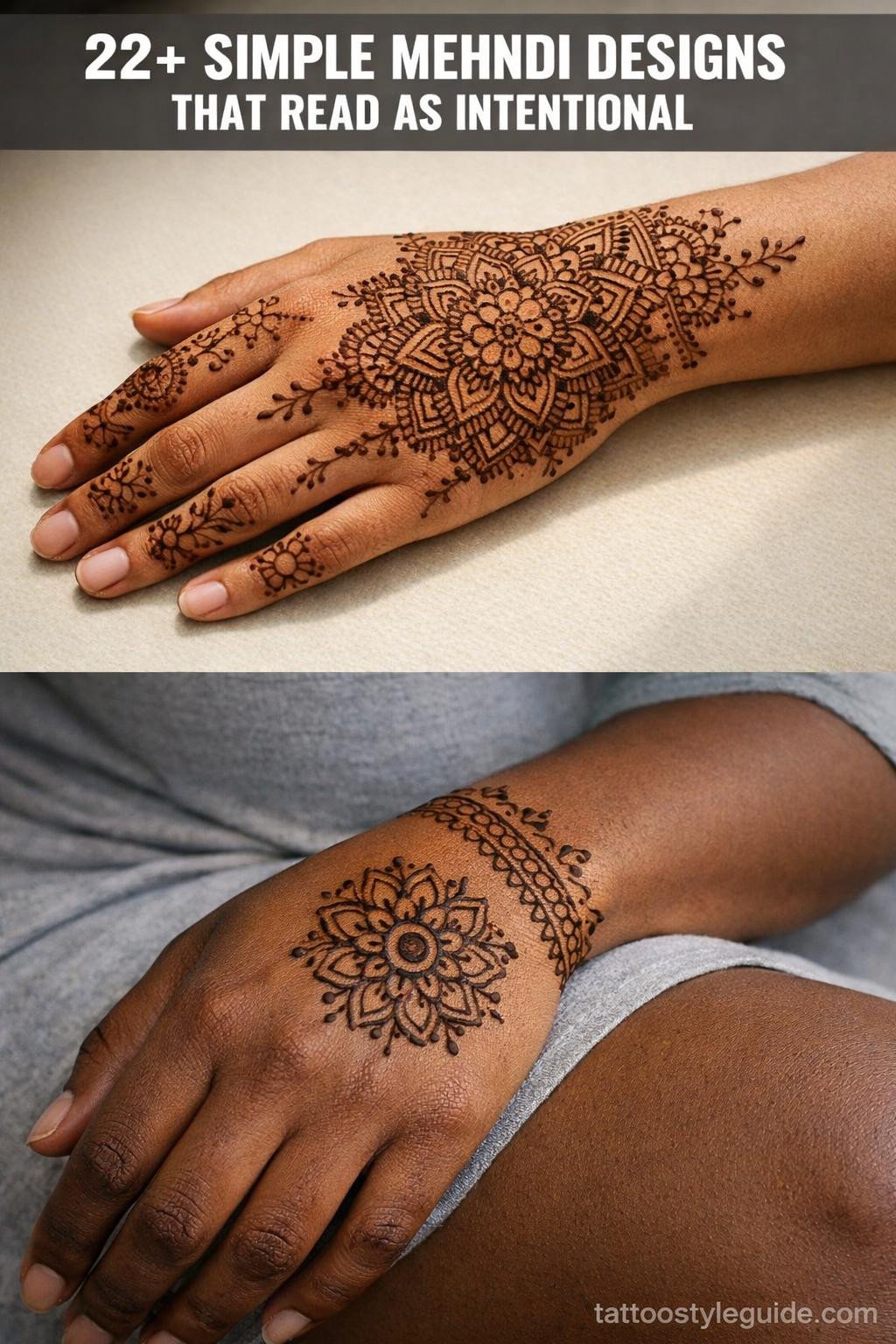
Very simple mehndi designs are harder to execute than dense full-hand patterns. Negative space does the compositional work, and that means every line placement is exposed. One wobble in a minimalist vine reads louder than ten mistakes buried in traditional geometric fill.
What separates clean minimal mehndi from just sparse mehndi is intentional anchoring. Each element, a node, a teardrop, a dot cluster, needs to justify its position in the composition.
When Two Crescents Do More Than a Full Mandala
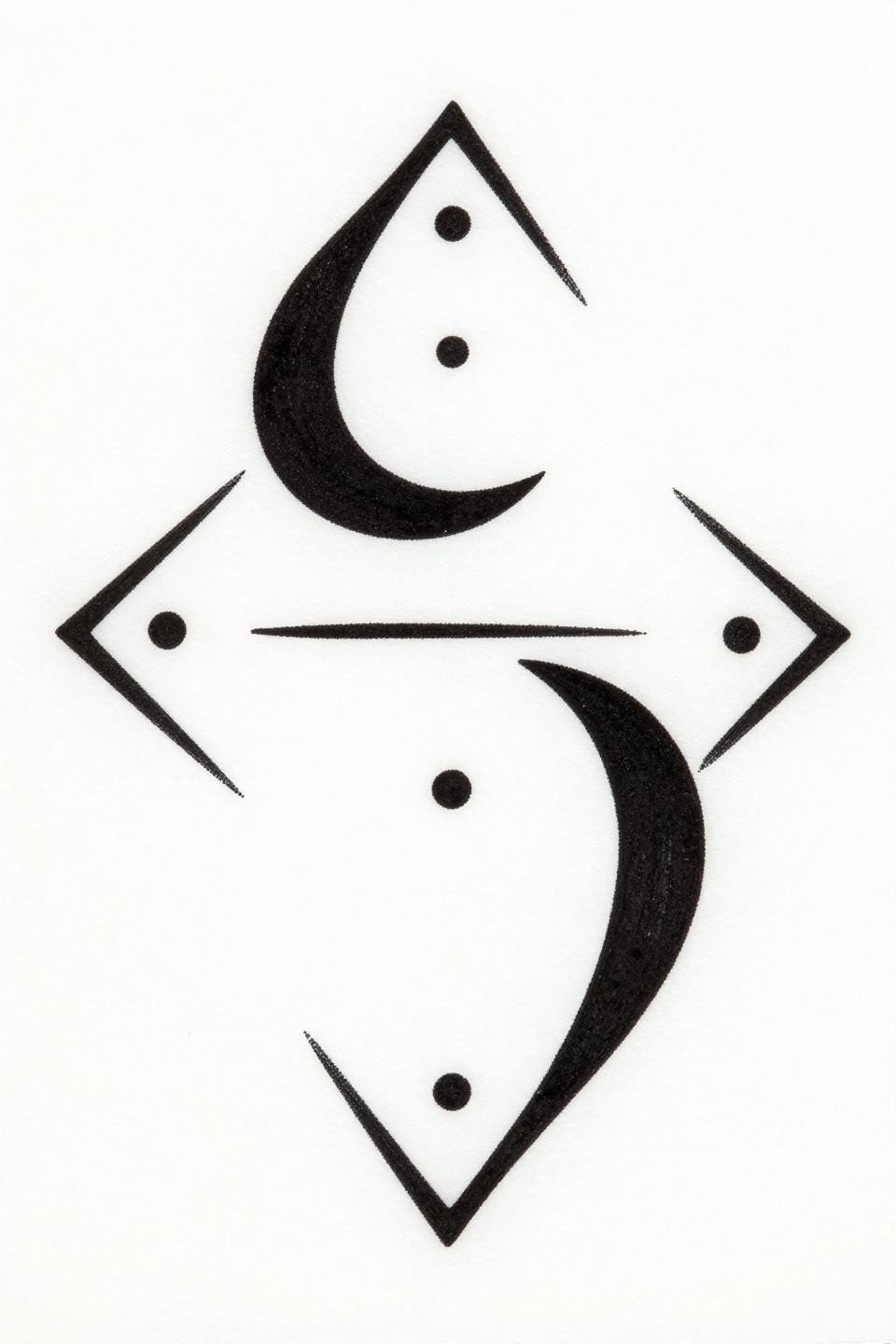
Two opposing crescent shapes mirrored at a center axis, framed in a diamond, with three ascending dots along the upper edge. This linocut block linework style keeps the composition tight without overcrowding the negative space.
On lighter skin tones this reads crisp at any scale. On olive and darker tones, the outline weight needs to be at least 2pt to hold contrast after healing.
Mandala Pairs That Earn the Stipple Gradient
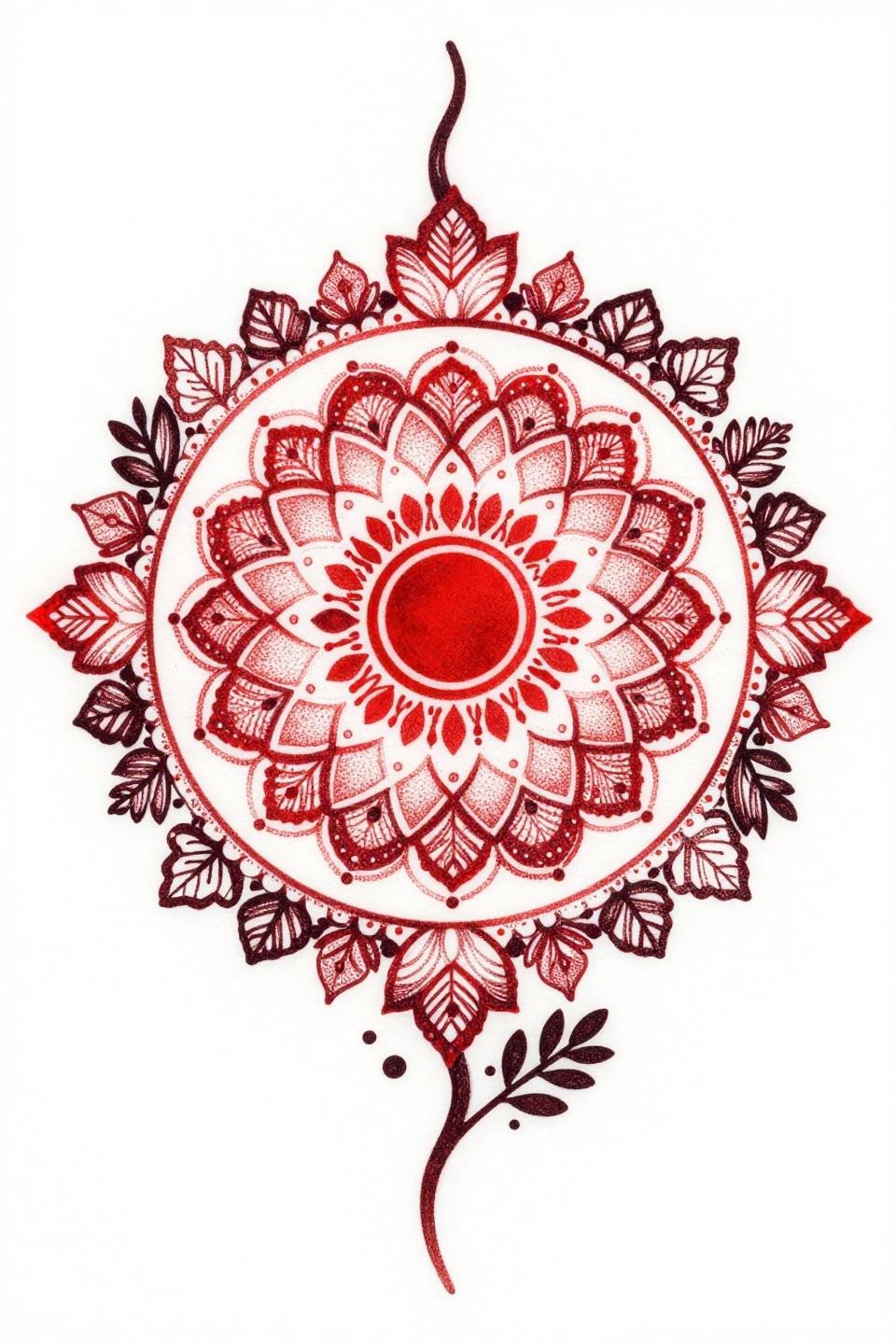
Two interlocking circular mandalas with radiating petal segments, worked in hairline single-needle strokes with photorealistic stipple density graduating from solid center to open edge. The stipple density gradient here goes from roughly 90% fill at center to open at the perimeter.
This is a reference for artists who control needle speed precisely. Check their healed portfolio for consistent dot size across a full gradient before booking.
Paisley Forms That Break the Symmetry Rule Deliberately
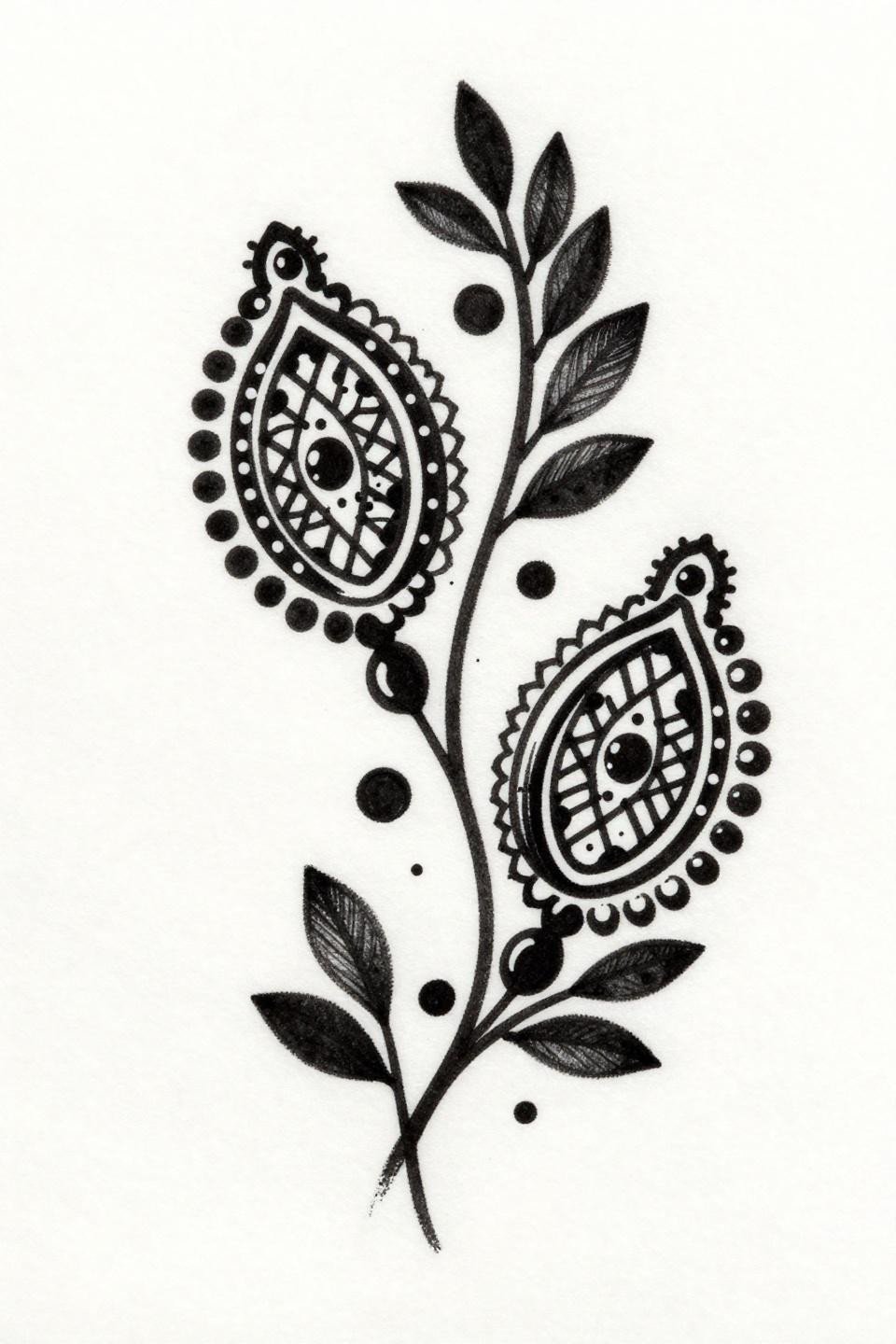
Two interlocking paisley teardrops with dense crosshatch geometric fill, colliding with aggressive ink splatter fragments in latest simple mehndi design trends that pull traditional motifs into contemporary contexts. The asymmetric vine below grounds the composition without centering it.
Bold 2-3pt outlines are the longevity signal here. Flat black fills at this weight hold clean for 10 or more years on protected placements like the inner arm or sternum.
Dotwork Mandala Pairs at Year Five: Holding or Diffusing
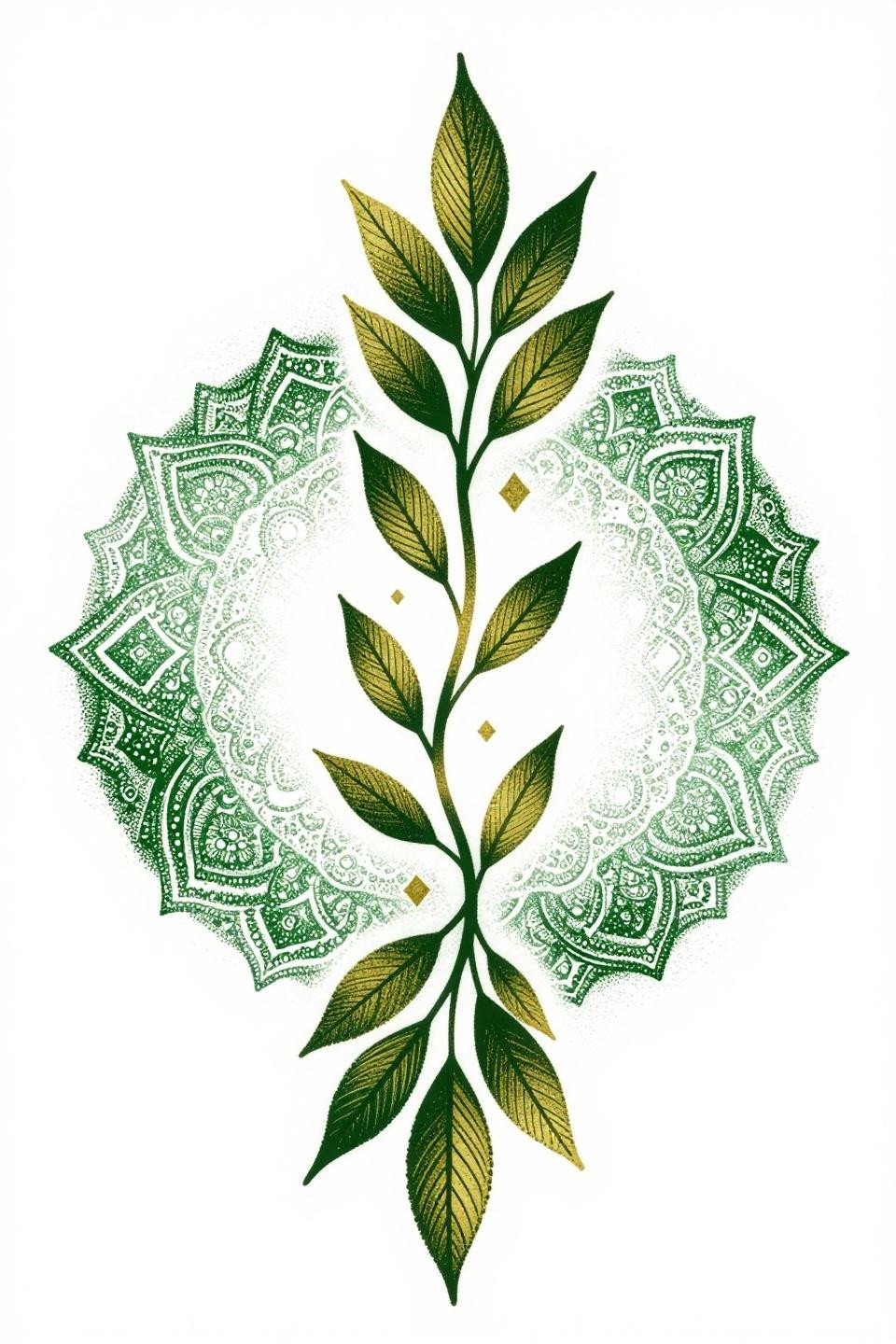
Bilateral symmetry along a vertical axis, two circular mandalas with stipple fill bleeding from dense center to open perimeter, anchored by a branching tendril with staggered leaf clusters. Forest green and flat gold ink make this color pairing read differently from the standard black-only mehndi reference.
Watercolor-adjacent ink fields without solid black anchoring tend to blur by year three to five. The outlined structure on these mandalas provides the necessary anchor to slow that diffusion.
Grey Wash Mehndi: The Style That Rewards Slower Hands
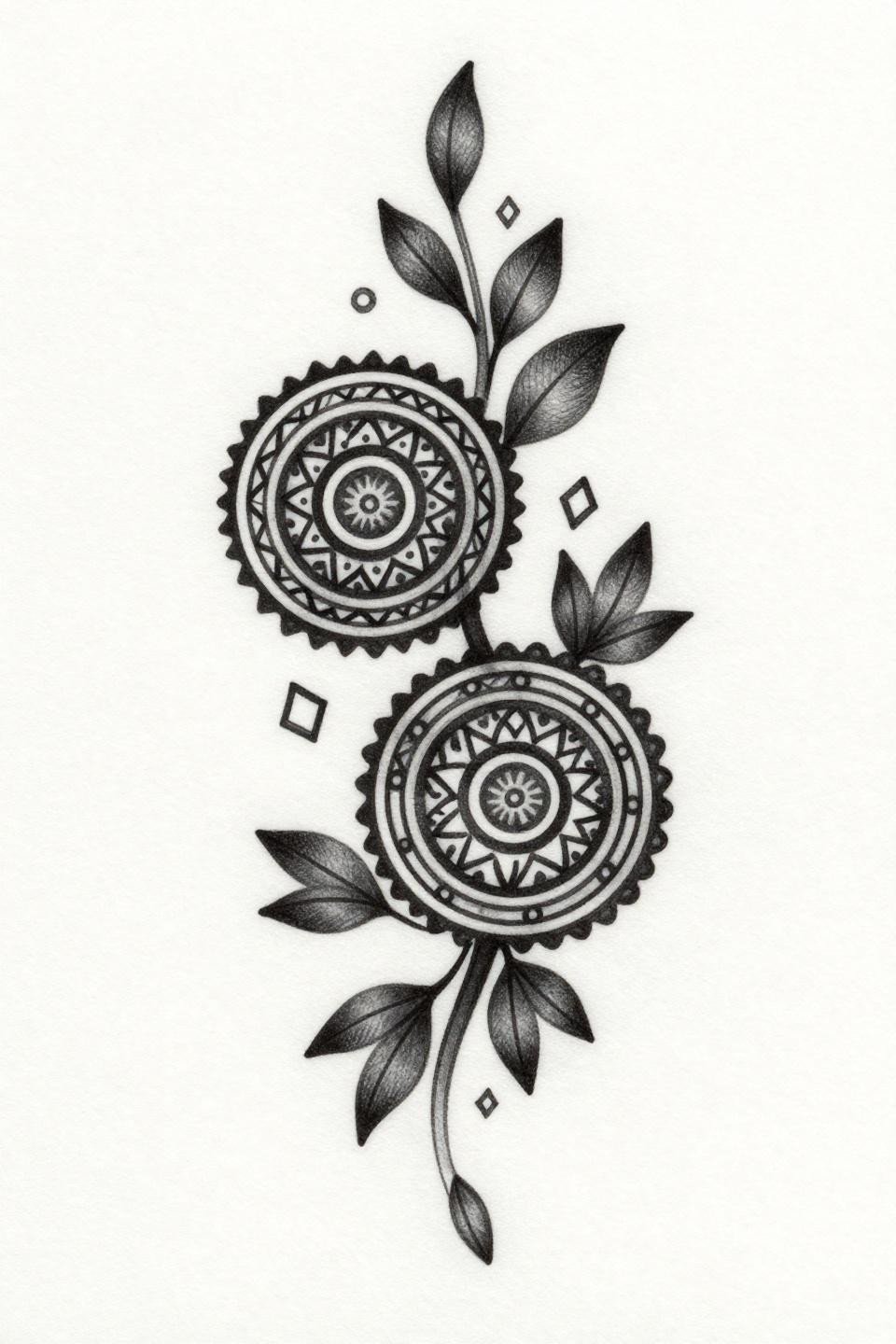
A mehndi vine with two interlocking circular medallions, geometric crosshatch fill at the centers, and four asymmetrically branching tendrils worked in chicano whip shading with grey wash dilution from dense to open midtones. No solid black fields in this execution.
Grey wash dilution from dense to open with no muddy midtones is the technical tell separating veteran artists from beginners. On olive skin, the contrast between light wash and skin reads cleaner than it does on very fair tones.
Ignorant Style Mehndi: Crude Outlines, Intentional Weight
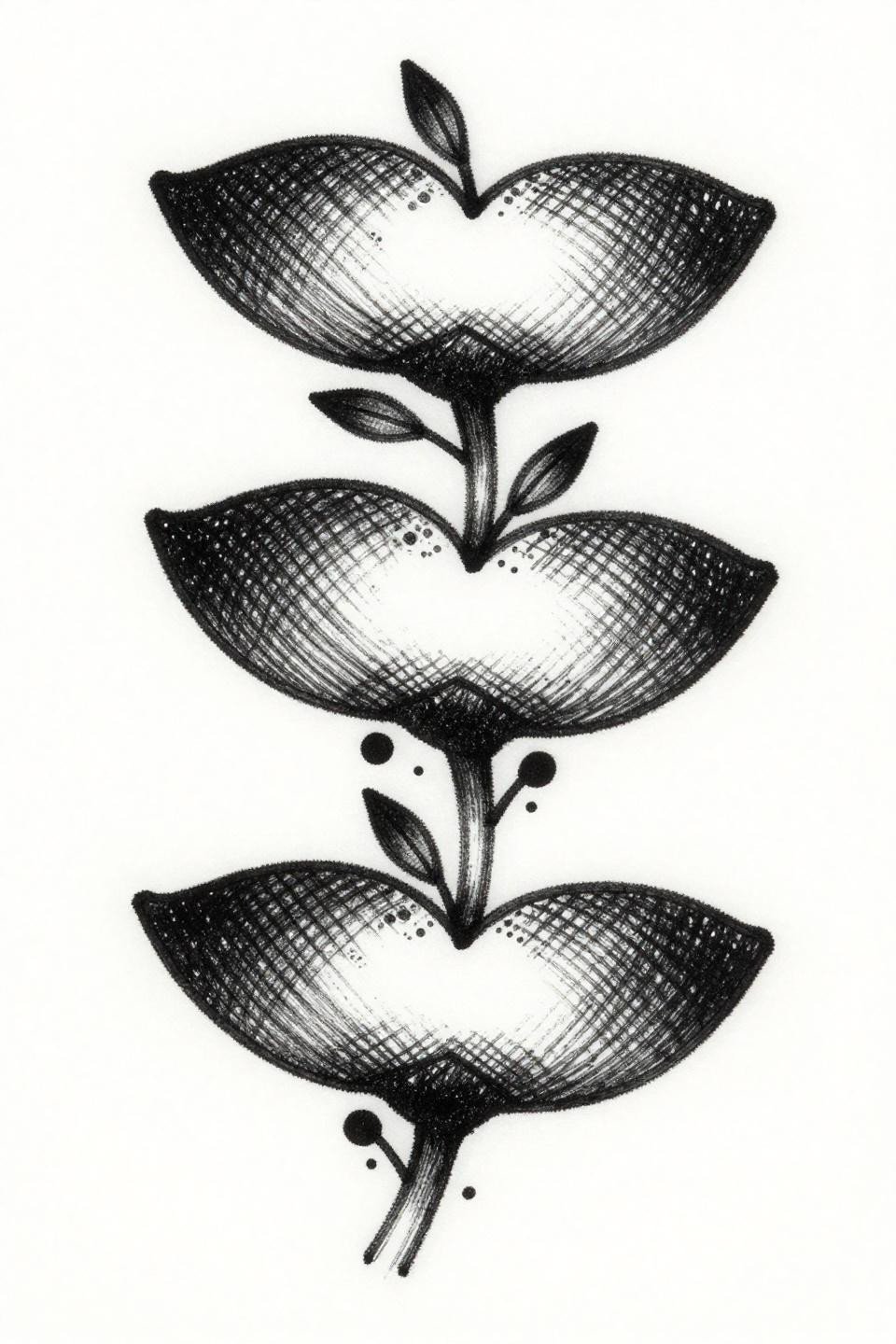
Three stacked horizontal petal-shaped cells with dense crosshatch fill, connected by a single curved stem with asymmetric triangular leaf accents. The raw imperfect outline weight in ignorant-style work is deliberate, not careless, and holds aging well precisely because the lines are thick enough to resist migration.
This placement format works cleanly on the forearm or back of the upper arm. The stacked vertical composition reads from a distance without needing any background fill to carry it.
Neo-Traditional Teardrops: Where Teal Ink Actually Works
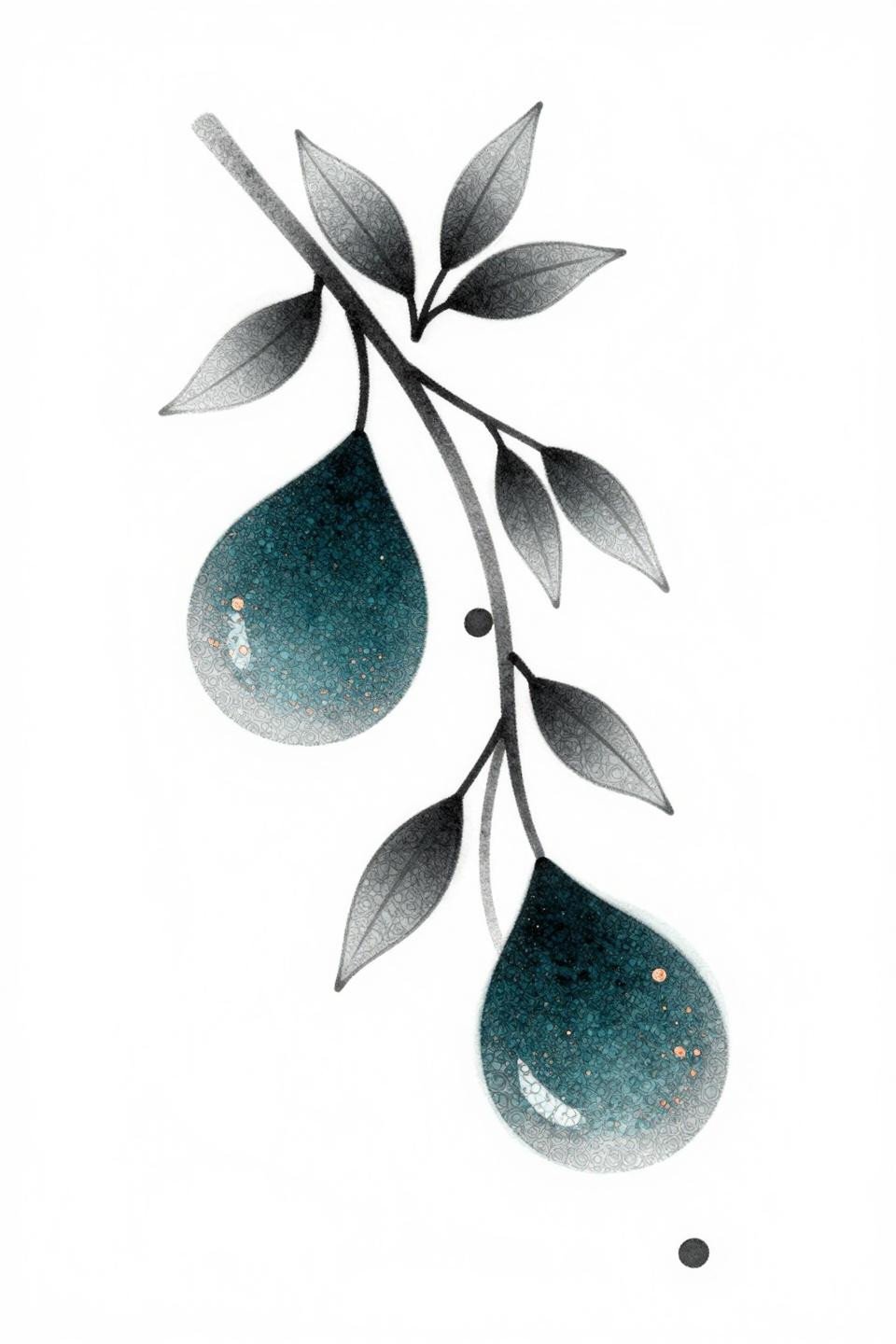
Two teardrop cells with dense stipple fill centers, connected by a curved stem with three paired leaf clusters, worked in deep teal ink with a copper metallic accent. The asymmetric diagonal flow gives this composition directional movement that centered designs lack.
Teal ink on skin fades to a greyed-blue faster than black or dark green. Artists using quality teal pigments in a protected placement, like the upper back, can extend color life by two to three years compared to high-friction zones.
Sak Yant Structure Applied to Mehndi Mandala Geometry
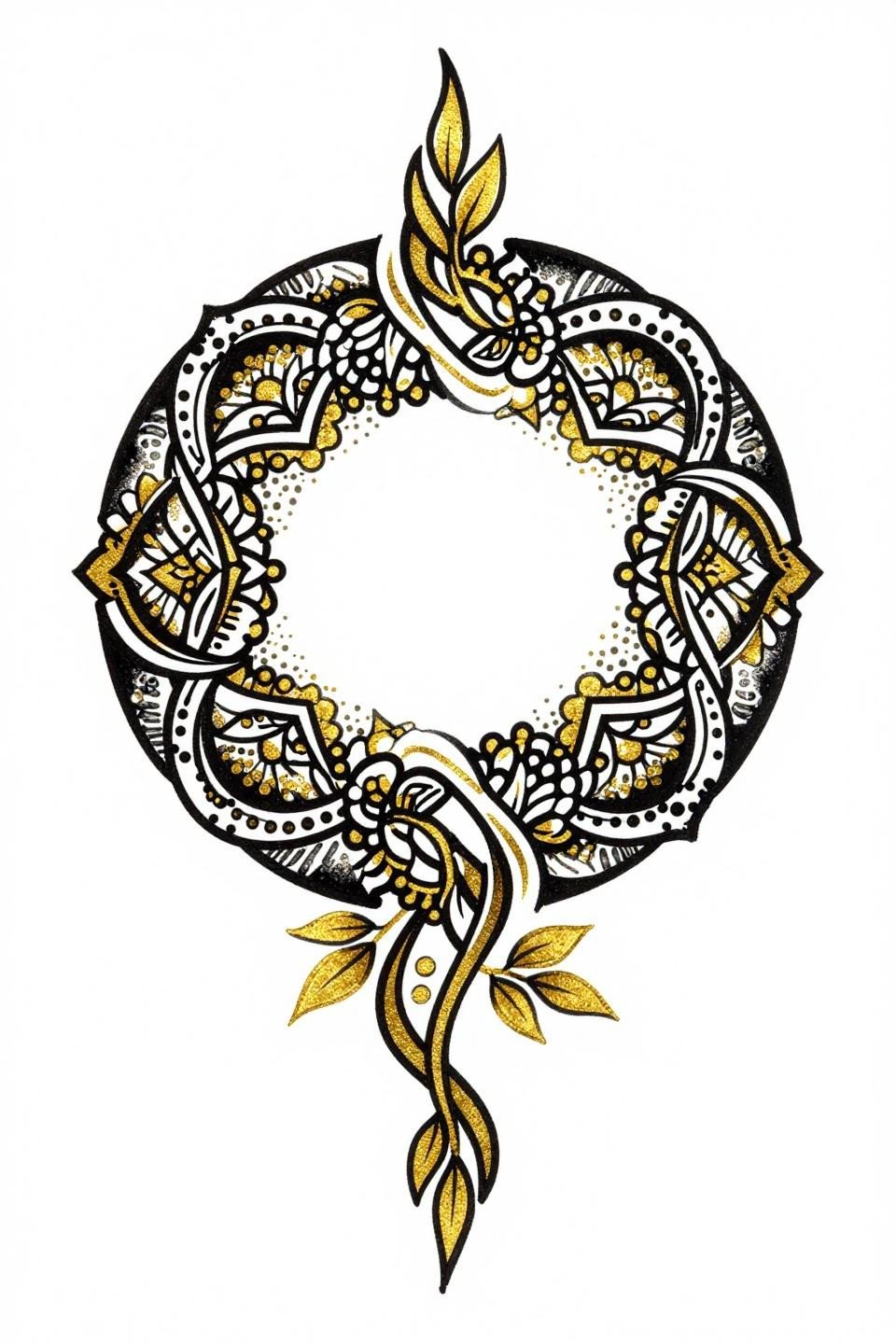
Two interlocking circular loops with dense dot fill graduating outward, a single branching tendril below with three staggered leaf clusters, executed in sak yant structural weight with flat gold metallic fills on bold 2-3pt black outlines.
For henna designs for everyday wear, this mandala-forward structure translates directly to skin work. The bilateral symmetry along the vertical axis makes it a reliable wrist or sternum reference.
Art Deco Paisley: Bilateral Symmetry With Metallic Restraint
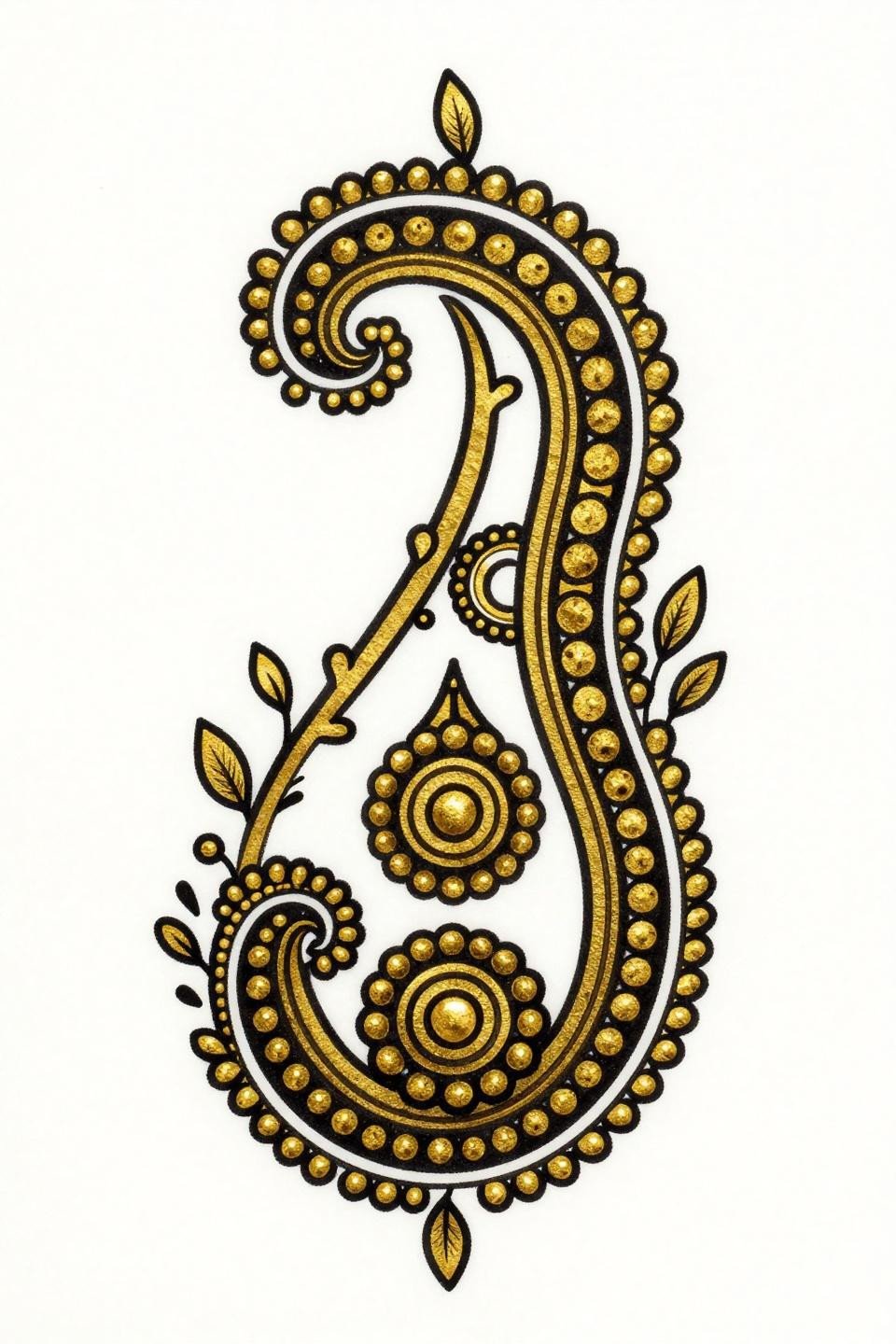
Two interlocking paisley shapes in mirrored bilateral symmetry, three circular node clusters along the central vertical axis, sparse curved tendrils with staggered leaf accents, and flat metallic gold fills against bold black outlines. Art deco proportion in a traditional mehndi motif.
The flat fill with no patchiness separates veterans from beginners on this style. Any hesitation in ink saturation shows immediately in the negative space between the node clusters.
Celtic Mandala Cascade: When Five Motifs Stay Disciplined
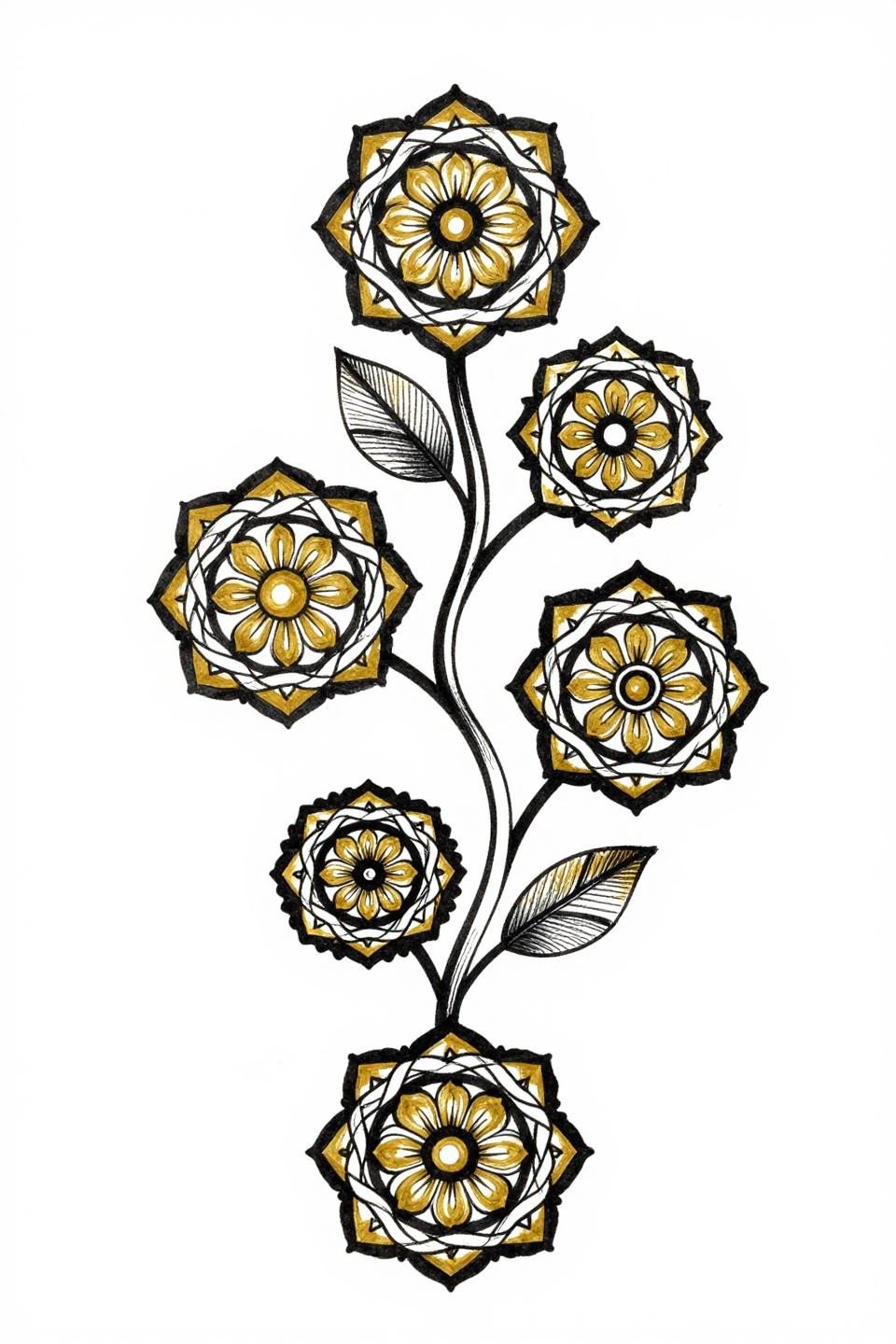
Five mehndi mandalas in staggered vertical cascade, each with a four-petaled center flower and three concentric rings, connected by a single curved stem with alternating paired leaf accents. The crosshatch etching linework with interlace patterning references Celtic knotwork without losing the mehndi motif identity.
Five-element vertical compositions work best on the spine or inner arm, where the natural body line reinforces the downward cascade. Any placement with significant curve distorts the concentric ring geometry.
Old School Bold Outlines on a Circular Mehndi Form
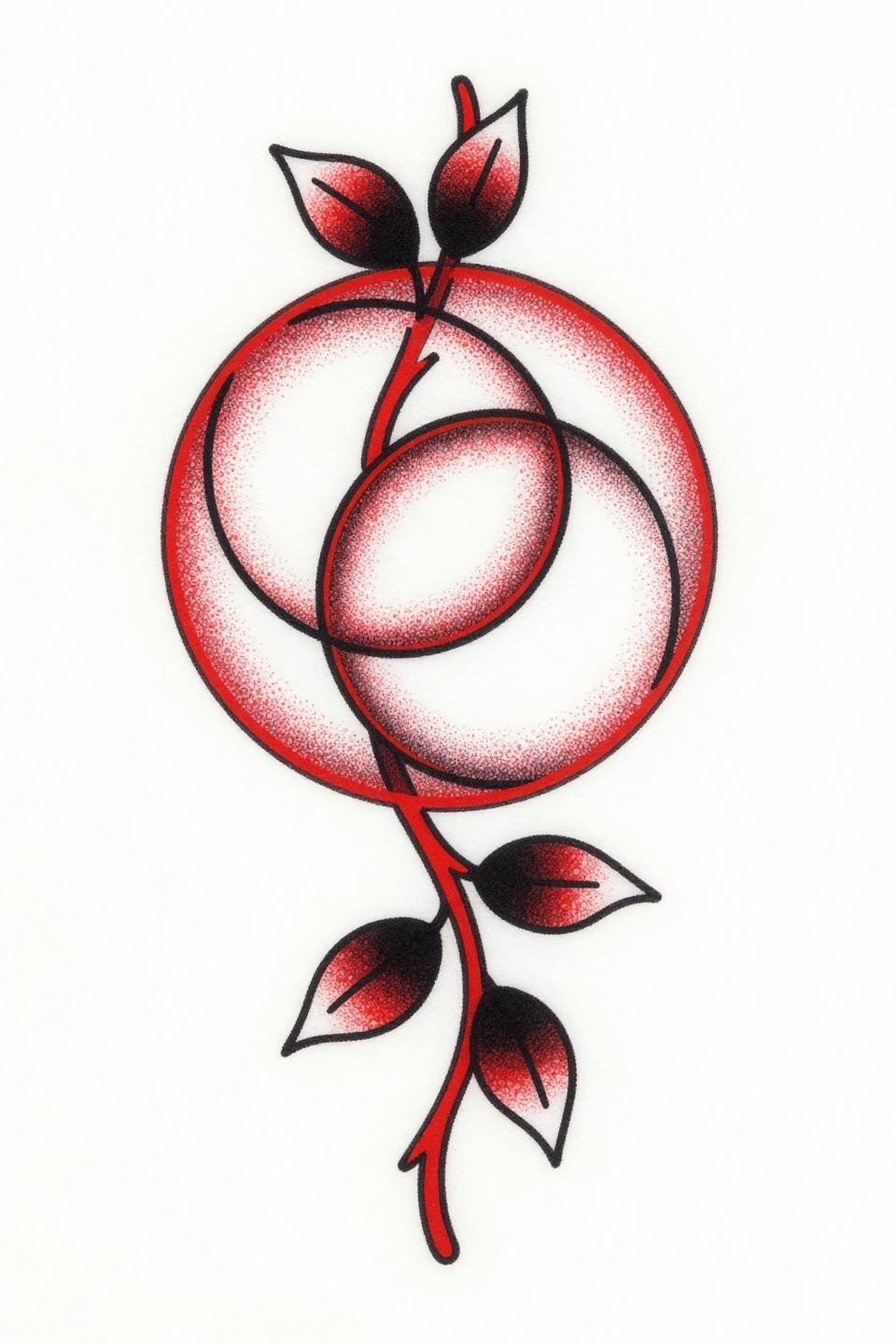
Two interlocking circular loops with stipple dot fill graduating from dense center to open edge, a downward-branching tendril with three staggered leaf clusters, executed in old school weight with flat crimson red and solid black fills. Bold outline work at 2-3pt holds clean for a decade or more on most placements.
The combination of stipple gradient interior with flat color anchor is an uncommon pairing in this motif space. It functions as a bridge reference between dotwork collectors and traditional collectors.
Watercolor Bleed With Copper Accent: Know the Shelf Life
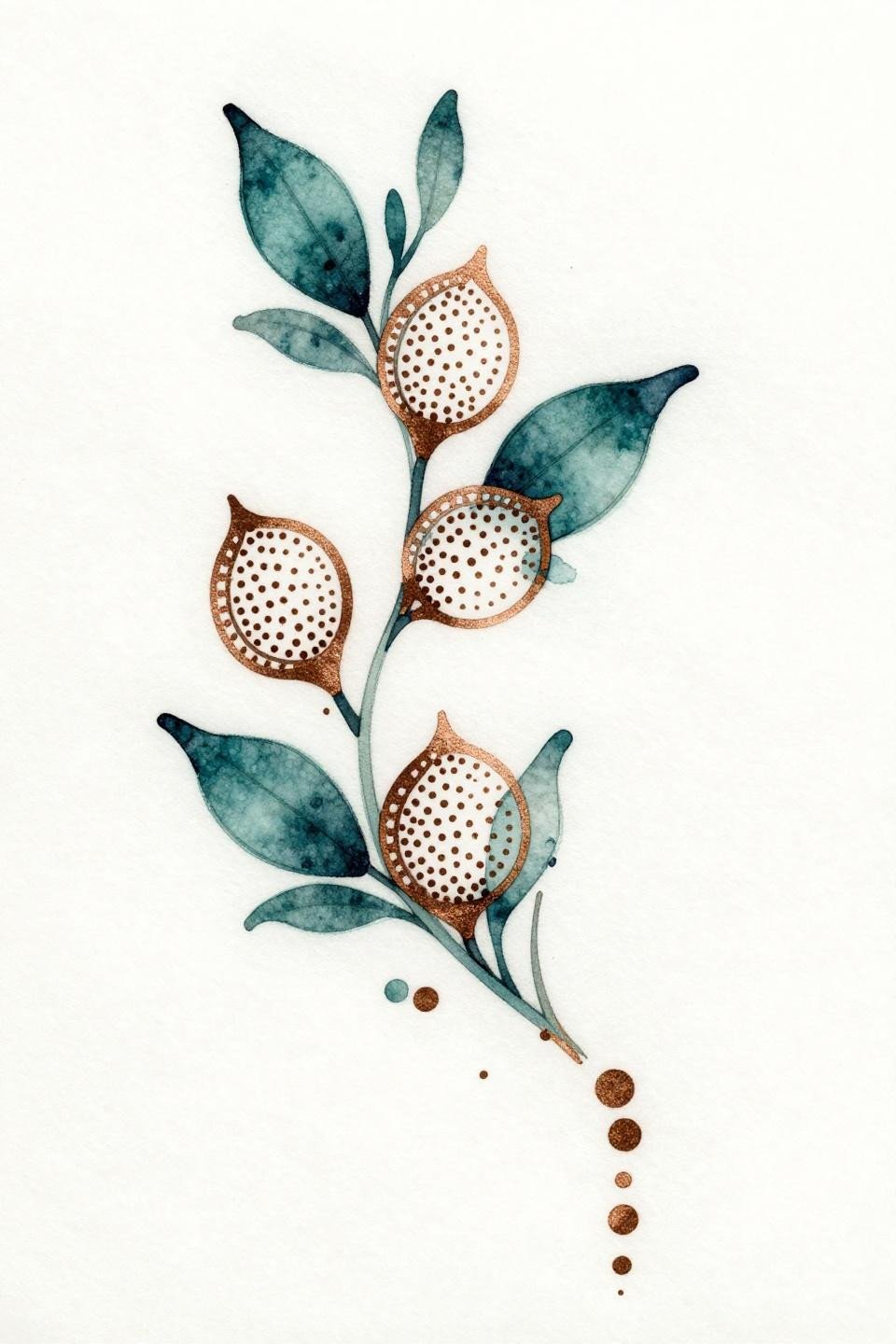
Three looped cells with stipple dot interior fill, asymmetric paired leaf accents, and a trailing tendril with terminal dot cluster, all executed in calligraphic wet ink quality with deep teal watercolor bleed and copper metallic accent bleeding at the edges.
Watercolor fields without a solid anchoring outline bleed by year three to five, especially on high-movement placements. This reference is strongest as a wrist or collarbone design where protected placement slows that drift.
Traditional American Structure in a Mehndi Vine Format
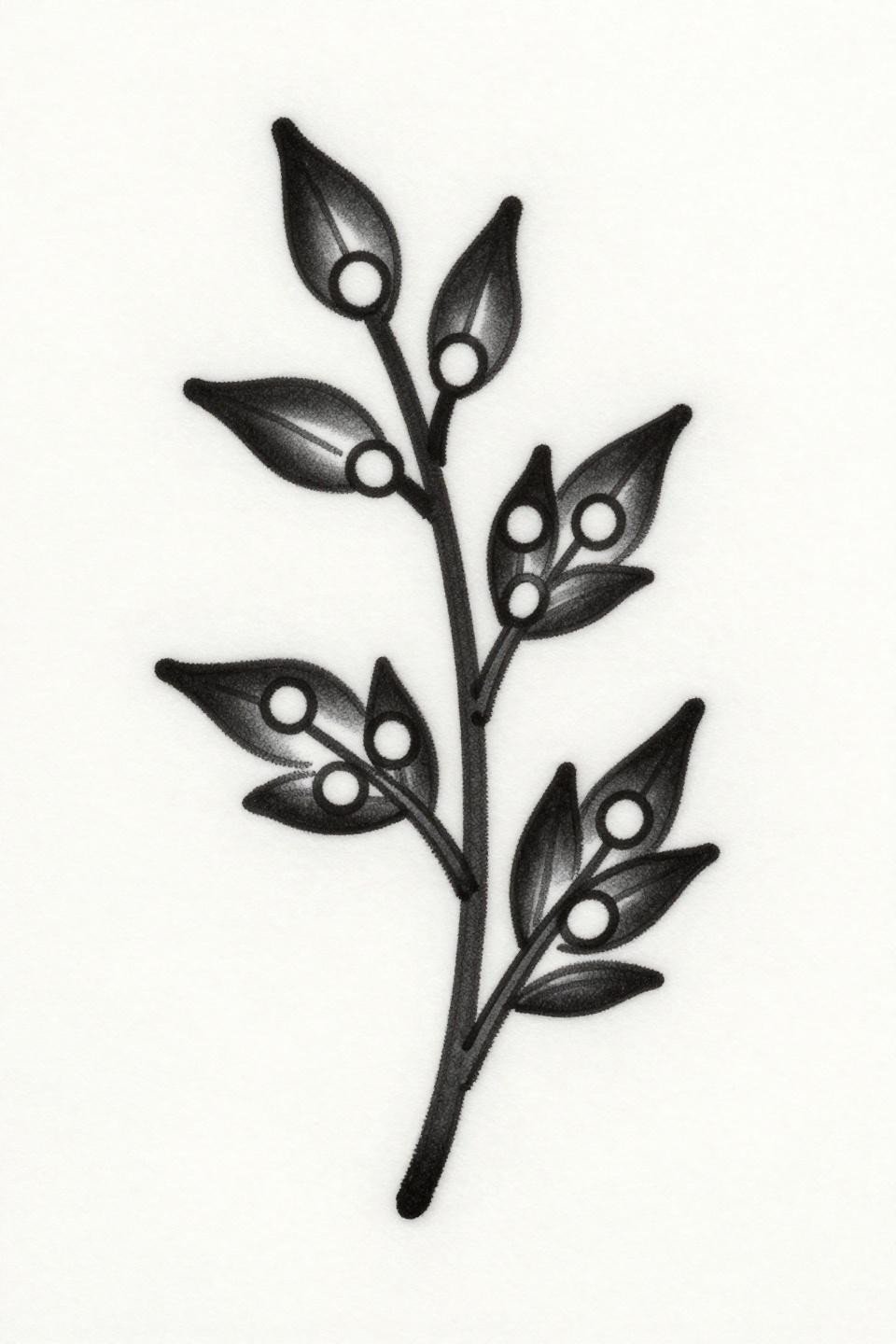
Four evenly spaced circular nodes along a central stem, paired leaf accents branching at 45-degree angles between nodes, and sparse trailing tendrils with single dot terminals. The traditional American outline weight applied to a mehndi vine format produces a motif that reads cleanly from a distance.
This is one of the more placement-flexible references in this collection. The diagonal asymmetric flow works on the forearm, calf, or along the ribcage without forcing the composition into an awkward frame.
Sketch Raw Paisley: The 0.5pt Line That Ages Fast
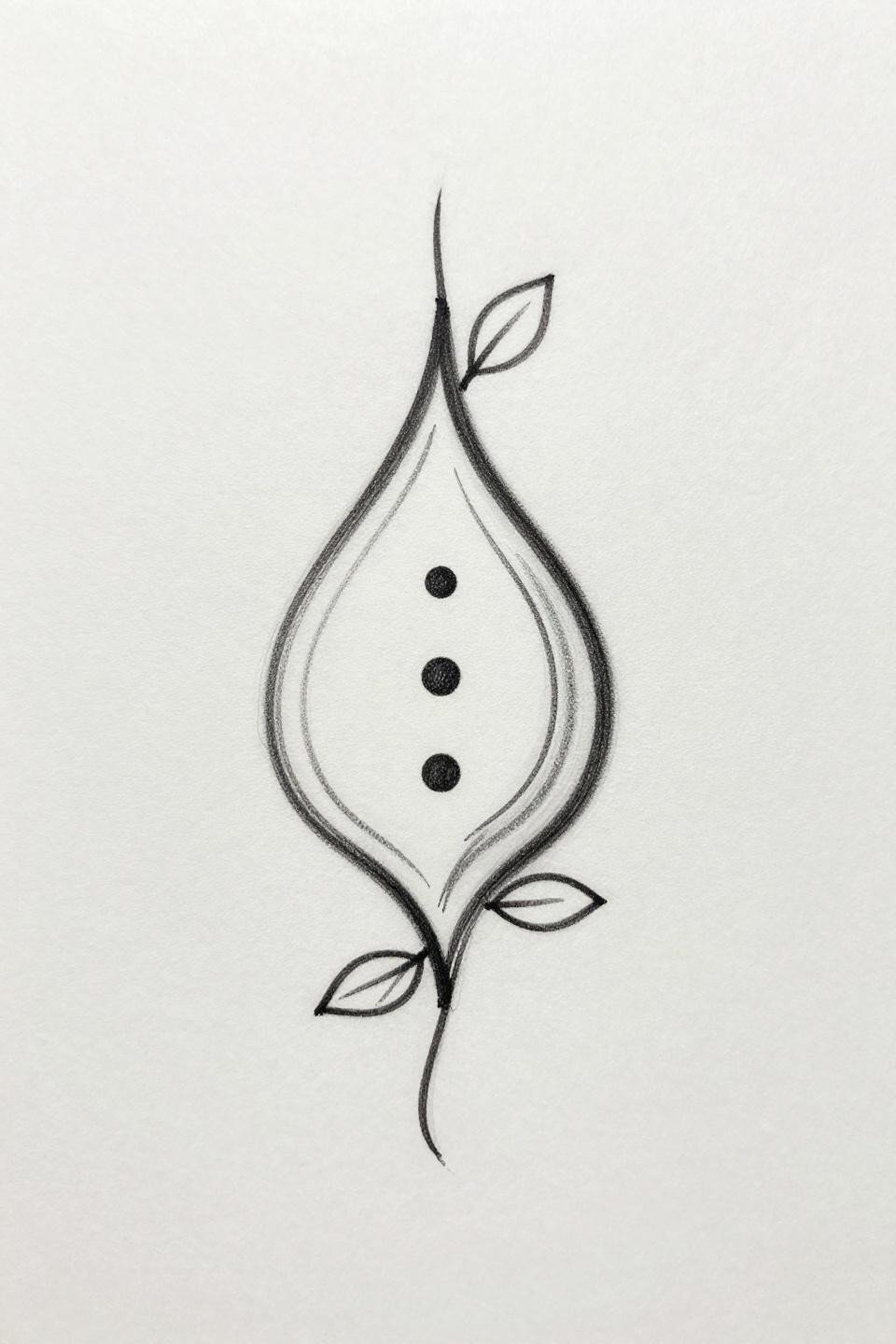
A single curved teardrop outline with three tiny dot clusters along the vertical axis, a delicate trailing vine from the pointed tip, and two small leaf accents, all in loose pencil sketch linework at 0.5pt with minimal fill. Centered with a clean vertical flow.
Single needle 1RL work at this line weight needs an artist who controls speed precisely. On any skin with texture or larger pores, lines this thin require more passes to saturate and will spread faster after healing.
Blackwork Dotwork Mandala: Radial Symmetry at Full Density
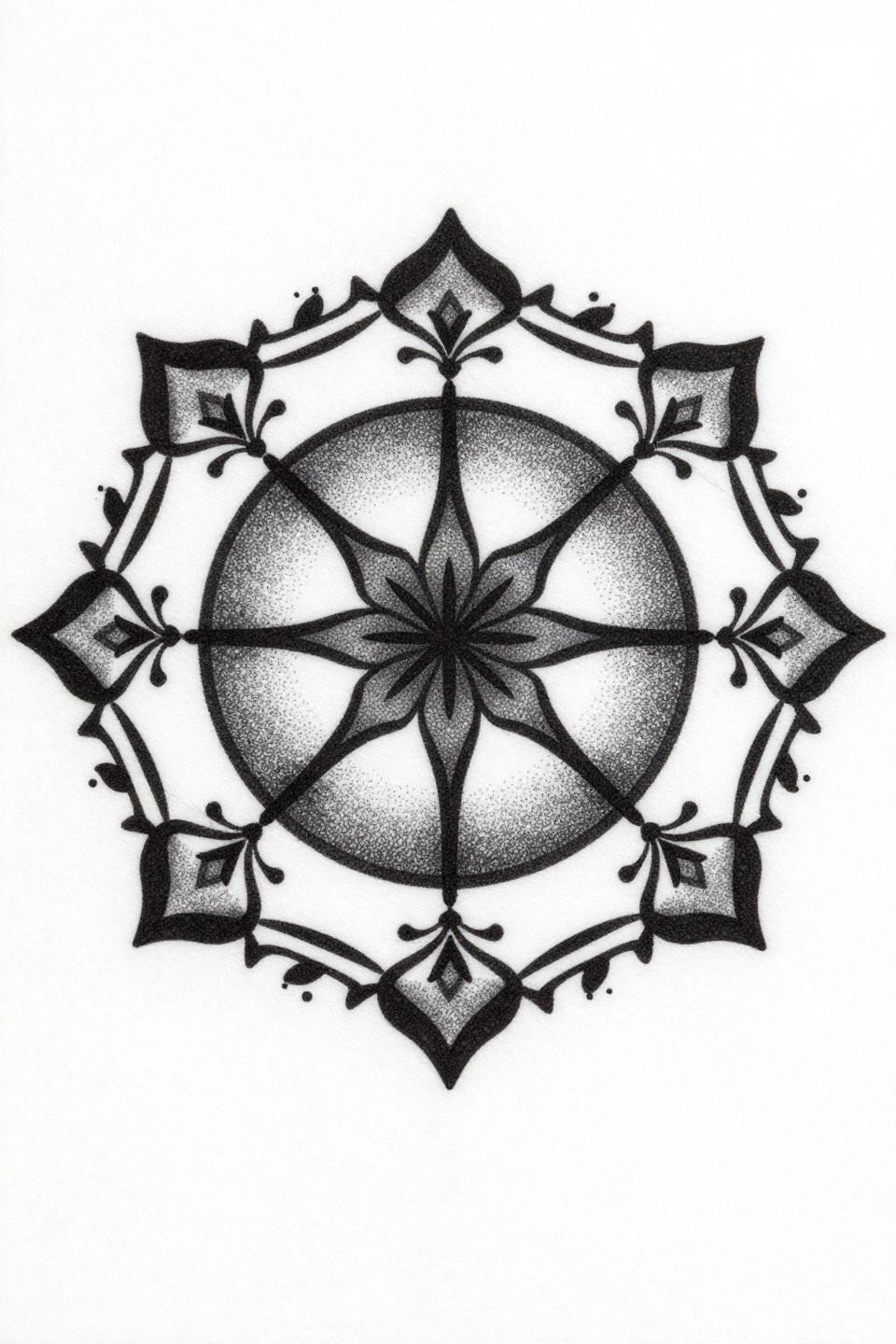
An eight-pointed star center, four nested circular rings alternating stipple density with open negative space, vine tendrils at cardinal points with paired leaf clusters, and sparse geometric diamond accents between segments. Bilateral radial symmetry at this resolution is technically demanding and exposes any inconsistency in dot placement immediately.
Blackwork at full saturation holds density indefinitely when the artist commits to layered passes. Look for consistent dot size across the full gradient in their healed work portfolio, not just fresh shots.
Irezumi Lotus Form: Japanese Shading in a Mehndi Shell
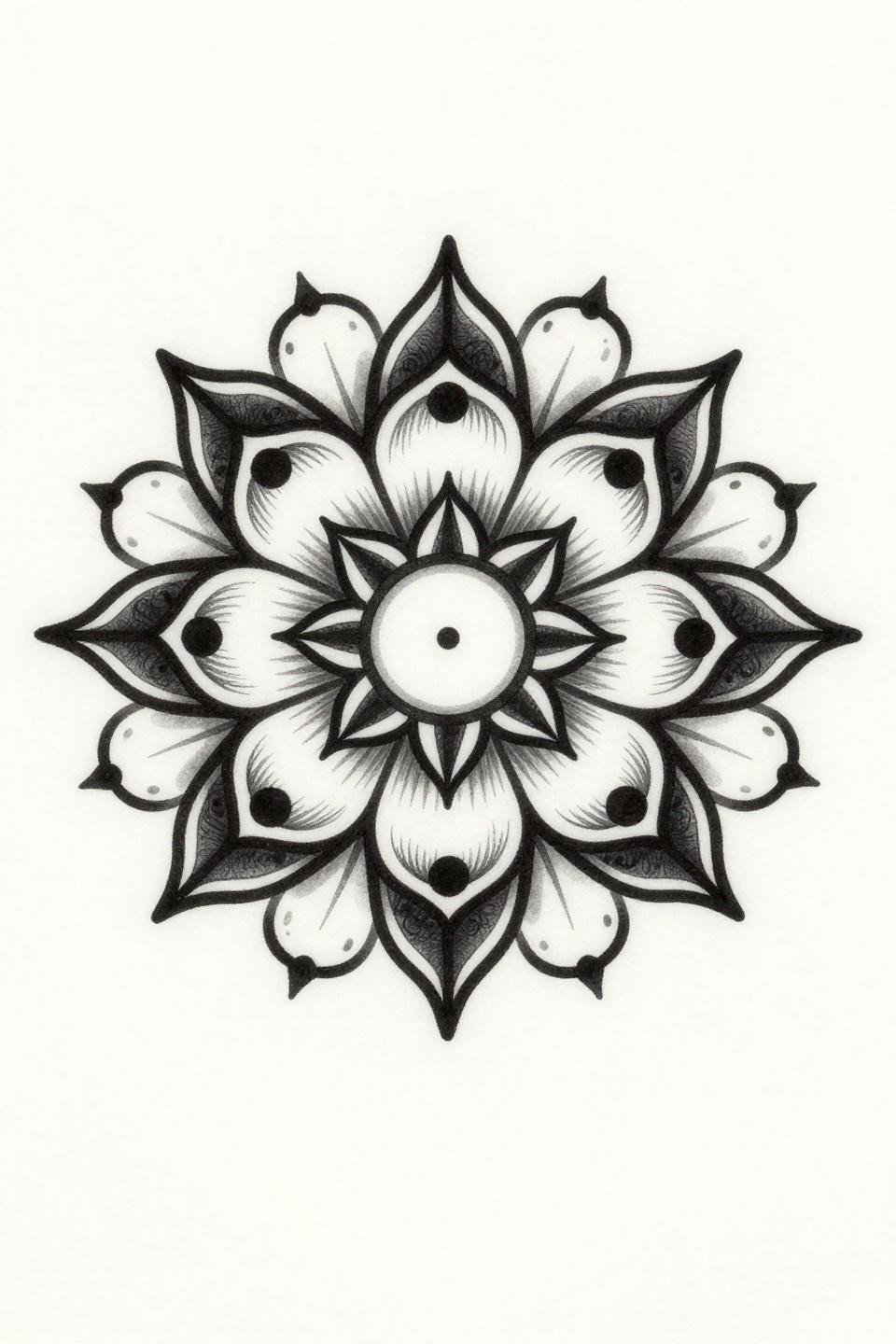
A four-petal mehndi lotus with bilateral symmetry, a single centered dot in the flower heart, three circular nodes along each petal edge, and sparse curved tendrils, worked in irezumi whip shading with organic radial fill and grey wash midtones.
The curved mag shading technique from Japanese work applied to a mehndi lotus produces a fill that reads softer than solid black but ages more cleanly than watercolor fields. Protected placements like the sternum or upper back give this style its best shelf life.
Fine Line Diamond Cells: Placement Decides the Lifespan
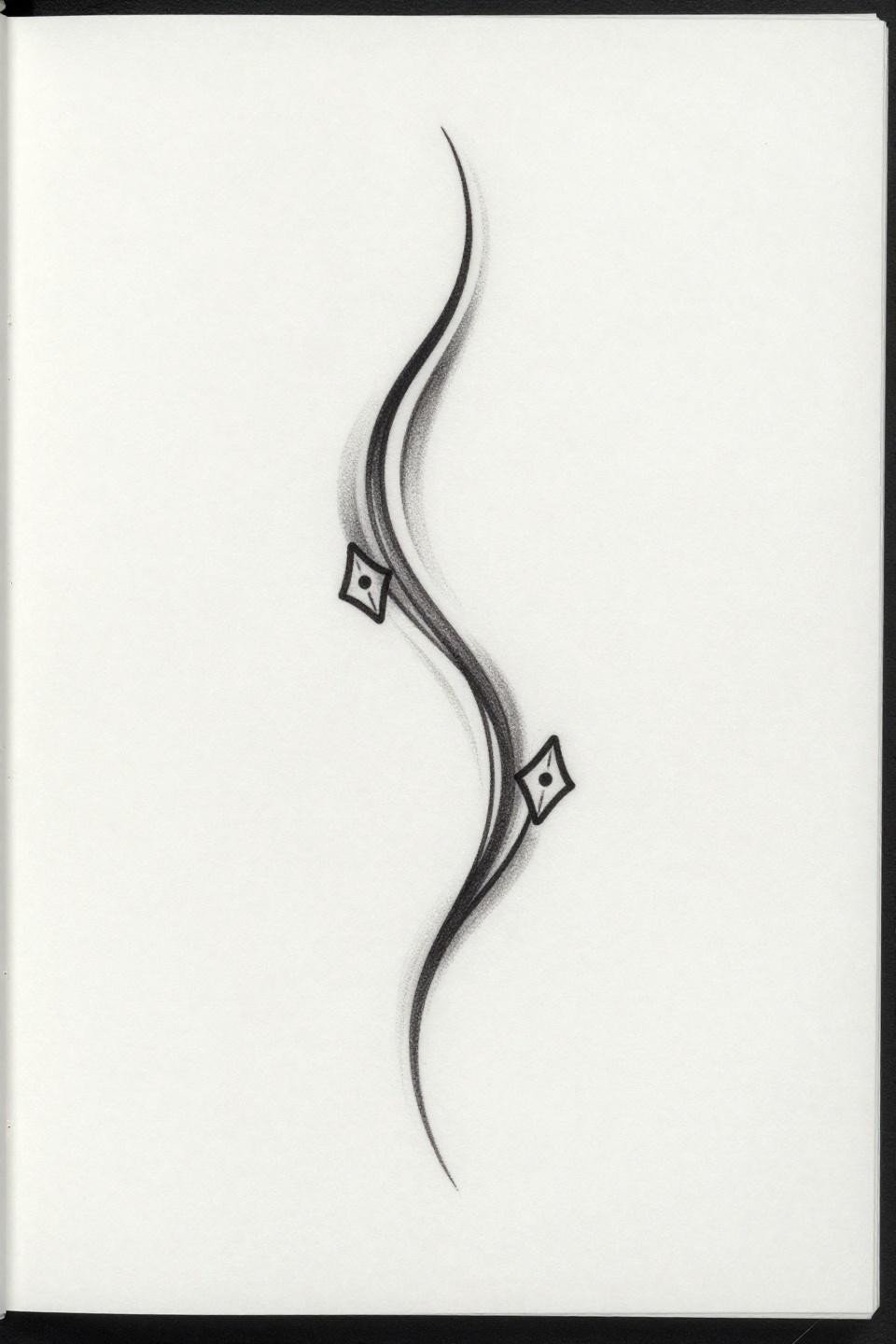
Three small diamond-shaped cells with a single centered dot inside each, sparse trailing tendrils extending asymmetrically in diagonal flow, and hairline 0.5mm single-needle strokes throughout with extreme open negative space.
Finger or hand placement on designs this light means a touch-up every two to three years minimum. On the inner wrist or upper arm in a protected zone, this same line weight can hold five years without significant spreading.
Four Mandala Diamonds: When Extreme Negative Space Works
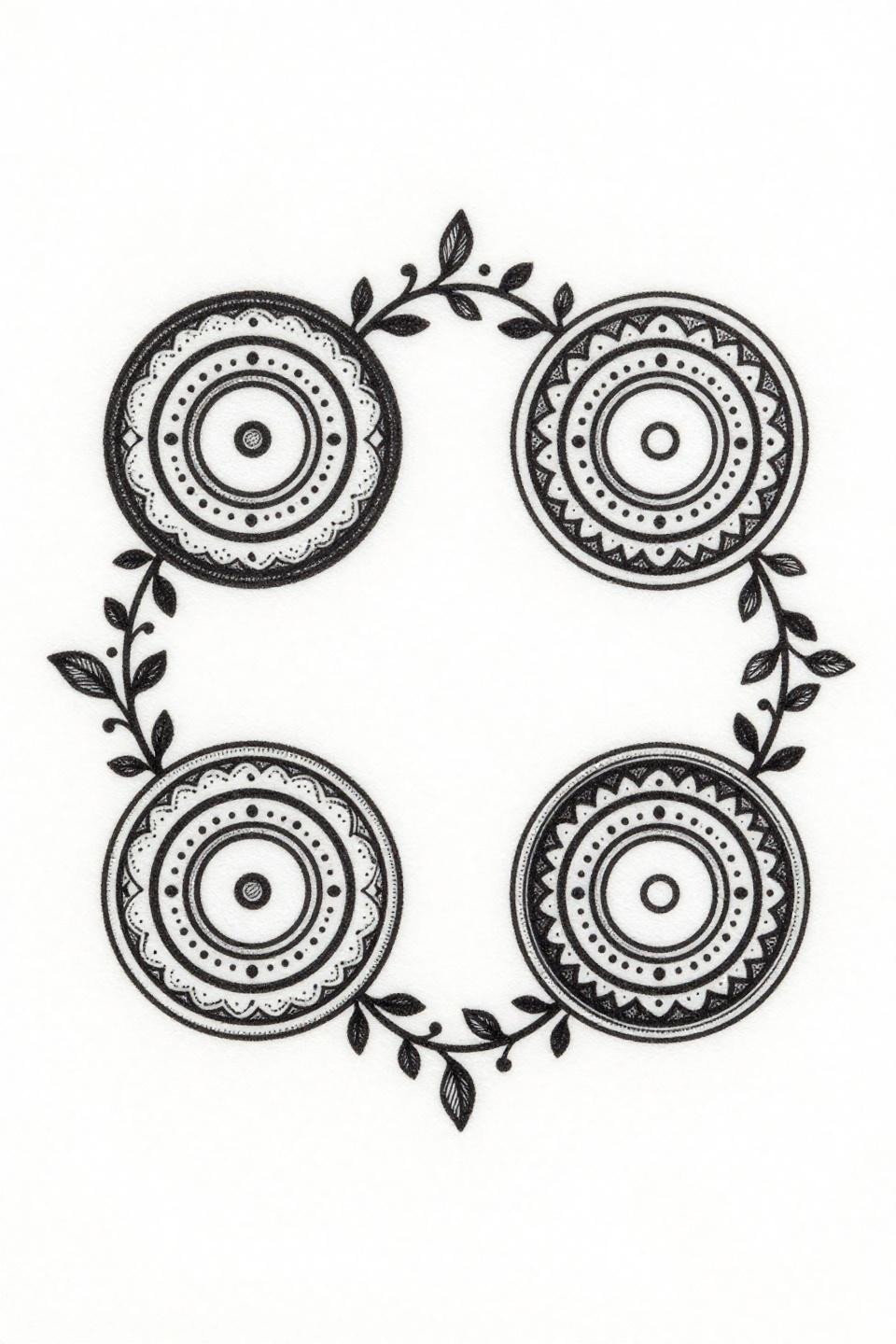
Four small circular mandalas in a loose diamond arrangement, each containing three concentric rings with a tiny centered dot, connected by delicate curved vine tendrils with sparse leaf accents. The parallel line engraving and dense hatching in woodcut style define the ring forms without solid black fill.
The extreme negative space in this composition reads best at mid scale, around two to three inches across. Scale it down and the concentric ring detail collapses. Scale it too large and the floating quality of the layout loses tension.
Tribal Band Structure Interrupted by Geometric Negative Space
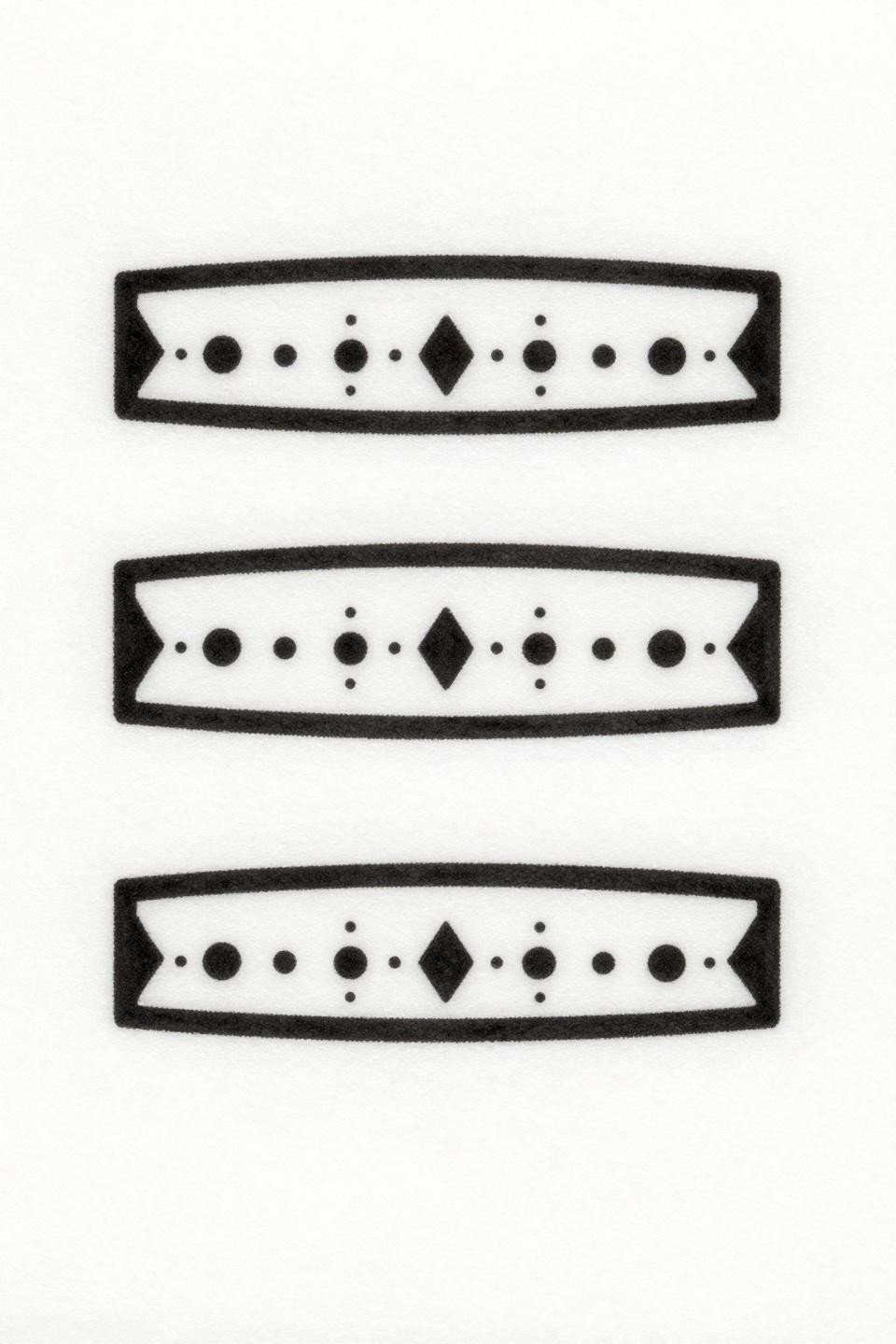
Three stacked horizontal bands with angular triangular negative space gaps creating rhythmic open intervals, tiny dot clusters grouped between each line at regular spacing. Bold 2-3pt black fills with no grey wash means this ages predictably and holds contrast on every skin tone.
For modern mehndi designs for inspiration that wrap the wrist or ankle cleanly, this band format is one of the more reliable references. The geometric negative space gaps prevent the design from reading as a solid block at distance.
Art Nouveau Peacock Feather With Mehndi Interior Scrollwork
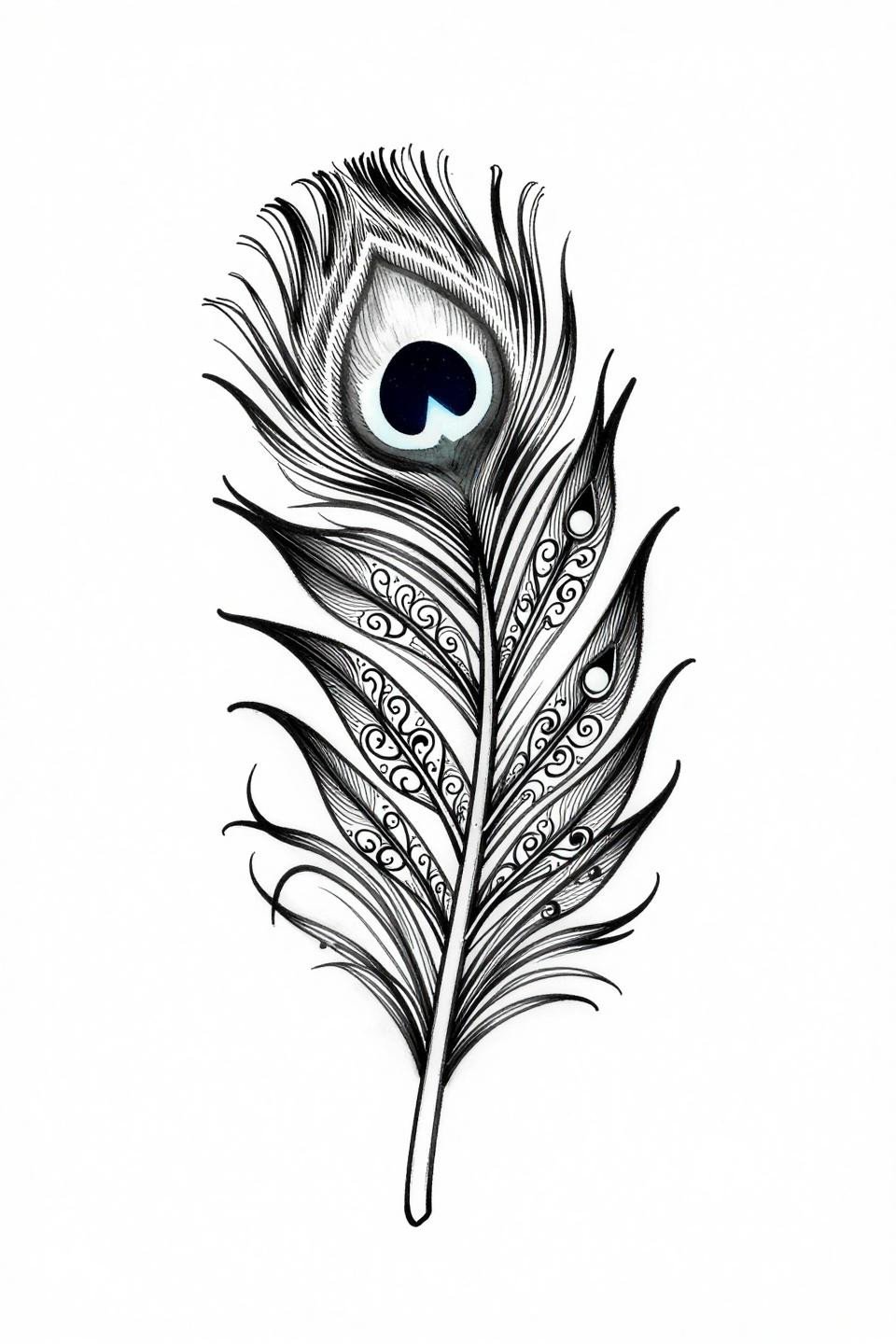
A peacock feather with a teardrop eye motif at the tip, three small circular dots along the central spine, and an internal vine scroll pattern filling the vane in vector-precision linework with flat open fills and no grey wash.
The centered vertical composition with even negative space makes this one of the cleaner spine or sternum references in this collection. Clean vector outlines with no fill patchiness are the signal to look for when vetting an artist for this style.
Single Continuous Line: Three Diamonds and No Breaks
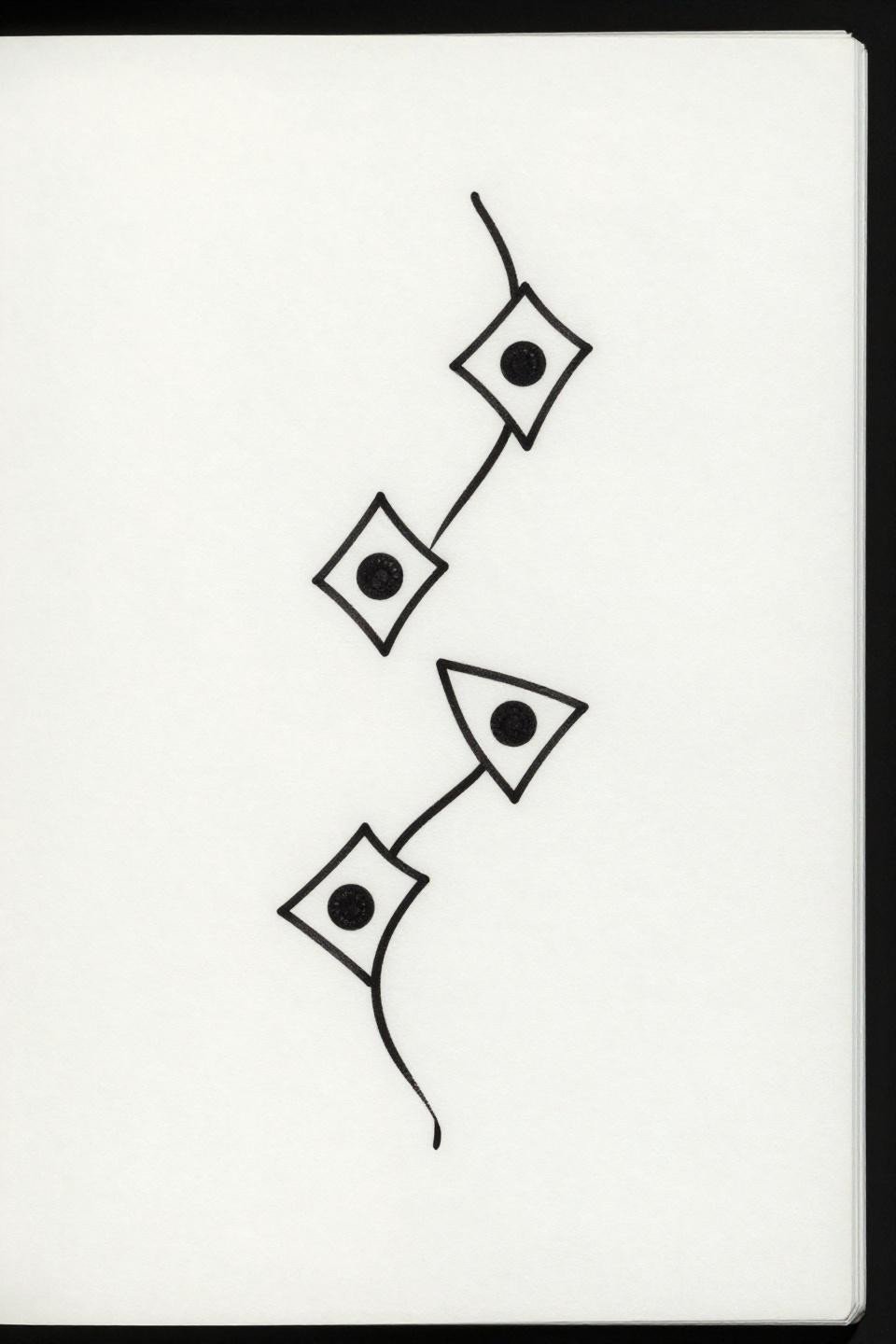
A minimalist mehndi vine drawn as one unbroken line forming three isolated diamond-shaped geometric cells, each containing a single centered dot, flowing diagonally with sparse trailing tendrils. The continuous line constraint forces compositional economy that most mehndi flash ignores.
Bold 2pt outlines on a minimal motif like this age more predictably than single-needle work. The flat black fills hold saturation without requiring layered passes, which makes this a practical option for less experienced artists working in this motif space.
Botanical Single-Vine: Three Mandalas Held by One Line
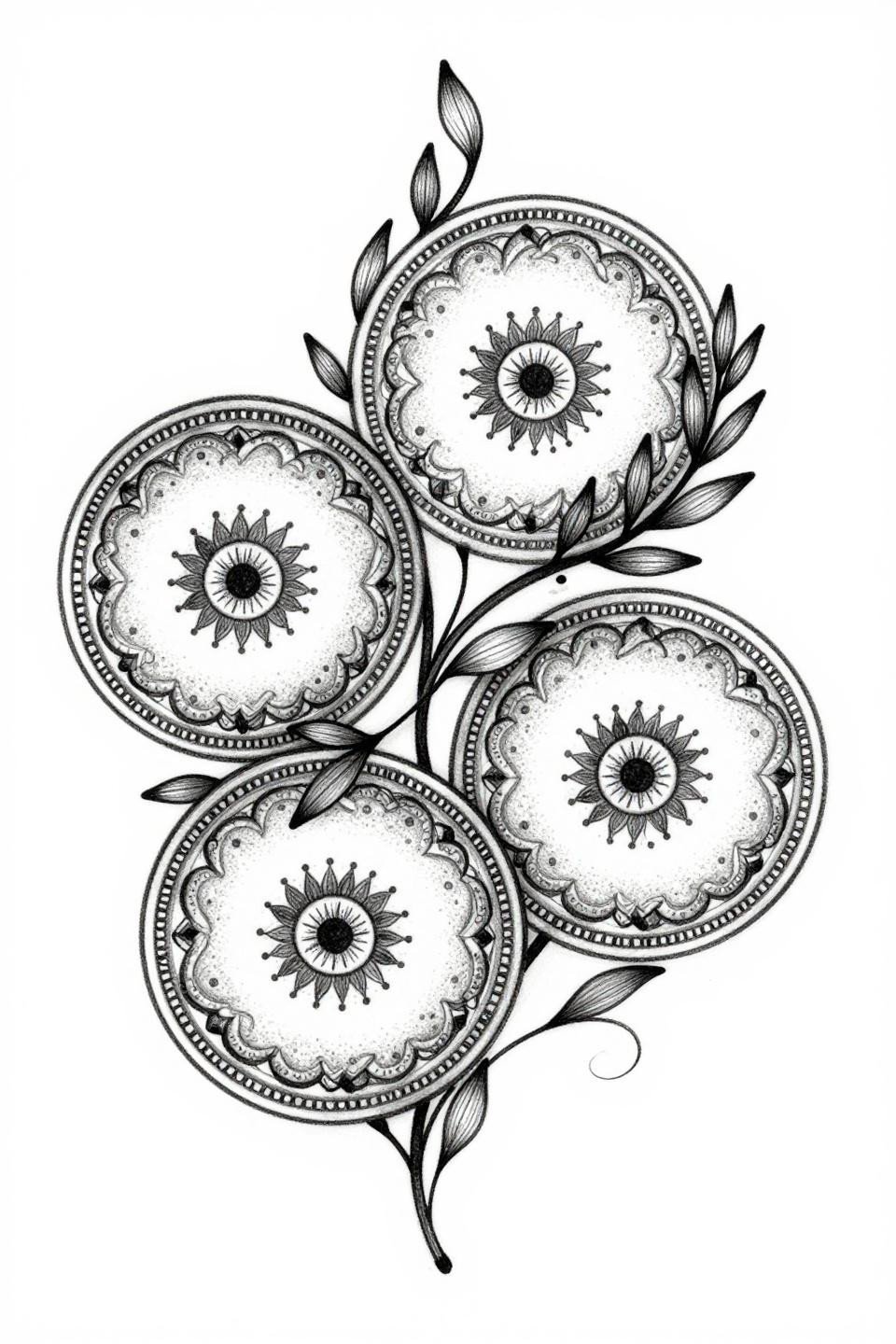
Three interlocking circular mandalas with delicate dotwork centers, held together by one continuous flowing mehndi vine with sparse paired leaflet accents, in botanical scientific illustration style with hairline 0.5mm single-needle strokes and grey wash dilution throughout.
This is the most placement-adaptable reference in the collection. The organic asymmetric flow works along the forearm, collarbone, or ribcage without forcing alignment to body structure. Find more references like this in curated henna designs for everyday wear that translate well to permanent skin work.
Pick three to five of these based on placement first, style second. A reference that fits the actual body zone you are tattooing will communicate more clearly to your artist than ten references that are compositionally incompatible with the space. Scale, line weight, and placement logic matter more than which motif you like most.