
Body Part
A design can look perfect on paper and completely wrong on the body. Placement changes everything — how a tattoo reads, how it ages, how it moves with you. These guides break down what actually works for each area, based on how skin stretches, folds, and heals.
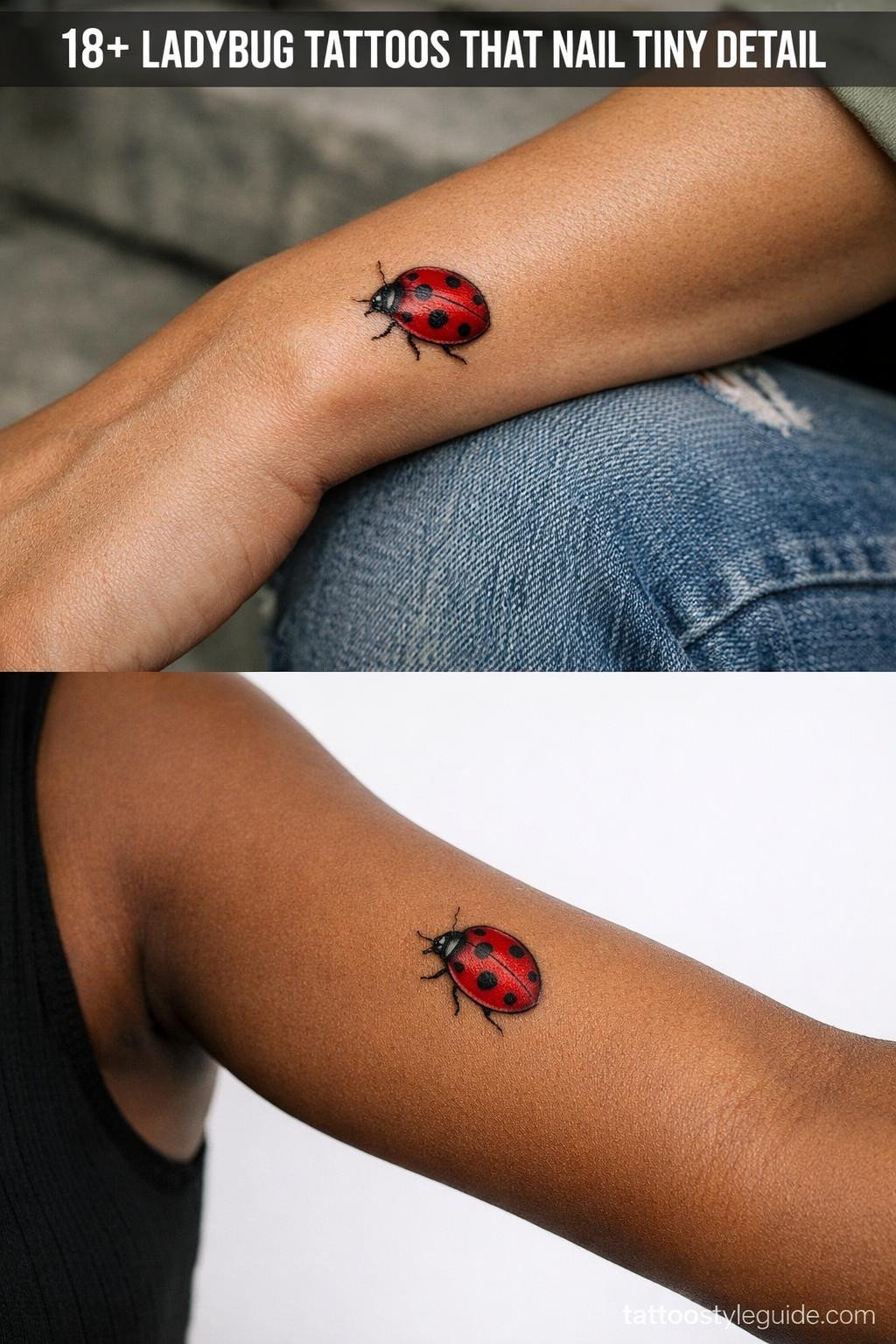
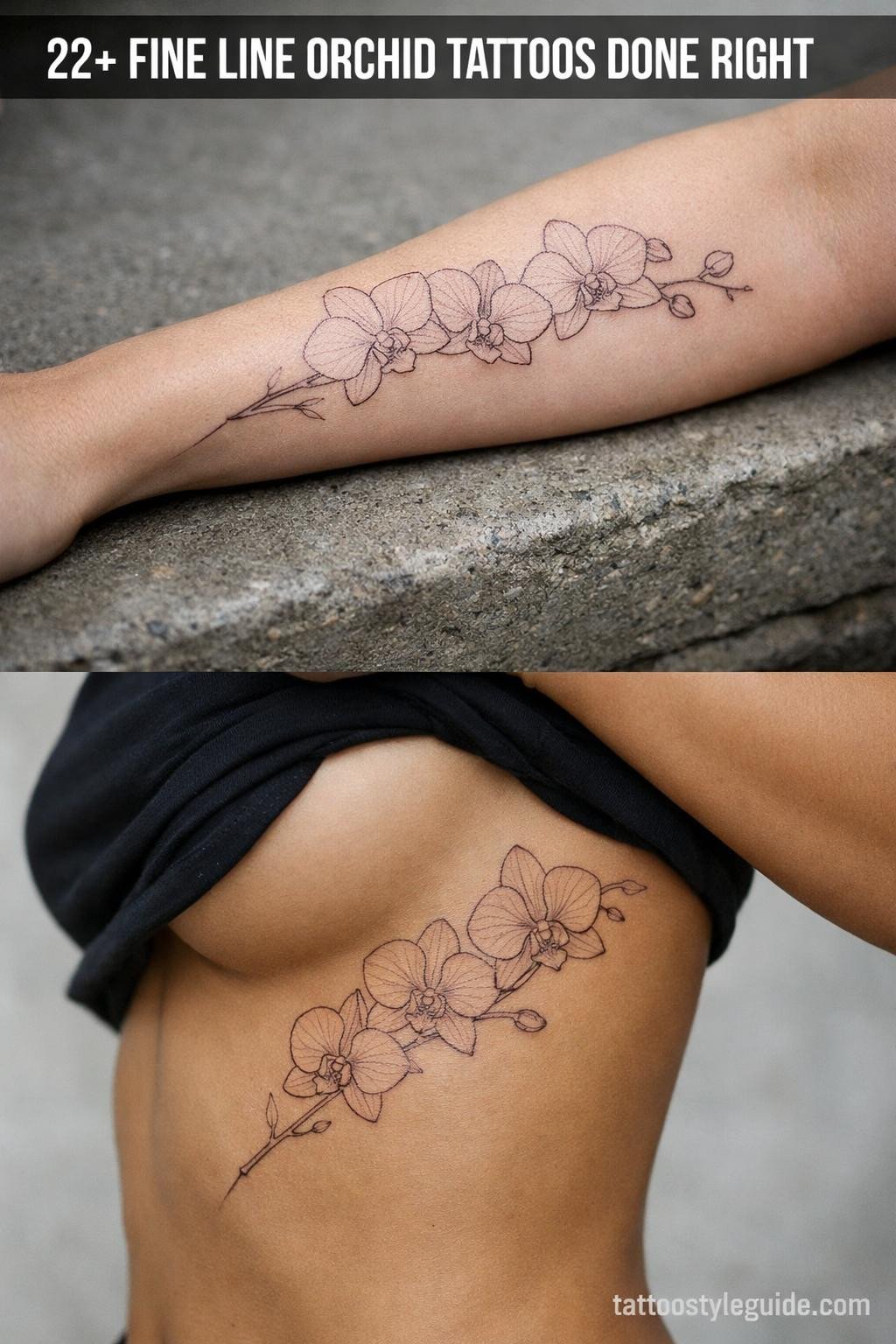
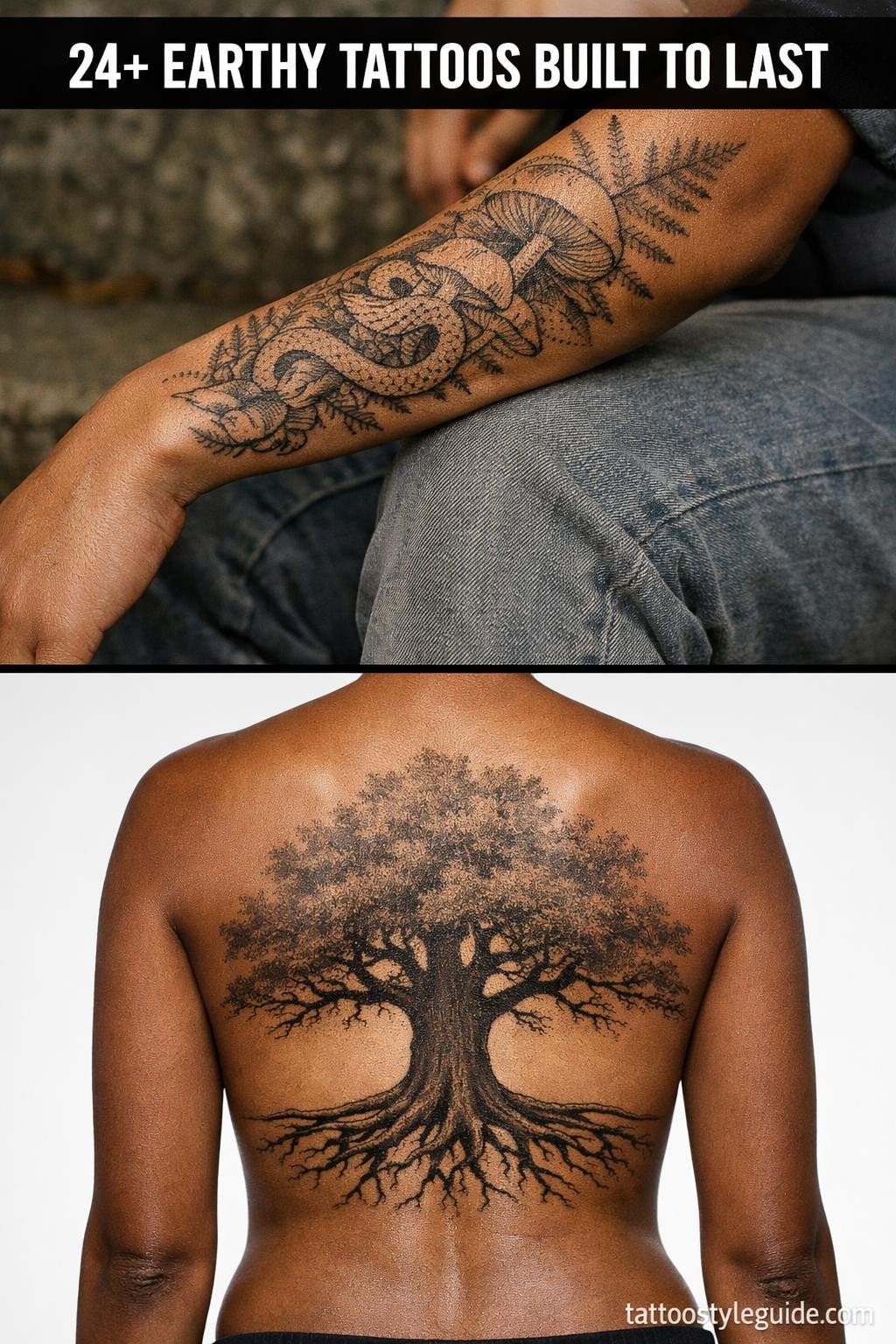
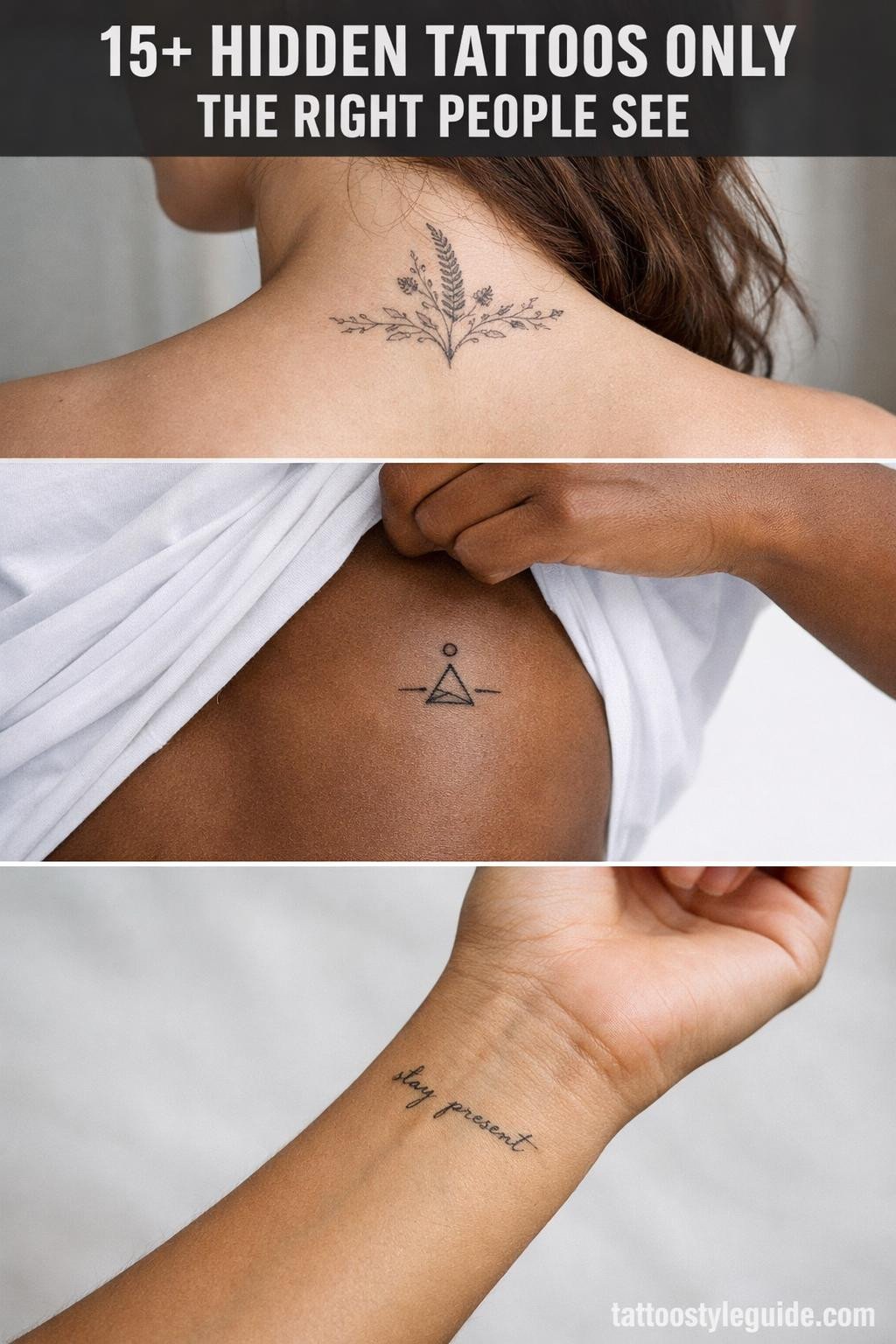
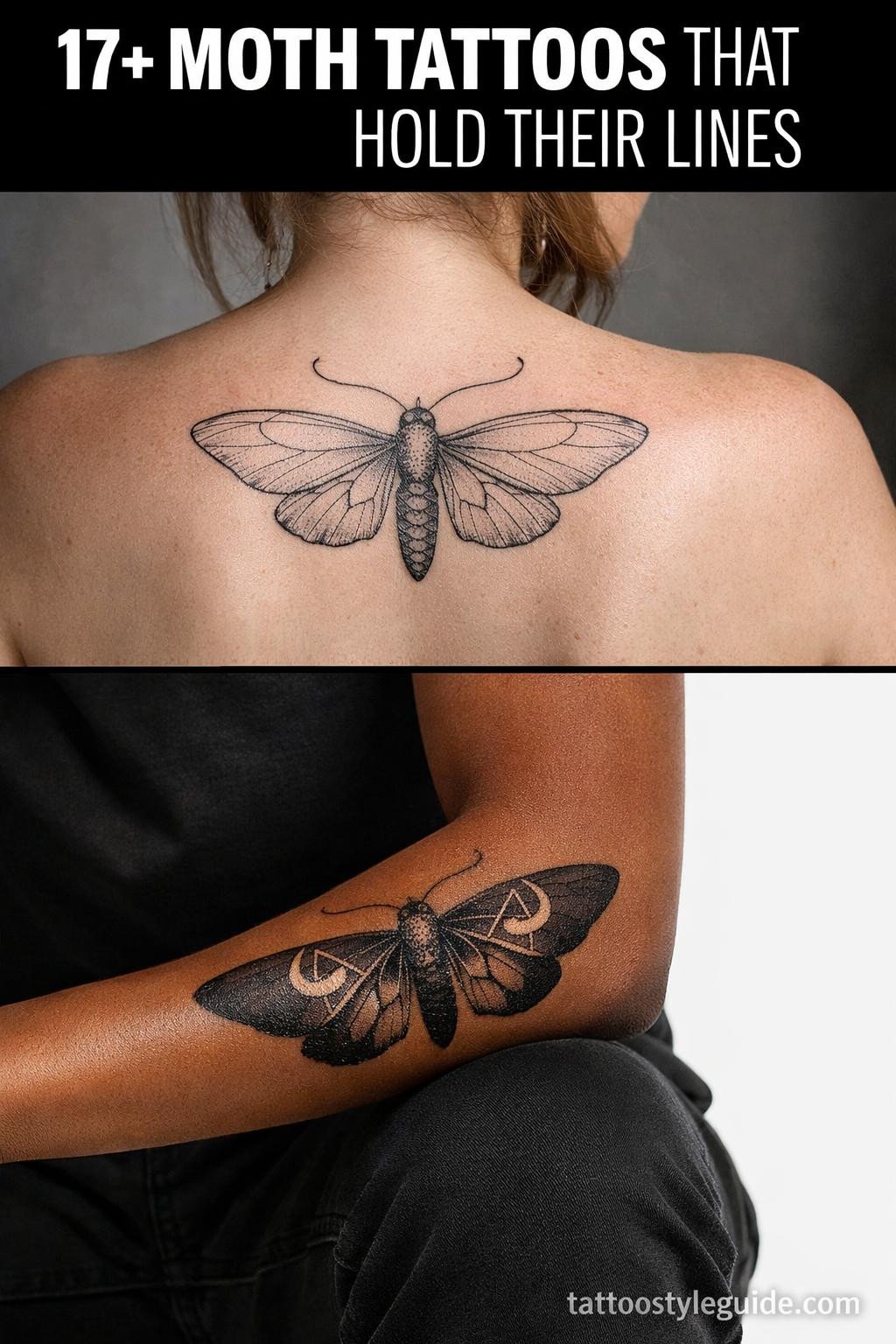
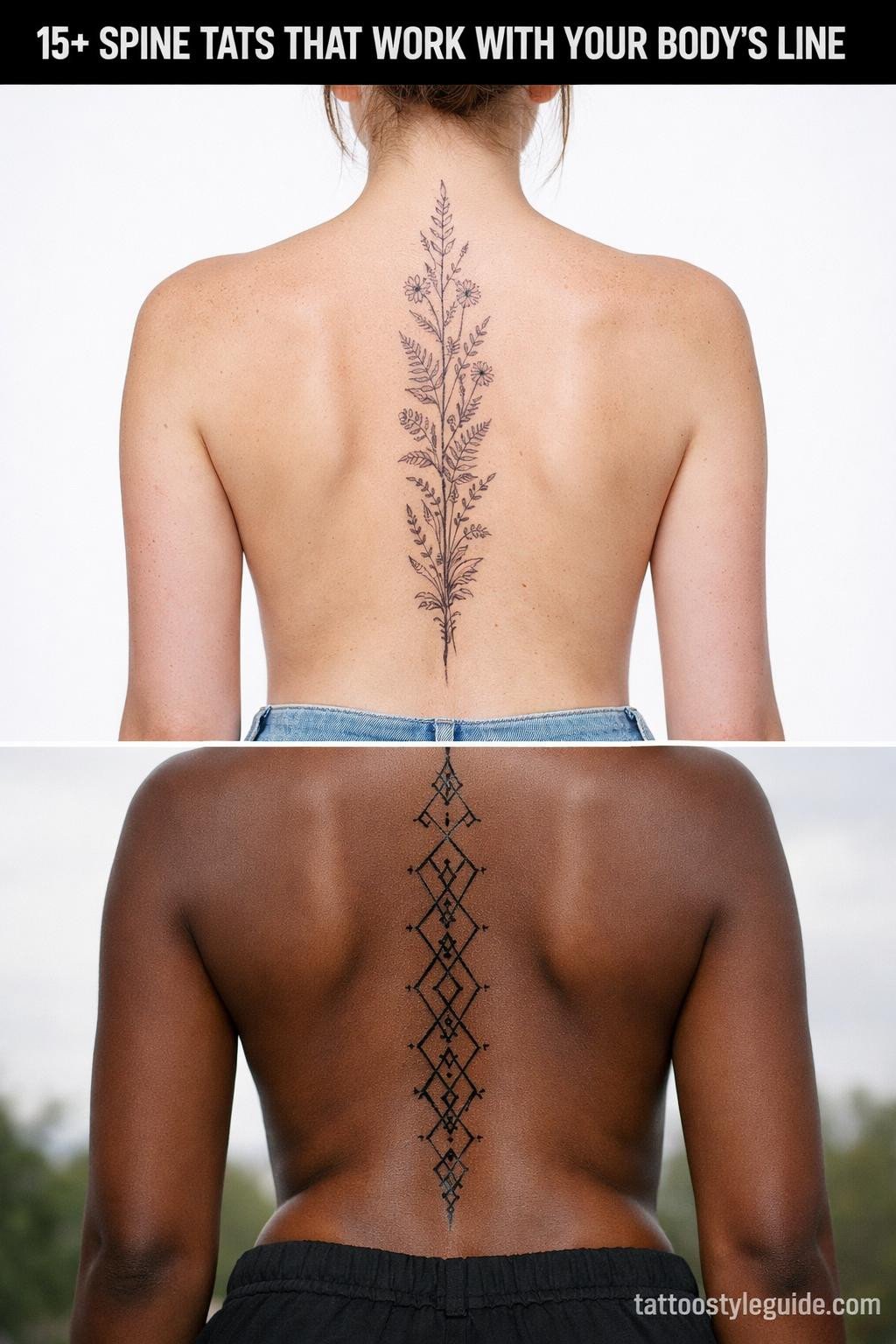
Why Placement Changes Everything
The same design placed on two different body parts can look like two completely different tattoos. A 3-inch mandala on an inner forearm sits on flat, relatively stable skin with moderate sun exposure. Move that same mandala to the inside of an elbow, and you’re dealing with a crease that distorts it every time you bend your arm, plus thinner skin that takes ink differently.
Skin thickness varies dramatically across the body. The tops of your feet and the backs of your hands have almost no fat layer. Your thighs and upper arms have substantial padding. This affects everything: how the needle feels going in, how the ink heals, how much the tattoo shifts over the years. Placement isn’t a cosmetic choice. It’s a structural one.
Matching Design to Anatomy
Good tattoo placement follows the body’s natural lines. A design that wraps with the curve of a shoulder reads better than one that ignores the anatomy entirely. Scripts that follow the collarbone look intentional. Geometric patterns that respect the flat plane of a shin look composed rather than slapped on.
Your artist should be thinking about how the design moves when you move. Arms rotate, shoulders flex, stomachs expand and contract with breathing. The best placements account for this, keeping critical details in areas that stay relatively stable and letting less important elements flow into the zones that shift.
Frequently Asked Questions
What's the least painful place to get a tattoo?
Outer upper arm, outer thigh, and calf are generally the least painful. These areas have more muscle and fat padding between the skin and bone. Areas directly over bone (spine, kneecap, ankle, sternum) or with thin skin and lots of nerve endings (inner bicep, ribs, feet) are consistently more painful.
Which body parts hold tattoos the best?
Upper arm, outer forearm, upper back, and thigh are the best for longevity. These areas get moderate sun exposure, have stable skin that doesn’t stretch dramatically, and heal consistently. Hands, feet, fingers, and inner lip tattoos fade the fastest because of constant friction, movement, and cell turnover.
Does skin type affect where I should get tattooed?
Yes. If you have very fair skin that burns easily, placements with high sun exposure (forearms, calves, back of neck) will need more sunscreen vigilance. Darker skin tones hold bold colors and blackwork beautifully but may need adjustments for fine-line work. Oily skin on certain body parts can affect healing. A good artist will assess your skin during the consultation.
Can I get a tattoo over a scar?
Usually, yes. But the scar needs to be fully healed, which typically means at least 1-2 years old. Raised hypertrophic scars take ink differently than flat scars. The texture may mean the ink doesn’t distribute evenly, so designs with solid fills or heavy shading tend to cover better than fine lines. Consult an artist experienced with scar cover-ups.
Explore More
Not Sure Which Style Fits You?
Answer 5 quick questions and get a personalized tattoo style recommendation based on your taste, pain tolerance, and budget.
Take the Style Finder Quiz →How Much Will Your Tattoo Cost?
Get an instant estimate based on size, style, placement, and detail level. No email required.
Calculate Your Price →500,000+ Tattoo Ideas Curated Daily
Don’t Regret Your Tattoo
Most tattoo ideas look good online.
Not all of them look good on skin.
We help you choose designs that actually last.
No spam. Just real tattoo inspiration.