For Men
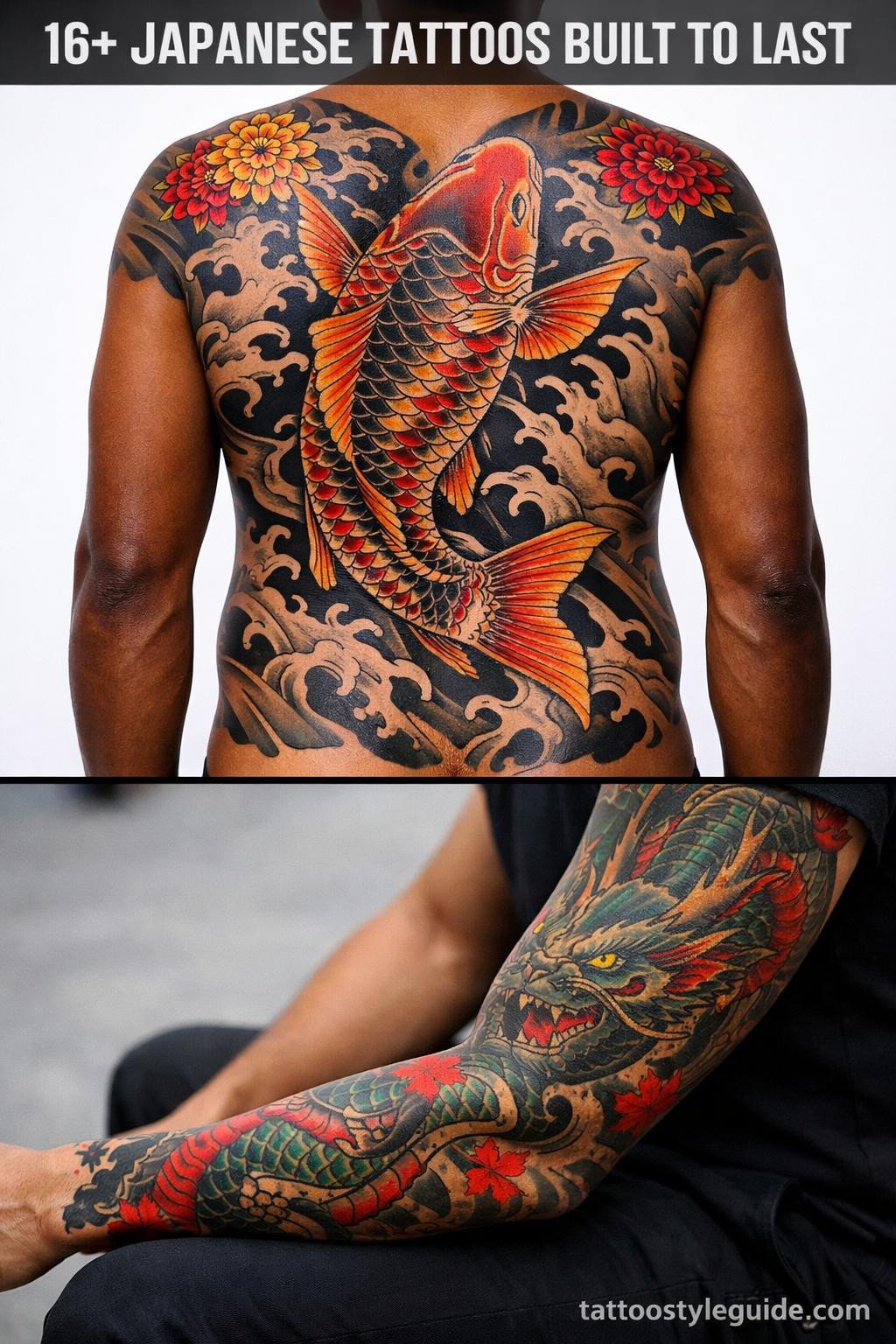
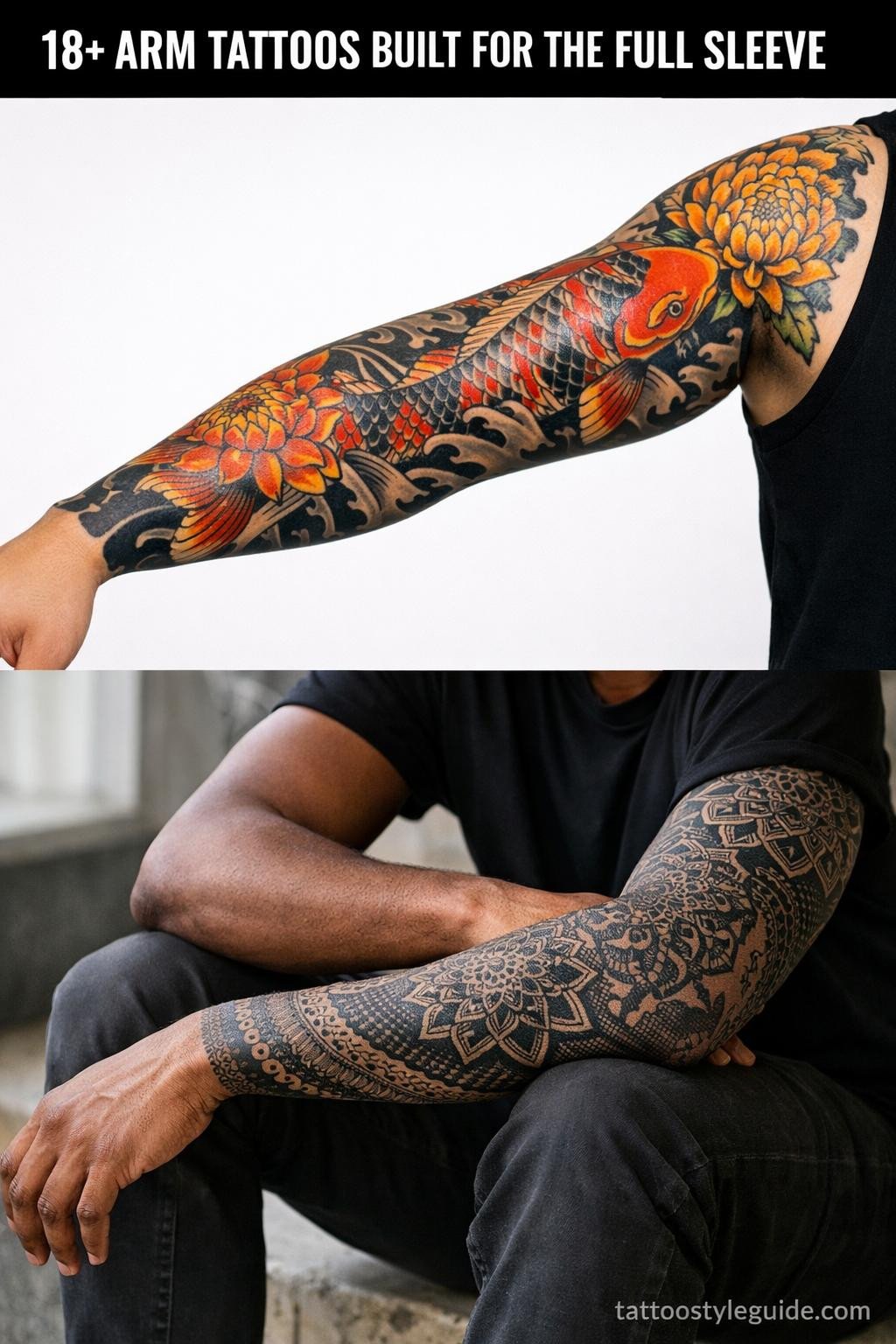
Bigger does not always mean better. But when a piece has the right weight, the right scale, and sits where it should — it just works. Bold blackwork, clean geometry, large-scale compositions. Designs built for impact that does not fade with the trend.
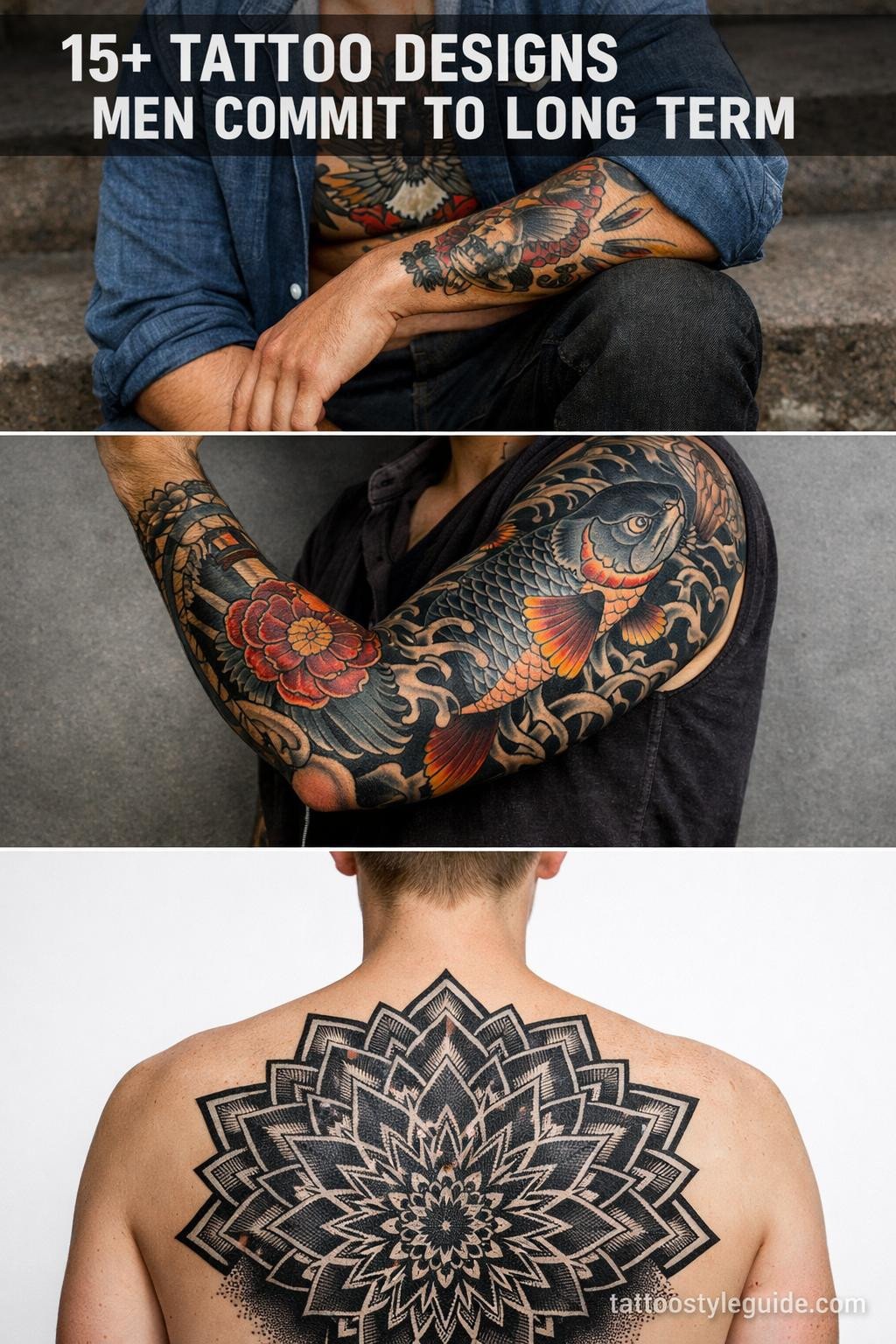
Bold Doesn't Have to Mean Big
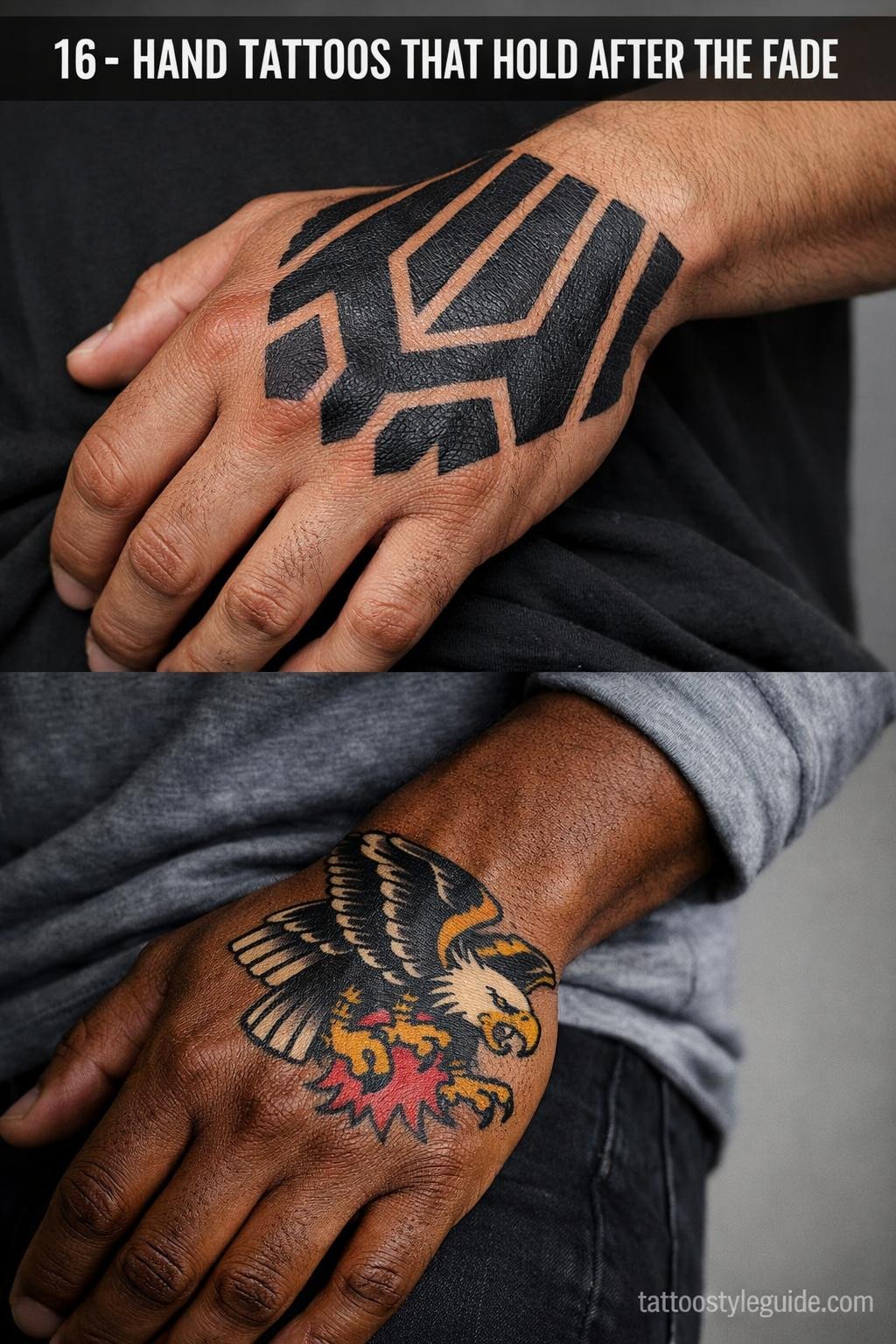
There’s a default assumption that men’s tattoos should be large, dark, and cover as much real estate as possible. That can look great. But a 2-inch piece in the right spot with the right weight carries just as much impact as a full sleeve when it’s done well. Scale should serve the design, not the other way around.
What actually creates impact is visual weight: thick lines, strong contrast, and confident negative space. A single bold piece on an inner forearm can hit harder than a scattered collection of medium-sized tattoos across both arms. Before you think about size, think about what you want the piece to communicate from 10 feet away.
Planning for Cohesion
If you’re someone who’ll end up with more than one tattoo, it’s worth thinking about how they’ll sit together. You don’t need a grand unified plan. But choosing a consistent color approach (all black and grey, or all color, or a deliberate mix) and keeping styles in the same family makes the difference between a collection that looks curated and one that looks like a sample platter.
The biggest regret most heavily tattooed people mention isn’t a bad design. It’s poor placement that blocks future options. Leave space between pieces. Consider how a forearm tattoo might connect to an upper arm piece later. Think in terms of zones, not just individual spots.
Frequently Asked Questions
What's a good first tattoo for men?
Something you can see and enjoy daily. Inner forearm and upper arm are the most common first placements because they’re visible to you, relatively low-pain, and easy to cover with a sleeve. For style, go with whatever genuinely appeals to you. Bold traditional, blackwork, and illustrative styles are popular first choices because they’re visually strong and age well.
Should I plan my tattoos around a future sleeve?
If there’s any chance you want a sleeve eventually, yes. The main thing is placement: leave space between pieces, keep them oriented in the same direction, and try not to put large isolated pieces in the middle of the arm where they’d be hard to integrate. Even if a sleeve is years away, thinking about it now saves you a cover-up later.
Do bigger tattoos hurt more?
Bigger tattoos take longer, so you’re in the chair for more hours. The pain per minute isn’t necessarily worse. But after 3-4 hours, your body’s endorphins start to fade and the last hour of a long session usually feels worse than the first. Many large pieces are done across multiple sessions specifically for this reason. Size matters less than placement for pain levels.
How do I find references without copying someone else's tattoo?
Collect references for concept, style, and mood, not for the exact design. Show your artist 5-10 images of work you like and explain what you respond to in each one. “I like the line weight here, the composition here, and the way this one uses negative space.” A skilled artist will synthesize those influences into something original. Asking for a direct copy of another artist’s custom piece is generally considered bad form in the tattoo world.
Not Sure Which Style Fits You?
Answer 5 quick questions and get a personalized tattoo style recommendation based on your taste, pain tolerance, and budget.
Take the Style Finder Quiz →How Much Will Your Tattoo Cost?
Get an instant estimate based on size, style, placement, and detail level. No email required.
Calculate Your Price →500,000+ Tattoo Ideas Curated Daily
Don’t Regret Your Tattoo
Most tattoo ideas look good online.
Not all of them look good on skin.
We help you choose designs that actually last.
No spam. Just real tattoo inspiration.