
Arm & Sleeve
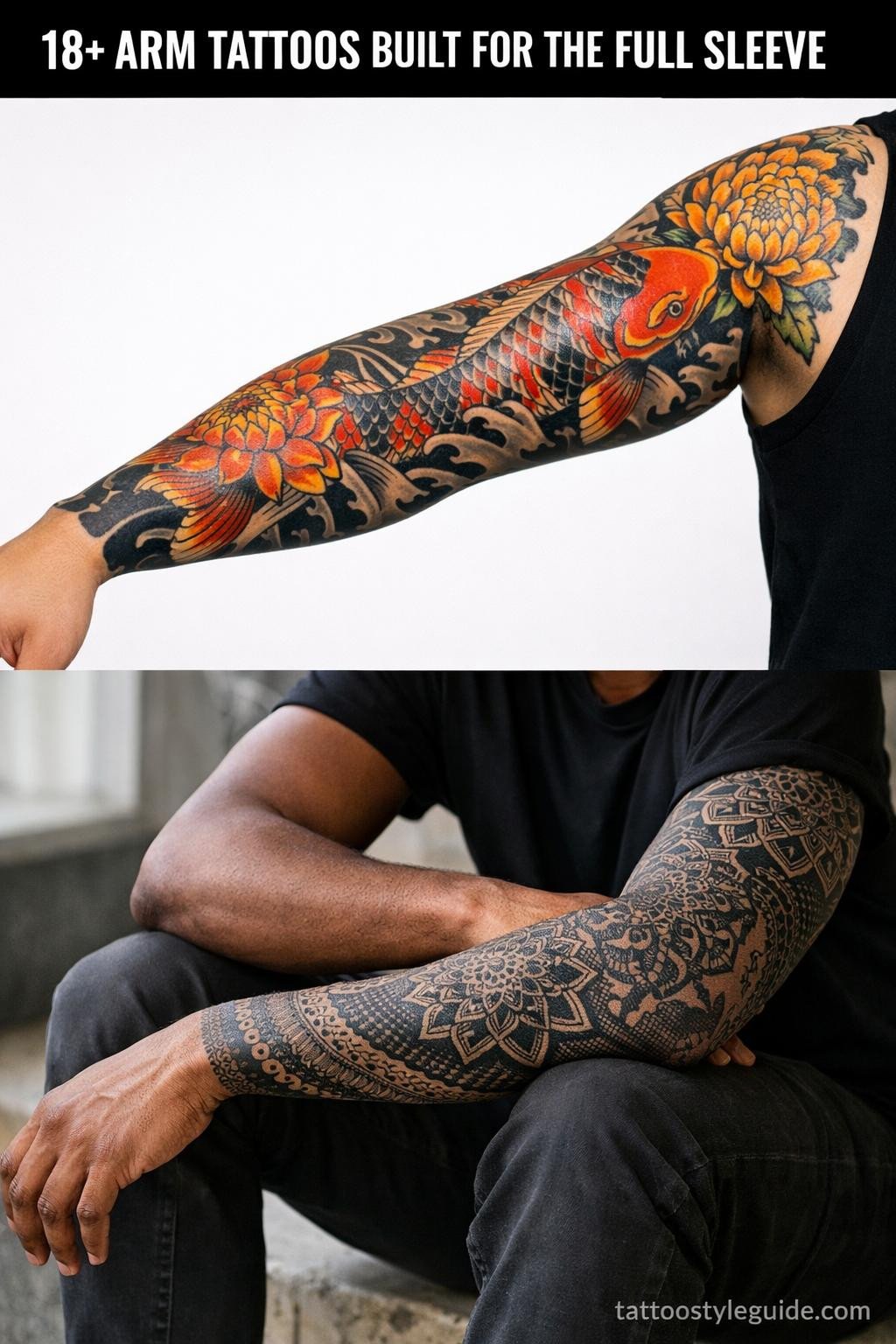
The arm is the most popular tattoo placement for good reason — visible when you want it, covered when you don’t. But each section behaves differently, and a sleeve that was planned as a sleeve always looks better than pieces connected after the fact.
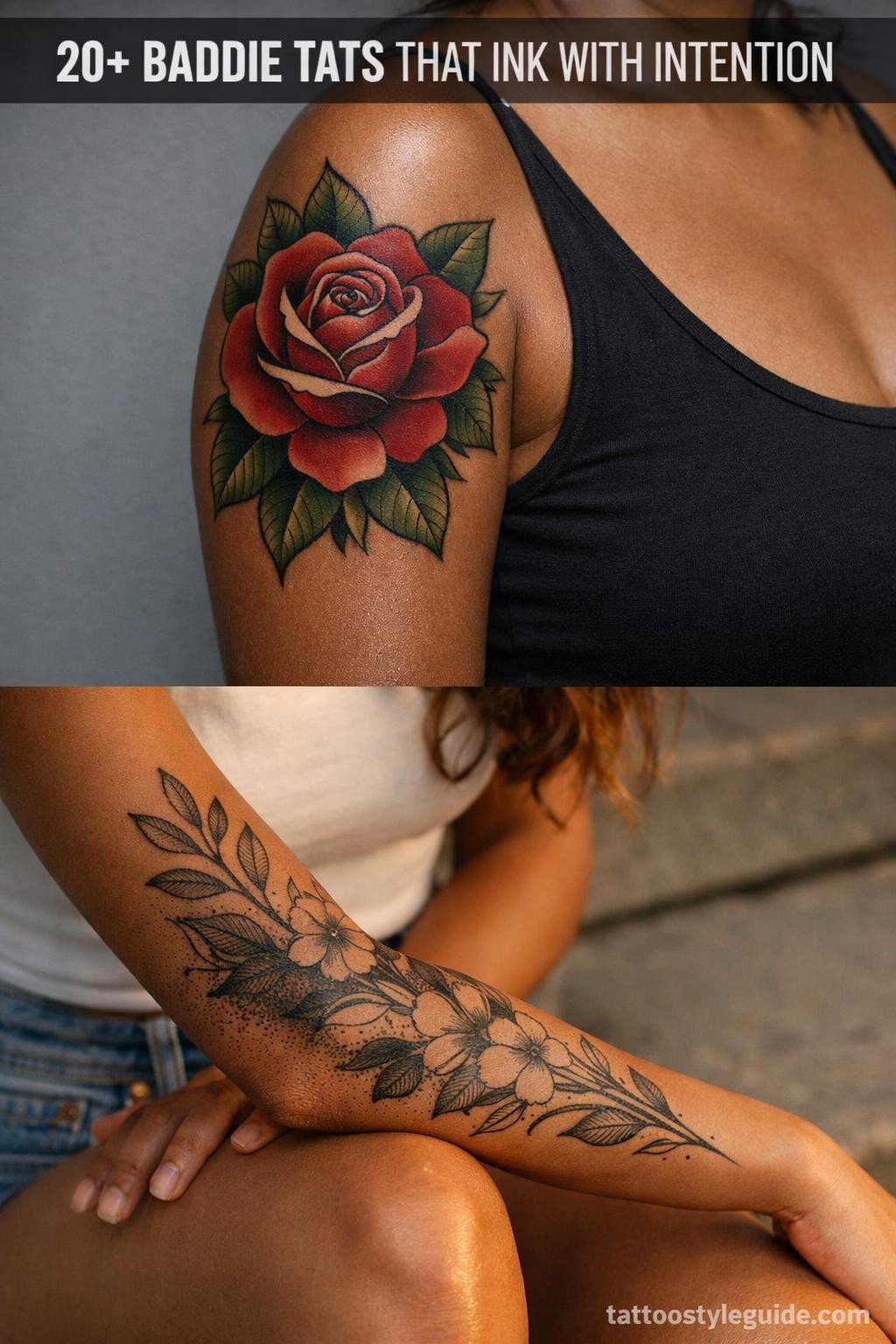
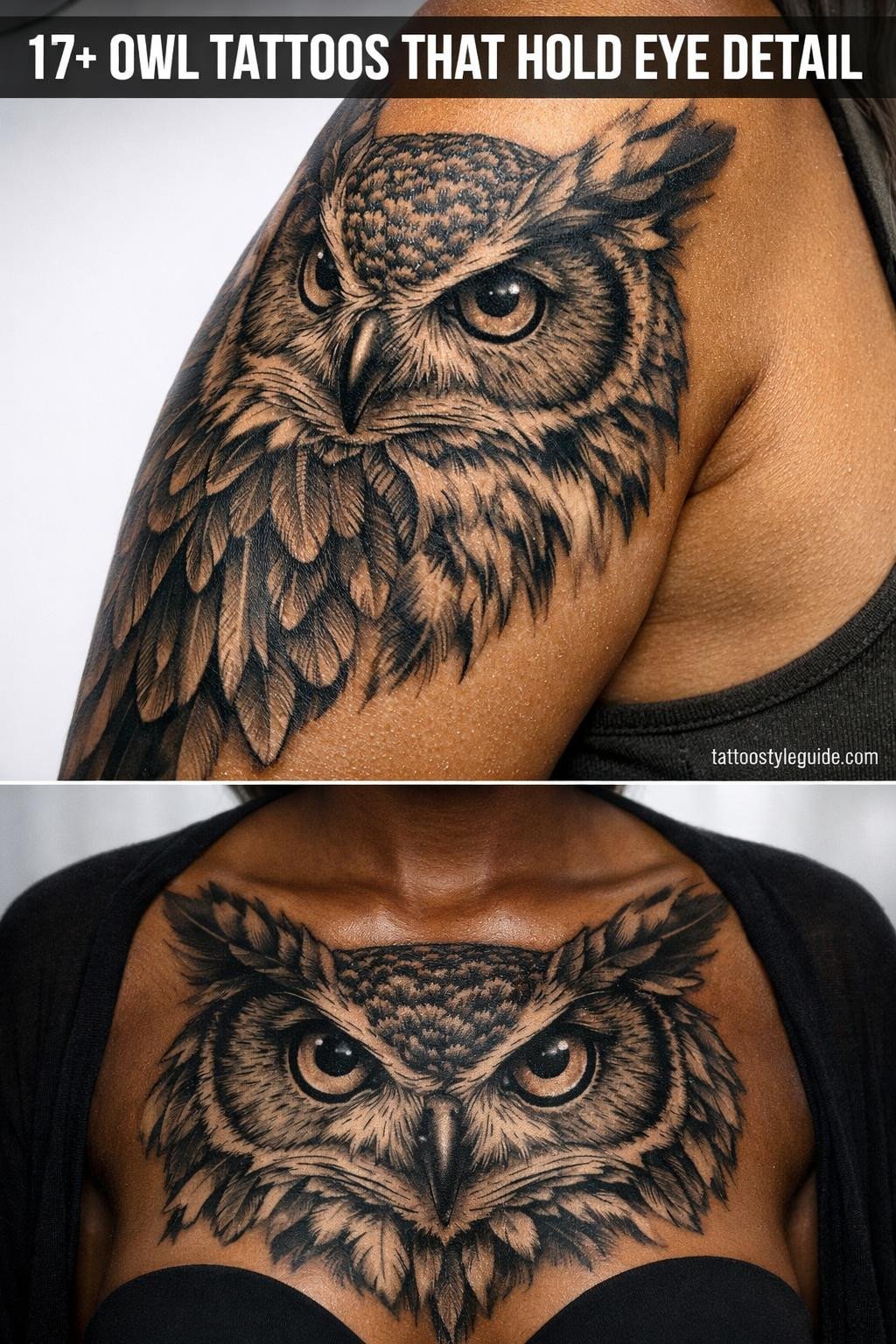
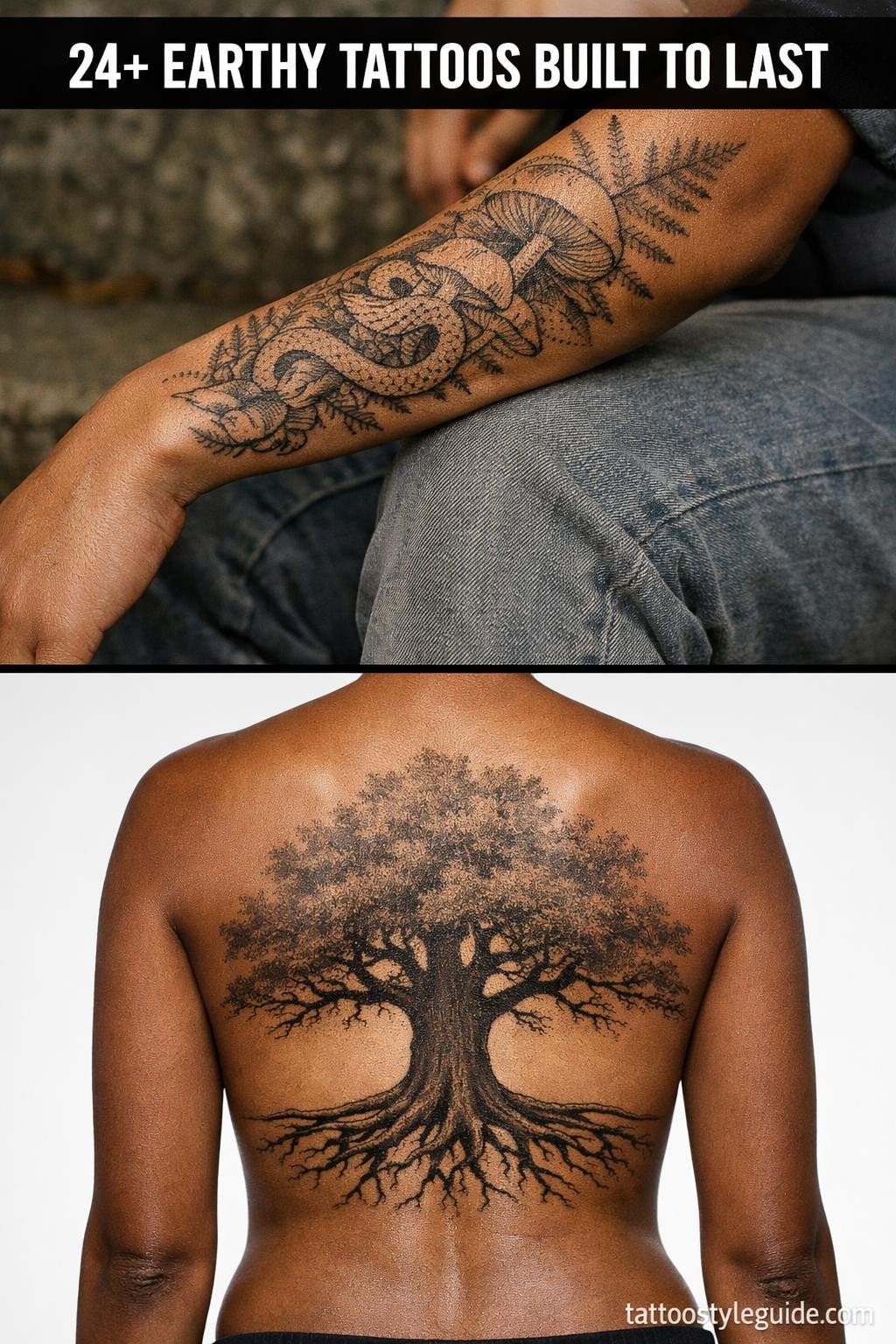
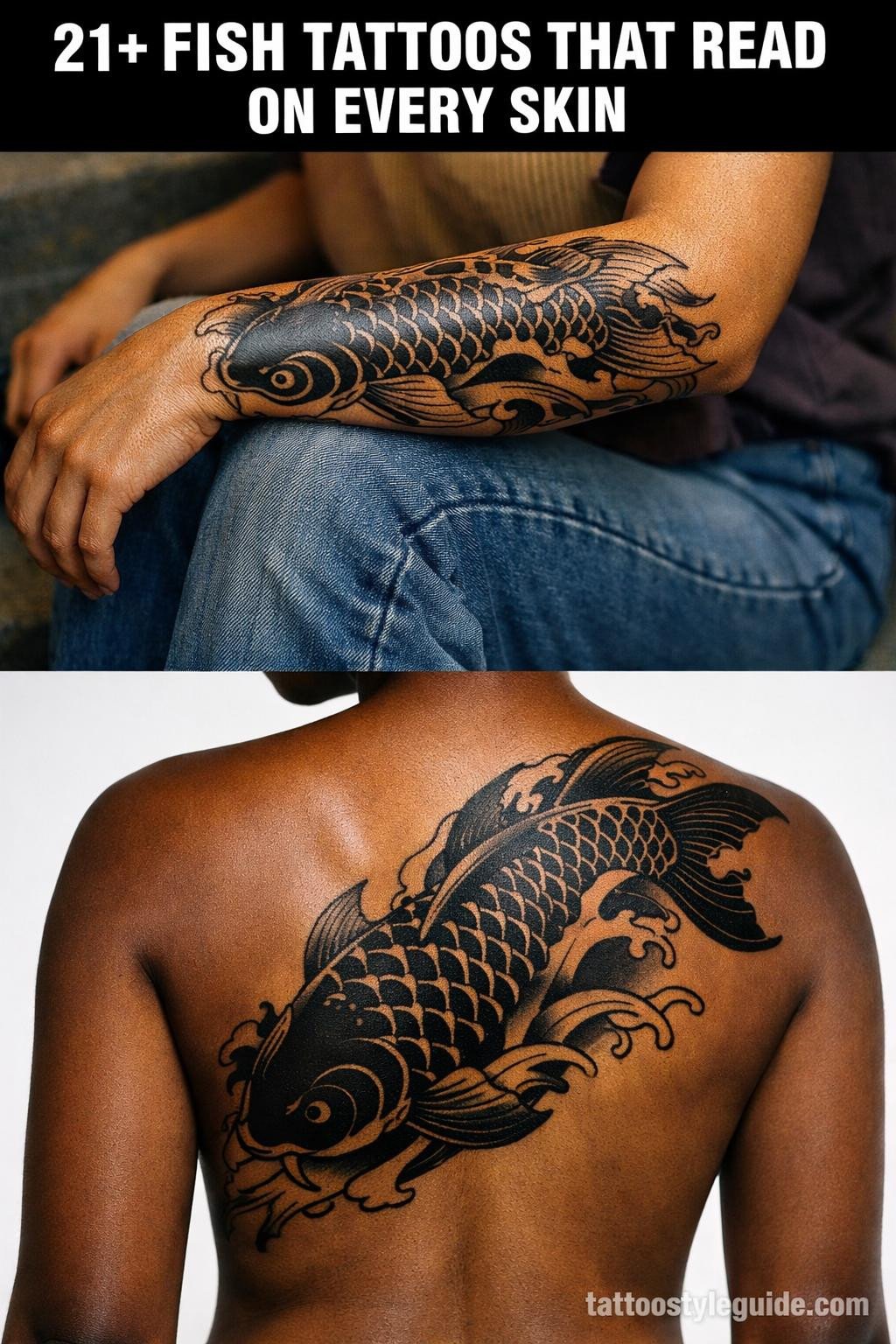
Planning a Sleeve: Don't Start Without a Strategy
The most common sleeve regret isn’t a bad tattoo. It’s a good tattoo in the wrong spot that prevents the sleeve from coming together. A 4-inch piece in the middle of your forearm might look great on its own. But it can create an awkward gap that’s hard to fill and forces the rest of the sleeve to work around it.
If you think there’s any chance you’ll want a sleeve eventually, plan the layout before getting individual pieces. You don’t need the whole sleeve designed upfront. You just need a general map: main feature pieces, transition zones, background approach, and how the elements flow from shoulder to wrist. Your artist can help with this. A 30-minute planning consultation can save you thousands in cover-up and rework costs later.
Half vs. Full: Commitment Levels
A half sleeve (shoulder to elbow or elbow to wrist) is 20-30 hours of work and $2,000-5,000. A full sleeve is 40-60+ hours and $4,000-10,000. The time investment spans months to years depending on session frequency. This isn’t a single afternoon decision.
Half sleeves are easier to conceal with a standard t-shirt. Upper arm halves hide completely. Lower arm halves are visible in short sleeves but concealable with a long-sleeve shirt. Full sleeves are concealable with long sleeves but visible in anything less. Consider your lifestyle and professional needs. A lot of people start with a half and extend later once they’re comfortable with the visibility level.
Frequently Asked Questions
How much does a full sleeve cost?
In the US, expect $4,000-10,000 for a full sleeve from a reputable artist. Major city shops and high-demand artists charge $200-350 per hour. A full sleeve is 40-60+ hours of work. Some artists offer package pricing for full projects. The biggest cost variable is the density of detail: a simple blackwork sleeve costs less in hours than a full-color Japanese sleeve with detailed backgrounds.
Can I build a sleeve from individual tattoos?
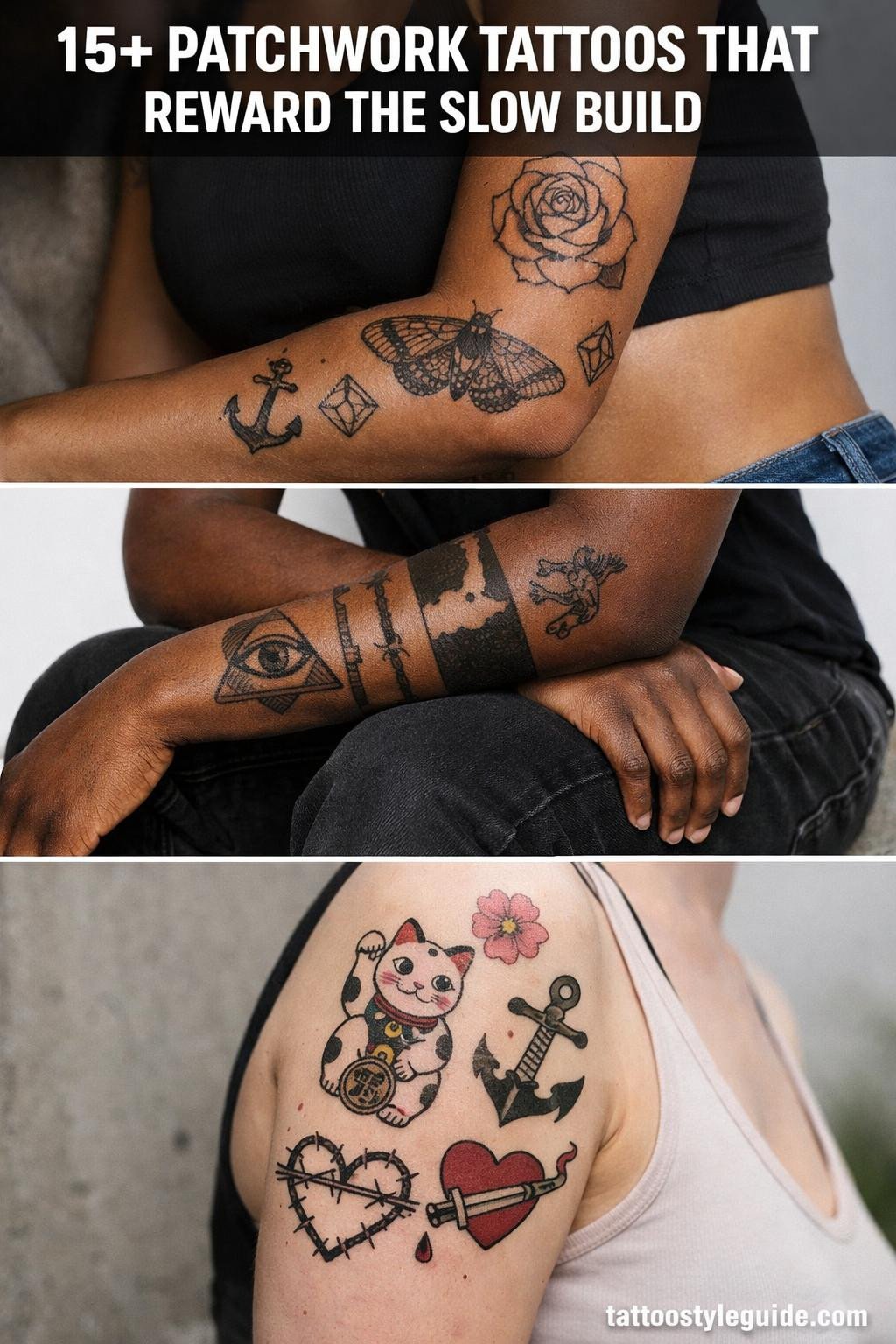
Yes, this is called a “patchwork” or “sticker” sleeve. It’s become very popular. The key is maintaining some consistency: similar line weights, a unified color approach (all black and grey, or all color), and enough spacing between pieces to add filler or connecting elements later. Random individual tattoos scattered without consideration for each other are harder to unify later.
How long does a full sleeve take?
Plan for 6-18 months from first session to completion. Most people do sessions every 3-6 weeks to allow proper healing between appointments. Each session is typically 3-5 hours. Some artists and clients push for longer sessions, but quality often drops after 4-5 hours due to skin stress and fatigue. It’s a marathon, not a sprint.
Should I stick to one style for my whole sleeve?
Sticking to one style creates the most cohesive result. Mixed-style sleeves can work if there’s a unifying element (consistent color palette, matching line weights, a background that ties everything together). What tends to look disjointed is mixing very different styles with no connecting thread: a watercolor piece next to a traditional piece next to a geometric piece with nothing relating them to each other.
Explore More
Not Sure Which Style Fits You?
Answer 5 quick questions and get a personalized tattoo style recommendation based on your taste, pain tolerance, and budget.
Take the Style Finder Quiz →How Much Will Your Tattoo Cost?
Get an instant estimate based on size, style, placement, and detail level. No email required.
Calculate Your Price →500,000+ Tattoo Ideas Curated Daily
Don’t Regret Your Tattoo
Most tattoo ideas look good online.
Not all of them look good on skin.
We help you choose designs that actually last.
No spam. Just real tattoo inspiration.