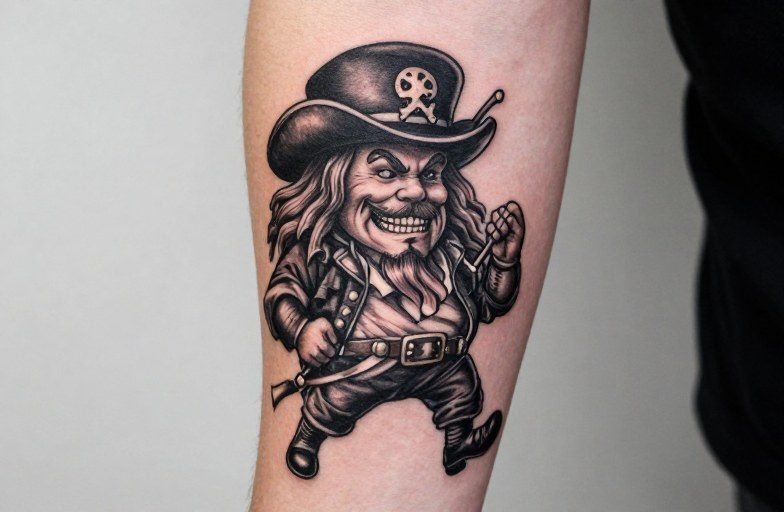
The Jolly Roger tattoo most directly signals rebellion, lawlessness, and rejection of authority. Beyond that surface reading, the skull-and-crossbones format carries the older memento mori tradition, remember you will die, wrapped in the romanticized mythology of pirate freedom. Most people choosing this design aren’t claiming actual piracy; they’re marking a personal boundary against control, a dark sense of humor, or a lived-through period where they operated outside normal rules.
Similar & Related Symbols
Skull Imagery Beyond Piracy
The Jolly Roger sits in a crowded family of skull iconography. Mexican sugar skulls (calaveras) celebrate death as part of life; military unit insignia use skulls to signal lethal capability; biker culture adopted the motif for outsider identity. What separates the Jolly Roger specifically is the crossed elements beneath, bones, swords, or occasionally crossed pistols in modern adaptations. Pure memento mori skulls, common in European art tattoos, typically lack the crossbones and carry a more contemplative, less aggressive tone. Hourglasses, extinguished candles, and rotting fruit often accompany these, where the Jolly Roger stands alone as a more active, confrontational symbol.
Naval and Maritime Cousins
Traditional nautical tattoos overlap heavily. The swallows, anchors, and ships of classic sailor work share the Jolly Roger’s ocean lineage but invert its meaning, those symbols mark belonging, safe return, and stable identity. The Jolly Roger deliberately opposes that: it marks the predator, the ungoverned vessel, the one who takes rather than serves. Some wearers combine both traditions, placing a Jolly Roger alongside anchor or compass work to create tension between order and lawlessness. The mermaid, another maritime staple, sometimes appears in these compositions as the temptation or prize of the ungoverned life.
Religious & Spiritual Angles
Memento Mori and Christian Roots
The skull’s spiritual history predates piracy by centuries. Medieval European churches displayed skulls as reminders that earthly status dissolves in death, urging spiritual preparation. This tradition, often linked to Franciscan and later Puritan practice, carried no rebellious charge, it was devotional. The Jolly Roger borrows the visual grammar but inverts the purpose: where memento mori urged humility and prayer, the pirate flag weaponized mortality as intimidation. Some tattoo wearers consciously reclaim the older meaning, using the familiar skull format to mark survival of illness, addiction, or violence, a death faced and postponed. Others simply appreciate the visual power without religious intent.
Secular Mortality
For non-religious wearers, the skull functions as existential marker rather than spiritual warning. The crossbones add dynamism, suggesting not passive death but active confrontation with limits. This appeals particularly to people in dangerous professions, fishermen, firefighters, military, who live with calculated risk. The symbol becomes a way of acknowledging mortality without sentimentality, almost as dark mascot rather than prayer prompt.
Best Placements
High-Visibility Statement Spots
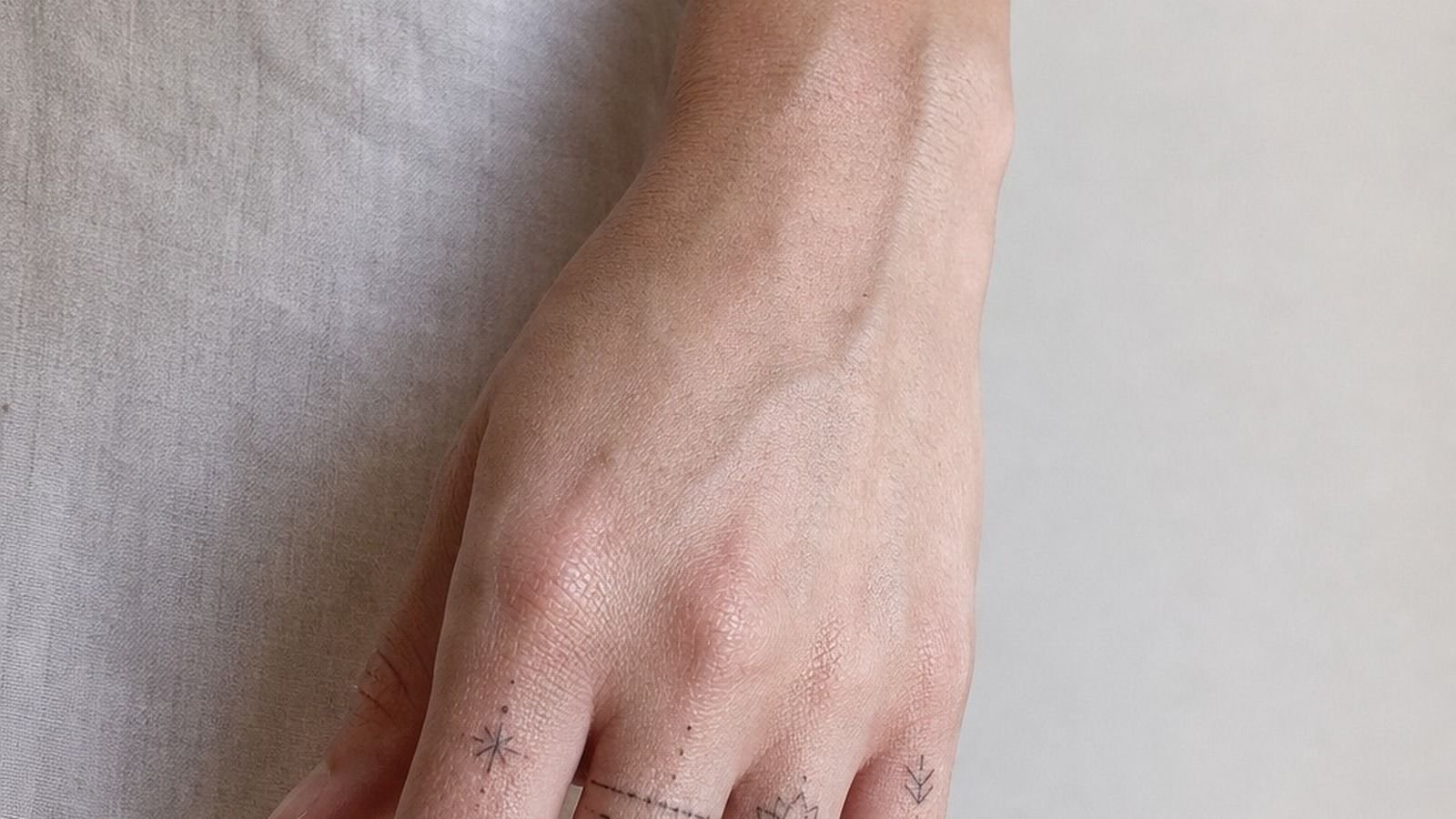
Forearms, hands, and necks dominate Jolly Roger placement for a reason: the design reads instantly and doesn’t require explanation. The skull’s bilateral symmetry works well on flatter surfaces where both crossbones remain visible. Hand placement, particularly the back of the hand or knuckles, amplifies the defiant reading, this is the body part extended in greeting or confrontation, and the symbol becomes part of social interaction. Knuckle versions traditionally use simplified single-color work, sometimes just the skull outline above “HOLD FAST” or similar phrases on the fingers, though pure Jolly Roger imagery on knuckles requires severe simplification to read at that scale.
Contained and Concealable Options
Upper arms, chest plates, and thighs allow more detailed rendering and easier concealment. The chest, especially centered over sternum, gives the skull a bodily resonance, it sits above the actual heart. Thigh placement, increasingly common across genders, permits larger scale and more elaborate surrounding composition: ships, sea monsters, or scrollwork. Calf and shin placements work well for vertical elongation of the crossbones, though the shin’s bone proximity makes tattooing more physically uncomfortable.
Design Tips & Pairings
Line Weight and Aging Reality
Traditional Jolly Roger designs rely on bold black lines and limited color for good reason: this is how they remain legible over decades. Fine-line skulls with delicate crossbones blur within five to ten years, the eye sockets and nasal cavity softening into indistinct gray blobs. For longevity, eye sockets need solid black fill or very heavy outline; teeth should be simplified to a few distinct shapes rather than individual detailed chompers. Crossbones require consistent thickness, one thick and one thin bone throws off the balance and ages unevenly. Red accents, historically accurate for some pirate flags, hold reasonably well but should be used sparingly as highlight rather than fill.
Companion Elements
Ropes, chains, and nautical stars frame the Jolly Roger naturally. Scrolls with text, ship names, dates, coordinates, or phrases, require careful integration; the skull’s jawline and the crossbones’ intersection create natural anchor points. Roses or other flowers, sometimes read as contrasting softness, actually have historical precedent: pirate flags occasionally incorporated heart or floral elements to signal particular captains. Daggers through the skull, popular in 1990s biker-influenced work, now read as dated; modern variations more often place the skull atop a ship’s wheel or incorporate compass roses to suggest navigation without governance.
Personal & Modern Meanings
Anti-Authority and Counterculture
The Jolly Roger’s persistent appeal lies in its adaptability to any system rejected. Punk adoption in the 1970s, hacker culture’s digital piracy references, and modern anti-corporate sentiment all map onto the symbol without strain. The tattoo functions as shorthand: I don’t participate in your structure. This can range from genuine political anarchism to mild workplace resentment, and the visual symbol doesn’t distinguish between them, that ambiguity is part of its utility. Some wearers specifically reference the original pirate practice of democratic ship governance, where captains were elected and plunder was shared, making the symbol represent egalitarianism rather than mere theft.
Survival and Dark Humor
For people who’ve emerged from genuinely lawless periods, addiction, incarceration, underground economies, the Jolly Roger marks a past self without romanticizing it. The skull acknowledges damage done; the crossbones suggest the structure survived. This is often paired with dates or with contrasting imagery (roses, religious symbols) that contextualize the period as completed rather than ongoing. The humor element matters too: the Jolly Roger is inherently theatrical, almost cartoonish in its exaggeration, and some wearers embrace that absurdity as defense against life’s darkness.
Common Variations & Styles
Historical Accuracy vs. Stylization
Actual historical pirate flags varied enormously. Blackbeard’s featured a horned skeleton holding an hourglass and spear; Bartholomew Roberts used a figure standing on skulls with an hourglass. The familiar skull-and-crossbones became standardized only in the 18th century and was not universal. Tattoo wearers sometimes request specific historical flags for authenticity; others prefer the pop-culture version everyone recognizes. Traditional American tattoo style (bold lines, limited color palette, heavy black) remains the most common approach, though Japanese-influenced versions with waves, wind bars, and more elaborate skull rendering have gained ground. Black-and-gray realism creates a more somber, literally deathly tone that shifts the meaning toward memorial.
Modern Hybrids
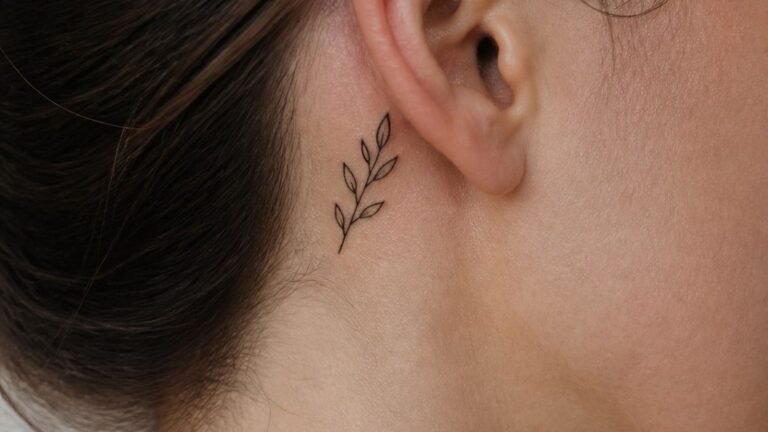
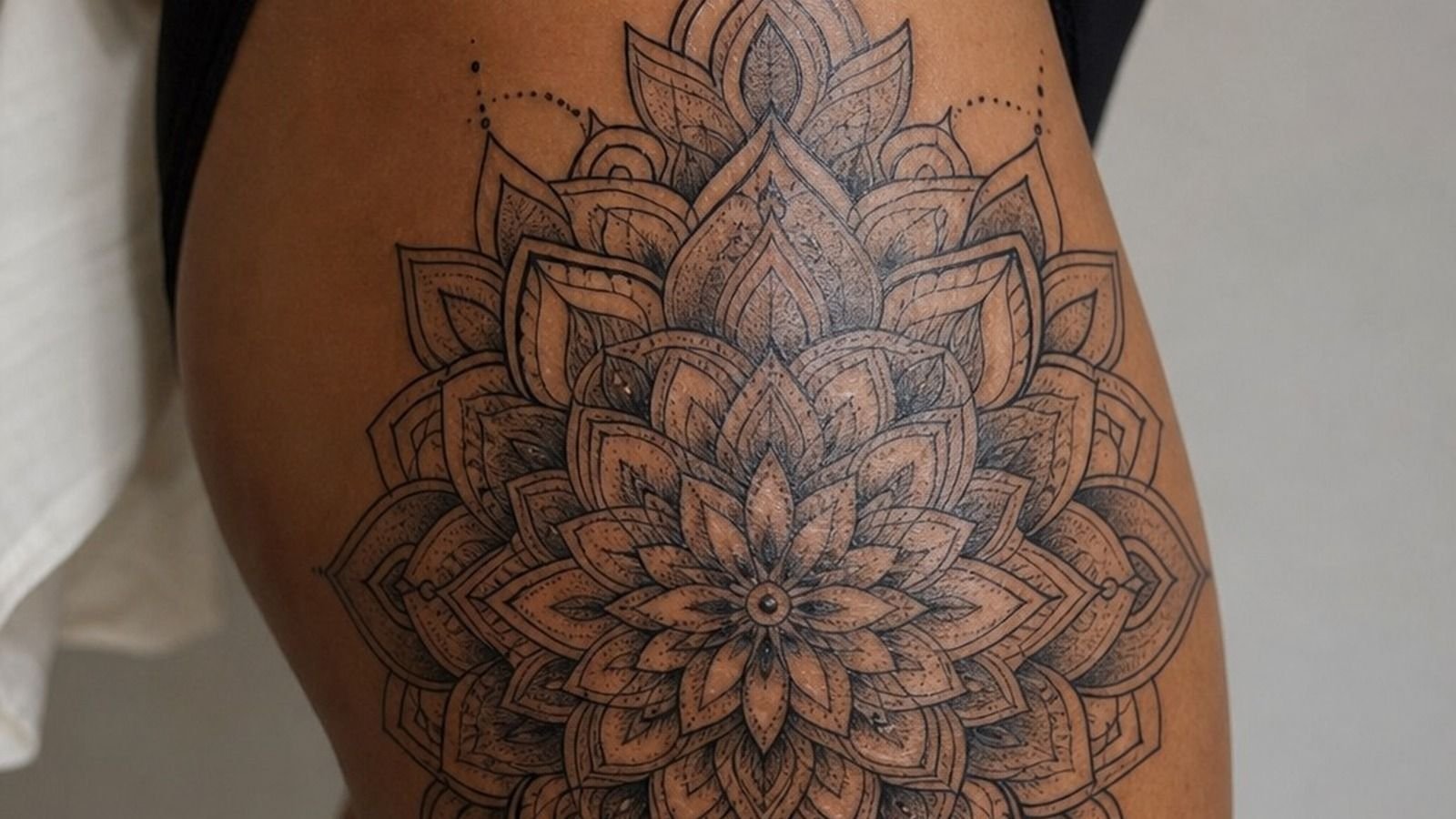
Geometric framing, dotwork shading, and watercolor backgrounds have all been applied to Jolly Roger imagery. Dotwork in particular suits the skull’s hollows and can create texture without the heavy black that dominates traditional versions. Biomechanical interpretations, skull as machine, bones as pistons, extend the symbol into cyberpunk territory. Minimalist single-line versions exist but sacrifice the bold legibility that makes the design effective; they read as skull tattoos with crossed elements rather than as Jolly Rogers specifically.
The Bottom Line
The Jolly Roger tattoo works because it compresses multiple readable meanings into a simple, instantly recognizable form. Rebellion, mortality, dark humor, and survival all coexist in the same image, and the wearer doesn’t need to explain which one applies. For longevity, prioritize bold construction over fine detail; for placement, consider whether you want the symbol to enter every social interaction or remain a private reference. The design’s centuries of use haven’t exhausted it because the underlying tension, between freedom and danger, between individual and society, remains unresolved. That unresolved quality is exactly what keeps people marking it on their skin.
Frequently Asked Questions
Does a Jolly Roger tattoo automatically mean someone is a criminal or dangerous?
Not at all. Most people choose this symbol for its anti-authority aesthetic or personal survival narrative rather than any actual criminal identity. The romanticized pirate image in popular culture has largely separated it from real lawlessness.
How well does a Jolly Roger tattoo age compared to other skull designs?
Better than fine-line alternatives, but the eye sockets and teeth need solid black fill or heavy outlining to prevent blurring. Simplified traditional versions hold up significantly longer than realistic or watercolor approaches.
Can women wear Jolly Roger tattoos without it looking masculine?
Absolutely. Placement and surrounding elements matter more than the symbol itself. Thigh, rib, or forearm placements with floral or geometric framing create entirely different readings than the classic biker-chest version.
What’s the difference between a Jolly Roger and a plain skull tattoo?
The crossbones or crossed swords beneath the skull make it specifically a Jolly Roger, signaling piracy, rebellion, and maritime lawlessness rather than general mortality or danger. The crossed elements add active, confrontational energy.