
Repair hub
Cover Up Tattoos
Cover-ups are design, strategy and damage control. This hub connects guides on old ink, fading, touch-ups, blowouts, bad fine line tattoos, scars, stretch marks, laser before cover-up and realistic repair options.
Not every bad tattoo needs the same fix
Some tattoos need a touch-up. Some need a refresh. Some need laser lightening before a cover-up. Some need to be left alone until the skin is ready. The wrong fix can make the next fix harder, so the first step is diagnosis.
Use this hub to compare cover-up ideas, fading causes, old tattoo refresh, blowout, scar and stretch-mark tattooing, laser prep, and when a fine line tattoo can or cannot be repaired.
Curated by Jules Ortiz, the goal is realistic: fewer miracle promises, more practical constraints.
These guides help decide whether to cover, refresh, lighten or redesign. Cover-up tattoos need more size, more darkness, and more planning than most people expect. Cover-up tattoo ideas have to work with the old ink, not pretend it is gone. Cover-up work is the hardest technical test in tattooing. The existing ink doesn’t disappear; it becomes part of the new design’s foundation, and every… Refreshing an old tattoo can mean a touch-up, rework, cover-up, or laser-assisted redesign. Laser lightening before a cover-up can create better design options without fully removing the old tattoo. A tattoo touch-up can fix light spots or faded areas, but it cannot solve every design or healing problem. A tattoo may need a touch-up after it heals, but not every cloudy or peeling stage is a problem. Understand why tattoos age badly before deciding how to fix one. Tattoo fading is influenced by sun, placement, aftercare, color, line weight, skin, and artist technique. Tattoos blur over time when lines are too close, placements are high-friction, or the design ignores normal ink spread. Tattoo blowout can look like ink spreading under the skin, and it is not the same as normal healing blur. A bad fine line tattoo can sometimes be touched up, reworked, covered, or laser-lightened, but not every problem has a clean fix. White ink tattoos look subtle, but they can fade, yellow, blur, or heal unpredictably depending on skin, placement, and technique. Color tattoos can be beautiful, but palette, skin tone, sun exposure, and contrast decide whether the piece stays readable. Skin texture changes the design options. These guides help frame the artist conversation honestly. Scar cover tattoos require patience, the right artist, and realistic expectations about texture and ink behavior. Stretch mark tattoos can be decorative or camouflage-focused, but the skin needs to be stable first. Red ink reactions are a known concern in tattoo discussions, and any rash, swelling, bumps, or delayed reaction deserves conservative handling. Tattoo red flags usually show up before the needle: poor hygiene, vague pricing, weak portfolio, pressure, or bad aftercare advice. Reading a tattoo portfolio means looking past the best fresh photos and checking healed work, consistency, and fit. The right tattoo questions save money, prevent regret, and reveal whether an artist is the right fit before you book.Cover-up and old ink strategy
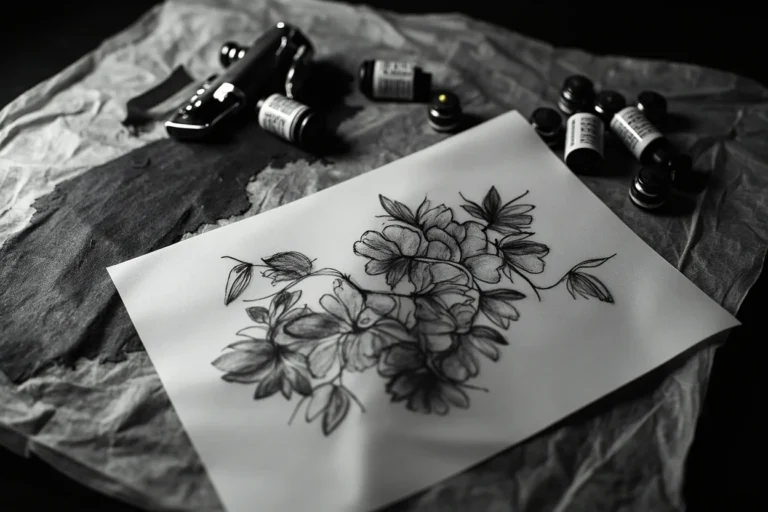
Cover Up Tattoo Guide
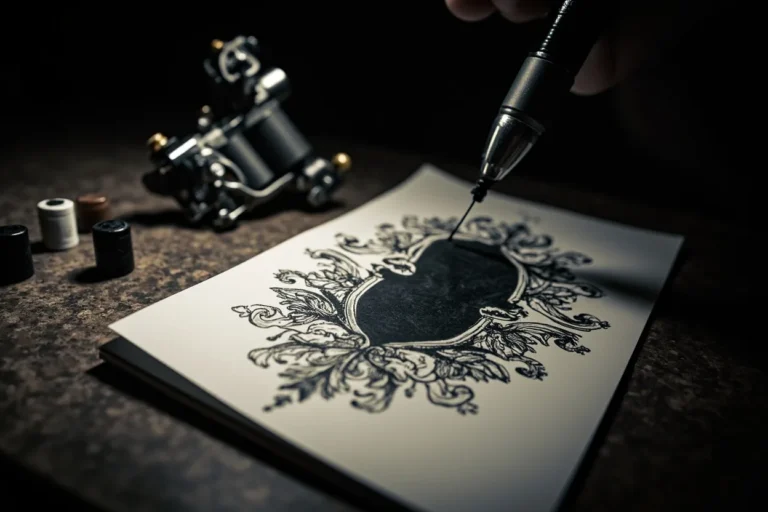
Cover Up Tattoo Ideas: Designs That Hide Old Ink
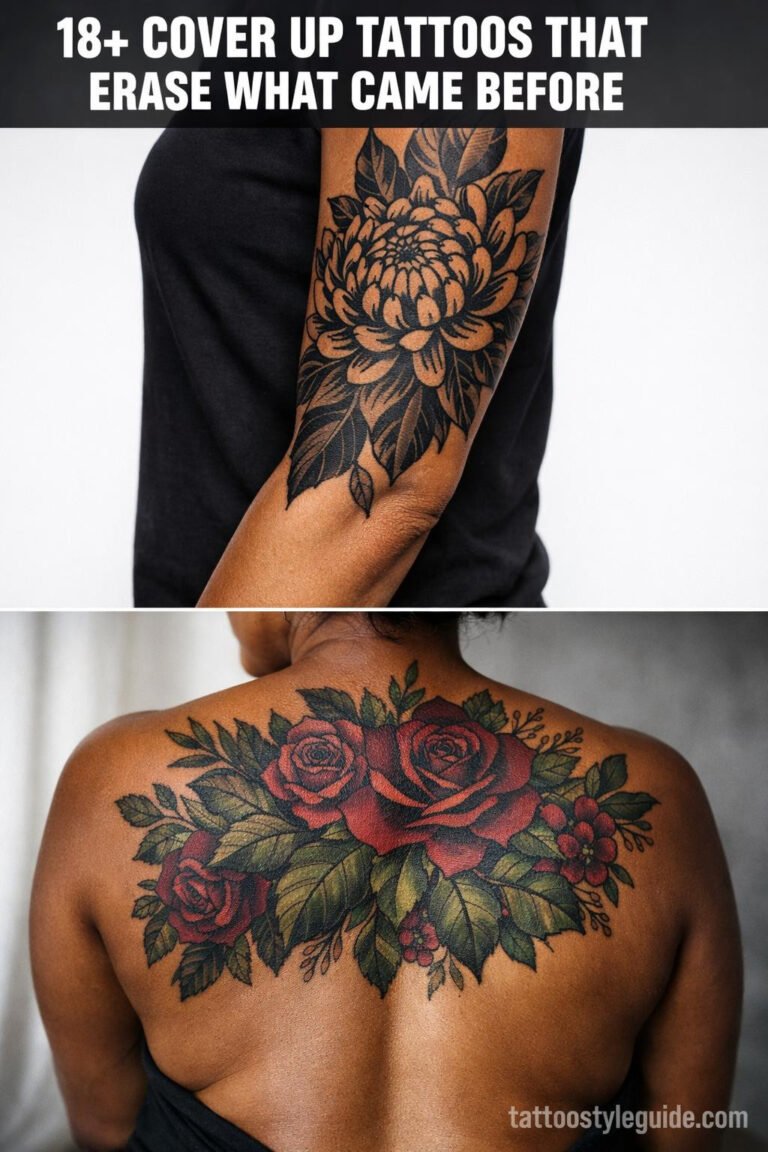
18+ Cover Up Tattoos That Erase What Came Before
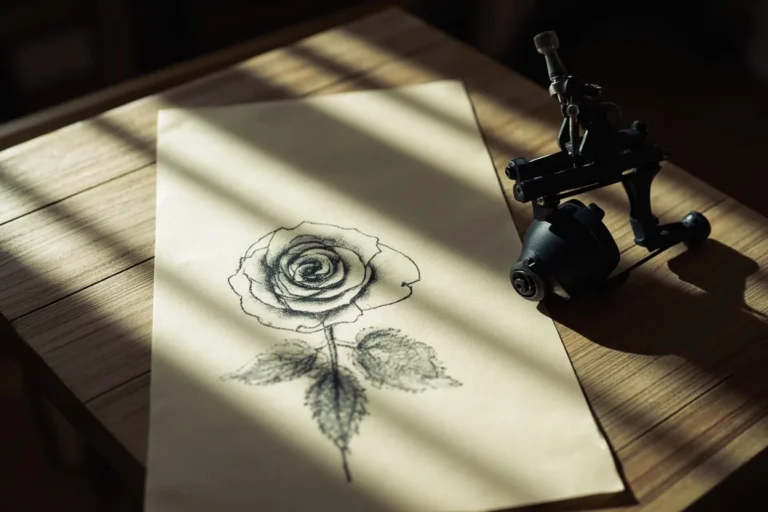
Old Tattoo Refresh Guide
Laser Tattoo Removal Before a Cover-Up
Tattoo Touch-Up Guide

How to Know if a Tattoo Needs a Touch-Up
Fading, blur and technical problems
Tattoo Fading: Causes, Placements and Prevention
Why Tattoos Blur Over Time
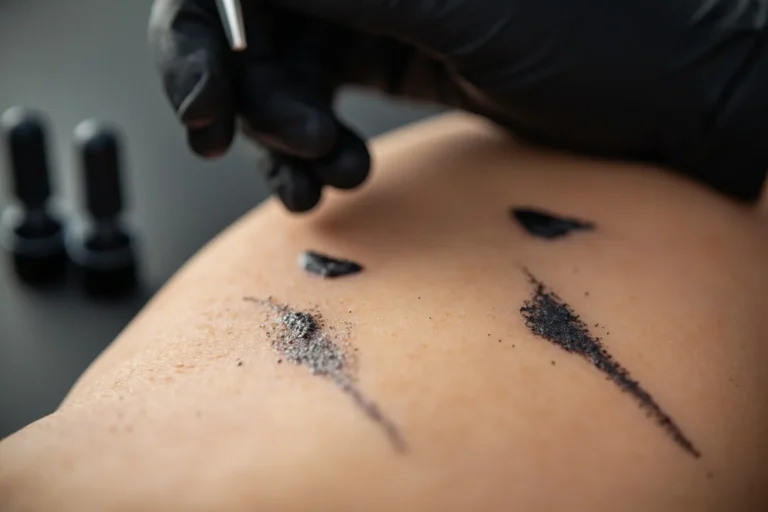
Tattoo Blowout: What It Looks Like and What to Do

Can You Fix a Bad Fine Line Tattoo?
White Ink Tattoos: Subtle Look, Real Aging Tradeoffs
Color Tattoo Ideas: Choosing Ink That Ages Well
Scars, stretch marks and skin texture
Scar Cover Tattoo Ideas
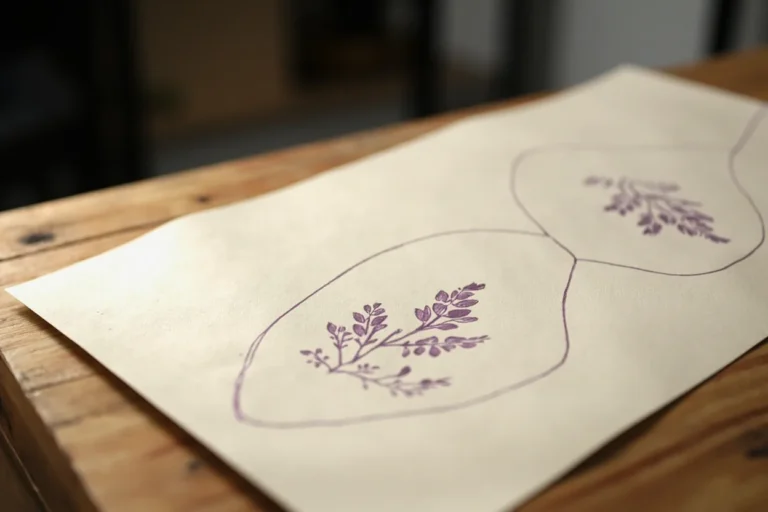
Stretch Mark Tattoo Guide
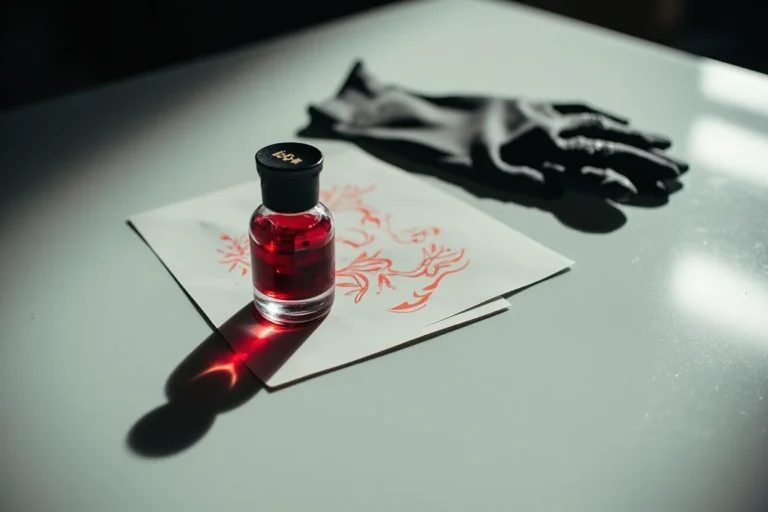
Red Ink Tattoo Allergy: What to Watch For
Tattoo Red Flags: Studio, Artist and Aftercare Warning Signs
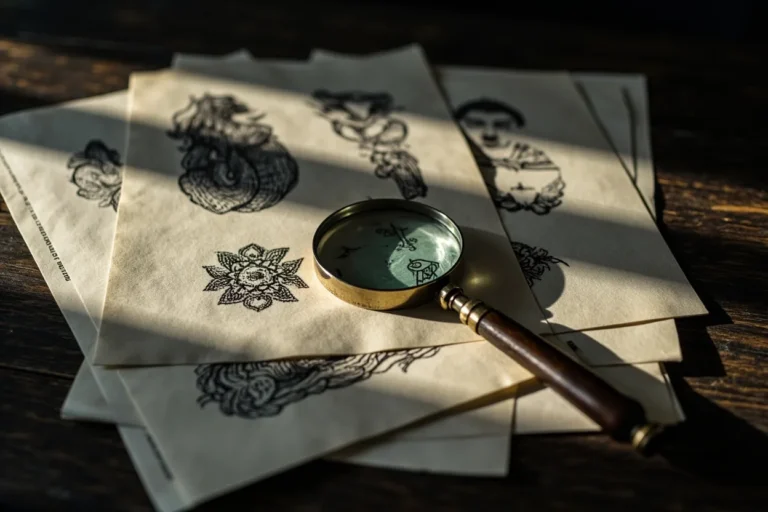
How to Read a Tattoo Portfolio
What to Ask a Tattoo Artist Before Booking
A cover-up is usually a bigger tattoo
The new design must beat the old design in contrast, structure and scale. If an artist promises a tiny pale cover-up over dark old ink, get a second opinion.