A stretch mark tattoo is not just a design choice. The artist has to account for skin texture, age of the marks, body changes, and whether the goal is decoration or camouflage.
Quick answer: Stretch mark tattoos can use florals, vines, ornamental patterns, animals, abstract marks, or camouflage techniques. The stretch marks should be mature and stable, and the artist should have experience tattooing textured skin.
Stretch mark tattoo options
Decide whether you want to hide the marks, frame them, or simply tattoo the area you like.
| Option | Best use | Keep in mind |
|---|---|---|
| Floral vine | Long stretch mark areas | Needs body flow |
| Ornamental pattern | Structured coverage | Texture may remain |
| Abstract marks | Works with irregular skin | Needs composition |
| Camouflage tattooing | Color-focused approach | Specialized service |
| Large decorative piece | Thigh, hip, stomach, arm | Body changes matter |
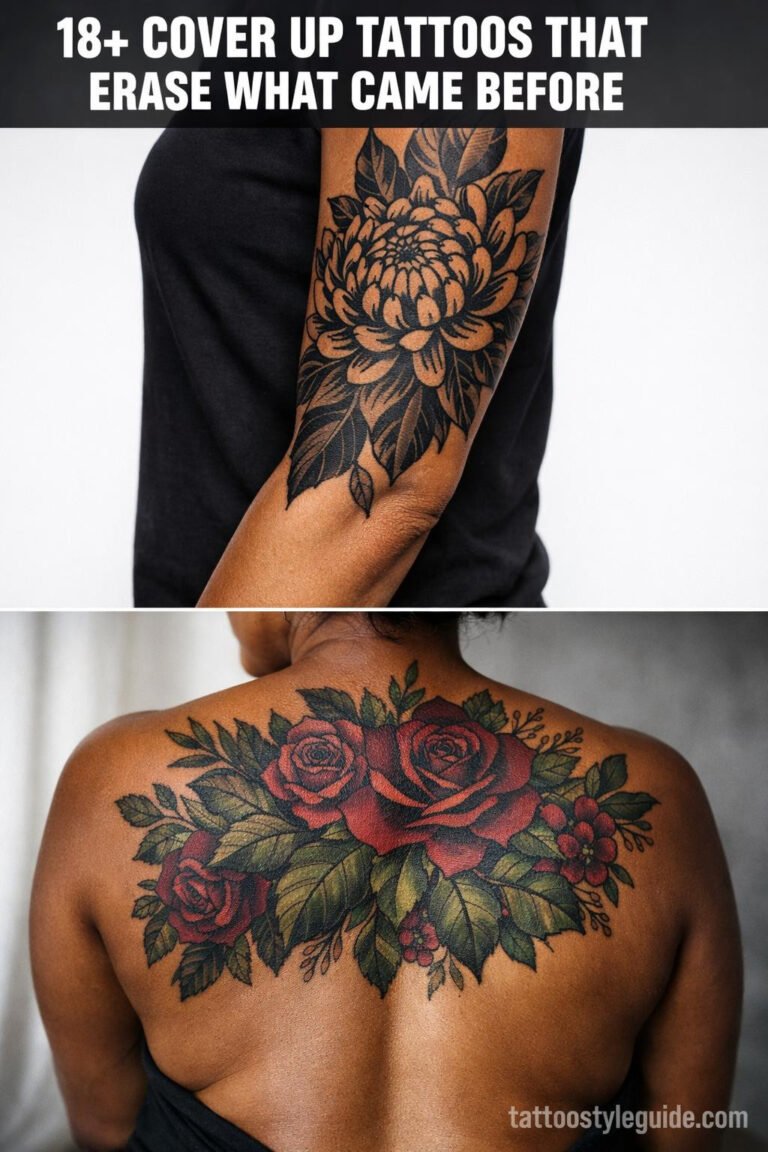
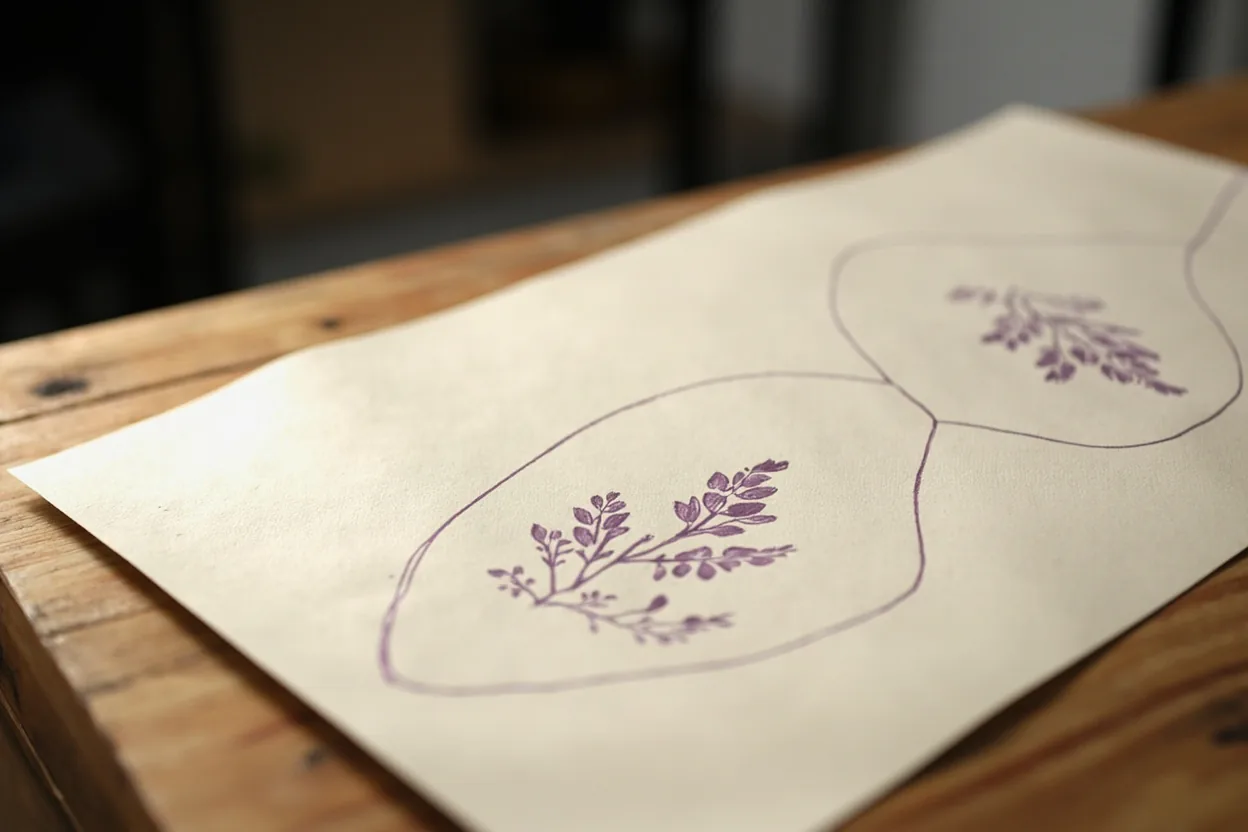
Stretch marks give you three solid routes: a permanent tattoo directly over or around them, a henna or jagua piece for a short-term test run, or a design that uses the marks as texture instead of hiding them. Floral sleeves, geometric patterns, mandalas, and abstract black and grey work are the styles artists reach for most. Fine line struggles to survive on scarred tissue, so most shops push bold black work or saturated color that can hold its shape over uneven skin.
Placement matters a lot here. Hips, lower abdomen, thighs, upper arms, and breasts are the common spots. Low-wear zones like the outer thigh heal easier and keep lines crispy longer than high-friction areas near the hip crease. Talk to your artist about whether you want to camouflage the marks completely or incorporate them into the design as natural, organic linework.
What makes this work on real skin
Stretch marks are scars with a story, a good tattoo honors that instead of hiding it.
Stretch marks can be raised, indented, pale, red, or silver. Each type can respond differently to tattooing.
If the skin is still changing because of growth, pregnancy, weight change, or healing, waiting may produce a better result.
Stretch marks are scar tissue. The skin has a different texture, density, and porosity than surrounding skin, so ink behaves differently going in. Raised or ropy marks can cause the needle to bounce slightly, which risks uneven saturation or blowout if the artist pushes too hard. An experienced artist reads the skin in real time, adjusting needle depth and speed constantly. Whip shading and softer passes work better than heavy packing on these areas.
Older, flat, silvery marks actually take ink better than fresh red or purple ones. Fresh marks are still actively remodeling collagen, so tattooing them leads to unpredictable healing and color loss. Experienced artists want marks that have been stable for at least six to twelve months. The flatter and lighter the mark, the closer it behaves to normal skin, and the better your odds of clean, solid results that still read well a few years out.
Before you book or apply it
Choose an artist who is comfortable with textured skin and can explain realistic outcomes.
- Ask if the stretch marks are mature enough.
- Ask whether texture will still be visible.
- Ask for healed examples on similar skin.
- Ask if future body changes could affect the design.
Book a consult first, not just a session. Bring clear photos in natural light so the artist can see the actual texture and spread of the marks before you sit down. Hydrated skin tattooes better, full stop. Drink water consistently for a week out, moisturize the area daily, and show up with clean, lotion-free skin on the day. Skip retinoids and exfoliating acids on that area for at least two weeks before your appointment.
For henna, do a small patch test 24 to 48 hours before your full application, especially on scarred skin which can react differently. Never use black henna, it contains PPD and causes chemical burns and scarring on regular skin, let alone compromised tissue. Natural henna paste stains orange to brown and is safe. Expect the color on stretch marks to come out lighter or patchier than on surrounding skin since the scar tissue absorbs the dye unevenly.
Mistakes to avoid
Do not expect a decorative tattoo to make texture vanish.
Do not rush the tattoo while stretch marks are fresh, red, irritated, or still changing.
Safety source note: This guide keeps safety advice conservative and points readers to primary public-health or dermatology sources.
Booking an artist who has never worked on scarred or textured skin is the biggest mistake people make. Ask to see healed photos of their work on stretch marks specifically, not just their portfolio on smooth skin. A tattooed result on flat skin tells you almost nothing about how they handle scar tissue. Picking overly fine or delicate line work on raised marks is the second mistake. Those hairline lines will spread and blur within two to three years, especially on higher-wear zones like the hip or inner thigh.
Do not tattoo active or fresh marks. Tattooing skin that is still changing means your design changes too, distorting lines and causing uneven ink drop-out during healing. Skipping sunscreen after healing is another one that costs people. UV breaks down ink faster on scarred skin, so SPF 50 on the area any time it sees sun keeps the work saturated and sharp longer. Budget realistically too. Stretch mark work takes more time and sometimes multiple sessions. Expect to pay more than a standard piece of the same size.