Preparing for a tattoo appointment is not complicated, but skipping the basics makes the session harder for everyone: you, the artist, and the skin getting tattooed.
Quick answer: Before a tattoo appointment, sleep well, eat a proper meal, hydrate, avoid alcohol, wear practical clothing, bring references and ID, confirm payment and tip expectations, protect your skin from sunburn, and plan the first 48 hours of aftercare.
Tattoo appointment prep checklist
Most prep is ordinary body care and clear communication.
| Direction | Best fit | What to watch |
|---|---|---|
| Sleep | Better pain tolerance | Do not arrive exhausted |
| Food | Stable energy | Do not sit hungry |
| Clothing | Easy access to placement | Avoid tight rubbing fabric |
| References | Clear direction | Do not bring a copy demand |
| Aftercare plan | Cleaner healing | First 48 hours matter |
Book a consultation first if your piece is larger than a palm or involves custom work. Confirm the deposit amount and cancellation policy before you put money down. Check that your artist actually specializes in your style, because a script artist and a traditional artist produce very different results, even on the same placement. Look at healed photos in their portfolio, not just fresh shots.
Moisturize the area daily for at least a week before your session. Dry, flaky skin holds ink poorly and makes it harder for the needle to glide clean. Shave the spot the night before if needed, but skip it if you’re prone to razor burn. Come to your appointment freshly showered and wearing loose clothing that gives easy access to the area getting tattooed.
The day before matters
Your skin is the canvas, show up and treat it like one.
Avoid heavy drinking, sunburn, last-minute shaving mistakes, and major schedule stress. Tattooing irritated skin is harder, and sitting through pain while exhausted is worse than it needs to be.
If you are getting a large tattoo, plan food and breaks like you would for a long appointment, because that is exactly what it is.
Skip the alcohol the night before. It thins your blood, which means more bleeding during the session, and that pushes ink out of the skin before it sets. You’ll end up with a patchier heal and your artist will have to wipe constantly just to see what they’re doing. Same goes for aspirin or ibuprofen. If you need a painkiller, acetaminophen is fine.
Get a full night of sleep and eat a real meal before you come in. Low blood sugar during a long session drops your pain tolerance fast and can make you lightheaded, especially on spicy spots like ribs, knees, or the ditch of your elbow. A solid breakfast of protein and complex carbs keeps your body stable. Bring a snack for anything over two hours.
What to bring
Keep it practical and studio-friendly.
- Bring government ID and the payment method the studio expects.
- Bring water and a simple snack for longer sessions.
- Bring clothing that exposes the placement without stretching the skin.
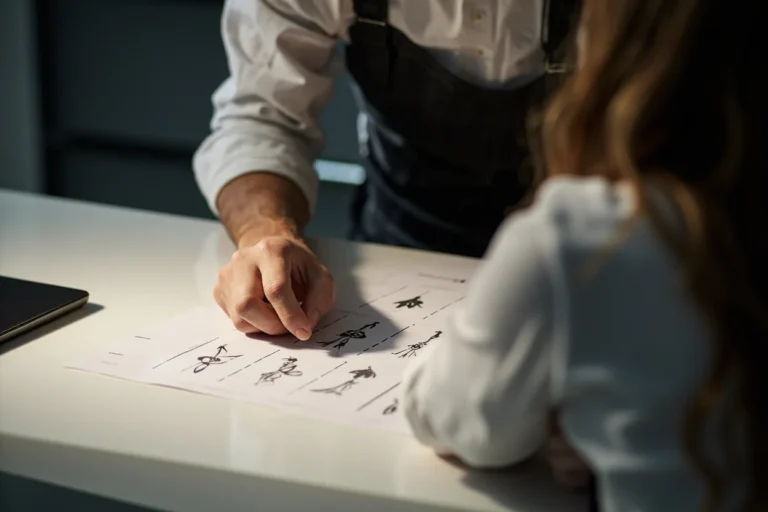
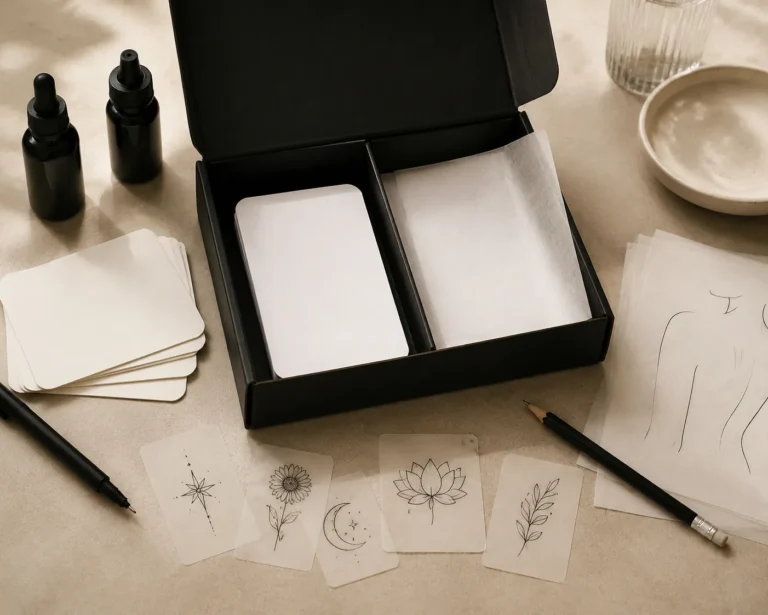
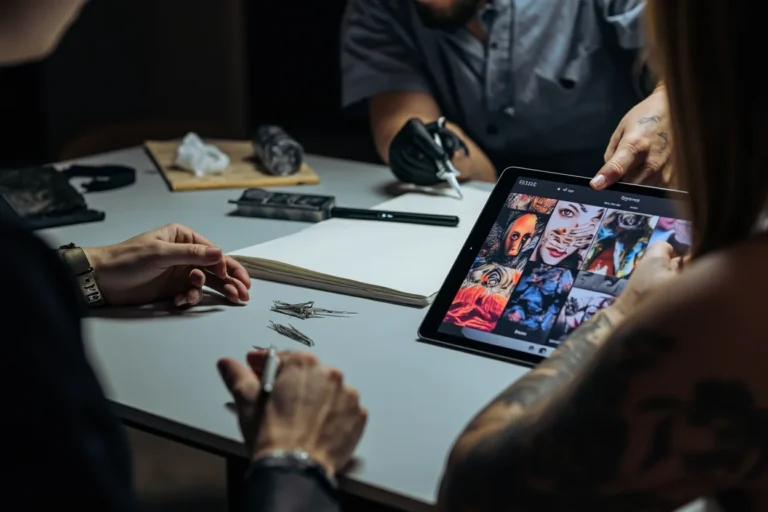
- Bring references organized by what you like: style, scale, placement, mood.
Bring a refillable water bottle and a snack you can eat quietly. Sugary drinks help if you start feeling off mid-session. Pack headphones if you want to zone out, especially for longer pieces where you’ll be sitting three to six hours. A small pillow or rolled towel can help you hold a position comfortably when you’re getting worked on your side, back, or legs.
Bring a valid photo ID, your deposit receipt, and any reference images saved offline in case your service drops. If you have a healing condition like diabetes or are on blood thinners, bring a note from your doctor if your artist asked for one. Wear or bring clothing you don’t care about staining. Ink, stencil paper, and green soap all travel.
Appointment prep mistakes
Do not show up sunburned, hungover, rushed, or unsure about the design. Those problems do not make the tattoo more spontaneous. They make it harder to do well.
Do not schedule intense exercise, swimming, tanning, or tight clothing friction right after the appointment.
Showing up sunburned is one of the worst things you can do. Burned skin can’t take a tattoo, and your artist will turn you away. Same with a fresh tan. Sun damage changes how ink saturates, and it compromises the heal. Stay out of direct sun on the area for at least two weeks before a session and keep it covered if you’ll be outside.
Don’t numb cream the area without clearing it with your artist first. Some formulas swell the skin slightly, which distorts how the needle sits and can blow out fine line work or make shading look uneven. Overtightening skin for the artist’s needle is also a real issue. Let them work the tissue naturally. Trust that a good artist manages skin tension themselves.