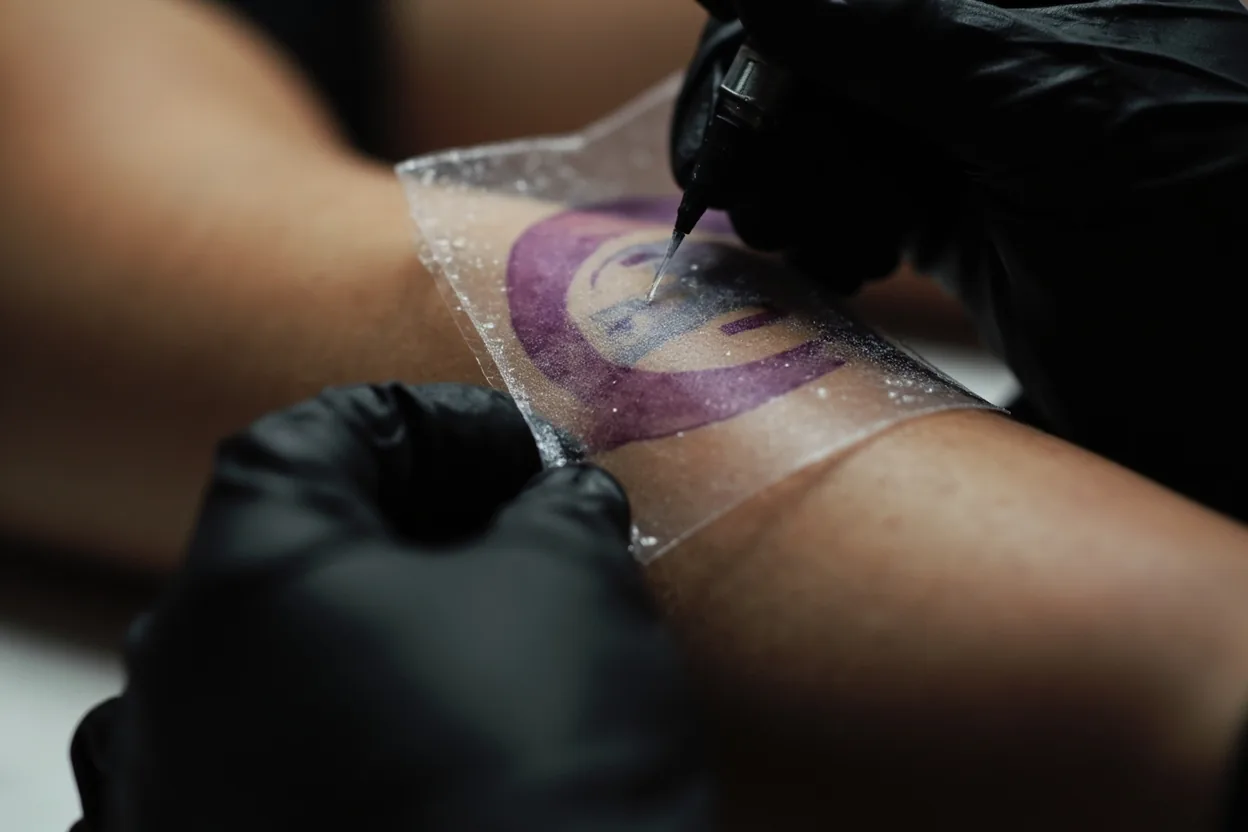
Placement decides more than where people see the tattoo. It changes pain, price, healing, fading, touch-ups, and whether the design still reads when your arm bends or your ribs move.
Quick answer: The best tattoo placement depends on pain tolerance, visibility, skin movement, sun exposure, and design detail. Outer arms, shoulders, thighs, and calves are usually friendlier. Fingers, hands, ribs, feet, elbows, knees, and sternum require more commitment.
Tattoo placement chart
| Placement | Pain | Visibility | Aging risk | Best for |
|---|---|---|---|---|
| Outer forearm | Moderate | High | Low to medium | Script, florals, fine line, first tattoos |
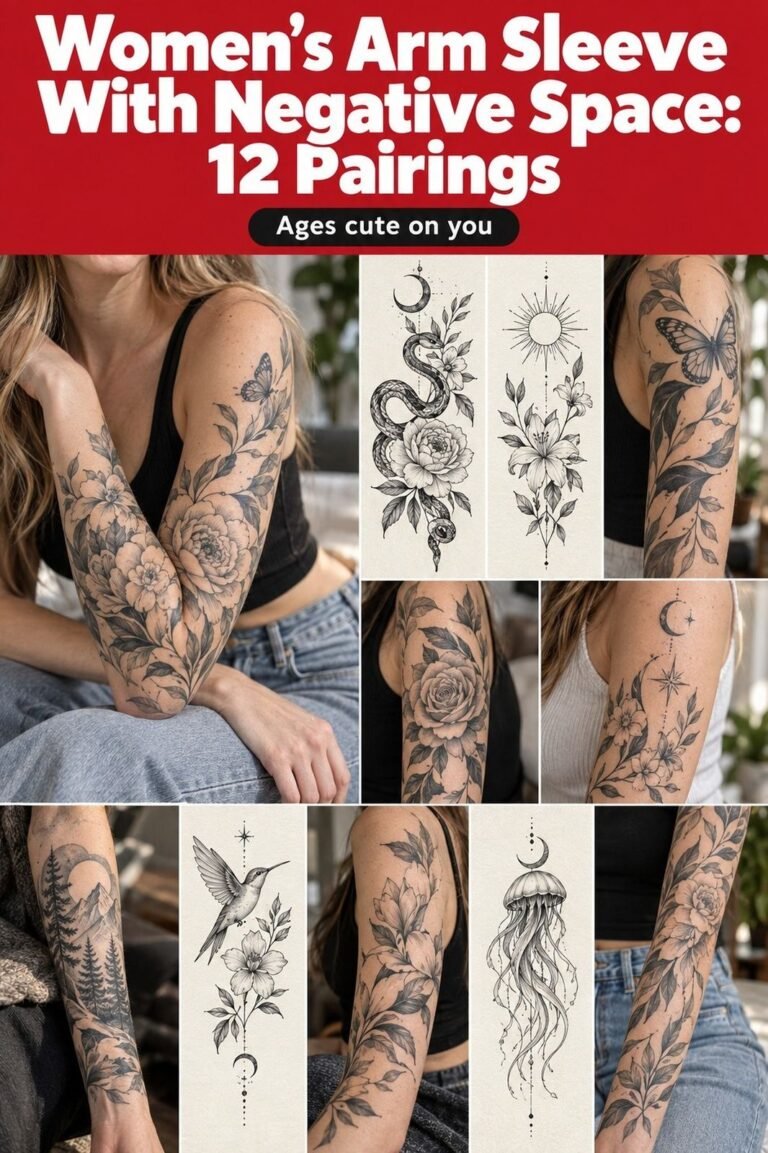
| Upper arm | Low to moderate | Easy to cover | Low | Traditional, animals, portraits, future sleeves |
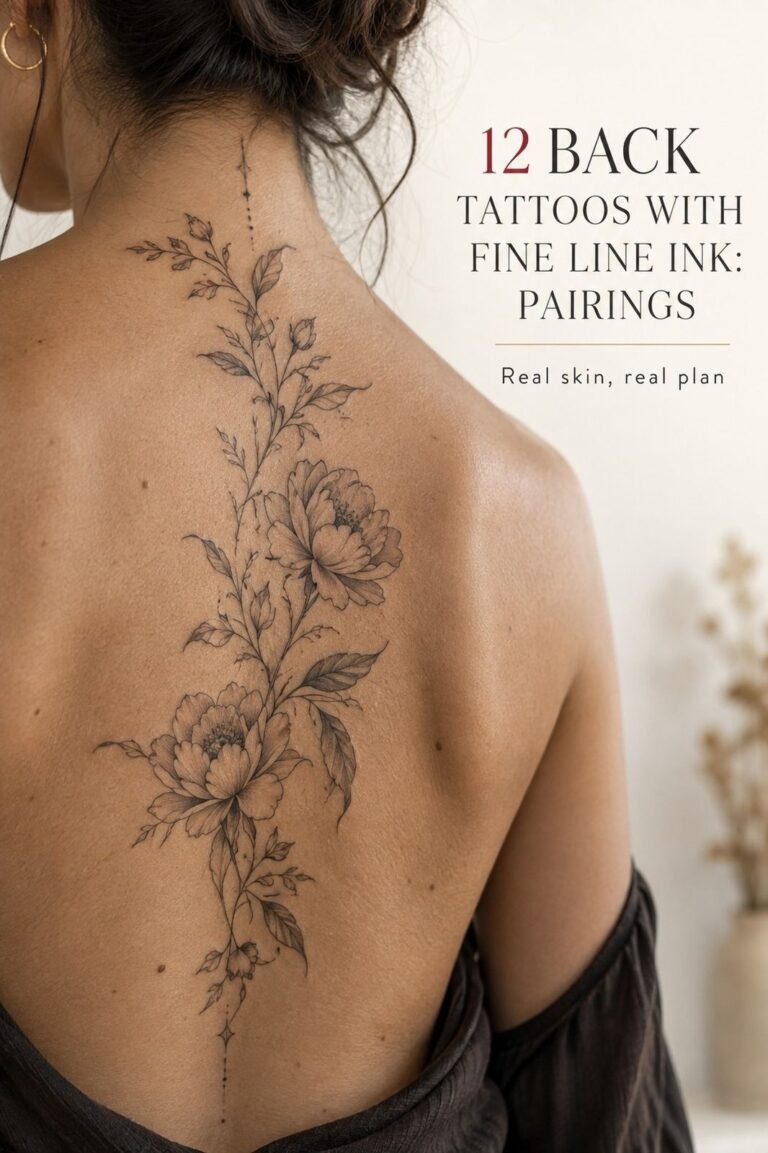
| Ribs | High | Hidden | Low if protected | Long vertical designs, florals, script |
| Spine | High | Hidden | Low to medium | Symmetry, ornamental, fine vertical work |
| Hands and fingers | High | Very high | High | Bold simple marks, not tiny detail |
| Thigh | Moderate | Hidden | Low to medium | Large florals, realism, ornamental pieces |
| Ankle and foot | Medium to high | Seasonal | High | Simple designs with room to breathe |
A placement chart breaks the body into pain tiers, healing zones, and visibility bands all at once. High-wear zones like hands, feet, and elbows see constant friction, which means color fades faster and linework can blow out if your artist goes too shallow trying to be gentle. Low-wear zones like the upper arm, calf, and shoulder blade hold ink the longest and give your artist room to work without fighting movement.
Skin thickness matters more than most people expect. The sternum and spine sit over bone with almost no fat buffer, making them spicy and prone to inconsistent saturation. The outer thigh and upper back have thicker skin that takes ink clean and heals nice, usually in three to four weeks with minimal touchup needed.
Best placements for first tattoos
The right placement turns a good tattoo into a great one for life.
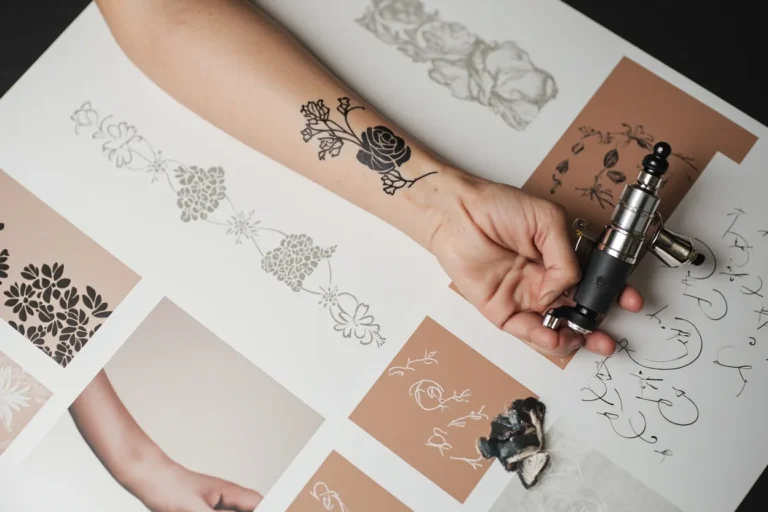
Start with skin that gives the artist a fair shot. Outer forearm, upper arm, shoulder, calf, and thigh are usually easier to tattoo, easier to heal, and easier to photograph. They also let you learn how your body handles pain before you choose ribs or hands.
If the design is small and meaningful, the wrist can work, but do not make it too tiny. The smaller the symbol, the less room the ink has to age. For first-timer concepts, see first tattoo ideas and small minimalist tattoos.
The outer forearm, outer bicep, and calf are the three spots I recommend to first-timers every single time. They’re low on the pain scale, the skin is stable, and your artist can build clean, solid lines without chasing awkward curves. A four-inch piece on the outer forearm typically sits in the two to four hour range, which is manageable for someone who doesn’t know their pain tolerance yet.
The upper calf is slept on. It reads from across the room when you’re in shorts, it heals fast, and black and grey work or bold traditional both age extremely well there. Avoid the inner wrist and ankle for a first tattoo. They look small and easy but they’re bony, constantly flexing, and the skin is thin enough that fine line work can spread within a year.
Placements that need extra caution
Hands and fingers are not beginner placements just because the tattoo is small. They are visible, high-friction, and washed constantly. Feet rub against shoes. Ribs move with breathing. The sternum and spine sit over bone. Elbows and knees bend all day.
This does not mean you cannot tattoo those areas. It means the design has to respect the area. Bold, simple, readable designs survive better than fragile detail on difficult skin.
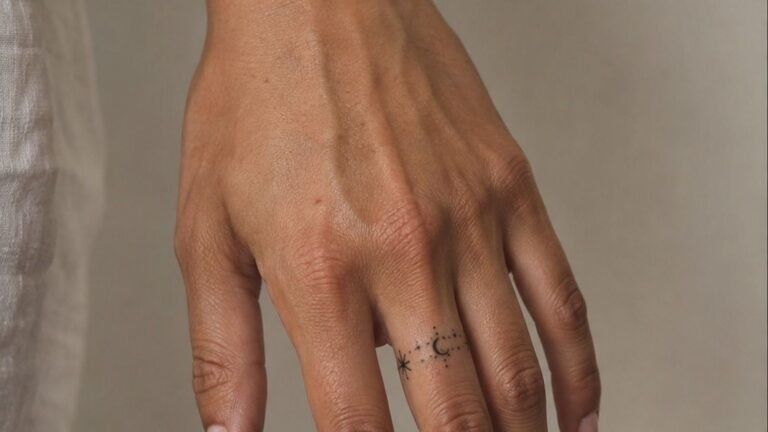
Hands, fingers, and necks are what we call high-maintenance real estate. Finger tattoos fade so predictably that most shops won’t guarantee the work, and some won’t touch them at all unless you’re heavily sleeved. The skin on your palm side flexes and peels constantly. A solid black band can look half-gone in eight months. You’re looking at touchups every one to two years minimum, and some studios charge a flat rate upfront for that.
The ditch, which is the inner elbow, and the back of the knee are both extremely spicy and heal slow because the skin folds on itself. Blowout risk is real in both spots if the artist overworks the pass. Ribs and sternum are painful but they do hold ink well once healed. The scalp and face sit in their own category. Most reputable artists require a consultation and a solid tattoo history before they’ll work above the collarbone.
Visibility and work life
Visible tattoos are more accepted than they used to be, but your workplace still matters. Hands, neck, face, and fingers are hard to hide. A forearm can be covered with sleeves. A shoulder, rib, thigh, or back tattoo can disappear under clothing.
Think about the version of your life five years from now, not only the outfit you are wearing to the appointment.
If you work in a client-facing job and need to stay covered, the upper arm, torso, upper back, and thighs are your best options. A short-sleeve shirt covers most upper arm work, and thigh pieces are invisible in business casual. The forearm below the elbow is the tipping point. Some workplaces are fine with it, some aren’t, and long sleeves in summer are a real daily commitment.
Neck, hand, and face tattoos are still considered non-negotiable barriers in a lot of industries, finance, law, healthcare, and education included. That’s changing slowly, but slowly is the key word. A behind-the-ear piece is more discreet than a throat tattoo but still visible in an interview with your hair up. If visibility is a real concern, talk to your artist about placement before the design is finalized. Moving a piece two inches changes everything.
How placement affects price
Difficult placement can add time. If the artist has to stretch skin awkwardly, reposition you often, or work around swelling, the session slows down. A simple piece on ribs can cost more than the same piece on an outer arm because the body fights back.
For the cost side, use how much tattoos cost in the US.
Placement drives price in three ways: skin behavior, session length, and bodypart complexity. The ribs and sternum take longer to tattoo because clients need breaks and the artist works slower on curved, bony surfaces. Expect to pay twenty to thirty percent more for the same square-inch design on ribs versus outer arm, purely from time. Most shops charge by the hour once you’re past a set-piece minimum, and awkward placements eat hours.
Hands, feet, and necks often carry a placement surcharge on top of the hourly rate because of the added difficulty and expected touchup work. A calf sleeve and a thigh sleeve might be priced similarly in size, but the thigh usually goes faster because the skin is more forgiving and the area is flatter. If you’re budgeting tight, the outer upper arm and outer calf give you the most saturated, clean result per dollar spent.
FAQ
What is the best tattoo placement for a first tattoo?
The outer forearm, upper arm, outer calf, and shoulder are often easier first tattoo placements because the skin is workable, pain is moderate, and aftercare is manageable.
Which tattoo placements fade fastest?
Hands, fingers, feet, elbows, knees, and areas with heavy sun or friction often fade faster. Fine line work is especially risky on high-wear skin.
What tattoo placement hurts the most?
Ribs, sternum, spine, feet, hands, inner bicep, elbow, knee, and head placements are commonly reported as more painful because skin is thin, bony, or nerve-dense.