The honest answer to how much a tattoo costs is that you are not buying a drawing. You are buying sterile setup, years of trained eye, placement judgment, time under the needle, and the fact that this mark has to look correct after the swelling leaves and the skin settles.
Quick answer: In the US, most shops have a minimum between $80 and $150 even for tiny work. Small tattoos often run $100 to $300. Medium pieces range from $250 to $700. Larger custom work starts around $700 and can reach $2,500 or more. Sleeves, back pieces, and detailed realism are almost always multi-session projects, not one flat price.
What actually drives the price
Size is what most people ask about first, but artists do not price by the inch. A two-inch fine line word on a wrist can take less machine time than a two-inch micro portrait, yet the portrait demands more drawing, more needle changes, and more risk of a blown line. Use size as a starting point, not a final quote.
Hourly rates vs flat quotes
Most US artists work one of two ways. Some charge by the hour, with rates often between $150 and $400 depending on city, reputation, and waitlist. Others quote flat per session or per project. Flat quotes protect you from sticker shock if the artist works slowly. Hourly rates can favor you if the artist is fast and precise. Ask which system they use before you book.
The shop minimum
A ten-minute tattoo is never a ten-minute appointment. The artist still breaks down the station, lays barriers, checks ID, places the stencil, opens needles, sets up ink, photographs the work, wraps the skin, and breaks down again. That is why reputable studios enforce a minimum price even for tiny tattoos. When a shop undercuts that minimum, something gives: less design time, rushed placement, or a setup that feels casual when it should feel clinical.
Cost by size and complexity
These ranges reflect what I have seen across US markets, but your city and your chosen artist will move them significantly.
| Size | Typical US range | What moves the number |
|---|---|---|
| Tiny, 1 to 2 inches | $80 to $200 | Shop minimum, simple linework, flash design, difficult placement like fingers or hands |
| Small, 2 to 4 inches | $100 to $300 | Fine line detail, color saturation, script legibility, placement on thin or mobile skin |
| Medium, 4 to 8 inches | $250 to $700 | Shading complexity, floral or ornamental density, blackwork coverage, custom drawing hours |
| Large, 8 inches and up | $700 to $2,500+ | Multiple sessions, anatomical flow around muscle, realism, color saturation, background depth |
| Sleeve or back piece | $2,000 to $8,000+ | Artist demand, session count, whether the design is planned as cohesive piece or collected over years |
Style matters more than people expect
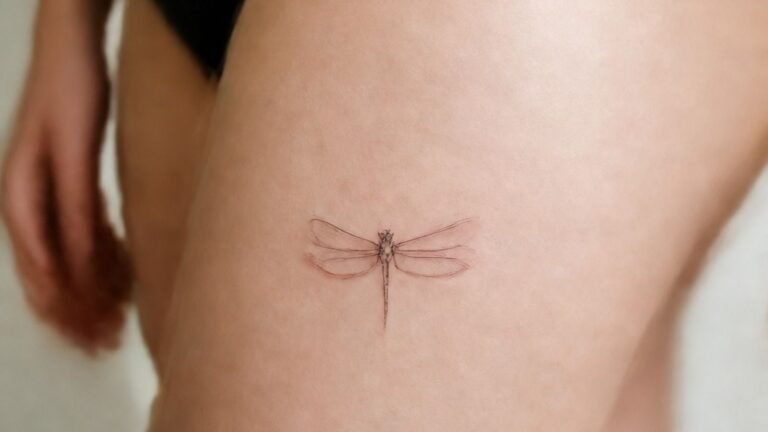
Fine line looks minimal, but clean fine line is not easy. A shaky line has nowhere to hide. Realism and portraits cost more because the artist is solving contrast, skin tone, and reference accuracy across hours of layering. Traditional tattoos can be efficient when the artist has the style in their bones. Blackwork may look simple from a distance, then punish the artist with saturation passes and the skin’s tolerance for trauma.
- Fine line: priced on precision, placement stability, and how much redraw the reference requires.
- Blackwork: rises with saturation percentage, coverage area, and how many passes the skin accepts.
- Realism: longer sessions because contrast and soft transitions must be built slowly; cannot be rushed.
- Traditional: often efficient, but bold color packing and clean whip shading still take focused time.
- Color vs black and grey: color usually requires more passes, more ink changes, and more time for saturation. Some artists charge more for color; others fold it into complexity.
Before you choose based on price, consider which style heals best on your skin type and sun exposure. The cheaper style that blurs in five years costs more than the right style done once.
Placement changes time, and time is money
A forearm is usually easier to tattoo than ribs, fingers, feet, or the inner bicep. Harder skin to stretch means more pauses, more repositioning, more protection of line quality. That is anatomy, not drama.
High-movement and high-friction areas often need touch-ups. Fingers, hands, feet, elbows, knees, and inner wrists are known for uneven fading. If you want delicate detail there, budget for a return trip. Some artists include touch-ups in the original price within a window; others charge separately. Ask before you book.
Geography is not subtle
A competent artist in New York, San Francisco, or Los Angeles often charges double or triple what the same level of work costs in a smaller Midwest or Southern city. This is not always about greed. Rent, supply costs, and local demand set the floor. Travel to a convention or guest spot, and you may pay the artist’s home rate or the hosting city’s rate, depending on their policy.
Deposits, redraws, and design fees
Most custom appointments require a deposit, often $50 to $500 or a percentage of the estimated total. The deposit holds your slot and usually applies to the final price. Cancel late, change the design completely, or no-show, and you should not expect it back. Some artists also charge a separate drawing fee for extensive custom work, deducted from the tattoo price if you book. Others absorb design time into their hourly rate. Clarify this in your consultation.
Tipping
In the US, many clients tip 15 to 25 percent when the work and service are strong. The cleaner way to think about it: tip for care, patience, clean communication, and a result you want to wear. Some people tip cash session by session. Others tip at the end of a multi-session project. Either is acceptable if it is genuine.
How to ask for a quote without sounding lost
Send your idea, size in inches, placement, style references, whether you want color or black ink, and your budget range. A clear message saves time. A vague request with a screenshot from Pinterest usually gets a vague answer back.
Ask this: “I want a 4-inch black fine line peony on my inner forearm. I like this level of detail, but I am open to simplifying it so it heals clean. What would you estimate for one session, and what deposit do you need?”
Book a consultation before committing. Most reputable artists give a written quote after seeing your references, and that number should not change on appointment day unless you expand the design yourself.
What to Remember
The cheapest quote is rarely the cheapest tattoo. A rushed or poorly placed piece costs more in cover-up or laser removal than paying a qualified artist correctly the first time. The price you pay also covers the years of mistakes the artist already made on their own skin before they touched yours.
Get your quote in writing. Understand whether it is hourly or flat. Ask about touch-up policy. Budget for tip. And remember that good tattooing is slow tattooing. The artist who rushes to beat a clock is not saving you money. They are borrowing it from your future dissatisfaction.
Frequently Asked Questions
How much does a small tattoo cost?
In the US, a small tattoo usually lands between $100 and $300 once the shop minimum, setup, stencil, supplies, and artist time are included. Very tiny tattoos may still cost the minimum of $80 to $150.
Why do two artists quote different prices for the same tattoo?
Skill, speed, demand, city, placement difficulty, detail level, and custom drawing time all change the quote. The cheaper artist is not automatically wrong, but the portfolio and healed results should decide more than the number.
Do you tip on top of the tattoo price?
In the US, many clients tip separately. A common range is 15 to 25 percent when the session went well, though tipping is a choice and should fit the service you received.
Is color more expensive than black and grey?
Often yes, because color requires more passes, more ink changes, and more saturation time. Some artists charge more for color explicitly; others factor it into overall complexity. Ask your artist how they handle this.
What is a typical hourly rate for tattoo artists?
In the US, hourly rates often range from $150 to $400, with major cities and high-demand artists at the upper end. Some artists prefer flat per-session or per-project pricing instead.