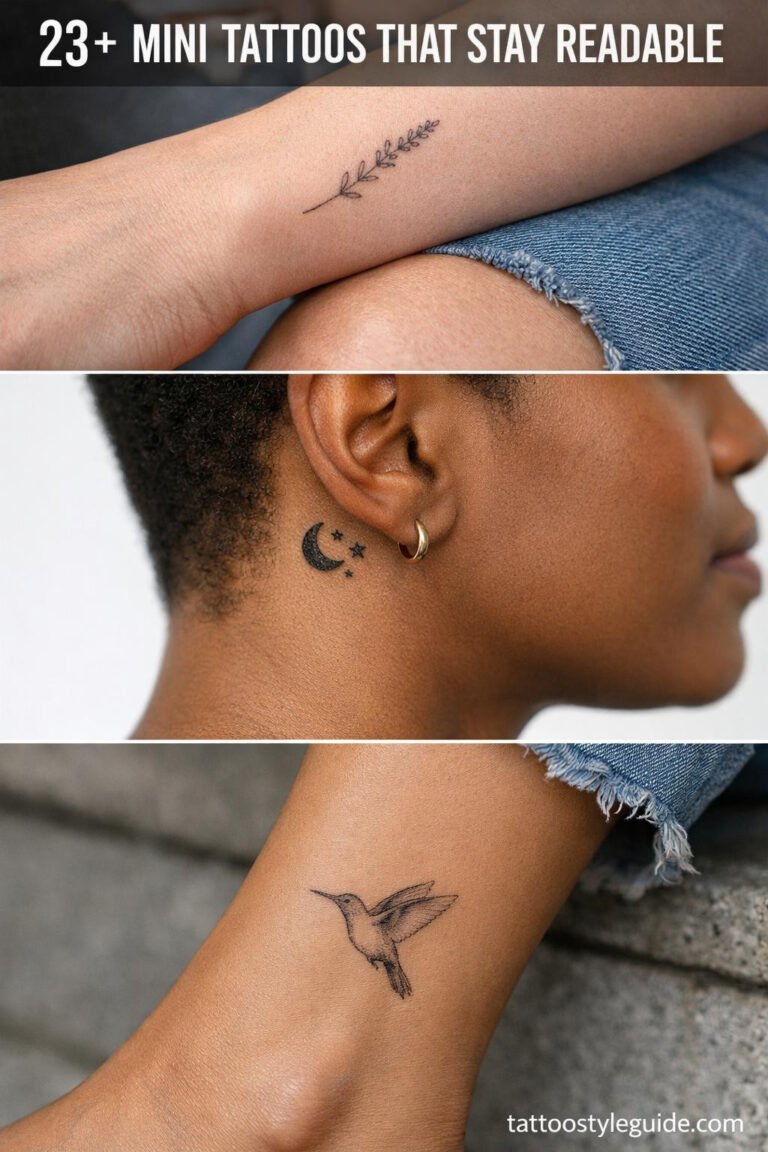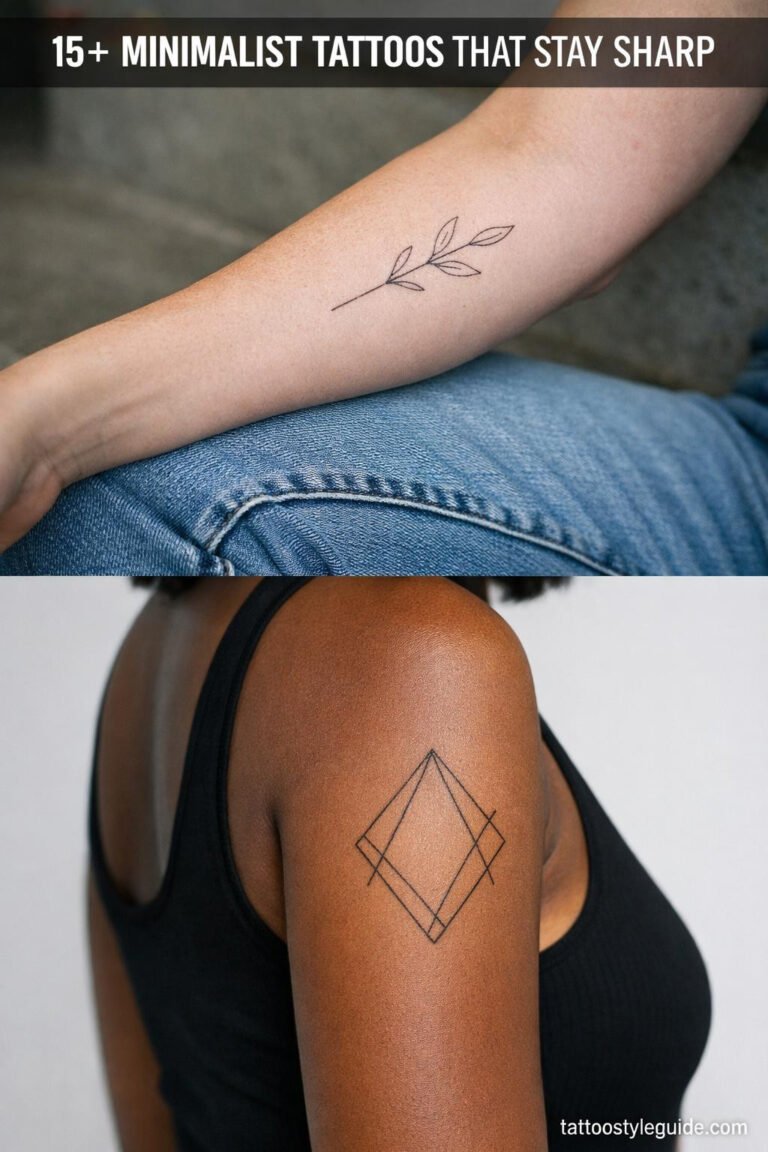
Small aesthetic tattoos stay clean when you give the design enough breathing room, choose a low-wear placement, and hire someone whose healed linework is solid. I’ve seen plenty of cute tiny tattoos turn into soup because they were rushed onto the wrong spot. Start simple. Your skin will thank you later.
- Start With One Clean Linework Motif
- Pick Botanical Symbols With Fine Detail
- Place Tiny Ink Along Natural Body Curves
- Keep Lettering Short And Highly Legible
- Plan Matching Micro Tattoos With Shared Meaning
- Start With Black Ink For Better Longevity
- Pick Red Ink For A Delicate Accent
- Place Minimal Symbols On The Inner Wrist
- Keep Tiny Designs Away From High-Friction Areas
- Plan Pain Levels Around Sensitive Placements
- Start With Reference Photos Of Real Tattoos
- Pick An Artist Skilled In Small Linework
- Place Finger Tattoos Only After Careful Consideration
- Keep Negative Space Inside Small Designs
- Plan Touch-Ups For Fading Fine Lines
- Start With Meaningful Dates Or Initials
- Pick Simple Shapes That Read From Afar
- Place Tiny Florals Along The Collarbone
- Keep Healing Instructions Simple And Consistent
1Start With One Clean Linework Motif
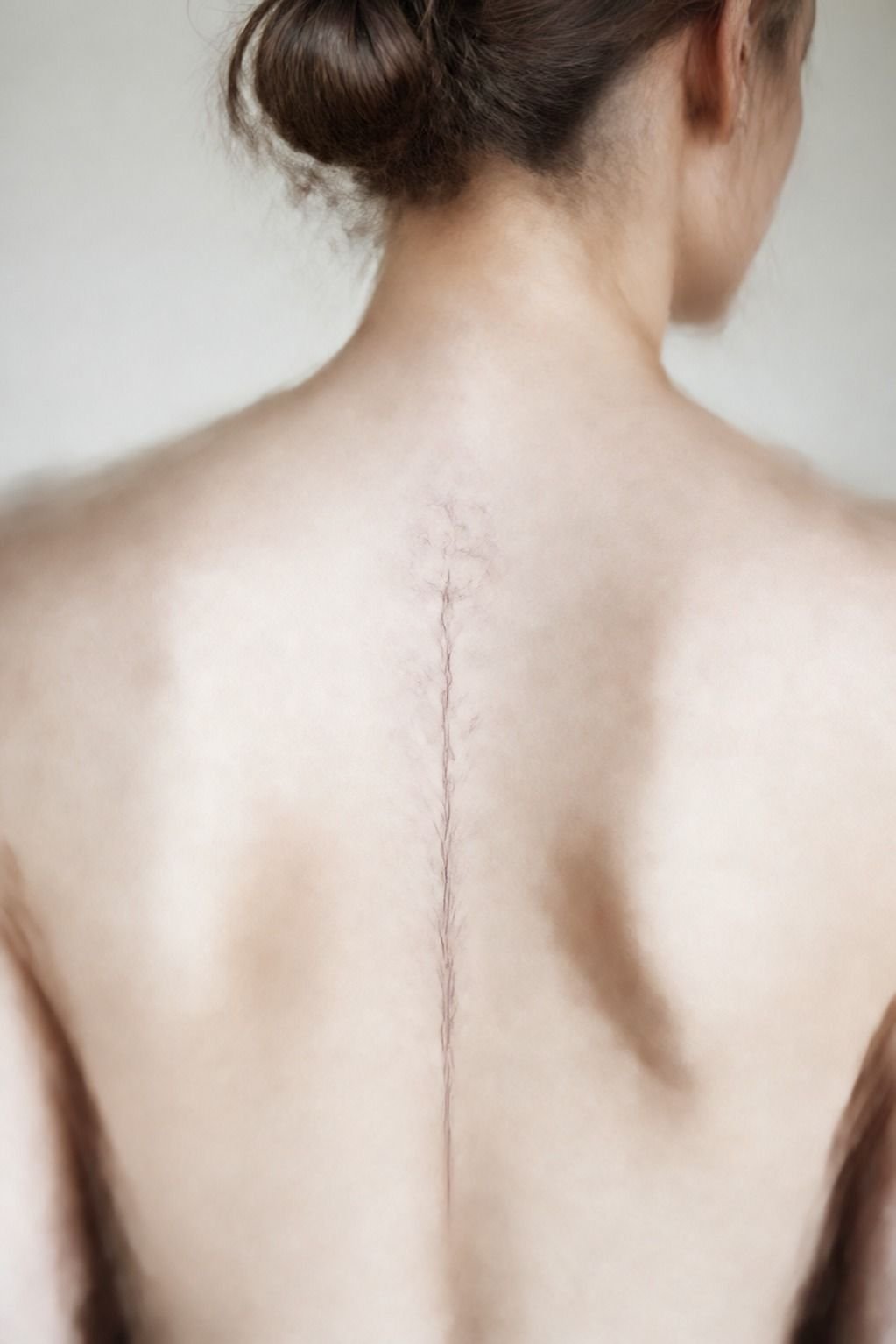
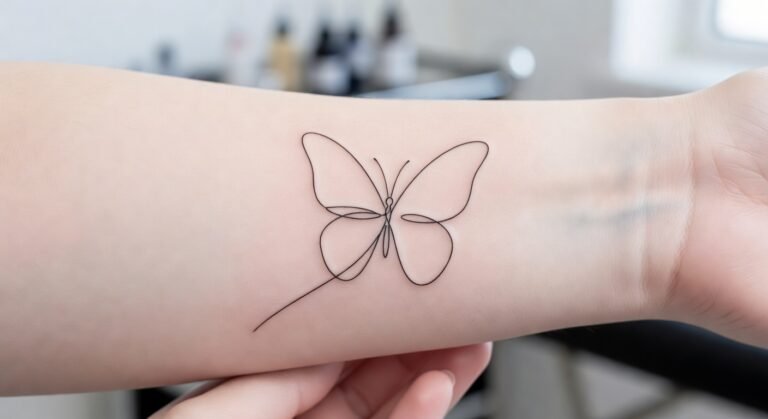
Pick one motif you can explain in a sentence: a stem, crescent, tiny bow, heart, or single butterfly. Your first small aesthetic tattoo doesn’t need five symbols fighting for attention. On an upper back, a 1.5 to 2-inch fine-line motif has enough room to look soft while still reading clearly.
Ask for single-needle linework with crispy, confident lines. I’d skip extra dots, stars, and ornamental filler around it unless your artist can show healed work with that same density. You want one clean pull, not ten fuzzy ones.
2Pick Botanical Symbols With Fine Detail
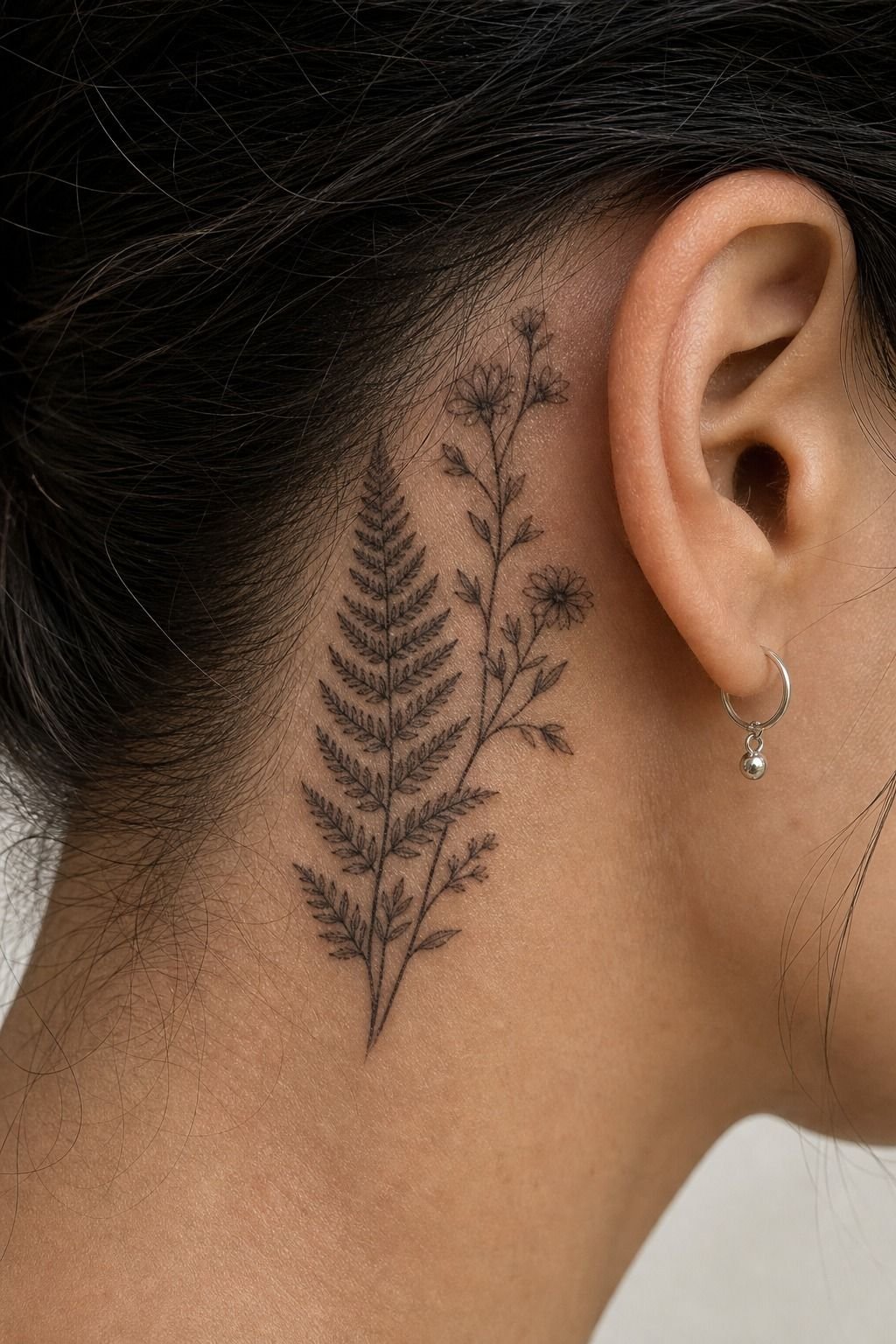
Botanicals work because they can follow your body without looking stiff. A slim lavender stem, olive branch, or tiny wildflower behind the ear gives you a gentle, organic shape that feels intimate without turning into a big statement.
Keep the flower head open and the leaves spaced apart. Your small behind-the-ear tattoo should be at least 1 inch tall if you want each little leaf to survive the years.
Tiny packed petals are where fine line gets chewed up. Pretty in a fresh photo, muddy later.
3Place Tiny Ink Along Natural Body Curves
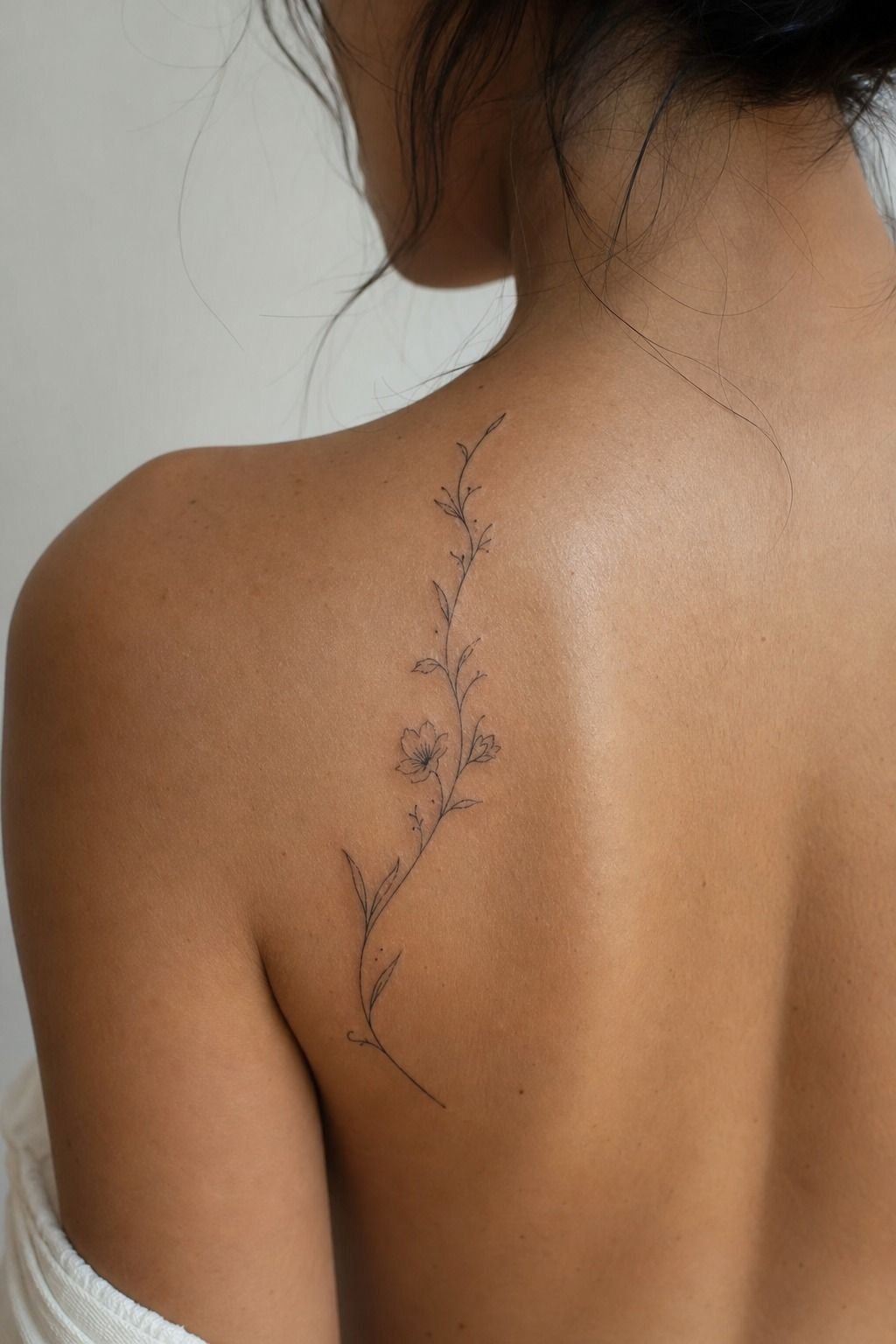
Let the placement do some of the design work. A small tattoo looks more refined when it tracks the shoulder blade, collarbone, rib curve, or outer forearm instead of sitting like a sticker in the middle of skin.
For an upper-back piece, angle the motif slightly with the shoulder line. Your artist should stencil it, have you stand normally, then adjust it before ink starts.
But don’t twist into a pose you’ll never hold again. Tattoos need to look right on your everyday body, not just under a studio mirror.
4Keep Lettering Short And Highly Legible
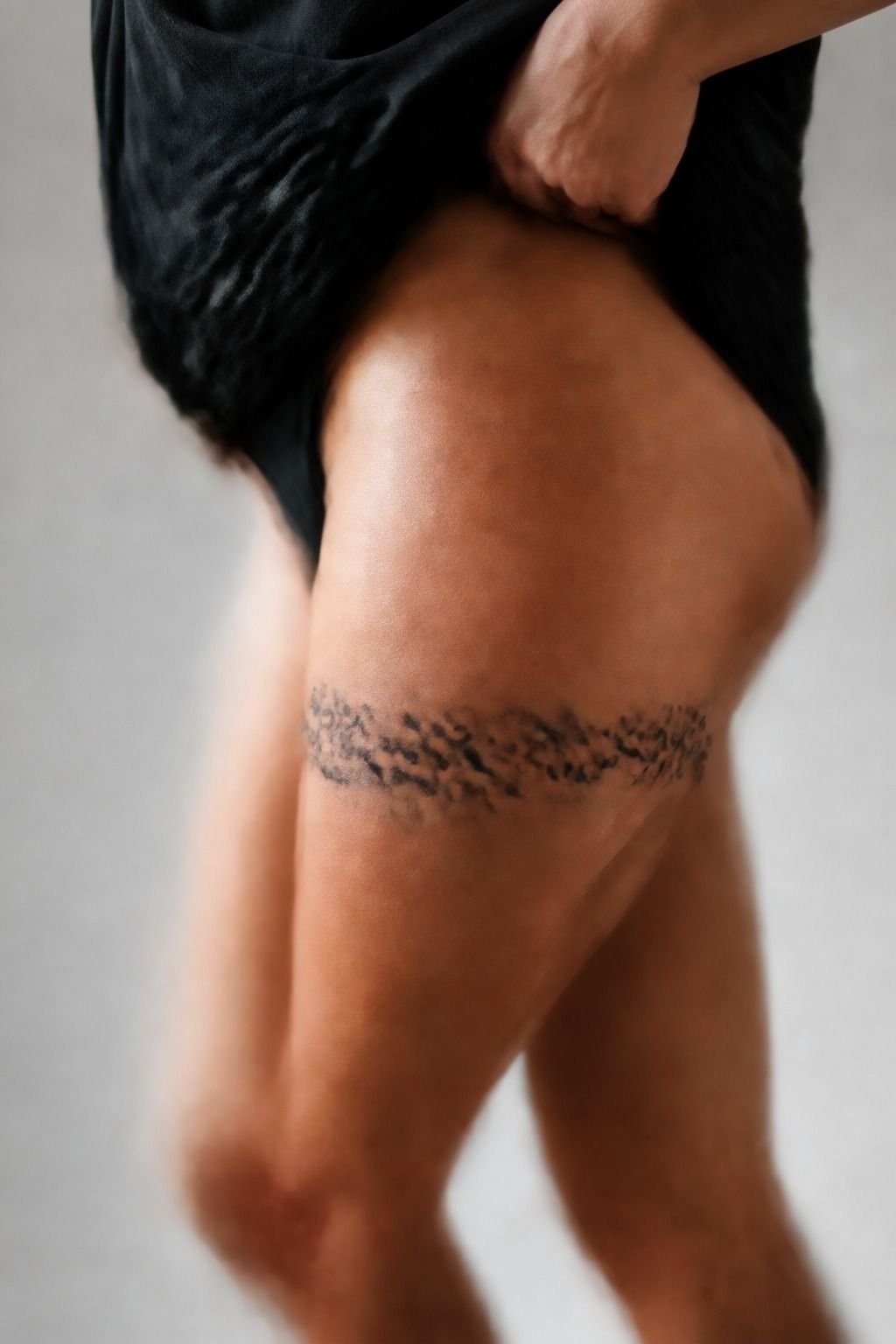
Use one word, initials, or a date you’d still recognize at arm’s length. Lettering on a thigh has more room than a wrist, so you can go soft and elegant without forcing letters into a cramped strip.
I tell clients to avoid long quotes in tiny script. That size on a wrist is gonna mush out, so bump it up the forearm or thigh so it breathes and ages nicer. Choose black tattoo ink for the strongest contrast, and make sure each letter has open counters inside the a, e, o, and p.
5Plan Matching Micro Tattoos With Shared Meaning
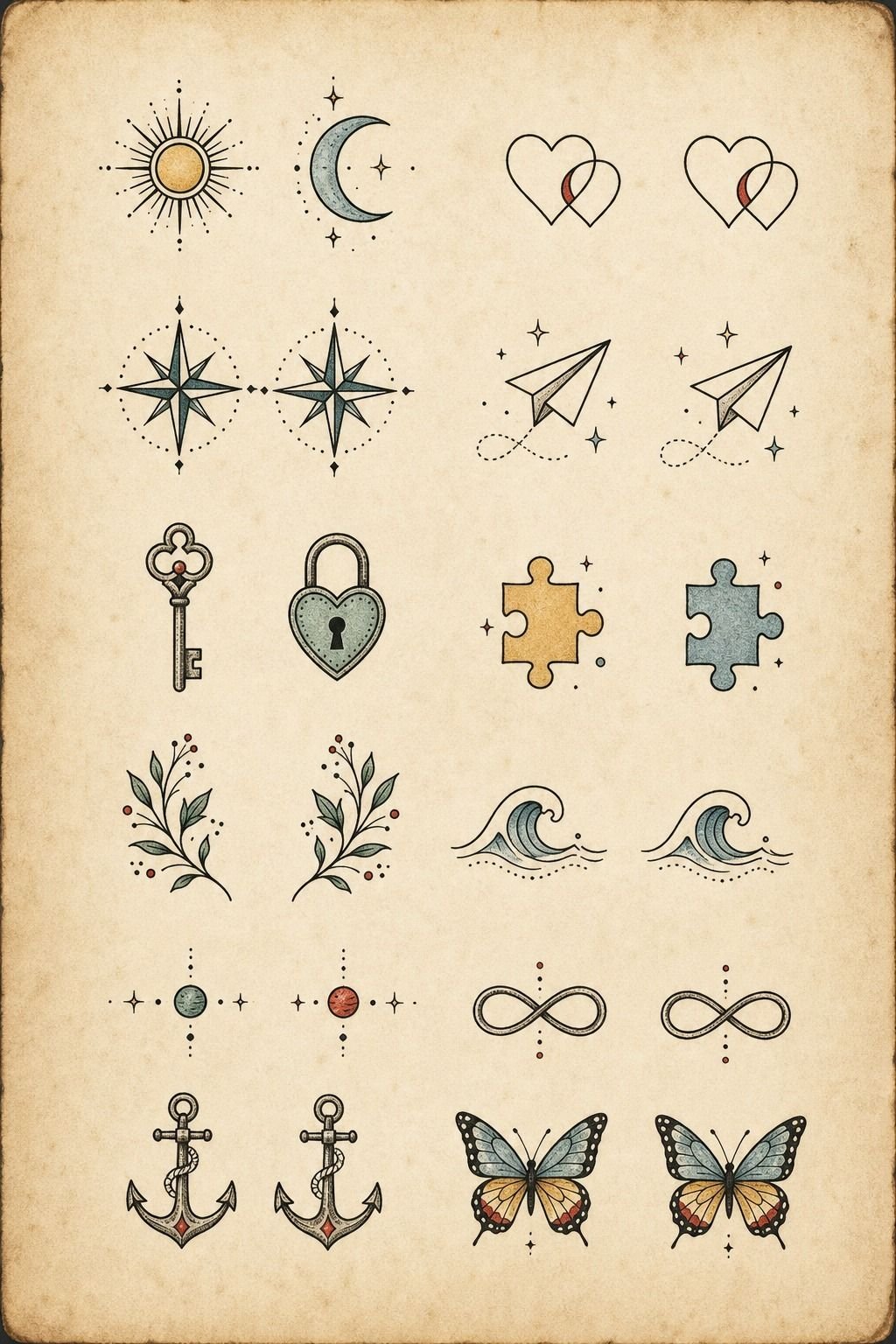
Matching tattoos don’t have to be identical. Use a shared visual language instead: two tiny flowers from the same stem family, a sun and moon, two initials in the same lettering style, or mirrored little stars.
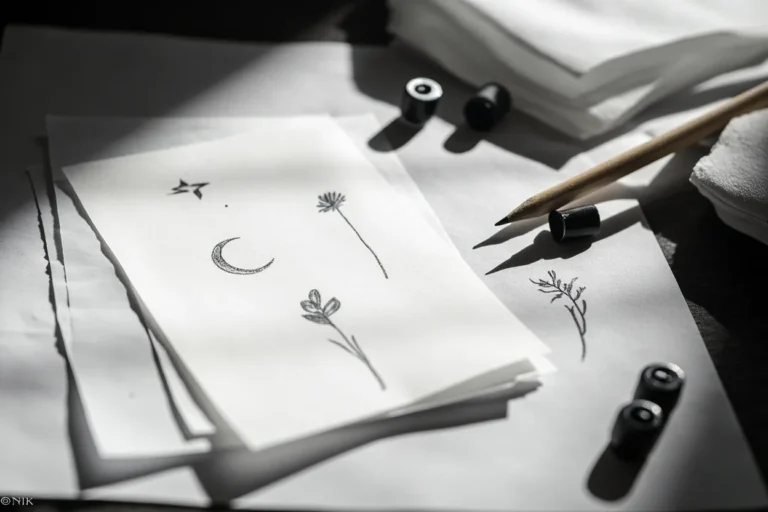
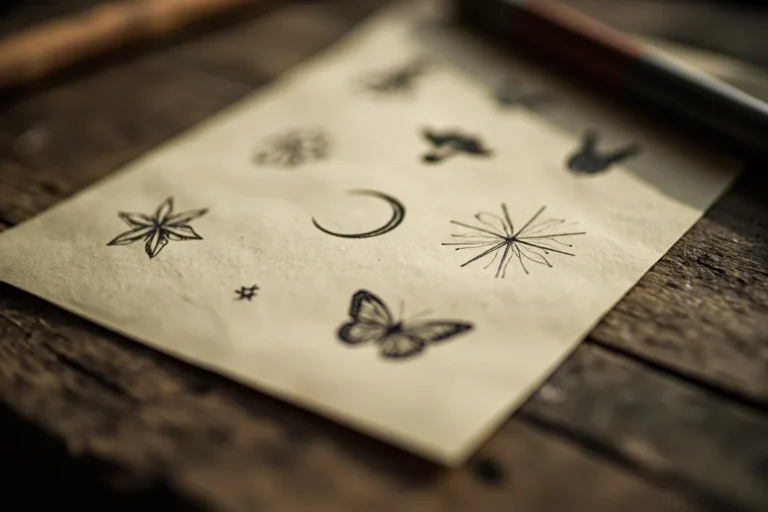
Bring your artist a reference sheet, not a Pinterest-exact demand. Flash sheets are useful because you can compare line weight and spacing before anyone commits.
Your matching tattoo should look connected even if one person chooses a wrist and the other chooses an ankle. Same feeling.
Different skin.
6Start With Black Ink For Better Longevity
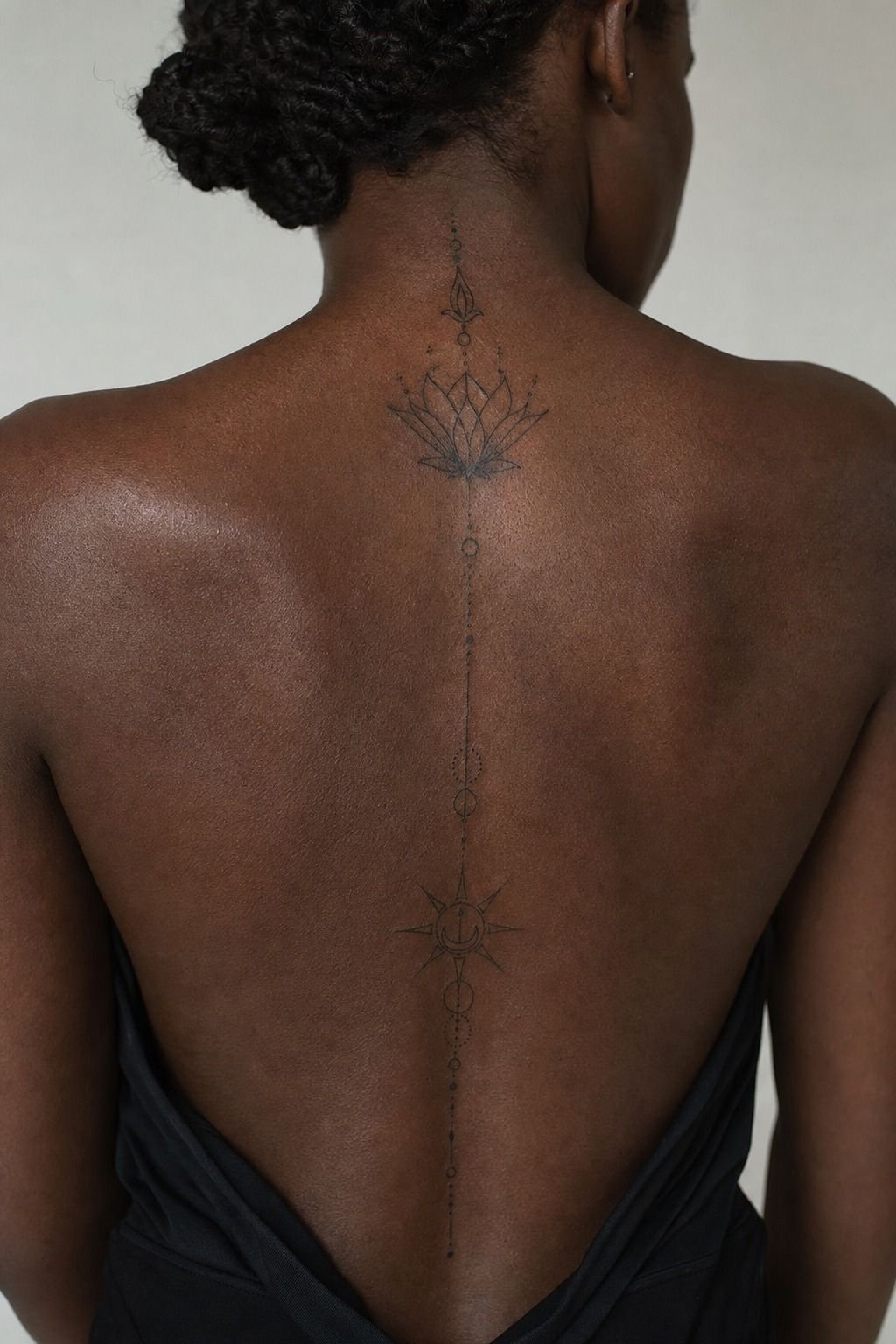
Black is your best friend for longevity. Fine black lines on deep ebony skin, fair skin, and every tone between can heal with clear contrast when the artist chooses the right line weight and doesn’t overwork the skin.
For little tattoos aesthetic collectors, I’d choose Dynamic Black or another reputable professional black over pale gray details that may vanish fast. Black can still look subtle. It’s the crisp outline that helps your tattoo read from across the room in ten years, not unnecessary size.
7Pick Red Ink For A Delicate Accent
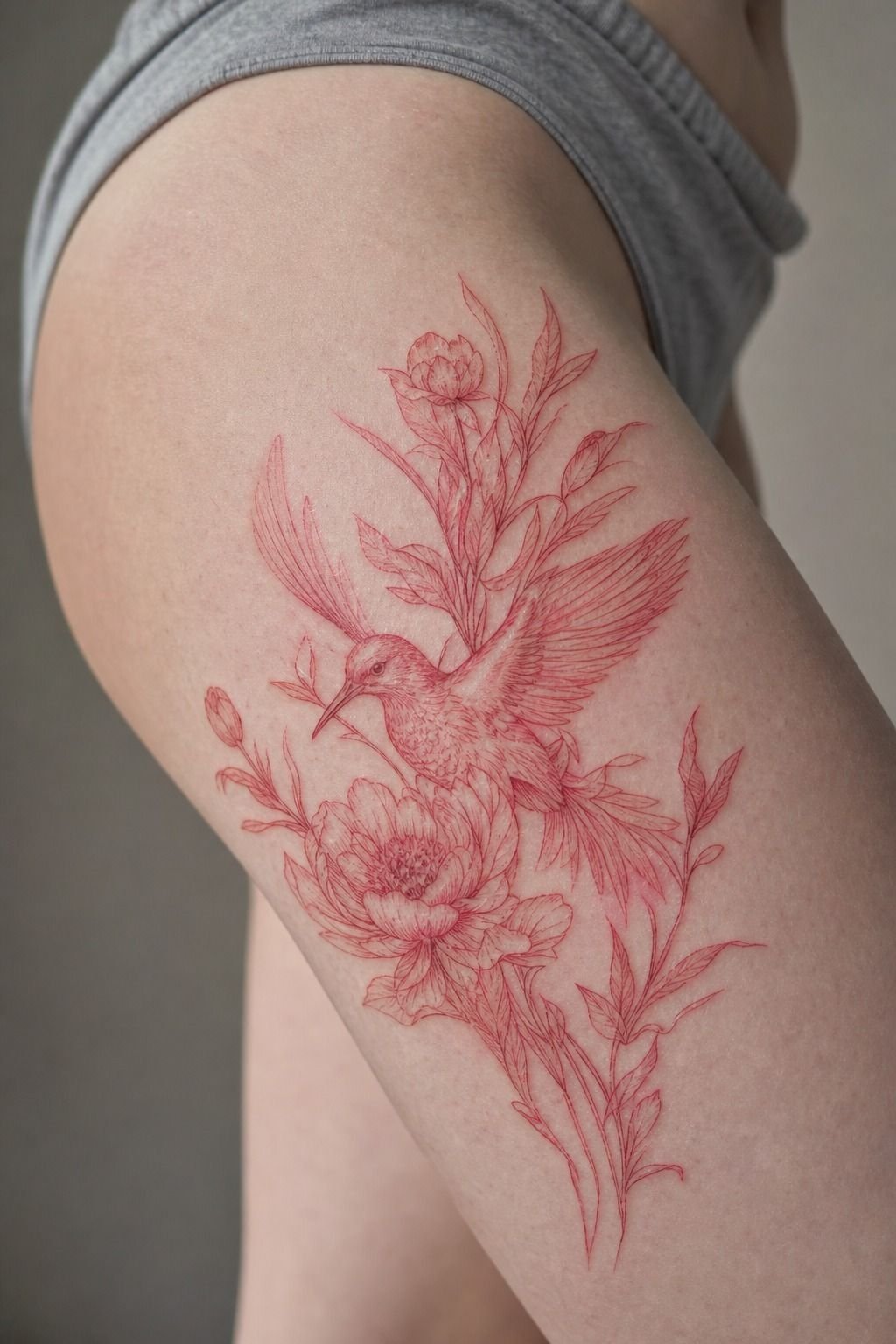
Red ink can look captivating on a thigh or collarbone, especially for a tiny bow, heart, cherry, or floral accent.
8Place Minimal Symbols On The Inner Wrist
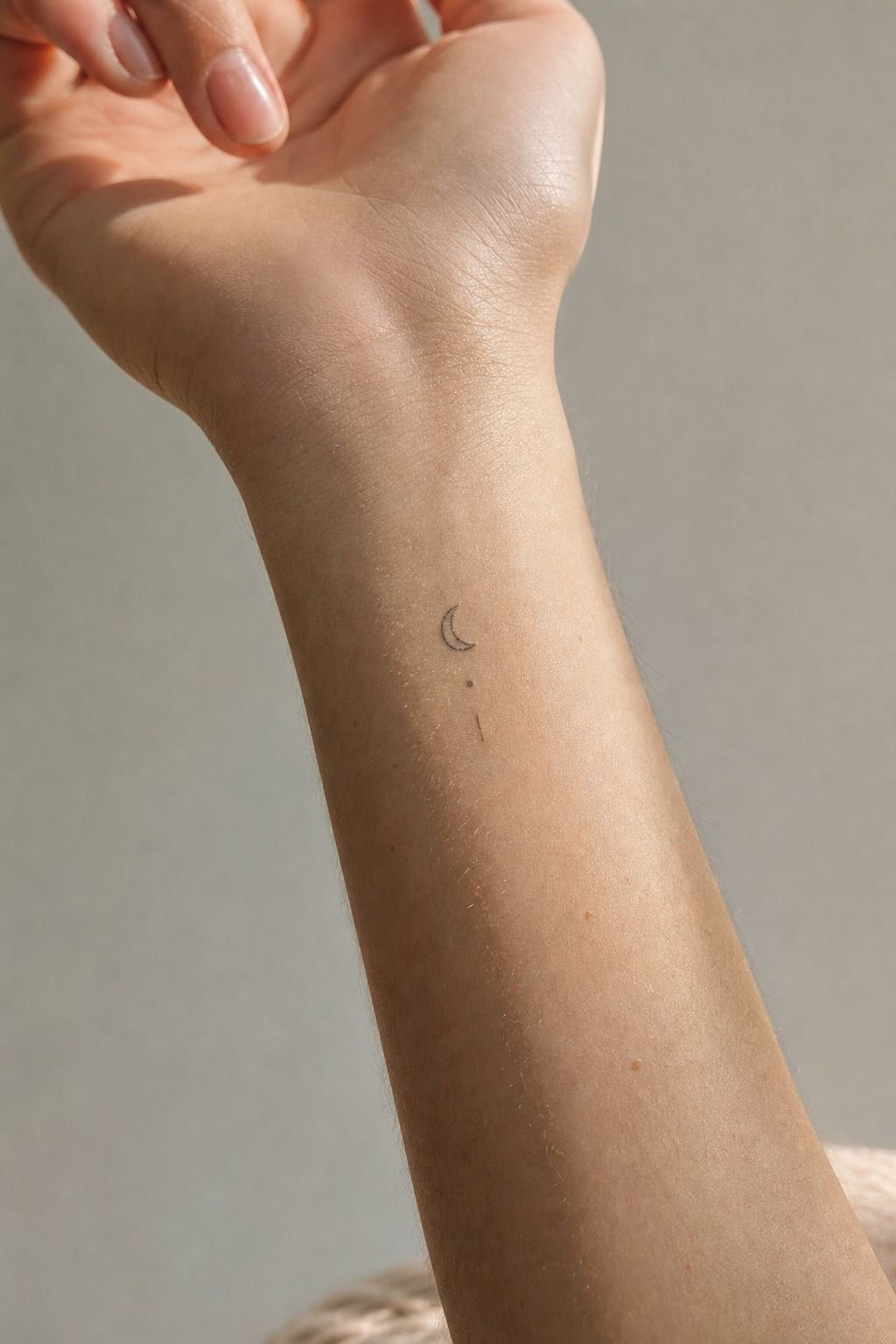
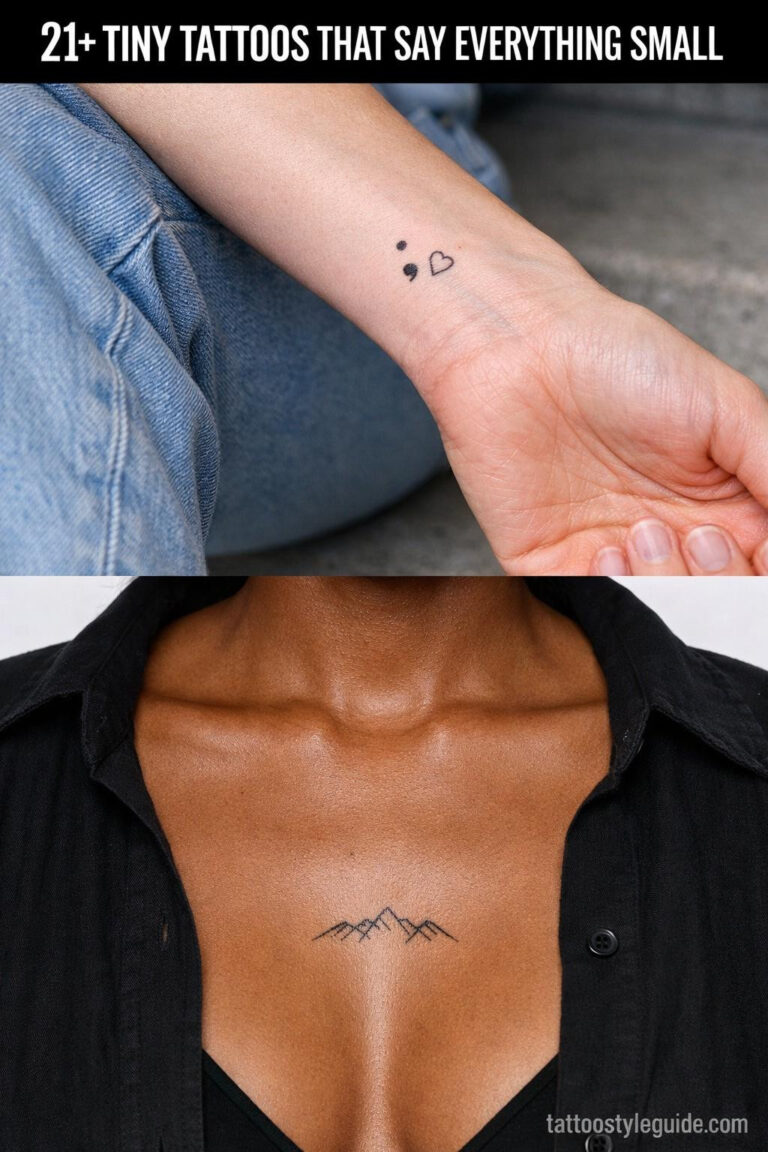
The inner wrist is visible, personal, and usually more tolerable than ribs or feet. It’s a good spot for simple aesthetic tattoos like a tiny star, initial, number, or clean heart with a little negative space.
Keep your design around 1 inch or larger, and place it slightly above the wrist crease. Your hand movement and washing routine put this area through a lot.
I’d rather see a slightly bigger symbol that heals nice than a micro design squeezed into a high-motion crease. Small minimalist tattoos work best here when they stay simple.
9Keep Tiny Designs Away From High-Friction Areas
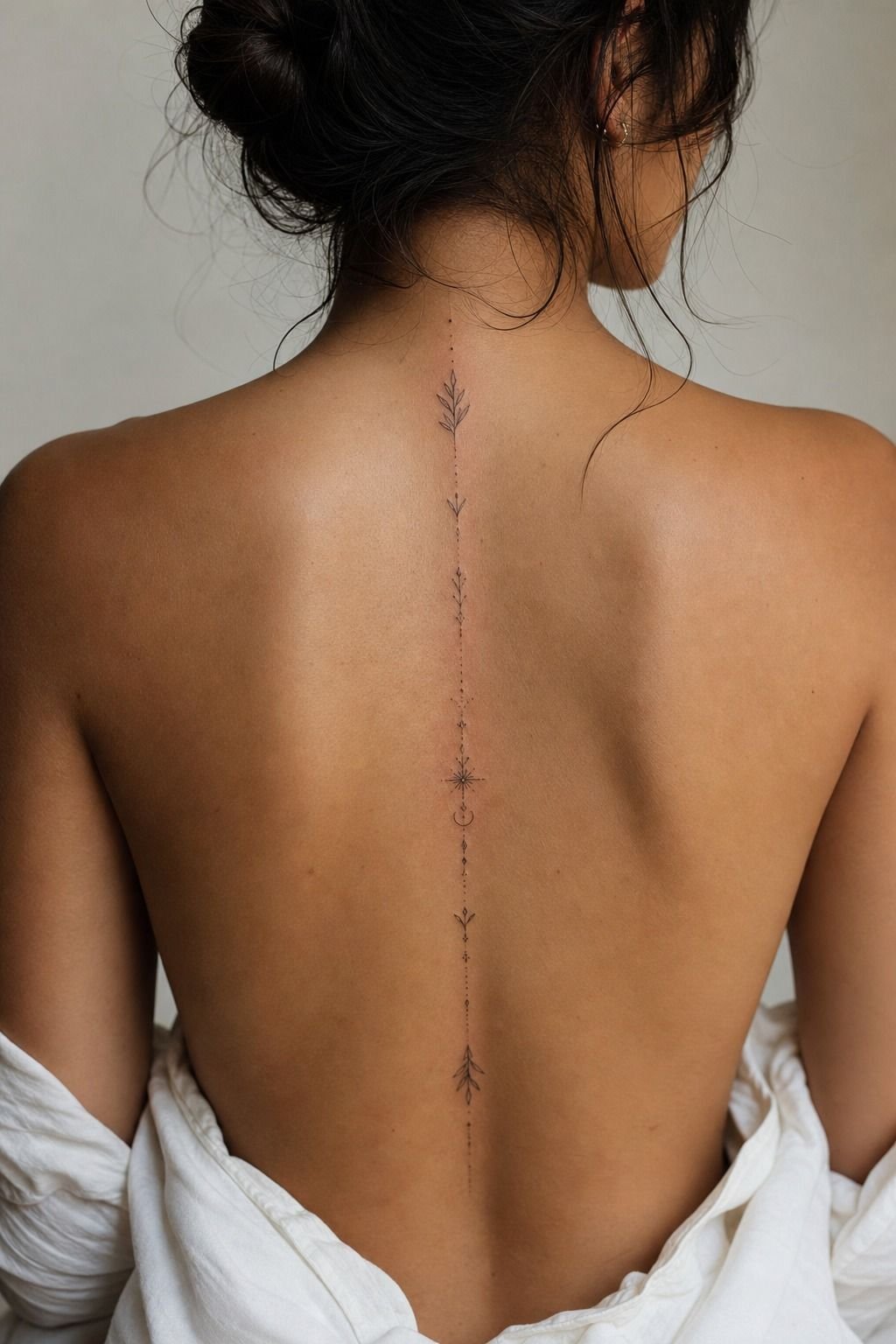
High-wear zones need an honest conversation. Fingers, hands, feet, elbows, knees, and spots that rub against shoes or waistbands fade faster. Your tattoo isn’t failing if it needs maintenance there.
That’s just skin doing skin things.
A spine tattoo can be airy and elegant because the line has room to travel, but don’t make every element microscopic. Use open spacing between stars or florals. But for a tiny tattoo, outer arm, thigh, calf, and upper back are the safer low-wear calls.
10Plan Pain Levels Around Sensitive Placements
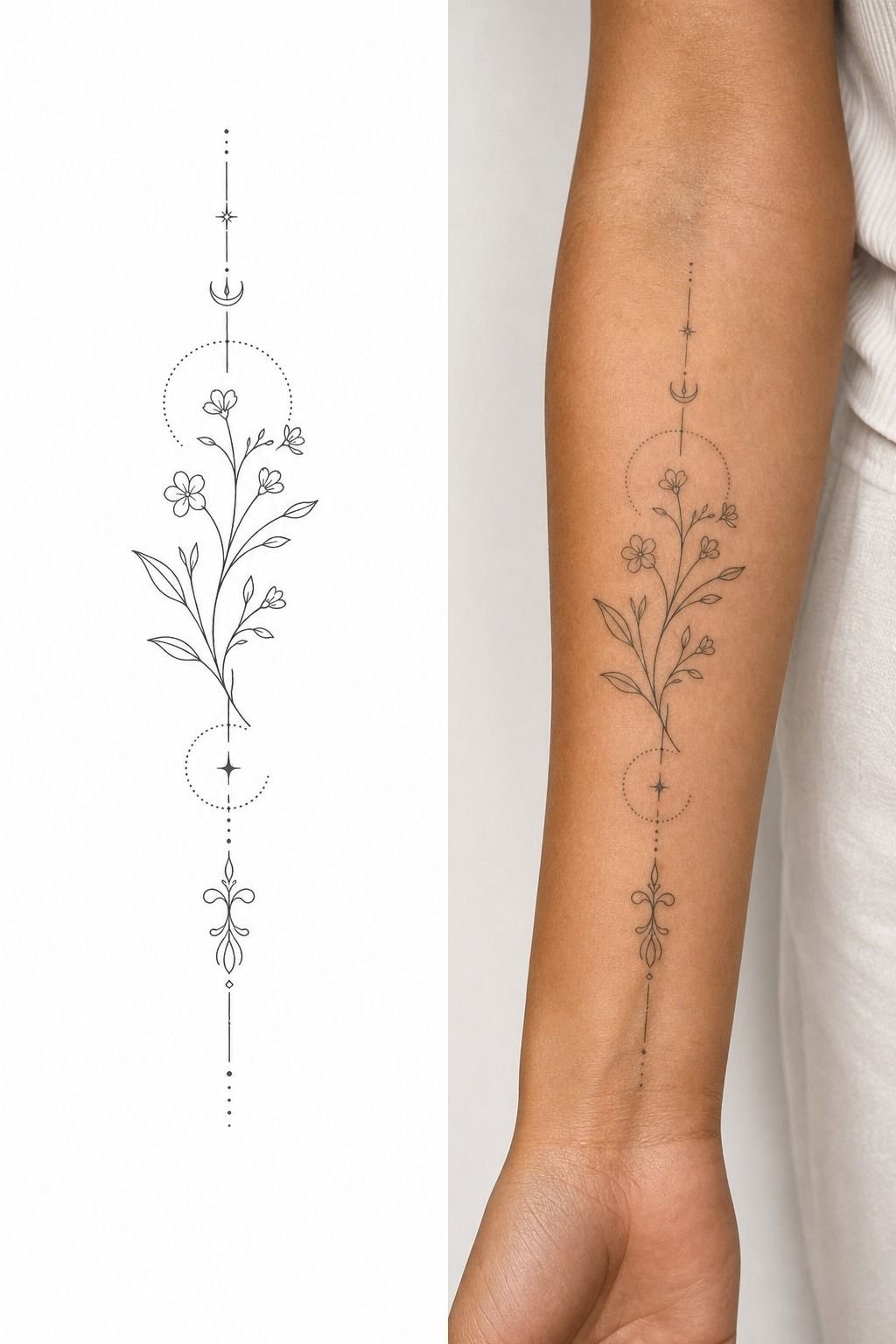
Lines feel sharper, shading feels like a dull burn, and color packing is the spiciest part.
11Start With Reference Photos Of Real Tattoos
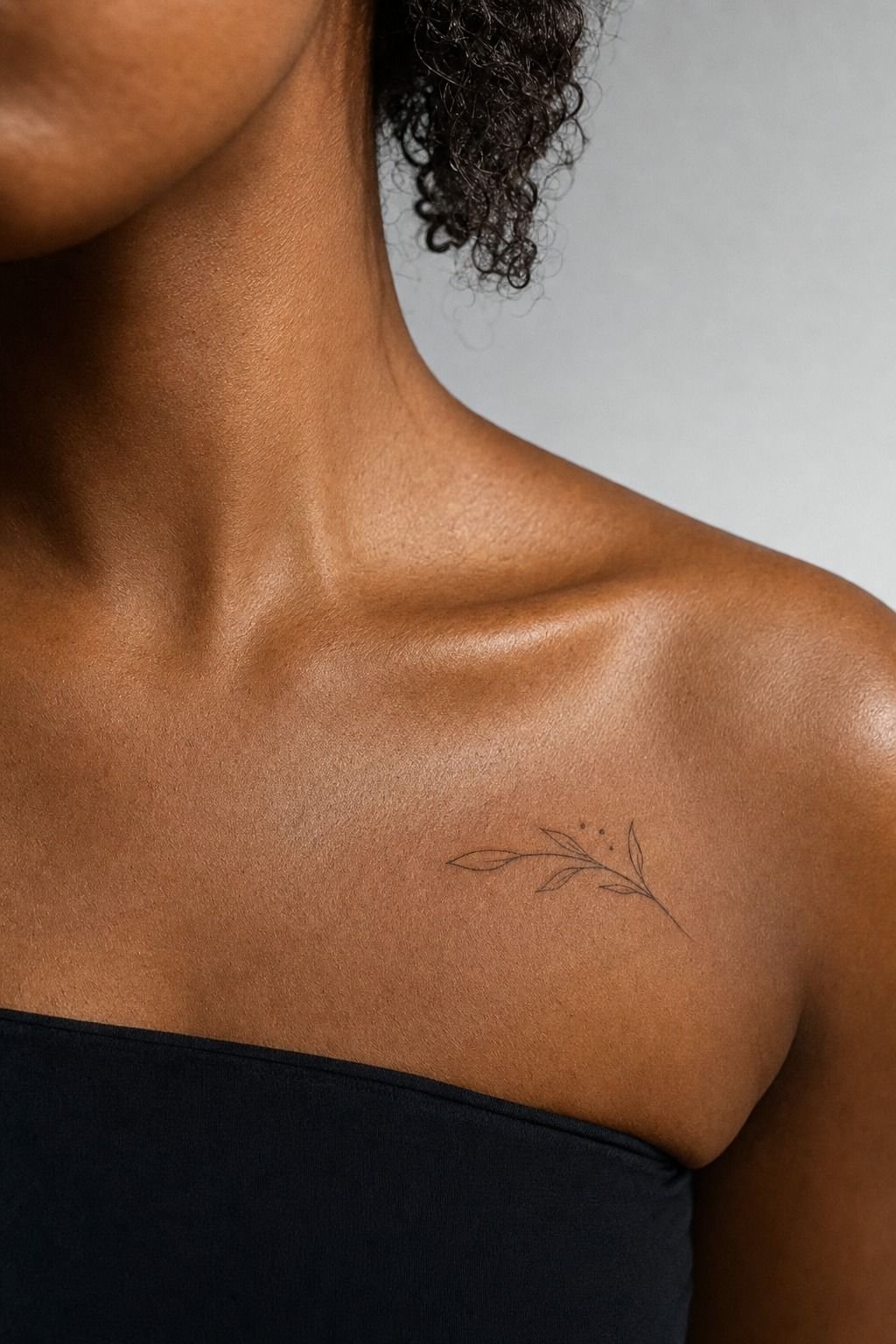
Use healed tattoo photos first. Fresh work is glossy, red, and flattering under studio lights, so it can hide weak choices. You need to see how the lines settle after a few months on real skin.
Save three to five references that show the exact placement, scale, and mood you want. Then tell your artist what you like about each one: the soft curve, the line weight, the negative space.
If you want Pinterest-exact, I’m not your artist. References are for vibe, not photocopying. Check small arm tattoo ideas for women for placement comparisons.
12Pick An Artist Skilled In Small Linework
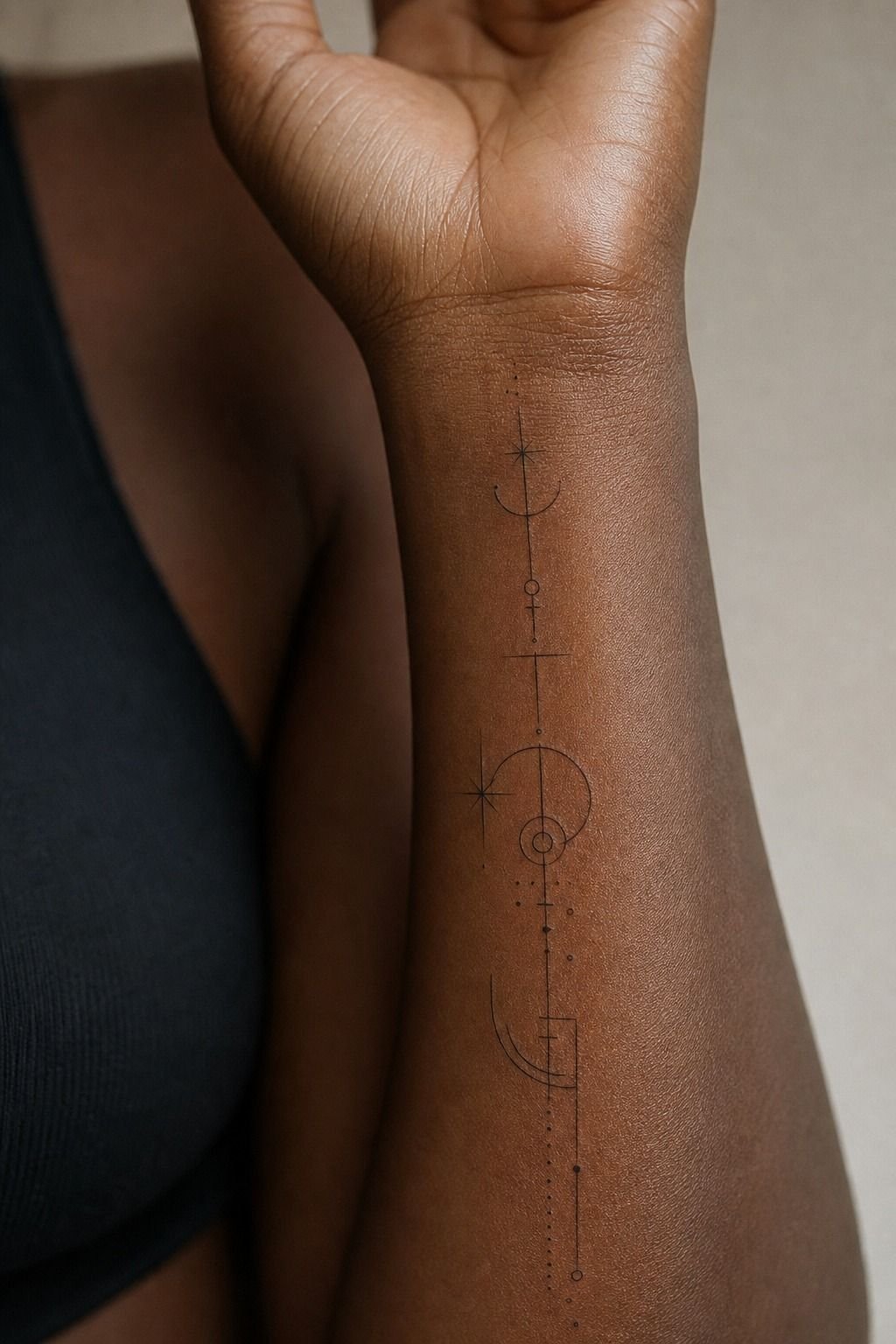
A good artist for mini aesthetic tattoos shows healed fine line work, not only fresh close-ups. Look for one clean pull, consistent curves, readable lettering, and photos taken in normal daylight. You should also see proper studio hygiene, gloves, sealed supplies, and clean setup habits.
Ask who does their fine-line tattoos most often. It’s a fair question. A realism artist may be excellent, but tiny single-needle work is its own muscle memory.
You want someone who knows when to bump the design up instead of saying yes to something that’ll blur.
13Place Finger Tattoos Only After Careful Consideration
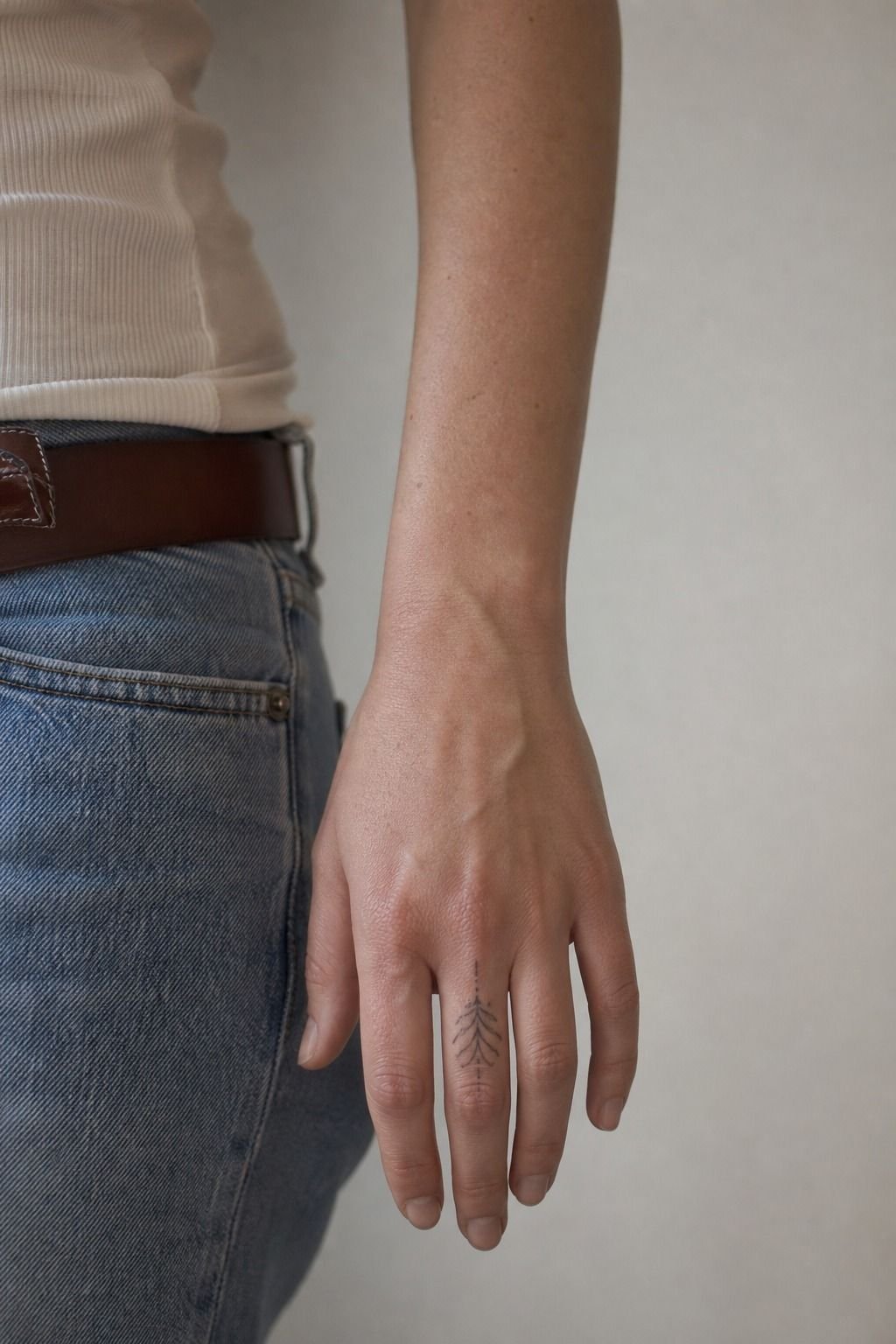
Finger tattoos are charming, visible, and needy. That’s the deal. Your hands get washed, bumped, exposed to sun, and rubbed against everything, so fine lines can fade or break faster than they would on a thigh.
Choose a bold little shape over a tiny detailed scene. A clean band, star, dot cluster, or simple initial holds better than a miniature flower bouquet. And budget for touch-ups.
Small finger tattoos are for people who accept maintenance, not people expecting a forever-fresh result.
14Keep Negative Space Inside Small Designs
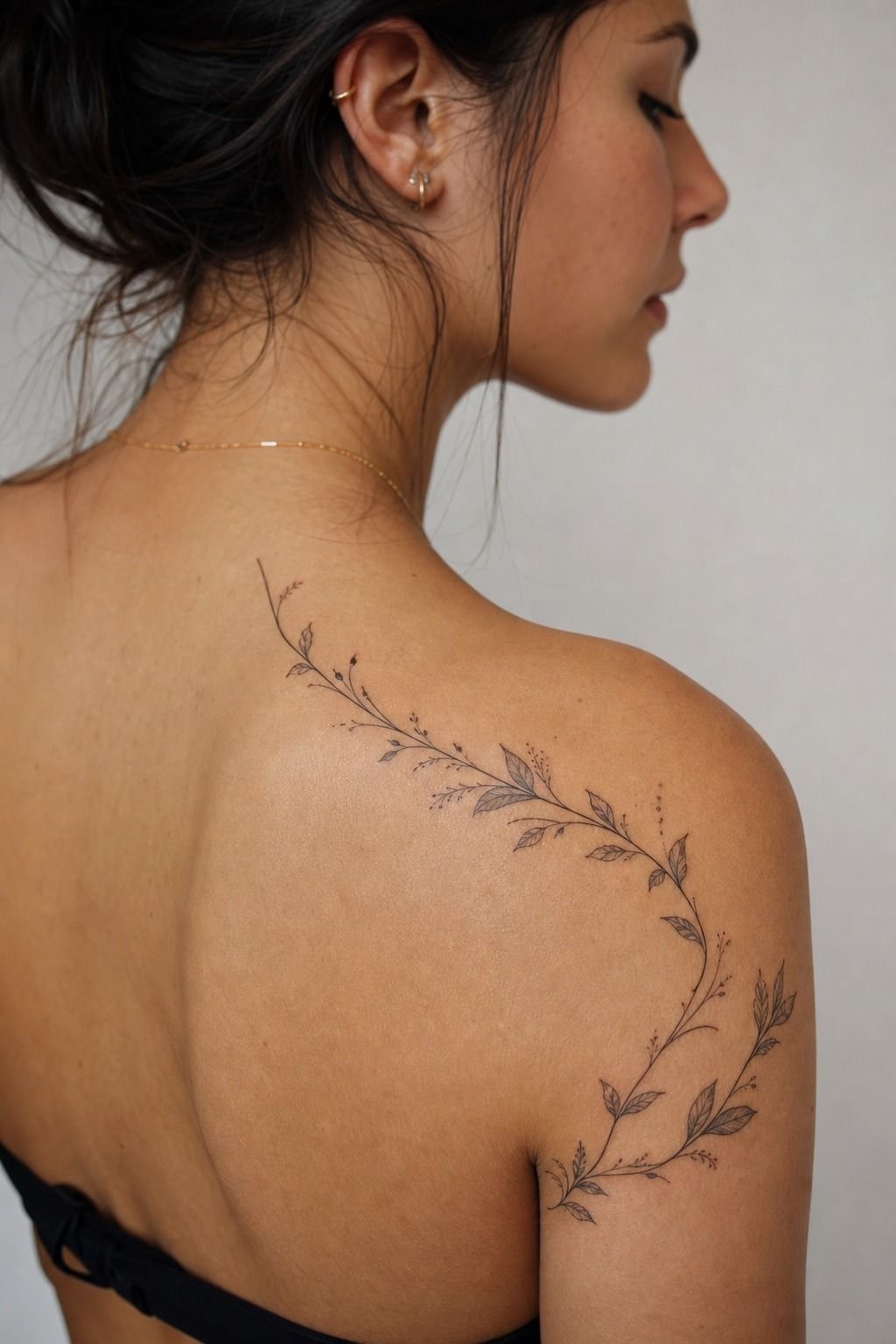
Negative space is the part that lets a small tattoo breathe. Think of it as the quiet gap between petals, inside a crescent, or around a tiny butterfly wing. Without it, your design can heal flat and crowded.
Use what I call the Breathing-Room Rule: every tiny detail needs a visible gap beside it. On a shoulder floral, keep leaf tips separated and let the stem curve naturally.
Your artist can use pepper shading for a soft finish, but I’d skip dense gray wash inside a truly small piece. It’ll look refined longer with less going on.
15Plan Touch-Ups For Fading Fine Lines
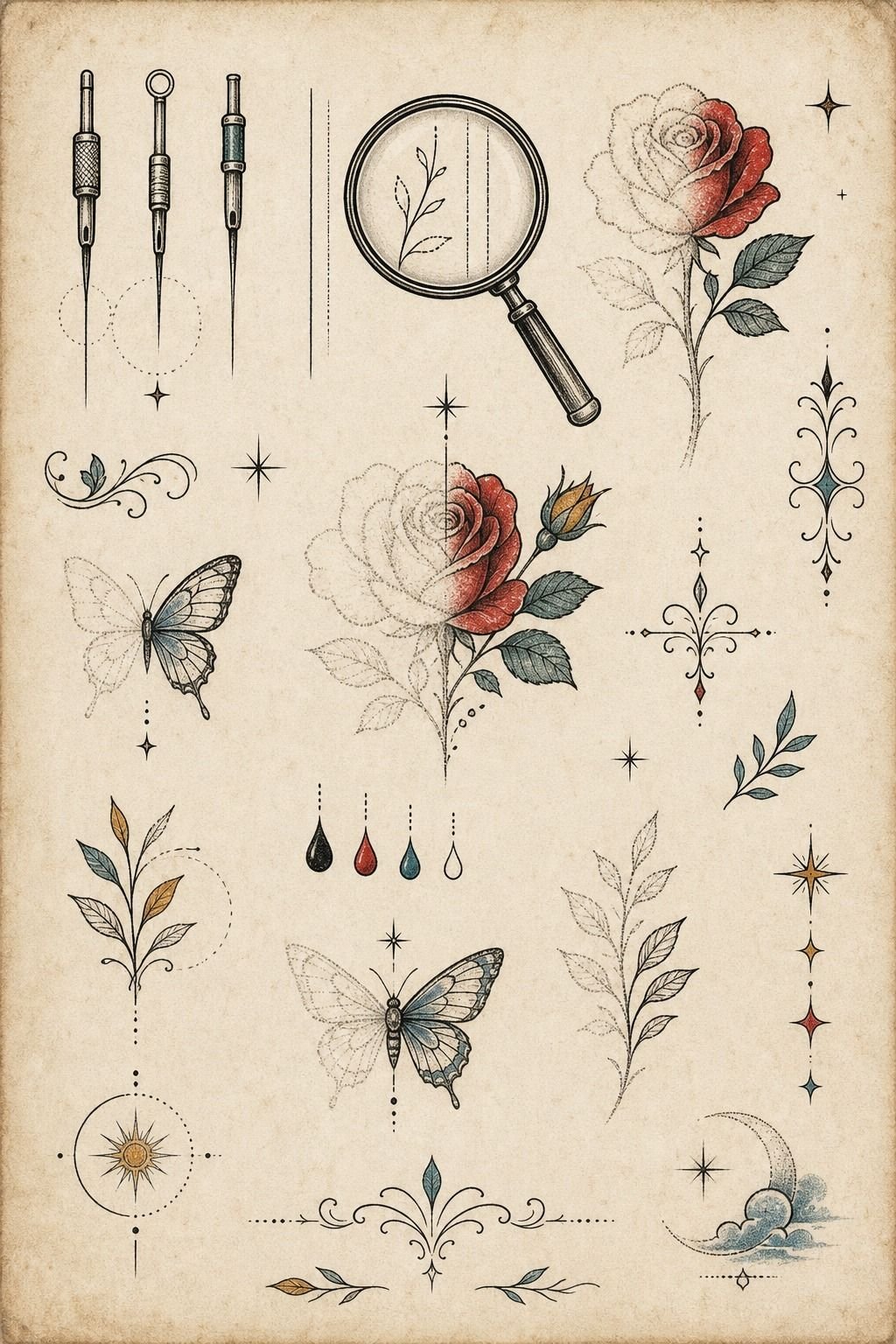
Fine lines can widen and soften over time.
16Start With Meaningful Dates Or Initials
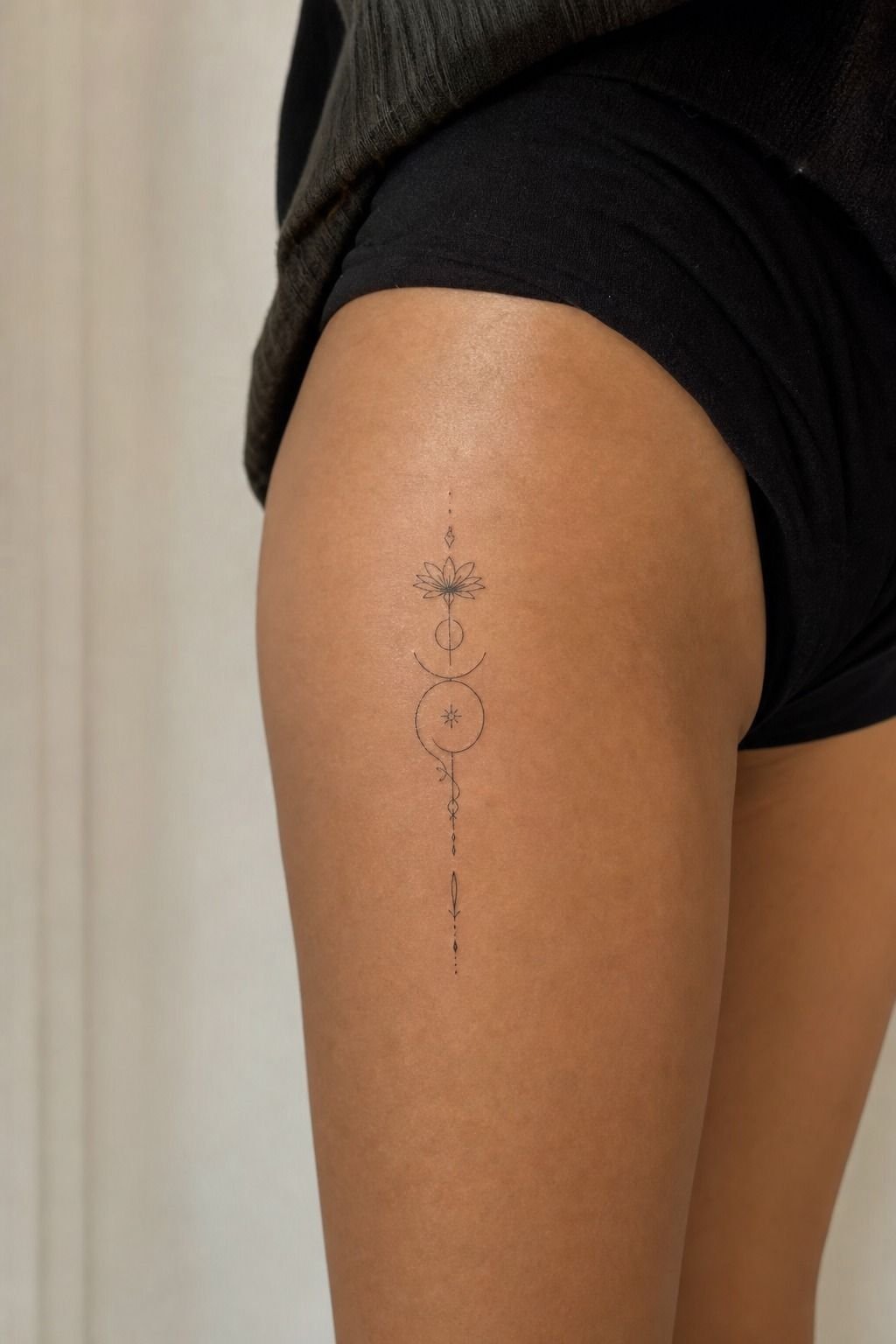
Dates and initials are personal without being loud. Keep them short, then choose a typeface that matches the mood: clean serif numbers, light handwritten script, or small Roman numerals with enough separation.
A thigh gives your tattoo a calm, low-wear canvas, so it’s a smart choice for meaningful lettering. I’ve seen clients regret squeezing a full birthday and name onto a wrist.
Your best move is one date, one initial, or one word that still means something when the story around it changes. Quiet ink can hit harder.
17Pick Simple Shapes That Read From Afar
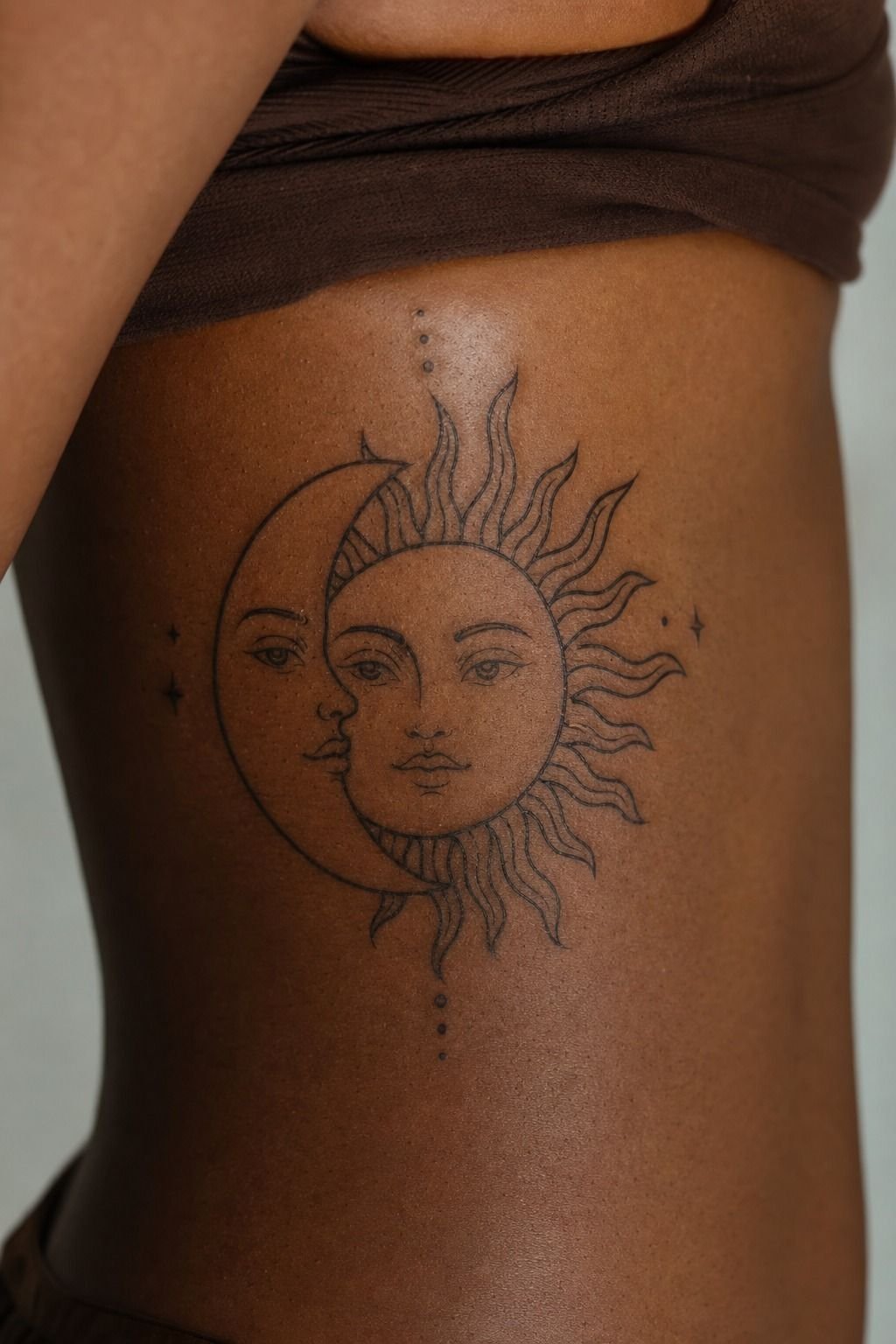
Can someone understand the shape from a few feet away? If not, simplify it. Little tattoos aesthetic designs need a strong silhouette: crescent moon, fine bow, tiny heart, abstract wave, simple star, or open butterfly.
This is the Across-the-Room Test. Hold your reference photo at arm’s length. If the key shape disappears, it’s too detailed for the proposed size.
On ribs, give a simple design about 1.5 to 2.5 inches so the linework can stay bold enough to hold. Small doesn’t mean microscopic!
18Place Tiny Florals Along The Collarbone
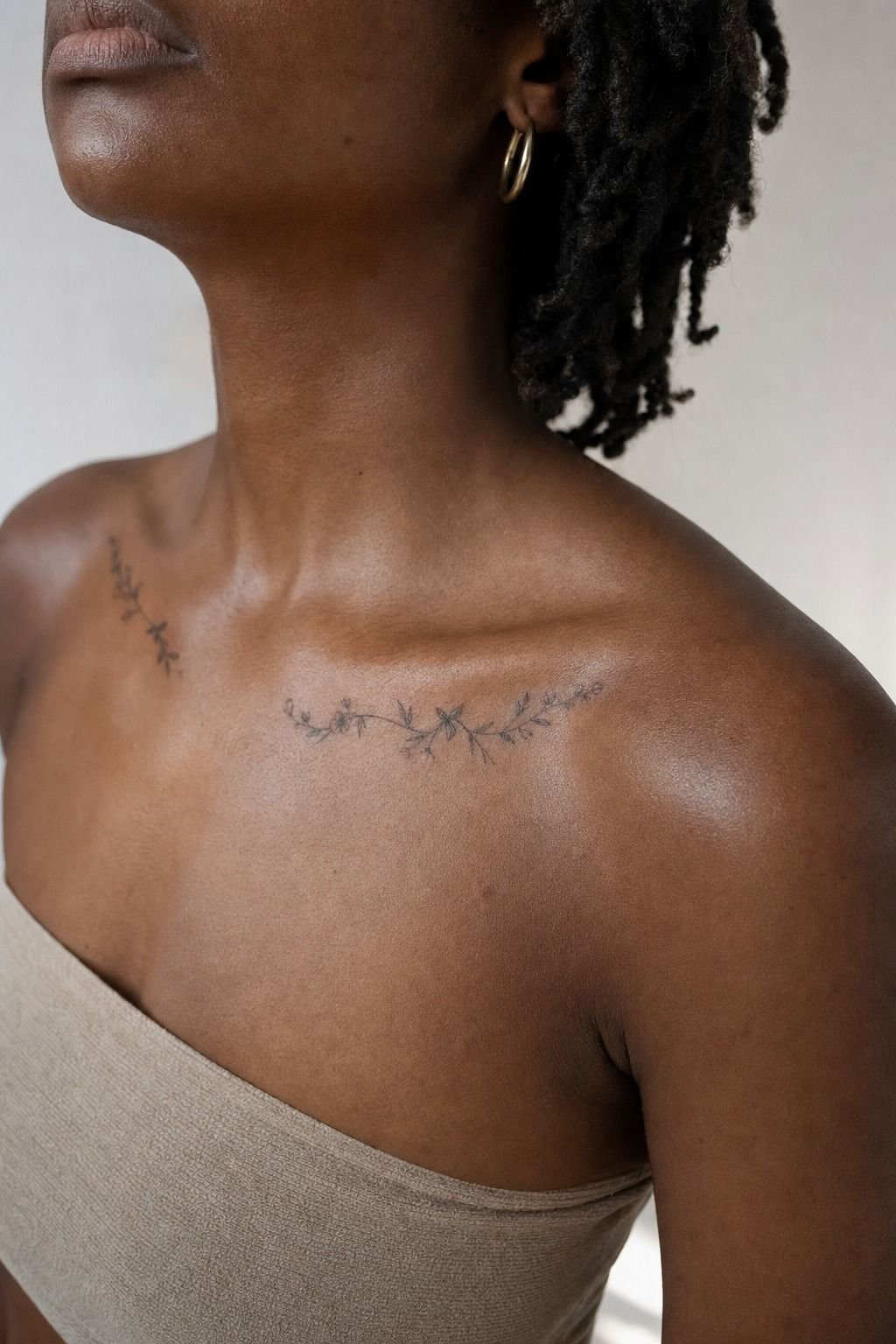
A collarbone floral can look serene because the body already gives you a natural line to follow. Use a single stem, two small blossoms, or a narrow sprig that follows the bone instead of covering it.
Your artist should stencil it while you stand relaxed, then check how it moves when you breathe. That matters.
I’d choose black and grey with a tiny amount of whip shade over a packed, colorful bouquet here. Small butterfly tattoos for women can pair well with a collarbone floral if both designs keep the same line weight.
19Keep Healing Instructions Simple And Consistent
For the first few days, it’s an open wound.
The Small-Tattoo Rule I Won’t Bend
I’ve watched the same mistake happen in studios for years: someone brings in a tiny, intricate reference and wants it reduced until it barely fits on their wrist. They’re excited, the stencil looks delicate, and nobody wants to be the person who says no. But a good artist should say no when the scale is wrong.
Here’s why I care so much. Skin isn’t paper.
Ink sits in living tissue, and fine lines naturally soften as your body heals and moves. If your tattoo starts with crowded petals, microscopic lettering, or six symbols squeezed into one inch, you’re asking it to become soup later. That’s not negative energy.
That’s physics.
I’d rather help you edit the idea than watch you pay twice, once for the tattoo and again for a cover-up. Keep the main symbol.
Lose the filler. Move it from the wrist crease to the forearm. Make the flower 2 inches instead of 0.75.
Tiny changes, huge difference.
And this isn’t about making every tattoo big or bold. Some of my favorite tattoos are little, quiet, and almost hidden.
A delicate collarbone stem. A small red heart on a thigh. An initial behind the ear.
They age cute because the artist respected the skin and the wearer respected the design’s limits. That’s the whole point.
The Questions I Get Asked Most
How much does a Small Aesthetic Tattoos usually cost?
A small aesthetic tattoo usually costs about $100 to $300, depending on size, placement, artist, and region. A shop minimum often covers simple pieces.
– Typical shop minimum, $50 to $100 – Typical US hourly rate, $100 to $250 – Fine-line custom work, often more time than expected
Are Small Aesthetic Tattoos a good idea for a first tattoo?
Yes, if you choose a readable design and a tolerable placement. A simple shape lets you learn your pain tolerance without a huge commitment. Your outer arm, thigh, or shoulder usually gives you a calmer first session than ribs or feet.
How do I choose a tattoo artist for Small Aesthetic Tattoos?
Choose an artist whose healed fine line work looks clean. Healed photos tell you more than fresh photos ever will. Look for consistent line weight, natural placement, proper hygiene, and examples close to the exact tattoo style you want.
How much do Small Aesthetic Tattoos hurt?
They can range from chill to spicy depending on placement. Outer arm, thigh, and shoulder are often easier. Ribs, feet, hands, sternum, and bony spots tend to feel sharper, even when your tattoo is small.
How long does a Small Aesthetic Tattoos take to heal?
The surface usually heals in 2 to 3 weeks, while deeper healing can take 2 to 3 months. Gentle aftercare protects the linework. Wash with unscented soap, moisturize lightly, and keep your tattoo out of pools and strong sun.
What’s the best placement for Small Aesthetic Tattoos?
Outer forearm, upper arm, thigh, calf, and upper back are strong choices. Low-wear placements give fine lines a better chance to age well. If you want an ankle piece, browse small ankle tattoo placement ideas before committing.
Where I’d Start First
If I had to pick one step, I’d start with one clean black motif. Black gives tiny lines their best shot at staying readable, while extra detail is what makes them blur together. Pin your favorite placement, then book an artist whose healed work proves it.