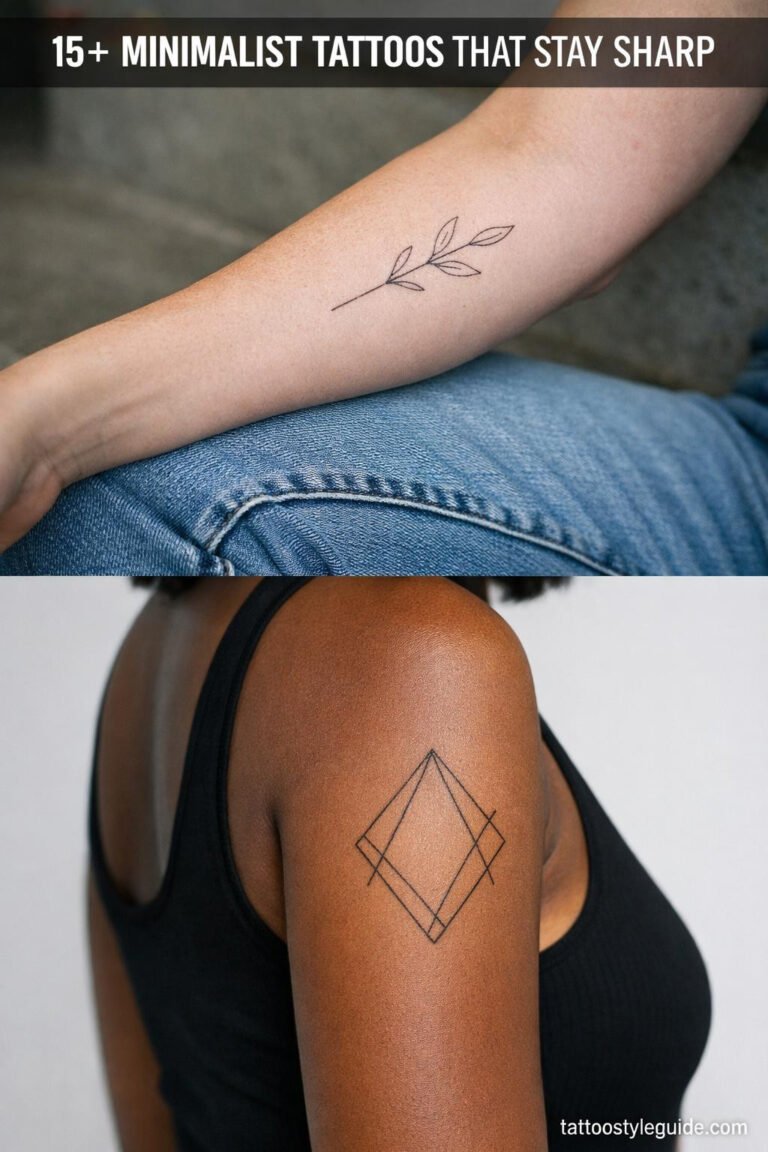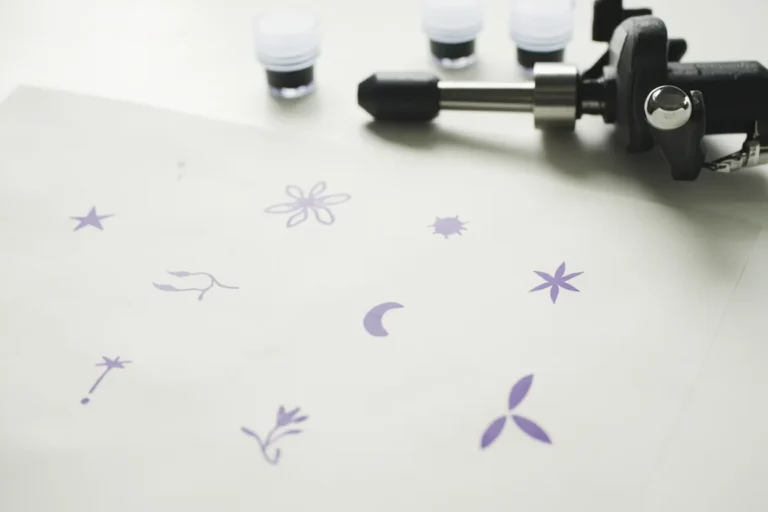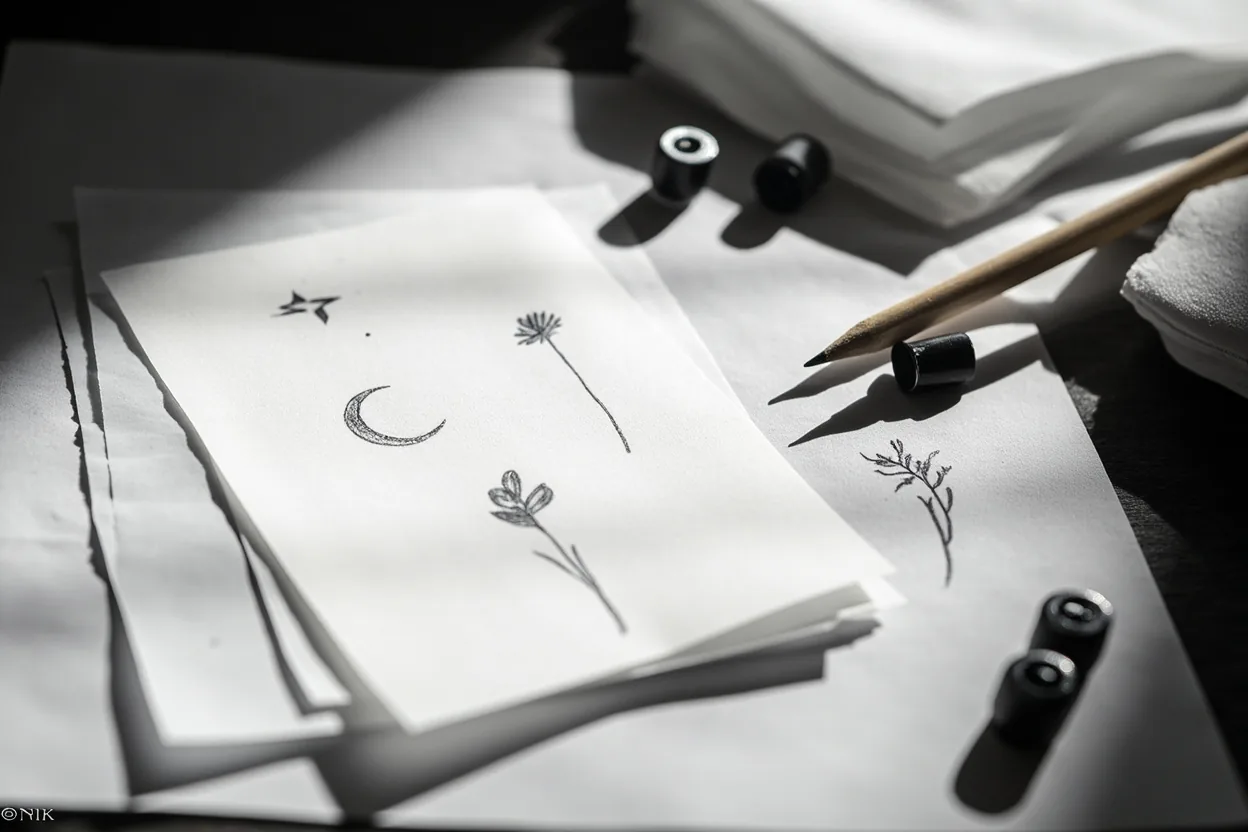
Minimalist tattoo ideas look easy because they use less. That is the trap. When there is nowhere to hide, every line matters. A minimalist tattoo has to be simple enough to read and strong enough to survive skin.
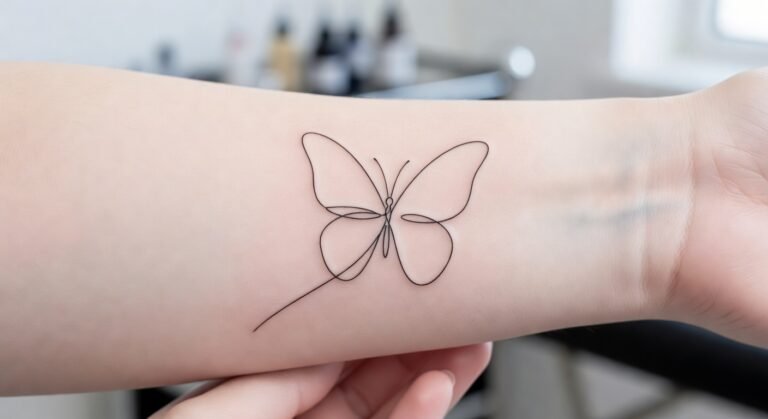
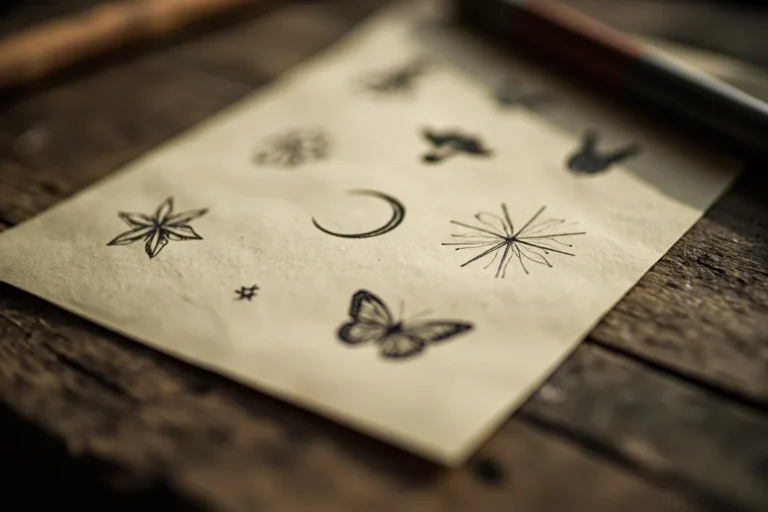
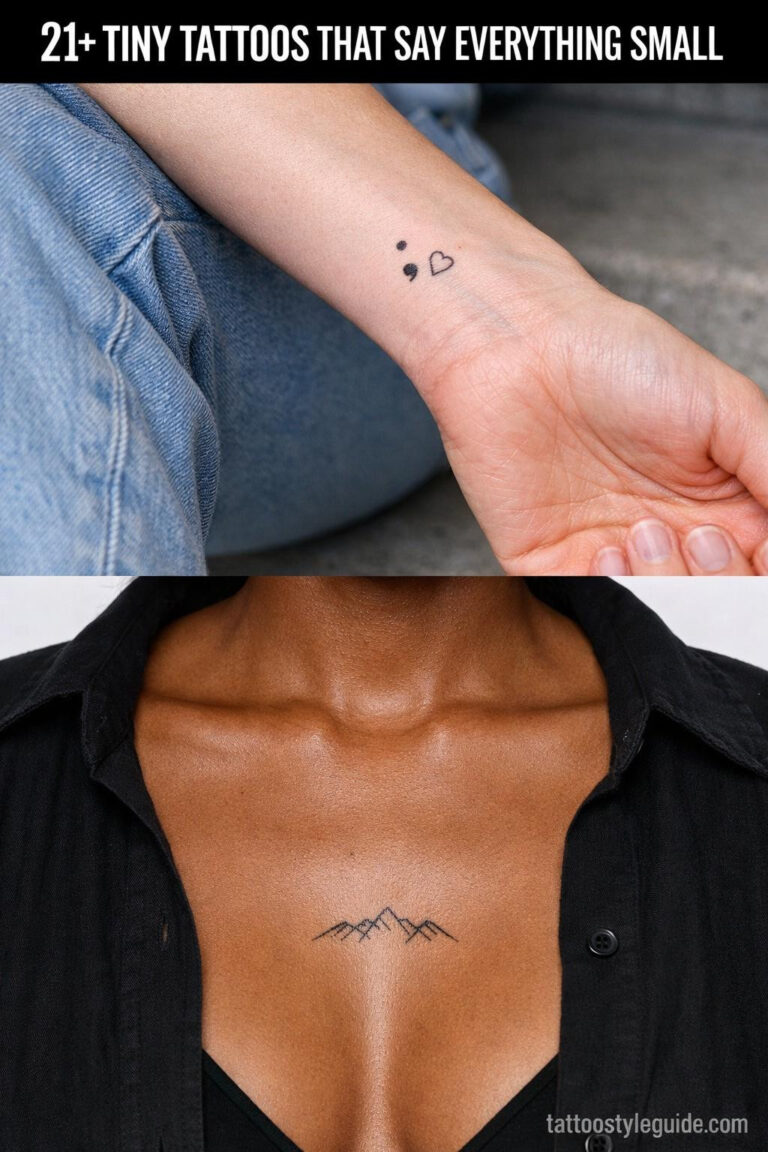
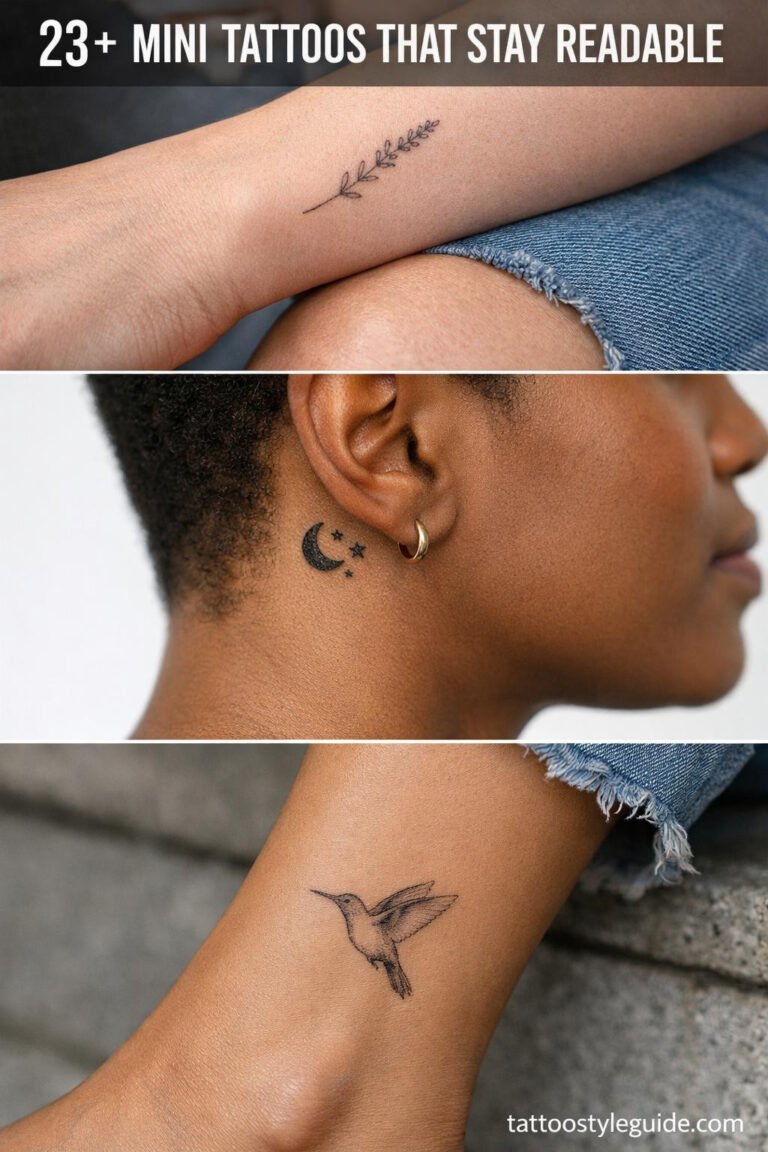
Quick answer: Good minimalist tattoo ideas include small florals, single-line animals, tiny stars, moons, initials, dates, abstract shapes, clean script, simple butterflies, birth flowers, and geometric marks. They age best when they are not too tiny and not placed on high-friction skin.
Minimalist does not mean weak
The best minimalist tattoos have restraint. They do not try to fit ten ideas into one inch. They choose one shape, one line direction, one symbol, or one word and let the skin around it do some of the work.
Weak minimalist tattoos usually fail in one of two ways: the line is too light, or the design is too small. Both can look perfect for the photo and disappointing after healing.
A minimalist tattoo done right is just as demanding as a full sleeve. You’re stripping away everything that hides mistakes, so every line has to be clean and intentional. A shaky 3mm circle reads worse than a shaky 30mm one. There’s nowhere to hide in minimalist work, which is why it actually takes a skilled hand to pull off.
The word minimalist gets misread as simple, and that’s where clients end up disappointed five years later. Bold will hold is a real rule. Hairline lines on high-wear zones like fingers or wrists blowout or fade to a blur fast. A minimalist piece needs enough weight in the line to stay crispy through healing and sun exposure.
Minimalist ideas that hold up
Simple is not the same as small, and your skin will prove it in ten years.
| Idea | Why it works | Best placement |
|---|---|---|
| Single birth flower | Personal and simple | Forearm, rib, shoulder |
| Small butterfly | Clear silhouette | Arm, ankle, upper back |
| Moon phase | Strong shape language | Forearm, spine, collarbone |
| One-word script | Readable if sized right | Forearm, ribs, collarbone |
| Geometric mark | Clean and flexible | Wrist, upper arm, shoulder |
Single-needle geometric shapes, small black and grey botanicals, and solid negative-space designs are the ones that hold up. A 2-3mm line weight on a simple mountain outline or a clean single-stem flower reads from across the room at year ten the same way it did at week two. These aren’t the micro-tiny trend pieces you see blowing up Instagram. Those fade.
Think small Roman numerals in a serif font with enough letter spacing, a solid crescent moon with a filled body instead of outline-only, or a minimal wave done in whip shade with a clean edge. Designs with some filled or lightly shaded mass age better than pure outline work. Pure outlines spread at the edges over time, especially on softer skin.
Best placements
Minimalist tattoos like stable skin. Outer forearm, upper arm, shoulder, calf, ribs, and ankle can work depending on the design. Fingers, palms, feet, and inner wrist are riskier because friction and movement are constant.
If the placement matters more than the design, check the placement chart before booking.
Upper arm, sternum, upper back, and behind the ear are solid low-wear zones for minimalist work. Skin moves less there, sun hits less, and the line stays tighter longer. Behind the ear is spicy but heals well if you keep it dry. Sternum is dramatic and ages clean if your artist keeps the design above the bra line where fabric rubs.
Avoid fingers, sides of hands, and feet for anything fine line or outline-only. Those are high-wear zones, full stop. Ink migrates fast there, and a delicate minimalist design turns into a soft smudge inside two years. Forearm and collarbone are mid-tier, decent for minimalist work if the lines have some weight and you’re committed to sunscreen.
What to ask your artist
- Will this still read at this size after five years?
- Would you thicken any line for healing?
- Is this placement risky for fading?
- Do you have healed photos of similar minimalist work?
A good minimalist artist will not be afraid to make the tattoo slightly larger or slightly bolder. They know fresh delicacy is not the same as healed quality.
Ask your artist to show you healed photos specifically, not fresh ones. Fresh tattoos always look clean. Healed photos tell you if their fine line work actually holds. Ask what needle configuration they use for minimalist pieces and whether they recommend any fill or shading to help the design age. A good artist will give you a straight answer.
Ask about minimum size for the design you want. Most reputable artists won’t go smaller than a certain threshold on detailed minimalist work because it won’t heal legibly. Expect to pay $100-$200 minimum at a solid shop for a small minimalist piece, sometimes more for custom design time. Walk-in flash rates are lower but the design is predetermined. Know what you’re buying.
FAQ
What makes a minimalist tattoo age well?
A minimalist tattoo ages well when it has enough size, clean spacing, steady linework, and a placement with low friction and moderate sun exposure.
Are minimalist tattoos the same as fine line tattoos?
No. Minimalist describes the design approach. Fine line describes the line weight. A minimalist tattoo can be fine line, blackwork, traditional, or geometric.
What minimalist tattoos should you avoid?
Avoid tiny quotes, crowded symbols, micro portraits, and delicate finger tattoos unless the artist shows strong healed examples at that size and placement.