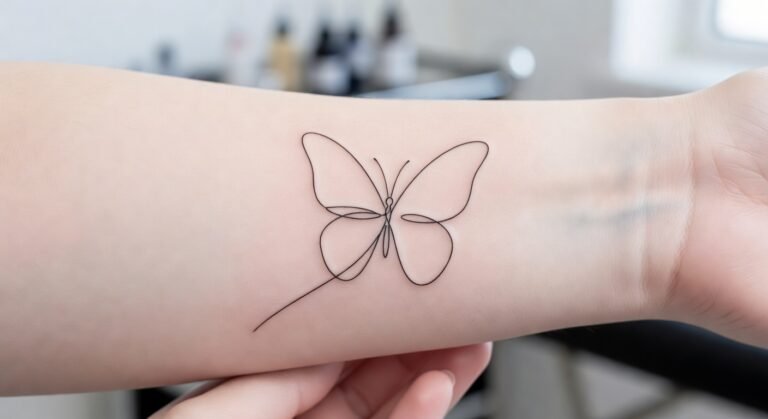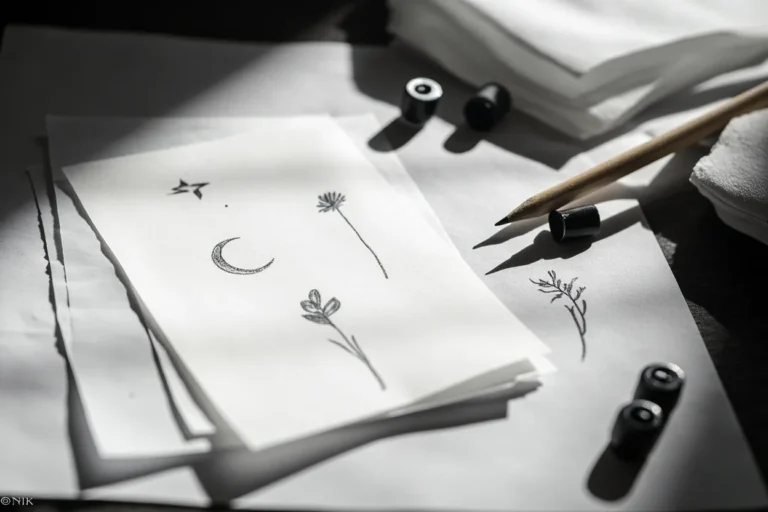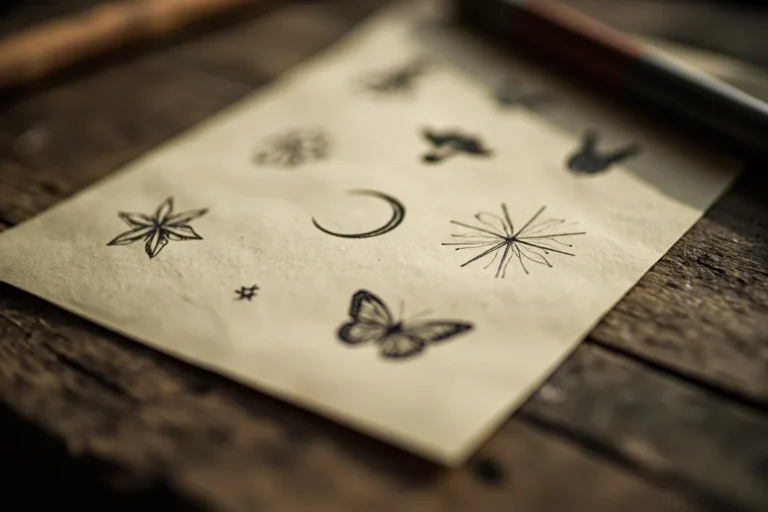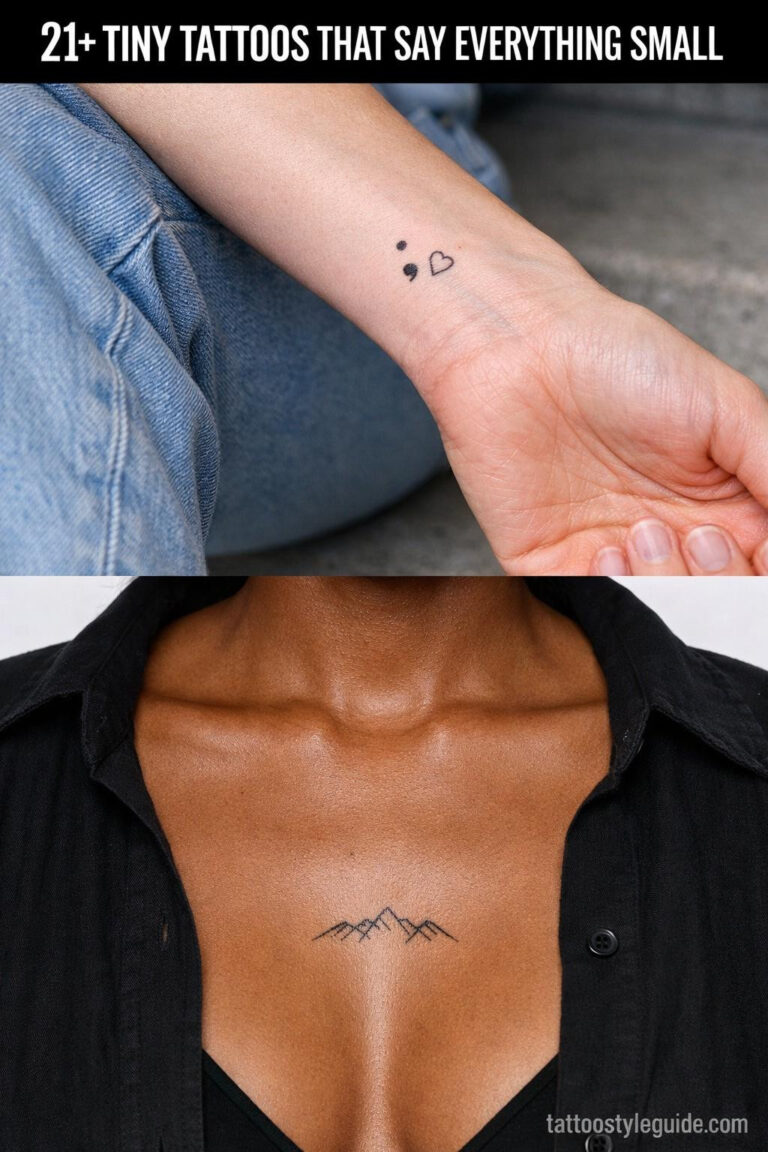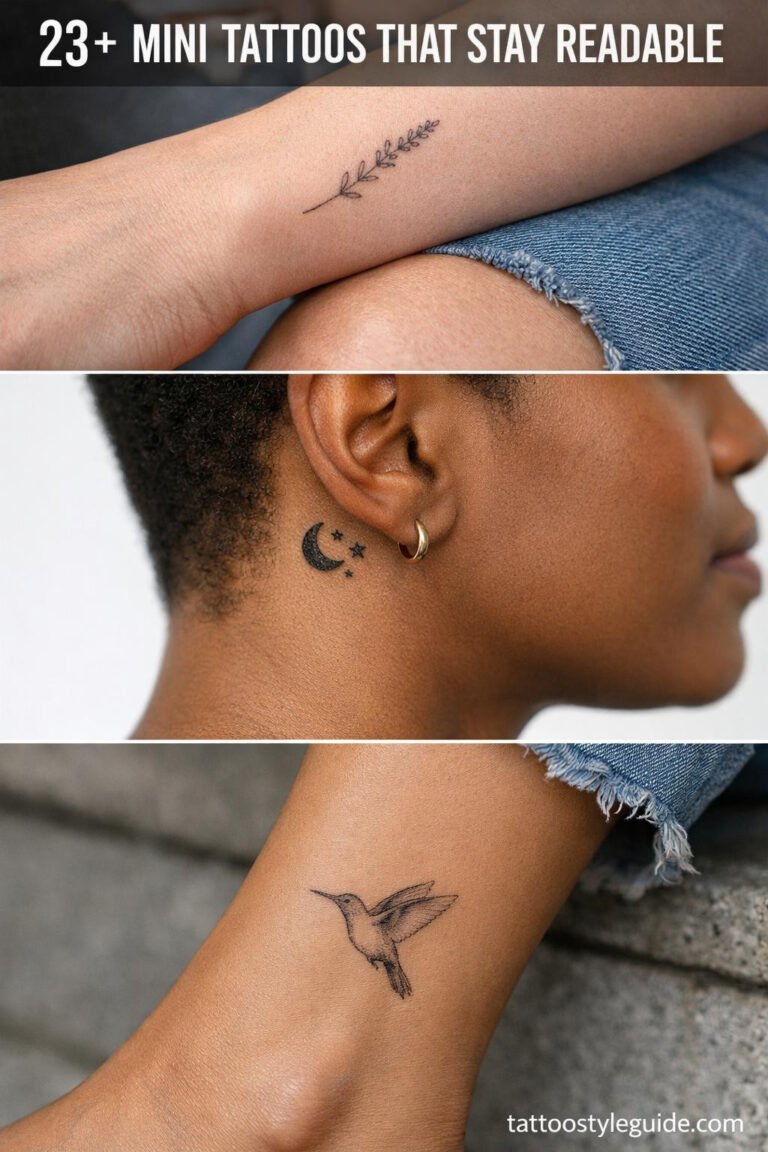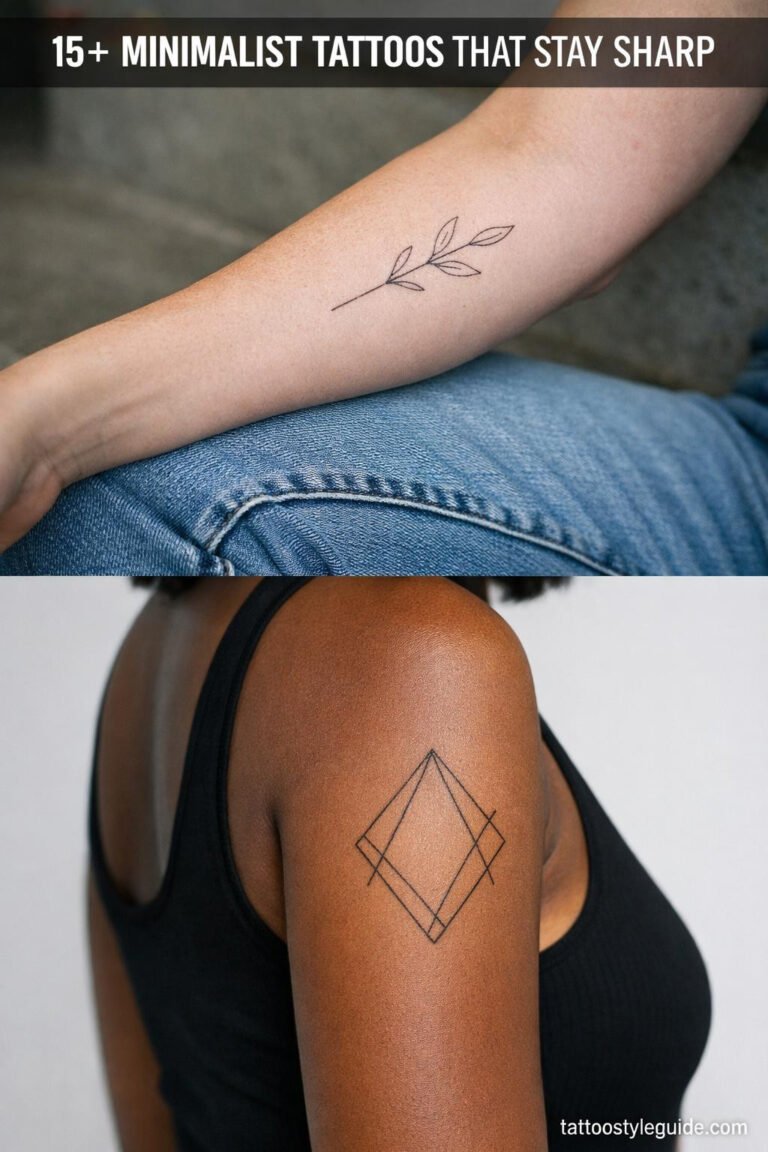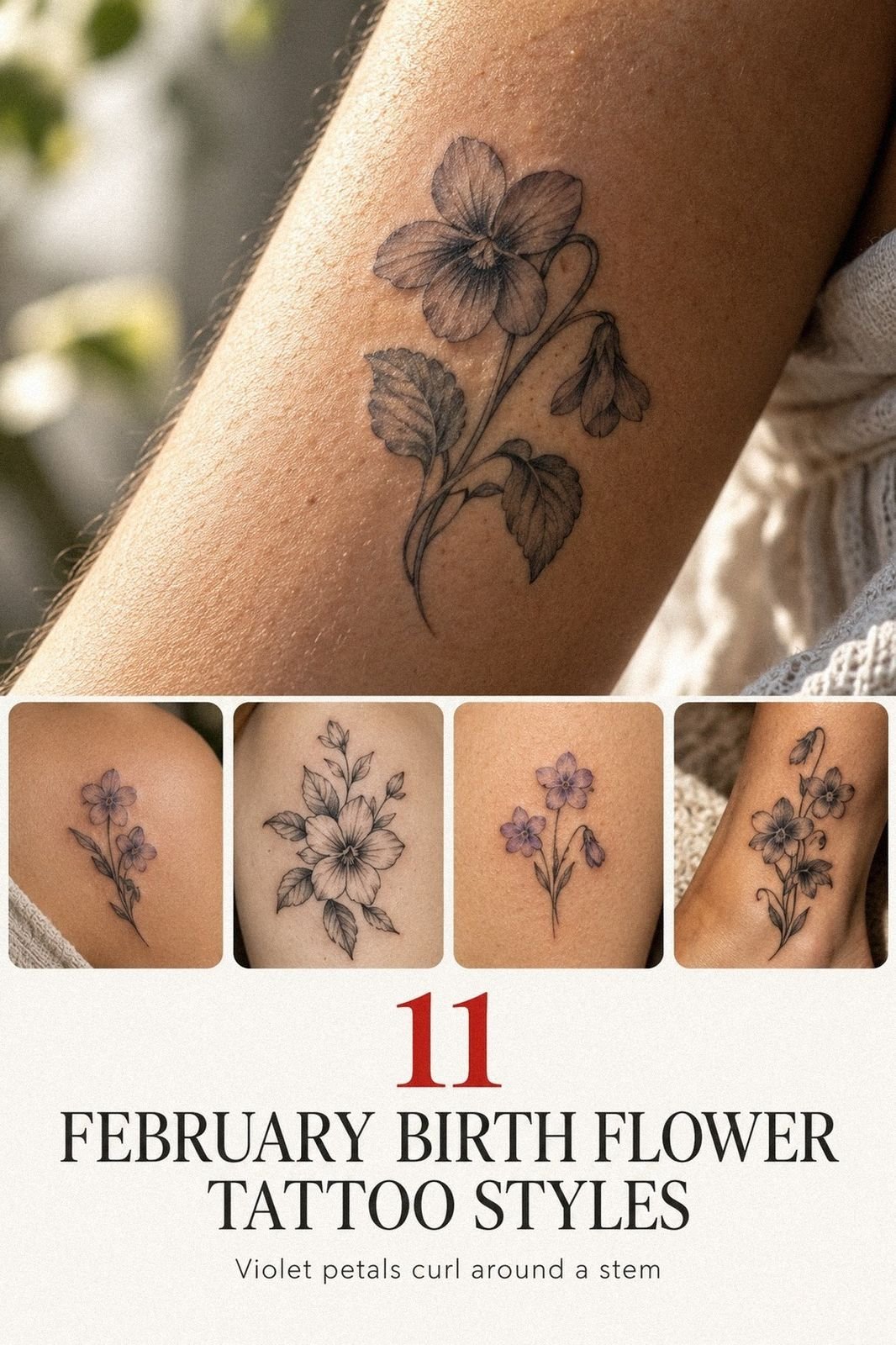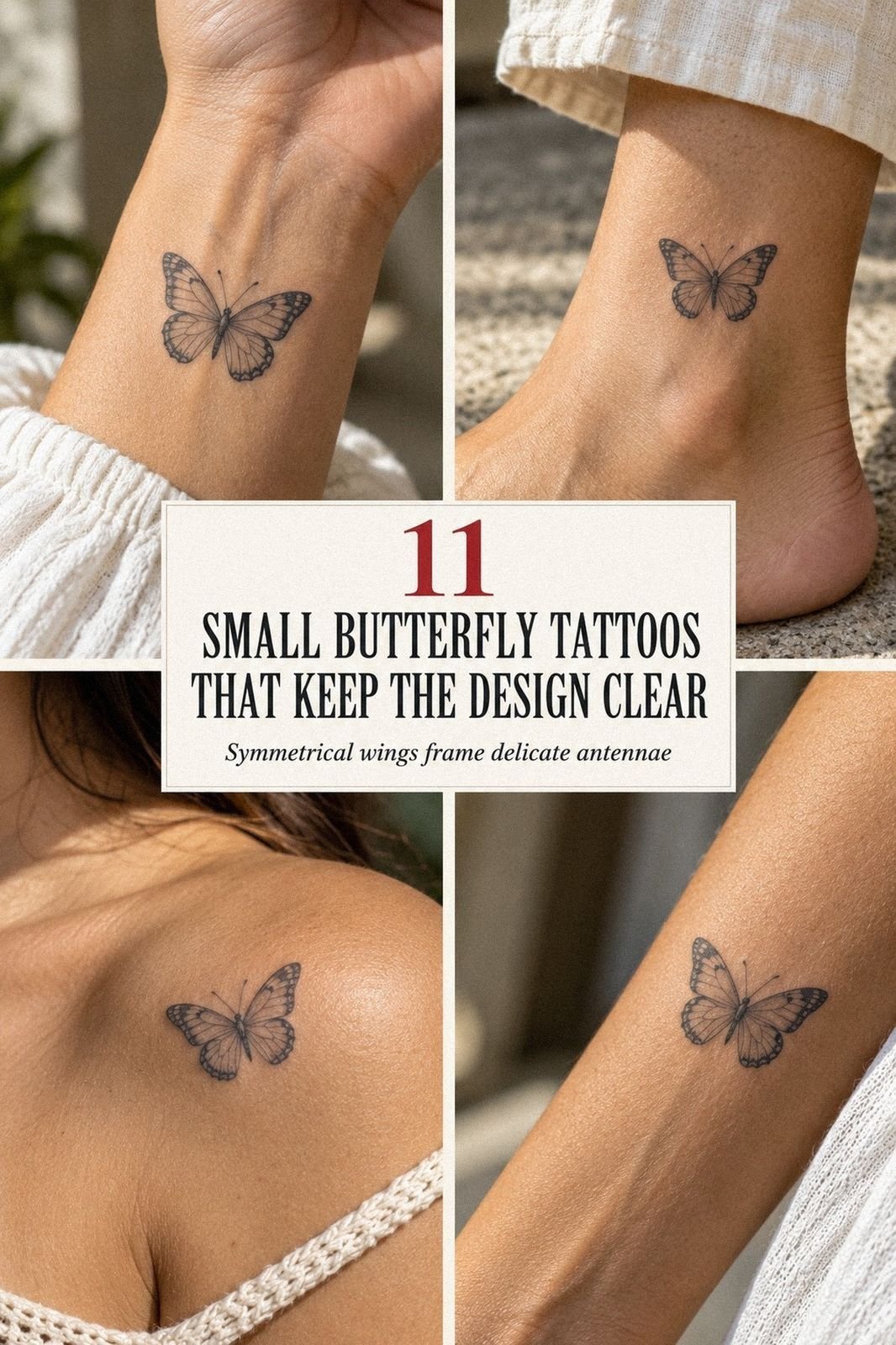
Fine line tattooing has moved from niche to mainstream in the space of a decade. Walk past any Paris studio now and you’ll find at least one artist whose portfolio is anchored in delicate single-needle linework — botanical sprigs, geometric patterns, script, minimal portraits. The demand is real. So is the misunderstanding. Fine line work is technically demanding to execute and genuinely limited in how it ages. Before you book a wrist appointment, you should understand the mechanics: what needles do, what ink dilution achieves, and what your skin will look like in five and ten years.
The Needle Configurations Behind Fine Line Work
Tattoo needles are specified by grouping and diameter. The two configurations used almost exclusively for fine line work are the 1RL and the 3RL — where RL stands for Round Liner.
1RL: Single Needle
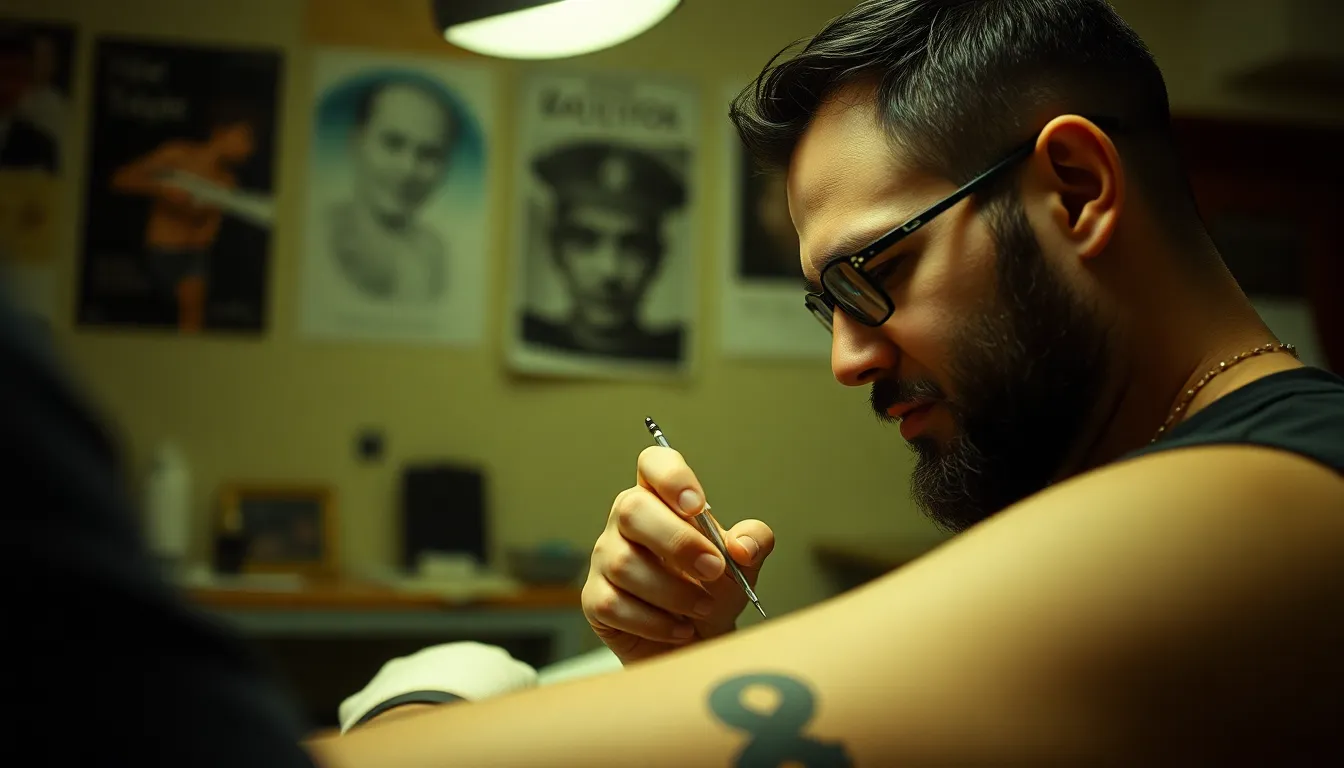
The 1RL is a single needle — the finest standard configuration available. It deposits the minimum amount of ink per pass, creating lines of approximately 0.3–0.5mm width when fresh. The precision is extraordinary; the tolerance for error is equally extraordinary. A single-needle artist who moves too slowly will overwork the skin; move too fast and the ink won’t seat properly. There is no margin for correction that a heavier needle would provide.
Single-needle work is also the most skin-type-dependent configuration in tattooing. On tight, smooth skin with minimal hair follicle activity, a 1RL line heals clean and precise. On looser skin, or skin with more active sebaceous gland areas, the same line can blur noticeably during healing. An honest artist will tell you whether your specific placement and skin type are appropriate for single-needle work before taking your deposit.
3RL: Three-Round Liner
The 3RL groups three needles in a tight triangular cluster. The resulting line is marginally wider — approximately 0.5–0.8mm — but significantly more forgiving to execute and more reliable in healing on a wider range of skin types. Most experienced fine line artists use 3RL as their primary liner for anything requiring consistent, repeatable linework: geometric patterns, text, repeated botanical elements.
The visual difference between 1RL and 3RL work is subtle when fresh and more pronounced after healing. In practice, many artists switch between configurations within a single piece: 1RL for the finest detail elements, 3RL for structural lines that need to hold their definition long-term.
5RL and Above
Once you move to 5RL and above, you are moving into territory that most artists would classify as standard single-needle or light traditional work rather than fine line. For the purposes of this guide, fine line refers to 1RL and 3RL configurations exclusively.
Ink Dilution: Creating the Grey Wash in Fine Line Work
Many fine line pieces incorporate grey wash shading — a technique where black ink is diluted with distilled water (or a specialist tattoo diluent) to create varying tones of grey. A standard wash palette might include three to five dilution levels: a light wash at roughly 10–20% ink concentration through to a near-black wash at 70–80% before switching to straight black for the darkest tones.
The mechanics are straightforward but the execution is precise. Too high a dilution and the ink won’t seat in the dermis reliably — you’ll end up with uneven, blown-out areas during healing. Too thick and you lose the translucent watercolour quality that makes grey wash shading distinctive. The appropriate dilution ratio depends on the machine setup, the needle configuration, the depth of skin penetration, and the artist’s individual technique — there is no universal formula.
For fine line work without shading — pure linework pieces — dilution is irrelevant: the artist works in straight black or a pre-mixed mid-grey for accent elements. Coloured fine line work uses highly diluted colour inks in pastel concentrations, which present their own longevity challenges (discussed below).
Longevity: The Honest Timeline
This is where fine line work diverges most sharply from traditional tattooing, and where many clients enter a booking with incorrect expectations.
Fine Line: 5–10 Years Before Visible Change
A well-executed fine line tattoo on appropriate skin, in an appropriate placement, cared for properly, will remain visually clean for approximately 5–10 years before showing noticeable softening, spreading, or lightening. This is not a failure of the art form — it is physics. Fine lines deposit less ink, in a narrower column, at a shallower depth than bold traditional work. The body’s natural healing processes and UV exposure act on this ink over time, causing it to migrate slightly and soften.
Several factors accelerate this timeline:
- Placement on high-movement joints (fingers, wrists, ankles) — skin flexion over years redistributes ink more aggressively than on stable surfaces.
- Sun exposure without protection — UV degrades ink faster than any other single factor. SPF 50+ on exposed tattoos is not optional if you want your fine line work to last.
- Skin type and hydration — dry, poorly maintained skin shows ink degradation faster.
- Original execution quality — shallow ink placement heals lighter and fades faster. Deep placement risks blowout. The optimal depth requires significant technical skill.
Traditional Work: 20+ Years of Structural Integrity
For comparison, a well-executed traditional American or traditional Japanese tattoo with bold outlines and solid colour fills will maintain its primary structure for 20–30 years or more. The bold outlines act as permanent borders preventing colour migration; the heavy ink deposits maintain saturation. This is not an argument against fine line work — it is context for the commitment you are making.
A fine line collector who understands that their piece will require a refresh or touch-up session at the 7–10 year mark is making an informed decision. A client who expected permanent razor-sharp lines forever is not.
Colour Fine Line: Even More Demanding
Coloured fine line work — delicate blush pinks, sage greens, dusty blues — fades faster than black-ink fine line. Lighter pigments disperse more quickly in the dermis, and pastel concentrations have less pigment density to begin with. Realistic expectations for colour fine line work on pale skin are 3–7 years before the colour becomes significantly muted. On darker skin tones, lighter pigments may not be visible at all from day one — a conversation to have with your artist before committing to a colour palette.
Placement: Where Fine Line Work Succeeds and Fails
Optimal Placements
Inner arm (bicep, inner forearm): Stable skin with low UV exposure when unclothed, low stretch. One of the better choices for fine line longevity.
Upper back and shoulder blade: Low sun exposure, minimal joint movement, stable skin surface. Fine line botanical pieces on the shoulder blade heal exceptionally well.
Collarbone: A premium fine line location. The natural horizontal line of the collarbone creates a built-in compositional guide. Low movement, moderate sun exposure if managed.
Rib cage (side): Despite the pain rating (6–8/10 for most clients), the rib cage offers stable skin that holds fine line detail well. The main challenge is healing — the skin moves with every breath, requiring strict aftercare discipline.
Problematic Placements
Fingers and hands: The skin on fingers and palms is fundamentally different from body skin — it regenerates faster, experiences constant friction and UV exposure, and the ink sits closer to the surface. Fine line finger tattoos fade significantly within 1–3 years for most clients. Artists who are honest about this will either decline finger commissions or explicitly warn you that they will not touch up finger work for free.
Wrists and ankles: High-movement joint areas where skin flexion is continuous. Fine line holds longer here than on fingers, but expect 5–7 years before noticeable softening rather than the 8–10 you might achieve on the arm or back.
Neck (back and sides): Technically a strong placement for skin quality and sun protection when clothed. Socially and professionally, this is a conversation to have honestly with yourself before proceeding. Fine line work on the neck heals well but is significantly harder to conceal than wrist or ankle work.
Feet: Combine the regenerative skin of hands with constant friction from footwear. Fine line on feet requires touch-ups more frequently than almost any other placement.
Instagram Accounts for Fine Line Inspiration
The fine line genre has a rich visual archive on Instagram. Accounts worth following for reference before your consultation:
- @jonboytattoo — New York-based pioneer of modern fine line and micro-realism, responsible for much of the genre’s current mainstream visibility.
- @drawtattoo — Korean fine line botanical and illustrative work, consistently high technical standard.
- @bangbangnyc — Studio account featuring multiple artists across fine line, micro-realism, and minimalist work.
- @tattooist_doy — Seoul-based fine line botanical specialist, exceptional consistency in healed work documentation.
- @_lena.tattoo — Paris-area fine line artist with strong portfolio in delicate linework and botanical themes.
When using Instagram for research, prioritise accounts that post healed work photographs alongside fresh work. The difference tells you everything about execution quality that a fresh photograph cannot.
Paris Studio Pricing: What to Expect
Paris fine line tattooing operates on a different pricing model from large-scale work. Most fine line artists in the city price by piece or by half-day / full-day session rather than by the hour, reflecting the precision required and the administrative overhead of small, highly detailed commissions.
General pricing benchmarks (2026, Paris 10th/11th arrondissement studios):
- Small piece (wrist, ankle, behind-ear) — €150–250. 30–90 minutes of tattooing.
- Medium piece (forearm, collarbone, shoulder blade) — €200–400. 1.5–3 hours.
- Large fine line piece (ribcage, back, thigh) — €400–700+. 3–6 hours, sometimes split across two sessions.
- Micro-realism portrait or detailed botanical sleeve filler — €500–900+. Complex technical commissions from established artists command premium rates.
Minimum studio charges of €80–100 are standard — no studio will open their machine for less than this regardless of the piece size. Walk-in flash pieces from pre-drawn designs are usually available at lower price points but significantly limited in customisation.
The Paris fine line scene is concentrated in the 10th, 11th, and 18th arrondissements, with satellite studios in Montmartre, Marais, and Oberkampf. Studio specialisation matters: a shop whose primary business is large traditional or realism work will not typically produce fine line at the same standard as a dedicated minimalist specialist.
Preparing for Your Fine Line Appointment
Fine line work requires the same pre-appointment preparation as any tattooing: hydrated skin, a meal beforehand, no alcohol for 24 hours, appropriate clothing. A few specifics apply particularly to fine line sessions:
- Bring clean reference images at correct scale. Fine line work requires precise sizing discussions — a piece that looks appropriate at A4 on screen may be far too large or small at actual skin scale.
- Shave the area if necessary. Hair follicle interference affects how finely the artist can work, particularly on arms and legs.
- Discuss skin type openly. If you have oily or combination skin, or are prone to post-inflammatory hyperpigmentation (relevant for darker skin tones), tell your artist upfront. These factors affect technique choices.
- Plan aftercare seriously. Fine line aftercare requires particular attention to sun protection and moisturising. Neglect during healing is the fastest route to premature fading.
When Fine Line Is Not the Right Choice
Fine line is not for every client or every placement. Be honest with yourself about the following:
- If you want a tattoo that looks exactly the same in 20 years as it does on day one, fine line is not that tattoo. Traditional bold-line work is.
- If you are committing to a finger or hand placement, prepare for frequent fading and the cost of touch-ups over time.
- If your skin tones are significantly darker (Fitzpatrick IV–VI), lighter pigments and grey wash may not be visible at all — a pure black ink fine line approach may be more appropriate.
- If you are prone to keloid scarring, fine line’s precision does not reduce this risk. Consult a dermatologist before proceeding with any tattooing.
The right fine line tattoo on the right placement, executed by a specialist, is among the most elegant things permanent body art can produce. The wrong piece on the wrong placement, done without proper expectation-setting, leads to disappointment within a decade. This guide is designed to make the difference between those two outcomes clear before the needle moves. Related reading: Tattoo Placement Guide | Irezumi: Japanese Traditional Style Guide.
Sources: Alliance of Professional Tattooists technical guidelines; Tattoo.com artist surveys 2024–2025; NHS Conditions — Tattoos; individual artist consultations Paris studio circuit 2025–2026.
Our Pick
Tattoo Aftercare Cream — Editor’s Pick
Fine line tattoos heal best with the right aftercare. A dedicated tattoo healing cream keeps the skin moisturized, reduces peeling, and protects the fine detail during the critical first two weeks.
Shop Tattoo Aftercare on Amazon →
Amazon affiliate link — price and availability may vary