Semi-permanent tattoos, marketed as fading within one to three years, will lighten naturally as your skin turns over. If you want faster results, your options range from patient at-home exfoliation to professional saline removal or laser treatment. The depth of the original ink and your willingness to wait determine which path makes sense. Most people see noticeable lightening within weeks of consistent effort, though complete removal typically spans months.
Understanding the Ink
What “Semi-Permanent” Actually Means
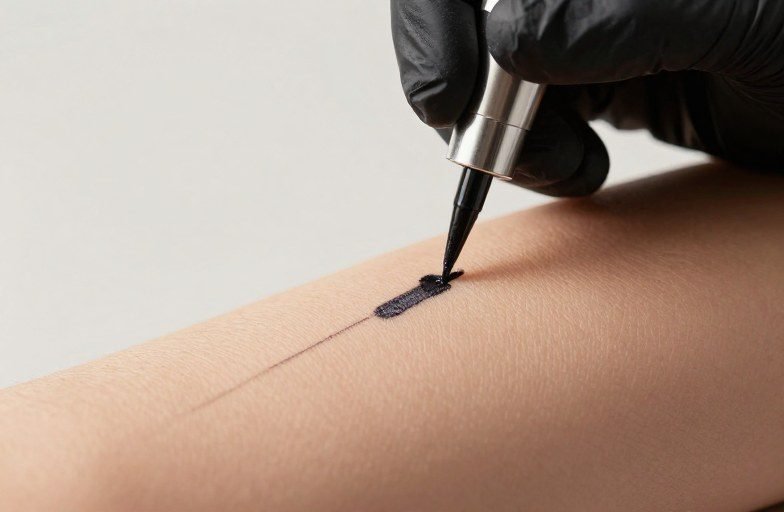
These tattoos sit higher in the dermis than traditional work, which is why they fade. The ink particles are smaller and placed more superficially, often with a digital machine or hand tool at a shallower depth than standard tattooing. This placement is your advantage for removal. Because the ink has not settled as deep, your body’s natural shedding process works in your favor, and professional interventions do not need to penetrate as aggressively.
Some artists dispute the “semi-permanent” label itself, noting that any pigment breaking skin is permanent by definition, just faded. The marketing persists, but the practical reality matters more: this ink is easier to lift than traditional work, though not trivially so.
The Emergency Removal Window
Fresh semi-permanent work, especially cosmetic tattoos like eyebrows or lip blush, can occasionally be extracted within 48 to 72 hours using saline removal before the ink fully anchors. This window is narrow and contested; some experienced technicians report success, others find pigment has already stabilized. After this brief period, you are working with established pigment that requires persistent methods.
At-Home Fading Methods
The Exfoliation Approach
For gradual lightening, consistent gentle exfoliation helps turn over the skin cells holding pigment. Do not scour your skin raw. That causes damage and can trap ink deeper in scar tissue. Instead:
- Use a chemical exfoliant with glycolic or lactic acid at 10-15% concentration two to three times weekly
- Follow with physical exfoliation using a soft washcloth or konjac sponge in circular motions
- Apply moisturizer immediately after; dry, cracked skin heals darker
- Always use SPF 30 or higher on the area; UV exposure oxidizes pigment and can darken it temporarily
Expect visible fading in four to eight weeks with disciplined routine. This works best on older, already-fading tattoos rather than fresh, saturated work. Results vary significantly by skin type; darker skin tones often see slower fading and higher risk of post-inflammatory hyperpigmentation from aggressive exfoliation.
What At-Home Methods Cannot Do
No cream, lotion, or home concoction dissolves tattoo pigment. Products marketed as “tattoo removal” creams typically contain acids or bleaching agents that irritate skin without reaching the dermis where ink resides. This irritation can darken pigment through inflammation or cause contact dermatitis. Save your money for professional intervention if exfoliation proves insufficient.
Professional Removal Options
Saline Removal
Saline removal is the most common professional method for semi-permanent tattoo lightening. A technician opens the skin with a tattoo machine or manual tool, then deposits a saline solution that draws ink upward through osmosis. The area forms a scab, and the ink lifts out with the healing tissue.
Sessions run thirty to sixty minutes. Most people need three to six treatments spaced six to eight weeks apart. The process stings, comparable to getting the original tattoo, sometimes sharper because of the salt. After each session, you will have a visible crust for seven to ten days. Picking scabs is the fastest way to cause scarring and uneven pigment, so hands off.
Saline works well on cosmetic tattoos such as brows, lips, and scalp micropigmentation, plus superficial body art. It is less effective on work that was applied too deeply or with traditional-grade pigments. Technician skill varies enormously; saline removal lacks uniform regulation, and some practitioners take brief courses before offering services. Ask how many removals they have performed, request healed photos, and verify they understand the difference between cosmetic and body art pigments.
Laser Considerations
Q-switched or picosecond lasers break ink particles so your lymphatic system can flush them. For semi-permanent work, fewer sessions are typically needed than for traditional tattoos, often two to four instead of eight to twelve. However, cosmetic pigments sometimes contain titanium dioxide or iron oxides that can darken with laser exposure, a reaction known as the oxidation paradox. An experienced technician should test a small area first and wait to observe results before full treatment.
Laser on eyebrow tattoos risks brow hair loss. Body hair in treated areas can temporarily or permanently shed. Expect two hundred to five hundred dollars per session depending on size and location. Picosecond lasers command higher rates but may require fewer total sessions.
Skin Type and Safety Factors
Your Fitzpatrick skin type significantly affects removal safety and outcomes. Darker skin tones face higher risk of hypopigmentation, hyperpigmentation, and keloid formation from both saline and laser methods. Laser technicians should adjust wavelengths and energy levels accordingly; improper settings on darker skin can cause permanent light spots or burns. Discuss your skin’s healing history, including any tendency to scar or discolor, before committing to either method.
Healing and Timeline
Saline Healing Arc
Days one to three after saline removal bring controlled trauma. Redness, swelling, and tenderness are standard. The scab forms darker and raised as ink surfaces. Days four to ten see scabbing peak and begin flaking; the area looks lighter underneath but may be pink or pale. This is not the final result. Skin continues processing pigment for weeks. Weeks three to six reveal true fading, and your technician can assess whether another session will help or if you have reached a plateau. Full results from a single session appear by month three, the earliest safe window for additional treatment.
Laser Healing Arc
Laser removal produces different healing patterns. Immediate whitening or “frosting” of the skin lasts minutes to hours post-treatment. Swelling and redness persist one to three days. Blisters may form within twenty-four hours; do not pop them. Crusting follows for one to two weeks. Fading continues for six to eight weeks as your lymphatic system clears shattered particles. Multiple laser sessions require this full interval between treatments; rushing produces scar tissue that complicates future work.
When Healing Goes Wrong
Hypopigmentation, light spots where melanin has been disrupted, can last months, especially on darker skin tones or after aggressive removal. This usually resolves as melanocytes repopulate, but sun protection during healing prevents permanent discoloration. Signs of infection, spreading redness, pus, or fever, require medical attention, not your technician’s advice. Prolonged scarring, raised tissue, or color changes beyond six months warrant dermatologist evaluation.
What to Expect Long-Term
The Reality of “Complete” Removal
“Complete removal” for semi-permanent tattoos usually means ninety to ninety-five percent lightening, not invisible skin. Ghosting, a faint shadow where pigment sat, is common and often permanent. This is especially true for red and warm-toned pigments, where iron oxides prove stubborn; areas worked multiple times, where layered pigment sinks deeper; and skin that scarred during original application or removal attempts.
Cosmetic tattoos on brows and lips rarely vanish entirely because facial skin is thin and vascular, and these areas often receive touch-ups that compound pigment load. Plan for significantly lighter rather than gone.
When to Stop
There comes a point where additional removal causes more skin damage than pigment reduction. If you have had six or more saline sessions or four or more laser treatments with minimal change after the third month, the remaining pigment is likely too deep or too stable. At this stage, a skilled cover-up artist can work with the faded base, often a better path than chasing perfection. Scarred canvas is harder to work with than faded ink.
Common Mistakes
DIY Disasters
Sandpaper, salt scrubs, and lemon juice cocktails do not remove tattoo ink. They remove skin layers, inviting infection and scarring. The ink remains; you are just making it harder to access professionally later. Topical creams marketed for tattoo removal lack FDA approval for this purpose and operate through irritation, not pigment dissolution.
Timeline and Selection Errors
Scheduling sessions too close together prevents proper healing. Skin needs full recovery between treatments. Rushing produces scar tissue, which holds ink differently and complicates future removal. Ignoring contraindications also backfires: active acne, eczema, or sunburn in the treatment area increases complication risk. Pregnancy and certain medications, especially photosensitizing drugs, disqualify you from laser treatment. Choosing price over expertise repeatedly leads to poor outcomes; verify credentials, experience, and healed photo portfolios before committing.
Budgeting Honestly
Professional Pricing
Saline removal for small cosmetic areas, one eyebrow or lip liner, typically runs one hundred fifty to three hundred dollars per session. Full eyebrow pairs or larger body placements range three hundred to six hundred dollars. Package deals often reduce per-session cost by fifteen to twenty percent.
Laser pricing follows similar structure but trends higher, two hundred to five hundred dollars per session for small areas, five hundred to one thousand dollars or more for larger body work. Picosecond lasers command premium rates but may require fewer total sessions.
The Full Financial Picture
Aftercare products, touch-up appointments for partial fading, and potential corrective work add up. If removal leaves uneven pigment, you might need paramedical tattooing or additional cosmetic tattooing to normalize appearance, essentially paying to fix the fix. Travel costs matter too; experienced removal specialists cluster in major metro areas, and rural options often lack equipment for complex cases. Insurance covers removal only in specific circumstances: certain mastectomy-related work, trauma tattoos, or medically necessary corrections. Cosmetic regret is out of pocket.
Before You Decide
Semi-permanent tattoos promise flexibility, but that flexibility cuts both ways. They are easier to remove than traditional work, yet still demand patience and realistic goals. Start with the gentlest appropriate method and escalate only if results stall. Protect your skin’s integrity throughout. I have watched too many clients rush the process, trading one regret for another in the form of scar tissue.
Correcting cosmetic work you no longer love, or clearing body art for new placement, requires the same research and care you should have applied before getting the original tattoo. The removal process teaches you what your skin can and cannot do, what your patience level truly is, and what “permanent” means in practice. Go in with your eyes open, your budget realistic, and your timeline flexible. The ink will meet your effort somewhere in the middle, but rarely at the exact point you first imagined.
Frequently Asked Questions
Can I remove a semi-permanent tattoo at home completely?
No. Gentle exfoliation can fade superficial ink over weeks, but complete removal requires professional saline or laser treatment. Avoid abrasive DIY methods or unregulated creams, which damage skin without reaching the ink.
Why did my eyebrow tattoo darken after laser treatment?
Cosmetic pigments often contain titanium dioxide or iron oxides that can oxidize and darken when exposed to laser energy. This is why experienced technicians test a small area first and may prefer saline removal for certain cosmetic pigments.
How long must I wait between removal sessions?
Six to eight weeks for saline removal, and typically six to eight weeks for laser as well. Healing must complete fully; rushing produces scar tissue that traps ink and complicates future treatment.
Will my skin look completely normal after removal?
Usually not. Ninety to ninety-five percent lightening is typical, with possible ghosting or faint shadowing. Some hypopigmentation may persist for months. Scarred or heavily layered areas rarely return to pre-tattoo appearance.
Does skin color affect removal safety?
Yes. Darker skin tones face higher risks of hypopigmentation, hyperpigmentation, and keloid scarring from both laser and saline methods. Technicians must adjust techniques and equipment settings accordingly; always discuss your skin’s healing history beforehand.