The short answer: professional laser removal is the only reliable way to fully remove a tattoo. Everything else, salabrasion, creams, dermabrasion, either doesn’t work or damages your skin. I’ve watched clients spend years and thousands of dollars on this process, and I’ve also helped plenty pivot to solid cover-up work when removal wasn’t finishing the job. This guide breaks down what actually happens, what it costs, and how to decide between fading versus covering.
How Laser Removal Actually Works
Laser removal isn’t erasing anything. It’s breaking ink particles small enough for your immune system to flush them out. The laser fires in extremely short pulses, nanoseconds or picoseconds, shattering the pigment without cooking the surrounding skin. Different wavelengths target different colors: 1064nm for black, 755nm for greens and blues, 532nm for reds and yellows.
I’ve sent clients to removal specialists for years, and the ones who get best results share one trait: patience. A palm-sized black tattoo typically needs 8, 12 sessions spaced 6, 8 weeks apart. That’s over a year minimum. Color work? Add more sessions. Older tattoos fade faster because your body has already started the breakdown process. Fresh, dense black? That’s a slog.
What a Session Actually Feels Like
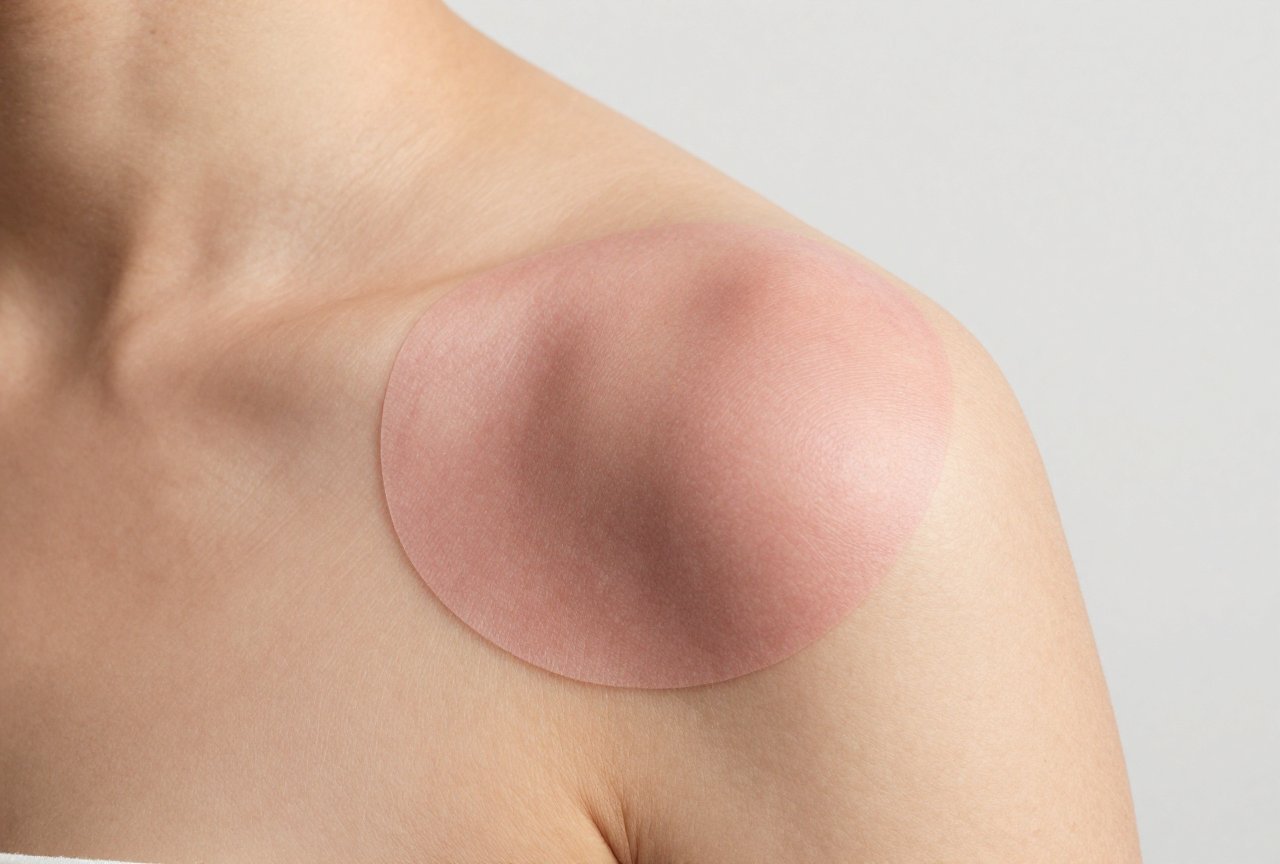
Clients describe it differently than getting tattooed. Tattooing is a steady, grinding irritation. Laser removal is sharp, snapping, like hot rubber bands or bacon grease pops. Most shops use a Zimmer chiller or numbing cream, but you’ll still feel it. The area swells immediately, turns white briefly (frosting), then settles into redness and mild blistering over hours. I’ve had clients come back to my chair for cover-up work after removal sessions, and the skin is tender for days.
Healing Between Sessions
This matters more than people think. Blistering is normal. Don’t pop them. Keep it clean, dry, and out of the sun. Sun exposure on healing removal skin can cause permanent hyperpigmentation, especially on darker skin tones. Your removal tech should give you specific aftercare, follow it exactly. I’ve seen people rush back to the gym, soak in hot tubs, or pick at scabs, and it sets them back months.
What Tattoo Removal Costs (Real Numbers)
There’s no cheap way out of a tattoo you regret. Laser removal runs roughly $200, $500 per session depending on your market, tattoo size, and colors. A medium-sized piece needing ten sessions? You’re looking at $2,500, $5,000 total. Some places offer package deals, but avoid anyone pushing unlimited sessions for a flat fee, quality work doesn’t work that way.
- Small tattoos (under 2×2 inches): $100, $250 per session
- Medium pieces (palm-sized): $200, $400 per session
- Large work (half sleeve or bigger): $400, $800+ per session
- Color tattoos: typically 20, 50% more sessions than black
Insurance won’t cover cosmetic removal. Some military or corporate relocation programs might, but that’s rare. Payment plans exist at reputable shops. If someone’s offering removal at tattoo-parlor prices, be suspicious. Proper laser equipment costs $100K+; the tech needs real training.
Why Some Tattoos Don’t Fully Disappear
This is the conversation I have most often in consultations. Complete removal is possible, but not guaranteed. Your results depend on:
- Ink depth and density: Heavy blackwork, tribal, or solid saturation leaves ghosting
- Colors used: White, yellow, and some fluorescent inks can turn dark or stubborn
- Skin type: Fitzpatrick types IV, VI have higher risk of hypopigmentation or keloid scarring
- Location: Ankles and lower legs remove slower due to poorer circulation
- Artist skill: Amateur work often sits unevenly, creating patchy removal
I’ve tattooed over “removed” areas that still hold 30, 40% of the original image. The skin texture changes too, slightly shiny, less elastic. Good cover-up artists account for this. If you’re hoping for a completely blank canvas, manage expectations early.
Cover-Up vs. Removal: Making the Right Call
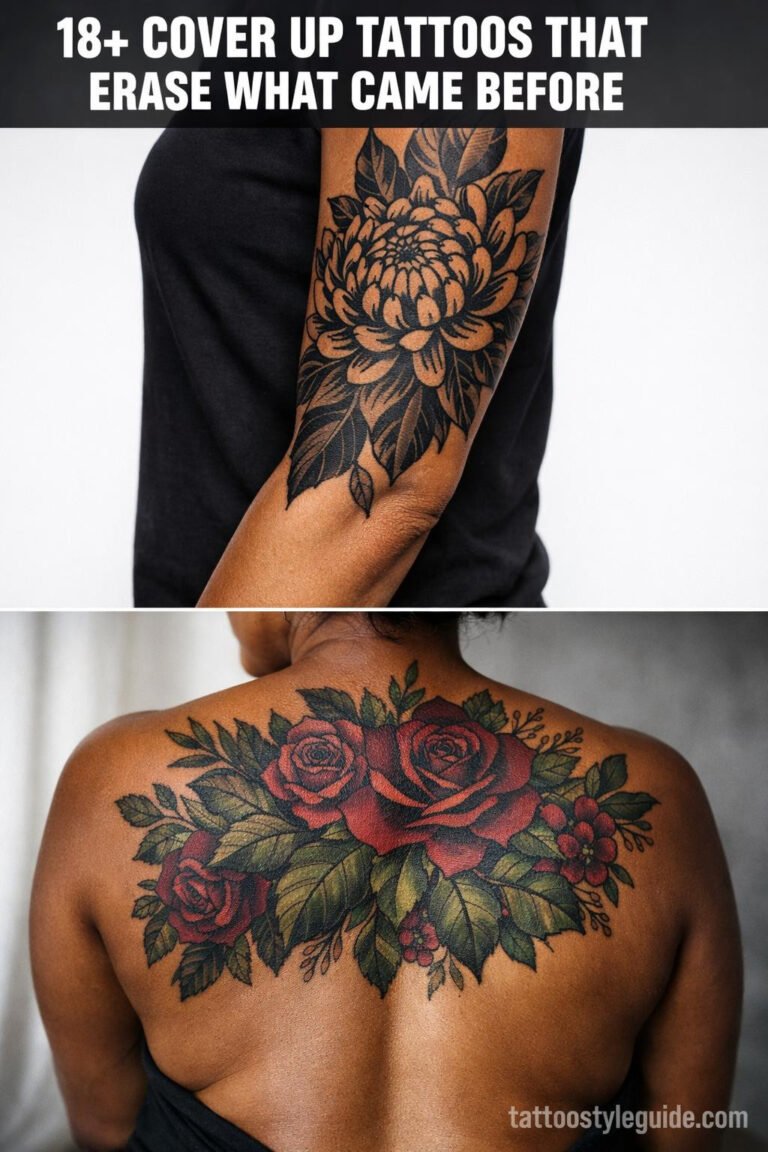
Sometimes the best removal is no removal. I’ve salvaged terrible tattoos with strategic redesigns that the client loves more than their original concept. This path costs less, hurts less, and finishes faster. But it requires compromise, you won’t cover dense black lettering with a delicate watercolor butterfly. The new piece needs to be bigger, darker in spots, and designed specifically to hide what’s beneath.
When to Consider Fading Instead
Partial removal, 3, 5 laser sessions to lighten the existing tattoo, gives cover-up artists way more options. I can work with faded gray much easier than solid black. The combo approach saves money versus full removal and opens design possibilities that straight cover-up can’t touch. Ask your tattoo artist and removal tech to communicate; the best results happen when we’re coordinating.
When Full Removal Makes Sense
Job requirements, complete aesthetic change, or traumatic associations with the original tattoo. I’ve had clients removing ex-partner names, gang-affiliated work, or pieces from bad periods in their lives. The emotional weight matters. If you need that skin neutral again, commit to the process and find a board-certified dermatologist or dedicated removal clinic with multiple laser types.
Methods That Don’t Work (And Can Harm You)
The tattoo industry sees desperate attempts constantly. I need to be direct here:
- Removal creams: No topical cream reaches the dermis where ink lives. At best, they irritate skin. At worst, they cause chemical burns.
- Salabrasion: Rubbing salt until you bleed. This was medieval. It scars horrifically and leaves ink behind.
- DIY dermabrasion: Sanding your own skin leads to infection, scarring, and regret layered on regret.
- Injecting acids or “ink extraction”: Unlicensed practitioners peddle this. I’ve seen the keloids. Don’t.
Your skin is not a whiteboard. Ink sits in the dermis, protected by epidermis that regenerates. Anything that doesn’t specifically target those particles with controlled energy is just damaging skin while the ink stays put.
Finding the Right Removal Specialist
Not all laser techs are equal. In my chair, I send clients to specific people because I’ve seen their results on returning skin. Here’s what to look for:
- Multiple laser wavelengths (Q-switched Nd:YAG, Ruby, Alexandrite, picosecond devices)
- Before/after photos of healed results, not just immediately post-treatment
- Realistic consultation that discusses your specific tattoo, not generic promises
- Clean facility, proper licensing, willingness to refer to dermatology for complications
Red flags: guaranteeing complete removal, pressuring package purchases, no discussion of your skin type risks, operating out of non-medical spaces without oversight. Trust your gut. This is a long relationship; you should feel heard and informed.
Key Takeaways
Laser removal works but demands time, money, and realistic expectations. Budget for 8, 12+ sessions over 1, 2 years, expect $2,500, $5,000+ for significant work, and protect healing skin aggressively from sun. Consider whether fading-plus-cover-up serves your goals better than full removal. Avoid creams, DIY methods, and anyone promising easy erasure. Your best outcome comes from qualified specialists, patience, and honest communication between your removal tech and any tattoo artist doing follow-up work. I’ve watched this process transform people’s relationship with their bodies, for better and occasionally for worse when expectations were off. Go in informed, and you’ll make the right call for your situation.
Frequently Asked Questions
Does tattoo removal leave scars?
Proper laser removal shouldn’t scar, but poor aftercare, inexperienced technicians, or certain skin types can cause textural changes. Keloid-prone skin needs extra caution. Always follow post-session care exactly and discuss your scarring history during consultation.
Can I get a new tattoo over a removed one?
Yes, but wait until the skin is fully healed, usually 6 months after your final removal session. The area may hold ink differently and require an experienced cover-up artist who understands how to work with altered skin texture.
Why is my tattoo turning darker instead of fading after laser?
Some cosmetic inks, white pigment, and certain reds can oxidize and darken before they break down. This is called paradoxical darkening. Your technician should adjust wavelength settings; it usually resolves in subsequent sessions.
Is tattoo removal more painful than getting tattooed?
Most people say it’s a different, sharper pain, more intense but much shorter per session. A removal session might last 5, 20 minutes versus hours for a tattoo. Numbing options help, but everyone’s pain tolerance varies significantly.
Related Tattoo Guides
- How Long Will a Tattoo Peel? A Real Healing Timeline
- Flying With a Fresh Tattoo: What You Need to Know
- Where Would a Tattoo Hurt the Least?
- Explore more