Swimming too soon after a tattoo is a bad trade: water exposure, bacteria, friction, and sun can all irritate healing skin.
Quick answer: Do not swim with a fresh tattoo. Wait until it is fully healed and your artist clears you. Pools, oceans, lakes, hot tubs, and long baths all raise avoidable healing risk.
Can You Swim After A Tattoo basics
Aftercare advice should stay conservative. Your artist knows the exact wrap and product plan they used, and a clinician is the right person for infection or allergy concerns.
| Direction | Best use | Watch out for |
|---|---|---|
| Pool | Chlorine and shared water | Wait until healed |
| Ocean | Salt, sand, bacteria | Avoid during healing |
| Lake | Higher contamination risk | Avoid |
| Hot tub | Heat and shared water | High risk |
| Shower | Necessary cleaning | Keep brief and gentle |
How to make it work on real skin
Two weeks of dry time beats two months of fixing a blown-out, infected tattoo.
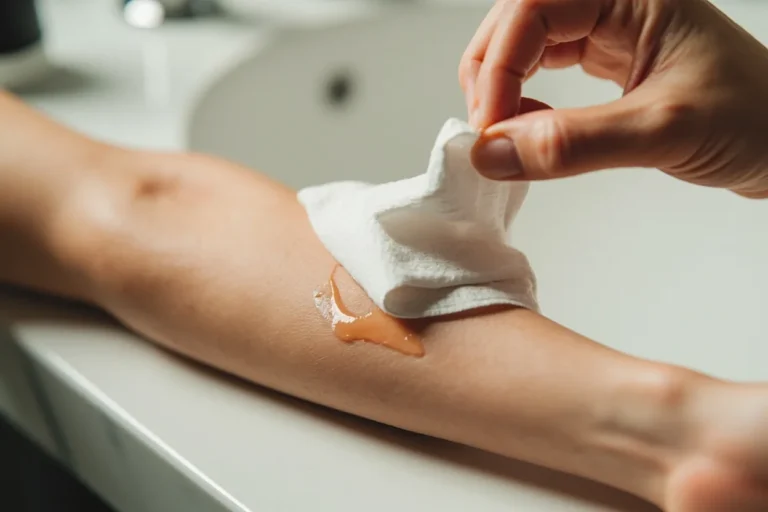
A tattoo is a controlled wound. Treating it like waterproof art in week one is how people create problems.
If a trip is already booked, schedule the tattoo after the trip rather than trying to protect it with plastic.
Can You Swim After a Tattoo?: safety and timing notes
Healing advice should stay conservative. Follow your artist’s instructions for the tattoo they made, and use a medical professional for infection, allergy, pregnancy, medication, or immune-system concerns.
The goal is not to make the tattoo look perfect tomorrow. The goal is clean healing, low irritation, and fewer avoidable complications.
- Ask your artist for the wait time on your exact tattoo.
- Avoid soaking while healing.
- Keep it out of sun.
- Reschedule around vacations.
Mistakes to avoid
Do not trust waterproof bandage hacks for swimming.
Do not get tattooed right before a beach week.
Safety source note: This guide keeps medical and skin-safety advice conservative and links to public-health or dermatology sources where the topic needs it.
Safety, timing, and what to do next
Treat can you swim after a tattoo as a practical healing question first, not as a style debate. A fresh tattoo is healing skin, so the safest advice is usually boring: keep it clean, avoid friction, avoid soaking, avoid sun, and ask for help when symptoms move in the wrong direction.
The hard part is knowing when normal healing has crossed into a problem. Mild soreness, light flaking, and a little tightness can happen. Spreading redness, heat, pus, fever, red streaking, worsening pain, or symptoms that keep escalating are different. That is when a professional opinion matters more than a forum answer.
Editorial safety note: Tattoo Style Guide is not a medical provider. This page is written to help readers ask better questions and avoid obvious aftercare mistakes. For infection, allergic reaction, pregnancy, blood thinners, immune concerns, or medication questions, use a licensed health professional.
Normal vs. not-normal checkpoints
| Reference to compare | What to inspect | Decision rule |
|---|---|---|
| Pool | Chlorine and shared water | Wait until healed |
| Ocean | Salt, sand, bacteria | Avoid during healing |
| Lake | Higher contamination risk | Avoid |
| Hot tub | Heat and shared water | High risk |
| Shower | Necessary cleaning | Keep brief and gentle |
If you contact a doctor or clinic, useful details include the tattoo date, placement, size, ink colors, what wrap was used, what products touched the tattoo, and whether symptoms are spreading or staying local. If the studio can provide ink brand, color, or lot information, keep that too.
What people usually get wrong
The common mistake is adding more variables when the tattoo looks irritated: extra lotion, random ointment, alcohol, peroxide, over-washing, tight clothing, or covering the area again without guidance. More intervention can make it harder to know what caused the reaction.
A second mistake is treating every healing issue like a tattoo quality issue. Sometimes the artist did good work and the skin still needs medical attention. Separate the two decisions: protect your health first, then talk about touch-ups after the tattoo has settled.
Reader questions before you book
Should I ask my tattoo artist or a doctor first?
Ask the artist for normal aftercare and wrap questions. Ask a health professional about infection signs, allergic reactions, fever, spreading redness, severe swelling, or symptoms that are getting worse.
Can a fresh tattoo look bad and still be healing normally?
Yes. Peeling, dullness, light scabbing, and uneven shine can happen while the surface heals. The concern is worsening pain, heat, pus, spreading redness, or symptoms that do not calm down.
Should I put more lotion on it if it feels dry?
Only use the product and amount your artist recommended. A thin layer is usually safer than smothering the tattoo, and too much moisture can create its own problems.
When should I stop waiting?
Do not wait on fever, red streaks, pus, severe swelling, worsening pain, or a reaction that keeps spreading. Those are health questions, not patience tests.