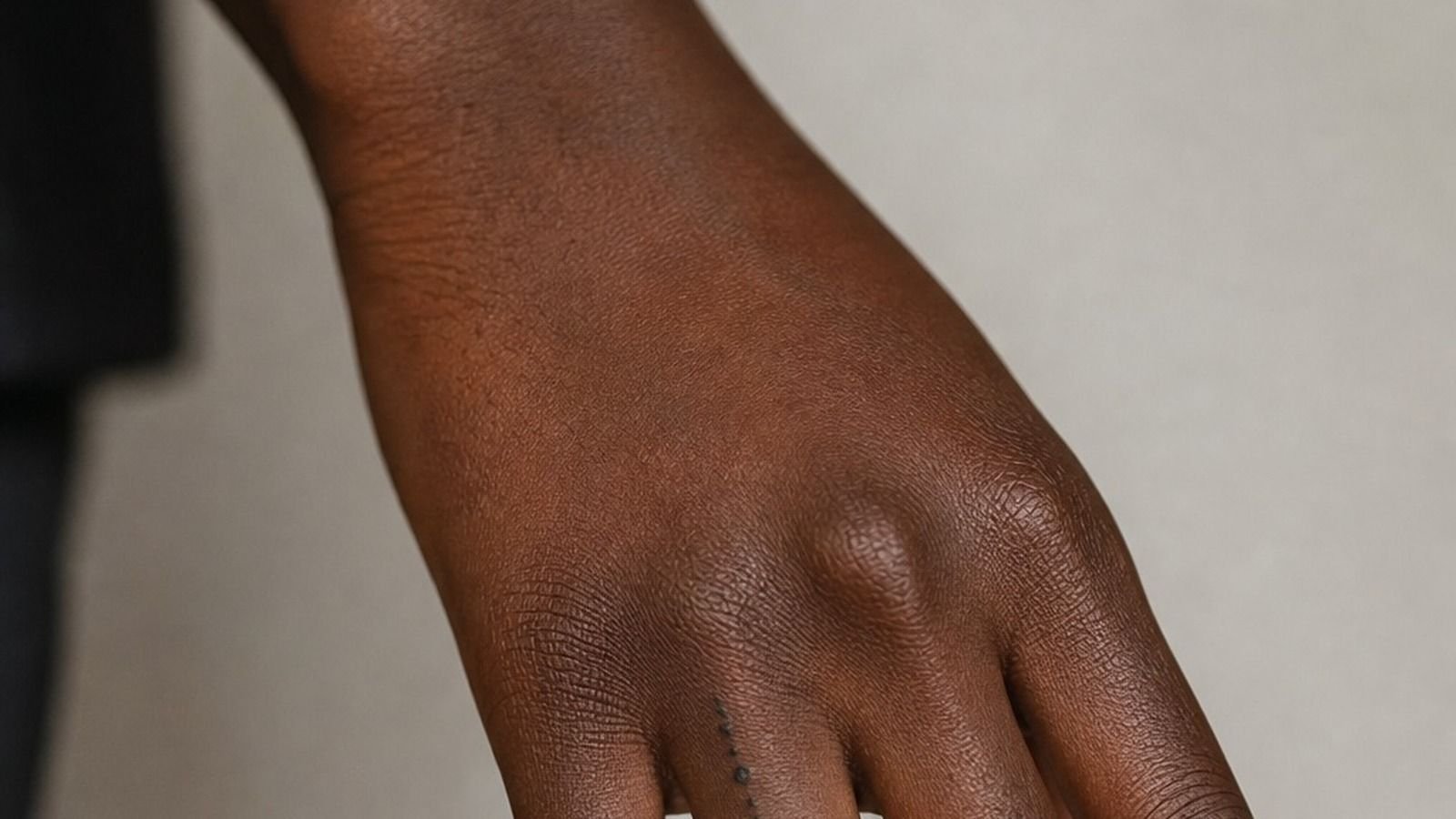
Tiny tattoo placement ideas work when you give the design enough skin, contrast, and room to move. I’ve watched people fall for a two-inch Pinterest reference, then try to cram it onto a finger. Don’t. Tiny ink can stay soft, refined, and readable, but placement does most of the heavy lifting.
- Start With Hidden Tiny Tattoo Placements
- Pick Mini Ink Behind Your Ear
- Place Little Symbols Along Your Wrist
- Keep Fine Line Ink Near Your Collarbone
- Plan Tiny Floral Tattoos On Your Ankle
- Choose Small Lettering Inside Your Finger
- Test Mini Designs Above Your Elbow
- Match Tiny Tattoos Across Your Wrists
- Reserve Small Ink For Your Ribcage
- Balance Fine Line Tattoos On Your Fingers
- Hide Meaningful Mini Ink At Your Hip
- Compare Tiny Tattoo Pain By Placement
- Protect Small Tattoos Through Proper Healing
1Start With Hidden Tiny Tattoo Placements
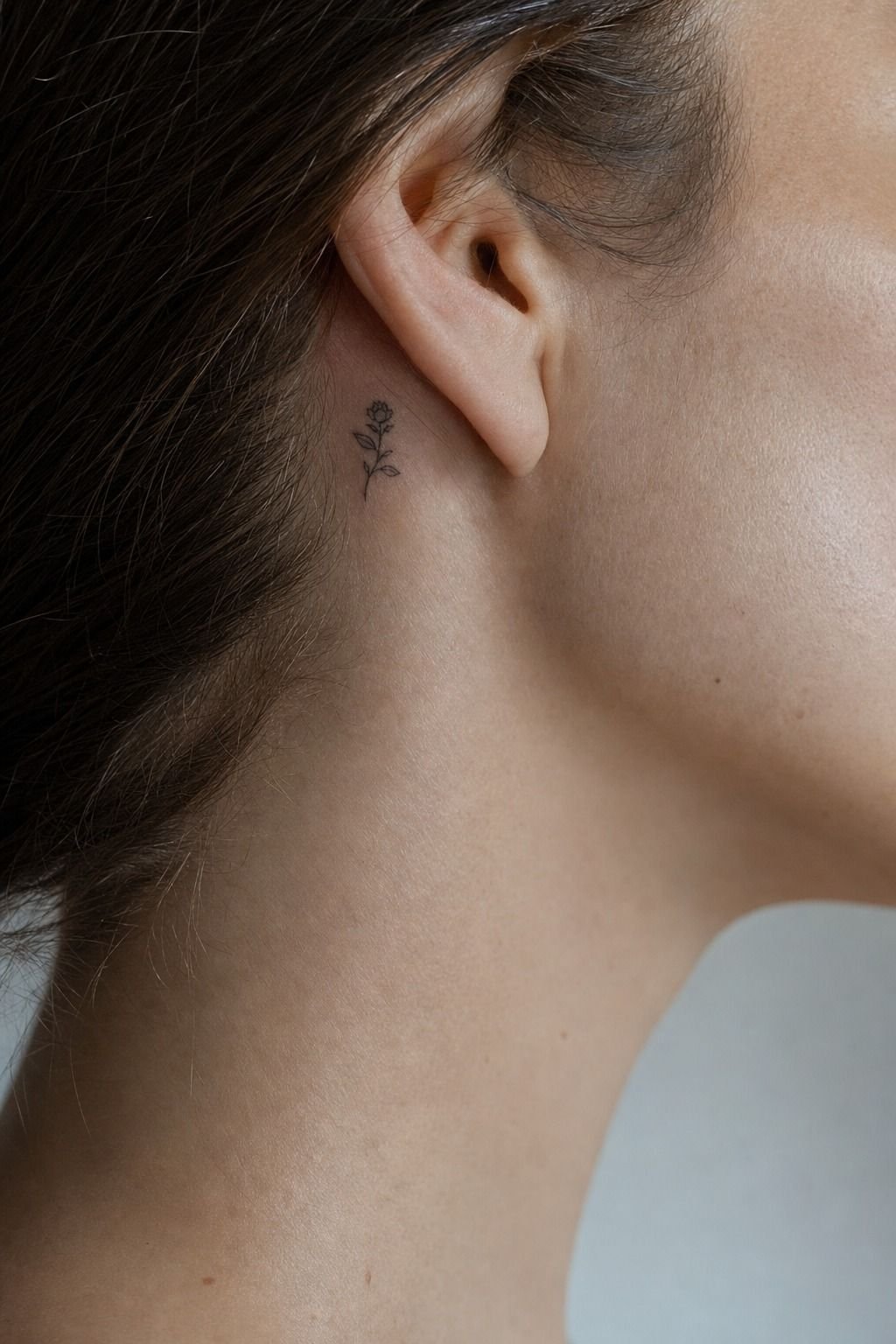
Start with a hidden spot if you’re still figuring out how visible you want your tattoo life to be. Behind the ear, high hip, inner upper arm, and ribs let you wear something intimate without needing to explain it at work, family dinner, or a first date.
For a first piece, I’d have you trace the area with a Sharpie Fine Point before your appointment. Live with that placement for a week.
Turn your head, put your hair up, wear headphones. You’ll learn fast whether it feels subtle or annoyingly exposed.
Hidden doesn’t mean tiny beyond reason. Give a fine-line symbol at least 1 to 1.5 inches so your artist can pull crispy lines with breathing room. Smaller than that can heal into soup, especially if you pack in dates, stars, and microscopic leaves.
2Pick Mini Ink Behind Your Ear
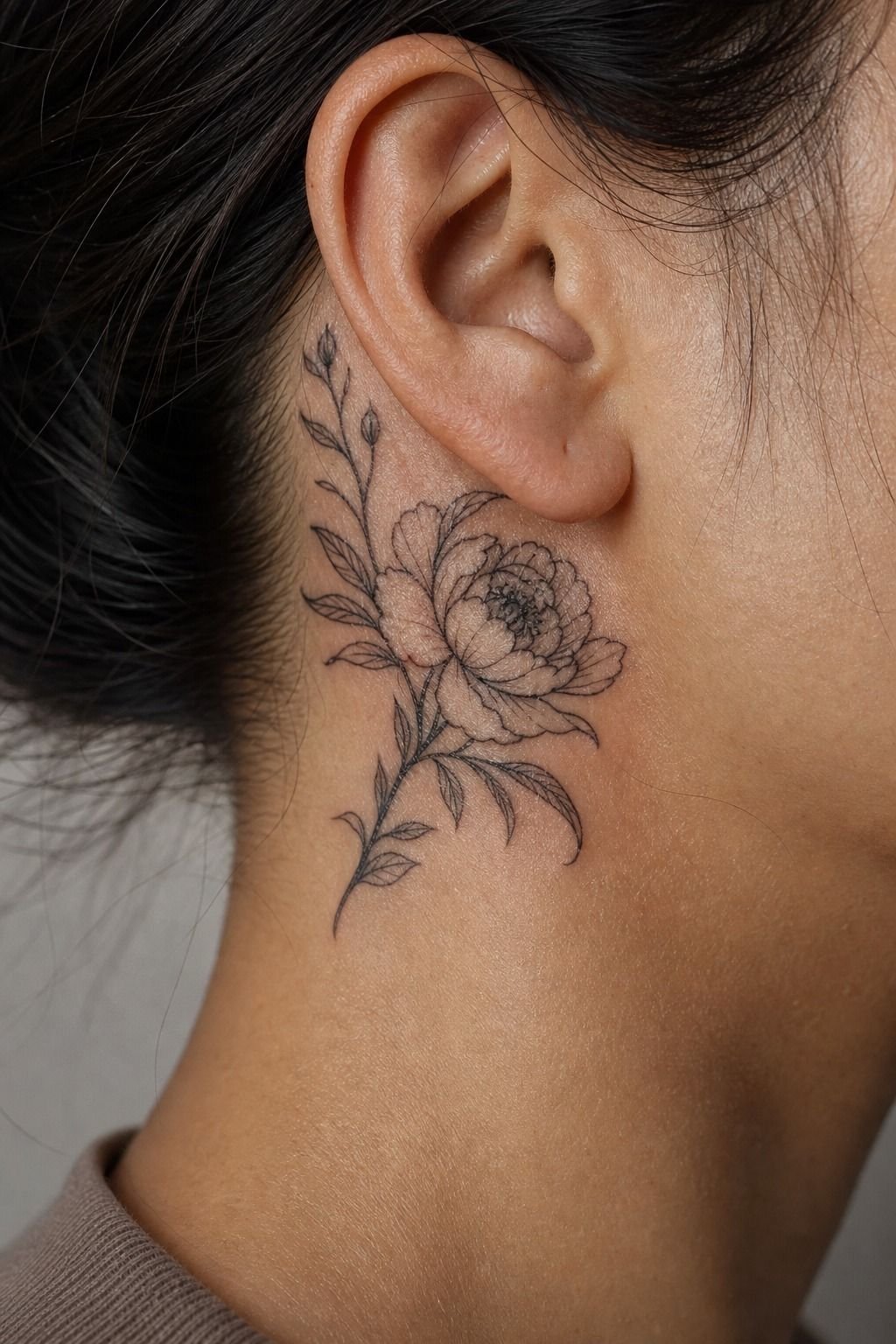
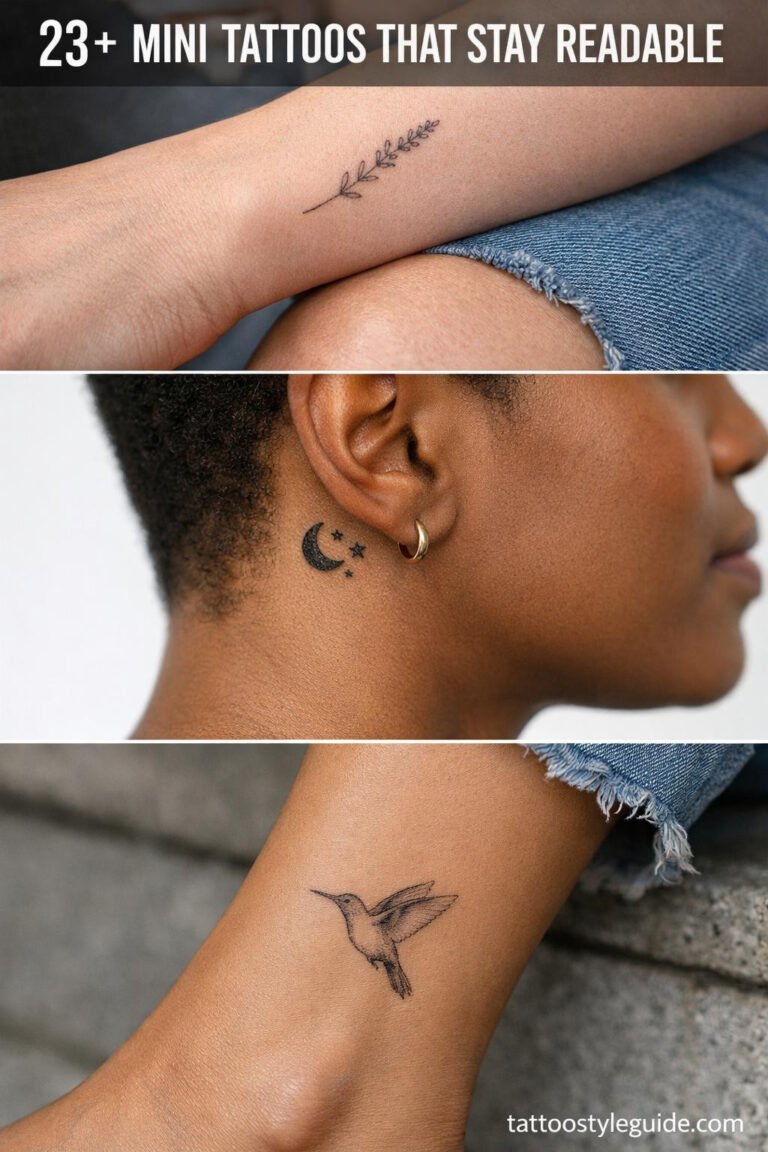
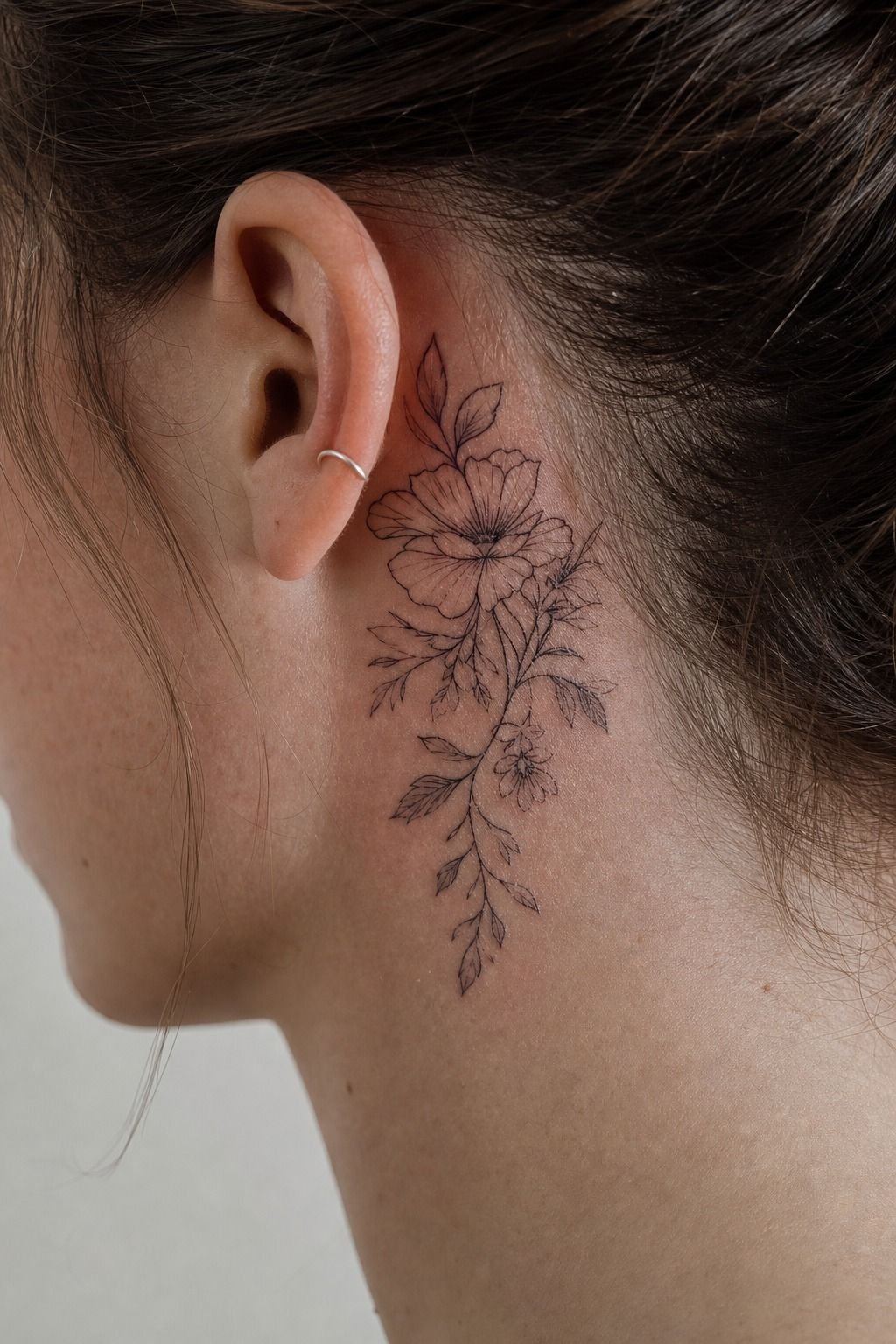
Pick behind-the-ear mini ink when you want a small tattoo placement that still gets a little spotlight. The area looks clean in a three-quarter view, especially with a simple moon, tiny branch, single letter, or a blackwork dot cluster.
Your artist should follow the curve where the ear meets the skull, not stamp a flat design onto the skin. That little bend matters. A narrow single-needle liner can make the piece feel elegant, but I’d skip ultra-faint grey wash here because hair products and sun exposure can make it disappear faster.
Keep your design around 1 to 2 inches tall. You want it to read when your hair is tucked back, not vanish into the natural shadow behind your ear.
And yes, it’s a spicy little area. Take breaks if you need them!
If you’re mapping a few options, use this tattoo placement chart before you commit.
3Place Little Symbols Along Your Wrist
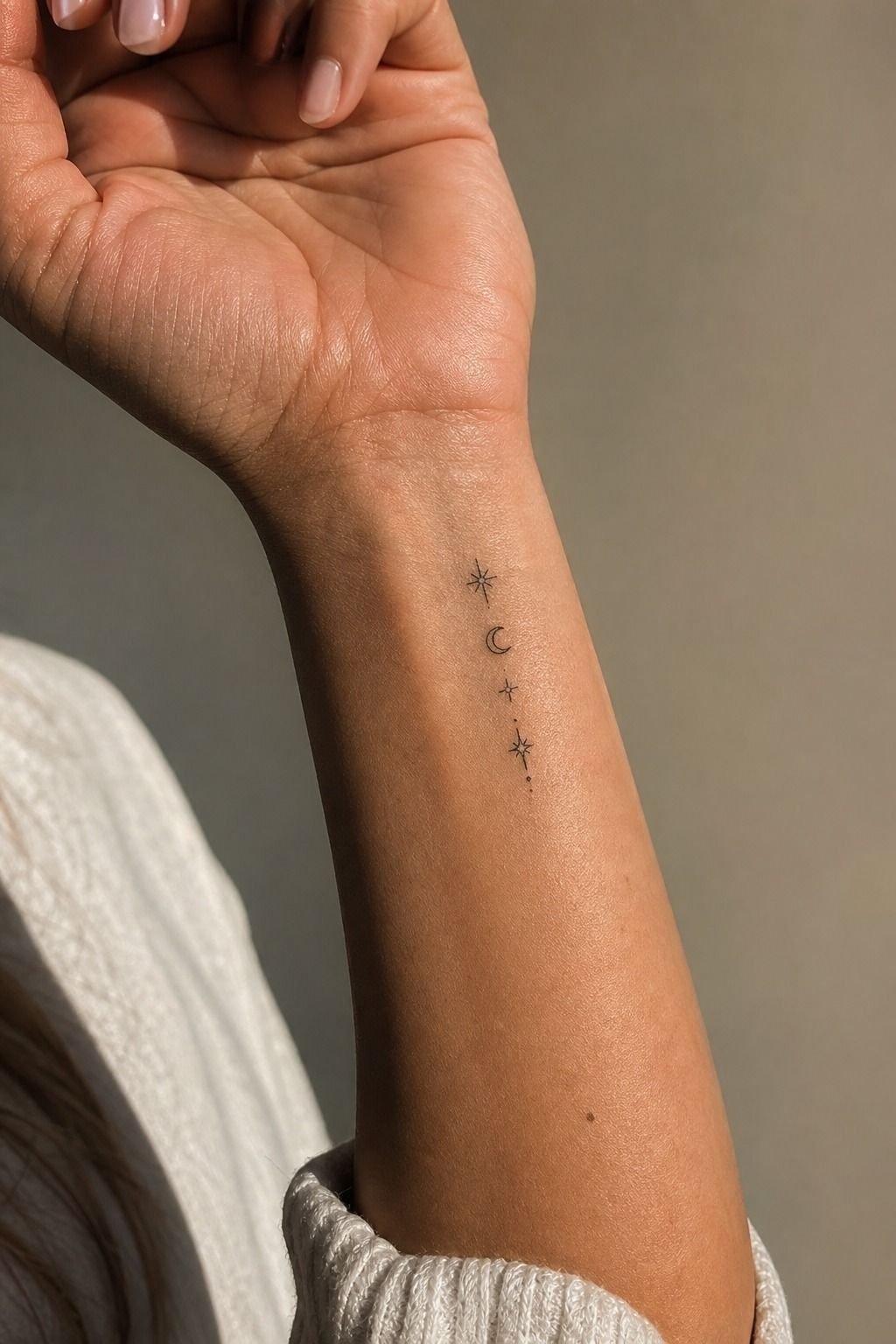
Place little symbols along your wrist only after you decide whether you want the tattoo facing you or facing outward. It sounds fussy.
It isn’t. A symbol facing you feels personal, while one facing outward reads better to everyone else.
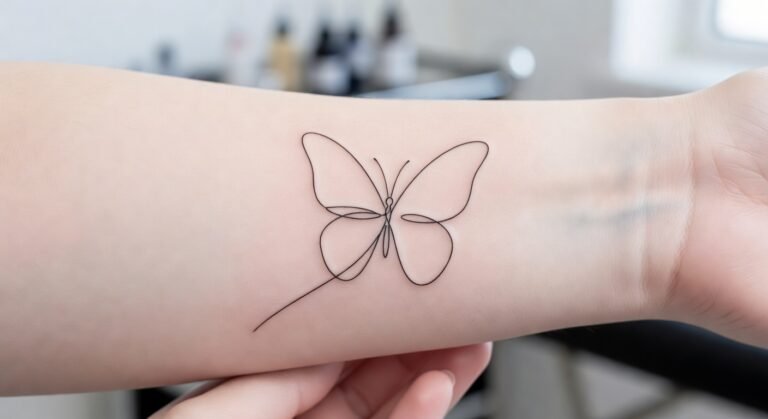
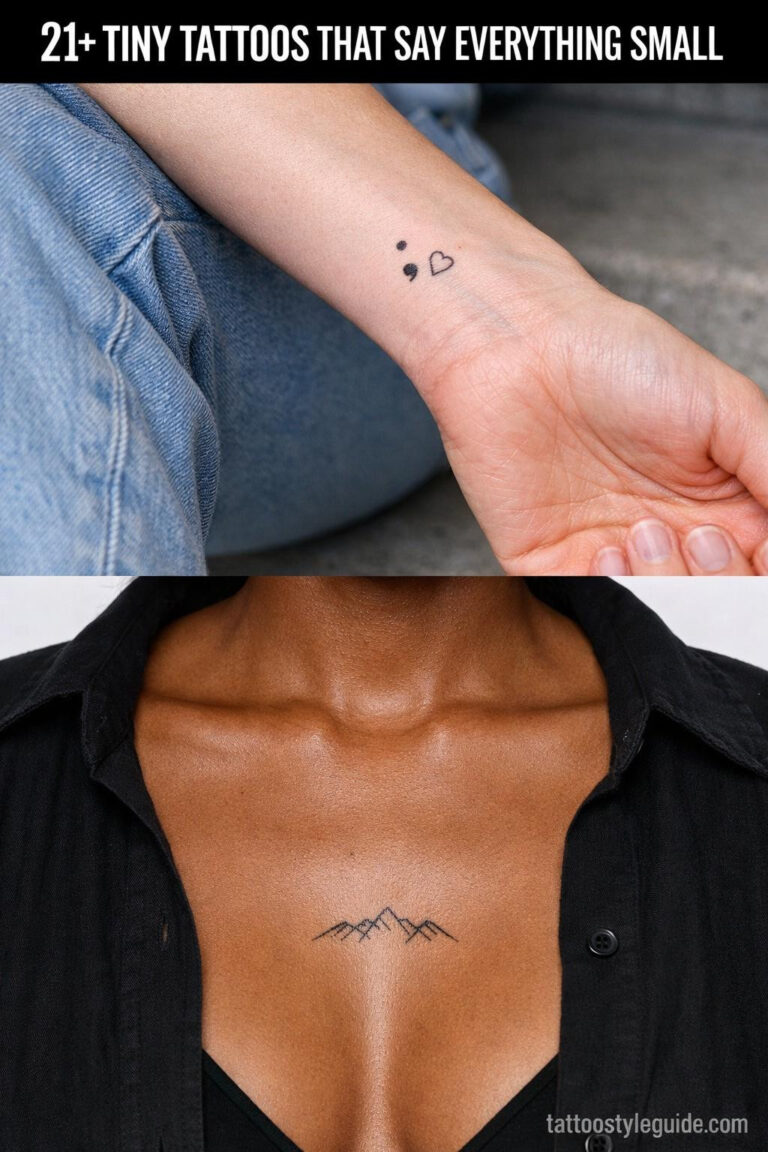
I like a single black ink crescent, a clean heart outline, or two tiny stars set slightly above the wrist crease. Don’t place fine details directly in the fold where your hand bends. That spot gets rubbed, washed, flexed, and chewed up by watches.
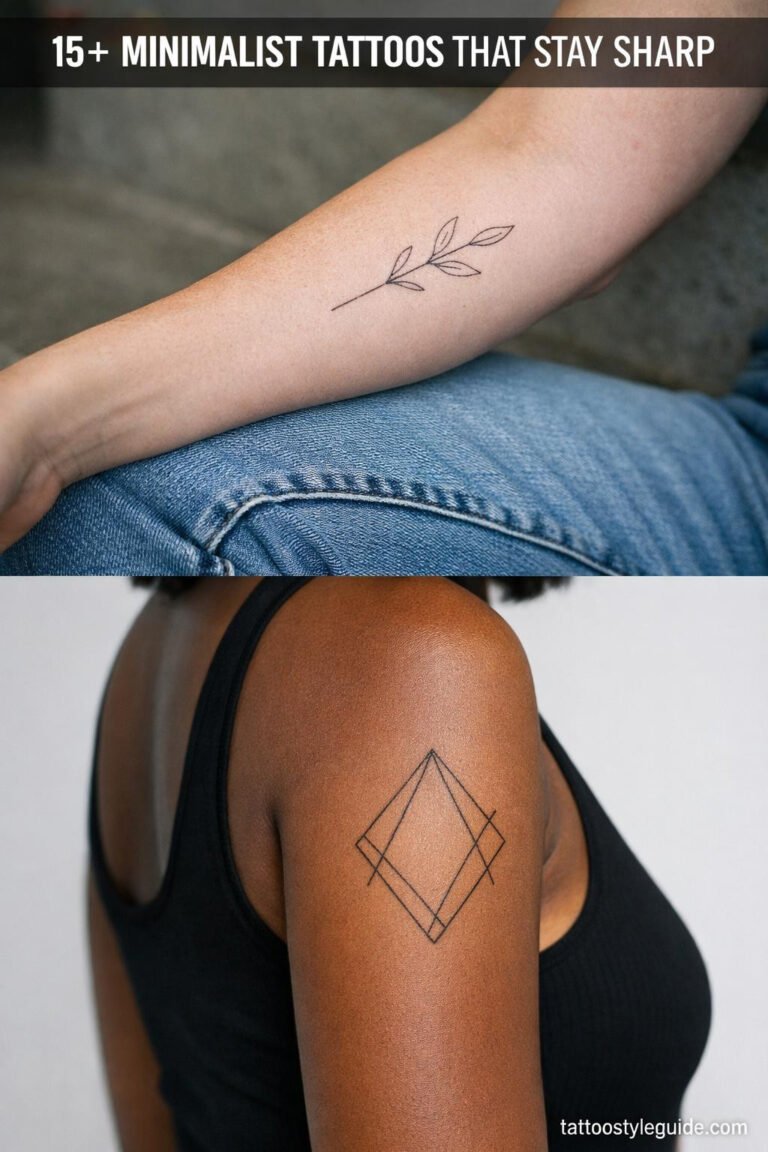
The Two-Inch Breath Rule is simple: leave enough open skin around the image that it doesn’t look like it landed there by accident. If you want lettering or a mini floral stem, bump it up the forearm. That size on a wrist is gonna mush out, but higher placement lets it breathe and age nicer.
Your wrist tattoo placement guide can help you compare facing, scale, and flow.
4Keep Fine Line Ink Near Your Collarbone
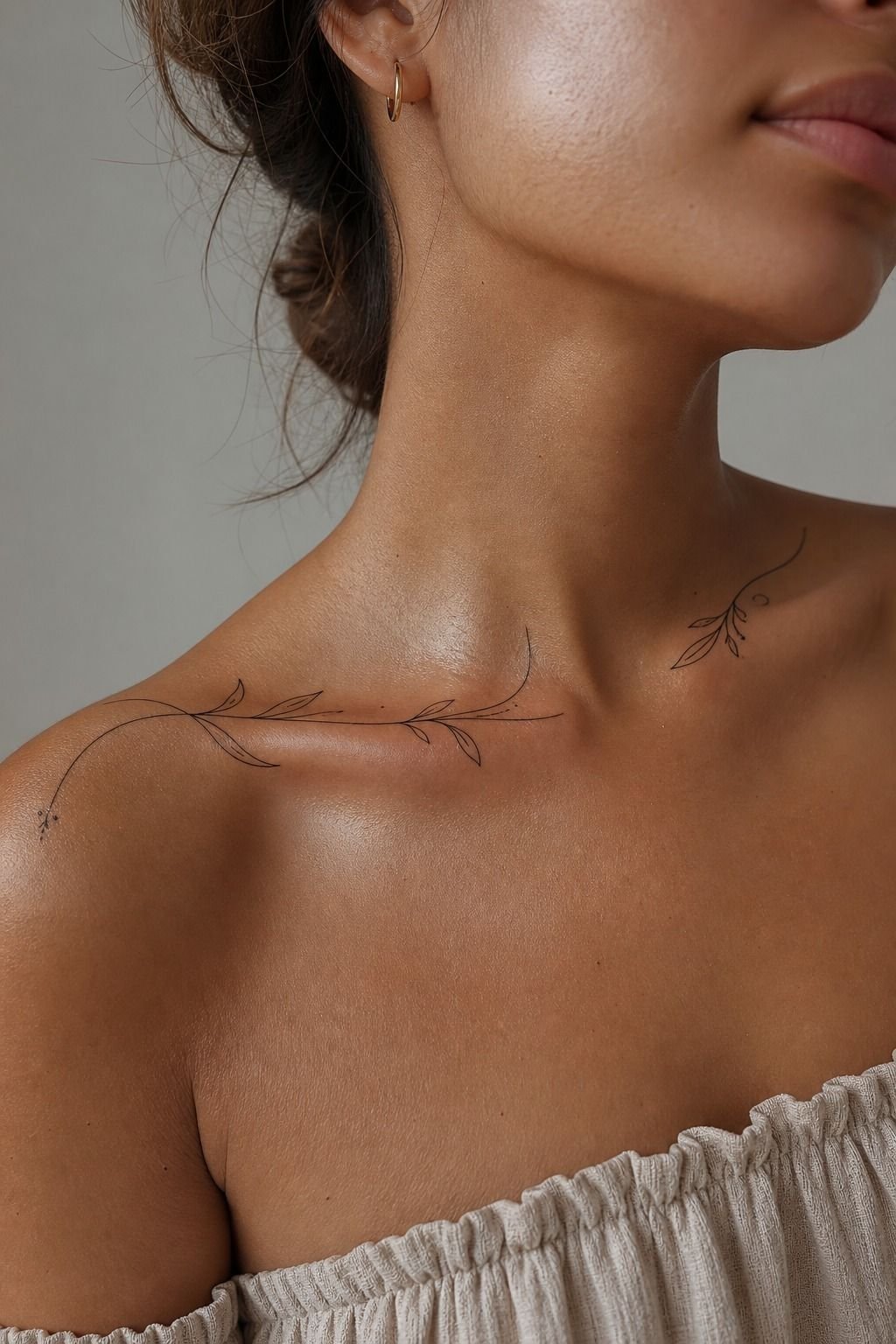
Keep fine line ink near your collarbone if you want a placement that follows your anatomy instead of fighting it.
5Plan Tiny Floral Tattoos On Your Ankle
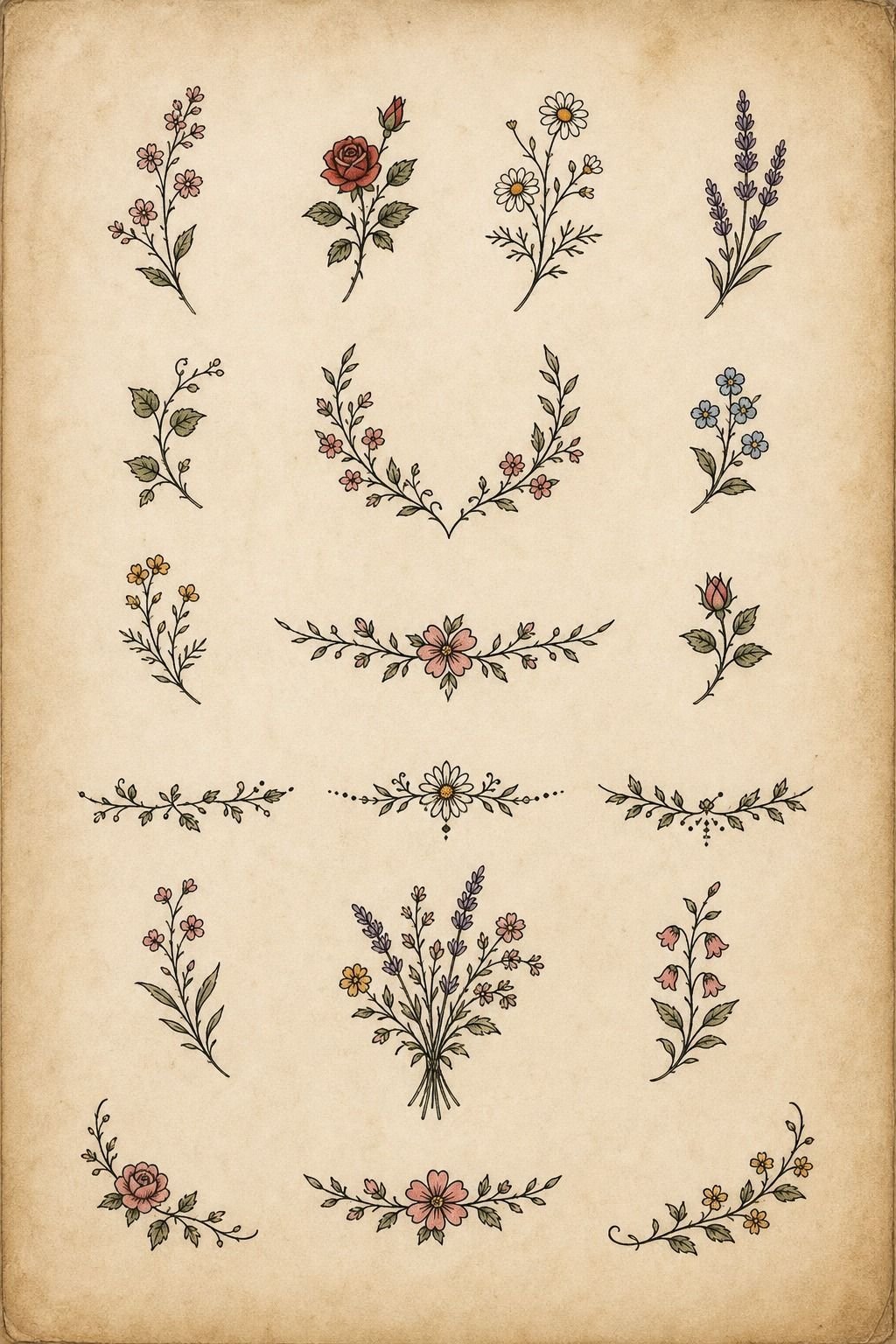
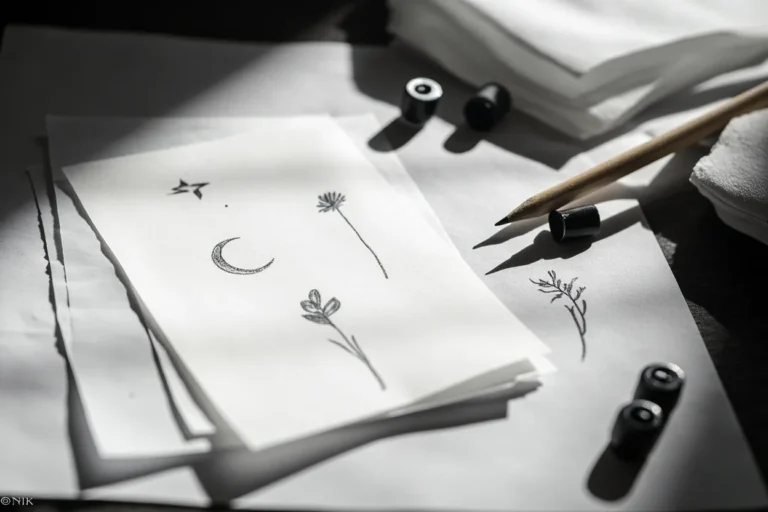
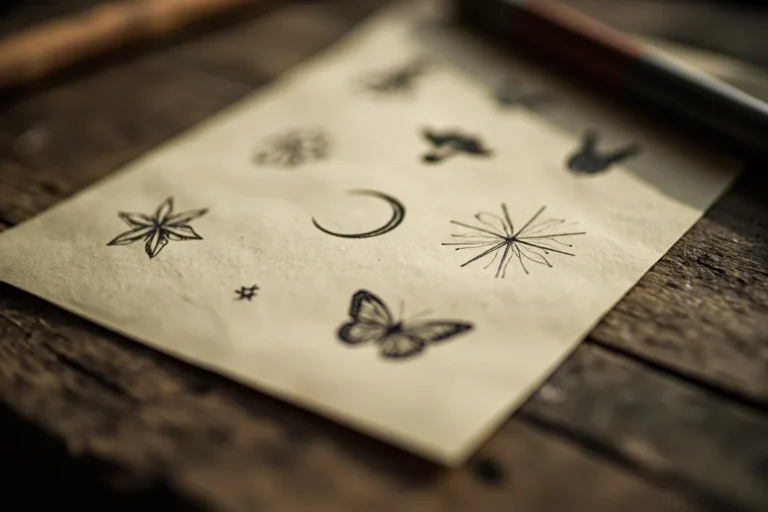
Plan ankle florals from a flash sheet first, even if you want a custom result. A page of hand-drawn designs lets you compare stem thickness, leaf spacing, and how much detail each flower can carry before your skin turns it into blur.
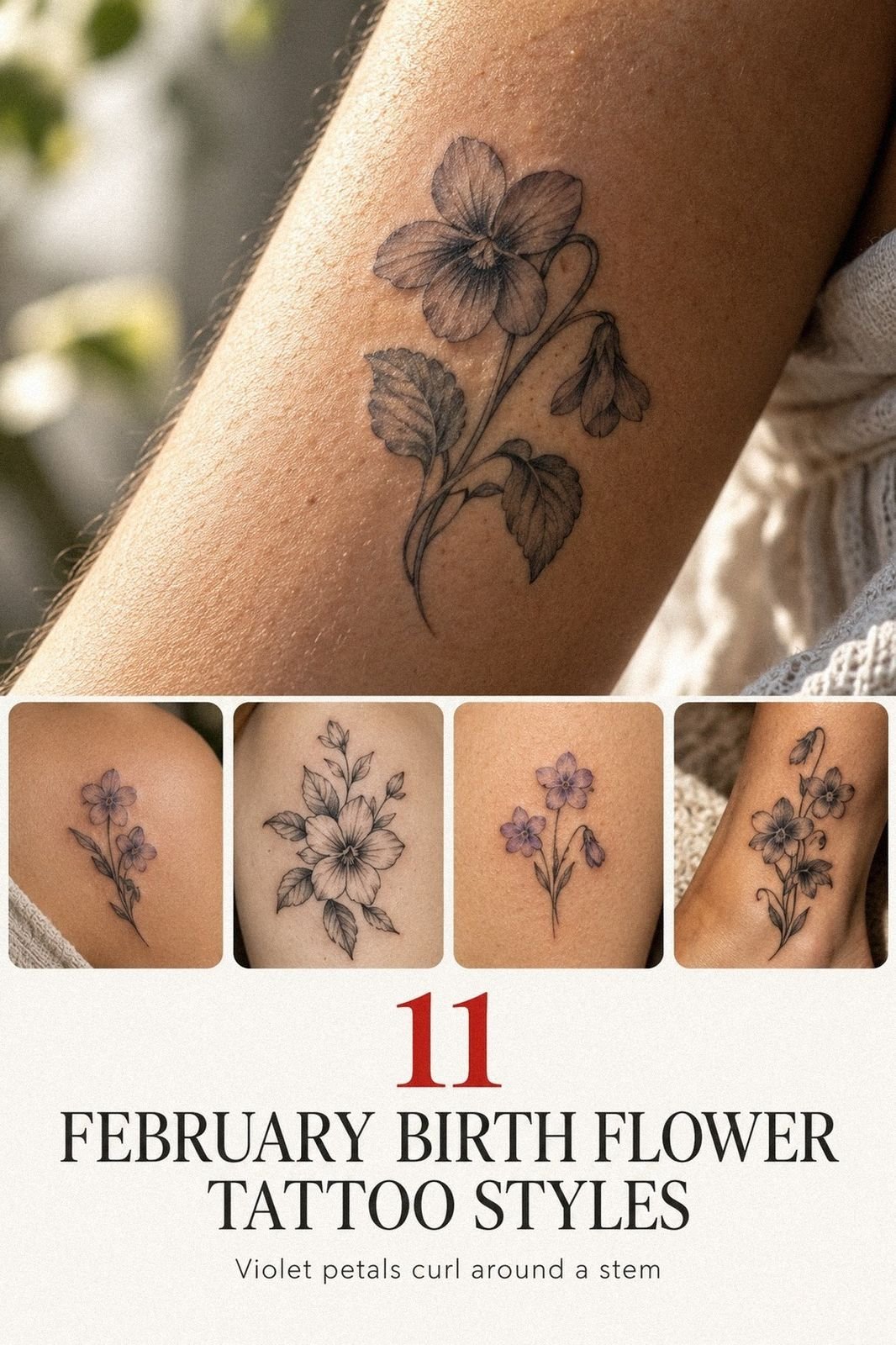
I’d choose a simple birth flower flash design with one blossom, a few leaves, and a stem that curves with the ankle bone. Skip the full bouquet at micro scale. It’s charming on paper, then it heals crowded after months of socks, shoes, and daily movement.
Your artist can use a 3RL needle grouping for crisp outlines, but they shouldn’t chase every vein in every leaf. One clean pull, not ten fuzzy ones. The ankle is also a high-friction spot, so leave a little room above the shoe line when you can.
Want more options before choosing a flower? Browse these tattoo ideas by placement and save designs for vibe, not exact copying.
6Choose Small Lettering Inside Your Finger
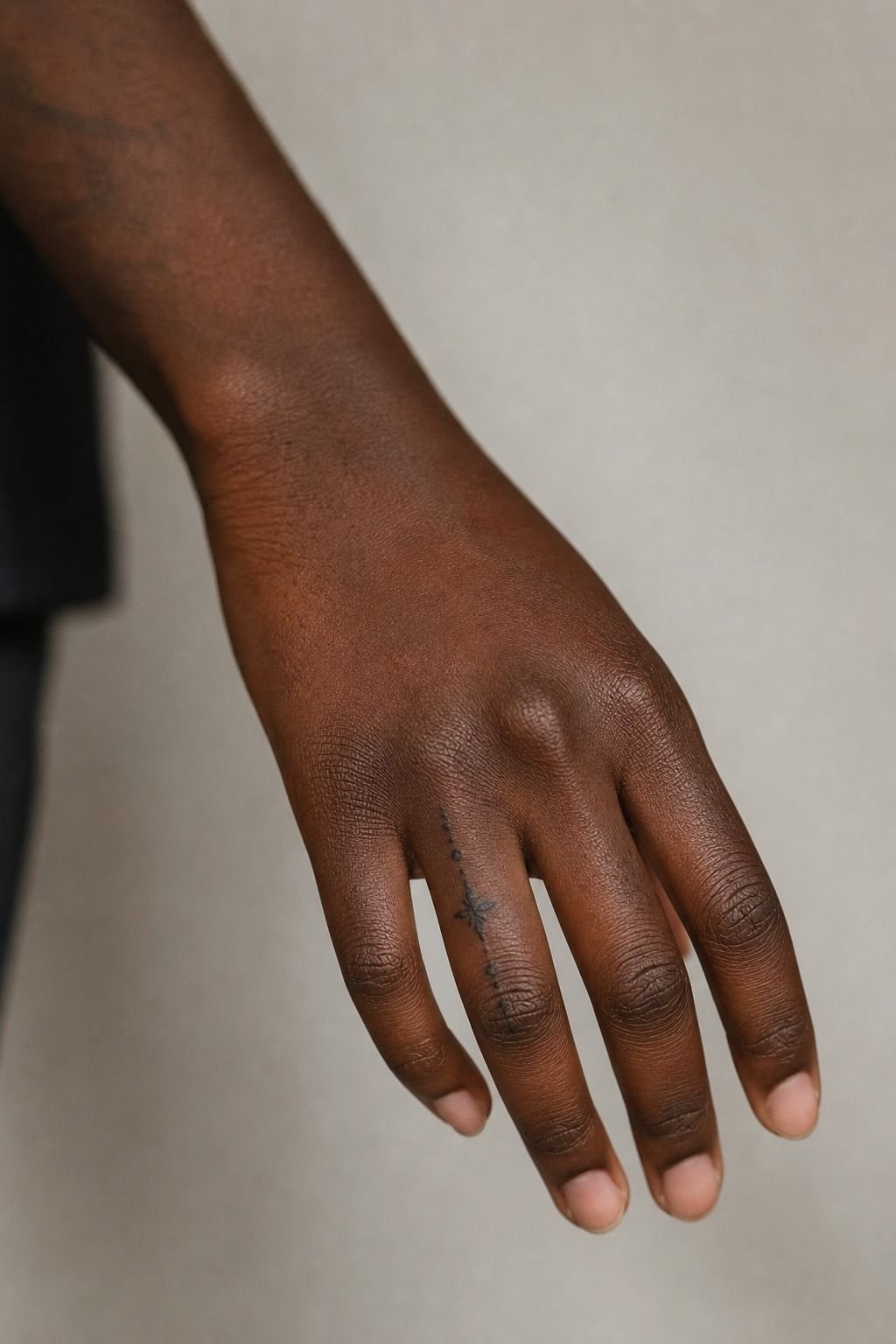
Choose inside-finger lettering only if you’re fine with touch-ups.
7Test Mini Designs Above Your Elbow
Test mini designs above your elbow when you want a discreet tattoo that doesn’t take the same beating as the joint itself. Move your idea one or two inches above the crease, where the skin is smoother and the lines have more chance to stay clean.
This is where I like a tiny fine-line lightning bolt, small match, abstract sparkle, or slim botanical mark. You can see it when your arm bends, but it won’t get distorted every time you lean on a table.
Smart placement. Simple.
But don’t use the elbow point for intricate linework just because it looks edgy in a photo. That skin folds hard and wears hard. A clean 1.5-inch design above the joint will age cute on you; a tiny detailed mandala on the point can heal patchy.
Before you book, compare this area with the body maps in 18 tattoo placement ideas that work with your body.
8Match Tiny Tattoos Across Your Wrists
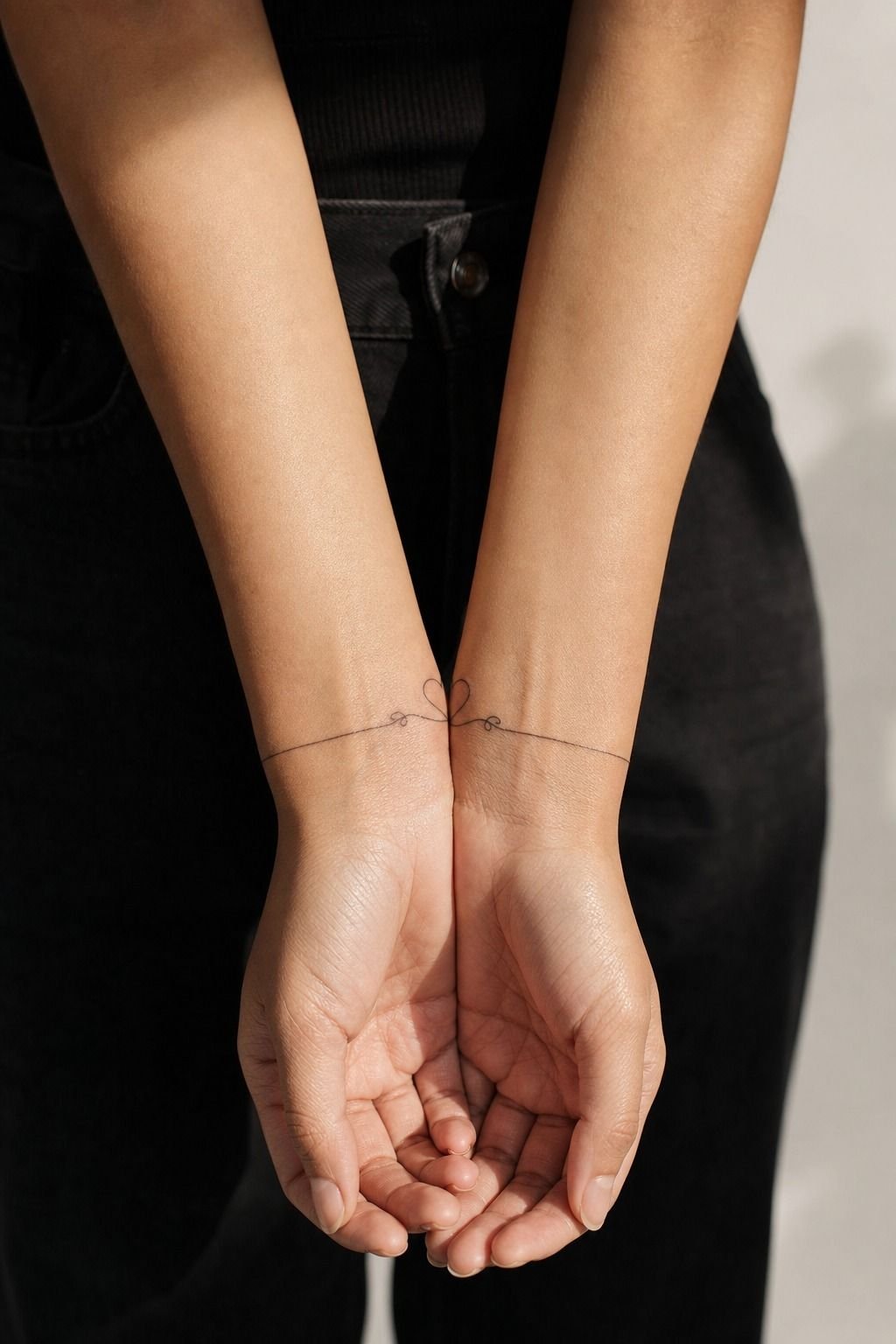
Match tiny tattoos across your wrists by matching the visual weight, not necessarily the exact drawing.
9Reserve Small Ink For Your Ribcage
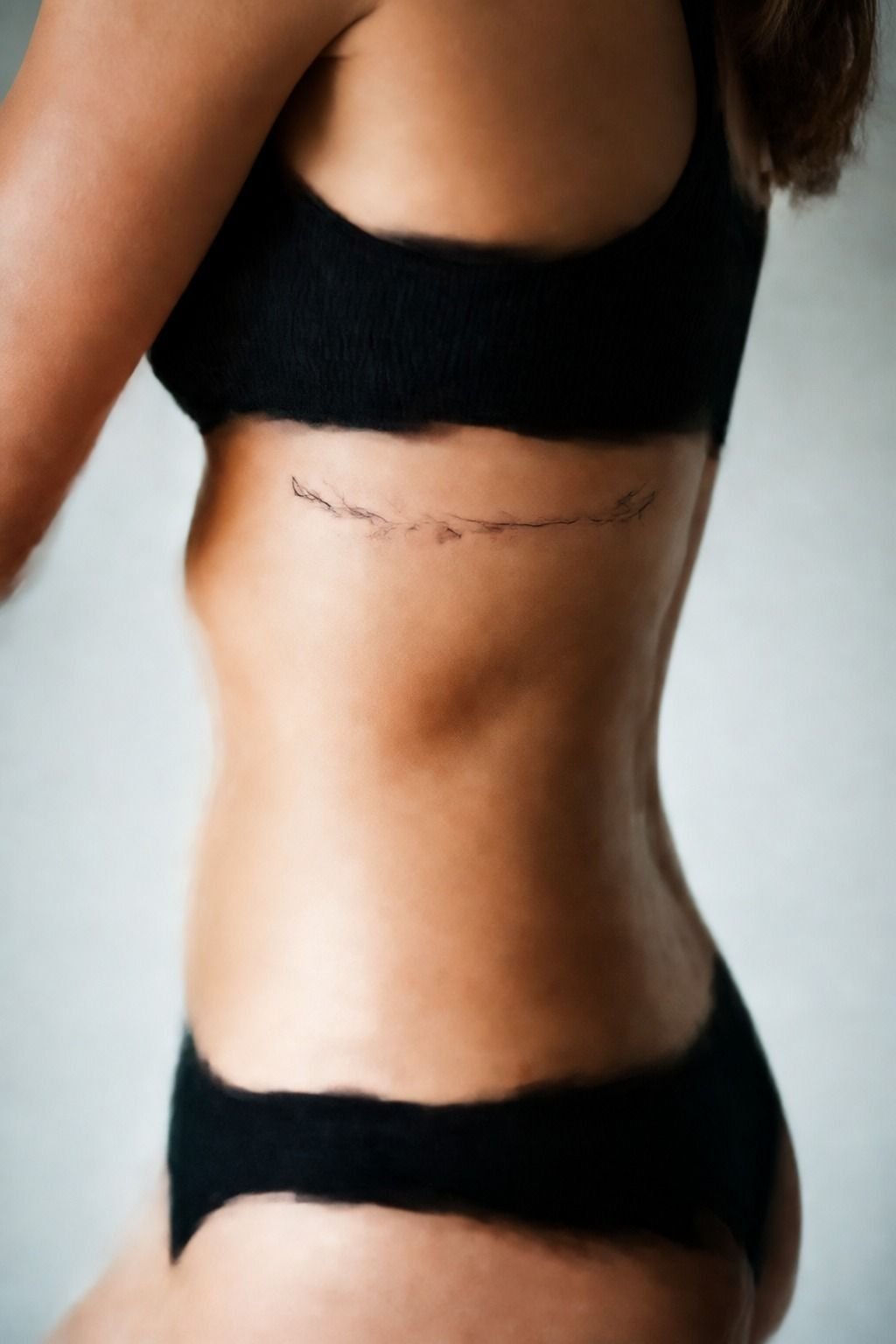
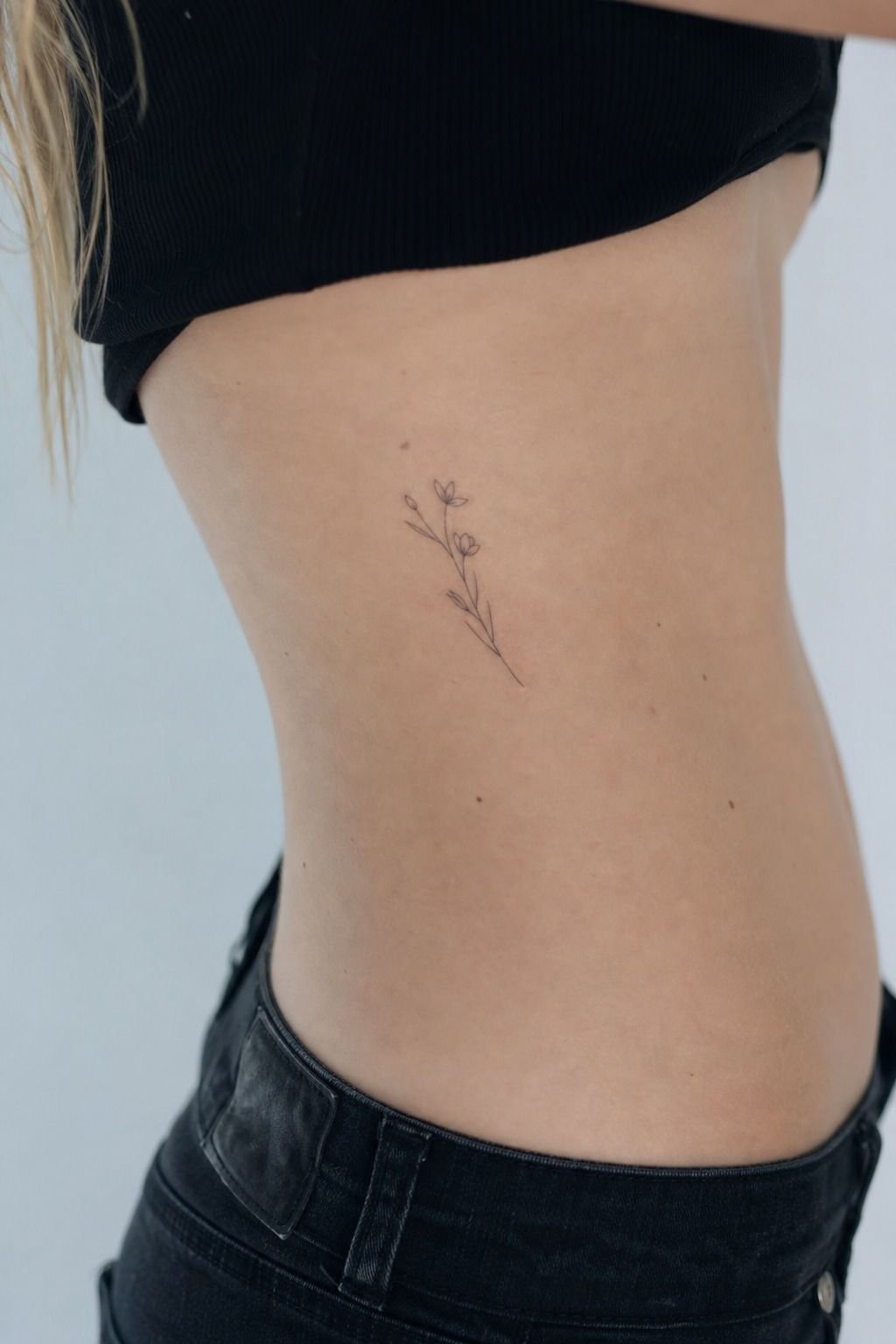
Reserve ribcage ink for something you really want close to your body. It’s private, intimate, and gorgeous when the design follows the ribs instead of sitting like a sticker in the middle of your side.
A 2-to-3-inch single-stem wildflower or short line of lettering works better than a busy collage. Have your artist stencil it while you breathe normally. Your ribcage expands, contracts, twists, and changes the design’s angle more than you’d think.
Real talk: ribs are spicy. You can handle it, but eat first, hydrate, and tap out for five rather than pass out on me. Tiny does not always mean painless, especially when every line lands over bone.
The good news is this area is fairly low-wear. Keep it out of pool water during the first few weeks, wear loose fabric, and it can heal soft and velvety instead of irritated by a tight waistband.
10Balance Fine Line Tattoos On Your Fingers
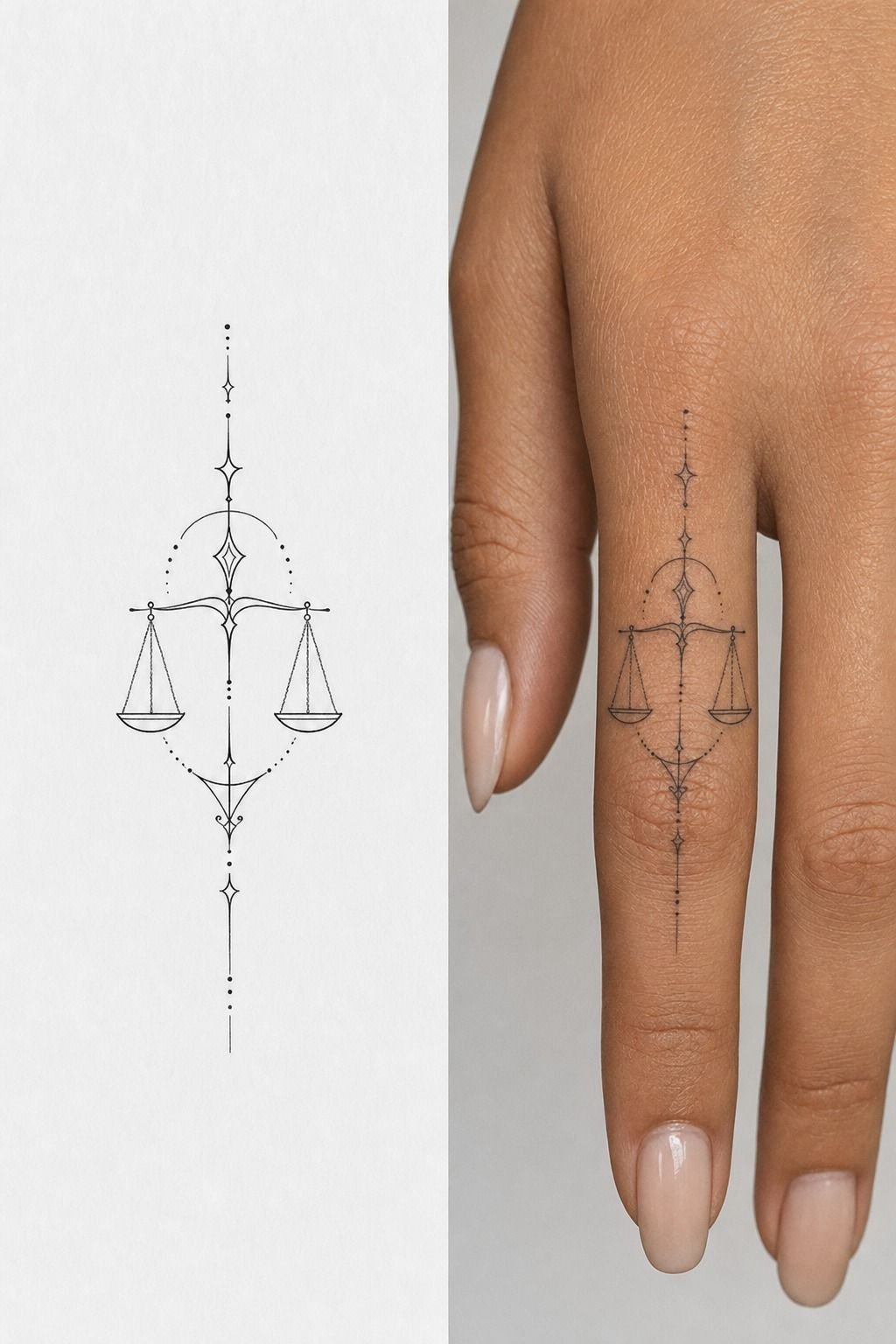
Balance finger tattoos by choosing a design that still looks good after the inevitable fading.
11Hide Meaningful Mini Ink At Your Hip
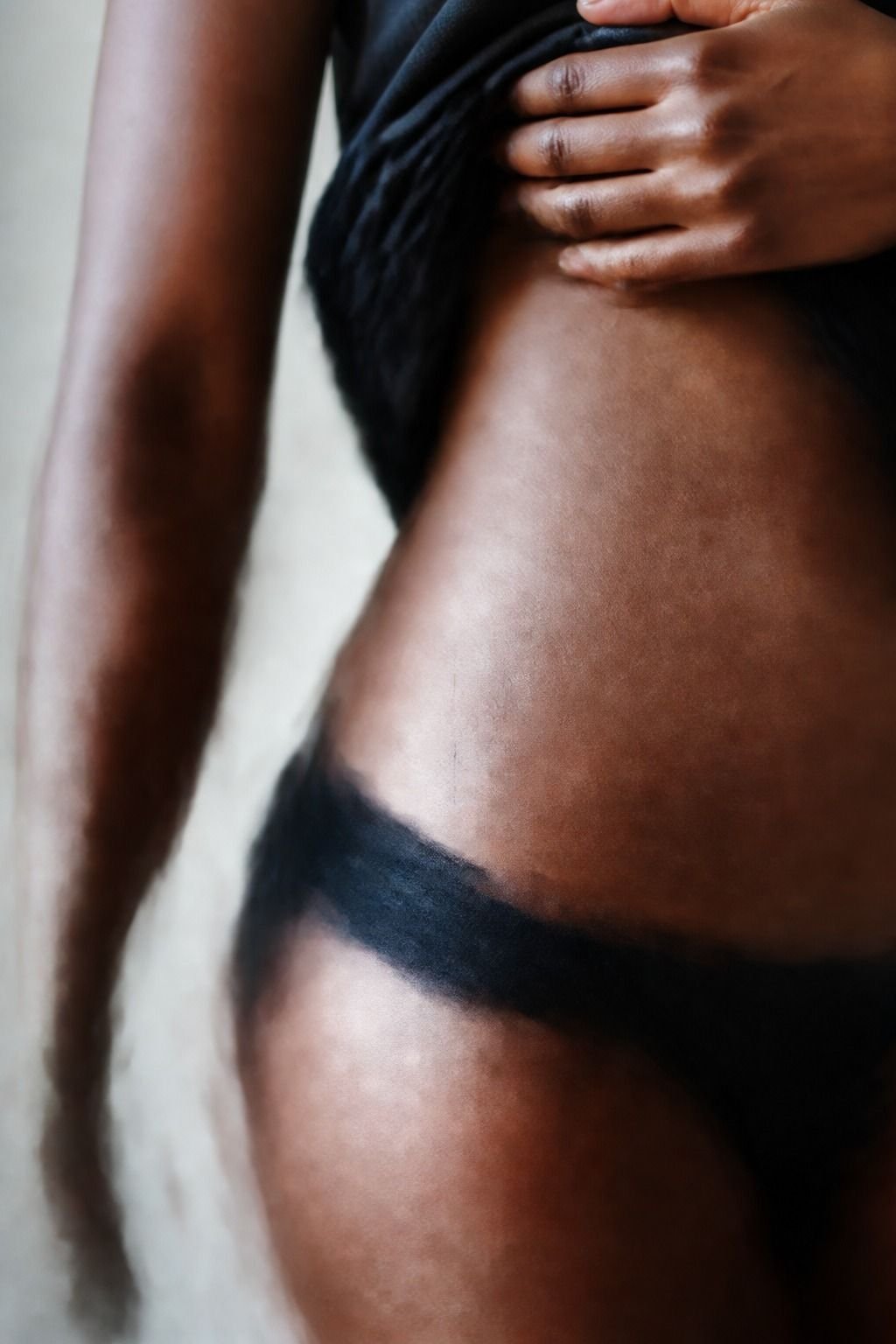
Hide meaningful mini ink at your hip when the story belongs to you first. A date, tiny flower, constellation, or soft symbol can sit above the underwear line and stay private unless you choose otherwise.
I like this placement for a 1.5-to-2.5-inch fine-line botanical tattoo because the skin gives your artist a broad, smooth canvas. That extra room means you can use soft grey wash, a few negative-space petals, and enough black contrast to keep the shape readable.
Place it after checking your usual waistband. Low-rise jeans, athletic shorts, and high-waisted leggings all hit differently. You don’t want a fresh tattoo rubbed raw by the one pair of pants you live in.
But skip a giant “tiny” design here if you’re only choosing the spot because it hides easily. The tattoo still has to make visual sense.
Meaningful is good. Meaningful and legible is better.
12Compare Tiny Tattoo Pain By Placement
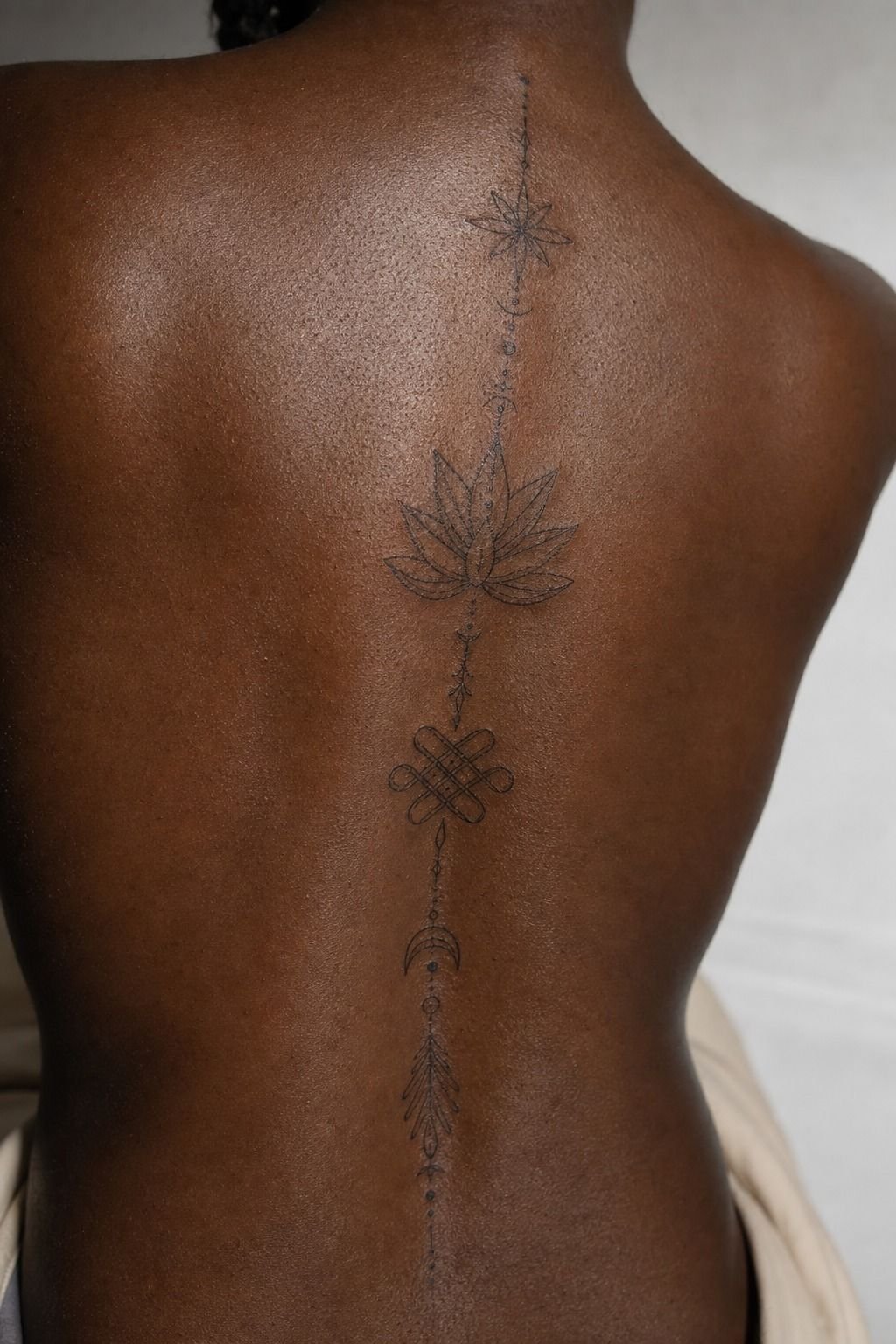
Compare pain before you choose the placement, because your tolerance can change the kind of design you’ll sit through.
13Protect Small Tattoos Through Proper Healing
Protect small tattoos like the open wound they are for the first few days. Wash gently with unscented soap, pat dry with a clean paper towel, then use a thin layer of Aquaphor Healing Ointment or your artist’s recommended fragrance-free lotion.
Thin means thin. Don’t suffocate it.
Surface healing usually takes about 2 to 3 weeks. Full settling through the deeper skin can take 2 to 3 months, so don’t panic when the tattoo gets flaky, dull, or covered in that shiny silver-skin stage.
It’ll peel like a sunburn. Don’t pick flakes or you can pull color out.
Avoid pools, hot tubs, direct sun, and gym friction while it’s fresh. A small tattoo needs the same care as a sleeve, even if the appointment took 25 minutes. And sunscreen after it heals is non-negotiable if you want that black linework to stay bold.
Why I Tell Clients to Size Up Tiny Tattoos
I’ve had clients come in holding a phone six inches from their face, pointing at a tiny little design and saying, “Exactly this size.” I get it. Small feels safe. It feels like you can test-drive tattooing without making a whole announcement to the world.
But skin is not a phone screen.
Ink settles. Lines spread a little over years.
Your body bends, rubs against clothing, gets sun, gains freckles, loses moisture, and keeps doing regular human-body stuff. That’s why I’ll sometimes tell you no to a design as drawn. Not because I’m trying to make it bigger for the sake of it.
I’m trying to keep the idea from becoming a dark, fuzzy dot you regret.
The best tiny tattoos I see years later have a simple silhouette, clean black contrast, and actual negative space. A little flower with five readable petals beats a miniature garden with sixteen tiny leaves.
One short word in a solid font beats an entire lyric. It isn’t less meaningful because it’s edited down. Usually it’s more intentional.
I also think people underestimate how much placement changes the mood. Behind the ear is playful.
Ribs feel private. A wrist tattoo becomes part of your daily line of sight.
A hip tattoo can be yours alone. You should choose based on what you want to feel when you catch it in the mirror, not what got the most saves on Pinterest.
That’s my no-bullshit rule: let the tattoo breathe. Your future skin will thank you.
The Questions Worth Answering First
How much does a tiny tattoo placement usually cost?
Most tiny tattoos cost about $100 to $300 in the US, depending on your artist, city, and detail level. Many studios have a $50 to $100 shop minimum, while hourly rates commonly land around $100 to $250.
– Simple black symbol – One short lettering word – Fine-line floral detail
Are tiny tattoo placement ideas good for a first tattoo?
Yes, a well-sized tiny tattoo can be a solid first tattoo because you can pick a tolerable spot and a simple design. Outer forearm or upper arm placement gives you clean visibility without the high-wear headache of fingers.
– Clear stencil placement – Shorter appointment – Easy aftercare access
How do I choose a tattoo artist for tiny tattoos?
Choose an artist whose healed work looks clean, not just fresh and filtered. Crispy healed linework tells you more than a glossy stencil photo. Look for consistent spacing, confident lines, and a studio that takes hygiene seriously.
– Healed portfolio photos – Fine-line specialty – Clean station setup
How much do tiny tattoo placement ideas hurt?
Pain depends more on placement than size. Outer arm, calf, thigh, and shoulder are usually chill, while ribs, feet, fingers, hands, and sternum run spicier. Lines feel sharp, then your body settles into it.
– Outer arm, moderate – Ribs, spicy – Fingers, sharp and quick
How long does a tiny tattoo take to heal?
A tiny tattoo’s surface usually heals in 2 to 3 weeks, while complete healing can take 2 to 3 months. Gentle washing and sun protection make a real difference in how the linework settles.
– Unscented soap – Thin ointment layer – No pools or picking
What’s the best placement for a tiny tattoo?
The outer forearm is my best all-around pick because it’s visible, low-wear, and usually easier to sit through. Behind the ear is another strong choice if you want a discreet tattoo with a little personality.
– Forearm, clean aging – Upper arm, low friction – Behind ear, subtle visibility
Where I’d Start First
If I had to pick one step, I’d start with the outer forearm. It gives your tiny design actual room to breathe, stays away from most high-wear damage, and lets you see it every day.
Pick a simple black symbol. Let it hold.