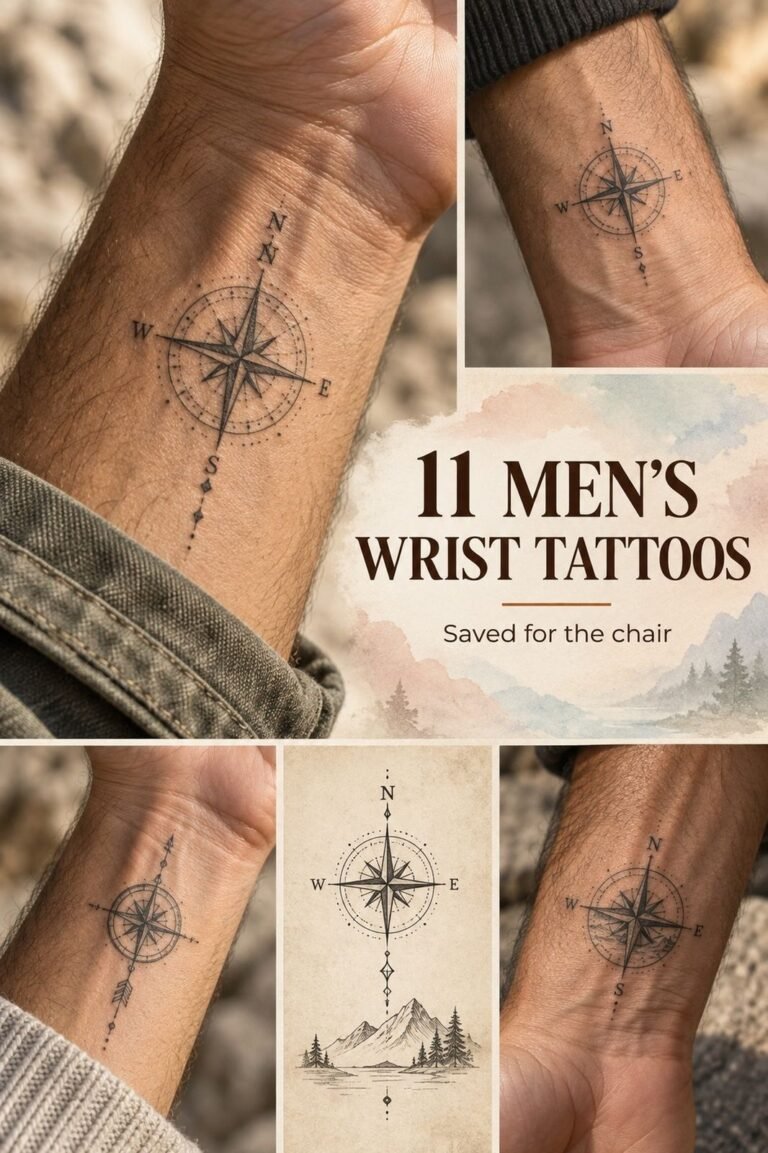
Plan tattoo placement by thinking about your pain tolerance, how the design will age on that specific skin, your professional and social constraints, and how the piece flows with your body’s natural lines. The best placement isn’t just about what looks cool on Pinterest, it’s about what works for your actual life, your skin type, and how willing you are to sit through the session. I’ve had clients walk in dead-set on a rib piece who’ve never sat for more than twenty minutes, and I’ve talked others out of spots that would torpedo their careers. Here’s how to think through it like someone who’s been in the chair themselves.
Start With the Canvas: How Skin Varies by Body Part
Not all skin takes ink the same way. I’ve tattooed paper-thin inner wrists that drank color like a sponge, and I’ve worked thick upper backs where black lines sat on top like they were scared to sink in. Your skin’s thickness, stretchiness, and sun exposure history all change how a tattoo looks fresh and how it ages.
High-Movement vs. Stable Zones
Areas that flex constantly, elbows, knees, fingers, feet, tend to blur faster. The skin there is working overtime, and ink particles get pulled around by all that motion. I did a beautiful fine-line snake on a client’s finger once; within two years it looked like a smudged pencil sketch. Meanwhile, a bold trad piece on her upper arm stayed crisp. If you want delicate detail, pick a more stable canvas. Think upper outer arms, upper chest, thighs, or calves.
Sun Exposure and Fading
Hands, forearms, and lower legs catch sun constantly. Even with religious sunscreen, they fade faster than spots under clothing. I tell clients: if you work outside, love the beach, or just forget sunscreen, plan for touch-ups or choose bolder designs for exposed areas. A soft watercolor on the top of your hand will look like a bruise in five years.
- Stable, low-sun spots: upper arms, upper back, chest, thighs, ribs (under clothing)
- High-movement, high-fade zones: fingers, hands, feet, elbows, knees, inner lip
- Middle ground: forearms, calves, shoulders, manageable with care and bold design choices
Be Honest About Pain Tolerance
There’s no shame in knowing your limits. I’ve had marathon runners tap out on ribs, and tiny nervous first-timers sit like rocks for sternum work. Pain is weird and personal. But some spots are objectively rougher, and planning means being real with yourself about how long you can grind.
The Spots That Hurt Most
Ribs, sternum, spine, kneecaps, elbows, feet, and anywhere bone sits right under thin skin. The vibration alone on ribs makes some people nauseous. Armpits and inner thighs have their own special horror, soft, sensitive, and weirdly intimate. I’ve seen clients cry in my chair who swore they had a high pain tolerance. It’s not weakness; it’s biology.
Beginner-Friendly Placements
Outer upper arms, outer thighs, and calves have more muscle and fat padding. The needle buzz feels manageable, and you can watch or zone out. These spots also heal relatively easily, you’re not bending them constantly or shoving them into shoes. For a first piece, I usually steer people here unless they have a strong reason to go elsewhere.
- Relatively easier: outer upper arm, outer thigh, calf, upper back (away from spine)
- Moderate: forearm, shoulder, lower back, hip
- Brutal: ribs, sternum, spine, kneecap, elbow, foot, armpit, genital area
Pain also scales with session length. A two-hour outer arm piece is cake. A six-hour rib session is a different animal entirely. Plan placement with your design size in mind.
Consider Your Real Life: Work, Family, and Future You
I tattooed “F— OFF” in fancy script on a guy’s knuckles once. He loved it for six months, then started job hunting. We see this a lot. Placement carries social weight whether we like it or not.
Professional and Social Visibility
Hand, neck, and face tattoos are what we call “job stoppers” in shops, not because they’re bad art, but because mainstream workplaces still judge them. Some fields don’t care. Others absolutely do. I always ask clients: “What does your boss wear? What do you want to do in ten years?” If you’re unsure, stay below the elbow and above the collar for now. You can always go more visible later.
Family and Relationship Dynamics
I’ve had clients hide pieces from parents for years. I’ve had others regret names on chests after breakups. Placement affects how often you see the tattoo, how often others see it, and how it ties to memories. A back piece is private meditation. A forearm piece is daily conversation. Think about which energy you want.
- Easily hidden: upper arms (with short sleeves), back, chest, ribs, thighs
- Moderately visible: forearms, calves, shoulders
- Always on display: hands, neck, face, lower legs in shorts season
Design and Flow: Matching Art to Anatomy
Good placement doesn’t just hold a design, it shapes it. A skilled artist will adapt your idea to your specific body, but you should come in with some sense of how pieces move.
Following Natural Lines
Muscles, bones, and joints create natural pathways. A snake wrapping a forearm follows the cylinder shape. A mandala on a chest spreads with the pectoral curve. I hate seeing round designs smashed onto flat spots or rigid geometry fighting shoulder movement. Bring reference images, but trust your artist to suggest adjustments. We draw on people with markers daily; we know how skin shifts when you move.
Size and Detail Requirements
Tiny text on a wrist? It’ll blur. Massive tribal on a finger? It’ll look like a blob. Fine lines need space to breathe. Bold traditional holds up smaller but still has limits. I tell clients: if you want a photorealistic portrait, plan for at least a softball-sized area. If you want a single word, keep it simple and medium-sized. Match your ambition to your real estate.
- Small, simple, bold: fingers, behind ear, ankle, wrist
- Medium detail: forearm, calf, shoulder, upper arm
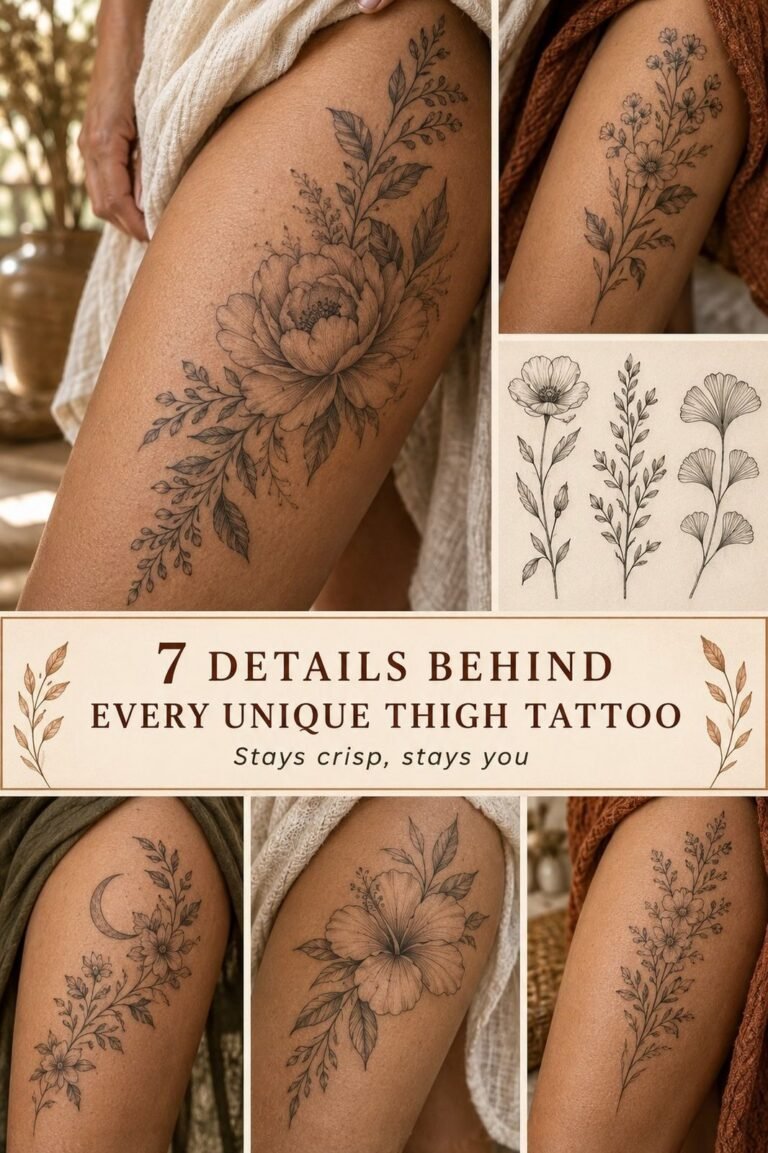
- Complex, detailed, large: back, chest, thigh, full sleeve
Healing Reality: Placement Changes Aftercare
Where you put it changes how you live for two weeks. I’ve watched clients ruin beautiful work by ignoring this.
Foot tattoos? You’re not wearing closed shoes for a while. Ribs? Every breath, laugh, and twist agitates it. Inner arm? You’re bumping it on everything. Hands? You use them constantly, and they’re germ city. Plan your placement around your ability to actually rest and protect the area.
Aftercare basics vary by spot: keep it clean, don’t soak it, don’t pick scabs, keep it moisturized but not suffocated. But the practical reality is that a back piece is easier to protect than a hand piece. A thigh piece sleeps better than a chest piece. Think about your daily routines, gym, kids, pets, work, and choose placement that won’t force you to choose between healing and living.
- Easy healing: upper arm, upper back, thigh (protected, low friction)
- Moderate healing: forearm, calf, shoulder (some bumping, manageable)
- High-maintenance healing: hand, foot, rib, chest, inner arm (constant use or movement)
Planning for the Long Game: Aging and Future Work
Your skin changes. Weight fluctuates, muscles shift, gravity does its thing. A stomach piece at twenty-five looks different at fifty. I tattooed elaborate hip wings on a client who later lost eighty pounds; the design distorted significantly. Not ruined, but changed.
Think about future tattoos too. That small shoulder piece might become part of a half-sleeve someday. Leave room for expansion if you’re the type who catches the bug. I see people box themselves in with random placements, then struggle to connect pieces into cohesive work. Plan like you’re building a collection, even if you’re starting with one.
Also: touch-ups are normal. Plan placement with your willingness to return in mind. If you live far from your artist or move frequently, choose spots and styles that age gracefully without constant maintenance.
Key Takeaways
Good placement balances pain tolerance, design needs, lifestyle reality, and long-term skin behavior. Pick stable, low-sun areas for detail work. Be honest about your pain limits, there’s no trophy for choosing a brutal spot. Consider visibility rules for your job and relationships. Match design complexity to available space. Factor healing logistics into your choice. And think ahead: your skin will change, and you might want more tattoos later.
The best placement conversation happens with your artist, not alone on your phone. Bring ideas, but stay flexible. I’ve redrawn designs onto three different body areas before finding the one that clicked. The right spot makes good art great, and bad placement can undermine even beautiful work. Take your time. This is permanent, after all.
Frequently Asked Questions
How do I know if a placement will hurt too much for me?
Start with a less sensitive spot like your outer upper arm or thigh for your first tattoo. You’ll learn how your body responds to the sensation. If you handle it well, you can always choose more intense placements later. Most artists will work with you on breaks and breathing if you’re struggling.
Can I get a detailed tattoo on my finger or hand?
You can, but expect significant fading and blurring within a few years. The skin on hands regenerates constantly and moves constantly. Bold, simple designs hold up better than fine detail. Plan for touch-ups and accept that it won’t look fresh forever.
Should I avoid certain placements if I plan to lose weight or gain muscle?
Stomach, hips, and upper arms change most with significant weight or muscle shifts. If you’re actively working on your body, consider waiting or choosing more stable areas like calves, forearms, or ribs. Minor fluctuations won’t ruin a tattoo, but dramatic changes can distort the design.
How far apart should I space multiple tattoos?
Give each piece at least two weeks of healing before tattooing adjacent areas. Your immune system works hard during healing, and stacking fresh wounds stresses your body. Plus, you need to keep new work clean and protected, which gets harder when you’re dealing with multiple healing spots at once.
Related Tattoo Guides
- How to Take Care of a Tattoo: A Working Artist s Guide
- How to Tattoo for Dummies: A Real Shop Guide
- How to Transfer a Tattoo Stencil to Skin: A Pro Guide
- Explore more