Key Characteristics
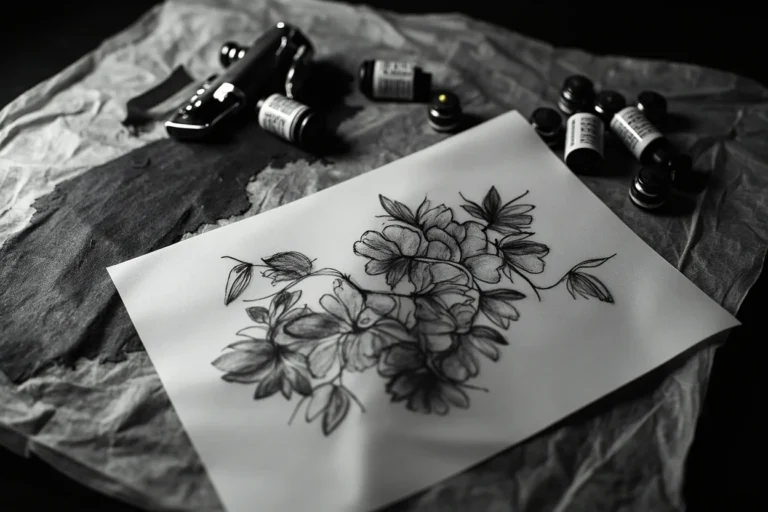
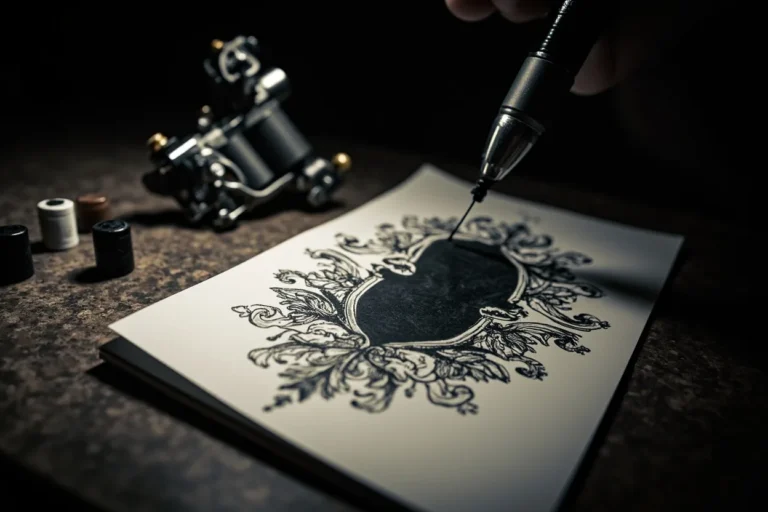
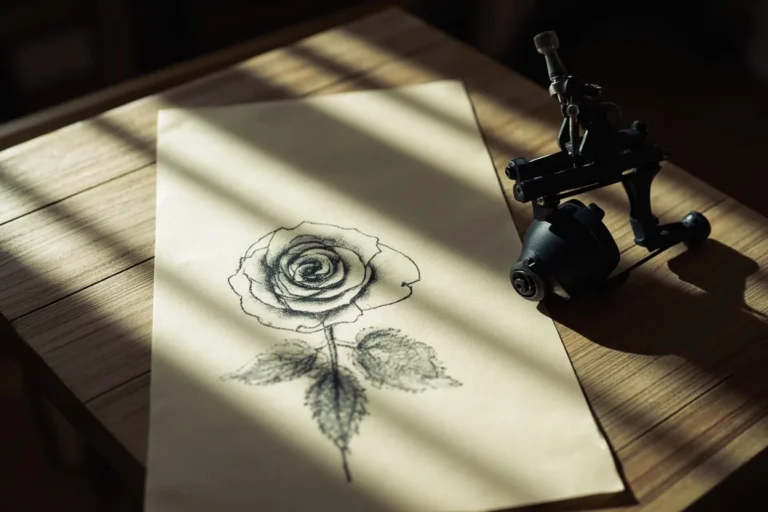
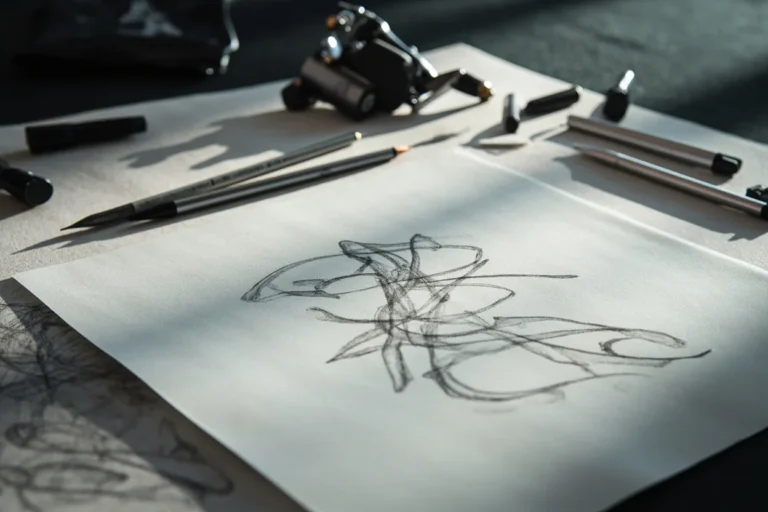
Transferring a stencil marks the bridge between concept and permanence. Done well, it anchors the artist’s vision with precision; rushed or sloppy, it seeds problems that ripple through every subsequent pass. The process demands clean skin, the right paper, appropriate pressure, and patience enough to let chemistry do its work.
Three fundamentals govern every successful transfer:
- Skin must be free of oils, dead cells, and residue that repel stencil fluid or distort lines
- Stencil paper quality directly affects line clarity and adhesion duration
- Environmental factors, humidity, temperature, body heat, shift drying times and transfer fidelity
Most professional-grade stencil papers use a carbon or hectograph coating that releases pigment when activated by fluid. The back layer protects your work surface; the middle sheet carries the design; the top sheet receives the original drawing. Understanding this layered architecture prevents common tearing and alignment failures.
Symbolism & Core Meaning
Every stencil carries weight beyond its immediate function. The transferred image represents commitment crystallized, skin offered, design accepted, the threshold of transformation crossed. For the collector, this ghosted outline often sparks the first visceral understanding of scale and placement. What read as abstract on paper suddenly occupies living geography.
Historically, stencil methods trace to multiple traditions. Polynesian hand-tapping often linked to kapu marking employed direct skin transfer of carved patterns. Japanese tebori practitioners historically used rice-paper tracings. Modern thermal and dot-matrix papers emerged from commercial printing adaptation in the late twentieth century, democratizing precision previously reserved for specialized workshops.
The Stencil as Contract
Both parties, artist and collector, validate placement during transfer. This moment permits final adjustment before irrevocable work begins. Smart artists build in deliberate pause here, encouraging the collector to move, breathe, view from multiple angles. The stencil’s temporary nature paradoxically underscores permanence to follow.
Religious & Spiritual Angles
Certain traditions invest stencil application with ritual significance. Thai sak yant ceremonies often linked to Buddhist protective magic incorporate specific chanting during marking preparation. The ajarn’s blessing frequently accompanies or immediately precedes skin contact. Western practitioners working with clients seeking spiritually charged pieces should respect these precedents without appropriating them.
Some collectors request stencil orientation aligned to compass directions, lunar phases, or personal numerology. Accommodating such requests costs little and builds trust. The stencil phase offers natural space for these conversations without time pressure of active tattooing.
Respecting Sacred Geometry
Mandala placements, chakra-aligned designs, and scriptural text demand particular attention to centering and flow. A stencil rotated mere degrees from intended alignment can undermine geometric harmony or textual readability. I recommend measuring twice, transferring once, especially for pieces where mathematical precision carries spiritual weight.
What to Expect
Preparation begins before the collector sits. Shave the area with a fresh razor, moving with hair growth to minimize irritation. Follow with surgical soap or green soap scrub, then alcohol wipe to degrease. Allow complete drying, residual moisture creates stencil speckling and weak adhesion.
Apply stencil fluid or stick deodorant (unscented, original formula) in thin, even layer. Excess pools lines; insufficient coverage yields patchy transfer. Press paper firmly, smoothing from center outward to evacuate air bubbles. Hold 30-60 seconds depending on paper type and skin temperature. Peel back slowly, diagonally, checking for complete release.
- Warm skin transfers faster and holds better; cold or clammy skin may need gentle warming first
- Hair regrowth within hours can obscure fine lines; stencil immediately before session start
- Some skins reject stencil pigment more readily, oily complexions, certain medications, hormonal fluctuations
- Transferred stencils typically remain viable 4-8 hours; beyond this, reapplication usually necessary
When lines blur or sections fail, resist overworking. Clean completely, re-prep, and re-transfer. Patched or reinforced stencils invite inconsistent saturation and healed irregularities.
Design Tips & Pairings
Stencil design preparation determines transfer success as much as application technique. Bold, clean originals reproduce reliably; delicate pencil shading, fine crosshatching, or photographic gradients often lose definition. Simplify complex references to essential linework for stencil purposes.
Mirror writing requires explicit reversal before transfer. Script pieces, ambigrams, and directional symbols demand this verification step. Many artists develop habit of checking reversed text against phone camera preview, quick, reliable, embarrassment-preventing.
Scaling and Placement Strategy
Body contours distort flat designs. A mandala sized for upper back reads differently wrapped around shoulder cap. Stencil application reveals these translations. Consider breaking large compositions into sectional transfers for complex placements, maintaining registration marks for continuity.
Color planning sometimes begins at stencil stage. Marking planned blackwork boundaries, negative space preservation, or color block edges with faint guide lines helps subsequent needle selection. Some artists code these with colored pencil on original, transferring as subtle tonal variation visible only to trained eye.
Common Variations & Styles
Thermal printers dominate high-volume shops, converting digital files to stencil-ready output rapidly. Hectograph hand-tracing remains preferred for custom freehand elements, direct drawing adaptation, and locations without power access. Each method carries distinct texture and line character.
Freehand stencil application, drawing directly on skin with marker then applying fluid over it, suits organic, flowing compositions where rigid paper transfer fights natural form. This demands confident draftsmanship and steady hand, but yields unmatched integration with body topography.
- Dot-matrix stencil printers offer middle ground: digital precision with lower equipment investment
- Spirit-brand and similar proprietary fluids provide consistent results but cost premium; DIY glycerin-alcohol mixes work for budget-conscious apprentices
- Electrostencil devices using current to transfer carbon directly exist but remain niche, occasionally favored for very large scale work
Style-Specific Considerations
Traditional Americana relies on bold, readable stencils with clear whip-shading boundaries. Realism demands photographic reference nearby, stencil serving only as loose compositional guide. Geometric work requires absolute precision, measure, grid, verify angles before any fluid touches skin. Japanese large-format pieces often use multiple sequential stencils, building narrative progression across sessions.
Final Thoughts
Stencil transfer rewards methodical temperament over flashy technique. The collectors who sit in your chair will rarely notice flawless transfer; they will absolutely remember, and photograph, and show friends, stencil failures that compromised their piece. This invisible excellence defines professional craft.
Refine your prep routine through repetition until it becomes automatic, freeing mental bandwidth for creative decisions ahead. Document what works on different skin types, climates, and seasonal conditions. Share knowledge with apprentices without condescension; every clean transfer in this industry raises collective standards.
The stencil is promise made visible, however temporarily. Honor that promise with preparation worthy of permanence to follow.
Frequently Asked Questions
Why won’t my tattoo stencil stick to the skin?
Failed adhesion usually traces to inadequate cleaning, residual moisture, or skin chemistry. Ensure thorough degreasing with alcohol, complete drying time, and appropriate fluid amount. Very oily skin, certain medications (especially retinoids or hormonal treatments), and recent moisturizing can all repel stencil pigment. Try warming the skin gently and using a quality commercial stencil fluid rather than improvised alternatives.
How long does a tattoo stencil last on skin before fading?
Under normal conditions, expect 4-8 hours of viable clarity. Humidity, body heat, friction from clothing, and natural skin oils accelerate fading. Plan to begin tattooing promptly after transfer, and avoid letting the collector handle the area or apply pressure. For multi-session work, expect to re-stencil at subsequent appointments rather than attempting to tattoo faded remnants.
Can I use regular deodorant instead of stencil fluid?
Original formula, unscented stick deodorant works as emergency substitute due to similar wax-alcohol composition, but it is not equivalent. Commercial stencil fluids offer consistent adhesion, reduced irritation risk, and cleaner breakdown. Deodorant variants with added fragrance, antiperspirant chemicals, or skin conditioners can cause reactions or transfer failures. Professional settings warrant professional materials.
Is it safe to transfer a stencil over broken or irritated skin?
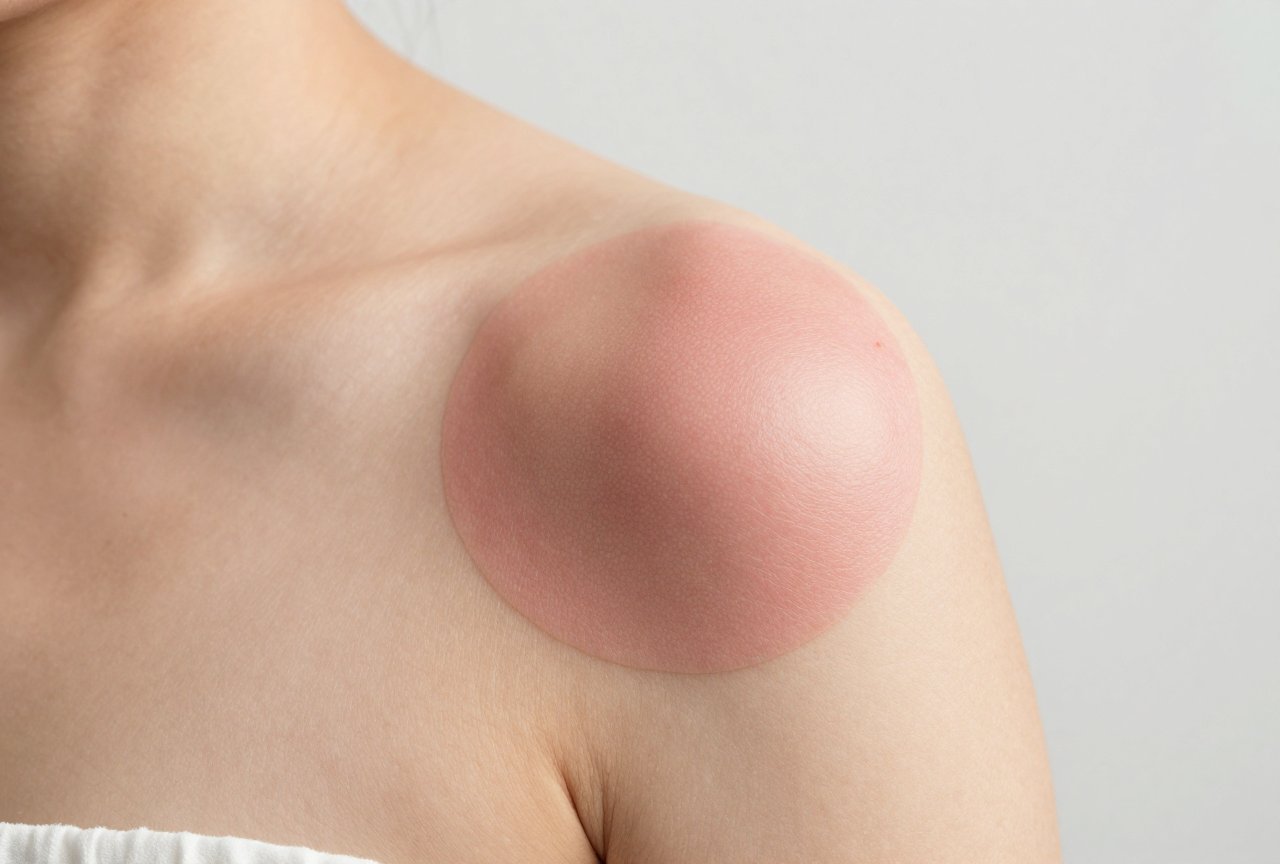
Never stencil over compromised skin barrier, this includes fresh shaving nicks, sunburn, rash, acne breakout, or healing wounds. Broken skin admits chemicals directly, increasing infection risk and unpredictable healing. Wait for complete resolution, or select alternate placement. The brief delay protects both collector health and your finished work’s integrity.