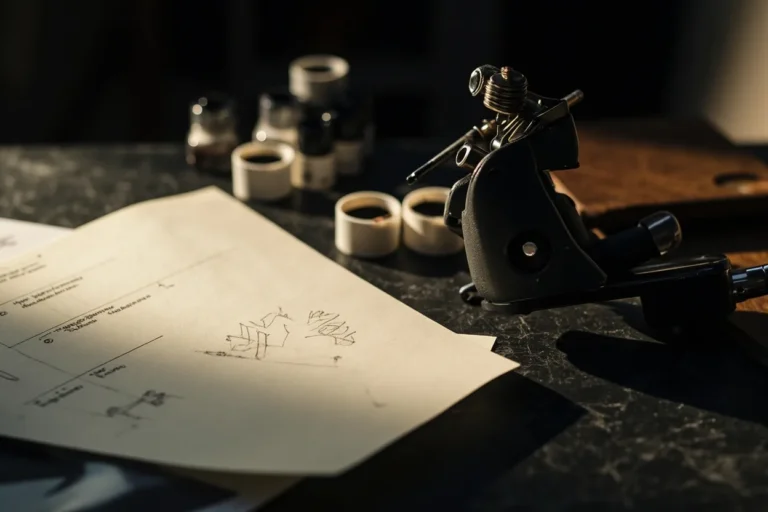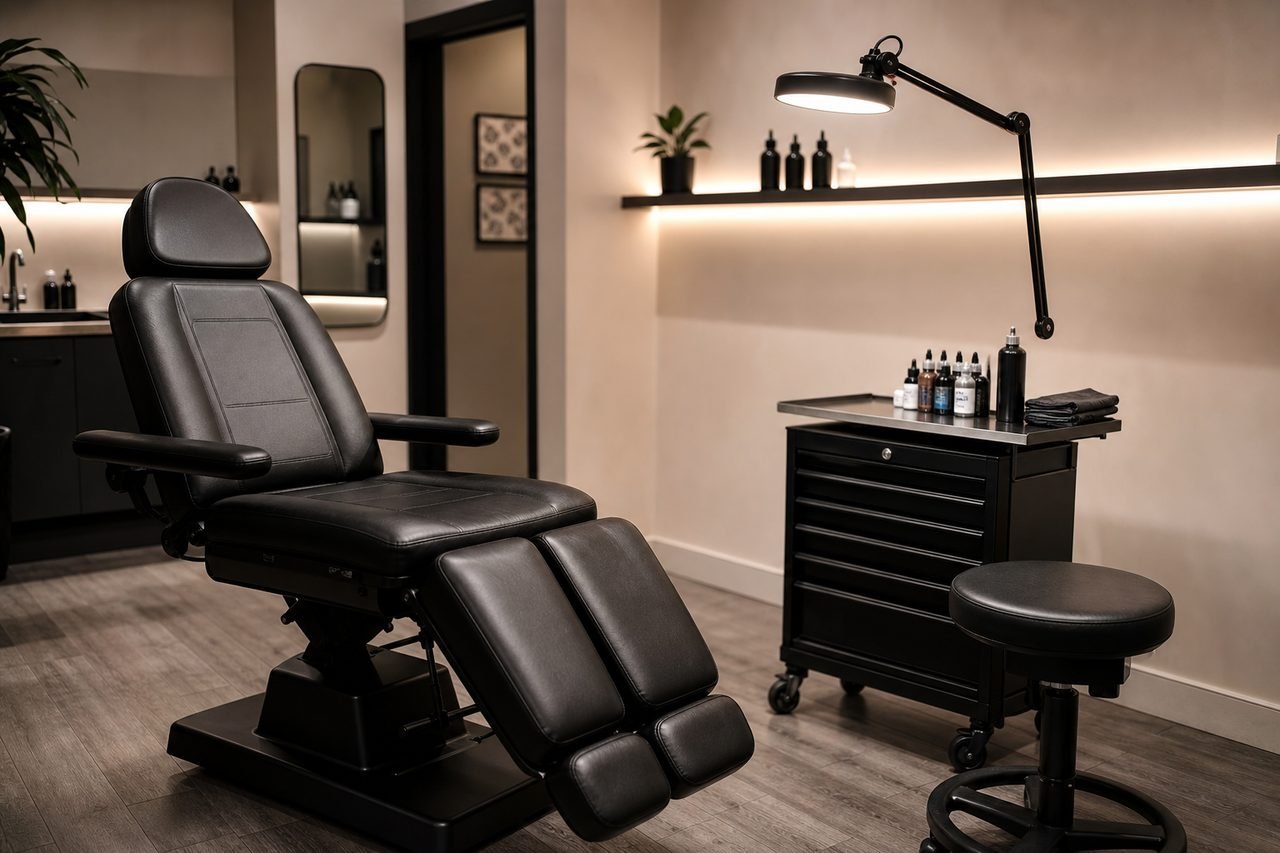
A standard box of 50 sterile, disposable tattoo needles runs between $15 and $50 in the US, with most artists paying roughly $20-$35 for reliable brands. Individual needle configurations, liners, shaders, magnums, and cartridges, each carry slightly different price tags, and cartridge systems (needles pre-loaded into disposable tubes) typically cost 30-50% more than traditional needle-on-bar setups. The real expense isn’t the needle itself; it’s the hidden cost of poor quality: blown-out lines, inconsistent saturation, and the client walking out unhappy.
What You’re Actually Buying: Needle Types and Configurations
Tattoo needles aren’t interchangeable. Each type serves a specific mechanical purpose, and prices shift accordingly.
Traditional Needle-on-Bar vs. Cartridges
Traditional needles soldered to a metal bar remain the budget option. A box of 50 round liners (RL) or round shaders (RS) usually hits that $15-$25 range. Cartridge needles, encased in plastic housings that snap into a reusable grip, run $25-$50 for 50. The premium buys speed (no hand-building between colors) and hygiene (the cartridge seals away contamination). Most working artists under 35 have never touched a needle bar; cartridges dominate American shops now.
Configuration Breakdown
- Round Liners (RL): Tight clusters for crisp outlines. Standard sizes 3RL-14RL. Mid-range pricing, high demand.
- Round Shaders (RS): Looser groupings for soft shading and color packing. Slightly cheaper than liners in some brands.
- Flat/Magnum Shaders: Two rows of needles for solid fill and smooth gradients. Magnums (curved or straight) command premium prices, often $30-$45 per box due to complex soldering.
- Single Needles (1RL): Fine detail work. Specialized, harder to manufacture consistently. Prices vary wildly; cheap 1RLs snag and hook.
Bugpin needles, thinner diameter wire, typically #08 or #10 versus standard #12, cost more per box. The finer wire demands tighter quality control.
What Drives Price Differences
Not all $25 boxes are equal. Several factors separate reliable needles from shop disasters.
Manufacturing Origin and Sterility
US and European brands (Cheyenne, Bishop, Kwadron) price higher due to EO gas sterilization, consistent taper grinds, and lot-traceable packaging. Chinese-manufactured needles under private labels can cost half as much, but quality control is a gamble. Inconsistent solder points cause “hooked” needles that tear skin. Unreliable sterilization packaging fails autoclave indicator tests. Some budget brands are fine; many aren’t worth the savings.
Needle Taper and Polish
Long-taper needles (sharper points, less skin trauma) require more precise grinding. Short taper (standard) runs cheaper. The polish on the needle body, how smoothly ink flows down and how easily it wipes clean, affects both performance and price. You won’t find this on the box; it’s learned through use.
Brand Ecosystem Lock-In
Cheyenne and Bishop cartridges only fit their proprietary grip systems. This isn’t accidental. Once you’re bought in, you’re paying their needle prices indefinitely. Some artists swear by the consistency; others resent the markup and run generic cartridges in adjustable grips.
The Hidden Math: Per-Tattoo Needle Cost
Here’s where perspective matters. A $30 box of 50 cartridges breaks down to 60 cents per needle. A typical small tattoo might use 2-4 needles (outlining, shading, color packing). Even a complex sleeve rarely burns more than 8-12 needles in a session. The needle cost per tattoo sits between $1.20 and $7.20, negligible against the hourly rate.
Where needles sting your wallet is waste. Dropped cartridges, contaminated needles from poor workspace habits, and “just in case” swaps add up. An artist who swaps needles every 15 minutes burns through inventory fast. Good technique and clean habits matter more than box price.
Where Artists Source Needles
- Direct from manufacturers: Best pricing at volume, but minimum orders apply. Cheyenne, for instance, sells through distributors rather than direct to small shops.
- Tattoo supply distributors: Painful Pleasures, Kingpin, Tattoo Smart. Markup exists, but no minimums and fast shipping. Most shops operate here.
- Convention floor sales: Discounted bulk, sometimes expired or near-expiry stock. Check sterilization dates.
- Amazon/eBay: Risky. Counterfeit cartridges, repackaged non-sterile needles, and outright scams populate these listings. The savings evaporate when a client develops a serious infection.
Professional liability insurance often requires documented purchase from approved suppliers. That Amazon bargain could void your coverage.
Red Flags: When Cheap Becomes Expensive
Needles are not where you cut corners. Specific warning signs of bad product:
- Loose needles in the cartridge housing, audible rattle before use.
- Inconsistent needle protrusion from the cartridge tip.
- Packaging without lot numbers, sterilization indicators, or expiration dates.
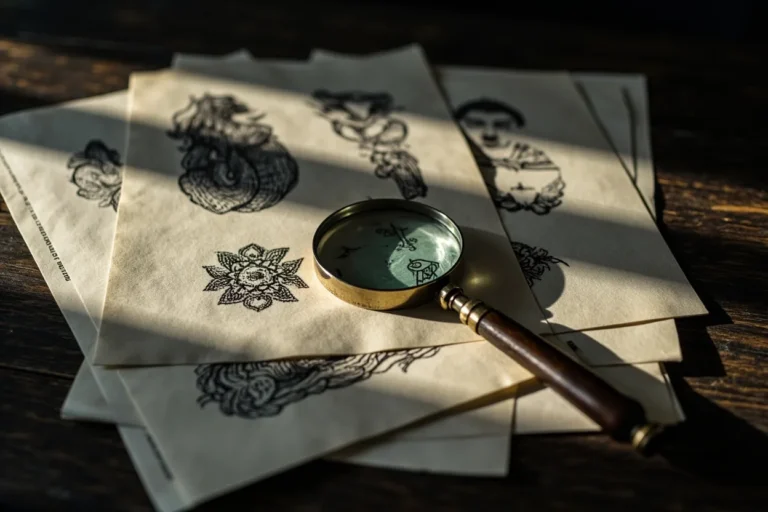
- Barbed or hooked points visible under magnification (a 10x loupe catches what naked eyes miss).
- Excessive resistance when wiping, indicates poor polish or damaged taper.
A single bad needle in a $20 box costs more than a $50 box of reliable product. Blown lines require touch-ups or cover-ups. Skin trauma from dull or barbed needles heals poorly and scars. The client doesn’t blame the needle; they blame the artist.
Client Questions About Needles
Clients rarely ask about needle prices directly, but they do ask about safety and single-use policies. Here’s what actually matters to them:
All reputable shops use disposable, single-use needles. The cartridge or tube leaves the package in front of you, gets used once, and goes into a sharps container. Reusable metal tubes exist in some traditional shops but require autoclave sterilization between clients, rare now, and clients should feel free to ask about the process.
Pain differences between needle types are real but overstated. A tight 3RL liner hurts more than a loose 7RS shader because it concentrates force in fewer points. Magnums spread impact across more skin and often feel less sharp. This isn’t about needle cost; it’s about configuration choice.
Key Takeaways
- Expect $20-$35 for 50 quality needles; cartridges run higher than traditional bars.
- Per-tattoo needle cost is minimal, pennies against your hourly rate.
- Manufacturing consistency and reliable sterilization matter more than brand prestige.
- Buy from verified distributors, not anonymous online sellers.
- Inspect needles before use; one bad cartridge undoes any savings.
- Needle choice affects client pain and healing more than needle price affects your margin.
The best needle isn’t the most expensive one, it’s the one you trust to perform consistently, session after session, until the last cartridge in the box.
Frequently Asked Questions
Why do cartridge needles cost more than traditional needle bars?
Cartridges include a disposable plastic housing with an internal membrane that prevents backflow of ink and blood into the grip. The added manufacturing complexity and patent-protected designs justify the premium over simple soldered needles on metal bars.
Can tattoo artists reuse needles on the same client to save money?
No. Even switching between colors on one client requires a fresh needle to prevent cross-contamination and color muddying. The 60-cent cost of a new cartridge is never worth the risk of infection or poor results.
Do thinner needles cost more because they hurt less?
Thinner needles (bugpin) often cost more due to manufacturing precision, not pain reduction. Pain depends on needle count, placement depth, and location. Some artists find bugpins actually cause more trauma in inexperienced hands because they require slower, more deliberate passes.
How can I tell if a shop uses quality needles?
Ask to see the unopened packaging before your tattoo, legitimate artists won’t hesitate. Look for EO gas sterilization indicators, lot numbers, expiration dates, and intact blister seals. Avoid any shop that opens pre-used supplies or lacks visible sharps containers.
Related Tattoo Guides
- How Much Are Tiny Tattoos? A Real Shop Guide to Pricing
- How Much to Tip a Tattoo Artist: A Practical Guide
- Tattoo Prices: What You ll Actually Pay in 2024
- Explore more