A small, simple tattoo from a reputable shop typically runs $50, $150. Palm-sized pieces with detail usually land between $150, $400. Larger work, half sleeves, full backs, elaborate designs, generally costs $500 into the thousands. Most artists charge by the hour ($150, $300+ is standard in major US cities), though some prefer flat rates for pieces they can estimate accurately. The final number depends on the artist’s experience, your location, the design’s complexity, and how your skin behaves during the session.
How Artists Actually Price Work
There are two main structures, and understanding them helps you budget and compare quotes without frustration.
Hourly Rates
Custom work, cover-ups, and anything requiring multiple sessions almost always bill hourly. Rates vary dramatically:
- Apprentices or newer artists: $80, $120/hour
- Established artists in mid-sized cities: $150, $200/hour
- Renowned artists in NYC, LA, Miami, Chicago: $250, $400+/hour
- Guest spots or specialists (black-and-grey realism, Japanese, etc.): $300, $500+/hour
A realistic portrait might take 8, 15 hours. A traditional Japanese sleeve can stretch across 20, 40 hours over months. Artists track time precisely; some round to the nearest quarter-hour, others bill full hours. Always ask how they handle partial hours before you start.
Flat Rates and Minimums
Walk-in flash, simple lettering, and small predrawn designs often carry flat prices. Shops enforce minimums, commonly $50, $100, to cover setup, sterilization, and supplies even for a 10-minute piece. Don’t expect to negotiate below the minimum; it’s non-negotiable for good reason. Flat rates favor you when the artist works quickly, and favor them when the piece takes longer than estimated. Either way, you know the number upfront.
What Drives the Price Up
Several factors push costs beyond the base rate. Knowing them helps you decide where to invest and where to simplify.
Design Complexity and Style
Single-needle fine lines, photorealism, and color saturation demand more time and technical skill than bold traditional outlines. A solid black panther heals more predictably and tattoos faster than a portrait with subtle skin tones requiring constant needle changes and ink mixing. Geometric patterns with perfect symmetry take longer than organic flowing designs because every line gets measured and adjusted.
Placement and Skin Challenges
Ribs, sternum, feet, hands, and necks are harder to tattoo well. Skin stretches unpredictably, bones create awkward angles, and some areas require the artist to stretch skin themselves while working. Older skin, significant scarring, or existing tattoos that need covering add technical difficulty. These placements often cost more per hour or require more sessions to achieve saturation.
Artist Reputation and Wait Times
Artists with years of healed portfolio work, magazine features, or strong Instagram presence charge more because demand exceeds their available hours. A six-month waitlist isn’t pretension, it’s supply and demand. You’re paying for their accumulated judgment about how ink ages in skin, how to adjust for your specific undertones, and how to compose a design that flows with your body.
Hidden Costs Nobody Mentions Upfront
Beyond the tattoo itself, budget for these realities.
- Tipping: 15, 20% is standard in US shops. Some clients tip more for exceptional work or long sessions. Cash preferred.
- Touch-ups: Many artists include one free touch-up within 6, 12 months for work that healed patchy. Others charge hourly. Clarify this before booking.
- Aftercare supplies: Quality fragrance-free soap, plain moisturizer, and breathable bandages run $15, $30. Avoid scented or petroleum-heavy products that clog pores.
- Travel and time off: For specialists or conventions, factor flights, hotels, and recovery days where you’ll want loose clothing and limited movement.
- Design deposits: Custom drawings typically require $50, $200 non-refundable deposits that apply to the final session. No-shows forfeit this.
How to Get Accurate Quotes
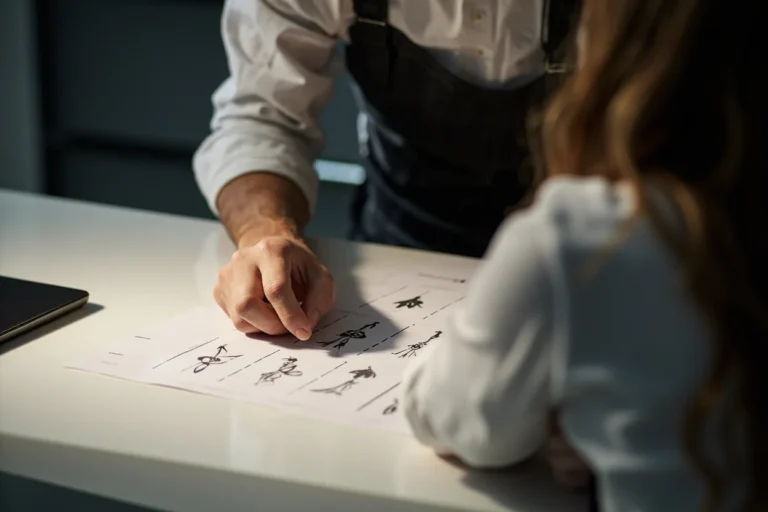
Vague requests get vague answers. “How much for a sleeve?” is impossible to answer without specifics. Instead, come prepared:
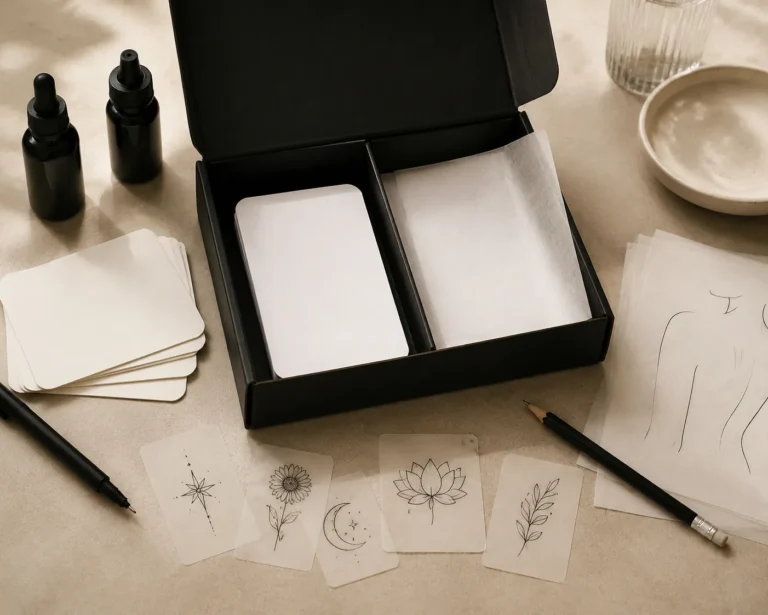
- Reference images showing style, not identical designs to copy
- Approximate size in inches or relative to body landmarks
- Placement and whether you’ll need to work around existing tattoos
- Color or black-and-grey preference
- Your skin tone (affects how certain colors show and what techniques work)
Good artists ask about your lifestyle, sun exposure, physical job, planned weight changes, because these affect how the tattoo ages. They might suggest sizing up or simplifying to ensure the piece reads well in five years, not just five weeks.
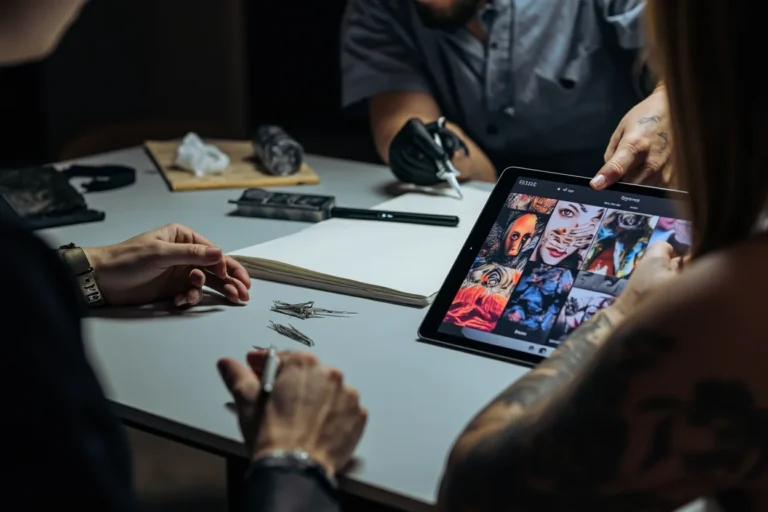
Get quotes from 2, 3 artists with relevant portfolios. Dramatically lower prices often mean less experience, rushed work, or corner-cutting on supplies. Dramatically higher prices without clear justification deserve polite questioning about what specifically justifies the premium.
When Cheap Becomes Expensive
A $40 tattoo from a kitchen magician or unlicensed shop risks infection, scarring, and artwork that blurs into unrecognizable smears within a few years. Laser removal costs $200, $500 per session and typically needs 8, 12 sessions for professional work, more for amateur ink. Cover-ups require larger, darker designs that limit your options. The “savings” evaporate immediately.
Licensed shops use autoclave-sterilized equipment, single-use needles, and inks from reputable manufacturers. They pay for insurance, continuing education, and shop rent. Their pricing reflects actual costs, not greed.
Budgeting for Large Projects
Back pieces, full sleeves, and leg sleeves take months or years. Common approaches:
- Session-by-session: Pay as you go, typically every 3, 6 weeks for healing between sittings. Spreads cost but extends timeline.
- Monthly payment plans: Some artists offer these for trusted clients on long-term projects. Never prepaid in full upfront unless working with an established artist with verifiable reputation.
- Priority finishing: Book longer sessions (5, 8 hours) less frequently. Costs more per sitting but completes faster with fewer total appointments.
Healing between sessions matters. Fresh tattooed skin needs 2, 4 weeks minimum before reworking the same area. Rushing creates scar tissue that rejects ink and compromises the final result.
Key Takeaways
Small simple tattoos: $50, $150. Hourly rates in major US cities: $150, $300+. Complex custom work costs what it costs, there’s no shortcut for time and skill. Always verify what’s included (touch-ups, deposit terms, cancellation policy). Tip your artist. Prioritize healed portfolio work over fresh photos when choosing. The cheapest option is rarely the least expensive long-term. Good tattoos aren’t cheap, and cheap tattoos aren’t good, it’s a cliché because it’s consistently true.
Frequently Asked Questions
Why do two artists quote wildly different prices for the same design?
Speed, experience, and overhead differ enormously. One artist might finish in 2 hours what takes another 5. Their hourly rate multiplied by estimated time creates the gap. Always ask how many sessions and hours each artist expects, not just the total.
Is it rude to ask about price before booking a consultation?
Not at all. Respectful shops expect budget questions. Frame it as “What’s your hourly rate and minimum, and do you think my idea fits a flat rate or hourly structure?” This shows you understand how pricing works.
Do color tattoos cost more than black and grey?
Often yes, but not always. Color requires more ink changes, more needle configurations, and often more passes to saturate properly. Some artists charge the same hourly regardless; the difference shows in total hours needed.
Can I negotiate tattoo prices?
Generally no. Established artists set rates based on demand and skill level. Negotiating signals you undervalue their work. The exception: some flexibility exists for flash sales, multiple sessions booked together, or long-term clients.
Related Tattoo Guides
- Thigh Tattoo Cost Guide: What You ll Actually Pay in 2024
- How to Become a Cosmetic Tattoo Artist: A Real Guide
- How to Become a Tattoo Artist in Texas: A Real Guide
- Explore more