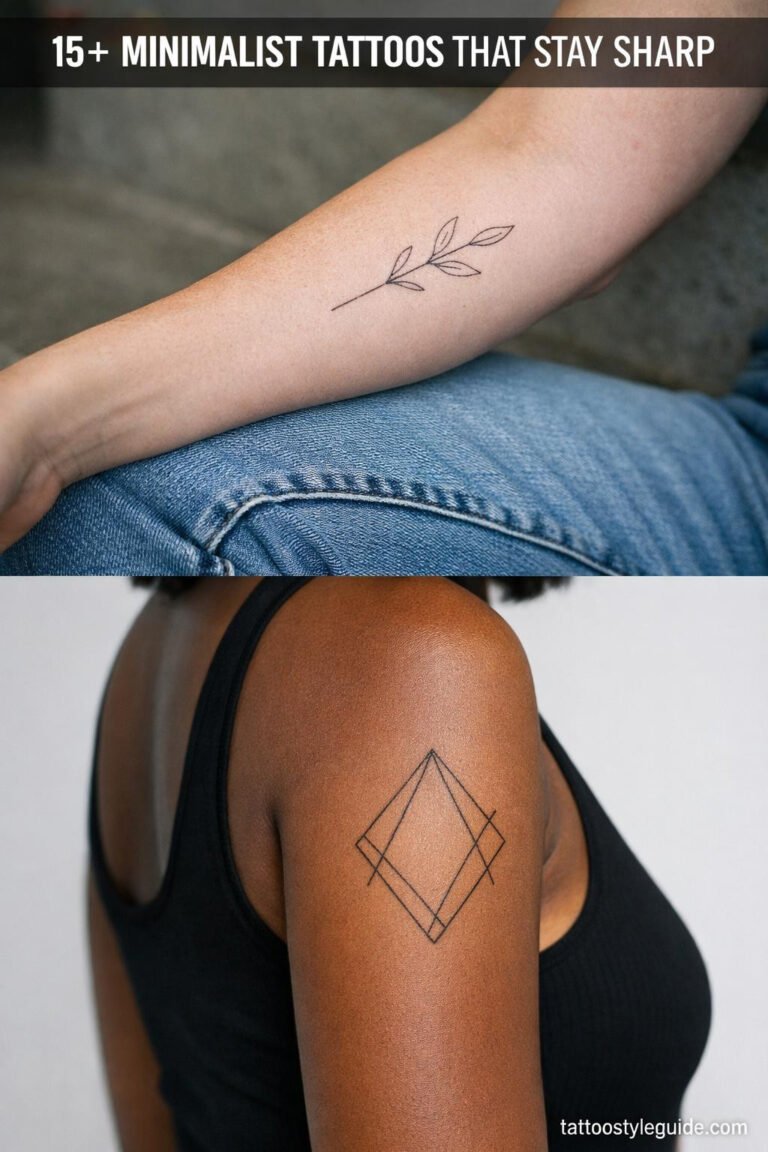
Expect to pay between $50 and $250 for most tiny tattoos in the United States, with the absolute floor set by shop minimums, typically $50 to $80 even for a single dot or line. The final number depends on your city’s cost of living, the artist’s hourly rate, how much detail you’re cramming into a small space, and whether the piece demands custom drawing time. Below is a breakdown of how shops actually price these pieces, what drives cost up or down, and how to get something that holds up over time.
Shop Minimums: The Hard Floor
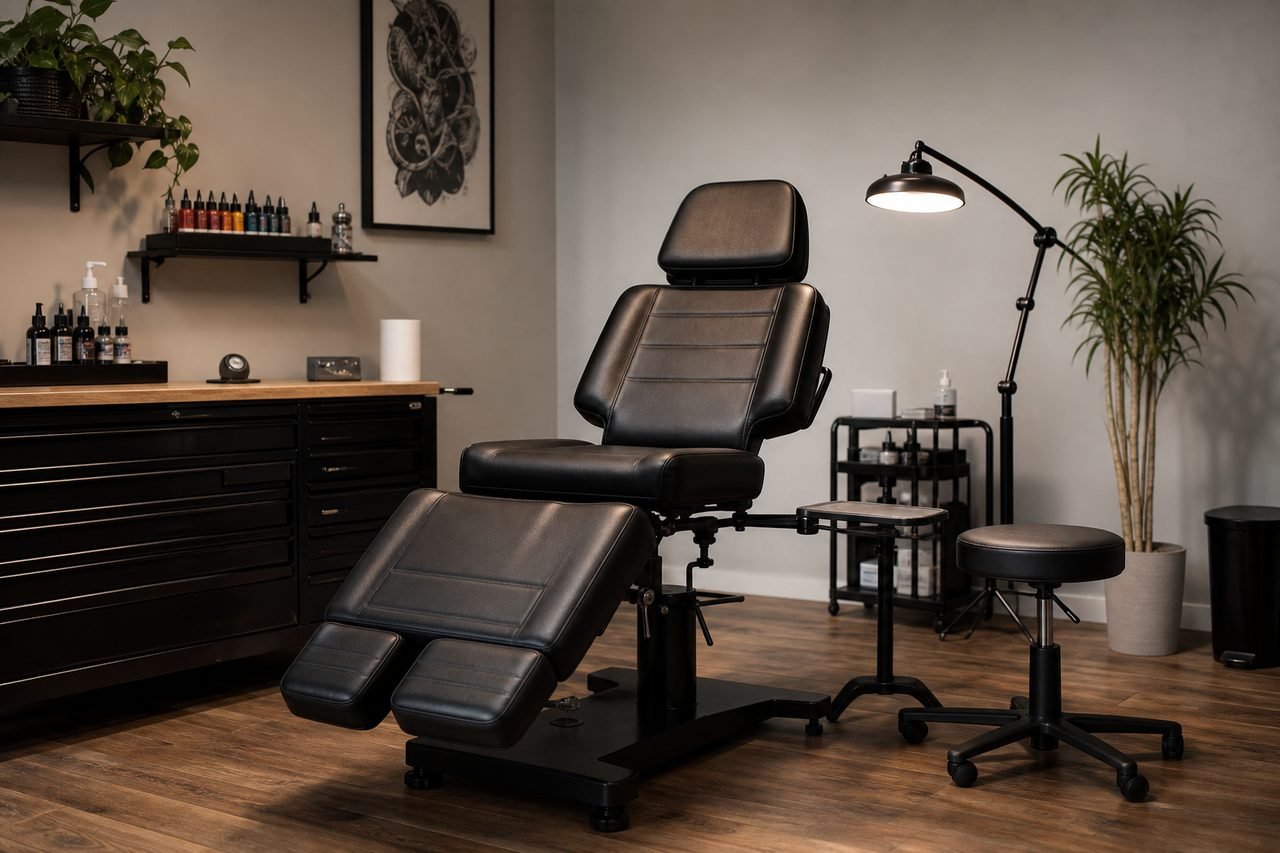
Every professional shop has a minimum charge to cover setup, new needles, ink caps, barrier film, stencil paper, and the time to break down and sterilize the station. This minimum doesn’t shrink proportionally for smaller work.
What Minimums Look Like Across Markets
In smaller cities and towns, shop minimums often sit at $50-$80. Major metros, New York, Los Angeles, Chicago, Miami, push that to $80-$150. High-end studios in those same cities may start at $150-$200. A 20-minute finger tattoo and a 90-minute palm-sized piece might share the same minimum if the artist books by the piece rather than by the hour.
- Rural/small city minimum: $50-$80
- Mid-size city minimum: $80-$120
- Major metro minimum: $100-$150
- Premium/appointment-only studios: $150-$250+
Why Artists Won’t Budge on Minimums
Setup and breakdown eat 15-20 minutes regardless of tattoo size. The needle package, ink, and disposables cost the same. Insurance and rent don’t scale down for tiny work. An artist doing ten $30 tattoos a day would make less than minimum wage after expenses. The minimum protects both livelihood and professional standards.
Hourly vs. Flat Rate: How Artists Structure Tiny Tattoo Pricing
Most tiny tattoos fall into one of two pricing models, and understanding which your artist uses helps you budget accurately.
Flat Rate Pieces
Common for walk-in-friendly designs: simple symbols, small script, basic linework. The artist quotes a set price based on experience with similar work. A tiny heart behind the ear might be a flat $80. A small geometric shape on the wrist, $100. This model favors the client when the piece is quick and the design is established.
Hourly Billing
Artists with strong booking demand often bill hourly, sometimes with a one-hour minimum even for 30-minute work. Hourly rates range widely: $100-$150 for newer artists in mid-markets, $200-$400 for established names in expensive cities. At $200/hour with a one-hour minimum, a 15-minute finger tattoo costs $200. The premium buys precision, custom design, and often better longevity.
Design Complexity: Small Space, Big Technical Demands
Tiny tattoos aren’t necessarily easier. Some become harder as they shrink.
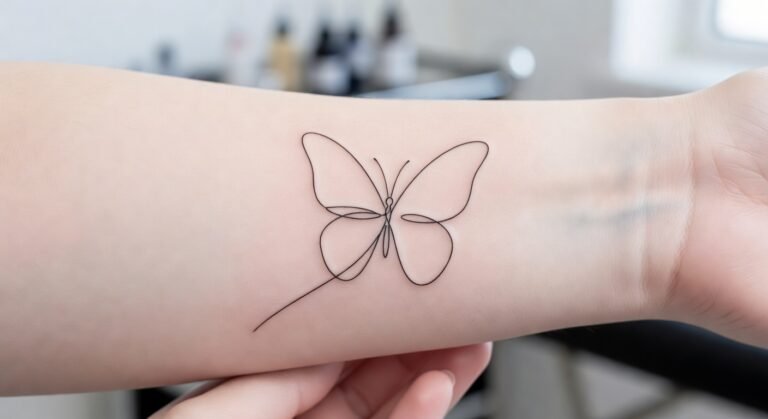
Single-needle fine line work requires steady hands and specific expertise. Not every artist offers it, and those who do often charge more. Fine lines blur faster than bolder work, so experienced artists build in compensation for both skill and touch-up likelihood.
Lettering at small sizes demands careful needle grouping and spacing. Crowded text below 1 inch often ages into illegible blobs. Artists who refuse ultra-tiny script aren’t being difficult, they’re protecting you from a fuzzy regret.
Color saturation in tiny areas needs more passes, more precision, and more time. A solid black star fills faster than a color-gradient micro-floral. Shading and whip-shading at small scale require specialized technique that commands higher rates.
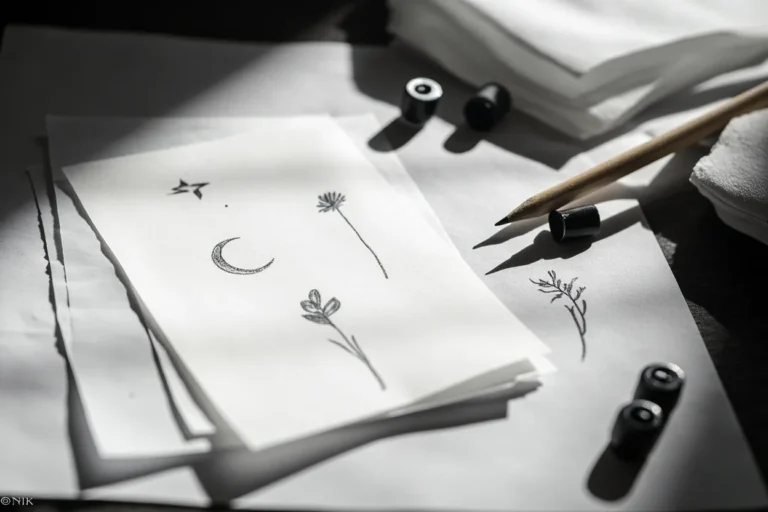
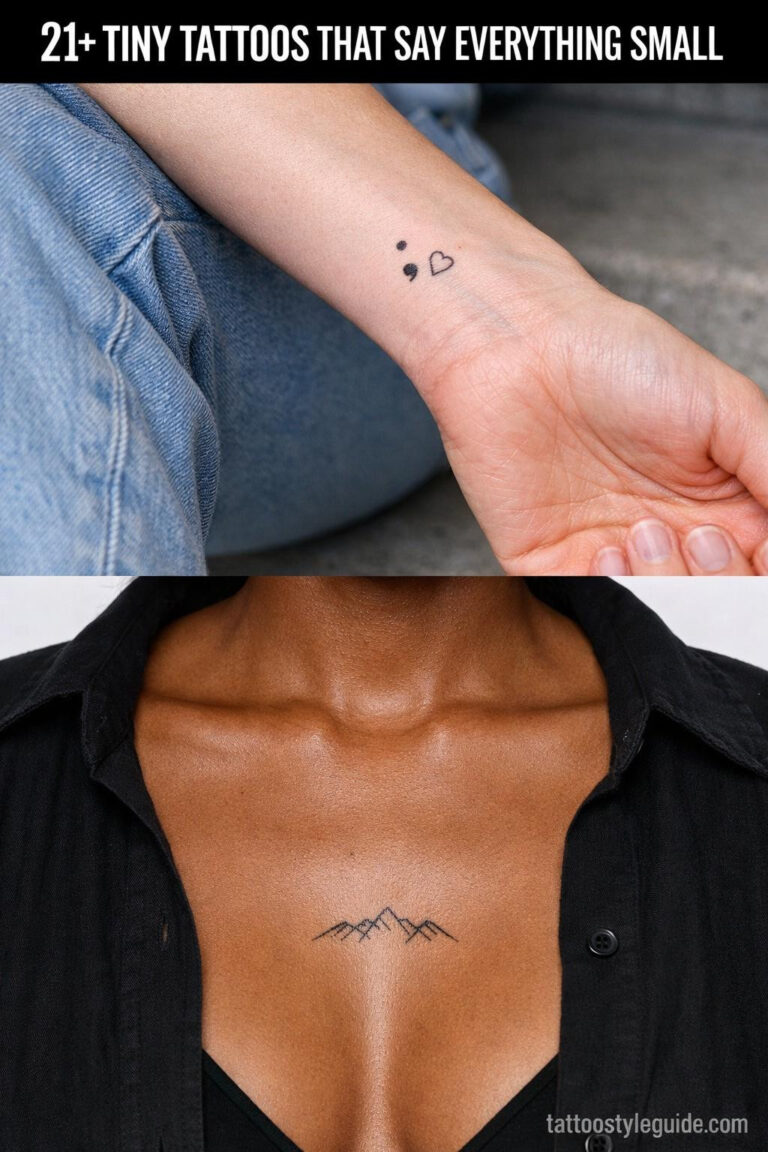
- Simple black line icon (star, arrow, moon): shop minimum to $100
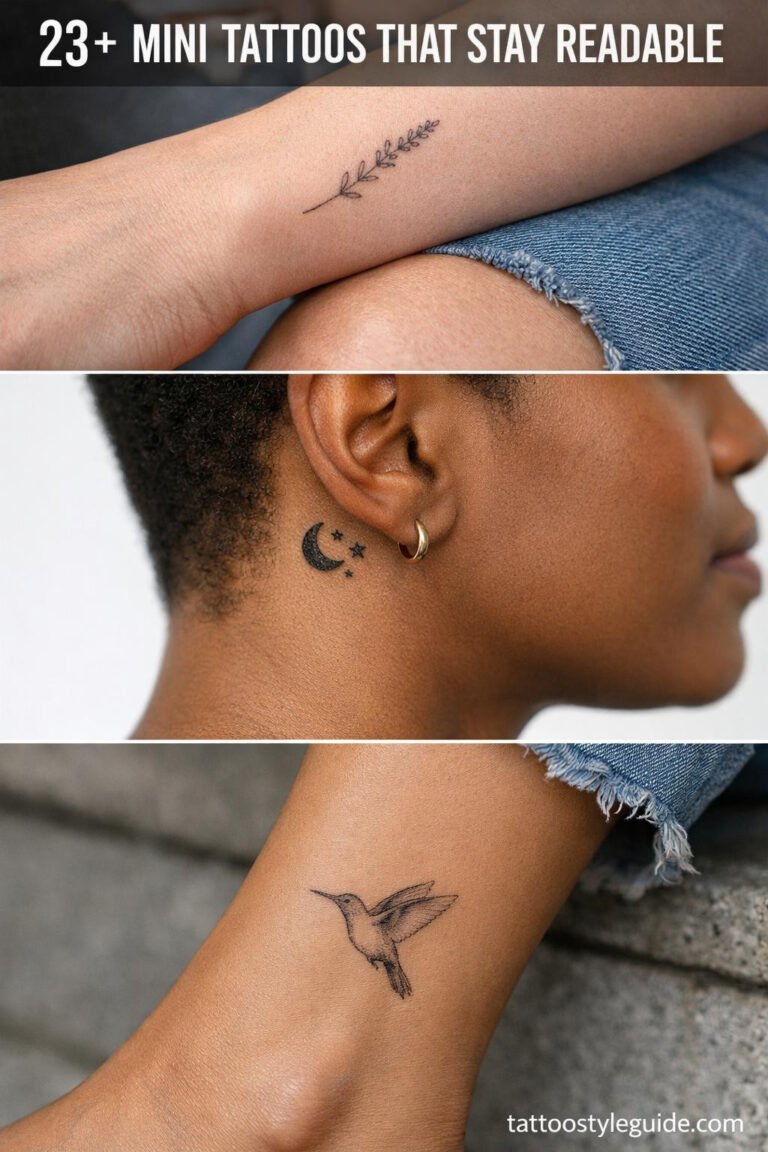
- Single-needle fine line with detail: $100-$200
- Small script (3-8 characters, clean font): $80-$150
- Color micro-design with shading: $150-$300+
- Hyper-detailed realism compressed small: $200-$400+
Placement: Where It Goes Affects Price and Longevity
Not all skin accepts ink equally, and experienced artists price accordingly.
High-Wear, High-Risk Areas
Fingers, palms, sides of hands, and feet see constant friction, sun exposure, and regeneration. Ink here fades faster, requires more frequent touch-ups, and demands technical skill to deposit properly. Some artists charge more for these placements or refuse them outright. Others include a touch-up in the initial price knowing it’ll be needed.
Stable, Low-Maintenance Placements
Inner forearm, upper arm, calf, ribcage (if not too bony), and behind the ear generally hold ink well. These areas allow for cleaner healing and longer-lasting results. The artist can work with confidence, and you get better value over time.
Bony areas, ankles, collarbones, sternum, hurt more, which can slow the artist down. Some artists adjust pricing for expected session length; others maintain their standard rate regardless.
The Hidden Costs: Design, Touch-Ups, and Tipping
Base price rarely tells the full story.
Custom Drawing Fees
Some artists charge separately for design time, especially for custom tiny tattoos that require multiple revisions. This might be $50-$100 added to the tattoo price, or built into a higher flat rate. Flash designs, pre-drawn pieces you select from a sheet, typically skip this charge.
Touch-Ups
Many shops include one free touch-up within 6-12 months, especially for finger and hand work. Others charge half their hourly rate or a flat fee. Ask before booking. A $60 finger tattoo that needs a $40 touch-up in four months wasn’t actually cheaper than the $100 version that held.
Tipping
Standard in US tattoo culture: 15-20% for good work, more for exceptional service or complex small pieces. On a $100 minimum, that’s $15-$20. Budget for it.
How to Get Good Value Without Cutting Corners
Cheapest isn’t smartest with tiny work. A blown-out $50 finger tattoo costs more to laser or cover than a $150 piece done right.
- Check portfolios specifically for healed photos of small work, not just fresh
- Ask about needle grouping, single needle for fine detail, tight liners for crisp small lines
- Request honest feedback on whether your design idea works at the size you want
- Book artists who specialize in the style you’re after, not just whoever has Saturday open
- Factor touch-up policy into your decision, not just upfront cost
Healed photos matter enormously. Fresh tattoos look sharper and darker than they’ll settle into. An artist proud of their tiny work will show you one-year results.
What the Healing Reality Looks Like
Tiny tattoos heal faster than large pieces, often 1-2 weeks for surface healing, 4-6 for full settling, but the aftercare stakes feel higher. A small scab lost to picking can take a noticeable chunk of detail with it. Finger tattoos peel and flake visibly; plan around work or social visibility if that matters to you.
Keep it clean, lightly moisturized, out of sun and soaking water. Don’t sleep directly on fresh rib or ear work. The aftercare isn’t medically complex, but consistency matters more with fine lines that have less margin for error.
Key Takeaways
- Shop minimums set your floor: $50-$150+ depending on location and studio tier
- Hourly rates with one-hour minimums can make brief work expensive; flat rates favor simple designs
- Detail, color, and fine-line technique increase price and demand specific artist skill
- Fingers, hands, and feet cost more to maintain over time; stable placements offer better long-term value
- Budget for tips, possible design fees, and touch-ups when comparing quotes
- Prioritize healed portfolio evidence and honest artist feedback over the lowest bid
A tiny tattoo done well is a technical achievement, not a discount category. Pay for the skill to make it last, and you’ll avoid the most expensive tattoo of all, the one you pay to remove.
Frequently Asked Questions
Why do some artists refuse to do finger or hand tattoos?
These areas regenerate skin rapidly and see constant friction, causing ink to fade or fall out unevenly. Some artists won’t do them because they don’t want their work looking bad in six months, or they know clients blame the artist for normal fading. Others charge more or require touch-up commitments.
Can I negotiate a lower price for a very simple tiny tattoo?
Generally no. Shop minimums exist because setup costs and time are fixed regardless of design complexity. Asking for a discount often signals you don’t value the artist’s time, which can lead to refusal. Budget for the minimum or wait until you can.
How do I know if a tiny tattoo will blur or fade over time?
Ask to see healed photos of similar-sized work from that artist. Very fine lines, crowded detail, and certain placements (fingers, feet, sides of hands) blur faster. A good artist will tell you honestly if your design needs to be larger or simpler to age well.
Is it worth traveling to a specialist for a tiny tattoo?
For highly visible or technically demanding pieces, yes. Single-needle and micro-tattoo specialists have specific skills that generalists may not. For a simple symbol or basic script, a strong local artist is usually sufficient. Weigh travel costs against the piece’s visibility and your standards.
Related Tattoo Guides
- How Much to Tip a Tattoo Artist: A Practical Guide
- Tattoo Prices: What You ll Actually Pay in 2024
- How Much Does the Average Tattoo Artist Make?
- Explore more