Yes, laser tattoo removal hurts. But here’s the thing most people don’t expect: for a lot of folks, it’s a different kind of pain than getting the tattoo in the first place, sharper, more intense, but way shorter. We’re talking snap-rubber-band-against-sunburn quick, not the steady grind of a needle dragging through skin for hours. If you’re sitting on a half-finished sleeve you regret or a name that needs to disappear, this guide breaks down exactly what you’re signing up for, no sugarcoating, no scare tactics.
What the Pain Actually Feels Like
Every artist who’s been around a shop long enough has watched clients walk in nervous and walk out surprised. The laser isn’t a continuous drag like tattooing. It’s a series of rapid pulses, each one feeling like a hot rubber band snapping against your skin, sometimes with a sharp, prickly afterburn that fades fast.
Location Changes Everything
Fatty areas with thick skin? The upper arm, outer thigh, calf, those spots tend to handle it better. Bony areas, thin skin, places right over nerves? That’s where it gets spicy. Ankle bones, ribs, inner wrist, spine. The closer to bone, the more that zap travels. Artists joke that removal on the ribs is where grown adults reconsider their life choices in real time.
Black vs. Color: The Heat Factor
Black ink absorbs all laser wavelengths, so it heats fast and breaks down easiest. Colors like green, blue, yellow? They’re stubborn. They need different wavelengths, more sessions, and sometimes more passes per session. More passes means more zaps. More zaps means more cumulative heat. That warm, toasted feeling can linger for hours after on multi-color pieces, especially if the artist is chasing a bright teal or lime green that doesn’t want to let go.
How It Compares to Getting Tattooed
Here’s where opinions split hard in shop waiting rooms. Some people say removal is worse. Some say it’s nothing compared to a four-hour sit on a fresh piece. The honest breakdown:
- Duration: A removal session might be 10-30 minutes versus hours of tattooing. Short pain wins for some people.
- Intensity: The laser hits harder per second, but there’s no drawn-out abrasion. Your skin isn’t being opened and worked repeatedly.
- Aftermath: Tattooing leaves you sore, raw, peeling for weeks. Laser gives you immediate sunburn-style heat, possible blistering, then a different kind of healing.
- Mental game: Tattooing has rhythm, endorphins, the buzz of creation. Removal is destruction. Psychologically, that lands differently for people.
The veterans who’ve done both usually land here: they’d rather sit for a new piece than remove an old one, but they’d also rather do three twenty-minute removal sessions than one three-hour cover-up outline.
What Happens to Your Skin After
This is where shop talk gets real. Laser removal isn’t magic erasing. Your skin responds immediately. Redness, swelling, pinpoint bleeding, sometimes blisters, these are normal responses, not complications. The laser shatters ink particles; your immune system clears the debris. That process takes weeks, not days.
The Healing Timeline
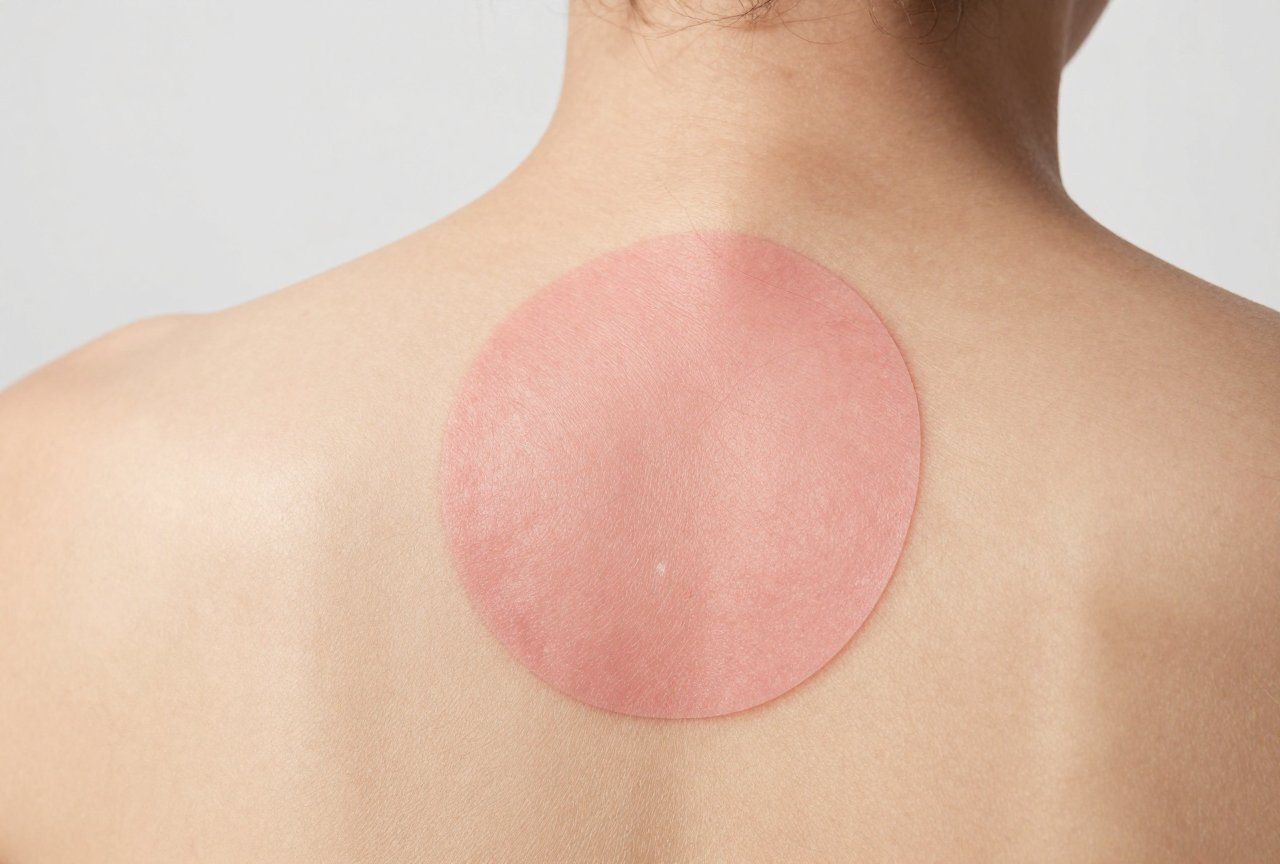
First 48 hours: keep it cool, clean, raised if possible. The area feels like a bad sunburn, tight and hot. Blisters may form, don’t pop them. The fluid inside is part of the process, and opening them risks scarring, which is the real enemy here.
Days 3-14: scabbing or crusting, possible itch as the skin repairs. This is where people mess up. Picking, scratching, soaking in baths or hot tubs, these habits wreck outcomes. The goal is letting the skin heal flat and even so the next session can target remaining ink properly.
Weeks 4-8: fading becomes visible, but the real work is internal. Your lymphatic system is slowly carrying away shattered pigment. Drinking water, staying active, not smoking, these genuinely help. Artists notice the difference in clients who take care of themselves between sessions versus those who don’t.
What Can Go Wrong (And How to Avoid It)
Hypopigmentation, light spots where the ink was. Hyperpigmentation, dark spots from inflammation. Scarring, usually from poor aftercare or overly aggressive settings. The best removal techs aren’t cranking lasers to max power; they’re finding the sweet spot where ink breaks without destroying surrounding tissue. Shop around. Ask about their machine (Q-switched Nd:YAG is standard, picosecond lasers are newer and faster but pricier). Ask to see healed photos, not just fresh results.
Pain Management: What Actually Helps
Most reputable places won’t numb you to the gills because you need to feel if something’s going wrong, excessive heat, wrong settings. But there are legitimate options:
- Topical numbing cream: Apply 30-60 minutes before, wrapped in plastic. Lidocaine-based creams help with the surface zap but won’t touch deeper sensation.
- Ice packs: Pre-cooling and post-cooling the area. Simple, effective, reduces the initial shock.
- Timing matters: Don’t book when you’re hungover, menstruating (pain tolerance drops), or sleep-deprived. Your nervous system is already on edge.
- Distraction: Some places have stress balls, music, conversation. One tech I know lets clients squeeze his hand, old school, but the pressure helps.
- Tylenol before: Avoid ibuprofen or aspirin, they thin blood and can increase bruising and blistering.
What doesn’t help: alcohol beforehand (thins blood, dehydrates), numbing yourself into oblivion and missing warning pain, or toughing it out silently when something feels wrong. Speak up. Good techs want feedback.
The Real Cost: Sessions, Time, Money
Single-session removal is basically a myth for anything professional and saturated. Amateur stick-and-poke? Maybe 2-4 sessions. Dense black tribal? 8-12, sometimes more. Colors add sessions. Older tattoos sometimes fade faster because ink has already migrated slightly. Location matters, areas with better circulation (closer to heart) clear faster.
Cost runs roughly $200-$500 per session depending on size, location, machine type. Multi-session packages sometimes save money. The cheap Groupon deal? Red flag. Laser removal done wrong leaves permanent damage that no cover-up can hide. This is one area where paying for experience matters more than bargain hunting.
When to Consider Cover-Up Instead
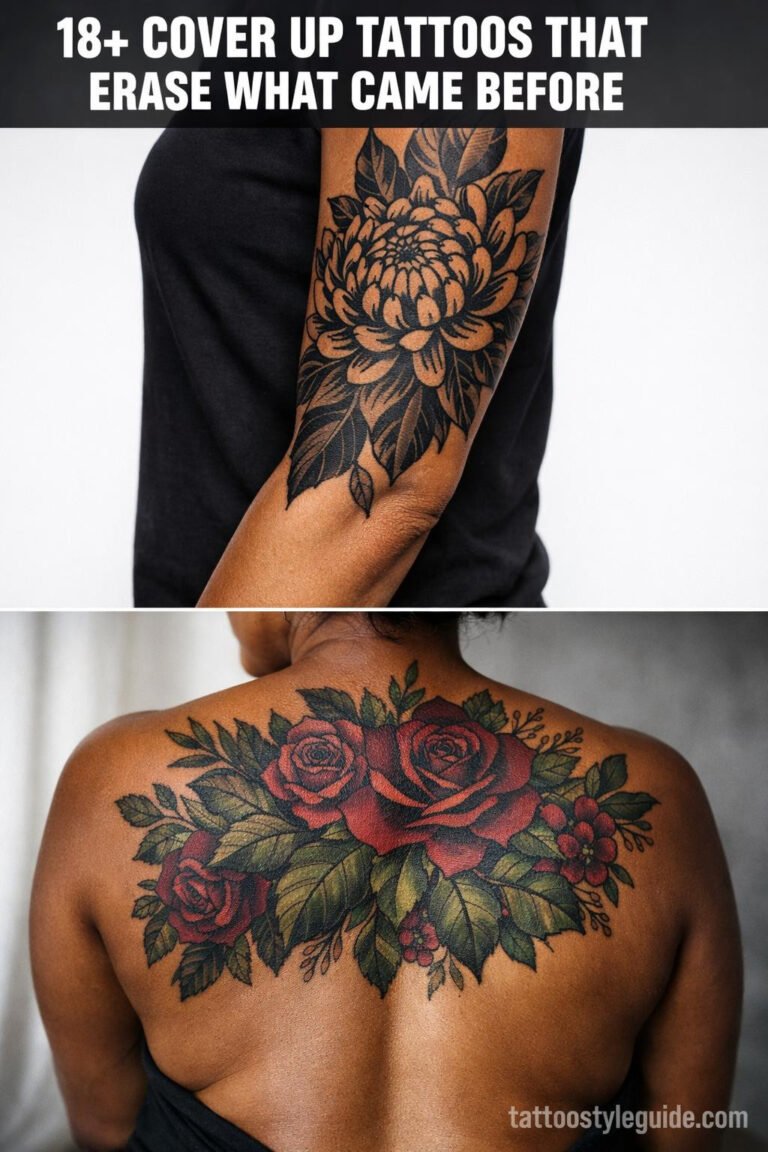
Not every tattoo needs removal. A skilled artist can work wonders with strategic cover-ups, especially if you’re flexible on the new design. Fading a tattoo with 2-3 laser sessions, then covering, often gives better artistic results than full removal. It’s cheaper, less painful overall, and you end up with art instead of blank skin. Talk to both a removal tech and a tattoo artist before committing to full removal. Sometimes the hybrid approach is the smart play.
Key Takeaways
Laser tattoo removal hurts, but it’s brief, manageable, and nothing like the horror stories some people imagine. The snap-and-heat sensation varies wildly by body location, ink color, and your personal pain threshold. Healing requires discipline, no picking, no sun, no shortcuts. Costs add up over multiple sessions, so budget realistically and choose experienced providers over cheap deals. Pain management is available but limited by safety needs. And always remember: partial fading plus a great cover-up often beats the long road to complete removal. If you’re walking into this process informed, prepared, and with realistic expectations, you’ll handle it fine. Millions have. The tattoo on your skin isn’t permanent anymore; the technology exists, the pain is temporary, and the decision is yours.
Related Tattoo Guides
- How Long Does Tattoo Removal Take? A Realistic Timeline
- How to Get Temporary Tattoo Off: Real Shop Guide
- How to Remove a Homemade Tattoo: A Real Guide
- Explore more
Frequently Asked Questions
How painful is laser tattoo removal compared to getting the tattoo?
Most people say laser removal hurts more than getting tattooed, but the sessions are much shorter. The pain is often described as a rubber band snapping against sunburned skin or hot grease splattering.
Can I use numbing cream to make laser tattoo removal less painful?
Yes, topical numbing creams can help reduce discomfort, though they are not always fully effective. Many clinics also offer cooling devices, local anesthetic injections, or cold air to manage pain during treatment.
Does the pain get worse with each laser removal session?
Pain levels vary by session and often depend on the ink colors being targeted and your skin sensitivity. Some people find later sessions more uncomfortable because the laser settings may be increased to break down stubborn remaining pigment.
What does the pain feel like after the laser tattoo removal session ends?
After treatment, the area typically feels like a bad sunburn with some swelling and tenderness for a few days. Blisters or scabs may form, but these are normal parts of the healing process and should not be picked at.