Plan on one to three years, start to finish. Most people need between six and twelve laser sessions, spaced six to eight weeks apart, to get a tattoo faded enough for a cover-up or fully removed. That’s the honest answer. There’s no magic wand, no single-afternoon fix, and anyone promising otherwise is selling something. The timeline stretches and shrinks based on your ink colors, how deep the artist went, where the tattoo sits on your body, and how efficiently your immune system flushes the shattered pigment. Below, I’ll break down what actually happens session by session, what slows things down, and what the whole process feels like in a real shop setting, not a med-spa brochure.
What the Laser Actually Does
Here’s the quick version: the laser fires incredibly short bursts of light that heat the ink particles until they fracture into smaller pieces. Your lymphatic system then recognizes these tiny fragments as foreign debris and gradually carries them away. This isn’t instant. Your body treats it like a cleanup project, and bodies work on their own schedule.
Each session only handles what’s visible at that moment. Some ink sits deeper than other layers, and certain colors, especially greens, blues, and fluorescent tones, don’t absorb the laser wavelength as readily. Black? That responds fastest. White and flesh-tone inks? They can actually darken after laser exposure because of titanium dioxide reacting to heat. Yeah, that’s a fun surprise some people learn the hard way.
Why Multiple Sessions Are Non-Negotiable
You can’t blast everything at once. Skin needs recovery time between sessions, and your immune system can only process so much pigment before it taps out. Think of it like sanding a floor, you do a pass, let the dust settle, assess what’s left, then go again. Rushing the schedule risks scarring, permanent texture changes, and paradoxical darkening of certain inks. Reputable technicians won’t book you closer than six weeks apart for most areas; eight to ten weeks is common for larger pieces or dense blackwork.
Factors That Stretch or Shrink Your Timeline
Not all tattoos are created equal, and not all bodies process ink the same way. Here’s what actually matters when you’re trying to estimate your personal finish line:
- Color palette: Black and dark red fade fastest. Teal, lime green, and sky blue are stubborn. Yellow and orange fall somewhere in the middle. White ink can turn gray or brown before it fades, if it fades at all.
- Age of the tattoo: A ten-year-old piece that’s been sun-baked has already lost some pigment naturally. Fresh, saturated ink from last year? That’s going to take longer.
- Depth and density: Heavy traditional lines packed solid with black require more passes than light gray wash or delicate single-needle work. Blowouts, where ink spread under the skin, create larger particles that break down slower.
- Placement: Tattoos near your heart and major lymph nodes (chest, upper back) fade faster than ankle or wrist pieces where circulation is weaker. Finger tattoos? Those are notoriously slow.
- Your skin type: Darker skin requires more conservative laser settings to avoid hypopigmentation (light spots), which means slower progress. Fitzpatrick scale IV and up need technicians who really know their machine.
- Aftercare discipline: Smoking tanks your healing. So does picking scabs, skipping sunscreen, or hitting the gym too hard right after a session. Your lymphatic system needs you not working against it.
The Cover-Up Shortcut
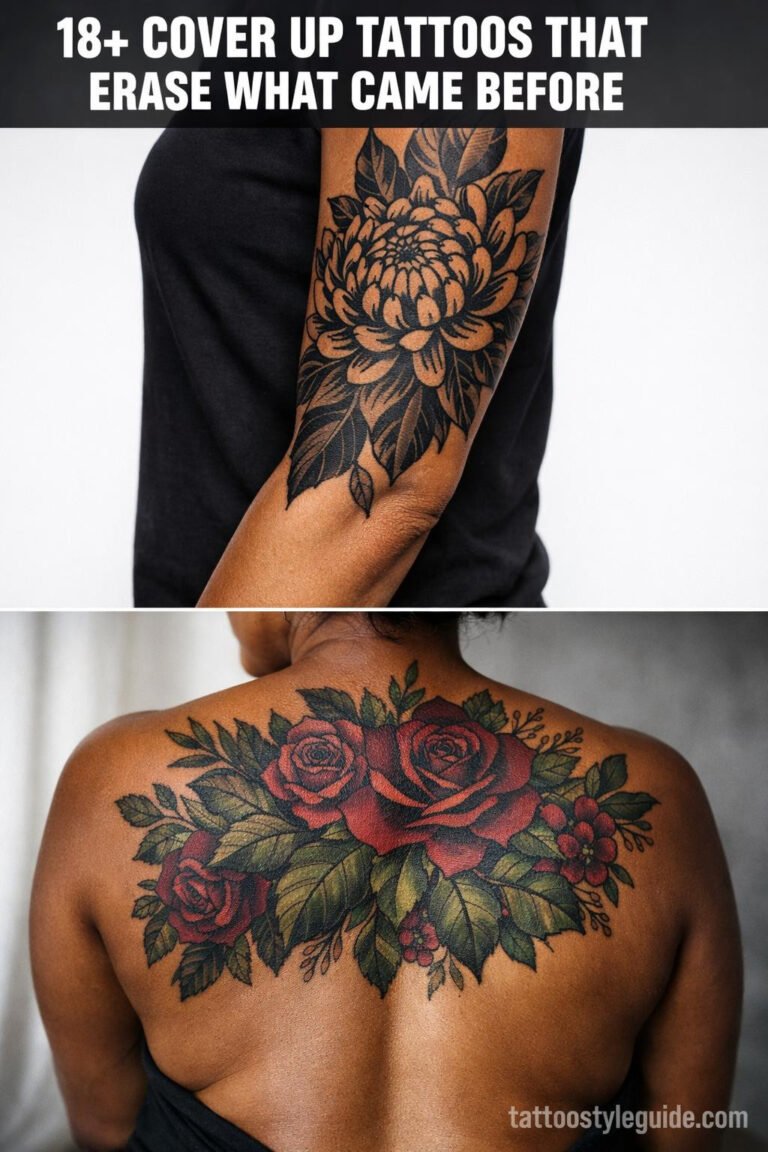
Most people don’t actually want complete removal, they want enough fading that a talented artist can work over the old piece. This typically cuts your sessions in half. Four to six fades instead of ten to twelve full removals. I’ve watched artists lay gorgeous new work over ghosted tribal bands that would have taken two years to vanish entirely. Be honest with your removal tech about your end goal; they’ll adjust their approach.
What a Session Actually Feels Like
It hurts worse than getting the tattoo. There’s no sugarcoating that. The laser feels like hot rubber bands snapping against raw skin, or grease splatter from a frying pan, depending on who you ask. Most technicians use a Zimmer cooling device or topical numbing, but you’re still going to feel it. Sessions run anywhere from five minutes for a small piece to forty-five for a half-sleeve.
Afterward, the area blisters. White, raised, sometimes dramatic-looking blisters. This is normal. They’ll deflate in a few days, crust over, and flake off like a bad sunburn. The skin underneath is pink and tender for a week or two. You’ll keep it clean, apply whatever ointment your technician recommends, and absolutely do not pop those blisters. Infection is your biggest risk here, and it can set you back months.
The Healing Between Sessions
That six-to-eight-week gap isn’t arbitrary. Your skin needs to fully repair its surface barrier, but more importantly, your immune system needs time to continue clearing pigment you can’t see. The fading happens gradually, sometimes you’ll look at your tattoo two weeks post-session and think nothing changed, then suddenly at week five it’s noticeably lighter. Patience is the whole game.
Cost Reality Check
Per-session pricing varies wildly by market. Small tattoos in smaller cities might run $100-$200 per session. Large pieces in major metros? $500-$800 easily. Full removal of a substantial tattoo can total several thousand dollars, sometimes approaching what you spent on the original work, or more. Most reputable shops offer package deals that shave 10-20% off if you prepay for a block of sessions. Don’t bargain hunt here. A burned-out diode or poorly trained technician can leave you with permanent scars that no amount of money fixes.
Insurance won’t touch this. It’s cosmetic. Budget honestly, and ask about payment plans if you need them. Good shops would rather discuss money upfront than have you ghost after two sessions because you stretched too thin.
What Artists Actually Say About Removal
In shop culture, we don’t judge cover-ups or removals the way we used to. Twenty years ago, asking about laser removal got you side-eye. Now? Half the artists I know have had at least one piece faded for rework. We get it. Tastes change. Relationships end. That matching tattoo from 2019 doesn’t hit the same in 2024.
What does make us wince is watching someone choose the cheapest option and end up with raised, shiny scar tissue that makes new work impossible. We can tattoo over faded ink. We cannot tattoo over keloided, textured skin. When clients ask me for removal shop recommendations, I send them to places with actual laser certifications, not the spa that added a machine last month to upsell facials.
Honest shop talk: if you’re removing something specifically to get better work in its place, consult your future artist before you start lasering. They can tell you exactly how light the area needs to be, which saves you money and sessions. I’ve seen people over-remove, spending thousands to fully clear skin that only needed partial fading.
Key Takeaways
- Expect 6-12+ sessions over 1-3 years for full removal; 4-6 sessions for cover-up-ready fading.
- Sessions must be spaced 6-8 weeks minimum, your body sets this pace, not your calendar.
- Black and red respond fastest; greens, blues, and white ink are slower and trickier.
- Location matters: chest and back fade faster than fingers, feet, and lower legs.
- Aftercare discipline directly impacts your timeline, protect from sun, don’t smoke, don’t pick.
- Budget several thousand dollars total; prioritize technician skill over bargain pricing.
- Consult your future tattoo artist if removal is prep for cover-up work, they’ll guide how much fading you actually need.
Removal is a commitment, not a quick fix. But walking into it with realistic expectations makes the whole process bearable. You’ll have days where you swear the tattoo looks darker than when you started. You’ll have days where you catch a glimpse in the mirror and realize how far it’s come. Both are normal. Find a technician who answers your questions straight, follow their aftercare like religion, and trust the slow chemistry happening under your skin. The ink didn’t get there overnight, and it won’t leave that way either.
Related Tattoo Guides
- How Much Does a Sleeve Tattoo Cost? Real Numbers
- How to Get a Tattoo Permit: A Complete Guide
- How to Get Temporary Tattoo Off: Real Shop Guide
- Explore more
Frequently Asked Questions
How many sessions does it actually take to remove a tattoo completely?
Most tattoos require 6 to 12 sessions spaced 6 to 8 weeks apart, though amateur tattoos may clear in 4 to 6 sessions and large, colorful professional pieces can need 15 or more. Complete removal is not guaranteed for every tattoo, and some faint ghosting may remain.
Why do I have to wait so long between laser removal sessions?
Your body needs time to flush the shattered ink particles through your lymphatic system, which is how the tattoo actually fades. Rushing sessions can cause scarring, blistering, and skin discoloration without improving results.
Can a tattoo be removed in just a few weeks if I am in a hurry?
No, even aggressive protocols require several months minimum because the process depends on your immune system working between treatments. Promising removal in weeks is a red flag for unsafe practices or scams.
Does tattoo removal take longer for certain ink colors or skin types?
Black ink responds fastest to laser removal, while greens, blues, and yellows often need more sessions and specialized wavelengths. Darker skin types also require more cautious treatment with longer intervals to avoid pigmentation changes.