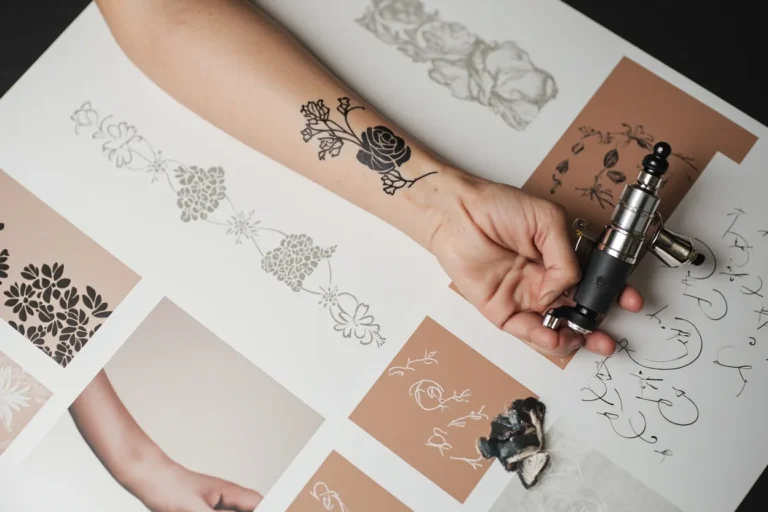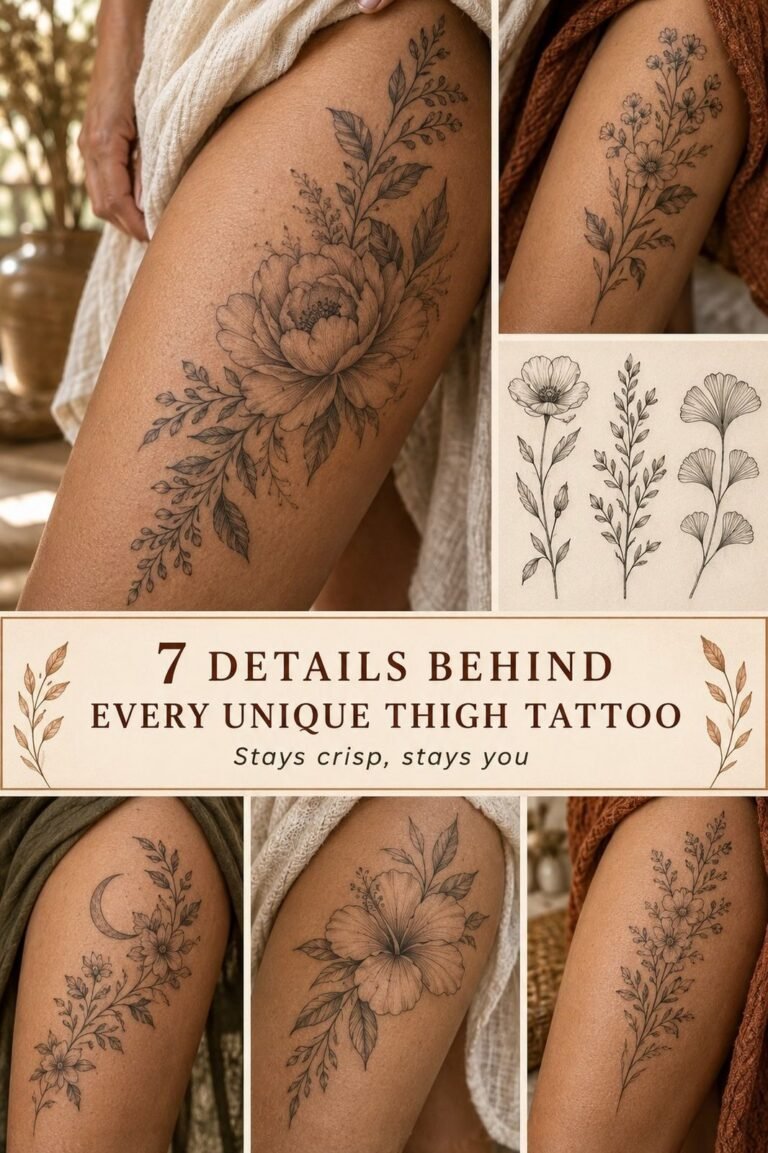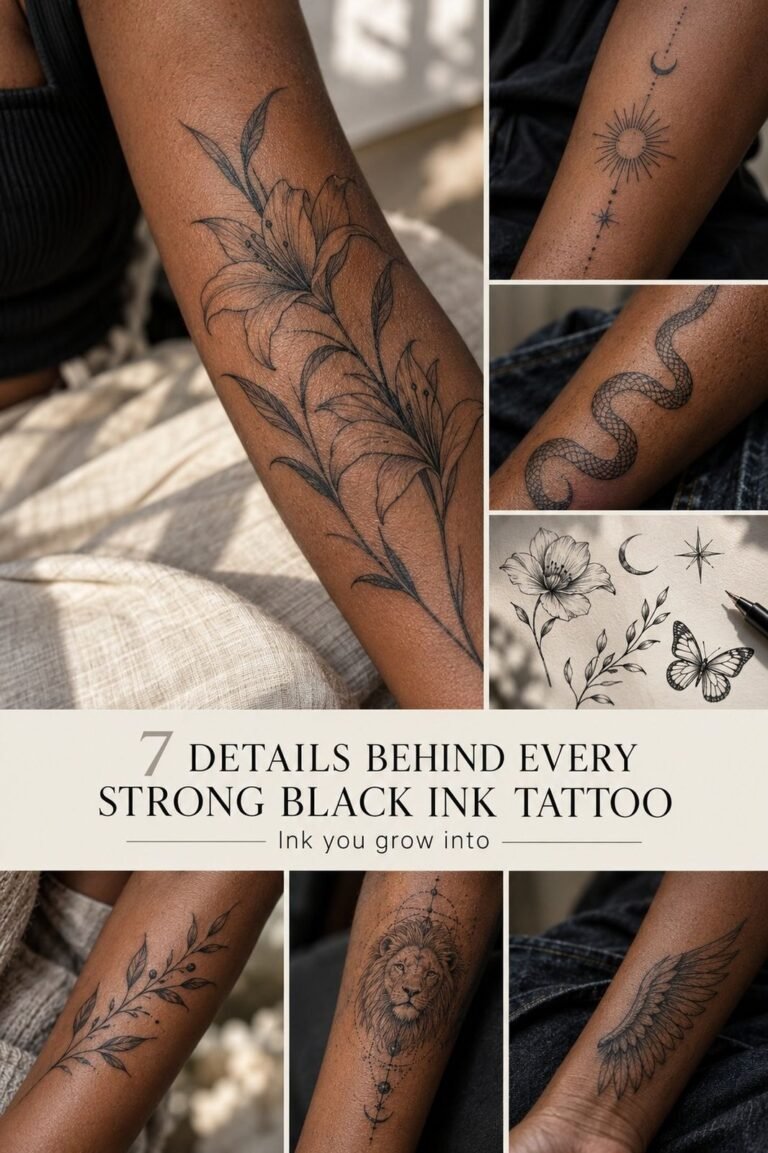
A full sleeve tattoo in the US typically costs between $1,500 and $10,000, with most people landing somewhere in the $2,500-$6,000 range. Half sleeves usually run $800-$3,500. That’s the short answer. The real number depends on your artist’s hourly rate, how detailed your design gets, if you’re doing black-and-grey or full color, and honestly, how much your artist likes the project. Some shops quote by the piece, others strictly by the hour. Either way, sleeves are a marathon, not a sprint, and the money gets spread across multiple sessions over months or even years.
What “Sleeve” Actually Means
There’s no universal definition. I’ve seen artists call a half sleeve anything from shoulder-to-elbow to a full upper arm with the ditch filled in. Full sleeves run shoulder to wrist. Three-quarter sleeves stop somewhere above the wrist, popular with people who need to cover up for work.
Full vs. Half vs. Patchwork
A cohesive full sleeve designed as one piece takes more planning and usually costs more than a “patchwork” sleeve built from separate tattoos over time. Patchwork can be cheaper per session but often needs background filler later to tie it together, which sneaks up on your budget. I’ve watched people spend $4,000 on individual pieces, then another $2,000 for filler and blending. Plan the whole arm if you can.
- Full sleeve (shoulder to wrist): $2,500-$10,000+
- Half sleeve (shoulder to elbow or elbow to wrist): $800-$3,500
- Three-quarter sleeve: $1,500-$5,000
- Patchwork sleeve with later filler: variable, often $3,000-$7,000 total
How Artists Actually Price This
Most reputable shops in the US charge hourly. Rates vary wildly by city and artist reputation. I’ve seen $80/hour in smaller Midwest towns and $500+/hour for established names in NYC or LA. The average sits around $150-$250 for solid professional work. Some artists offer day rates, $800-$1,500 for a full 6-8 hour session, which can save money if you sit well.
Flat Rate vs. Hourly
Occasionally an artist will quote a flat project rate for a sleeve, especially if they designed the piece and know exactly what’s involved. This can protect you from budget creep, but it also means the artist pads for uncertainty. Hourly is more common and feels fairer to both sides. Ask upfront which system they use. Get it in writing.
A full sleeve typically needs 15-30 hours of needle time. Simple blackwork with bold lines might clock in at 12-15. Photorealistic color with smooth gradients? 25-40 hours easy. Your pain tolerance and skin’s cooperation affect this too. Some people tap out after three hours; others sit for eight. The chair time adds up either way.
What Drives the Price Up
Detail density is the big one. A sleeve of solid black panthers with negative space? Fast. Japanese water backgrounds with layered waves, cherry blossoms, and subtle color transitions? That’s hours of careful layering. Color almost always takes longer than black-and-grey. White ink highlights, fine line work, and photorealistic portraits all demand premium rates because they’re technically harder and age more unpredictably.
- Color work: 20-40% more time than black-and-grey
- Photorealism or portrait work: premium rates, often $300+/hour
- Heavy black fill and solid saturation: faster but harder on the body
- Custom design time: some artists charge separately for drawing, others roll it in
- Cover-up or scar tissue work: usually 25-50% surcharge
Location matters too. Shop minimums in San Francisco or Miami run $150-$200 just to walk in the door. Same quality in Portland or Austin might start at $80. Travel to conventions and you’ll pay the artist’s day rate plus their expenses.
The Hidden Costs Nobody Talks About
Deposits. Most artists want $200-$500 to hold your sleeve appointments, applied to the final session. Tip culture in tattooing runs 15-25%, sometimes higher for exceptional work. On a $4,000 sleeve, that’s another $600-$1,000. Aftercare supplies, quality fragrance-free soap, plain moisturizer, maybe second-skin bandages, add maybe $30-$50. Nothing crazy, but it adds up.
Touch-Ups and Aging
Sleeves settle over 6-12 months. Lines soften, colors mute slightly, especially on the outer arm where sun hits. Most artists include one free touch-up within a year; ask about this policy. Budget for a refresh session every 5-10 years depending on your lifestyle, sun exposure, and how your particular skin holds ink. Some people’s sleeves stay crisp for decades; others need attention sooner. There’s no predicting it perfectly.
Healing reality: a sleeve session means sleeping carefully, avoiding gym strain, and dealing with peeling or scabbing for 2-3 weeks. Multiple sessions mean multiple healing cycles. Plan your life around it. I’ve seen people book sleeve work before beach vacations or wedding seasons, bad timing. The ink needs that time undisturbed.
How to Budget Without Getting Burned
Save more than you think you need. The classic mistake is starting a sleeve with $1,500 saved and realizing halfway through you’re $2,000 short. Artists hate this. It kills momentum, the half-finished arm sits awkward, and sometimes the artist moves shops or cities. I’ve seen abandoned sleeves that took years to finish because someone ran out of money at session four.
- Get a consultation and honest time estimate before committing
- Add 20% buffer for longer sessions than expected
- Ask about payment plans, some shops offer them, many don’t
- Prioritize: a simpler, finished sleeve beats an ambitious half-done one
- Consider starting with a smaller visible piece to test the artist’s style on your skin
Don’t bargain shop. A sleeve is permanent, highly visible, and expensive to fix. I’ve covered plenty of cheap sleeves with dense black. The “fix” usually costs more than doing it right the first time. Look at healed photos, not just fresh Instagram shots. Fresh tattoos lie. Healed work tells the truth about an artist’s technical skill.
Session Breakdown: What You’re Paying For
A typical full sleeve might run 4-8 sessions. First session: stencil, line work, maybe some black shading. Three to four hours. Second through fourth: color packing, background building, detail layers. Three to six hours each. Final session: touch-ups, highlights, tightening edges. Two to three hours. The time between sessions matters, your skin needs 3-6 weeks to heal fully, and artists book out months ahead anyway.
Some people power through in two long day sessions. Others prefer shorter, more frequent visits. Your body decides what works. Swelling and endorphin depletion make long sessions progressively harder. Artists know this. The good ones will tell you when to stop, even if you’re paying by the hour.
Key Takeaways
Expect $2,500-$6,000 for most professional full sleeves in the US, with half sleeves roughly half that. Hourly rates dominate the industry at $150-$250 for quality work, more in major cities or for specialists. Color, detail, and photorealism push costs and time up significantly. Budget for tips, aftercare, and potential touch-ups. The cheapest sleeve is rarely the best sleeve, this is years of wearing someone’s artwork on your skin. Choose based on healed portfolio quality, not price alone. Save fully before starting, or risk an unfinished arm and a strained artist relationship. Good sleeves take time, money, and patience. The ones worth having always do.
Related Tattoo Guides
- How to Make a Fake Tattoo That Actually Looks Real
- How to Remove a Tattoo at Home: What Actually Works
- Will Tattoo Removal Leave a Scar? What to Actually Expect
- Explore more
Frequently Asked Questions
How much does a full sleeve tattoo cost on average?
A full sleeve tattoo typically costs between $1,500 and $6,000 in the United States. The price varies dramatically based on the artist’s hourly rate, which usually ranges from $150 to $400 per hour, and the total time required, which is often 15 to 30 hours of work.
Is it cheaper to get a sleeve done in multiple sessions or all at once?
Most artists charge by the hour regardless of session length, so the total cost is usually the same either way. However, some artists offer a full-day rate that can save money if you have the pain tolerance and stamina to sit for 6 to 8 hours at once.
Why do black and grey sleeves cost less than color sleeves?
Black and grey work generally requires fewer hours because the artist does not need to layer multiple colors or wait for color saturation to set in properly. Color sleeves often demand 20 to 40 percent more time, which directly increases the overall price.
Do I need to pay a deposit for a sleeve tattoo, and is it refundable?
Yes, most reputable artists require a deposit of $100 to $500 to book sleeve appointments, which is typically deducted from the final session. Deposits are usually non-refundable if you cancel without sufficient notice, as they compensate the artist for reserved time.