Let’s cut straight to it: you cannot safely remove a tattoo at home. Not completely. Not without risking scars, infections, or skin damage that looks worse than the ink itself. I’ve watched people try for twenty years in shops from Portland to Philly, salt scrubs, lemon juice, TCA acid, even grinding stones into their skin. The honest ones come in months later asking us to cover the mess. The full removal of tattoo pigment requires breaking it down with professional lasers that target specific wavelengths of light; home methods lack this precision and penetrate unpredictably. That said, there are legitimate ways to fade, conceal, or live with a tattoo you regret, and I’ll walk you through all of it, what’s worth your time, what’s dangerous, and when to stop messing around and book a consultation.
Why Home Removal Fails
The Science Your Skin Actually Needs
Tattoo ink sits in your dermis, below the epidermis that you can scrub or peel. Your immune system can’t reach it, that’s literally why tattoos are permanent. Professional lasers pulse light at frequencies that shatter specific ink colors into particles small enough for white blood cells to carry away. This takes multiple sessions, usually 8-15 for complete removal, spaced 6-8 weeks apart. At home, you don’t have selective photothermolysis. You have rough ideas and desperation.
I’ve seen clients who tried salabrasion, rubbing salt until the skin bleeds. The tattoo usually survives, but the scar tissue makes it blurrier and harder to laser later. Others bought “tattoo removal creams” online. These barely penetrate the epidermis. At best they irritate your skin for weeks. At worst they cause chemical burns that hyperpigment for years. The FDA doesn’t regulate these products for efficacy, only for basic safety, and plenty still slip through with harmful ingredients.
What Artists Actually See in Shops
Walk into any shop with removal questions and you’ll get the same honesty: we don’t do it, but we know who does. Most reputable artists have relationships with laser clinics. We send clients there, then often do cover-ups on the faded remains. The ones who tried home methods first? Their skin texture is compromised. The laser tech has to work around scar tissue, which doesn’t respond to light the same way. You’re not saving money, you’re buying a harder, more expensive process.
- DIY acid peels: Risk chemical burns, permanent hypopigmentation (light spots), and delayed healing
- Salt or dermabrasion: Creates scar tissue that traps ink deeper, may cause keloids on chest/shoulders
- “Natural” fading methods: Lemon juice, honey, aloe, moisturize at best, do nothing to dermis
- Home laser devices: Underpowered, untargeted, high risk of burning without training
What You Can Actually Do at Home
Fading and Concealing
Full removal isn’t happening on your bathroom counter. But you can make a tattoo less visible or prepare it for cover-up work. Exfoliation with a standard body scrub won’t remove ink, but it removes dead skin that makes tattoos look dull. Moisturizing daily with plain, fragrance-free lotion keeps the skin pliable and the ink sitting where it should, not cracked and raised, which draws attention.
Sunscreen is your actual friend here. UV exposure breaks down ink particles over years, but it does so unevenly and damages the skin containing them. A tattoo that looked crisp at 25 looks blurry and greenish at 45 if you tan. SPF 30+, applied consistently, preserves what you have. If you’re trying to fade for a cover-up, some artists actually suggest limited, controlled sun exposure to knock the edges off, but this is measured in years, not weeks, and still risks skin damage.
Camouflage Options
Makeup coverage works for events, not daily life. Dermablend and Kat Von D’s lock-it lines are what I’ve seen clients use successfully. The trick is color correction: orange or peach tones neutralize blue-black ink before skin-toned foundation goes on. Set with powder, seal with spray. It takes practice. It rubs off on clothes. But for a wedding photo or job interview? It’s viable.
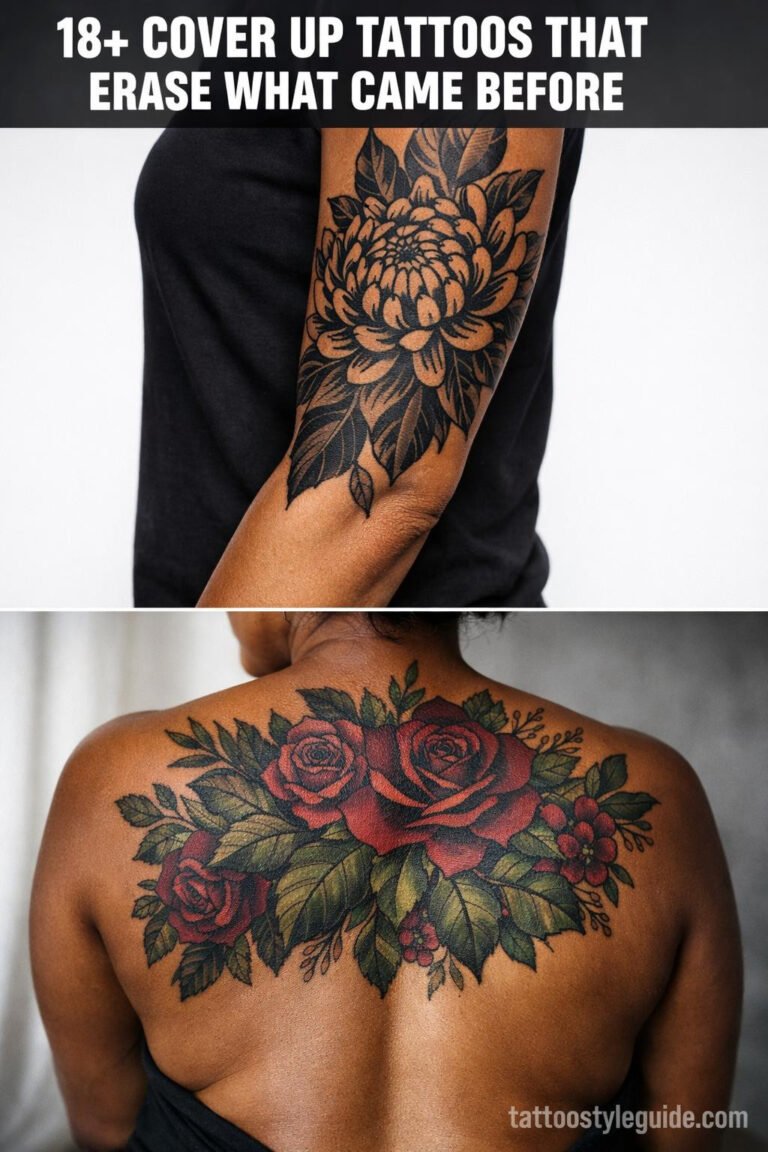
Some people go the opposite direction, leaning into the tattoo with touch-ups that reframe it. A blown-out tribal band becomes a geometric sleeve with the right artist. That bird you got at 18? Add background, fix the line weight, suddenly it’s intentional. This isn’t removal, it’s transformation. Costs run $200-800 depending on size and complexity, but it’s same-day results with no healing timeline beyond normal tattoo aftercare.
Professional Removal: The Real Numbers
What Laser Removal Actually Costs
Picosecond lasers, PicoSure, PicoWay, run the market now. They pulse in trillionths of a second, shattering ink with less heat damage to surrounding skin. Expect $200-500 per session for palm-sized pieces. Full sleeves can hit $3,000-5,000 total. Most clinics offer packages that drop the per-session price. The big variable is ink color: black and dark blue respond best. Greens, yellows, and light blues fight back. Reds can turn dark before fading. White ink? Sometimes turns brown or disappears unpredictably.
Pain is real but manageable. Clients describe it as rubber bands snapping, or grease splatter. Numbing cream helps for the first ten minutes; after that the skin’s too irritated to keep it effective. Post-session, you get blisters, swelling, crusting. Not glamorous. Two weeks of careful aftercare: keep it clean, don’t pick, no sun. Repeat every 6-8 weeks. A full removal is a year-long commitment minimum.
When to Consider Surgical Options
Excision, cutting the tattoo out and stitching the skin, works for small pieces only. Under 2 inches, usually on limbs where skin stretches. You trade ink for a surgical scar. I’ve seen it done well on finger tattoos, behind-the-ear pieces. Costs $1,000-3,000 depending on complexity and whether skin grafts are needed. Not common, but worth knowing exists for truly desperate situations.
Aftercare That Actually Matters
If you’re lasering, covering, or just living with a tattoo you don’t love, how you treat the skin changes everything. Fresh tattoos need 2-4 weeks of careful healing: wash gently with unscented soap, pat dry, thin layer of recommended ointment (most artists suggest Aquaphor for days 1-3, then unscented lotion), no soaking, no sun, no picking. Scabbing is normal. Itching is normal. Scratching pulls ink out unevenly and causes scars.
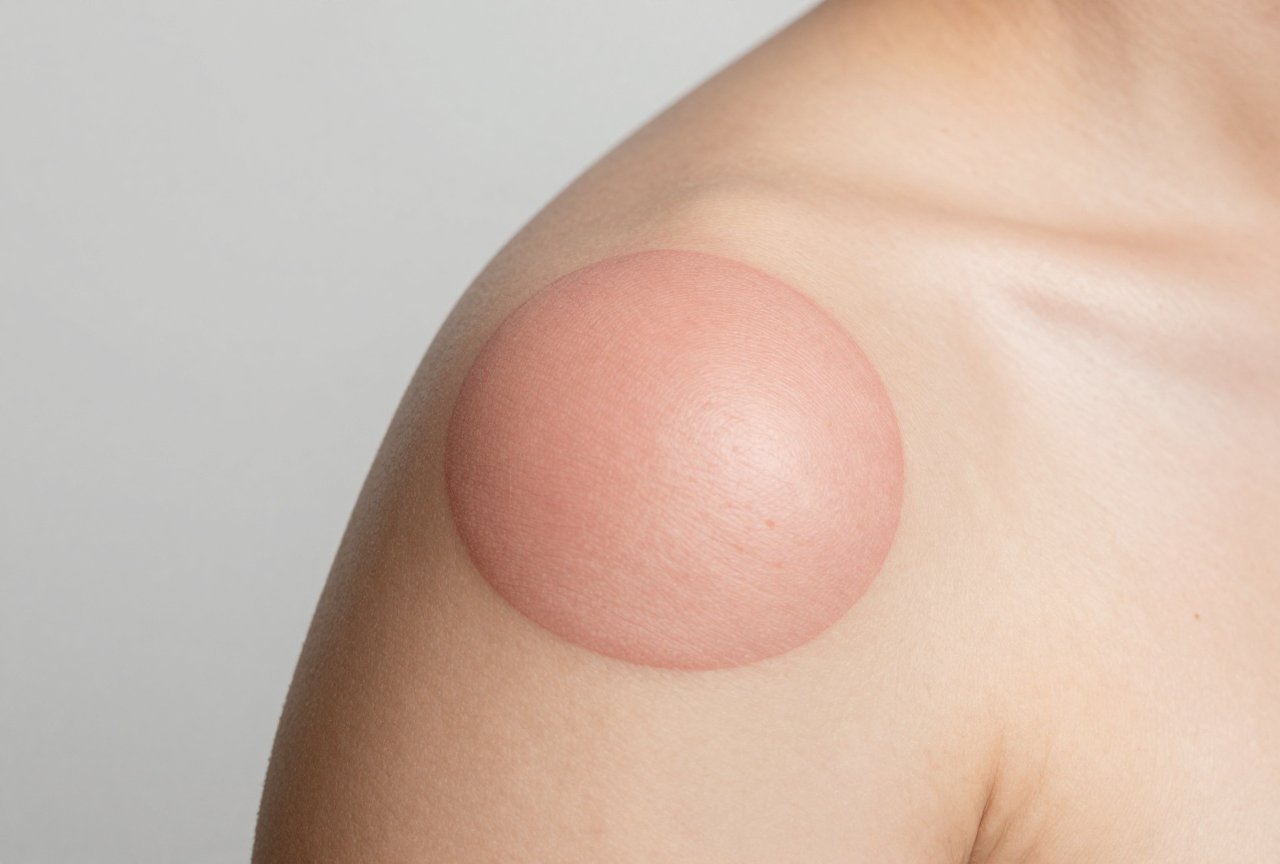
For removal aftercare specifically: the laser creates a controlled wound. Blistering means it’s working. Don’t pop them. Don’t ice directly, wrap ice packs. Keep the area raised if possible to reduce swelling. Silicone sheets or gel help once the surface has closed, minimizing scar formation. This isn’t the time to experiment with “natural” remedies. Your skin is vulnerable. Treat it like you would any significant wound: clean, protected, monitored for infection signs like spreading redness or pus.
- Healing timeline: 2-3 weeks surface healing, 6-8 weeks full dermal recovery between sessions
- What to avoid: swimming pools, hot tubs, gym equipment contacting the area, tight clothing rubbing
- Long-term skin health: moisturize daily, SPF always, accept that some ghosting or texture change is likely
Key Takeaways
There’s no safe, effective, complete tattoo removal at home. The methods that claim otherwise risk scars, burns, and worse outcomes than the original tattoo. Your real options are: live with it and protect it from sun damage, cover it with makeup for temporary concealment, transform it with a skilled cover-up artist, or commit to professional laser removal with realistic expectations about cost, time, and residual skin changes. If you’re researching this at 2am because you hate what you see? I’ve been there. The impulse to fix it immediately is human. But skin doesn’t forgive rushed decisions. Sleep on it. Save for the professional route. Your future self, the one wearing short sleeves without thinking, the one not explaining a scar, will thank you for the patience.
Related Tattoo Guides
- How to Take Off a Tattoo at Home: What Actually Works
- How to Treat a New Tattoo: A Real-World Aftercare Guide
- Does Getting a Tattoo Hurt? A Real Talk Guide
- Explore more
Frequently Asked Questions
Does lemon juice actually fade tattoos?
Lemon juice will not remove or fade a tattoo in any meaningful way. It may slightly lighten the very top layer of skin, but it cannot penetrate to the dermis where tattoo ink resides.
Can I use salt to scrub my tattoo off?
Salt scrubs are dangerous and ineffective for tattoo removal. This method causes severe skin damage, scarring, and infection risk while leaving the ink completely untouched below the surface.
Do tattoo removal creams from Amazon work?
Over-the-counter tattoo removal creams do not work and are not FDA approved for this purpose. They typically only bleach or irritate the outer skin without reaching the embedded ink particles.
Is there any safe home method that actually removes tattoos?
There is no safe or effective DIY method for tattoo removal at home. Professional laser removal by a licensed dermatologist or technician remains the only proven way to break down and eliminate tattoo ink.