Wash it gently with unscented soap, pat dry, apply a thin layer of recommended aftercare, and keep it clean and protected for two to four weeks. That’s the core of how to treat a new tattoo, but the details matter, how you wash, what you put on it, what you sleep on, and what you absolutely shouldn’t do. I’ve watched thousands of tattoos heal in my chair and in the shop, and the ones that stay crisp are almost always the ones where the client actually followed aftercare instead of improvising.
The First 24 Hours: What Actually Happens
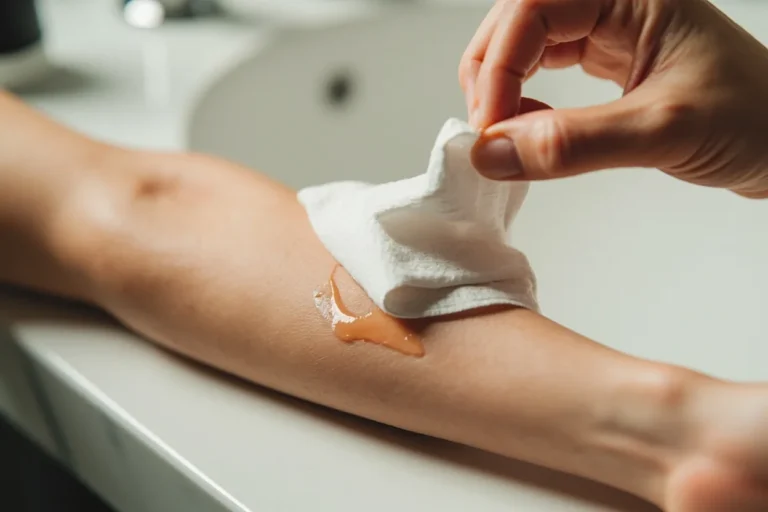
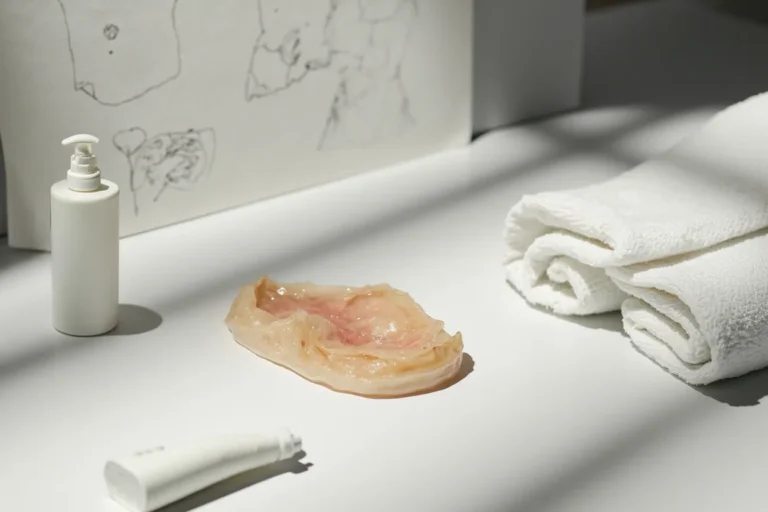
Your artist just wiped you down, wrapped you up, and sent you out the door. That wrap, whether it’s plastic film, a second-skin adhesive bandage, or good old cling wrap, is doing a job. It’s keeping bacteria out and plasma in. You’ll see a wet, sticky mix of plasma, ink, and blood pooling under there. Totally normal. Gross, but normal.
When to Remove the Wrap
Most shops say two to six hours for traditional wraps, or leave second-skin on for three to five days if your artist applied it. Don’t rip off second-skin early thinking you’re “letting it breathe.” That adhesive barrier is doing active work. When you do peel it off, do it in the shower with warm water running over it. Slow. It’ll sting less and you won’t yank out healing tissue.
After removal, you’ll see the tattoo looks almost too bright, almost wet-looking still. That’s surface ink and plasma. It’ll dull slightly over the next few days. Don’t panic. That’s not your tattoo fading; that’s your body starting its repair cycle.
Washing: The Step Everyone Rushes
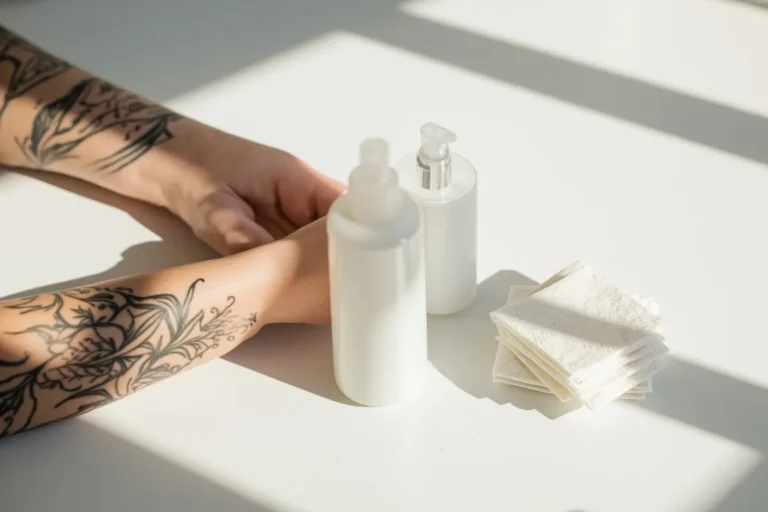
Wash your hands first. Seriously. I can’t tell you how many infections I’ve seen from people who touched their fresh tattoo with subway pole fingers. Use lukewarm water and a fragrance-free, dye-free soap. Dial Gold, Dr. Bronner’s unscented, whatever your artist specifically named, use that. No exfoliating beads, no “invigorating” menthol tingle, no antibacterial nuclear options like straight rubbing alcohol.
- Wash twice daily for the first week, then once daily until peeling stops
- Use your fingertips, not a washcloth or loofah
- Rinse until the water runs clear, no soap residue
- Pat dry with a clean paper towel, don’t rub, and don’t use your bathroom towel that your cat sleeps on
The skin will feel tight, almost sunburned. That’s expected. What you don’t want is persistent heat, spreading redness, or pus. Those mean a trip back to your artist or a walk-in clinic, not more coconut oil.
Moisturizing: Less Is More
Here’s where people destroy their tattoos. They glob on petroleum jelly like they’re preparing a steak for the grill. Thick layers suffocate the skin, trap bacteria, and pull ink out when you eventually wipe. You want a whisper-thin layer, just enough to cut the tightness.
What to Use
Most shops push a specific aftercare balm, often something with shea butter, coconut oil base, or a dedicated product like hustle butter. Some old-school artists still swear by Aquaphor for the first three days then switch to unscented lotion. I’ve seen great results with all of these. I’ve also seen people use Neosporin and develop contact dermatitis that looks worse than any infection.
- Apply a thin layer 2-3 times daily after washing
- If you can see a shiny film, you’ve used too much
- Switch to plain unscented lotion once peeling starts, Lubriderm, Cetaphil, whatever doesn’t smell like a department store
The Peeling Phase
Days three to seven, your tattoo will flake. It’ll look like you have dandruff. The color will seem to sit under a milky layer. Do not pick. Do not scratch. The peeling skin is carrying surface ink; what matters is the ink sitting in your dermis, and that’s not going anywhere if you leave it alone. Picking scabs pulls ink out and leaves scars that no touch-up fixes cleanly.
What to Avoid: The Real List
Your artist gave you a handout. You probably folded it into your pocket and forgot it. Here’s the stuff that actually matters, not the vague “be careful” warnings.
- No swimming pools, hot tubs, oceans, lakes, or rivers for at least two weeks, submerging fresh work is asking for bacteria
- No direct sun exposure; UV breaks down ink during healing and fades it permanently after
- No tight clothing rubbing the area, fresh tattoos on ribs get wrecked by bra bands and waistbands
- No gym for 48 hours minimum, longer if the tattoo is somewhere that’ll press against equipment
- No sleeping face-down on a fresh back piece; you’ll stick to the sheets and pull out ink
And here’s one people ignore: no long hot showers beating directly on the tattoo. The heat opens pores and can push out ink. Quick, warm, done.
Sleeping and Daily Life Adjustments
Fresh tattoos weep. They’ll stick to your sheets, your shirt, your couch. Sleep on clean, light-colored sheets you don’t care about. If it’s a limb, raise it slightly the first night to reduce swelling. I’ve had clients wake up with their arm tattoo fused to a t-shirt; they panicked, ripped it off, and took ink with it. Dampen the fabric first, peel slowly.
For large pieces, full backs, thigh sleeves, plan your life around not needing to bend or compress that area. A fresh stomach tattoo and a desk job where you lean forward all day? That’s a rough heal. Take the timing seriously when you book.
Pain and Healing Timeline: What to Expect
Day one: sore, hot, swollen. Like a sunburn someone slapped. Day two: the adrenaline’s gone, and it actually hurts more. Day three to four: peeling starts, itch sets in, the itch is worse than the pain. Week two: surface looks healed, but the skin is still repairing underneath. Month one: you think you’re done, but the tattoo will settle and slightly dull over the next two months as the dermis fully turns over.
Pain varies wildly by placement. Ribs, feet, inner bicep, anywhere near bone or thin skin, those hurt more and heal trickier. Fleshy areas like outer thigh or upper arm? Easier ride, generally.
Red Flags vs. Normal Healing
Some swelling and redness around the edges for two days: normal. Red streaks traveling up the limb, fever, thick yellow-green pus, or a smell: not normal. Faint itching: normal. Hives spreading beyond the tattoo: allergic reaction, probably to the ink or aftercare product. Your artist wants to know about problems early; they can advise whether it’s a touch-up issue or a doctor issue. Don’t ghost them and then show up six months later demanding a free fix for something that got infected because you ignored it.
Long-Term Care: Beyond the First Month
Aftercare doesn’t end when the peeling stops. Your tattoo is now in your skin permanently, and skin changes. Moisturize the area regularly. Use SPF 30 or higher when it’s exposed, sun is the number one tattoo killer over time. I’ve seen ten-year-old black and grey pieces look like green smudges because the owner never used sunscreen. Color work fades faster; reds and yellows are particularly sun-sensitive.
Touch-ups are normal, not a failure. Most artists include one free touch-up within six months to a year because they know how skin holds ink. But touch-ups for aftercare neglect? That’s on your dime, and most shops charge for that.
Key Takeaways
Wash gently with unscented soap, keep it lightly moisturized, don’t pick or scratch, keep it out of water and sun, and pay attention to what your specific artist told you, their advice overrides anything generic because they know your skin, your placement, and their ink. Healing a tattoo isn’t complicated, but it requires consistency and resisting the urge to “help it along” with extra products or picking. The best healed tattoos I’ve seen came from clients who treated aftercare like a boring routine they just did, day in and day out, without drama. Your tattoo will thank you in ten years when it still reads clean and bright.
Related Tattoo Guides
- How to Know If Your Tattoo Is Infected: A Real Guide
- How Long to Leave Second Skin on Your Tattoo
- How Long Does a Tattoo Take to Heal Fully
- Explore more
Frequently Asked Questions
How soon can I shower after getting a new tattoo?
You can shower after 24 hours, but keep the water lukewarm and avoid direct spray on the tattoo. Do not soak in baths, pools, or hot tubs for at least two weeks.
Is it normal for my tattoo to peel and flake?
Yes, peeling and flaking typically begin around day three to five and last up to a week. Let the skin shed naturally and never pick at it, as this can pull out ink and cause scarring.
What kind of lotion should I use on a healing tattoo?
Use a fragrance-free, dye-free moisturizer such as plain Lubriderm or a specialized tattoo aftercare product. Apply a thin layer two to three times daily to keep the skin slightly hydrated without suffocating it.
Why is my tattoo itchy and how do I stop it?
Itching is common during the healing process as the skin regenerates. Resist scratching and instead gently slap the area or apply a small amount of moisturizer to relieve the sensation.