Most “infected” tattoos aren’t infected at all. They’re just healing loud. The human body throws a hell of a party when it’s repairing a few thousand needle punctures, and that party looks dramatic: redness, swelling, heat, even some gnarly plasma crust. But actual infection? That’s rarer than clients think, though dangerous enough that you need to know the difference. Here’s how to tell what’s normal, what’s sketchy, and what needs a doctor’s eyes, not your buddy’s opinion from the couch.
What Normal Healing Actually Looks Like
Fresh tattoos are angry. That’s the job. Your artist just dragged a cluster of needles through your skin at roughly 100 cycles per second, depositing ink in the dermis while your immune system freaks out about foreign particles. The first 48 hours are the rowdiest.
The First Few Days: Controlled Chaos
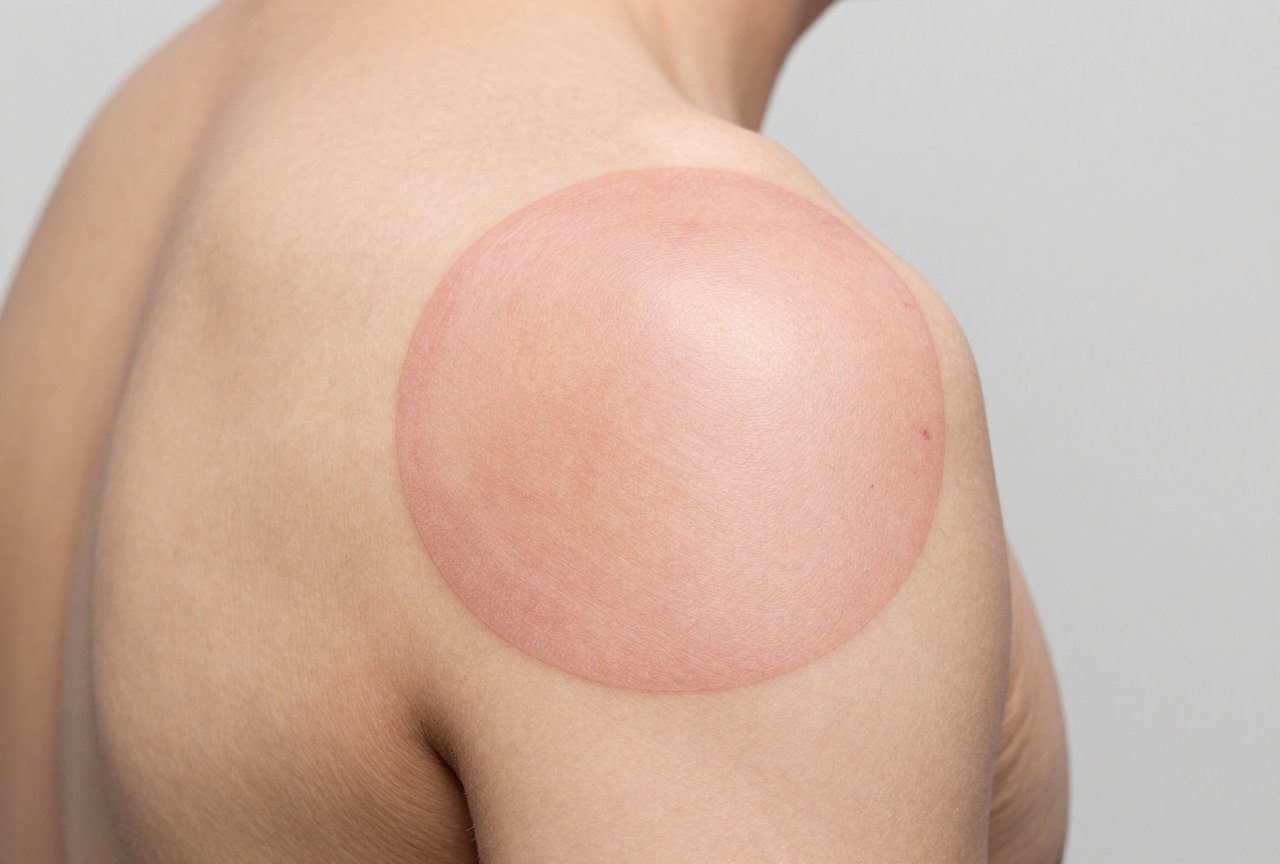
Expect redness that spreads maybe half an inch past the tattoo line. The skin will feel hot, tight, and throb like a fresh bruise. You’ll see clear plasma weeping, maybe some lymph fluid that dries into thick, dark scabs. Colorful bruising around sensitive spots, inner bicep, ribs, anywhere thin-skinned, is totally standard. This isn’t infection. This is your body doing its job.
- Redness fades after 2-3 days, not intensifies
- Swelling peaks at 24-48 hours, then drops
- Scabs form by day 2-4; they’re ugly, not infected
- Itching starts around day 3-5 as skin regenerates
Peeling and the “Waxy” Phase
Days 5-14, your tattoo will flake like a bad sunburn. The top layer of skin dies off, taking excess ink with it. Underneath, the tattoo looks milky, dull, almost buried under fog. Clients panic here constantly. That waxy veil is new epidermis forming. Don’t pick, don’t scrub, don’t slap antibiotic ointment on it hoping to “fix” what’s actually progress.
Signs That Suggest Actual Infection
Here’s where we separate drama from danger. Infection means bacteria have colonized the wound, and your body’s general defenses aren’t containing it. The signs are specific, persistent, and usually worsen rather than improve.
Red Flags That Demand Attention
Redness that expands beyond the immediate tattoo area after day three is suspect. Not the initial halo, that’s expected. But streaky red lines traveling up a limb, or a growing patch of angry skin that feels hotter than surrounding tissue? That’s concerning. Pain that intensifies after the first two days instead of easing off is another marker. Normal healing hurts less over time; infection hurts more.
- Thick yellow or green pus, not clear plasma or white lymph
- Foul odor from the tattoo site
- Fever, chills, or body aches (systemic symptoms)
- Red streaks extending from the tattoo (lymphangitis)
- Swelling that returns or worsens after initially improving
Here’s the thing though: plasma crust can look yellowish when it dries. It can smell faintly metallic or like raw skin. Don’t confuse that with purulent infection. Real pus is thick, opaque, and often accompanied by that distinctive rotten-sweet smell. When in doubt, snap a photo and send it to your artist. We’ve seen everything, and we’d rather get ten false alarms than miss one real problem.
Location and Risk Factors
Some placements invite trouble. Feet, especially between toes, live in damp, bacteria-rich environments. Hands touch everything. Anywhere that rubs against waistbands, bra straps, or boots gets irritated, and irritated skin is compromised skin. Diabetics, folks with circulation issues, or anyone immunocompromised should watch more carefully. Not because their tattoos are more likely to get infected, but because their bodies broadcast distress signals differently.
Common Confusions: What Looks Bad But Isn’t
I’ve had clients rush to urgent care for “infection” that was just heavy scabbing from ignoring aftercare. I’ve seen people panic over ink rejection, small bumps where the body pushes out pigment particles, which looks alarming but resolves on its own. Allergic reactions to red ink (often carmine-based) can raise welts months or years later, completely unrelated to fresh healing.
Contact dermatitis from fragranced lotions or over-washing with harsh soap mimics infection too. Red, itchy, blotchy skin around the tattoo rather than within it? Probably your Aquaphor or that “tattoo aftercare” product from the gas station. Switch to plain, fragrance-free moisturizer and see if it calms in 24 hours.
And blowouts, ink spreading beyond the intended line due to needle depth or skin density, look like bruised halos. Permanent, not infected, but clients often confuse the two during early healing when everything’s swollen anyway.
What Your Artist Can and Can’t Do
We’re not doctors. Legally, ethically, practically, we can’t diagnose infection. But we can recognize patterns. A good artist will tell you honestly if something looks outside our experience, and we’ll refer you out without ego. What we can do is troubleshoot aftercare errors, identify allergic reactions, and calm the panic that sends people to expensive ER visits for normal healing.
When to Contact Your Artist First
Send that photo before you panic-Google. Describe symptoms with timestamps: “Redness was here Tuesday, now it’s here Thursday.” Most shops would rather field worried texts than learn you spent six hours in urgent care for dry skin. We also document our work; if something’s genuinely wrong with our process, we need to know.
When to Skip Straight to Medical Care
Fever over 100.4°F, rapidly spreading redness, red streaks, or pus accompanied by feeling genuinely ill, don’t wait for our reply. Go. Urgent care handles this routinely; you don’t need the ER unless you’re severely compromised. Bring photos of the tattoo fresh and current. Medical staff see tattoo complications regularly; they won’t judge.
Prevention: Shop Culture and Aftercare Reality
Infection prevention starts before the needle touches skin. Watch your artist open new needles from sterile packaging, set up barriers on everything they’ll touch, and wash hands properly, not that quick rinse under cold water, but the full surgical scrub. If you don’t see this, leave. I’ve watched too many clients prioritize price or convenience over sterility, then pay in antibiotics and touch-ups.
Aftercare is where most “infections” actually begin. Over-moisturizing breeds bacteria in that warm, wet environment. Under-washing lets plasma build into thick scabs that crack and reopen. Picking scabs with dirty fingers, don’t pretend you haven’t done it, introduces staph directly into the wound. The best aftercare is boring: gentle wash, thin layer of plain moisturizer, keep it reasonably clean and dry, repeat.
- Wash 2-3 times daily with unscented soap, pat dry
- Apply moisturizer so thin the skin still breathes
- Avoid soaking: no baths, pools, hot tubs until fully healed
- Loose clothing over the area; friction irritates
- No gym for 48 hours minimum, sweat and equipment are filthy
Cost context: a good tattoo isn’t cheap, and cheap tattoos aren’t good. But even expensive work fails if you heal it poorly. Budget for quality aftercare supplies like plain Lubriderm or Curel, not fancy tattoo-branded products. That money’s better spent on tip.
Key Takeaways
Healing tattoos look terrible. That’s normal. Infection is defined by worsening symptoms after day three, spreading redness, thick colored pus, foul odor, fever, or red streaks. Your artist is your first consult for uncertainty, but medical professionals handle actual infection. Prevention beats treatment: choose sterile shops, follow boring aftercare, and resist the urge to over-intervene. Most tattoo “emergencies” are just healing being visibly, dramatically, completely ordinary. Learn the difference, save yourself anxiety, and protect your investment.
Related Tattoo Guides
- How to Remove Temporary Tattoo: Complete Guide
- How to Take Care of a Tattoo: A Real Shop Guide
- How to Train Your Dragon Tattoo: A Real Shop Guide
- Explore more
Frequently Asked Questions
How long should my tattoo be red before I worry it’s infected?
Some redness for 2-3 days is normal. If the redness spreads, intensifies, or persists beyond 5 days, that is a sign of infection and you should see a doctor.
Can an infected tattoo heal on its own without antibiotics?
Minor irritation might resolve, but a true bacterial infection usually requires medical treatment. Untreated infections can lead to serious complications like sepsis or permanent tissue damage.
Is thick yellow scabbing normal or does it mean infection?
Thin, flaky scabs are normal during healing. Thick, yellow, or green scabs that ooze pus indicate infection and need prompt medical attention.
Why does my tattoo smell bad but look fine?
A foul odor often signals bacterial growth even if visible symptoms are mild. This warrants a visit to your artist or a doctor before the condition worsens.