Let’s cut straight to it: you cannot fully remove a tattoo at home. Not with lemon juice, not with salt, not with some cream you found in a Facebook ad. Your skin keeps ink locked in the dermis, and once it’s there, your body treats it like permanent furniture. That said, you have real options for dealing with unwanted ink, some you can start from your couch, others that require a professional. This guide walks you through what actually happens when people try DIY removal, what legitimately helps fade or conceal a tattoo, and what professional removal actually costs and feels like. No miracle cures, no horror stories for clicks, just the straight talk you’d get from a veteran artist who’s watched clients go through this for years.
Why Tattoos Stick Around
When the needle hits, it deposits ink past your epidermis into the dermis, that’s the second layer of skin, where cells don’t shed like surface skin does. Your immune system sees the ink particles as intruders, sends macrophages to eat them, but the particles are too big to fully process. So the ink sits there, locked in tissue, visible through your translucent top layer of skin.
Anything promising to “draw out” ink from the surface is selling you fiction. The ink isn’t sitting on top waiting to be pulled. It’s embedded. That’s why home remedies fail, and why professional removal requires breaking those particles into smaller pieces your body can actually flush.
What Your Skin Actually Does With Ink Over Time
Tattoos fade naturally, but slowly. Sun exposure blasts the ink particles, breaking some down, that’s why old sailor tattoos get muddy and blue-gray. Your immune system does nibble away at edges over decades. But “natural fading” means maybe 10-20% lighter after ten years, not gone. Placement matters: tattoos on hands and feet fade faster because those areas shed skin quicker and take more abuse. A dense black tattoo on your upper arm? That’s barely budging without intervention.
The DIY Methods People Try (And What Really Happens)
Every veteran artist has stories. Here’s the reality check on common home approaches.
- Lemon juice and salt scrubs: You might irritate the hell out of your skin, maybe cause a lightening effect from sheer exfoliation or mild chemical burn. But you’re not reaching the dermis. What you get is raw, possibly scarred skin with ink still sitting underneath. I’ve seen people create permanent hypopigmented patches, lighter skin, tattoo still visible.
- Tattoo removal creams: The FDA doesn’t regulate these as drugs, so claims are wild. Most contain acids or bleaching agents that work on surface skin only. Some cause chemical burns. None have clinical evidence of dermal ink removal. Save your eighty bucks.
- Salabrasion (salt rubbing to abrade skin): This is essentially sanding your skin off with salt. It was primitive even in the 1950s. Risk of severe infection, scarring, and again, ink lives deeper than you’re scraping. I’ve seen this go septic. Don’t.
- DIY dermabrasion or acid peels: Medical-grade dermabrasion exists, done by dermatologists with sterile equipment and controlled depth. Your at-home version? You’re guessing depth, likely hitting too deep or too shallow, and inviting infection either way.
The honest pattern: home methods either do nothing to the ink, or damage your skin while leaving the tattoo. Sometimes both.
The Infection Risk Nobody Talks About
Any break in skin barrier invites bacteria. Staph loves compromised skin, and MRSA circulates in plenty of communities. A “minor” home abrasion that gets infected can turn into a hospital visit, IV antibiotics, and permanent scar tissue, over a tattoo you were trying to remove. The math doesn’t work.
What You CAN Do From Home
Not all hope requires a clinic visit. Here are legitimate at-home strategies for managing unwanted tattoos.
- Camouflage makeup: High-coverage concealers like Dermacolor or Kat Von D’s line (now KVD Beauty) can mask tattoos for events. Takes practice to match skin tone and texture, but for a wedding or job interview, it’s workable. Set with powder, seal with setting spray.
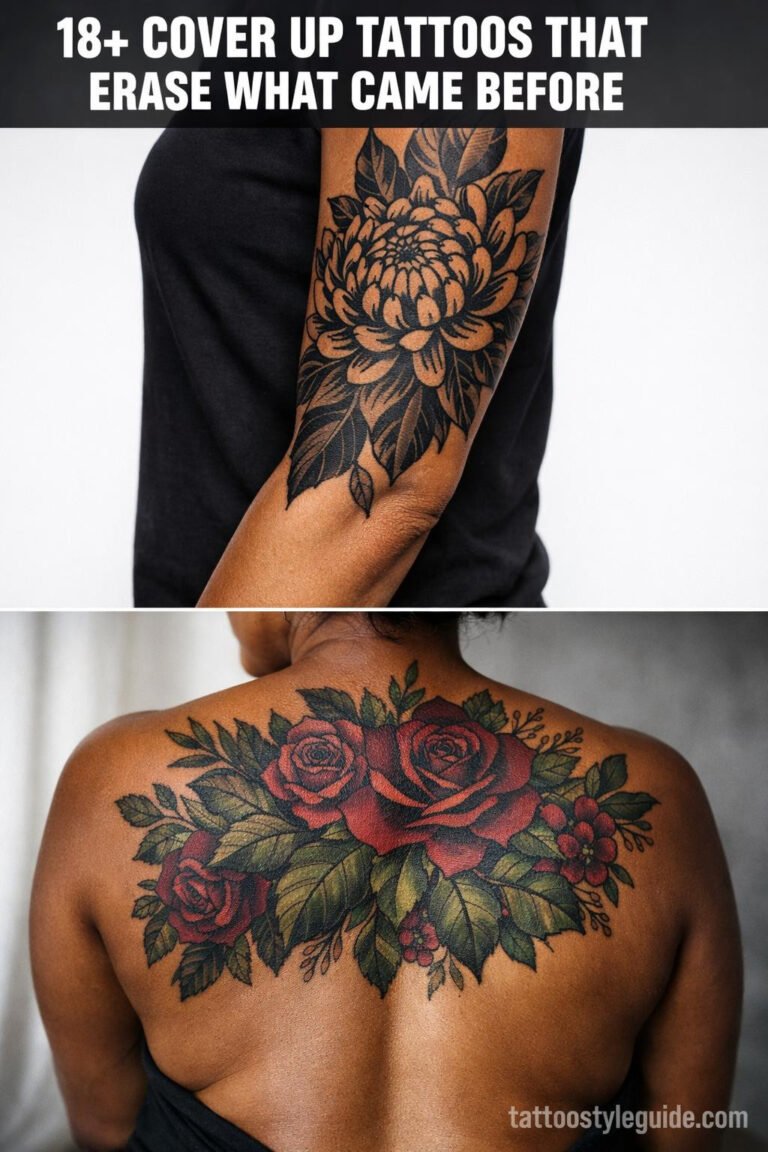
- Strategic placement of new ink: A skilled cover-up artist can work wonders. Black tribal band on your forearm? Might become a dark floral piece or geometric design. The rule: new ink must be darker and larger than old ink. This isn’t erasing, it’s repurposing. But from your living room, you can research artists, save portfolios, and book consultations.
- Fade creams (with realistic expectations): Some fading serums with ingredients like hydroquinone or mild acids can slightly lighten older, sun-damaged tattoos by affecting surface skin and minor ink particles near the top. Results are subtle, maybe 5-10% lightening over months. Not removal. But if you’re prepping for laser, slight fading can help.
- Sun protection for prevention: If you’re not ready to act, SPF is your friend. Preventing further fading keeps your options open, cover-up artists prefer working with ink that’s not already sun-blown and muddy.
When Fading Actually Helps
Laser removal works by shattering ink particles; your lymphatic system clears the debris. Lighter, older, more faded tattoos sometimes require fewer sessions. If you’re committed to eventual professional removal, keeping the tattoo out of sun and maintaining healthy skin (good circulation, not smoking) supports your body’s natural clearing ability. It’s marginal, but real.
Professional Removal: The Real Option
Q-switched and picosecond lasers are the gold standard. They fire incredibly fast pulses, picoseconds are trillionths of a second, that shatter ink without cooking surrounding tissue. Your body then scavenges the bits over weeks.
What Sessions Actually Feel Like
Clients describe it differently than getting tattooed. Some say it’s like hot rubber bands snapping. Others say it’s worse than the original tattoo. Numbing cream helps superficially; ice helps. Most clinics won’t tattoo-numb because vasoconstrictors affect laser targeting. Sessions are short, minutes, not hours, but intense. Afterward, you’ll have immediate whitening (frosting) of the skin, then blistering, scabbing, weeks of healing. It’s not a lunch-break procedure.
Cost, Timeline, and Reality
Ballpark: $200-$500 per session, and most tattoos need 6-12 sessions, sometimes more for colors like green and blue that lasers struggle with. Total cost often runs $1,500-$4,000+. Spaced 6-8 weeks apart for healing, you’re looking at a year or two minimum. Black ink on light skin responds best; color on darker skin is more complex (risk of hypopigmentation requires careful wavelength selection).
Some tattoos don’t fully disappear. “Ghosting”, faint residual image, is common. A good technician will be honest about this upfront.
Surgical Options for Small Pieces
Excision literally cuts the tattoo out and stitches the skin. Works for small tattoos only, leaves a scar (traded for ink), and costs vary by surgical complexity. Not common for large pieces, but for that tiny finger tattoo you hate? Sometimes the cleanest option.
Cover-Up vs. Removal: Making the Call
I’ve watched clients agonize over this. Here’s my biased but honest take: if your tattoo is technically well-done but thematically wrong (ex’s name, phase you outgrew), cover-up often wins. You get new art, often faster and cheaper than full removal. If the tattoo is poorly executed, blown out, scarred underneath, or you genuinely want bare skin, laser is the path.
Some people do both, laser to lighten enough for a cleaner cover-up. Hybrid approach. Smart, if you can afford it.
Key Takeaways
- No home method fully removes tattoo ink; most damage skin without reaching the dermis where ink lives.
- Lemon, salt, creams, and DIY abrasion are ineffective, risky, or both, skip them entirely.
- Real at-home options: camouflage makeup, research for cover-up artists, mild fading creams with modest expectations, and sun protection.
- Professional laser removal works but costs thousands, takes months to years, hurts, and sometimes leaves ghost images.
- Cover-up tattoos transform unwanted ink into new art; removal gets you closer to blank skin. Hybrid approaches exist.
- Consult reputable professionals, laser technicians with proper equipment, or tattoo artists with proven cover-up portfolios. Your skin deserves expertise, not experiments.
There’s no shame in outgrowing a tattoo. Most artists have pieces they’d handle differently now. But your skin is permanent infrastructure, treat it that way. The money you’d waste on creams and home kits? Put it toward a real solution. Your future self, looking at whatever result you choose, will thank you for not creating a scarred mess in the meantime.
Related Tattoo Guides
- How to Treat a New Tattoo: A Real-World Aftercare Guide
- Tattoo Cost Calculator: How Artists Actually Price Your Ink
- Does Getting a Tattoo Hurt? A Real Talk Guide
- Explore more
Frequently Asked Questions
Does lemon juice actually fade tattoos?
Lemon juice will not remove or significantly fade a tattoo. It may slightly lighten the skin through exfoliation, but it cannot penetrate deep enough to reach the ink particles in the dermis.
Can I use salt to scrub off my tattoo at home?
Salt scrubs are ineffective for tattoo removal and dangerous. They only damage the outer skin layer, risking infection and scarring, while leaving the deeper ink completely untouched.
Will tattoo removal creams work if I use them consistently?
No tattoo removal cream has been proven to eliminate ink from the dermis. These products typically only bleach or irritate the surface skin, giving a false appearance of lightening without actual removal.
Is there any safe home method that actually removes tattoos?
There is no safe or effective home method for tattoo removal. The only proven removal method is professional laser treatment, which breaks down ink particles so the body can naturally eliminate them.