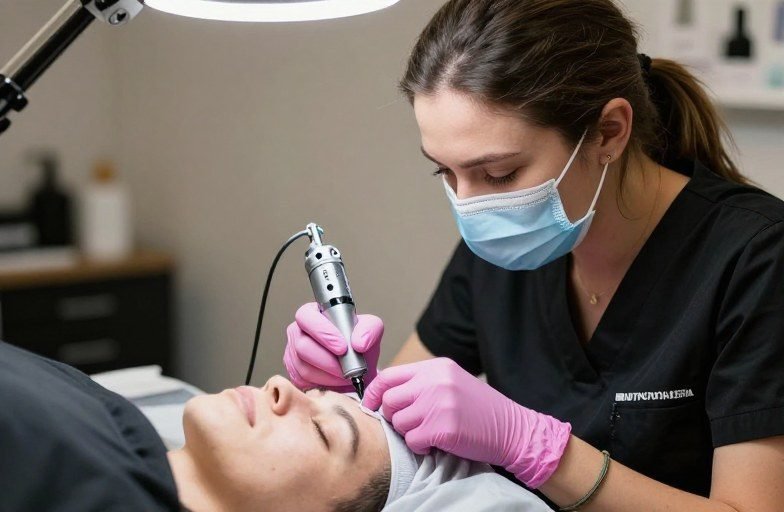
Taking care of a new tattoo means keeping it clean, moisturized, and protected from sun and friction while your skin repairs itself. Most tattoos heal in 2-4 weeks, with the first 3-5 days being the most critical. Your artist’s specific instructions always come first, but these fundamentals apply across virtually all professional aftercare approaches.
Pain & Comfort
Fresh tattoos feel like a bad sunburn crossed with road rash. The area stays tender, warm, and slightly swollen for the first 48-72 hours. Some spots hurt more than others, ribs, feet, inner biceps, and anywhere near bone or thin skin will throb longer. Larger pieces with heavy saturation or solid black fill will ache deeper and longer than fine-line work.
Managing the First Night
Sleep is rough. Your artist will wrap the tattoo before you leave, usually in plastic film, a breathable bandage like Saniderm, or sterile gauze. Leave that wrap on exactly as long as instructed, typically overnight for traditional bandages, or 3-6 days for second-skin films. Sleep on clean sheets you don’t mind staining. If the tattoo is on your side, back, or arm, arrange pillows so you don’t roll onto it. Loose clothing prevents fabric from sticking to plasma and ink that seep through the first hours.
What Pain Signals Trouble
Escalating pain after day three, spreading redness, or heat that radiates outward from the tattoo edges suggests infection, see a doctor. Normal healing discomfort peaks around day two and steadily improves. A little itching means it’s repairing; unbearable itching with hives or blistering could indicate an allergic reaction to the ink or aftercare product.
The Direct Answer
Wash your hands, then gently wash the tattoo twice daily with fragrance-free soap and lukewarm water. Pat dry with a clean paper towel, never rub. Apply a thin layer of recommended aftercare ointment or unscented lotion, just enough to make the skin slightly shiny, not greasy. Keep it out of direct sun, don’t soak it in water, and don’t pick at scabs or peeling skin. That’s the entire core routine.
Soap and Product Specifics
Dial Gold, Dr. Bronner’s unscented castile, or any plain liquid hand soap without moisturizers or perfume works. For aftercare, many artists recommend Aquaphor for the first 3-4 days, then switch to Lubriderm, Cetaphil, or similar plain lotion. Some prefer specialized tattoo balms. Avoid petroleum jelly long-term, it suffocates skin. Never use Neosporin, bacitracin, or any antibiotic ointment unless a doctor prescribes it; they can cause contact dermatitis and actually damage the tattoo.
What to Expect Step by Step
Healing isn’t linear. Your tattoo will look worse before it looks better, and that’s normal.
Days 1-3: The Ooze Phase
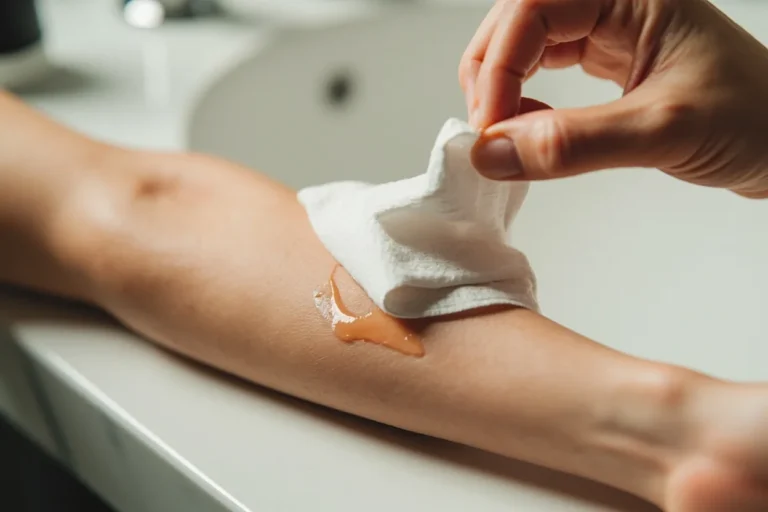
Plasma, excess ink, and lymph fluid weep from the tattoo. The skin looks angry, shiny, and swollen. Colors appear brighter than they’ll ultimately settle. If using a second-skin bandage, fluid may pool underneath, that’s normal, don’t panic. If the seal breaks or leaks, remove it early and switch to traditional washing and moisturizing. Wash twice daily, moisturize lightly after each wash and anytime the skin feels tight or dry.
Days 4-14: Peeling and Itching
Thin flakes of dead skin lift off, often carrying ink with them and making the tattoo look faded or patchy. This is the most dangerous phase for the tattoo’s final appearance. Picking scabs pulls ink out with them, leaving light spots that need touch-ups. Itching gets intense; slap the area gently, or apply a tiny bit more lotion. Some people find brief cool showers help. By day 10-14, most surface healing is done, though the skin remains delicate.
Weeks 3-4: The Settle
The top layer looks mostly normal, but the deeper dermis is still remodeling. The tattoo may look slightly cloudy or dull, this is the “onion skin” phase. Continue light moisturizing. Colors will brighten again as the final layer of dead skin sloughs. By week four, most people can resume normal activity, though the skin remains more sun-sensitive for months.
Common Mistakes
Over-moisturizing causes more problems than under-moisturizing. A thick, shiny layer of ointment traps bacteria and prevents oxygen from reaching the wound. The result: breakouts, delayed healing, and ink loss. Apply just enough to prevent the skin from feeling tight or cracking.
Water Exposure Errors
- Submerging in baths, hot tubs, pools, or oceans introduces bacteria and leaches ink. Quick showers only until fully healed.
- Letting shower spray hit the tattoo directly can be too forceful; let water run nearby and gently rinse over the area.
- Prolonged hot water softens scabs prematurely and increases bleeding risk.
Sun and Clothing Damage
UV rays destroy tattoo pigment, especially while healing. Fresh ink literally cooks under sun exposure. Loose, clean cotton clothing protects the tattoo from friction and sun, but tight straps, waistbands, or shoes rubbing the area will wear away ink before it sets. Plan your tattoo placement with your daily wardrobe in mind, fresh rib pieces under bra bands or new foot tattoos in work boots are recipes for touch-ups.
Aftercare Essentials
The products and habits that actually matter are simpler than the internet makes them seem.
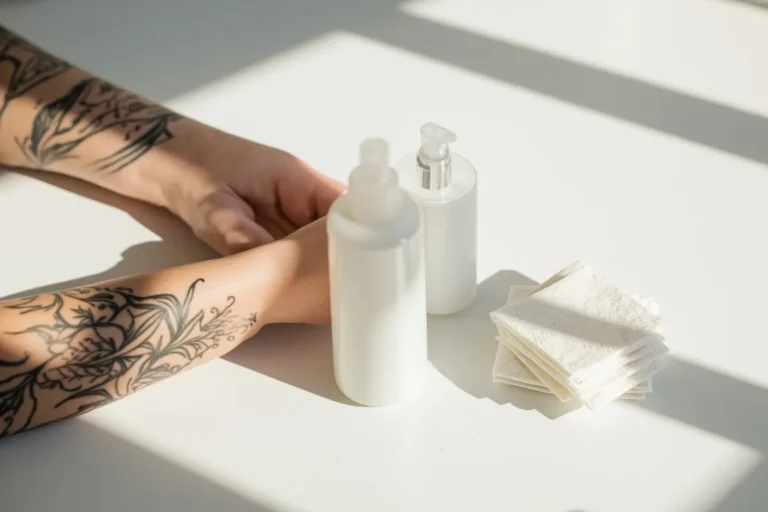
Your Daily Kit
- Fragrance-free liquid soap
- Plain, dye-free lotion or artist-approved balm
- Clean paper towels (cloth towels harbor bacteria)
- Loose, breathable clothing
- SPF 30+ for after healing (not on fresh tattoos)
What to Avoid Entirely
No scratching, no tanning beds, no gym contact with shared equipment on fresh tattoos, no letting pets sleep on the area, no “dry healing” (no product at all, it causes excessive scabbing), and no listening to friends who healed tattoos differently in 2008. Techniques change as products improve. Your artist’s current protocol reflects what works now.
Realistic Expectations
Not every tattoo heals perfectly even with ideal care. Blowouts, ink spreading beyond line boundaries, happen from needle angle or skin type, not aftercare. Some skin types hold pigment poorly; oily skin, very dark skin tones working with certain colors, and areas with frequent movement or friction all present challenges. Touch-ups are normal, not a failure. Most artists include one free touch-up within 6-12 months.
Long-Term Care
After healing, sunscreen becomes your tattoo’s best preservation tool. Black and grey work fades slower than color, but all tattoos blur and lighten over years. Moisturized skin holds ink sharper longer. Weight fluctuations, pregnancy, and aging will distort placement on stomachs, thighs, and upper arms. These aren’t aftercare failures; they’re body realities.
Cost Context
Good aftercare protects your investment. A $500 tattoo that heals poorly and needs extensive rework costs more than doing it right the first time. Touch-ups for client-caused damage often aren’t free. Budget for proper products, spending $15 on the right soap and lotion versus whatever’s in your bathroom already is trivial compared to fixing a scarred or spotty piece.
Key Takeaways
Clean gently, moisturize sparingly, don’t pick, and keep it protected. The first two weeks demand the most attention; after that, it’s maintenance. Follow your specific artist’s instructions over any general guide if they differ, they know their ink, their technique, and how their work heals. Patience through the ugly phase rewards you with pigment that stays where it belongs and lines that stay crisp. Your tattoo is a healed wound, not a painting under glass; treat the skin with that respect and it’ll hold the art for decades.
Frequently Asked Questions
Can I shower normally with a new tattoo?
Quick showers are fine, but keep the tattoo out of direct spray and don’t let it soak. Pat dry immediately with a clean paper towel. Avoid baths, hot tubs, pools, and ocean swimming until fully healed, usually 2-4 weeks.
Why is my tattoo peeling and looking faded?
Peeling and apparent fading are normal parts of healing. The top layer of skin carrying excess ink flakes away, and the tattoo sits beneath that. Colors will settle and brighten again as healing completes, usually by week 3-4.
How do I know if my tattoo is infected or just healing?
Normal healing involves mild redness, warmth, and clear or slightly cloudy plasma. Spreading redness, escalating pain after day three, yellow or green pus, fever, or red streaks indicate infection and need medical attention.
When can I go back to the gym after getting a tattoo?
Avoid gyms for 3-5 days minimum, longer for large pieces. Sweat, bacteria on equipment, and stretching the fresh wound all risk infection and ink loss. Once you return, keep the tattoo covered with clean, breathable clothing and avoid direct contact with shared surfaces.
Related Tattoo Guides
- How to Tip Your Tattoo Artist: A Practical Guide
- How to Treat Tattoo Pimples: A Practical Healing Guide
- Paint Stroke Tattoo: A Practical Style Guide
- Explore more