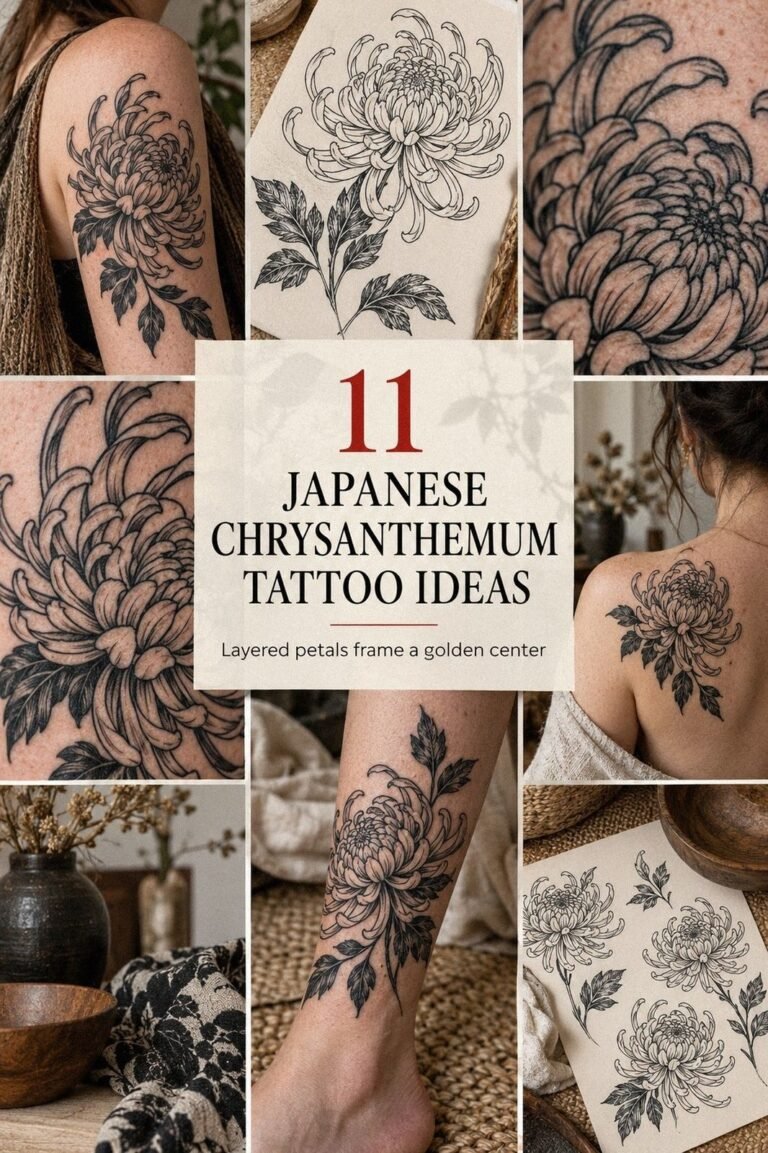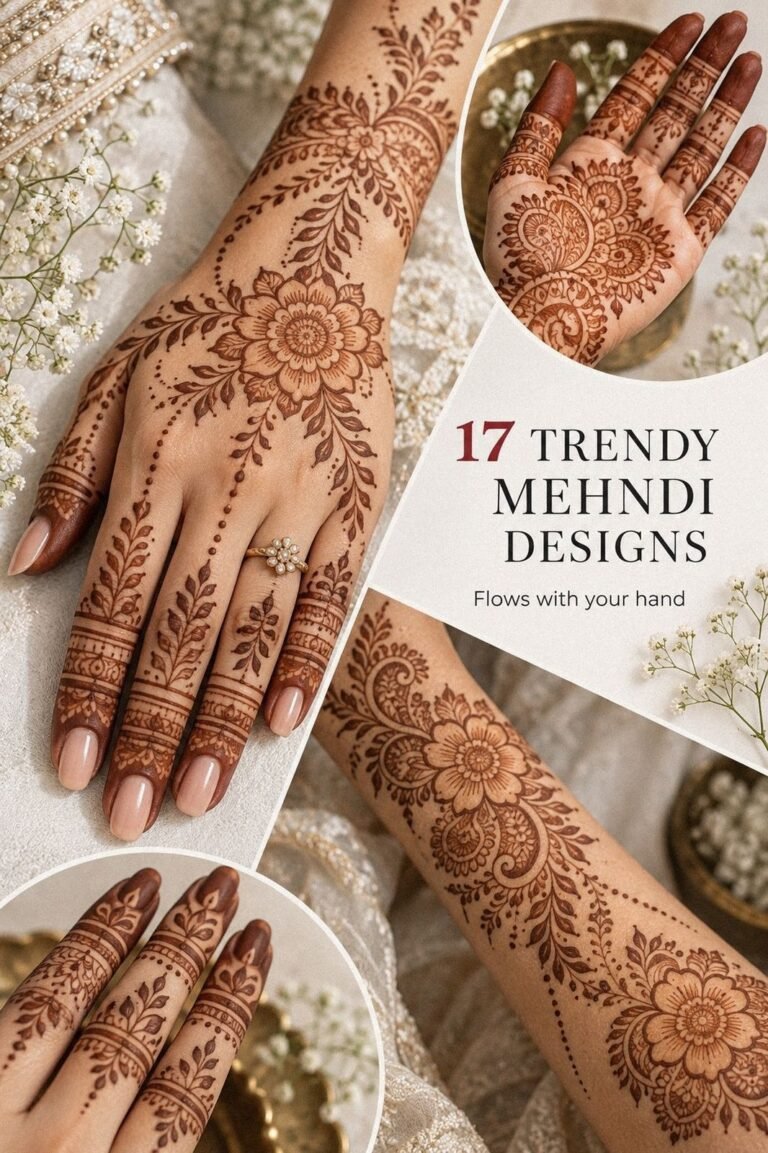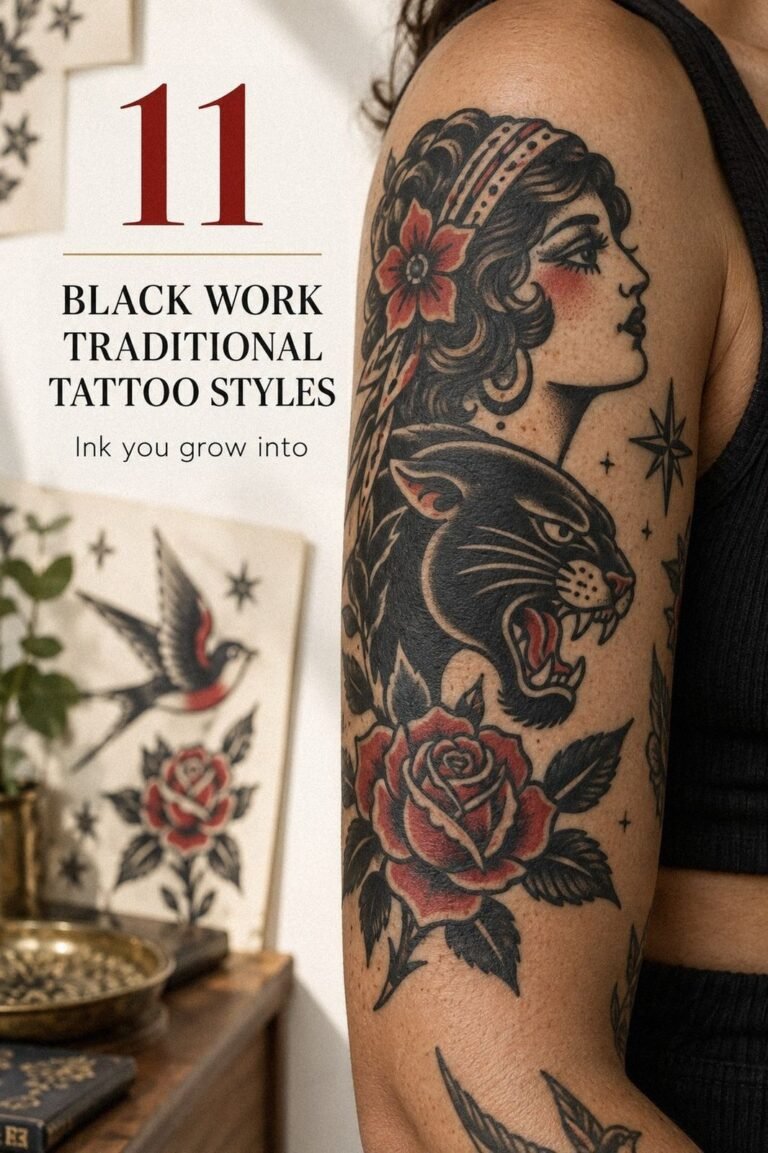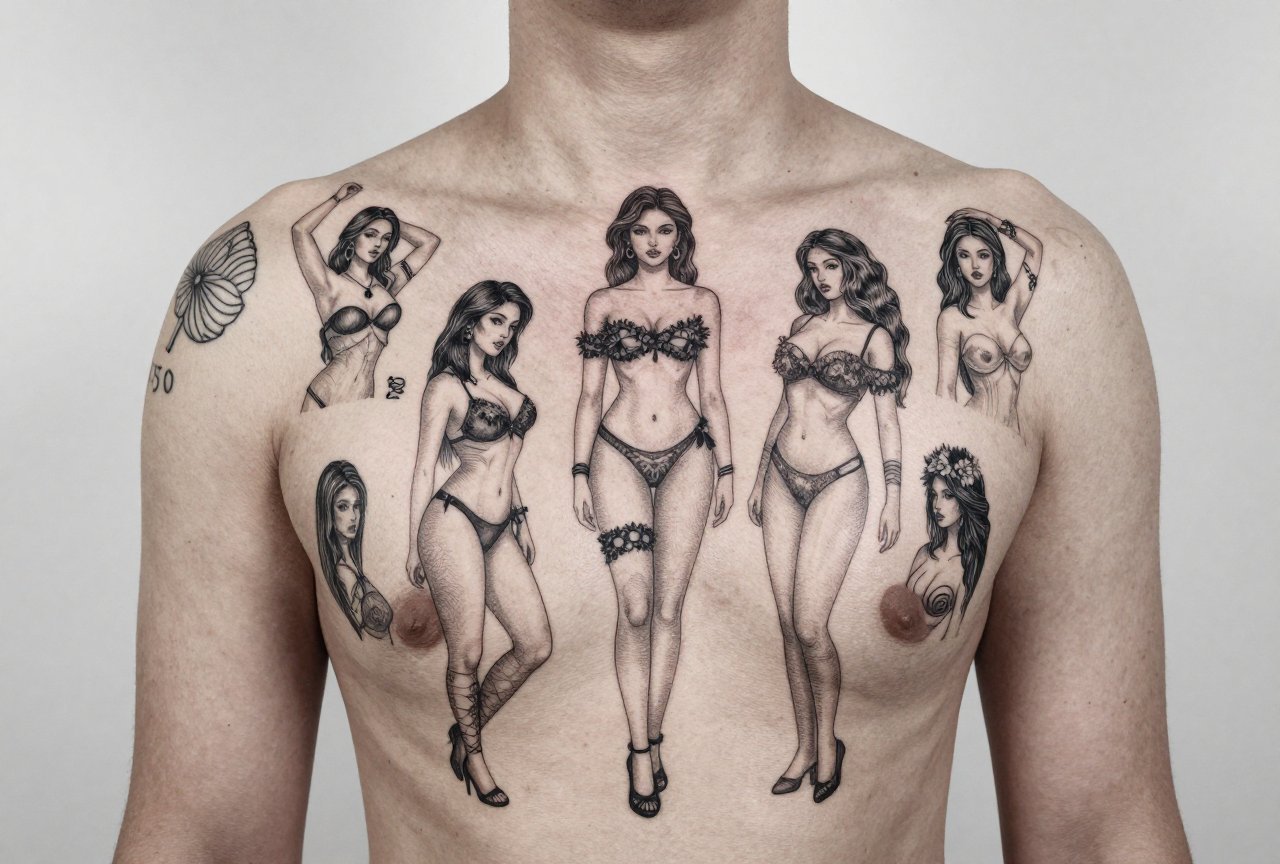
I’ve had women sit in my chair with Pinterest boards bursting at 500 pins, eyes glazed, completely overwhelmed. That’s the thing nobody tells you, having too many options is its own kind of paralysis. After fifteen years of tattooing, I’ve learned that the best designs for women aren’t about chasing trends. They’re about finding something that moves with your body, ages gracefully, and still feels like you in twenty years. Here’s what I’ve seen work, what I’ve watched fade, and what I tell clients when they’re drowning in choice.
Popular Styles That Actually Hold Up
Fine Line and Single Needle
Fine line exploded for a reason. The delicate, hair-thin strokes look incredible fresh, almost like a pen drawing on skin. I’ve tattooed hundreds of these on wrists, collarbones, behind ears. But here’s the shop reality: not all fine line ages the same. I’ve seen gorgeous single-needle work blur into soft gray after five years, which isn’t always bad if that’s the vibe you want. The trick is finding an artist who understands needle depth and skin tension. I tell clients: if you want it crisp forever, go slightly bolder than you think. A line that looks perfect at 0.3mm might be a smudge at 0.1mm.
Blackwork and Bold Illustration
On the flip side, blackwork doesn’t apologize. Solid blacks, thick outlines, high contrast. I’ve watched these pieces look almost identical at ten years versus day one. Women sometimes hesitate, worried it’ll look “masculine.” But some of my favorite pieces on female clients are dense blackwork: botanical silhouettes, ornamental mandalas, stylized animals. The key is placement. A solid black forearm piece hits different than the same design on a ribcage. Skin stretches differently. I always do a pinch test in consult, grab the skin where we’re tattooing, show them how the design will move.
- Watercolor: beautiful but unpredictable; colors can settle unevenly
- Neo-traditional: bold lines with expanded color palette, ages well
- Minimalist: single continuous lines, placement-critical
- Realism: requires true specialist, not every shop has one
- Ornamental: lace patterns, mehndi-inspired, extremely popular for under-breast and sternum
Design Ideas Beyond the Obvious
Botanicals That Mean Something
Roses are classic for a reason, but I’ve tattooed entire gardens on women who never considered flowers before. Birth month blooms, plants from grandmother’s garden, weeds that survived concrete. One client got dandelion pappus, those floating seeds, scattered across her shoulder, each one marking a miscarriage. Another chose foxglove because it’s beautiful and poisonous. The design isn’t just visual; it’s vocabulary. I keep a pressed flower book in my station for reference. Real petals have imperfections that make tattoos feel alive.
Animals With Personality
Butterflies dominate the 500-design lists, but I’ve seen more interesting choices lately. Moths, drawn to flame, nocturnal, slightly unsettling. Snakes shedding skin, coiled through peonies. Crows with too-intelligent eyes. A woman last month got a tardigrade, microscopic and virtually indestructible, on her ankle. The animal doesn’t need to be pretty. It needs to be yours. Placement matters here too. A snake wrapping a forearm reads power; the same snake on a hip reads intimacy.
- Celestial: moons in all phases, not just crescents; constellations as connective tissue between other pieces
- Text and lettering: handwriting of dead relatives, typed phrases with intentional typos preserved
- Abstract shapes: color fields, brush strokes, scars incorporated into design
- Cultural motifs: research required; I turn down inappropriate requests gently but firmly
Best Placements: What We See in Real Shops
Some placements are popular because they photograph well. Others are popular because they hurt less, or more, or heal easier. I always ask: what’s your pain tolerance, your job, your future plans, your clothing preferences?
High-Visibility Spots
Forearms, hands, collarbones, necks. These make a statement. I’ve tattooed full sleeves on lawyers who wear long sleeves to court, teachers who can’t show ink, nurses who want something visible that patients can comment on. The hand and finger trend is real, micro designs, tiny words, but I warn everyone: hand tattoos fade fast, blow out easy, and hurt like hell. The skin there is basically a different organ. I did a tiny moon on a woman’s finger last year; she’s back for touch-up number three. Some artists won’t do them at all.
Intimate and Concealed
Ribcages, sternums, under-breasts, hips, thighs. These are private galleries. The pain is sharper, less fat, more nerve proximity, but the reveal is controlled. I tattooed a full sternum piece, ornamental lace, that the client had never shown her parents after five years. That’s valid. The under-breast placement is technically challenging; the skin moves dramatically with breath. I stretch it differently, position the client almost reclining. Healing is tricky too, bras, sweat, friction. I send these clients home with specific aftercare instructions that differ from arm or leg work.
- Behind ear: heals fast, limited space, requires precision
- Ankle and foot: popular but painful; shoes complicate healing
- Spine: dramatic vertical designs, very painful, stunning when done
- Back of arm (tricep): underrated canvas, moves interestingly
Color Choices: What Lasts and What Fades
Black and gray will outlast us all. That’s not opinion; it’s carbon versus organic pigment. But color has its place. I’ve watched bright reds and yellows fade to pastel in three years, which some clients love. Others want that saturation forever.
Skin Tone Considerations
This is where I get frank in consultation. Pastel pinks and lavenders on deeper skin? They can heal ashy, disappear into melanin, or shift unpredictably. That doesn’t mean color is off-limits, it means color choice matters. I show healed photos on similar skin tones. Bold jewel tones: emerald, sapphire, burgundy. Those pop. White ink? I’ve seen it age to yellowish or disappear entirely. I don’t promise what I can’t control.
The Watercolor Question
Clients bring watercolor references constantly. Splashes, bleeds, no outlines. I do them, but with caveats. The technique requires a light hand and specific needle configurations. Healed, they often soften into something more impressionistic, which can be gorgeous or disappointing depending on expectations. I always suggest a small test piece if someone wants large watercolor work. See how your skin holds it.
- Black and gray: timeless, readable at any size, lowest maintenance
- Jewel tones: best longevity on most skin tones
- Pastels: plan for fading, embrace the softness
- UV and white ink: gimmicky, unpredictable, I generally discourage
Tips for Choosing: A Working Artist’s Advice
With 500 designs swirling, here’s how I watch successful clients decide. They don’t rush. They live with an image, set it as phone wallpaper, sketch it repeatedly, see if it sticks. They consider the artist, not just the design. A mediocre design executed brilliantly beats a brilliant design executed poorly. They think about their future self: the one at fifty, at seventy, at ninety. Not with fear, but with curiosity. What will this mean then?
The Consultation Reality
Good consultations take time. I draw on clients with markers, let them move, see how shapes distort. I tell them when I think something won’t work, wrong placement, too small, too detailed. I’ve talked people out of tattoos I would’ve made money on. That’s shop culture at its best. The artists who last are the ones who protect their work and their clients equally.
- Bring references, not prescriptions, let the artist interpret
- Consider pain honestly; don’t martyr yourself for placement
- Budget for quality; good tattoos aren’t cheap, cheap tattoos aren’t good
- Plan for touch-ups; they’re normal, not failure
- Wait if you’re unsure; the design will still exist in six months
Final Thoughts
I’ve tattooed maybe a thousand women at this point, and the ones happiest long-term chose meaning over trend, artist over convenience, and patience over impulse. Five hundred designs is a starting point, not a finish line. The best tattoo for you might not be on any list. It might be the thing you sketch at 2 AM, the shape that keeps returning. Bring that to a good artist. Let them meet you there. The skin you’re living in deserves that care.
Frequently Asked Questions
How do I narrow down 500 designs to something I’ll actually want forever?
I tell clients to screenshot everything they love, then delete anything they wouldn’t explain to a stranger. What remains usually has personal weight. Live with those finalists for a month. The ones that still resonate are worth tattooing.
Do fine line tattoos really fade faster than bold ones?
In my experience, yes. Extremely thin lines have less pigment density and can blur as skin ages and shifts. That said, a skilled artist using proper technique can make fine work last surprisingly well. Go slightly bolder than you think you want.
What’s the most painful placement for women specifically?
Ribcage and sternum are consistently the worst in my chair, thin skin, bone proximity, nerve density. Under-breast and inner thigh are close behind. Everyone’s different, but those areas make tough clients tear up.
Can I get a colorful tattoo if I have darker skin?
Absolutely, but color choice matters. I steer clients toward saturated jewel tones rather than pastels, which can heal ashy. Always ask to see healed photos on skin tones similar to yours before committing.
More Tattoo Ideas
- Awesome Tattoo Ideas for Women
- Scarface Tattoo Designs That Actually Work
- I Almost Picked Fancy Mehndi Designs, Then Learned What Holds
- Explore more