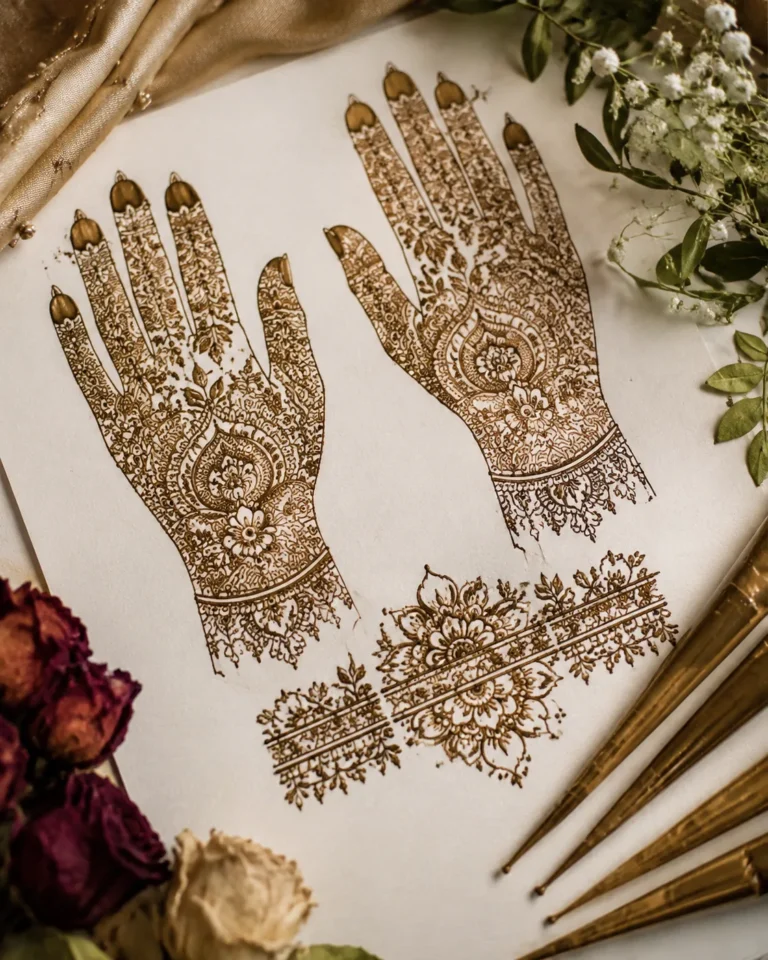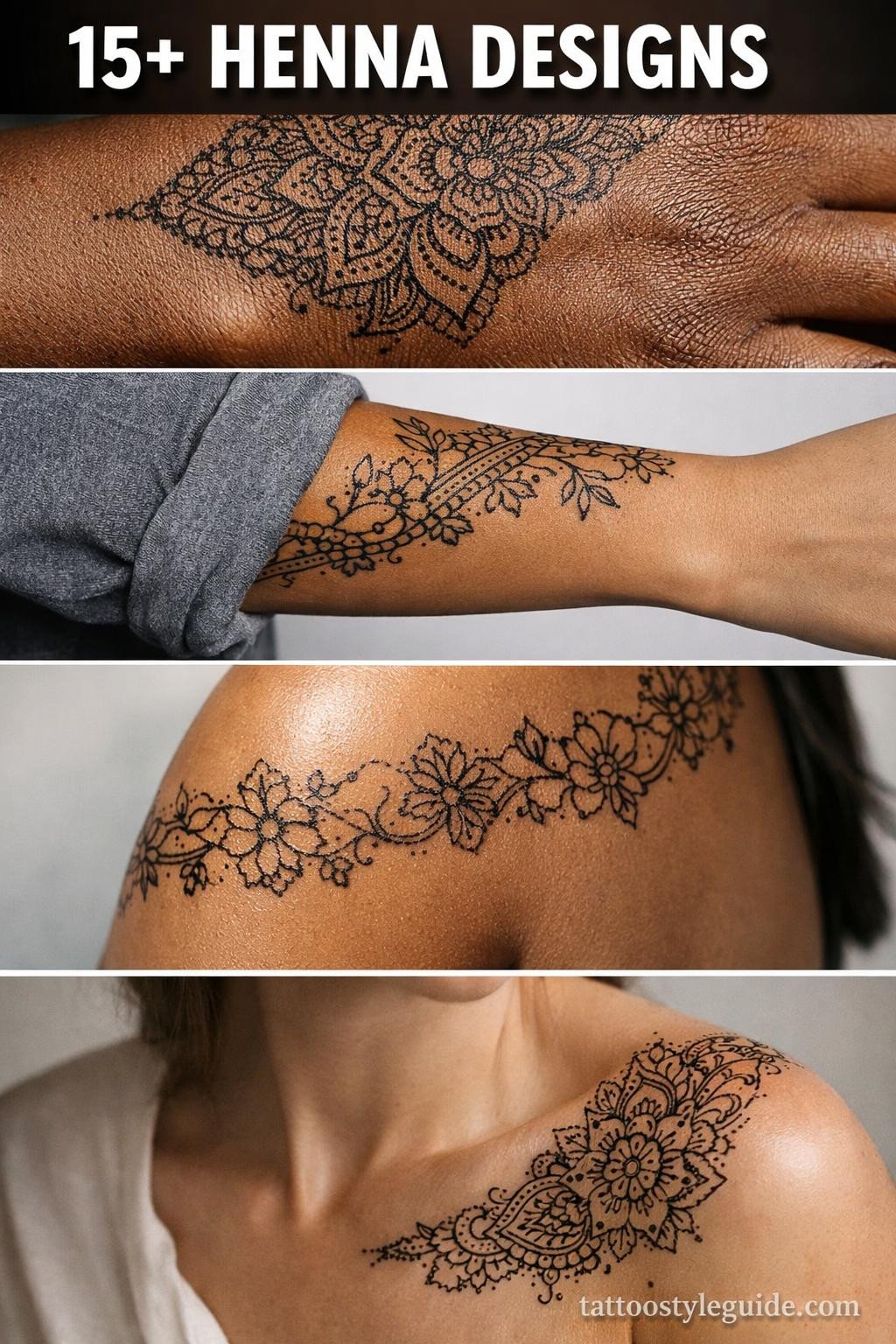
Henna earns its spot when the design fits the body, the occasion, and the way the stain will fade over the next week or two. I like mehndi that looks clean on day one, stains rich by day two, and still reads pretty instead of messy as it softens.
Minimal Wrist Vines, Finger Trails, and Tiny Dots
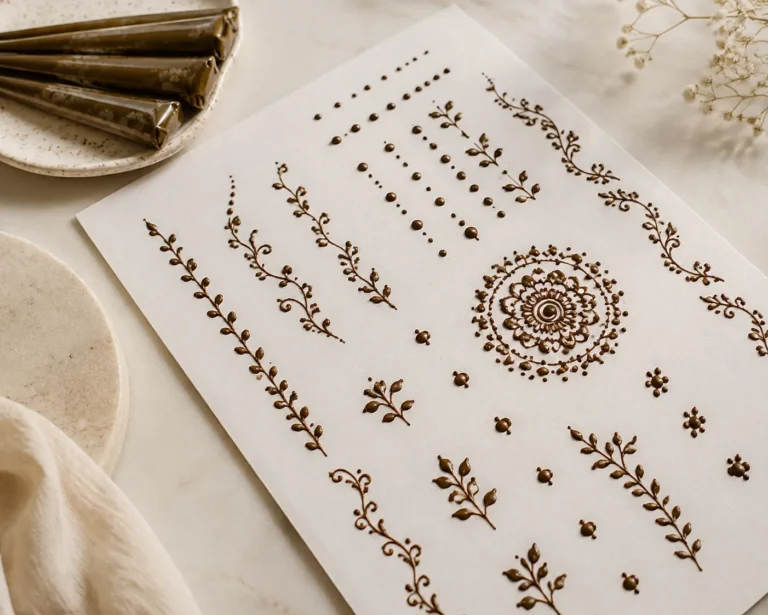
A slim wrist vine is one of the safest places to start with henna. It wraps nice, flatters the hand, and gives you that clean ornamental look without covering half your arm. Add a short finger trail or a few dot clusters and it still feels light, not overworked. On fair to medium skin, these usually show soft and pretty. On deeper skin, you want a slightly thicker line so the stain reads clearly.
These are great for casual events, summer parties, or if you want a low-commitment test before a bigger mehndi layout. Expect about 5 to 10 days on the wrist if you wash your hands a lot, and closer to 1 to 2 weeks if the design sits slightly up the forearm. Keep lotion light, avoid scrubbing, and let the paste stay on long enough to stain deep.
Palm Mandalas and Center-Hand Rosettes
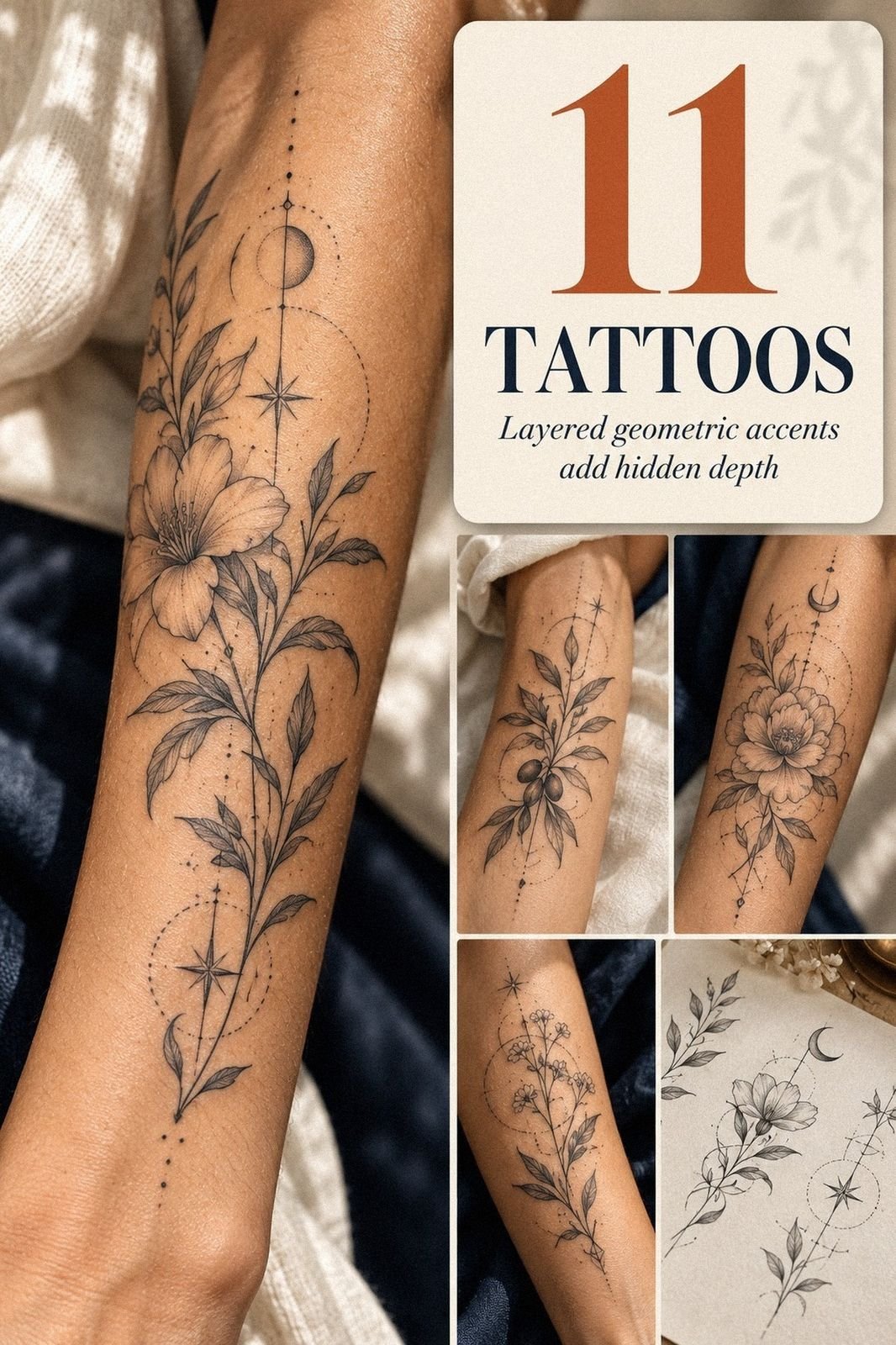
Henna taught the geometry. The tattoo makes it permanent.
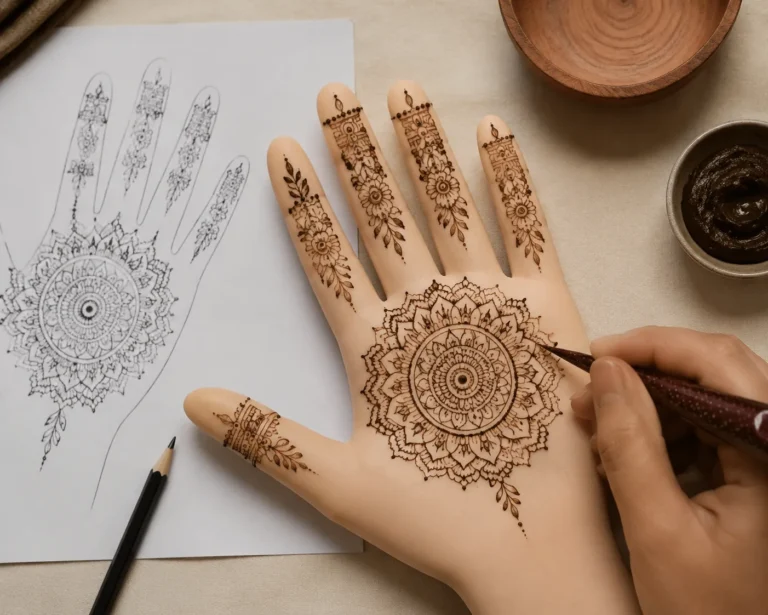
A palm mandala always earns its place because the stain there goes dark fast. The center of the palm is warm, the skin is thicker, and henna grabs hard in that spot. A rosette, sunburst, or layered mandala reads bold right away, even when the details are fine. If you want something that feels traditional without covering the full hand, this is the move.
This placement works for weddings, Eid, Diwali, birthdays, and dressier events where the hands are part of the look. The trade-off is wear. Palms stain deep, but they also deal with soap, water, and friction all day. You’ll usually get a rich stain for about 1 week, sometimes closer to 2 if you baby it. Skip hot water right after removal, don’t pick flaky paste, and keep sanitizer off it when you can.
Back-of-Hand Florals and Bracelet Styles
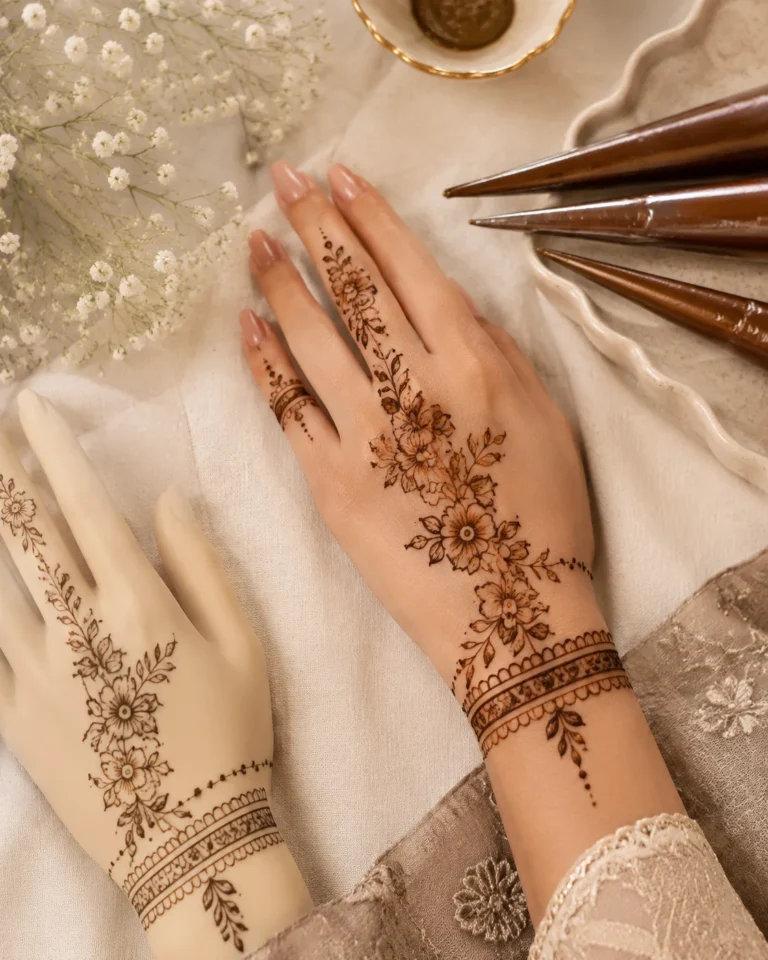
The back of the hand is where floral mehndi really shines. A bracelet-style cuff flowing into the hand looks polished, and a floral spray from knuckles to wrist feels soft without being too sweet. Roses, paisleys, leaves, and lace-style filler all work here. This placement also photographs well because the design sits flat and the line flow is easy to read from across the room.
It’s a smart pick for engagement parties, bridal showers, festivals, and vacation looks. Just know the back of the hand is a medium-wear zone. It lasts longer than the palm for some people, but constant washing can break it up fast. Most back-of-hand designs hold around 7 to 14 days. If you want crisp edges longer, avoid exfoliating scrubs, long pool time, and any body oil right before your appointment because that can weaken the initial stain.
Arabic Mehndi, Bold Paisleys, and Open Flow
Arabic mehndi earns its place when you want movement without filling every inch of skin. Bold paisleys, leaf chains, open negative space, and diagonal flow give it that clean, airy look. I like this style on hands, forearms, and feet because it breathes. It doesn’t turn into visual soup the way overly packed patterns can when they start to fade. It also suits a lot of skin tones because the shapes are bold enough to stay readable.
This is one of the best choices for someone who wants tradition with a lighter touch. It works for weddings and religious celebrations, but it also fits a regular night out because it doesn’t feel stiff or formal. Most Arabic-style henna lasts 1 to 2 weeks, depending on placement. The stain usually peaks 24 to 48 hours after paste removal, so don’t judge the color too early. Give it time to deepen.
Full Bridal Hands, Dense Mehndi, and Storytelling Patterns
Dense bridal mehndi is a whole different thing. This is where you get full hands, wrists, sometimes forearms, with layered florals, mesh, paisleys, peacocks, initials, or symbolic details hidden in the pattern. When it’s done well, it feels rich and balanced, not crowded. The trick is contrast. You need packed sections, open breaks, and clean motif changes so the design still reads once the stain settles in.
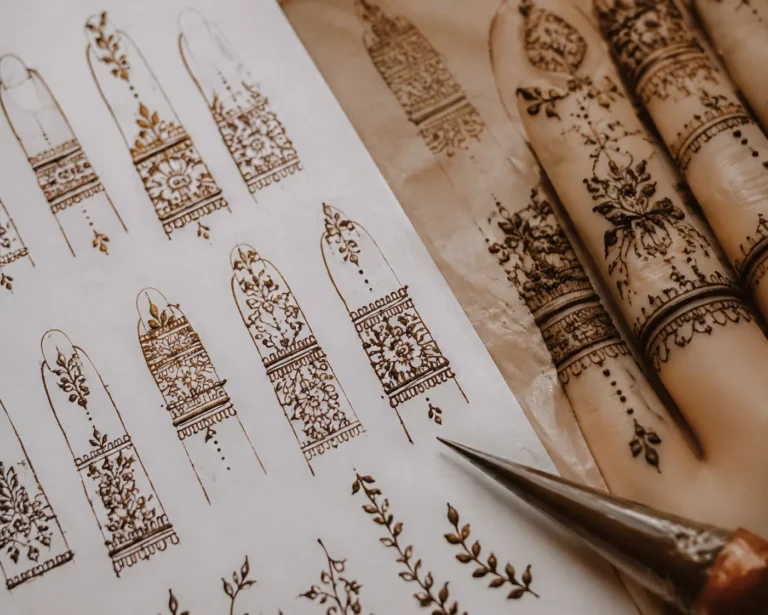
These are built for weddings and major family events, not quick weekend wear. They take more time to apply and more discipline to care for. If the paste gets knocked around too early, the detail can blur or stain unevenly. Because bridal mehndi often covers palms and fingers, parts of it can last 1 to 3 weeks. The fingertips usually go darkest and longest. Keep the paste on for hours if possible, keep it dry, and don’t rush to wash it off.
Foot Mehndi, Anklets, and Toe Details
Feet are underrated for henna. An anklet band, side-foot vine, or lace pattern across the top of the foot looks clean and feminine without trying too hard. Toe caps and fine trailing details can be gorgeous too, especially with sandals or barefoot ceremony looks. I like foot mehndi when someone wants something dressy but doesn’t want their hands to be the focus all night.
The catch is wear and tear. Shoes, sweat, friction, and walking can chewed-up a fresh stain fast if you’re not careful. Top-of-foot designs usually last around 1 to 2 weeks. Soles can stain very dark, but that placement is less practical for visible design. For the best result, wear open footwear after application, keep the area dry, and skip gym friction for the first day or two. This is one of those placements where aftercare really decides whether it heals pretty or fades patchy.
Forearm Cuffs, Shoulder Pieces, and Festival Henna
Forearm cuffs and shoulder mehndi feel more editorial, but they still make sense in real life. A forearm band with repeating motifs gives you strong flow and enough room for detail without cramming. A shoulder cap or upper-arm floral spread works great with sleeveless outfits and reads bold from a distance. These placements are lower wear than hands and feet, so the stain can age nicer and stay prettier longer.
They’re perfect for festivals, beach trips, maternity shoots, vacations, and anyone who wants the ornamental look of body art without permanent ink. Because these areas don’t get scrubbed as aggressively, you can often get closer to 2 weeks, sometimes pushing 3 if your skin holds stain well and you keep sun and friction down. That longer life makes these placements worth it if you want henna that actually hangs around instead of disappearing by the weekend.
White Henna Looks, Jagua Alternatives, and Keeping Henna Nice
A quick reality check: white henna is usually not true henna. Traditional henna stains orange to deep reddish brown, depending on skin chemistry, placement, and paste quality. The dramatic dark brown bridal look comes from a good stain deepening over time, not from instant paint. If you want a different color effect, jagua gives a blue-black stain, while so-called white henna is often body adhesive or paint sitting on top of the skin.
Aftercare is what keeps any of these 15 designs looking solid. First few hours matter most. Let the paste dry fully, keep it on as long as you can, then scrape it off instead of washing right away. Real henna usually lasts 1 to 3 weeks, with palms and fingertips staining darkest and forearms fading slower. Keep the skin warm, dry, and lightly moisturized. Too much water, pools, scrubbing, and picking will kill the stain early.