A butterfly is one of the most flexible tattoo shapes you can pick, which is exactly why two people can get “a butterfly” and end up with completely different tattoos. The style you choose decides far more than the silhouette: it sets how bold the piece reads, how it ages, and whether it still looks intentional in ten years.
Quick answer: Butterfly tattoos work in traditional, fine line, blackwork, realistic, watercolor, neo-traditional, geometric, and tribal styles. Bold, high-contrast styles (traditional, neo-traditional, blackwork) hold up longest; fine line and light watercolor are the most delicate. Placement and flower pairings change the whole feel.
Butterfly tattoo styles, and how each one ages
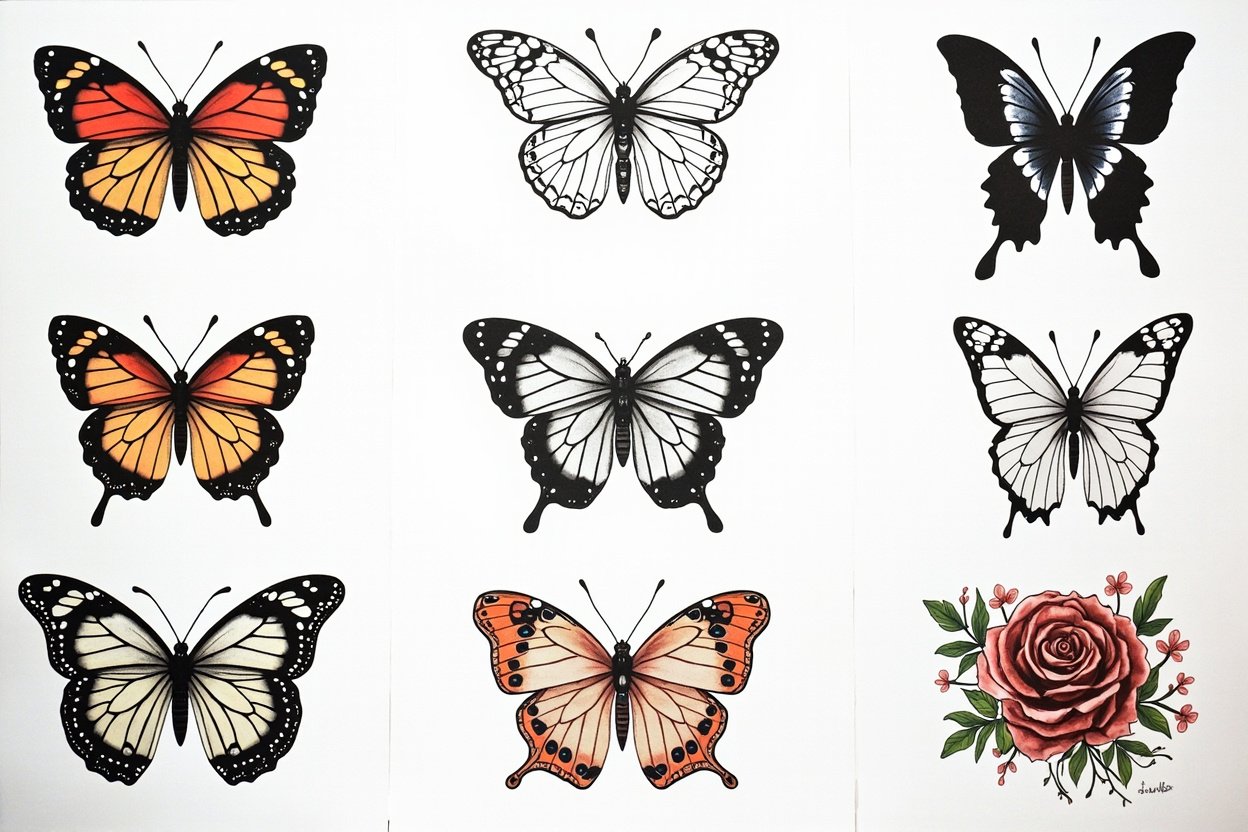
The same wing shape behaves differently depending on line weight, color, and shading. Here is how the main styles compare once they are on skin, not just on a screen.
| Style | Reads as | How it ages |
|---|---|---|
| American traditional | Bold outline, limited saturated color | Excellent. Thick lines stay legible for decades |
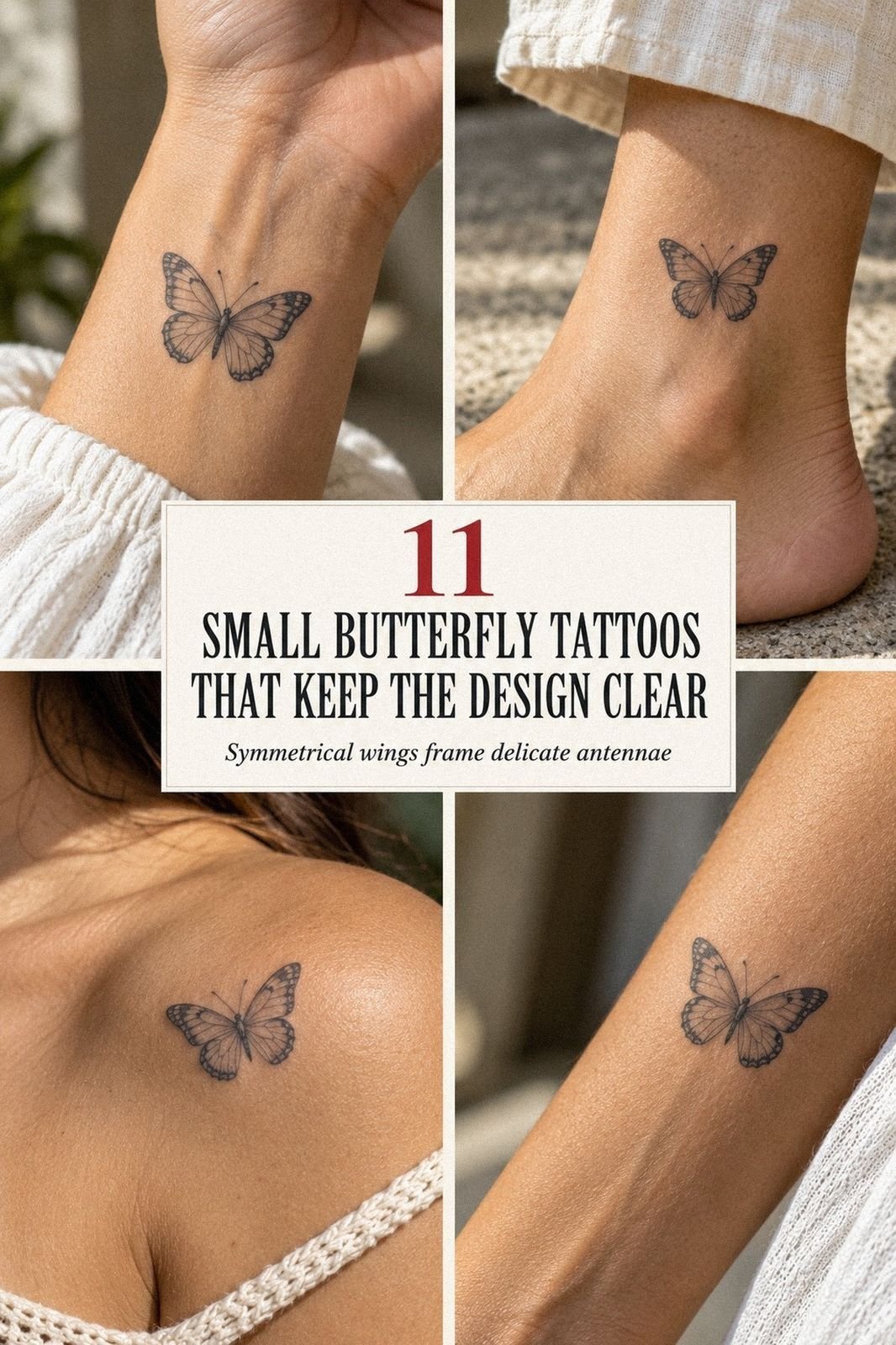
| Fine line | Thin, delicate, often monochrome | Most fragile. Softens first as ink spreads |
| Blackwork | Solid black, graphic or ornamental | Very durable. Black is the most stable pigment |
| Realistic / 3D | Shaded, lifelike, often color | Medium. Soft edges flatten over time |
| Watercolor | Painterly washes, soft gradients | Trickiest. Light colors dull without a line anchor |
| Neo-traditional | Bold lines, richer palette, ornate detail | Strong, if kept large enough for the detail |
Traditional and neo-traditional: the long-haul choices
The wings only land right when the placement fits the body moving underneath them.
If you want a butterfly that still looks sharp when you are older, the traditional family is the safe bet. American traditional uses a thick black outline and a small set of saturated colors, so even when the ink softens a little, the shape never gets confusing. It sits well on the upper arm, shoulder, calf, or thigh, anywhere with enough flat skin for a bold silhouette to read from across a room.
Neo-traditional sits between traditional and realism. You keep the strong outline but get a richer palette and decorative extras like filigree, jewels, or ornate petals. The trade-off is detail: those small embellishments can blur if you go too small, so neo-traditional rewards a slightly larger canvas. A shoulder cap, outer forearm, or thigh gives the ornamentation room to breathe.
Blackwork and tribal: built to last
Black ink is carbon-based and dense, which makes it the slowest-fading pigment you can put in skin. A solid blackwork butterfly can run graphic, ornamental, or dotwork, and it holds up for years as long as the artist leaves breathing room between heavy areas, since large black blocks can spread at the edges. Forearm, upper arm, thigh, and back all give it space.
Tribal butterflies carry an early-2000s reputation, but flowing black curves still work when they are designed with intention. Solid tribal linework ages well as long as the lines are not too thin, and the wingspan can follow the curve of a shoulder, hip, or thigh. Just keep any added flowers stylized to match, since realistic petals clash with graphic tribal lines.
Realistic and watercolor: stunning, but plan for aging
Realistic or 3D butterflies look incredible fresh, sometimes with a drop shadow so the wings appear to lift off the skin. They age best when the artist keeps a clear outline or strong value separation, because ultra-soft texture and tiny detail are the first things to flatten. Curved but stable areas like the shoulder, upper back, or thigh suit them, and bigger is better so the detail has somewhere to live.
Watercolor is the most painterly option, with splashes and bleeds of color and often no dark outline at all. That is also its weakness: without a line to anchor it, the edges can go mushy and the light tones dull faster than black. Many artists keep at least some black linework underneath to hold the piece together as it ages. Save watercolor for low-friction, lower-sun spots like the upper arm, shoulder blade, or back. (For more on this, see our watercolor tattoo ideas and fading guide.)
Geometric and fine line: modern, with caveats
Geometric butterflies pair a wing silhouette with lines, dots, and polygonal symmetry. They hold up well if the linework is not ultra-thin, and they want enough size that minor spreading does not wreck the geometry. The forearm, spine, and sternum all suit centered, symmetrical compositions.
Fine line is the most delicate look on this list. Very thin outlines with little or no fill read as soft and discreet, but they soften first and often need touch-ups sooner. If a clean, minimal butterfly is what you are after, it deserves its own playbook, which we cover in depth in our guide to fine line tattoo placement and touch-ups.
Pairing a butterfly with flowers
Adding flowers is the easiest way to make a butterfly feel personal instead of generic. The combination also layers in meaning, since the butterfly already reads as transformation and survival before you add anything (we break the symbolism down in our butterfly tattoo meaning guide).
- Butterfly + rose: a classic transformation-meets-love pairing. Works in traditional, neo-traditional, blackwork, or realistic on the upper arm, thigh, or back.
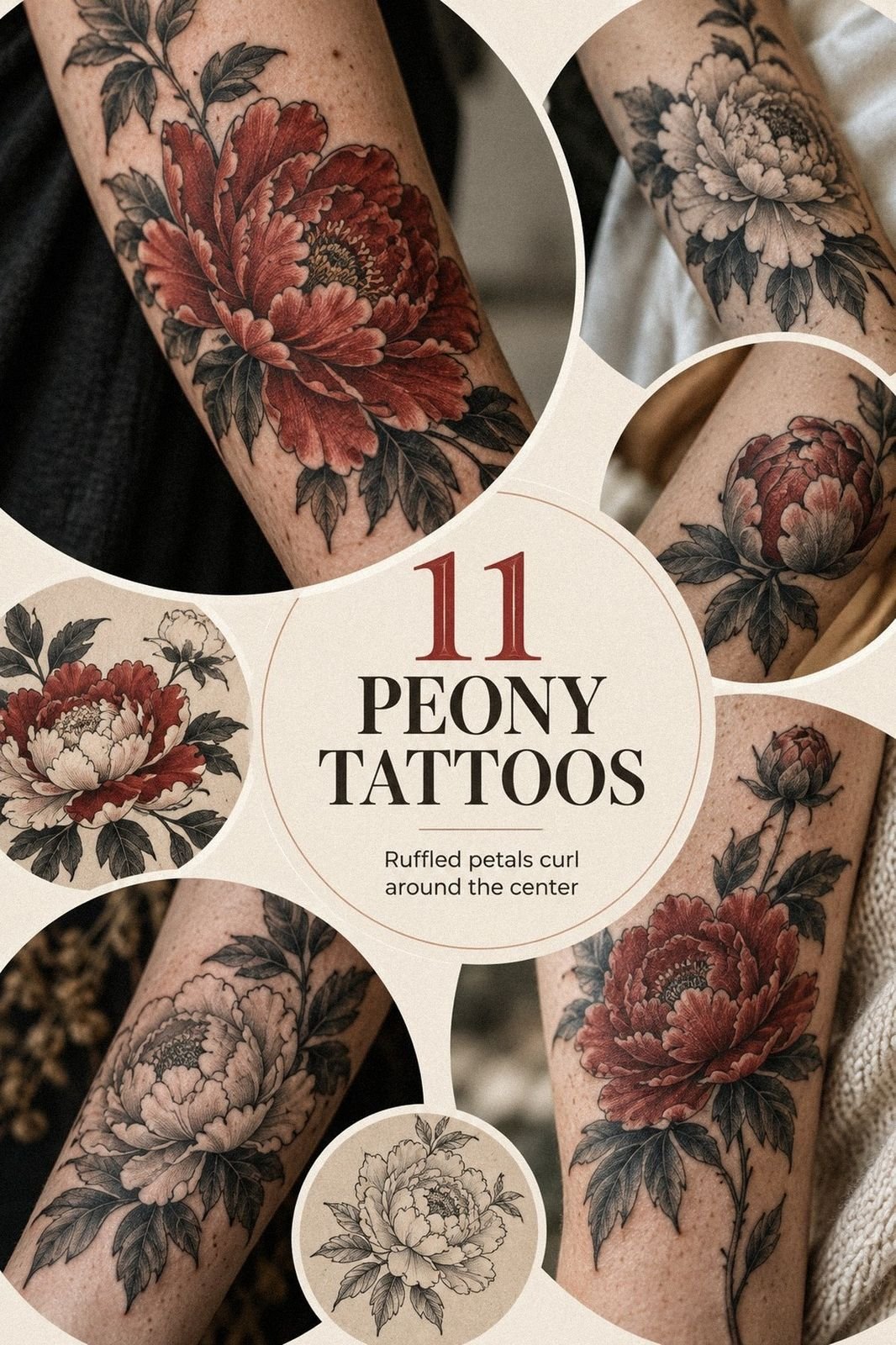
- Butterfly + peony: lusher and more ornamental, ideal for neo-traditional and realistic styles where big saturated petals have room on the shoulder, thigh, or ribs.
- Butterfly + wildflowers: lighter and more natural, perfect for fine line, geometric, or watercolor-accent pieces that wrap along the forearm, spine, or collarbone.
One composition rule worth stealing from floral tattooing: pick a single lead flower and let smaller blooms and foliage support the flow. Two competing focal points turn into a dense ball of petals.
Color versus black, and how placement changes everything
All color fades faster than black, and light tones go first. Yellow, pink, light blue, and pastels lose vibrancy quickest under sun, while saturated mid-tones like deep red, emerald, and cobalt in a traditional or neo-traditional palette hold better. If longevity is your priority, a black or black-dominant butterfly is the steadier choice; if you love color, go saturated rather than soft.
Placement matters just as much as style. Shoulders, upper arms, backs, and thighs are the most forgiving canvases for almost any style, including color and watercolor, because they see less sun and friction. High-friction, high-sun spots like the wrist, hands, ankle, and feet wear fine line and light color down faster, so reserve those for bold black or traditional work. To match a style to the right spot on your body, our tattoo placement chart walks through pain, fading, and visibility by area.
The short version: choose a style with a clear silhouette and enough line weight, put delicate work where the skin is protected, and commit to sunscreen. Do that, and almost any butterfly style can age into something you still love.