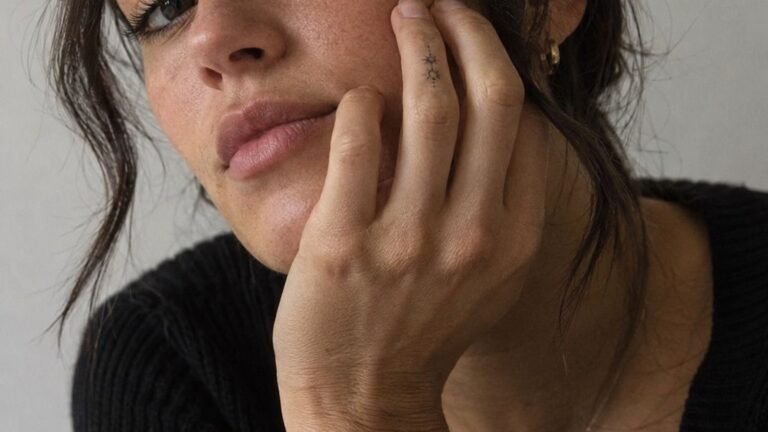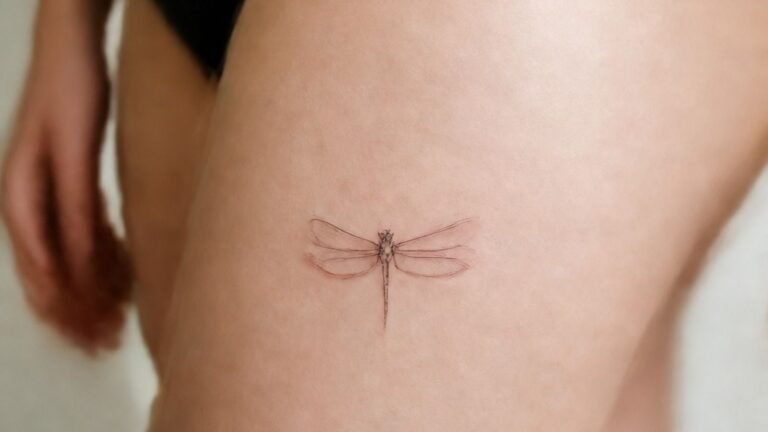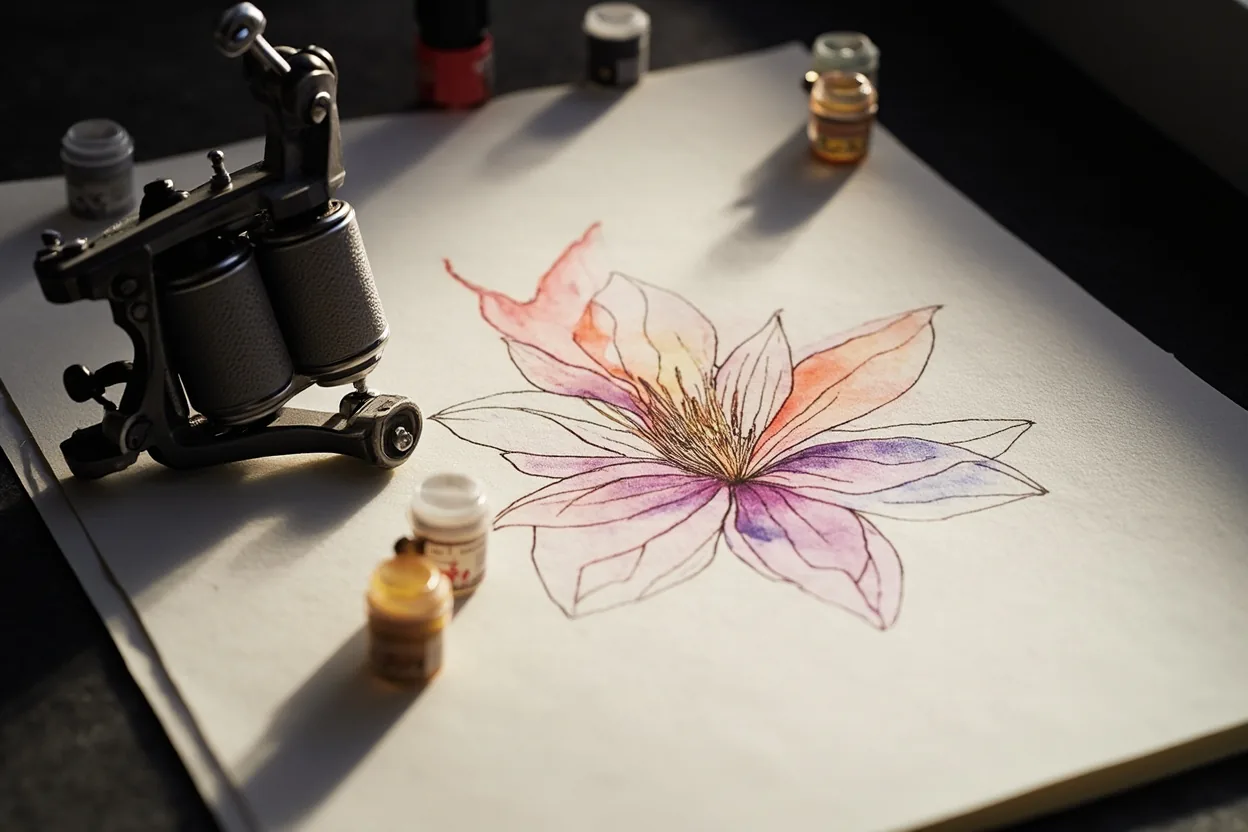
Watercolor tattoo ideas are polarizing because the fresh photos can look incredible while healed results vary widely. The difference between a piece that still reads beautifully in five years and one that turns into a soft blur comes down to structure, pigment choice, placement, and the artist you book.
Quick answer: The strongest watercolor tattoo ideas pair painterly color washes with a readable dark structure: florals, birds and fish, butterflies, abstract splashes, galaxies, and color backgrounds behind a more solid subject. Designs built only from pale pastel, with no black or dark anchors, are the ones most likely to fade into mush.
How watercolor tattoos actually work
A watercolor tattoo mimics the look of paint on paper: soft gradients, bleeding edges, splatters, and negative space instead of the heavy black packing of traditional work. The catch is that this style depends on lighter colors and smooth transitions, and lighter colors are exactly the ones that lose saturation first.
That does not make the style a mistake. It means the design has to be planned for how it will age, not just how it photographs on the day. The artists who do this well decide where to keep color saturated, where to let it wash out, and where to hide a little structure so the subject still holds its shape years later.
Do watercolor tattoos need a black structure underneath
A watercolor tattoo without structure is not art, it is a countdown.
Not strictly, but it helps more than most people expect. A fully no-line, pastel-only piece is the riskiest version of the style. Many experienced watercolor artists quietly add subtle dark anchors: the eye of a bird, the inner edge of a petal, a few key lines that the wash sits around. You may not notice them at a glance, but they are doing the structural work.
The reason is simple. Black, deep brown, and dark blue are the most light-resistant and time-resistant pigments. When the softer washes and pastels lighten over the years, those dark anchors keep the design readable. You do not need a heavy outline wrapping the whole tattoo. You need enough dark structure that the subject survives once the color softens.
A good rule when planning a watercolor piece: if you covered all the pale color with your thumb, could you still tell what the tattoo is? If the answer is no, the design is leaning too hard on pigment that will fade first.
Watercolor tattoo ideas that age well
The safest watercolor ideas do not rely on pale color alone to define the design. They give the color something to sit on.
| Idea | Why it works | What to watch |
|---|---|---|
| Flower with light linework | Real petals already have gradients and translucency | Keep a defined center so the bloom holds shape |
| Butterfly with color wash | Strong wing outline plus painterly fill | Wing structure must read, not just the color |
| Bird or koi with splash | Solid head and eyes, watercolor body and tail | Splash should support the subject, not bury it |
| Abstract brush splatter | Not meant to be crisp, so it ages gracefully | Needs deliberate composition, not random spray |
| Galaxy or cosmic fill | Dark contrast is built into the subject | Keep deep blues and blacks for longevity |
| Minimal black line plus wash | Black keeps the image legible long term | Match the wash to a placement with low sun |
Florals are a natural fit because flowers already carry soft edges, translucency, and irregular shapes. Peonies, cherry blossoms, lotus, poppies, and wildflowers all forgive a painterly approach. Animals work when the artist keeps structure in the head and eyes and lets the watercolor treatment open up in the body, tail, or background. Birds, fish, foxes, and big cats are common for this reason.
Abstract splashes, galaxies, and color backgrounds behind a more solid main subject are some of the most reliable choices. They are not supposed to be ultra crisp, so a little diffusion over time reads as intentional rather than as damage.
Fading and aging: the honest version
Watercolor tattoos tend to show fading and loss of detail earlier than bold traditional work, because they use less black packing and more light tones around the edges. There is no exact year count, since skin type, placement, aftercare, and artist skill matter more than the style label. The pattern looks like this.
In the first twelve to twenty-four months, a well-executed and well-healed watercolor piece usually still looks strong. Early fading in this window is almost always a sign of poor saturation or bad aftercare, not the style failing. Between roughly three and five years, the lightest washes and softest edges start to dull, and fully pastel pieces can begin to look washed out if they see a lot of sun. Past five years, designs with no dark structure are the most likely to lose clarity, while pieces with black or dark anchors age much closer to modern illustrative and color realism tattoos.
One way to picture it: a traditional tattoo stays legible like an old low-contrast screen, while watercolor work is closer to a high-detail image where any loss of saturation shows immediately. That is why structure and color choice carry so much weight here.
Sun, UV, and placement
UV light is the main enemy of any color tattoo, and it hits the exact tones watercolor relies on. Yellows, light reds, pinks, and pastels break down faster under sun than deep blues and blacks. A piece placed on a constantly exposed area like the forearm, hand, or shoulder will fade faster than the same design on the torso or upper thigh.
- During healing, avoid direct sun completely. Cover the tattoo with clothing rather than relying on sunscreen on broken skin.
- Once healed, use high-SPF sunscreen on the area. Soft gradients last far longer when UV is managed.
- Choose protected placements if you are outdoors a lot. Outer upper arm, outer thigh, and upper back heal cleaner and hold color longer.
- Accept that high-sun lifestyles mean more touch-ups. That is a fair trade, not a reason to skip the style.
What to ask before you book
For watercolor, the artist matters more than the ink brand or any marketing label. The fresh photo is the easy part. The healed result is the real test.
- Ask for healed watercolor examples, ideally one to three years old. Social feeds are full of fresh, edited shots. A serious artist can show how their work actually ages.
- Ask which colors fade fastest on your skin tone. A good answer means they think about longevity, not just the day-of look.
- Ask whether the design needs dark structure. If they refuse any anchors on a complex piece, take that as a warning.
- Ask how your placement and sun exposure will affect it. The right artist adjusts the plan rather than promising that anything is possible.
Strong fundamentals matter even in a painterly style. Check the artist linework, values, and composition across their other work, because good watercolor rests on a real understanding of edge, light, and anatomy. A quality consultation covers longevity limits and suggests tweaks, which is a far better sign than a flat promise that the design will never change.
Watercolor tattoo mistakes to avoid
The most common mistake is letting pale color be the only thing creating the shape. If that color lightens, the tattoo loses its subject. The second mistake is treating watercolor as a shortcut to something softer than traditional tattooing. Soft still needs structure, saturation, and a plan. Tiny high-detail portraits or busy scenes done only in pastel are the hardest to read even when fresh, and they blur fastest.
Reader questions before you book
Do watercolor tattoos need a black outline?
Not a full outline, but most long-lasting pieces use some black or dark anchors. Dark pigment is the most fade-resistant, so it keeps the design readable once the lighter washes soften.
Do watercolor tattoos fade faster than normal tattoos?
They tend to show fading sooner than bold traditional work because they rely on light colors and less black. Good saturation, dark structure, aftercare, and sun protection narrow that gap considerably.
What subjects work best as watercolor tattoos?
Florals, birds and fish, butterflies, abstract splashes, galaxies, and color backgrounds behind a solid subject. These tolerate soft edges and a little diffusion without losing their meaning.
Where do watercolor tattoos last longest?
Lower-sun, lower-friction areas such as the outer upper arm, outer thigh, and upper back. High-exposure spots like hands and forearms fade faster.