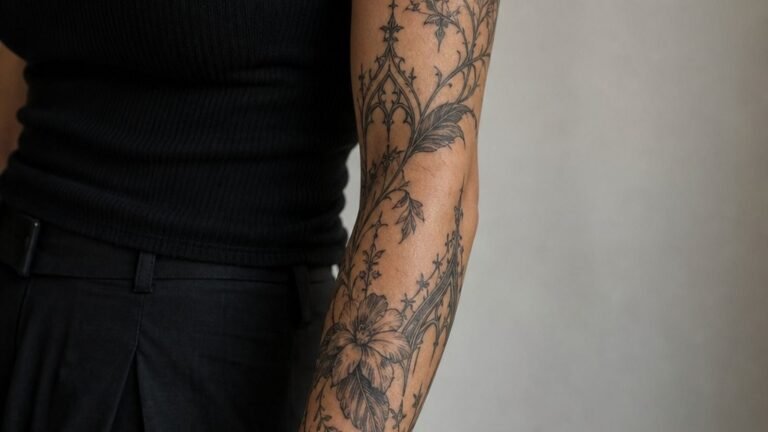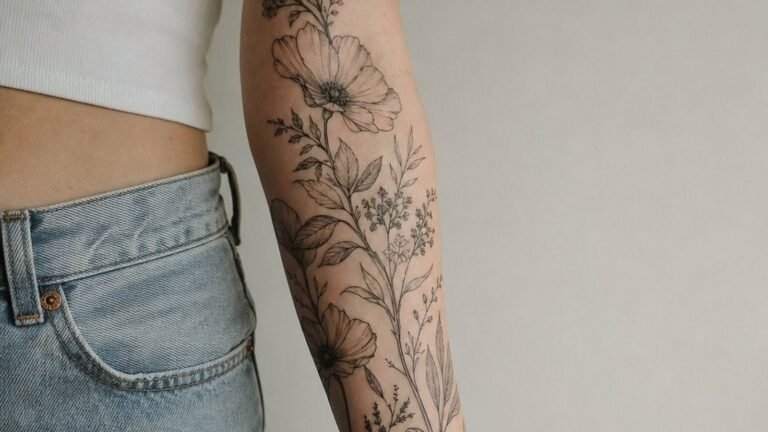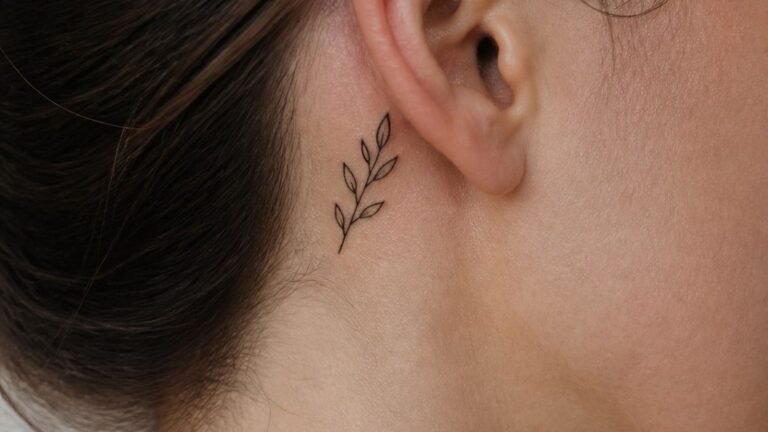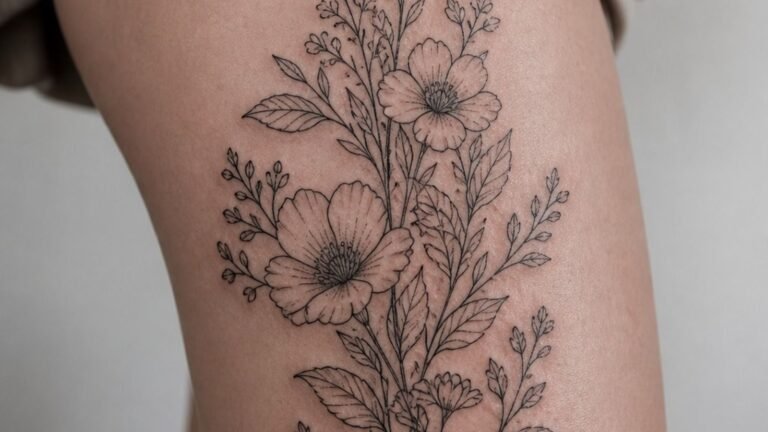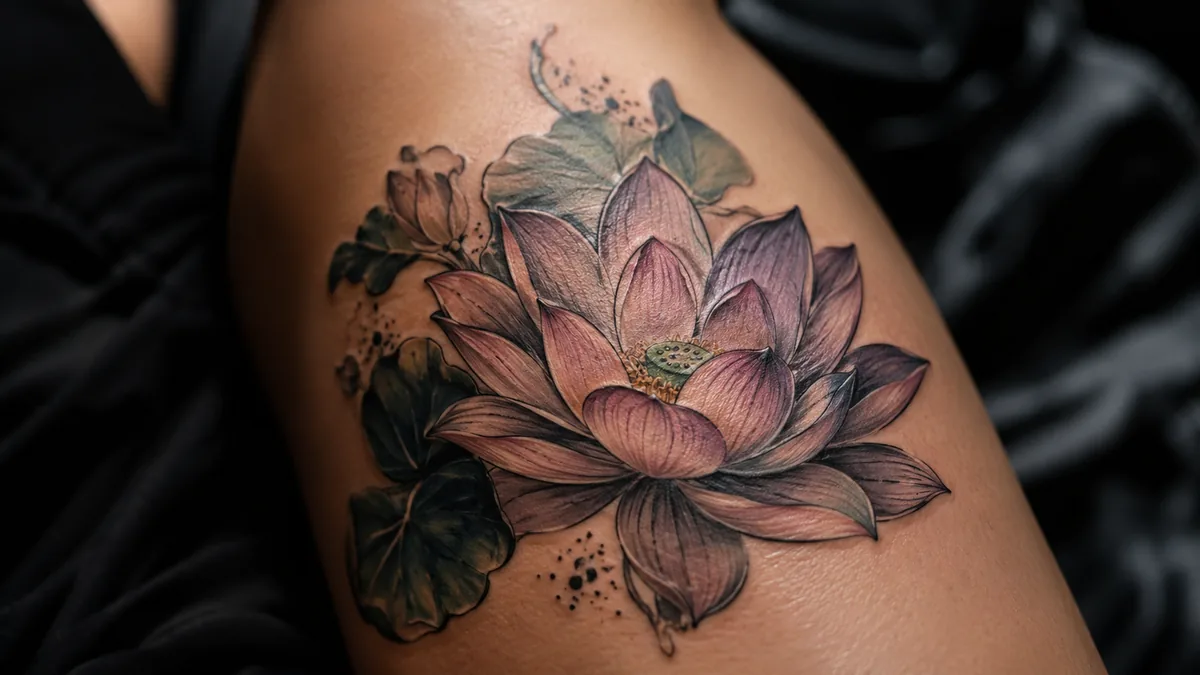
The water lily is one of those tattoos that hits different. It’s beautiful on the surface, but there’s real weight behind it. People don’t just get water lilies because they look good, though they absolutely do. They get them because the meaning lands.
a water lily tattoo is about rising above. The flower grows straight out of muddy water and opens clean and perfect every morning. That’s not lost on people who’ve been through hard times. This piece carries serious meaning, and it earns every inch of skin it takes up.
Core Symbolism: What a Water Lily Tattoo Actually Means

The most widely understood meaning is rebirth and resilience. The water lily roots itself in mud, grows through murky water, and blooms clean on the surface. That cycle speaks directly to overcoming struggle, trauma, or a major life transition. It’s a tattoo people get after they’ve come out the other side of something hard.
Beyond rebirth, water lily tattoos represent purity, peace, and spiritual awakening. The flower sits on still water, untouched by what’s below it. That image carries a calm, grounded energy. For a lot of clients, it also ties into mindfulness and the idea of living in the present moment, letting the past stay beneath the surface where it belongs.
Cultural and Historical Roots
It blooms from mud. That's the whole point.
In ancient Egypt, the blue water lily was sacred. It was tied to the sun god Ra and symbolized creation and rebirth because it opens at sunrise and closes at night. Egyptian art is full of it, and that association with the cycle of life and death made it a powerful religious symbol. That history is real and well-documented.
In Buddhist and Hindu traditions, the lotus and water lily are closely related and often overlap in symbolism. The lotus specifically represents enlightenment and the path from ignorance to spiritual clarity. Water lilies carry similar weight across Asian cultures. In Victorian flower language, the water lily stood for purity of heart. These aren’t invented meanings. They’re layered into the flower across centuries.
Popular Design Variations
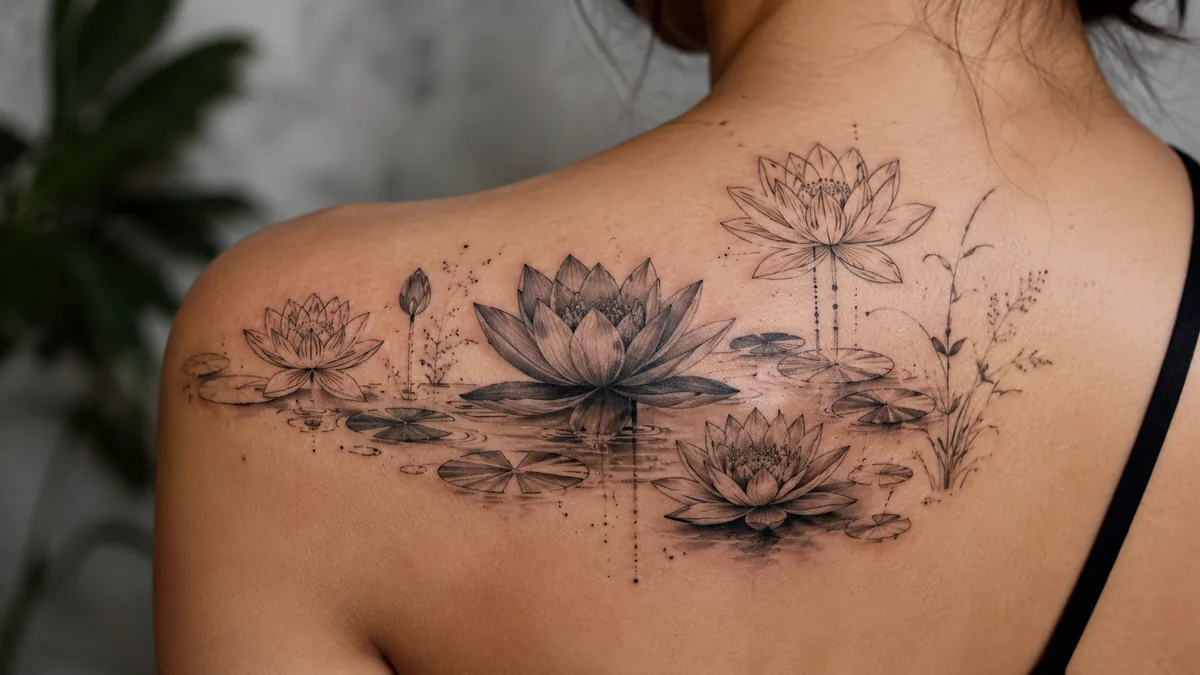
The classic single bloom is the most requested. You get a fully opened flower, usually shown from above or a three-quarter angle, petals fanned out clean. Some clients want it paired with lily pads, which adds negative space and grounds the composition. Others go with a full pond scene, adding koi fish, dragonflies, or rippling water lines for movement and depth.
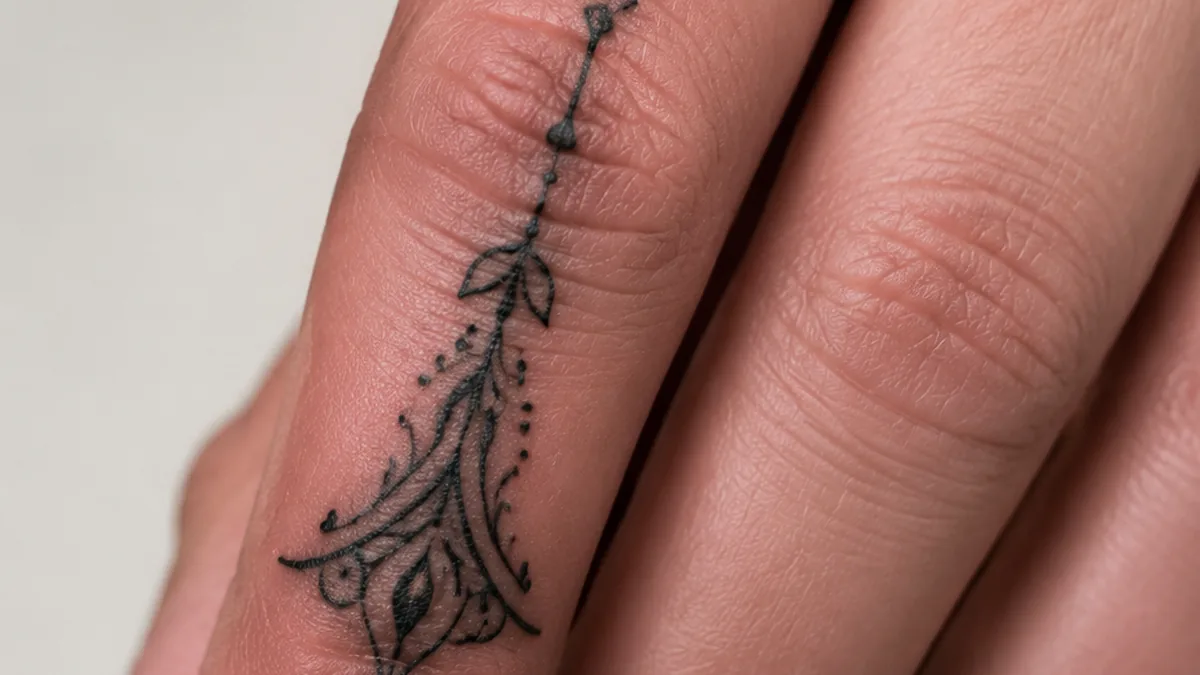
Geometric water lilies are popular right now. Crisp linework breaks the petals into angular shapes, sometimes with mandala-style detail in the center. Watercolor style is another big one, where the color bleeds softly outside the lines for a painterly look. Fine line micro water lilies on the wrist or collarbone are consistently requested. Each style reads completely differently on skin, so the style choice matters as much as the subject.
Color vs. Black and Grey
Color water lilies are stunning. Pink and white are the most traditional, and a well-saturated pink water lily with deep green lily pads reads beautifully from across the room. Blue and purple water lilies are less common in nature but look incredible as tattoos, especially in a neo-traditional style with bold outlines and rich, saturated fill. Yellow water lilies carry a sunnier, optimistic energy and age well if the artist uses bold enough values.
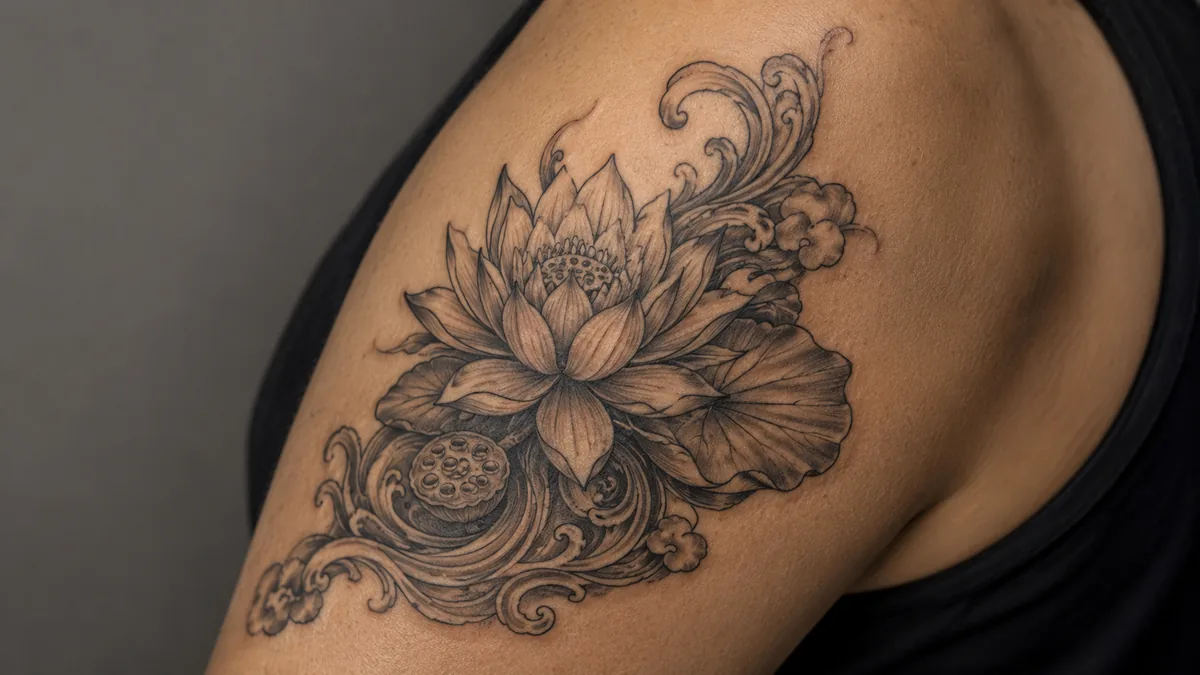
Black and grey water lilies hit just as hard. A skilled artist can build incredible depth with grey wash and whip shading, making the petals look almost three-dimensional. The contrast between soft petals and precise linework is what separates a crispy black and grey water lily from a muddy one. For fine line work in black and grey, less shading means less to blur over time, which matters for longevity on areas like the inner arm.
Best Placements and How It Ages
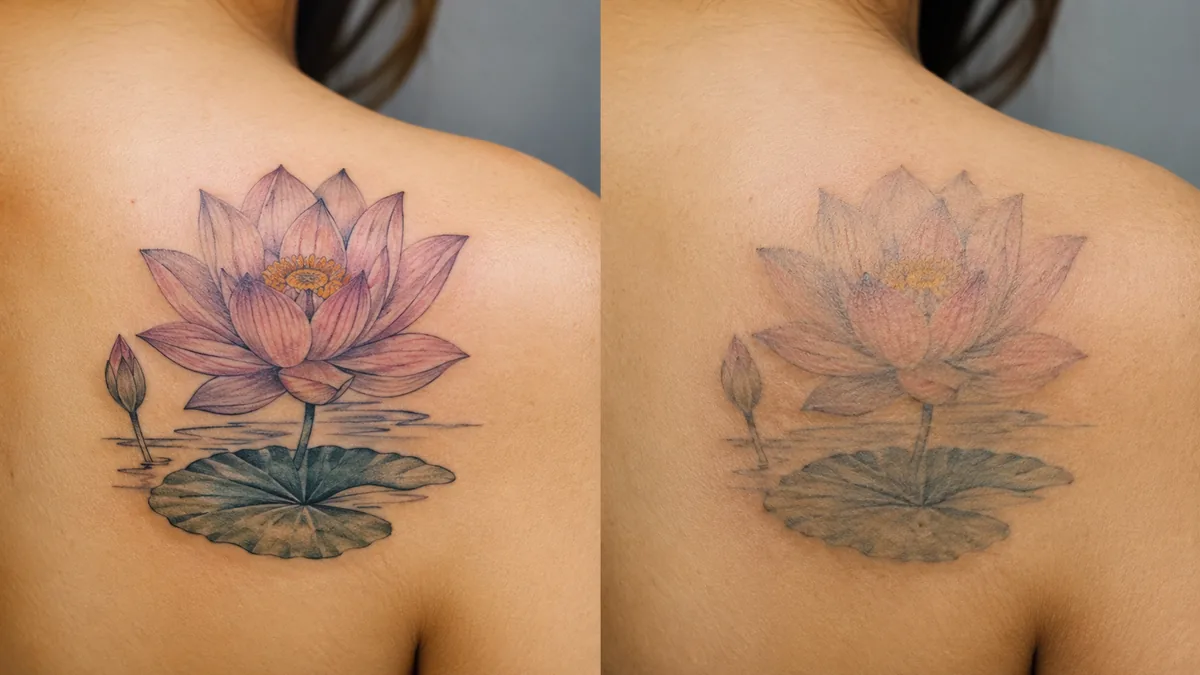
The thigh is the best placement for a larger water lily piece. Good flat skin, low wear, and enough room to do a full composition with lily pads and water. The upper arm and shoulder are solid choices too, especially for medium to large pieces. The forearm works great for a single bloom and reads clean when you want it visible. The upper back and sternum are popular for bigger, more elaborate designs.
Placement affects how long it stays clean. High-wear zones like fingers, inner wrists, and feet break down faster from friction and sun exposure. Fine line work in those areas can blur within a few years. Bold linework with solid fill holds much better over time regardless of placement. A water lily with solid petal fills and strong outlines will still read clearly a decade in. Fine line micro pieces in low-wear zones age better than people expect if aftercare is solid.
Pain Levels by Zone
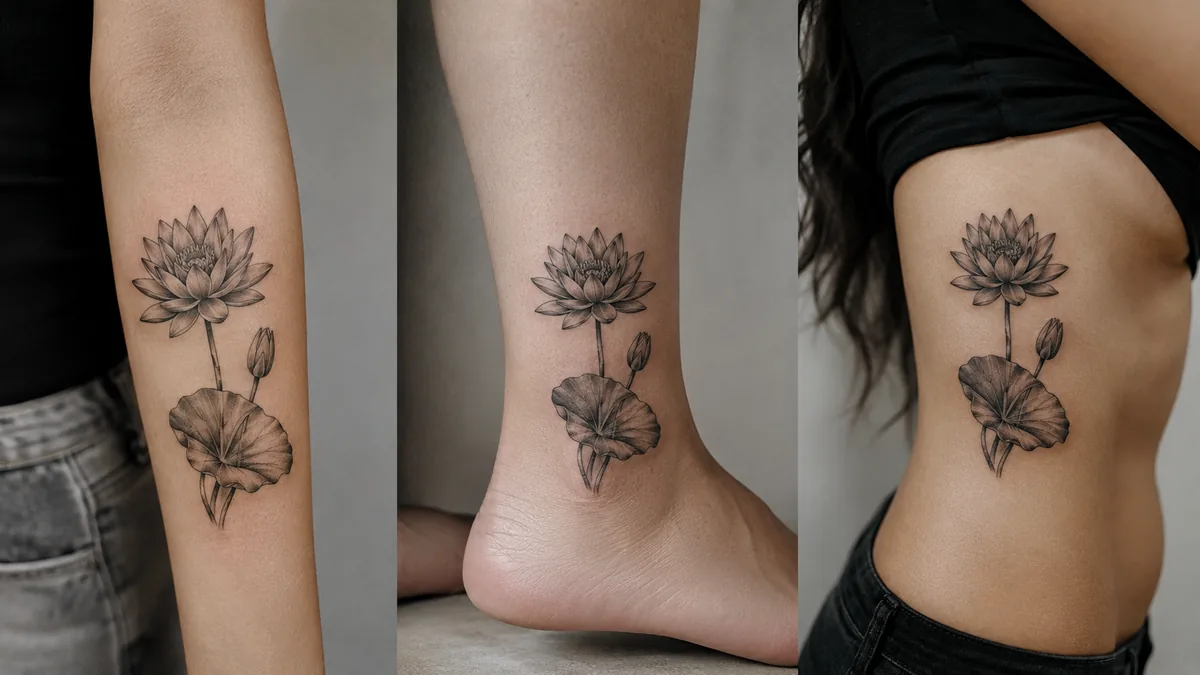
The thigh and upper arm are the most comfortable spots for a water lily tattoo. Plenty of muscle and fat buffer the needle, and most clients sit through those sessions without much issue. The shoulder and upper back are similarly manageable, though the spine area gets spicy fast. For a detailed water lily with shading, you want a placement where you can sit long enough to get the work done right.
The ribs, sternum, inner elbow, and back of the knee are the spicy zones. A detailed water lily over the ribs requires serious commitment because the linework and shading take time. The collarbone area is popular for water lily pieces but gets sharp near the bone. The wrist and inner forearm are moderate. Know your pain tolerance before you commit to a placement that sounds cool but takes three hours of sitting on bone.
Who Gets Water Lily Tattoos and How to Make It Personal
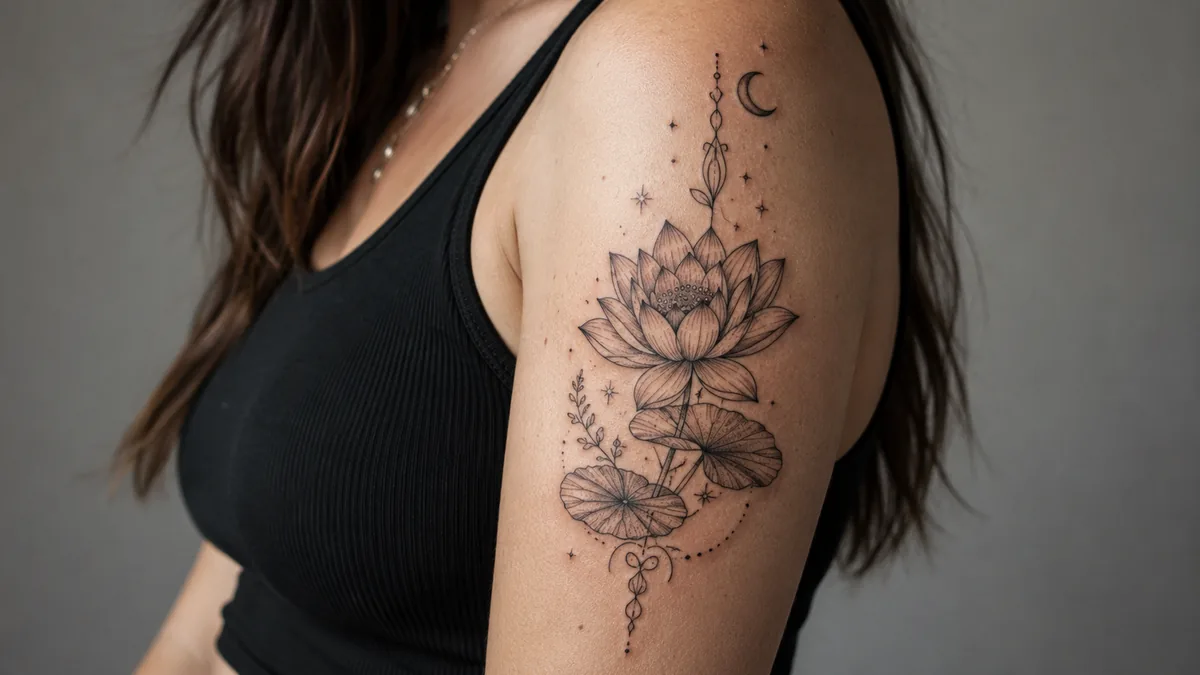
Water lily clients tend to be people who have gone through something significant, a loss, a recovery, a major life change, and want to mark it permanently. It’s a tattoo with intention behind it. It also pulls in people drawn to Eastern philosophy, meditation, or spiritual practice, where the symbolism maps directly onto beliefs they already hold. It’s not a trendy piece people grab impulsively. It carries real personal weight for most people who get it.
To make it personal, anchor the piece to your specific story. Add a birth month flower alongside it, incorporate a meaningful date in the linework, or choose a color that connects to someone you lost. Some clients request a specific water lily species. The American white water lily, the yellow pond lily, and the tropical blue lotus all look distinct and carry slightly different cultural readings. Your artist can help you build something specific to you rather than generic.