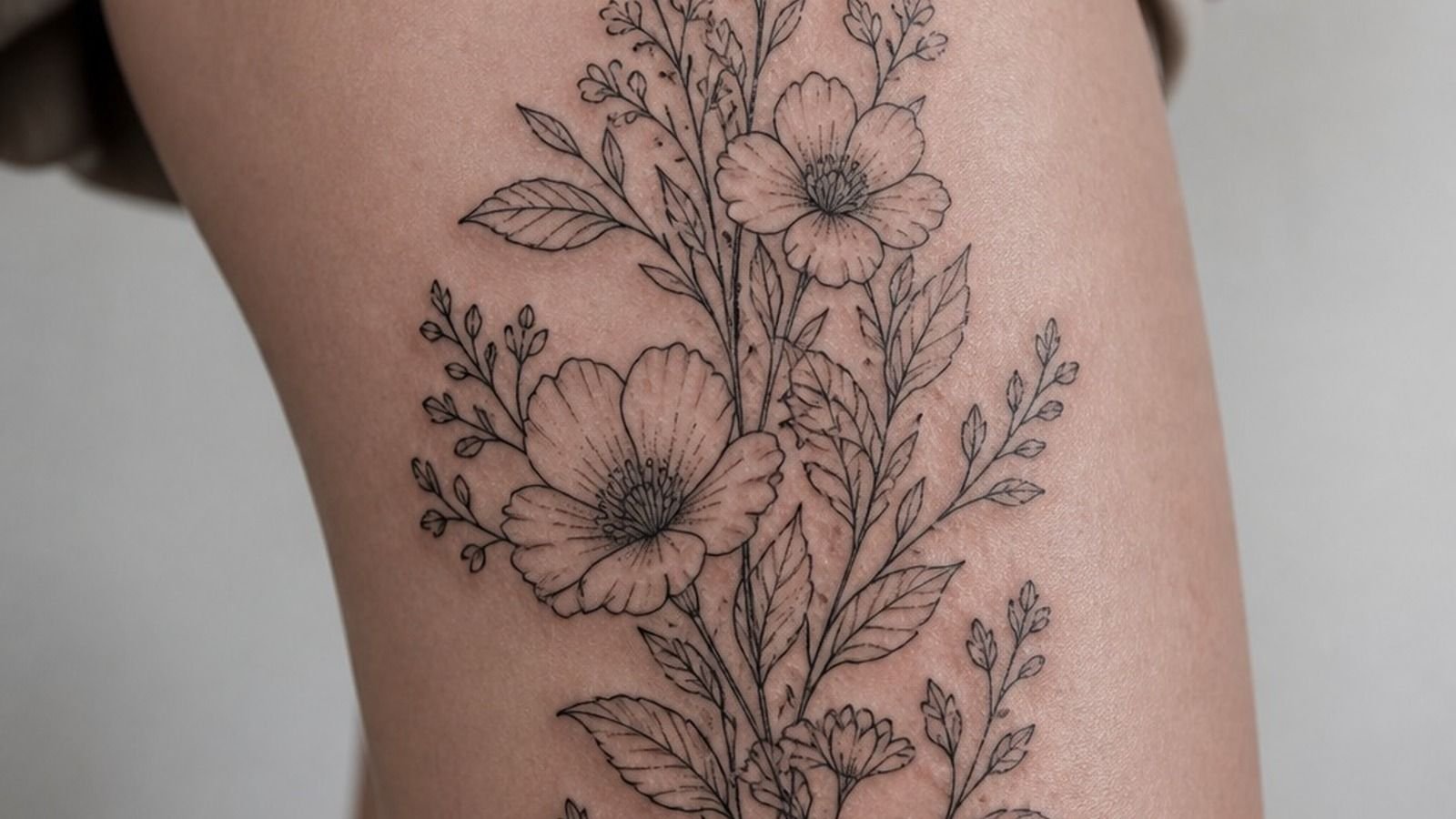
I got my blacked out rose tattoo the week I turned 30, after staring at an old patch of ink I’d outgrown for years. I wanted blackwork that would hold, not a tiny detailed rose that’d turn to soup. Years later, the solid black still reads clean from across the room.
Here’s what it looked like before
Before the rose, my upper arm had a faded little linework piece with uneven spacing and a few washed-out grey marks around it. Nothing awful. It just didn’t feel like me anymore, and I’d been saving that skin for something with more weight.
I brought photos of healed blackwork roses, not Pinterest screenshots I expected copied line for line. You should do that too. References tell your artist what mood you want, while their drawing needs to fit your body, your old ink, and how your skin moves.
- I Chose the Rose’s Solid Black Silhouette
- I Mapped the Coverup Over Existing Ink
- I Tested Blackwork on My Forearm First
- I Kept One Negative Space Petal Open
- I Compared Hand Placement with Wrist Placement
- I Balanced Black Ink with Gray Shading
- I Checked Pain Around My Knuckles Carefully
- I Sized the Rose for Clean Healing
- I Used Bold Leaves to Hide Old Lines
- I Approved a Black and Gray Rose Draft
- I Chose Stem Direction for Natural Movement
- I Planned Touchups After the First Healing
- I Matched Black Ink Density to My Skin
- I Followed Aftercare Through Heavy Ink Healing
1I Chose the Rose’s Solid Black Silhouette
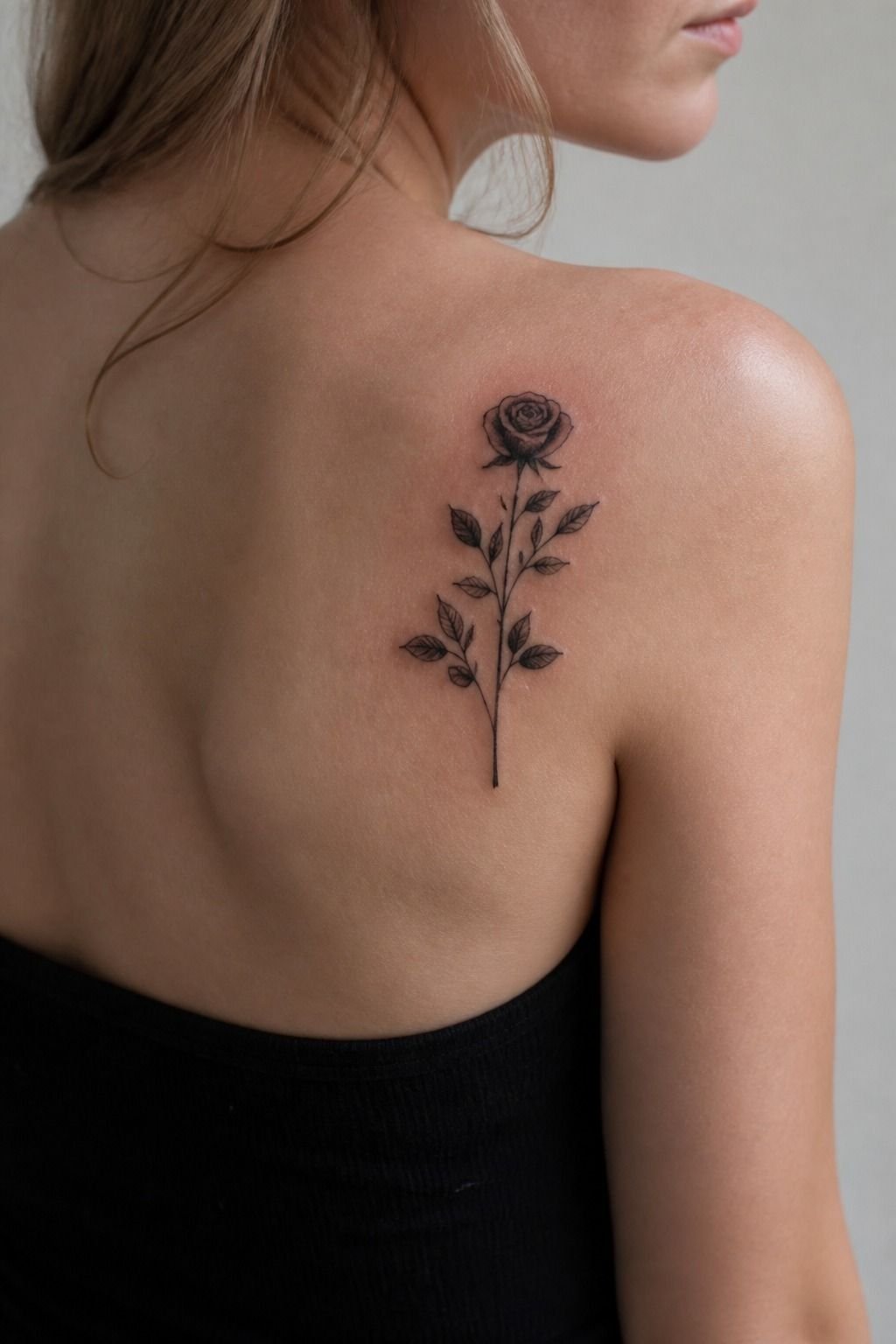
The first call was making the outer petals a solid black silhouette instead of outlining every single fold. That gave the rose a bold, dramatic center and left enough open skin around it to breathe. You can see the shape from a few feet away, which matters more than microscopic details nobody will spot in ten years.
My artist used a larger curved magnum needle for the packed petals, then tightened the edge with a crisp outline. I’d skip a super-fine single-needle perimeter around a heavy black fill. It can look delicate fresh, but that contrast gets chewed up if the thin border is too close to a dense black field.
You want the silhouette to sit with your shoulder cap, not float like a sticker. A rose around 3 to 5 inches wide usually gives you enough room for clean petal breaks.
Bigger isn’t always better. Clear spacing is.
2I Mapped the Coverup Over Existing Ink
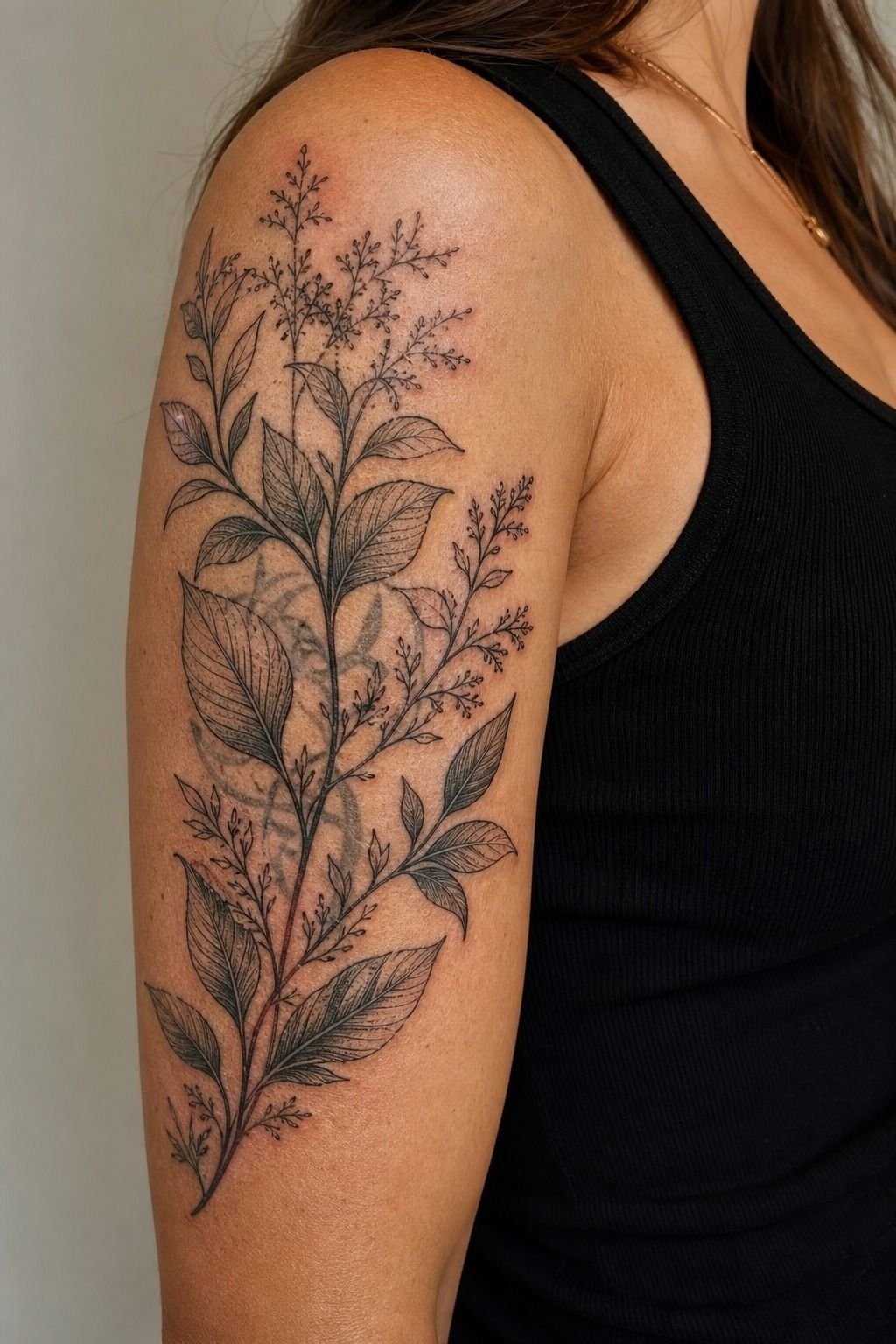
For my Black Rose Tattoo Coverup plan, we mapped the darkest old lines under the leaves and lower petals first. Coverups aren’t magic erasers. They’re camouflage, and you need the new black shapes to be darker, larger, and better organized than what’s underneath.
I watched the artist lay purple stencil transfer marks over the old ink, then move the design a half inch at a time until the stem followed my arm. You should ask to see that placement from standing distance and in a mirror. A macro photo can flatter anything, but your tattoo has to work while you’re reaching for coffee or walking down the street.
But don’t make the rose too small just because you’re nervous about taking up skin. A coverup needs enough visual mass to win. That’s the whole job.
3I Tested Blackwork on My Forearm First
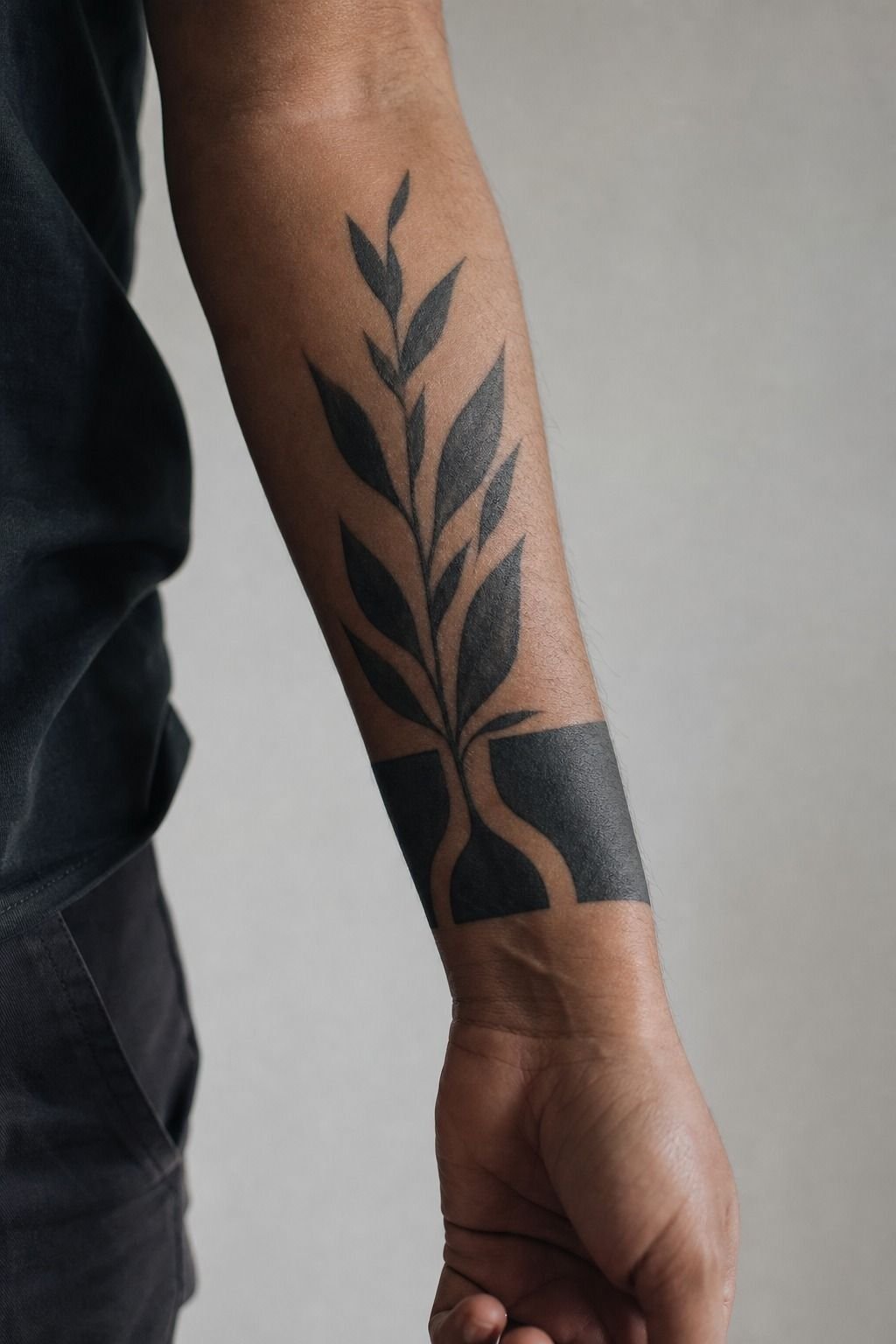
Before committing to the upper-arm coverup, I had a small blackwork rose leaf tattooed on my forearm. It was my test run for saturation, pain, and whether I liked seeing solid black on myself every day. Turns out, I did.
The forearm is pretty chill compared with ribs or hands, and you can watch your artist’s technique in real time. Lines feel sharper.
Shading is a dull burn. Color packing, or in this case black packing, is the spiciest part.
I used that smaller piece to learn what my skin looked like at the silver-skin stage, when it’s healed but still shiny.
If you’re new to heavier ink, your blacked out tattoo meaning guide is worth reading before you decide the look is only about covering something up. Blackwork can be soft, elegant, and personal. It doesn’t have to feel aggressive.
4I Kept One Negative Space Petal Open
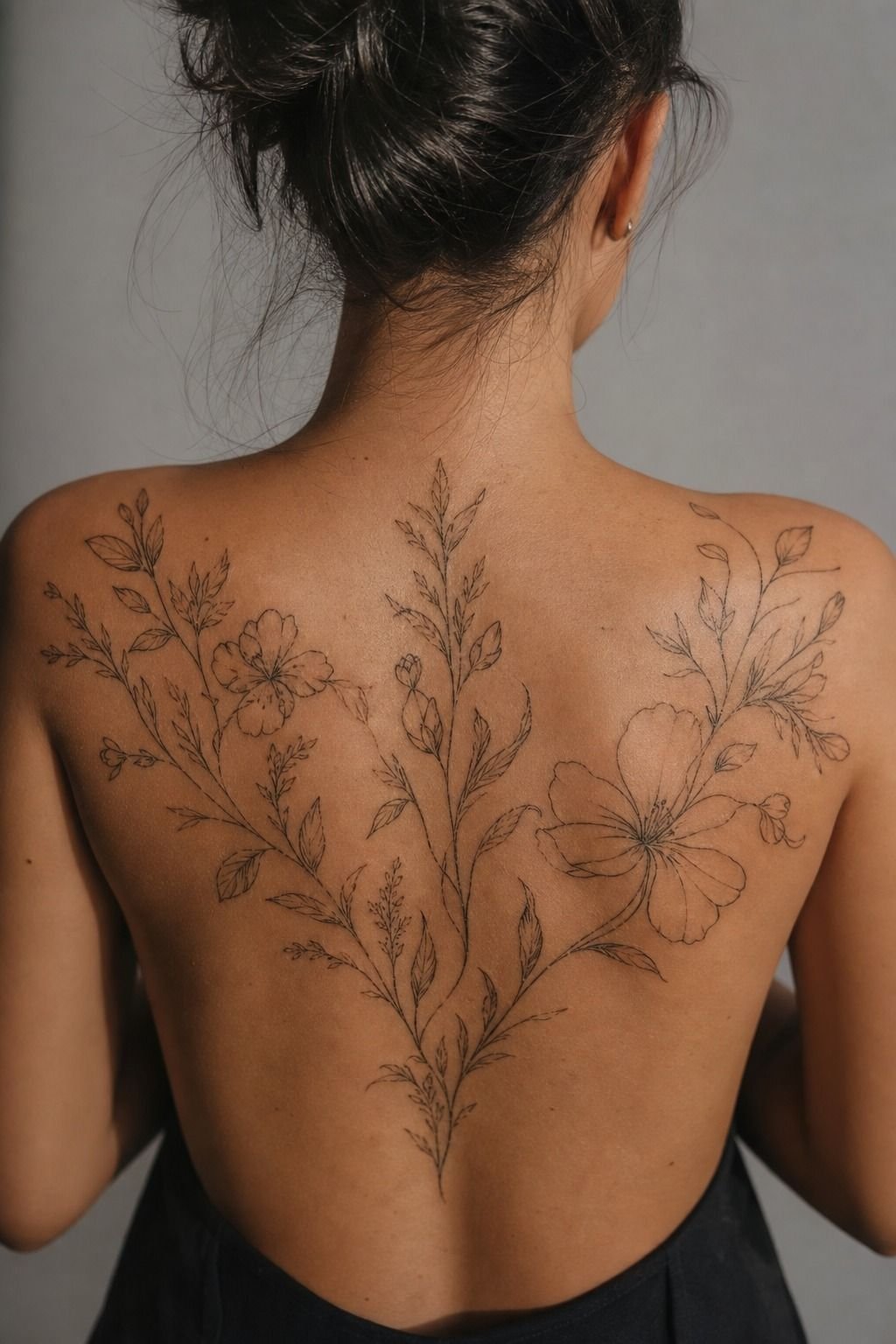
The open petal was the move that kept the tattoo from becoming one black blob.
5I Compared Hand Placement with Wrist Placement
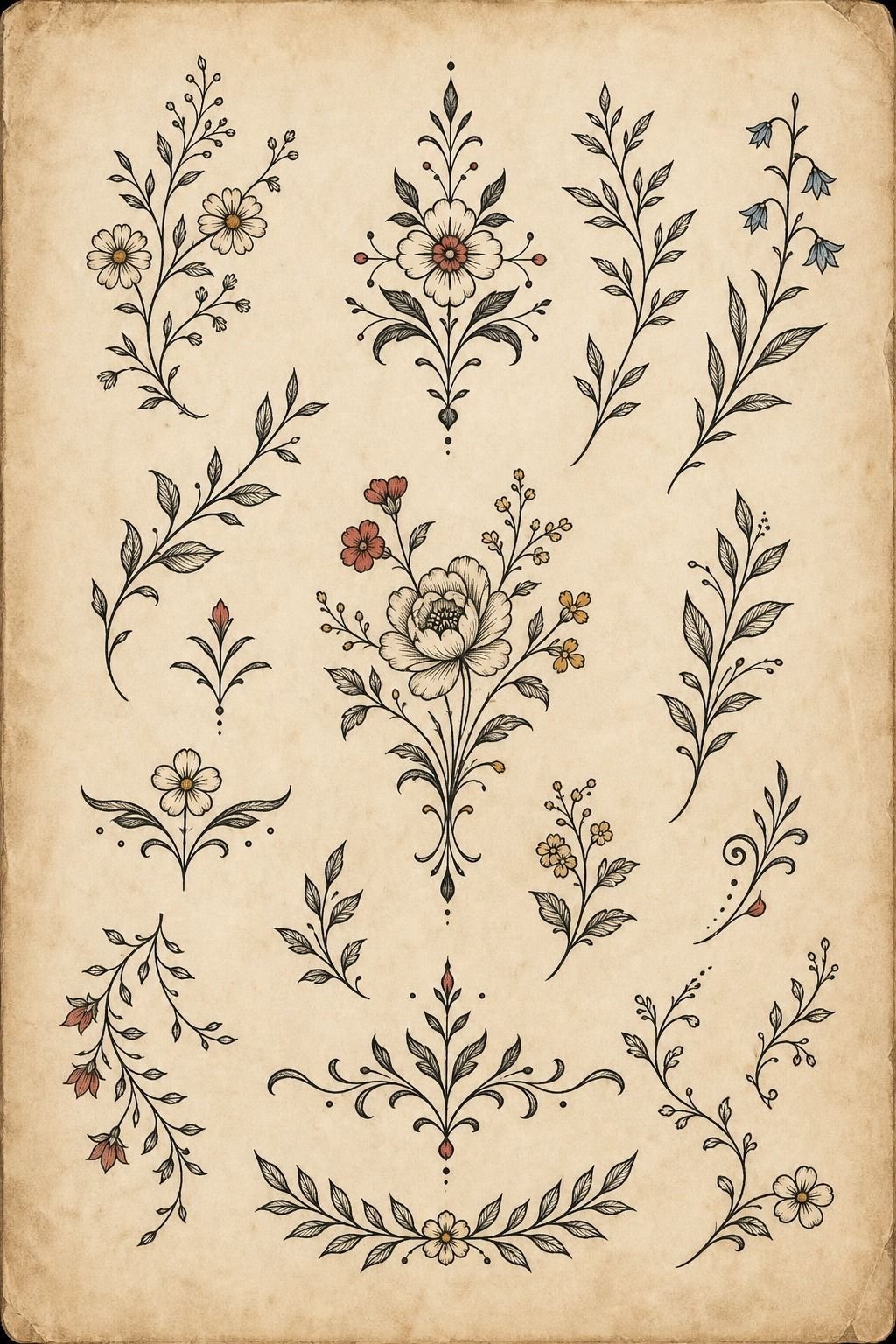
A Black Rose Hand Tattoo looks cool in flash, but I ruled it out for my main piece. Hands are high-wear zones.
They get washed, rubbed, sun-hit, bent, and knocked around all day. You should pick them only if you’re fine with touchups being part of the deal.
The wrist gave me a cleaner option for a smaller rose design, especially on the outer side where it had a little more breathing room. A hand rose needs bold petals, simple leaves, and plenty of black. Fine-line lacework across knuckles is going to fade and spread faster than you’d like.
I looked at several traditional flash sheets before deciding. Flash is great for seeing what reads fast.
But if you want Pinterest-exact, I’m not your artist. Use the shape for direction, then let the artist redraw it for your skin.
6I Balanced Black Ink with Gray Shading
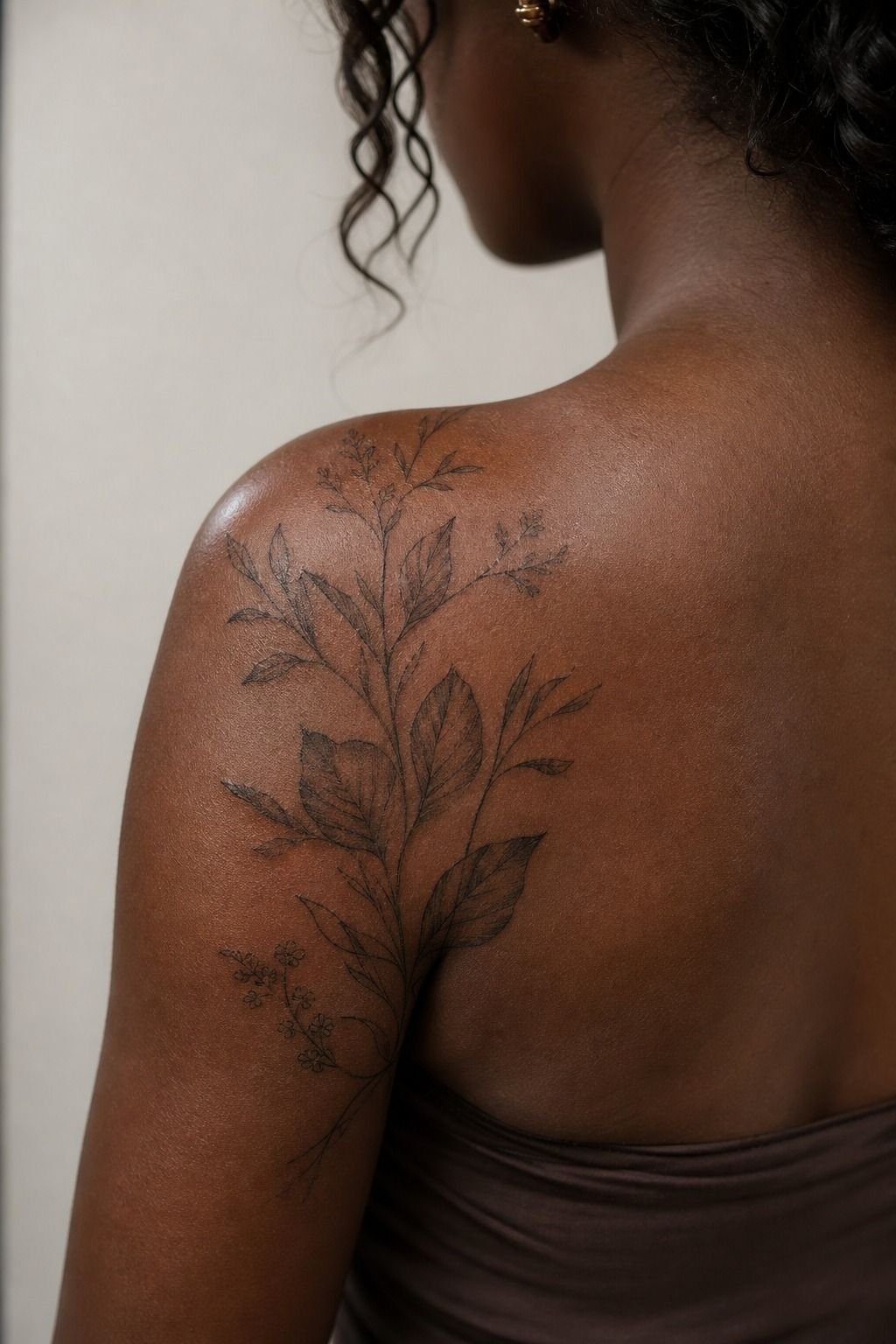
A Black And Gray Rose Tattoo doesn’t need fifty shades of grey to look dimensional. Mine used solid black in the deepest petal pockets, a mid-tone grey wash on the turns, and bare skin for the highest points. That’s enough contrast to make the flower feel refined without making it muddy.
I prefer Dynamic Black for a saturated blackwork base, though ink choice is only one part of the result. The artist’s hand, needle grouping, and how hard they work your skin matter just as much. You want one solid pass, not someone scratching at the same spot fifty times until you’re swollen and angry.
My skin healed best when the grey was kept soft and intentional. Over-shaded roses can heal flat. Push the contrast, then leave the rest alone.
7I Checked Pain Around My Knuckles Carefully
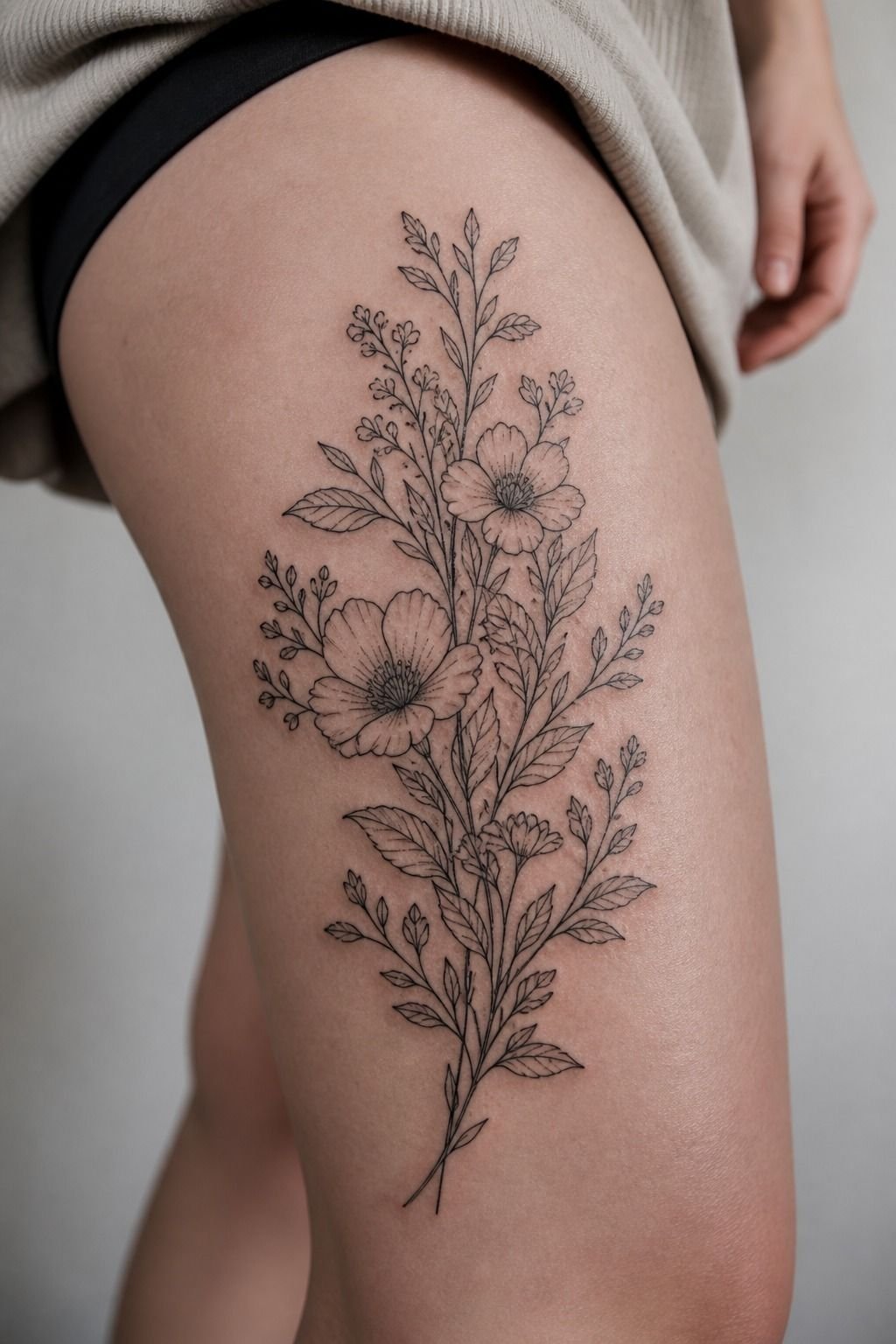
I almost put a small rose across my knuckles.
8I Sized the Rose for Clean Healing
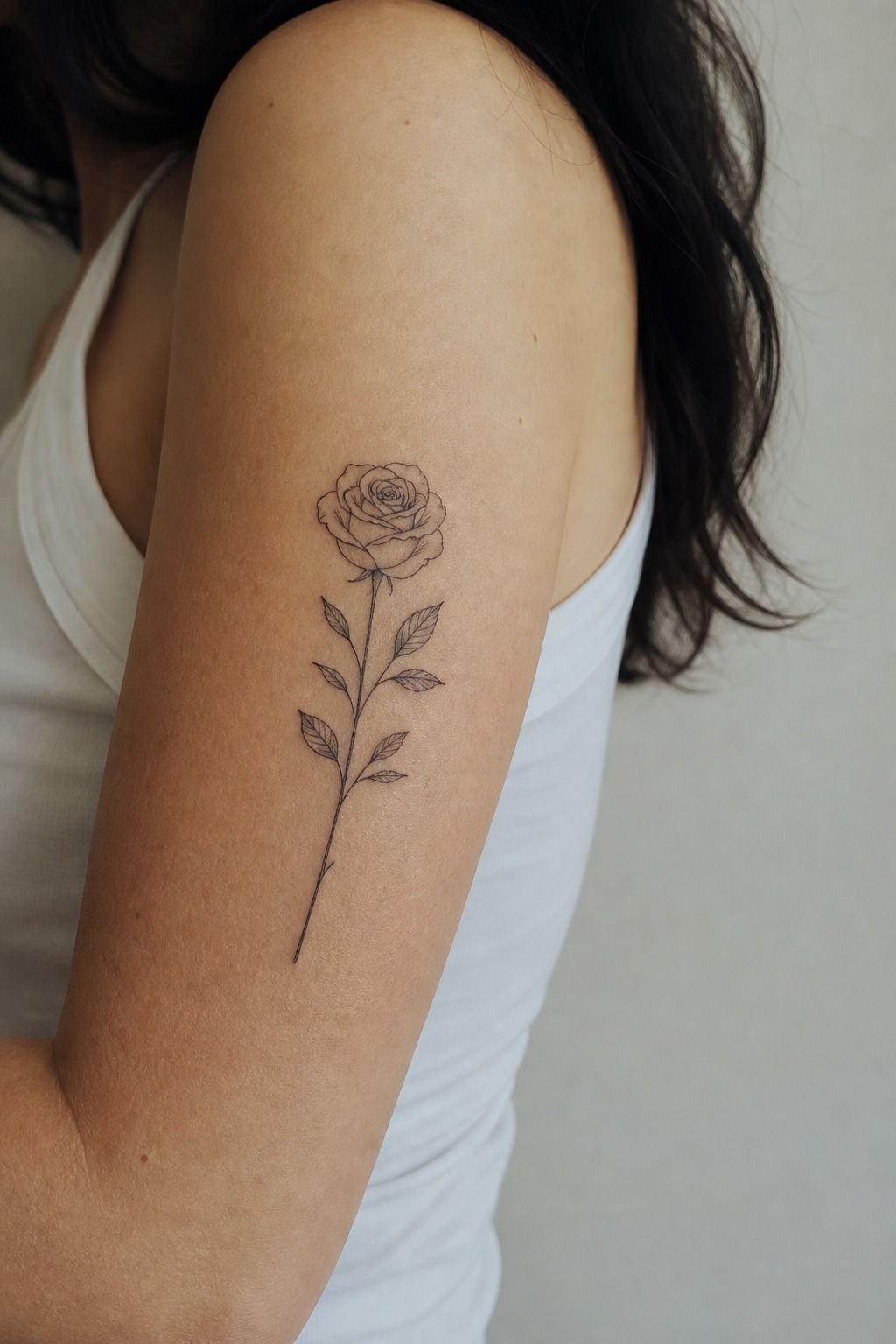
My Small Black Rose Tattoo test taught me the rule I now repeat constantly: tiny detail needs extra space, not less. The small forearm rose was about 2 inches, with only three broad petals and one leaf. It healed nice because the lines weren’t trying to do too much.
For the larger coverup, I scaled the main bloom closer to 4 inches. That let the negative spaces stay open through the 2 to 3 week surface-healing window.
You should trust your artist when they say a detail needs to be bumped up. That size on a wrist is gonna mush out, so move it up the forearm where it breathes and ages nicer.
I’d skip micro-realism for this subject. A rose can be soft, but the design needs an honest structure under it.
9I Used Bold Leaves to Hide Old Lines
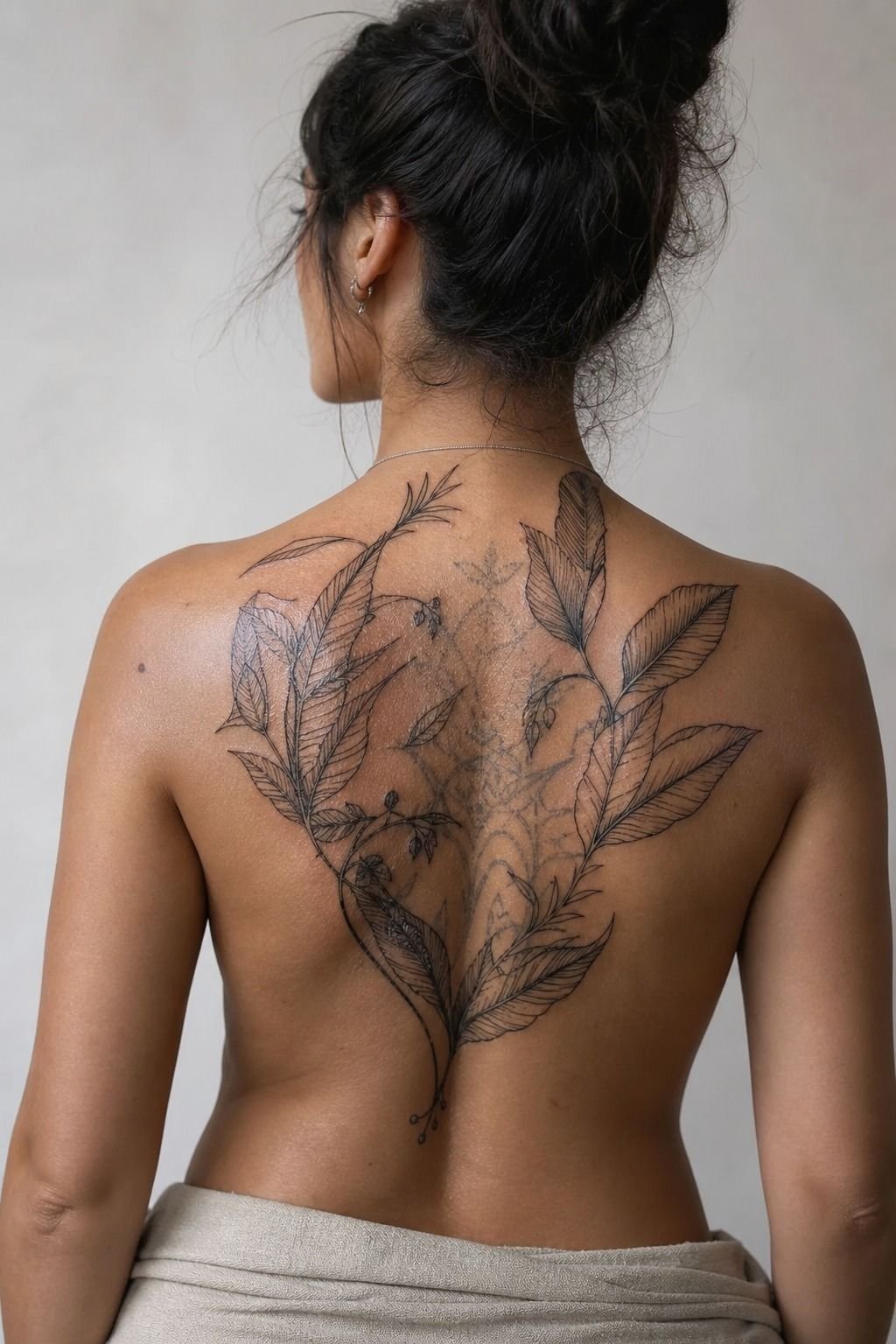
The leaves did the heavy lifting over my old lines.
10I Approved a Black and Gray Rose Draft
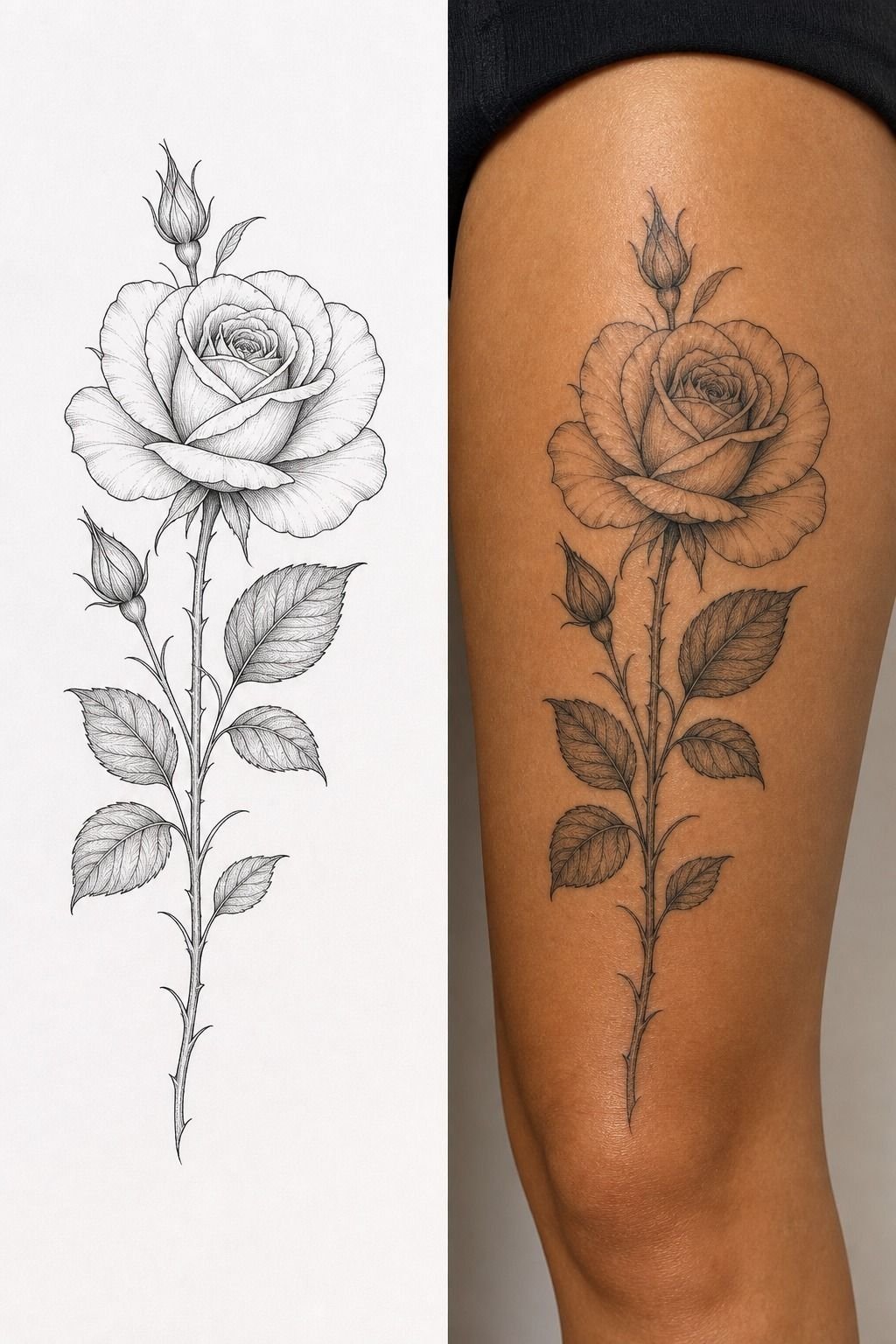
I approved the final draft only after seeing the stencil beside a healed black-and-grey reference. Fresh tattoos lie a little.
They’re bright, swollen, and full of contrast that won’t stay exactly the same. Healed work tells you whether the lines remain crispy and whether the black still looks solid.
You should ask your artist for healed photos in similar placements and skin tones. A clean portfolio needs both fresh and settled tattoos. If every image is under ring light on appointment day, keep looking.
I also compared the rose symbolism before locking the design. A rose tattoo meaning breakdown helped me separate the old romantic clichés from what I wanted the piece to say. Mine was less about heartbreak and more about choosing something solid after a messy year.
11I Chose Stem Direction for Natural Movement
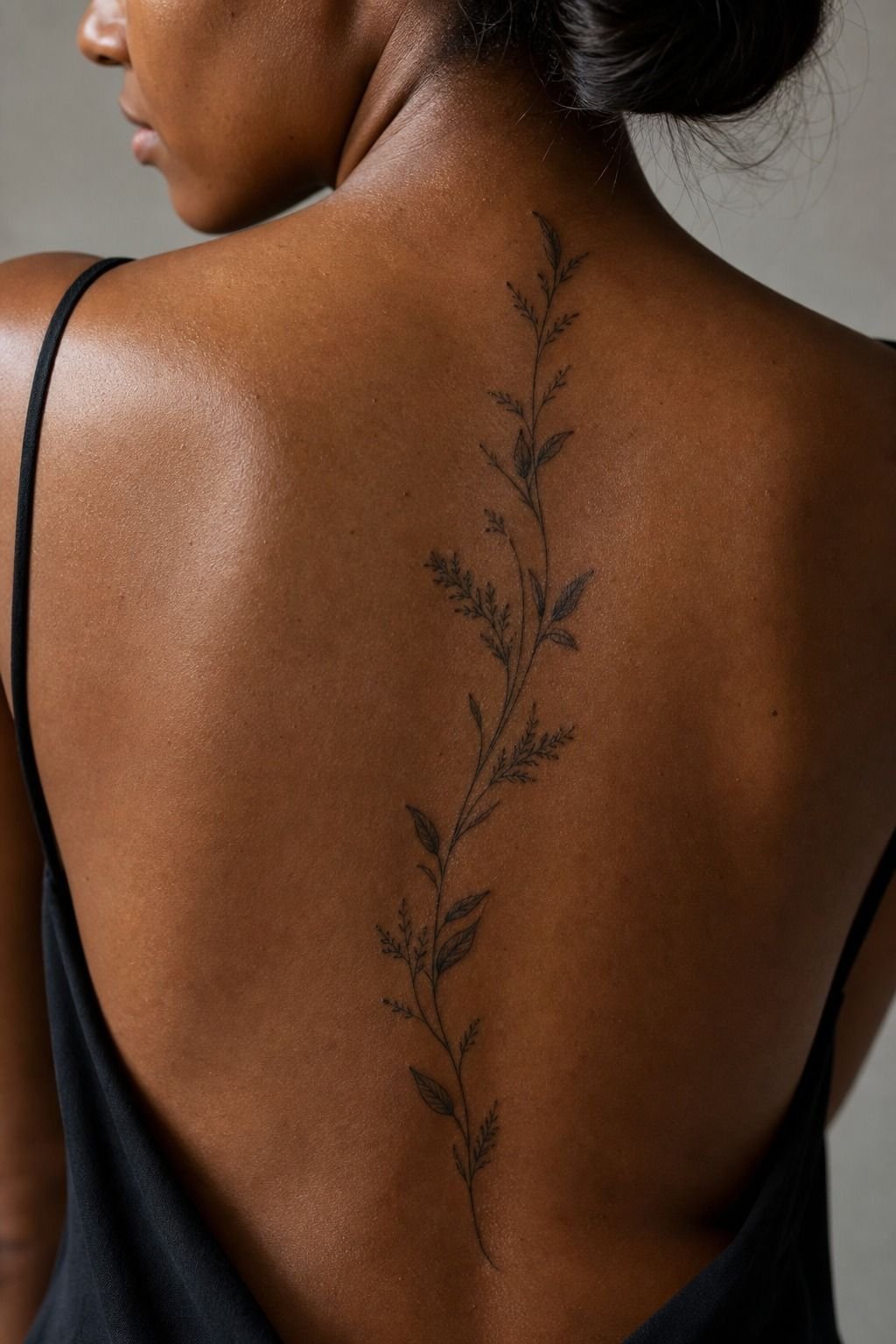
The stem direction was more important than the bloom.
12I Planned Touchups After the First Healing
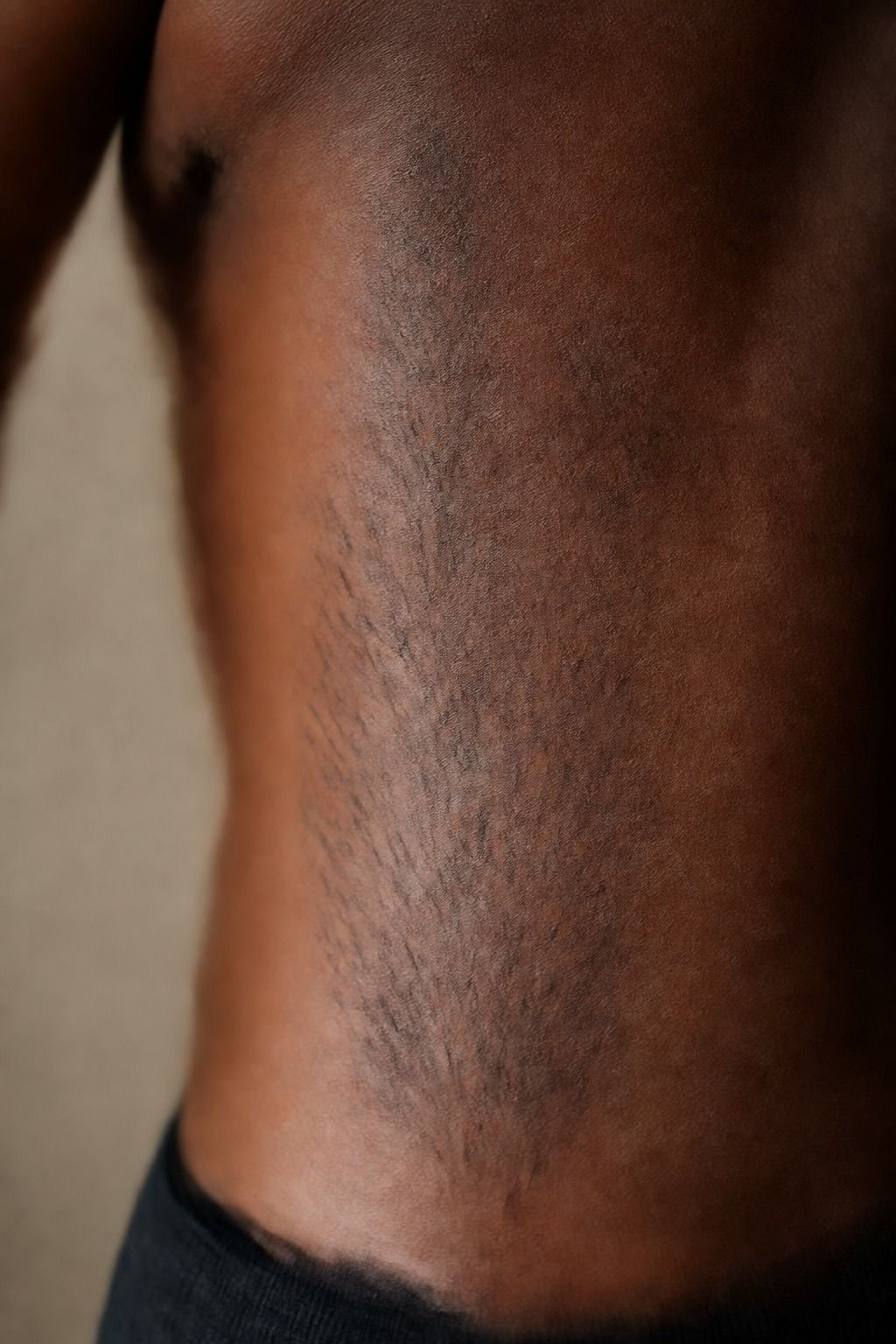
I planned for a touchup before the needle even hit my skin, not because I expected bad work, but because blackwork settles differently on every person. I waited until the surface was healed, then gave the deeper skin time too. Full healing can take 2 to 3 months, even when it looks calm after a few weeks.
The first few days are an open wound, treat it like that. Gentle unscented soap.
A thin layer of Aquaphor Healing Ointment if your artist recommends it. Then lighter lotion once it starts peeling. You don’t suffocate it, and you don’t pick the flakes or you’ll pull color out.
Pools, hot tubs, gym friction, and direct sun are the stuff that can make a clean tattoo heal patchy. Annoying, yes. Worth respecting, absolutely!
13I Matched Black Ink Density to My Skin
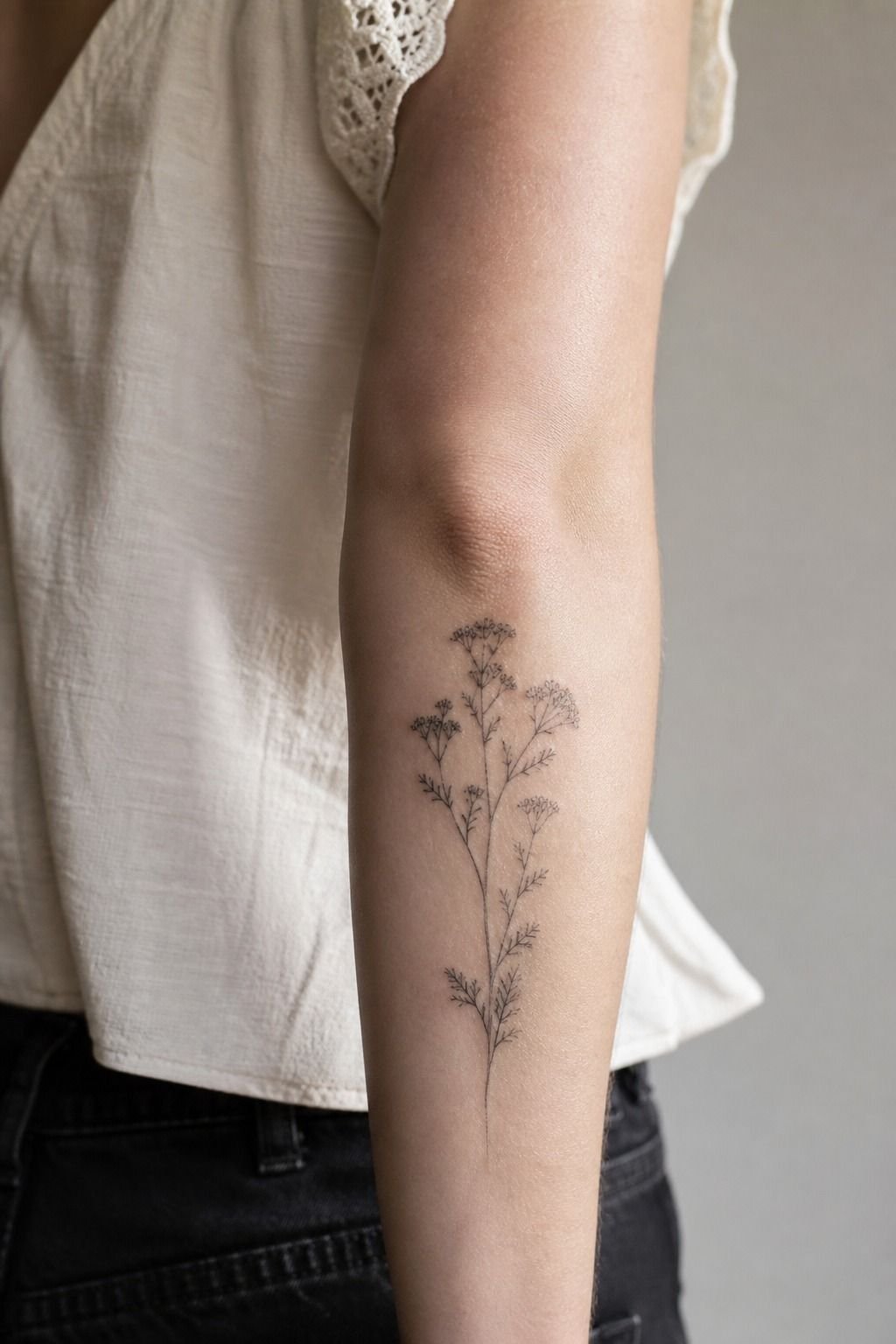
Matching black density to your skin isn’t about making one skin tone look like another. It’s about putting enough contrast into the design that it reads clearly and heals with intention. On deeper skin, my favorite roses use bold black fields, open negative space, and deliberate grey wash instead of timid little outlines.
You should look for healed examples on skin close to yours. A good artist won’t dodge that request. They’ll show you how their black pigment saturation settles, where they keep contrast, and which needle groupings they trust for your placement.
And don’t let anyone sell you “fine line only” as the answer to everything. Fine line can be gentle and gorgeous, but bold will hold. The rose needs a backbone.
14I Followed Aftercare Through Heavy Ink Healing
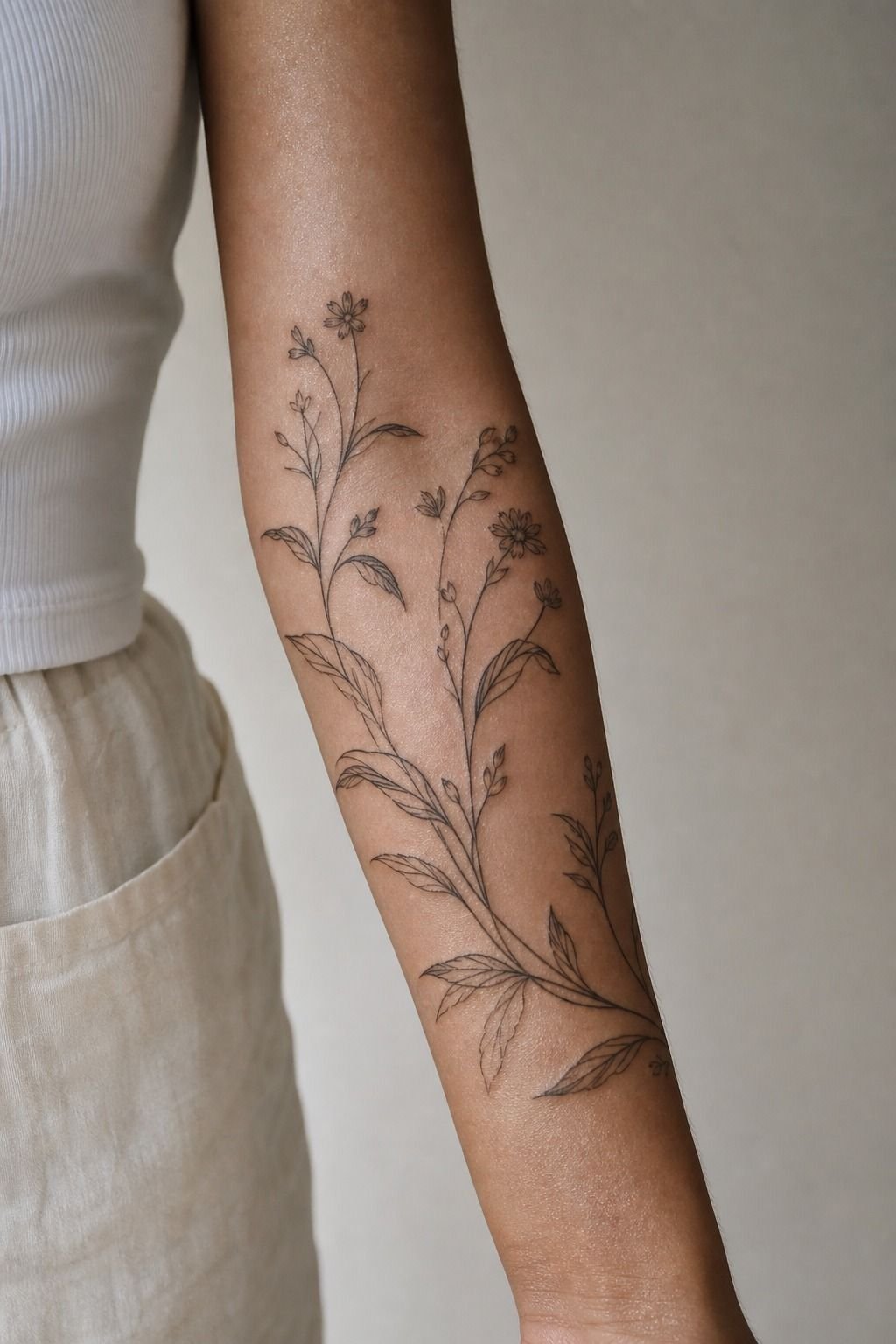
Heavy black ink healing can look rough before it looks settled.
How much it cost
My final price depended on the old ink, the size of the black fill, and how much redraw time the coverup needed. A shop minimum in the US is typically around $50 to $100, while many experienced artists charge about $100 to $250 per hour. You’re paying for clean decisions as much as needle time.
I’d spend more on an artist whose healed blackwork looks solid than save money with someone whose lines look fuzzy by month three. Cheap tattoos can get expensive fast when you’re paying another artist to hide them.
The Blackwork Breathing Rule
Here’s my no-bullshit framework: blackwork roses age well when you can still identify the flower without staring at it. That means solid black, skin gaps, a readable outer edge, and a placement that isn’t getting sanded down every day. It sounds simple because it is.
I’ve watched people chase tiny petals, delicate dot shading, and a dozen micro leaves because the reference looked refined on a phone screen. Then they come back years later asking why it all merged.
Skin isn’t paper. Ink spreads a little, lines soften, and high-wear zones take a beating.
You don’t need to fear that. You need to design for it.
My own rose worked because I stopped treating every empty bit of skin as a spot that needed another detail. The open petal, the quiet area around the stem, and the black leaf shapes gave it room to stay legible. That calm space is doing real work.
If you’re choosing between a black rose and a colorful one, read about rose tattoo colour meaning before you decide. Color is spice.
Black is structure. For a coverup, structure wins every time.
The Questions Worth Answering First
How much does a Blacked Out Rose Tattoo usually cost?
A blacked out rose usually costs about $100 to $300 for a small-to-medium piece, depending on placement and artist. Clean black saturation is worth paying for.
– Shop minimums, roughly $50 to $100 – Hourly rates, roughly $100 to $250 – Coverup redraw time, often extra
Are Blacked Out Rose Tattoo a good idea for a first tattoo?
Yes, if you choose a low-wear placement and a simple rose with clear spacing. Bold linework ages well when you don’t cram it into tiny skin.
– Outer arm, thigh, calf – Broad petals, open skin breaks – Fresh and healed portfolio photos
How do I choose a tattoo artist for Blacked Out Rose Tattoo?
Choose an artist with healed blackwork, clean botanical linework, and solid studio hygiene. Healed photos matter most because fresh tattoos don’t show how their work settles.
– Crisp, confident lines – Saturated black fill – Licensed, clean studio setup
How much do Blacked Out Rose Tattoo hurt?
They hurt most on ribs, feet, hands, sternum, and knuckles. Forearm, thigh, and outer shoulder are more tolerable. Placement controls the pain level more than the rose design does.
– Lines, sharp sensation – Shading, dull burn – Black packing, spiciest phase
How long does a Blacked Out Rose Tattoo take to heal?
Surface healing usually takes 2 to 3 weeks, while the tattoo can take 2 to 3 months to settle fully. Gentle aftercare protects the fill while your skin rebuilds.
– Unscented soap – Thin moisturizer layer – No pools or sun exposure
What’s the best placement for Blacked Out Rose Tattoo?
The outer arm, upper shoulder, thigh, and calf are strong choices because they’re low-wear and give the rose room. More skin means cleaner aging, especially for black petals and leaves.
– Outer upper arm, easy flow – Thigh, broad canvas – Upper back, dramatic movement
Where I’d Start First
If I had to pick one, I’d start with the outer upper arm. It gives a blacked out rose enough room for skin breaks, and it won’t get rubbed raw like hands or fingers. Pin that placement for later, then bring healed blackwork references to your artist.