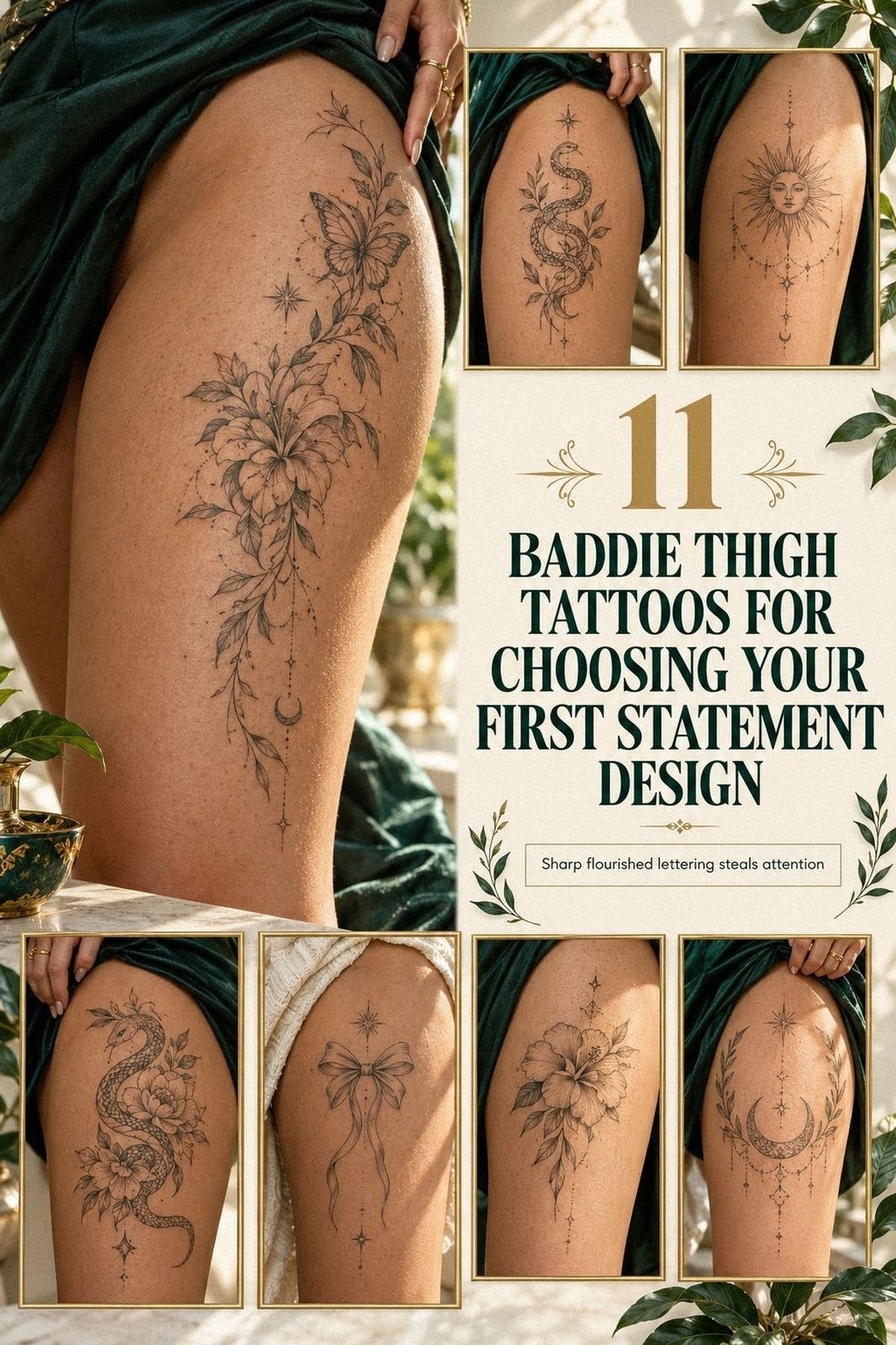
Baddie thigh tattoos can stay crisp for years when placement, line weight, and aftercare work together. I learned that after choosing a front-thigh piece with hair-thin lines, a deliberate stencil, and enough negative space around every mark. The result still looks striking, personal, and sharp. That mattered more than chasing the biggest design!
I wanted something fierce without becoming noisy, feminine without looking overly delicate, and meaningful without copying somebody else’s idea. My final choice felt powerful and expressive, but it still belonged to me.
My one rule: choose a design you’ll still recognize as yours when the trend has passed. If you’re comparing styles, this guide to front-thigh tattoos for women helped me think about scale, visibility, and long-term value.
- I Chose a Fierce Front-Thigh Placement
- How Did the Snake and Rose Earn Their Space?
- Symbols Beneath the Hip
- Dainty Versus Bold: The Anchor Mark
- Why I Tested the Design in a Mirror
- Blackwork Versus Fine Line: The Weight Test
- I Prepared for Thigh Tattoo Pain
- The Stencil Lock-In Changed Everything
- Fresh Ink, Careful Aftercare
- Outfits That Let the Tattoo Speak
- The Finished, Empowering Baddie Look
1I Chose a Fierce Front-Thigh Placement
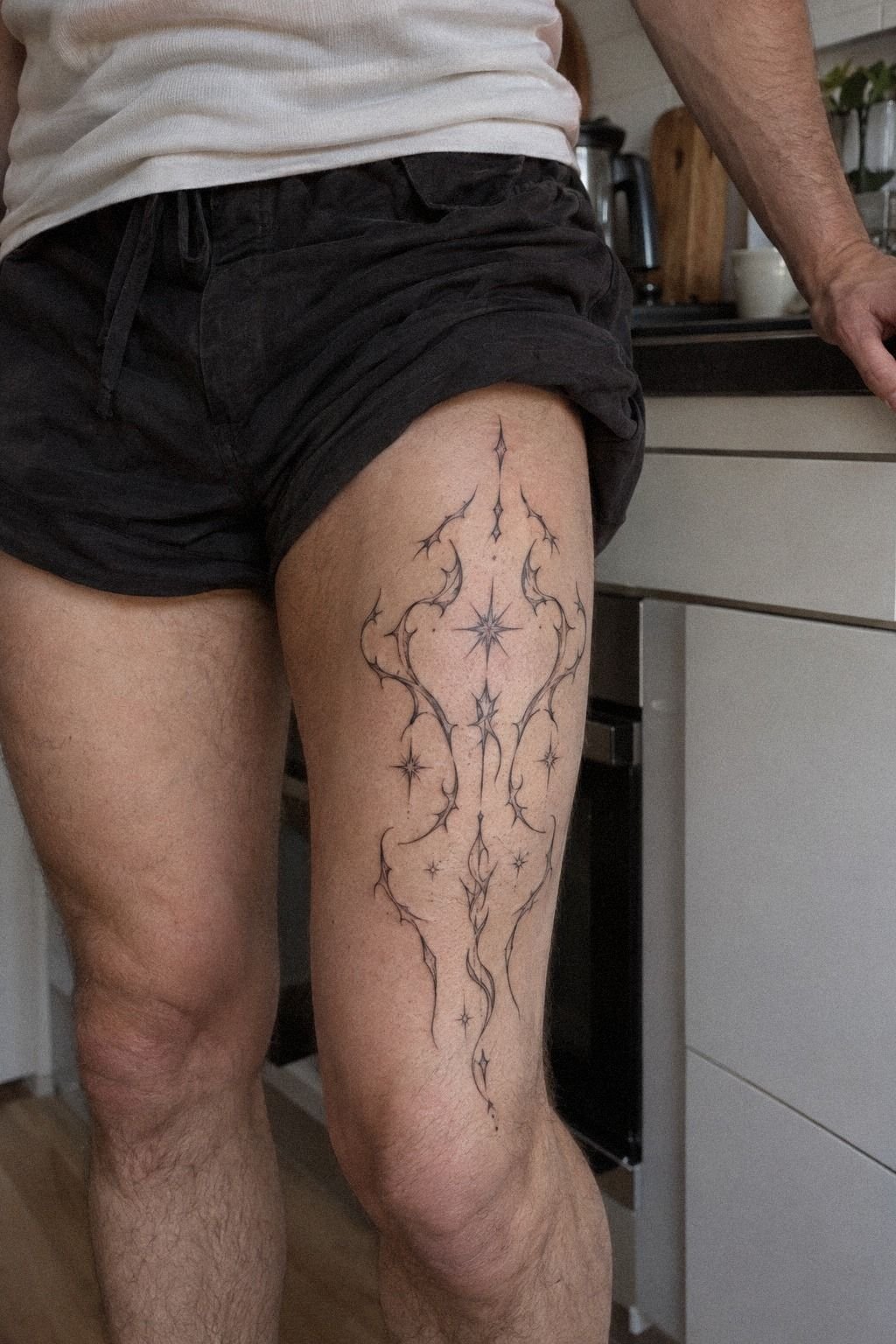
I chose the front thigh because it gave the design a broad, steady front-thigh placement without forcing every line into a tight curve. It gave me visibility when I wanted it and easy coverage when I didn’t. It also made the design feel graceful instead of cramped.
My artist marked the placement stencil while I stood, sat, and turned slightly. I didn’t want the design to disappear when I walked or fold awkwardly when I sat down. You’ll want to check the outline from several positions, especially if your design has a face, snake, lettering, or flowing shape.
I’d skip a design that runs too close to the knee for a first thigh tattoo because movement can make delicate details harder to read. A small knee margin around the outer contour made the whole piece feel sleek and deliberate. That spacing was worth giving up a little extra size.
I called this idea the Visibility Window: the tattoo should look complete from a normal standing distance, not only when you lean over a mirror. Compare front-thigh tattoo ideas with your own clothing habits and comfort level. That decision paid off!
2How Did the Snake and Rose Earn Their Space?
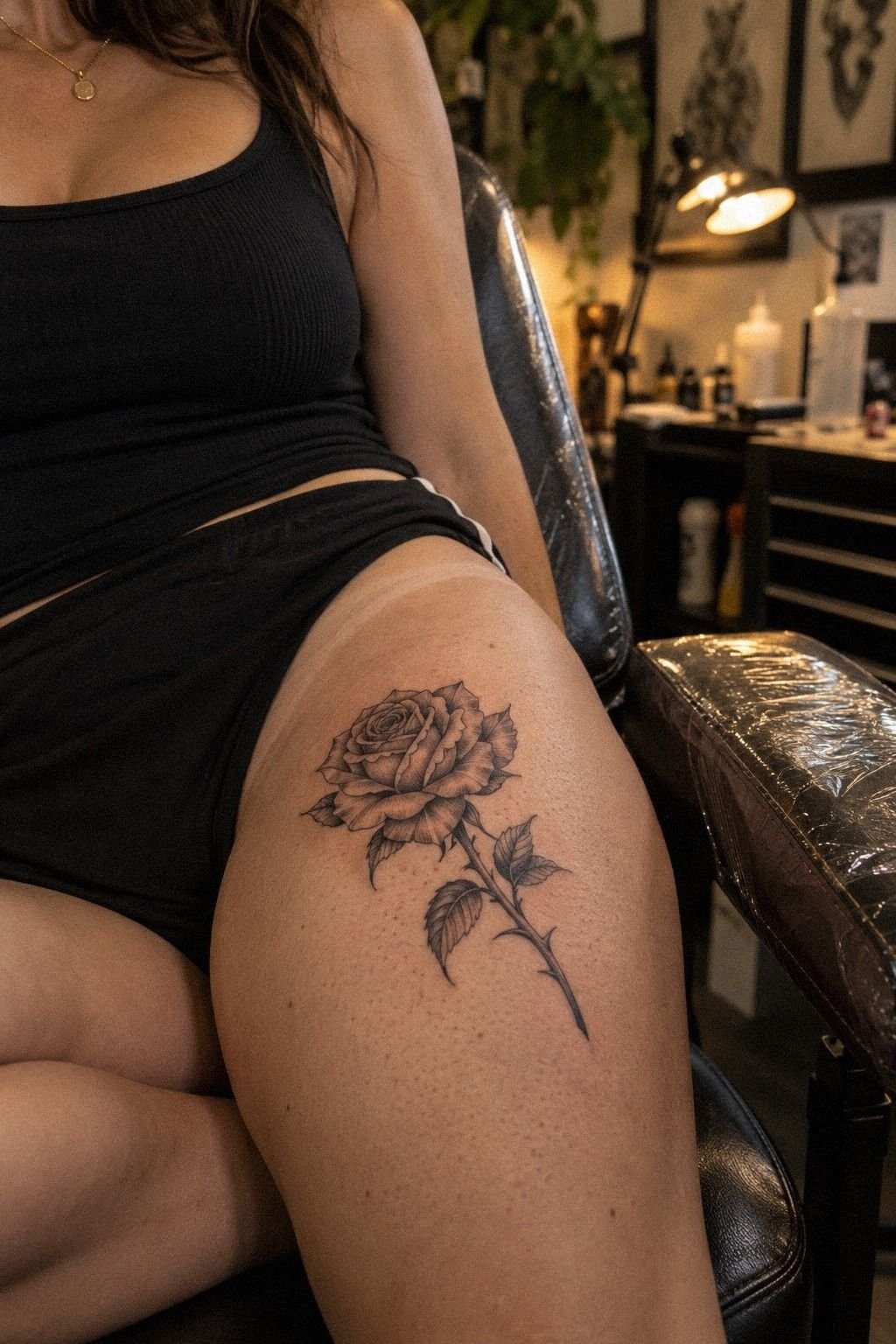
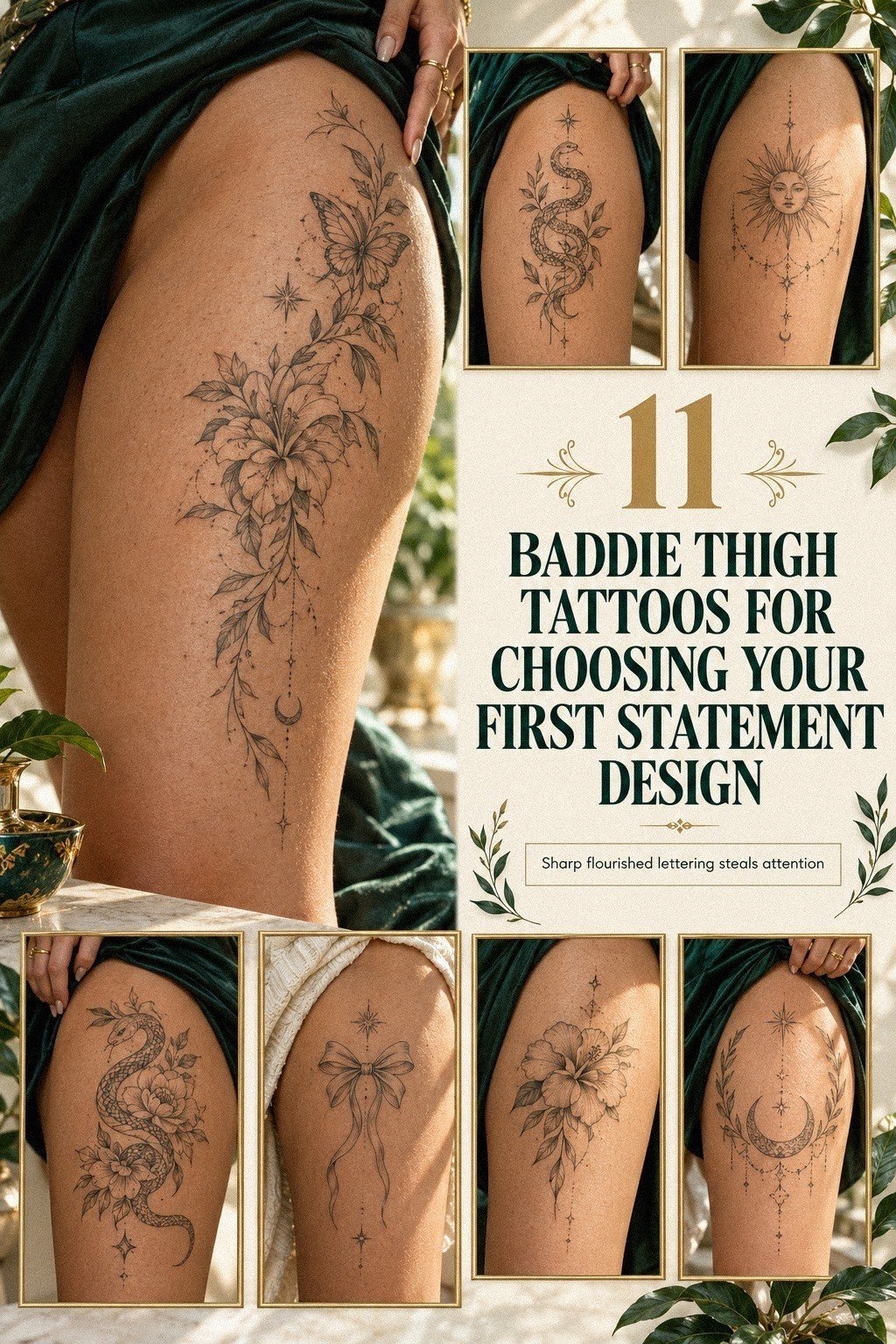
The second idea began with a rose in profile and a striking snake moving through layered petals. I wanted the linework to feel intricate but still readable from a normal distance.
The rose needed to stay delicate, while the snake brought a more edgy direction. I asked my artist to keep the curves flowing instead of filling every gap with shading.
That balance made the design feel symbolic rather than decorative. The result was romantic, expressive, and personal without becoming predictable.
3Symbols Beneath the Hip
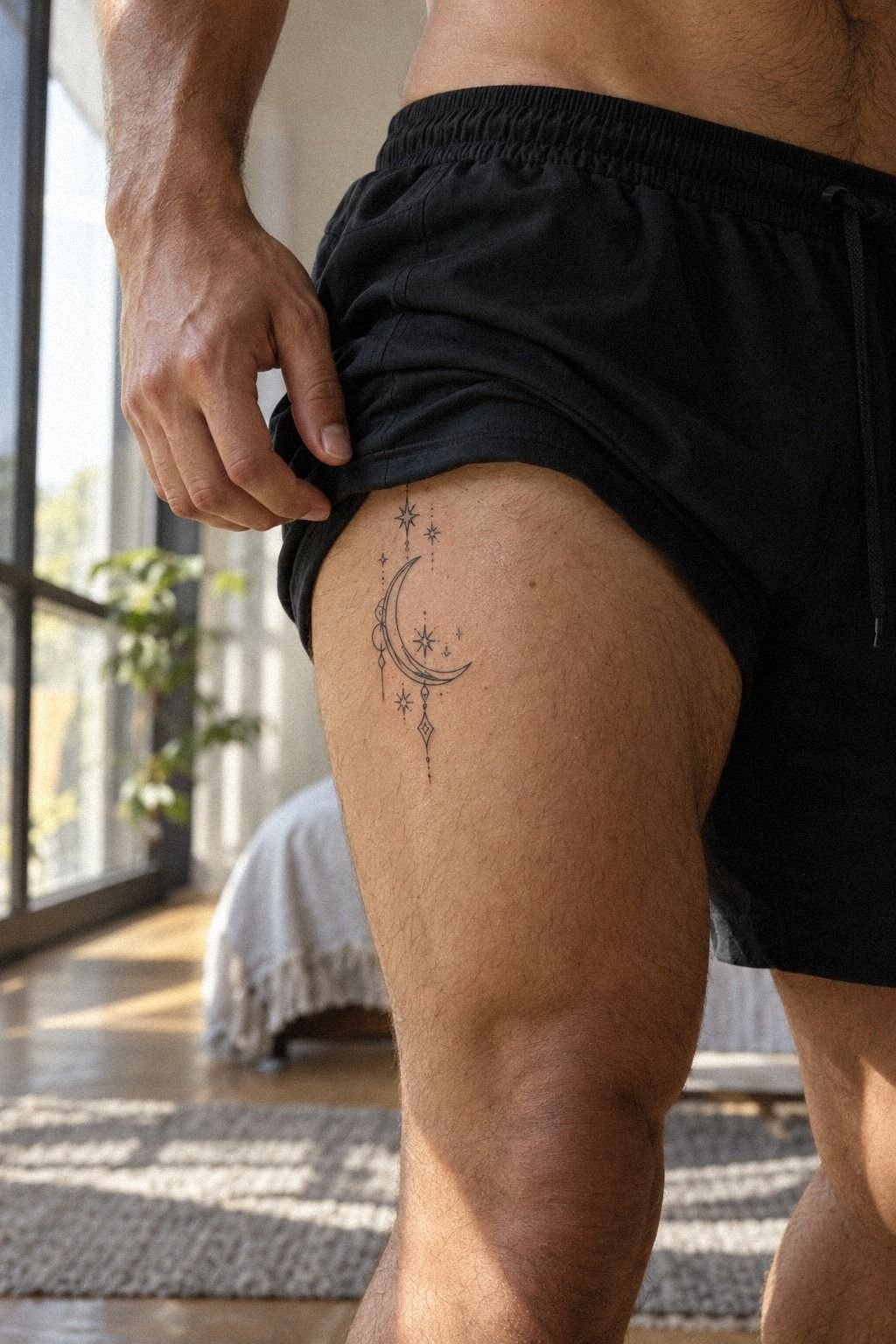
I placed the symbolic details beneath the hip because I wanted the tattoo to feel private until I decided to show it. The symbolic cluster followed one simple rule: no mark could be added unless I could explain why it belonged.
My symbols marked a person, a season, or a promise I’d made to myself. They were small, but they weren’t random. Stars, a crescent, a tiny dagger, or a meaningful initial can all work, but your arrangement should still have a visual rhythm.
I’d place the largest symbol first, then let the smaller marks support it. That kept the composition personal and polished instead of turning it into disconnected icons. The result had meaning without requiring an explanation every time somebody saw it.
I didn’t put the symbols directly against the hip crease. Fabric, movement, and friction can make that area harder to manage during healing. A clean margin made the placement feel more graceful.
You’ll find more ideas in thigh tattoos for men if you want a less predictable arrangement.
4Dainty Versus Bold: The Anchor Mark
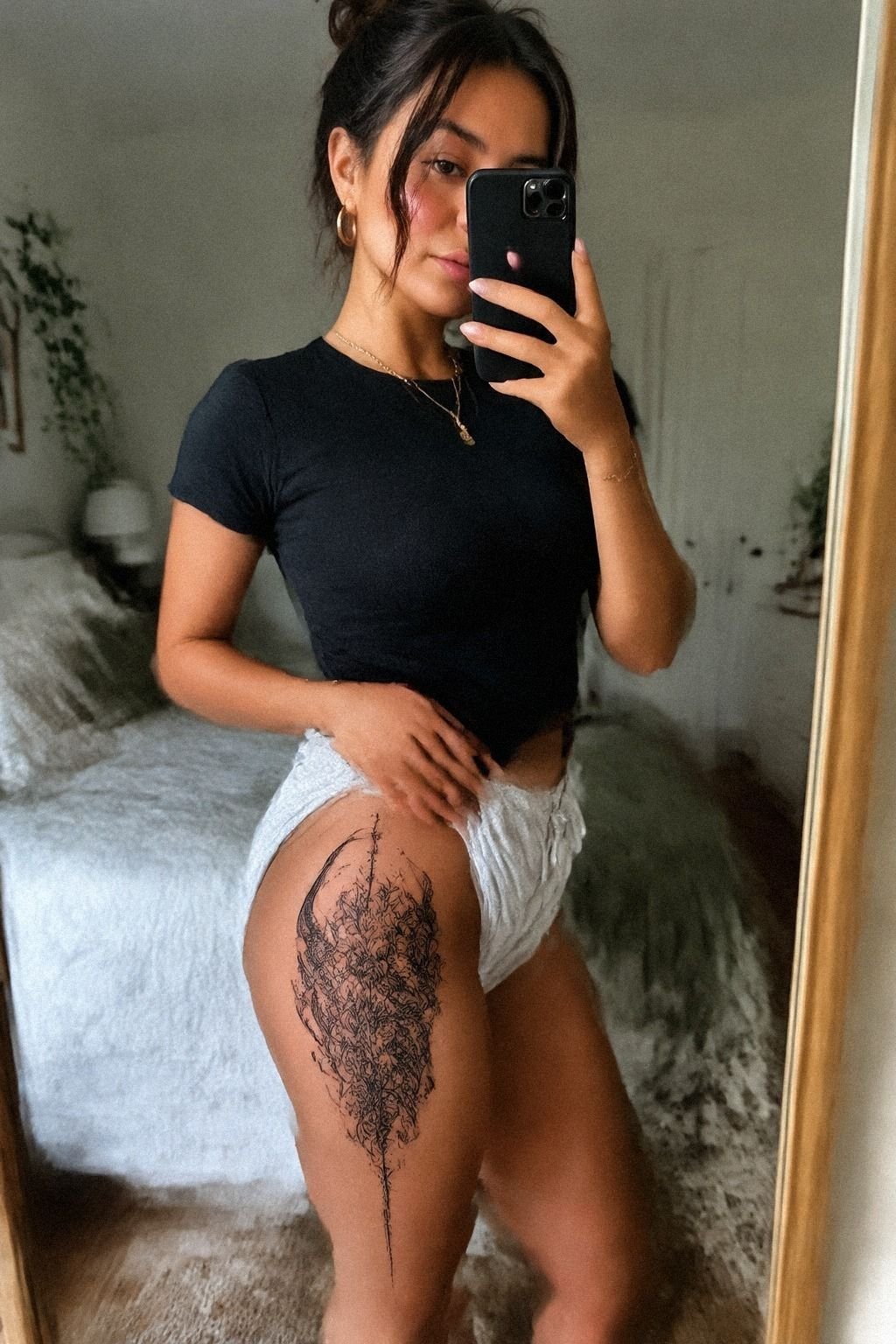
This was the point where I had to stop adding details. The fine-line design used hair-thin marks, but one darker feature anchored the entire tattoo. That contrast made the piece dainty and bold at the same time.
My artist called this the anchor mark. One saturated contour, shadow, or small black shape gives the eye somewhere to land. Without it, the tattoo can look faint from several feet away.
With too much of it, the graceful linework disappears.
I tested the balance by standing several feet away from the stencil. The tiny marks faded first, while the saturated contour still read clearly. That test helped me protect the design’s value instead of spending more on details nobody would notice.
You’ll want to decide which feature deserves emphasis before your appointment, especially if your reference uses both delicate and solid areas. I also reviewed black thigh tattoos for women before choosing a sharp and vibrant contrast level. A sensible budget can still produce a strong tattoo when the composition is disciplined.
5Why I Tested the Design in a Mirror
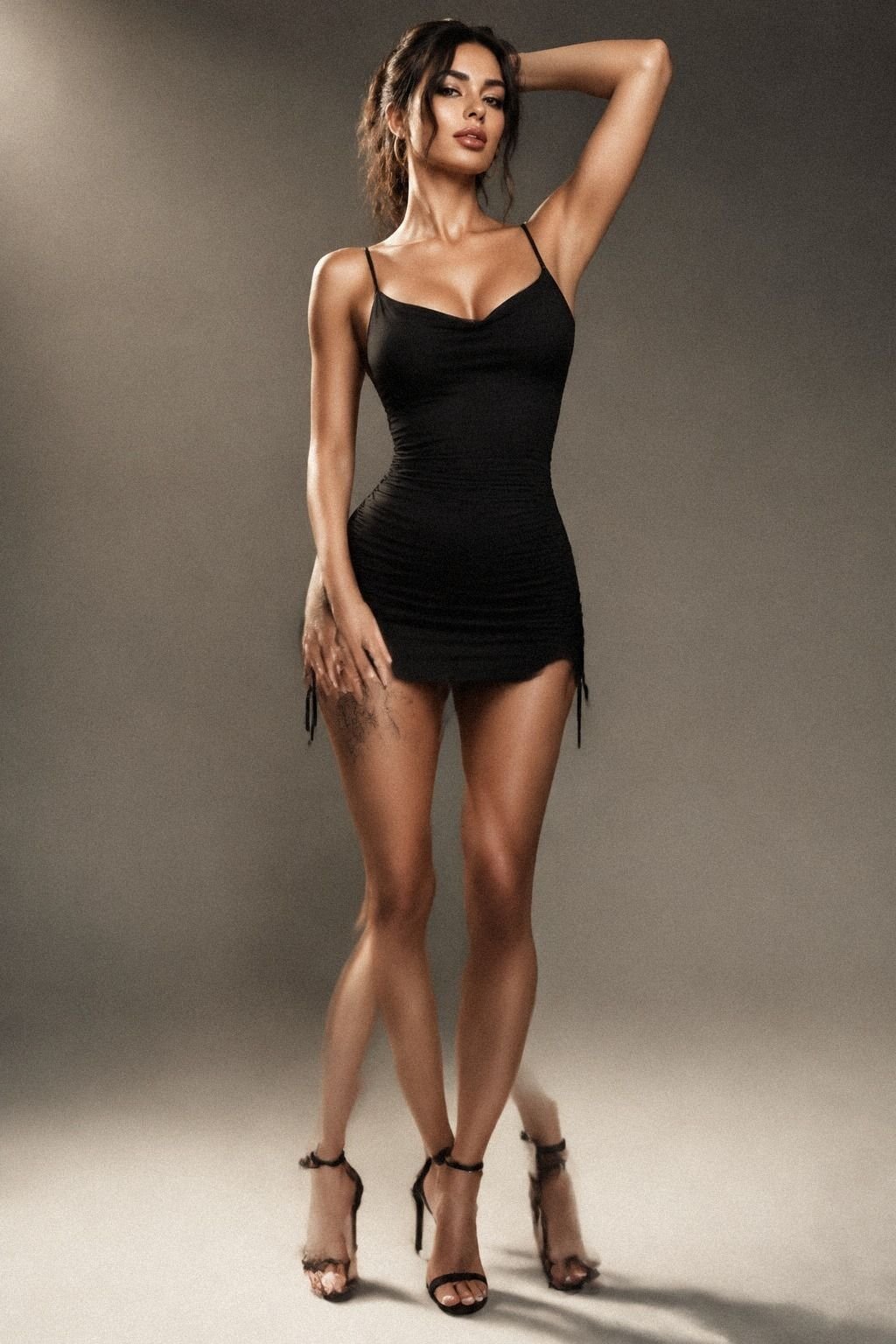
The stencil gave me a better answer than scrolling on my phone. I stood several feet away, then moved closer to inspect the stencil test. The design needed to work as a whole, not only as a collection of tiny details.
I checked how the snake’s curve followed my leg and whether the rose still looked balanced when I shifted my weight. You’ll notice problems faster when your body is moving than when you’re staring at a flat reference. That test saved me from choosing a curve that only worked in one position.
I also sat down, crossed my legs, and checked the placement while seated. The leg movement didn’t break the composition, and the design stayed visible without crowding the knee or hip. If you’re exploring options, front-thigh tattoo placements can help you compare visibility before the stencil is applied.
The mirror test was absolutely worth it. It took only a few minutes, but it made the final decision feel confident instead of impulsive.
You can still make changes at this stage, so don’t let excitement rush you. Trust that pause!
6Blackwork Versus Fine Line: The Weight Test
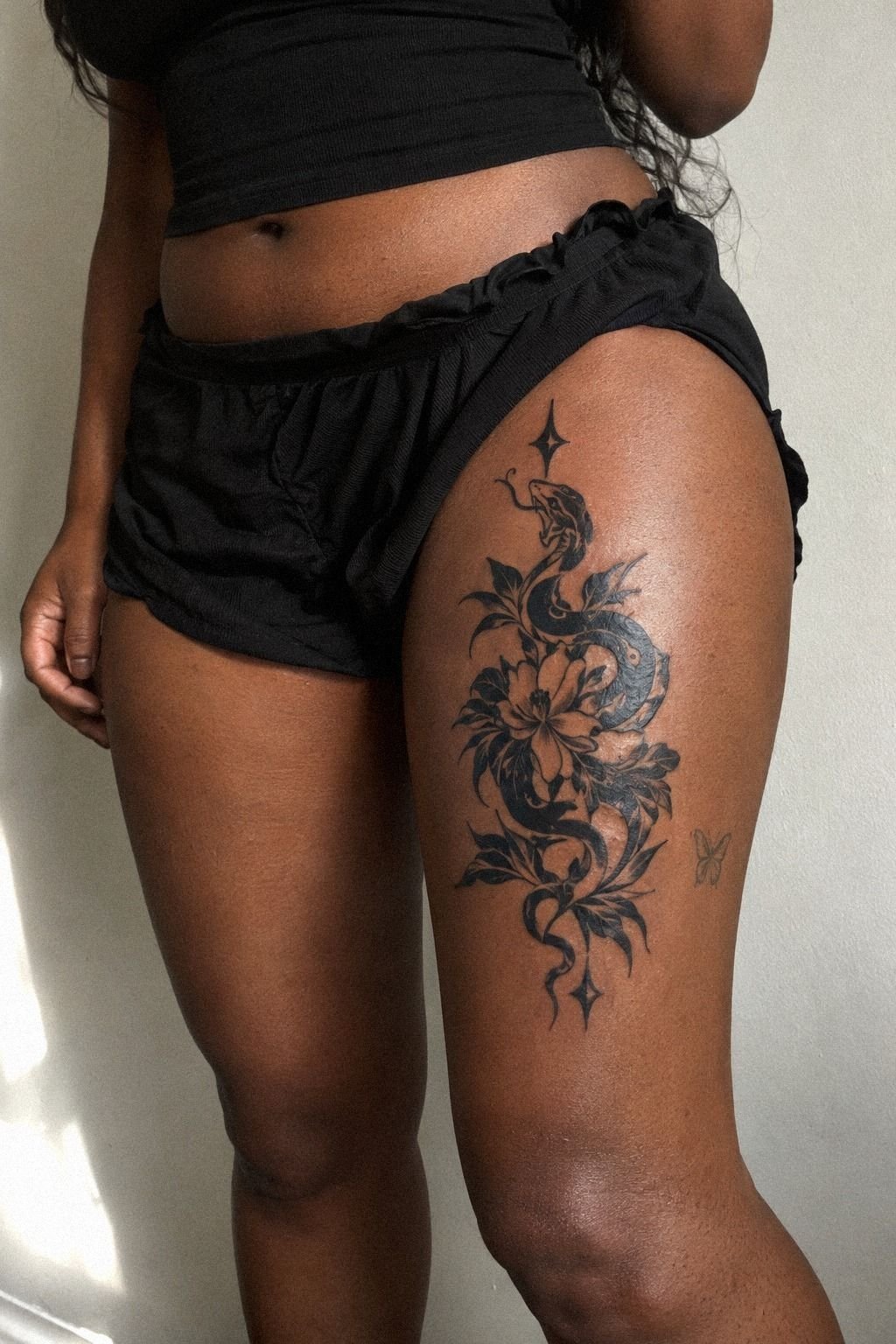
The sharp blackwork outline gave the design a fierce and edgy presence without turning the entire tattoo heavy. It created a clear boundary around the more delicate marks.
I compared that option with softer fine-line work. Blackwork felt bolder, while the finer approach looked more understated and graceful. Neither style was automatically better.
I chose enough dark ink to make the main silhouette crisp. That decision kept the tattoo readable years later without overwhelming the symbolic details.
7I Prepared for Thigh Tattoo Pain
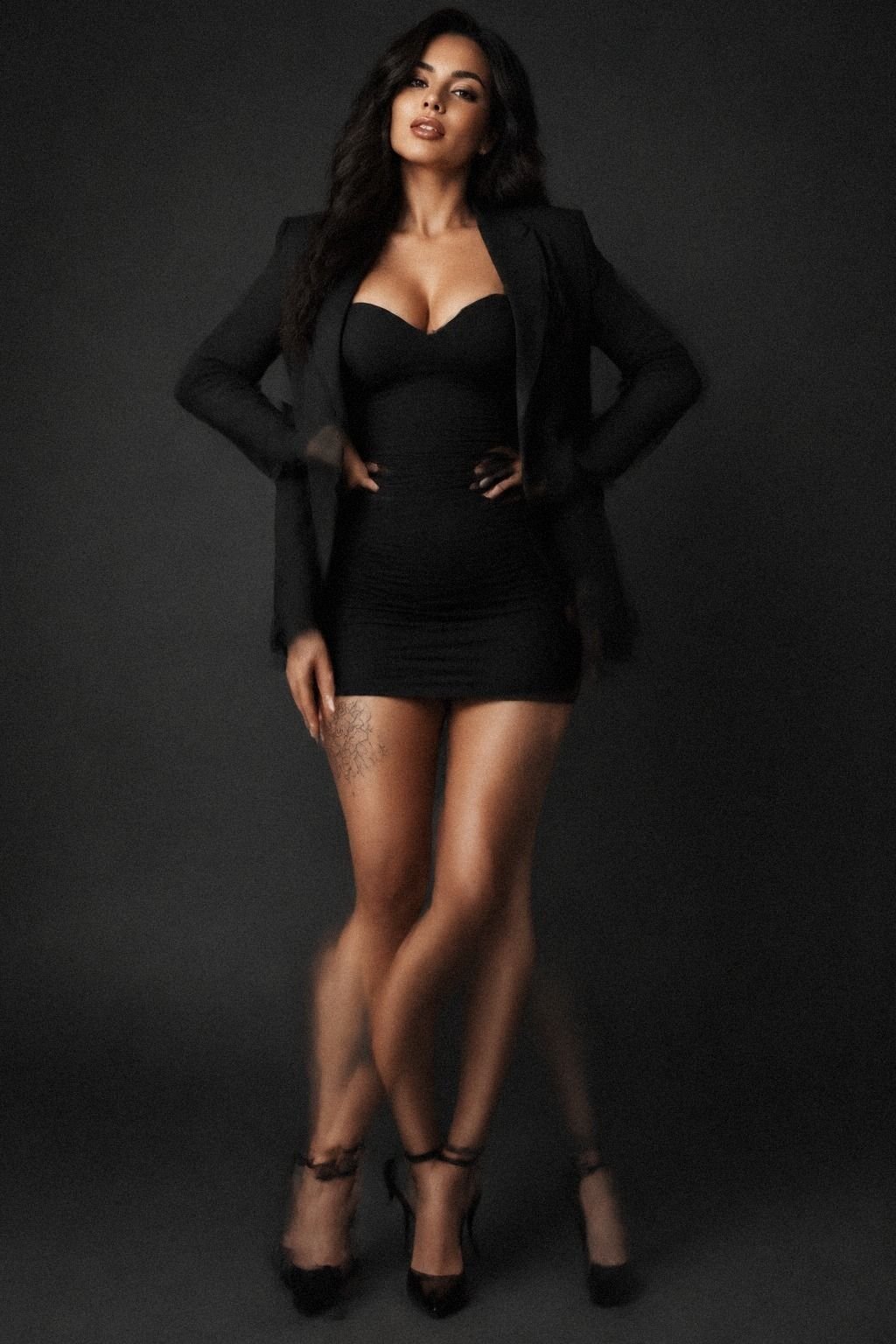
I expected the thigh to be manageable, and that was mostly true. The thigh sensitivity felt more tolerable than my ribs, feet, hands, or sternum. The sensation still changed near the inner thigh and closer to the knee.
You’ll want to plan for pressure, heat, and vibration, not pretend you won’t feel anything. I wore loose clothing and ate beforehand because I didn’t want a waistband rubbing the fresh area. Those small choices made the appointment easier.
My artist worked in short pauses, and I noticed the discomfort became easier once I stopped tensing my leg. The front-thigh comfort zone helped, but it didn’t make the session effortless. If you’re nervous, ask about a break schedule before the appointment starts.
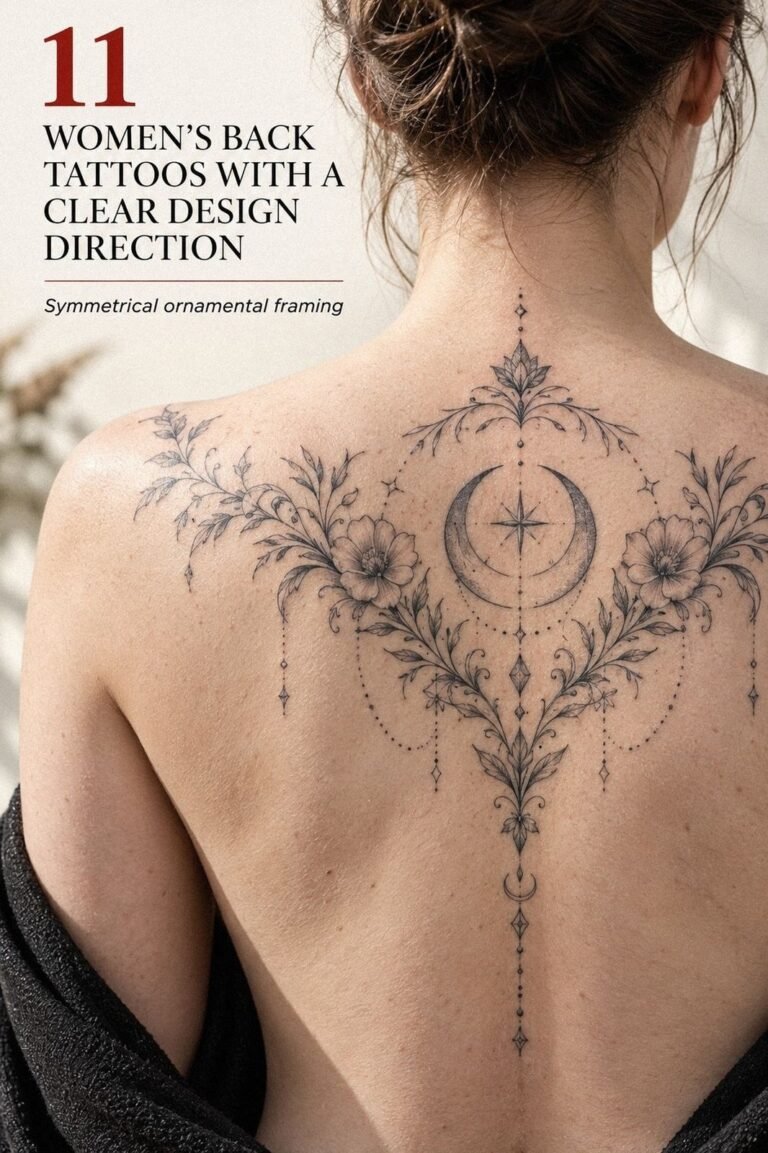
I’d choose a thigh placement over the ribs for a first larger tattoo, but I wouldn’t call any session painless. You can compare other placement options through women’s back tattoo ideas before deciding what your body and budget can handle. Preparation matters!
8The Stencil Lock-In Changed Everything
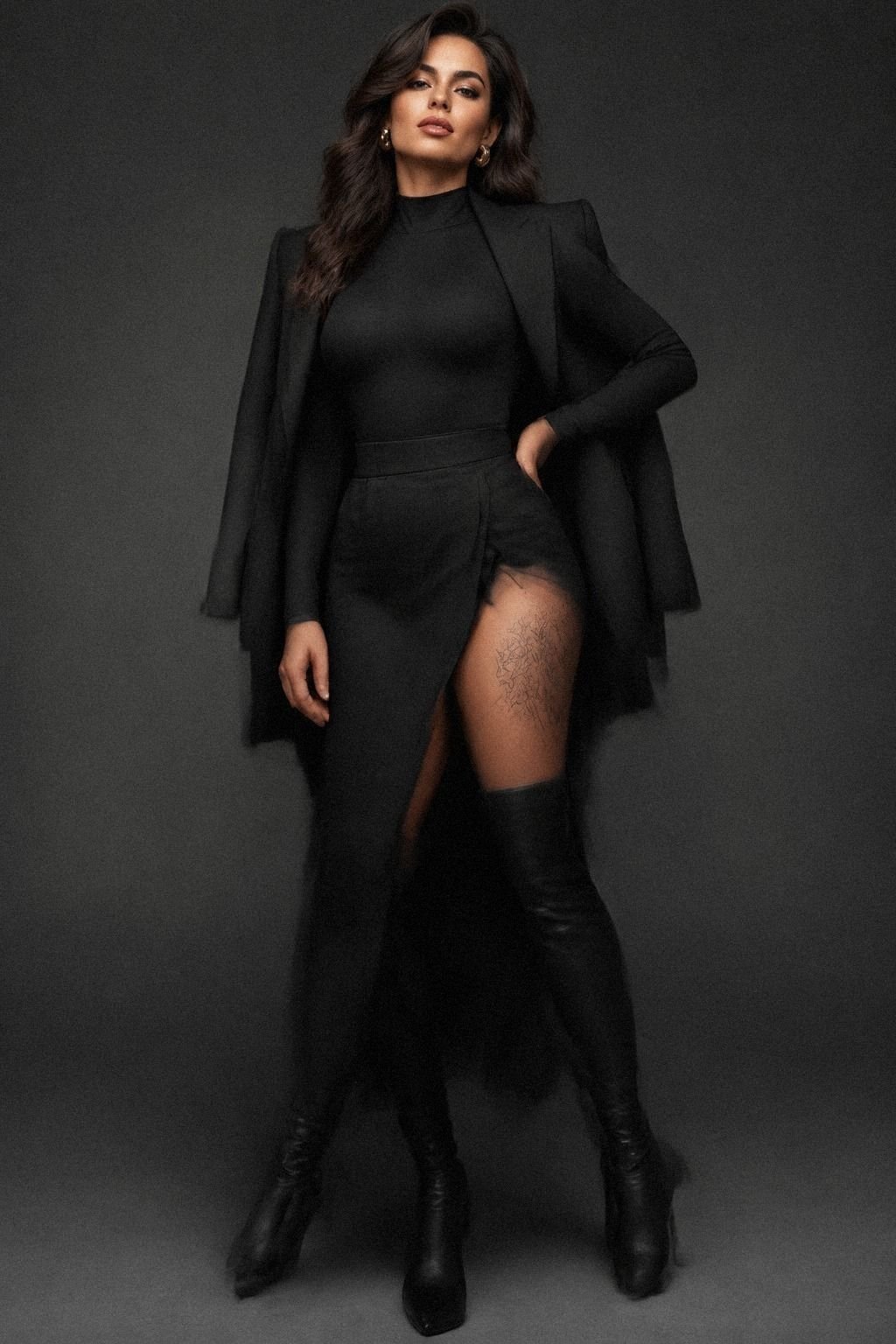
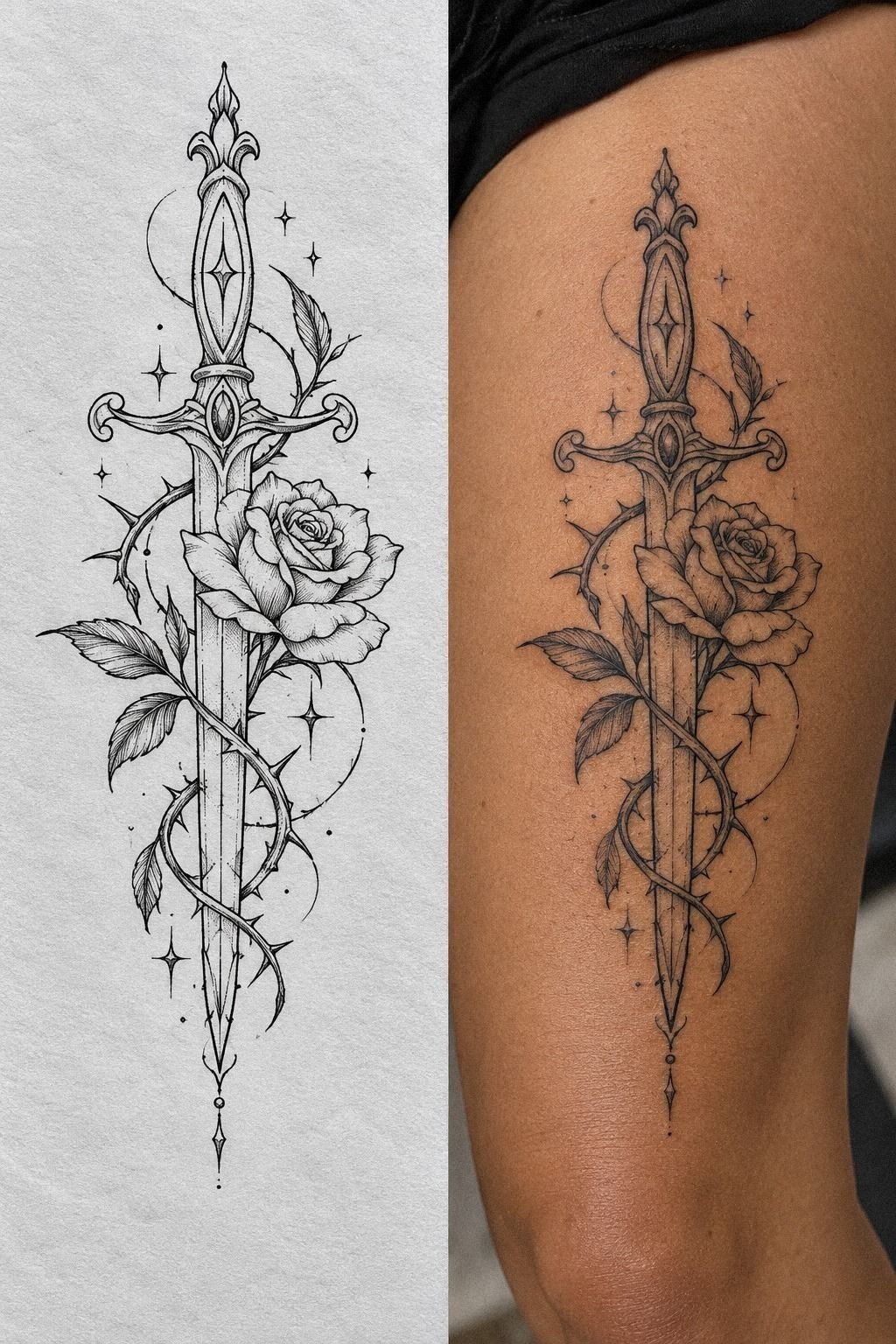
The stencil was where the tattoo stopped being an idea and became a decision. The intricate stencil showed whether the rose, snake, and smaller symbols actually belonged together.
I asked for small adjustments before the needle touched my skin. A curve moved slightly, one gap opened, and the central shape became more balanced.
That pause protected the final result. An artist can create beautiful work, but the placement still has to feel right on your body.
9Fresh Ink, Careful Aftercare

The first few days required more attention than the appointment itself. My fresh tattoo looked vibrant, slightly raised, and more dramatic than I expected. I followed the artist’s instructions, washed gently, and used a light layer of the recommended moisturizer.
The aftercare routine depended on the bandage type and my skin’s reaction. You’ll want to follow your artist’s specific directions instead of copying a stranger’s routine. Different skin can respond differently to the same product.
I kept tight clothing away from the area, avoided soaking it in a pool, and protected it from direct sun. Surface healing commonly takes about two to three weeks, while complete healing can take around two to three months.
I didn’t use heavy products just because the skin felt dry, and I didn’t scratch when the fine lines looked temporarily dull. Good aftercare won’t freeze a tattoo in time, but it gives the ink a fair start and protects its long-term value.
The sun exposure question matters long after the surface looks closed. Strong sunlight can fade saturated black and make delicate details less crisp. I use sunscreen once the skin is fully healed and cover the area when I’ll be outside for hours.
10Outfits That Let the Tattoo Speak
The tattoo felt more integrated when my outfit left part of the thigh visible. A slit skirt, high-waisted shorts, or a simple swimsuit could reveal the visible section without making the tattoo the only thing people noticed.
I liked clothing that let the lines remain the focus. A clean silhouette made the design feel sleek, feminine, and stylish without requiring extra accessories.
On more private days, trousers covered the entire piece. That flexibility made the outfit choice feel empowering rather than restrictive.
11The Finished, Empowering Baddie Look
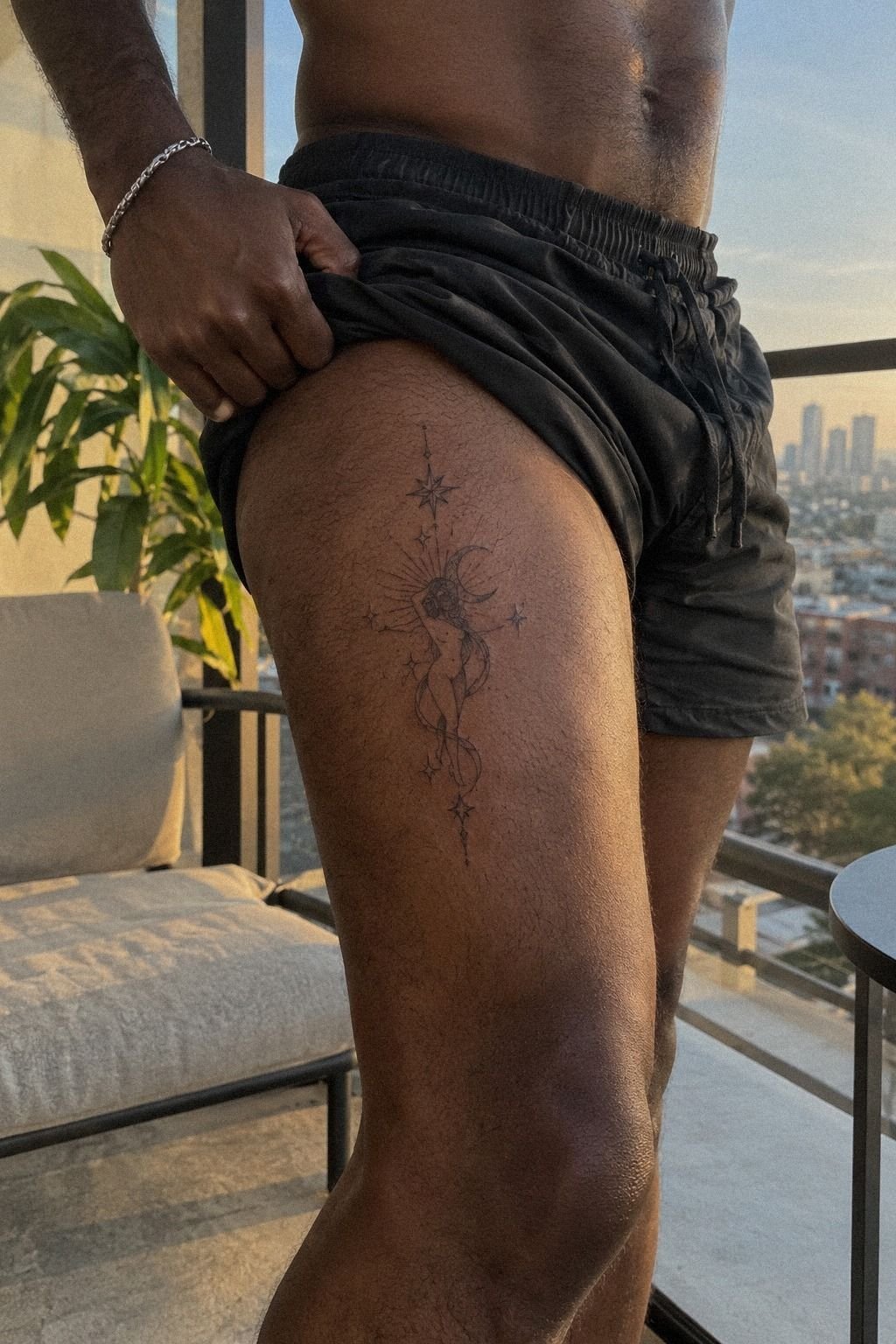
The finished tattoo had a powerful and empowering presence because the composition wasn’t overloaded. The hair-thin lines remained readable, a few darker marks gave the design a sharp edge, and the surrounding skin kept the piece graceful.
I checked the tattoo in daylight and from a normal distance. You’ll want to consider the full structure first, then inspect the small details. That habit helps you notice how the design settles instead of judging every tiny change.
The finished tattoo softened slightly, as all ink does, but the structure still read clearly years later. The open spacing protected the delicate areas, while the darker anchor kept the design from becoming faint.
The daylight check showed me details that dim lighting hid. The rose looked more intricate, the snake’s curve felt more flowing, and the darker sections looked crisp without dominating the whole piece.
The result felt empowering because I chose it carefully, not because it followed one baddie formula. I’d keep the crisp outline, deliberate placement, and meaningful symbols if I did it again. Skeleton thigh tattoos for women can offer a more haunting direction, but your final piece should still sound like your own voice.
The Reference Folder That Kept Me Honest
I built a small reference folder before booking. It included healed tattoos, linework examples, negative-space arrangements, and designs with a similar scale. I didn’t save every idea I liked, only the ones that matched the feeling I wanted.
The saved references showed me that “baddie” can mean many things. One design looked sleek and polished, another felt raw and gritty, and a third had a whimsical, vintage quality. The common thread was confidence, not one mandatory style.
I brought three saved references to the consultation instead of thirty. Too many examples can blur the brief and make the artist guess what matters. A short collection made the important choices easier to discuss.
My final design brief included the rose, snake, symbolic marks, placement, approximate scale, and preferred line contrast. I also explained what I didn’t want. Clear boundaries helped the concept stay personal.
A Healed Portfolio Changes the Decision
Fresh ink can look more dramatic than healed work. I asked to see healed examples from artists whose tattoos used fine lines, small symbols, and delicate curves. That gave me a more realistic sense of softness and contrast.
A portfolio can be stylish without proving long-term skill. I looked for linework quality after several months, especially around curves, tiny gaps, and darker anchor marks. Those details told me more than a perfect appointment-day result.
You’ll also want to ask how the artist handles touch-ups. Some designs may need a small refresh, while others settle beautifully without one. A direct conversation makes the booking decision feel less mysterious.
I compared black thigh tattoo ideas with healed examples before committing. The goal wasn’t to copy another person’s tattoo. It was to understand how different weights might look on my own skin.
Visibility Versus Privacy: The Everyday Choice
A front-thigh tattoo gave me a useful balance between visibility choice and control. I could see it when I wanted encouragement, but clothing could keep it private without much effort.
Your privacy preference should shape the placement from the beginning. Don’t choose an exposed position just because it looks striking in a reference. Think about work, family, travel, formal events, and how much explaining you’re comfortable doing.
The design also became part of my everyday confidence. The everyday confidence came from knowing the tattoo represented a decision I’d made carefully, not a reaction to a trend.
If you’re still comparing placements, front-thigh tattoo ideas can help you think through scale, clothing, and visibility. A personal tattoo should feel empowering in ordinary life, not only when styled for attention.
How Much It Cost
My final price depended on the artist, region, design complexity, and session length, so I won’t pretend there’s one universal total. Typical US shop minimums often fall around $50 to $100, while hourly rates commonly land around $100 to $250.
You’ll get a more useful quote if you bring the approximate size, placement, and a clear description of the linework. I’d ask whether the quoted price quote includes the drawing, stencil changes, and a touch-up policy.
The tattoo price may also reflect the artist’s experience, booking demand, and the time needed to place intricate details. A lower number isn’t automatically a better value if the work heals poorly.
If you’re comparing artists, don’t choose the lowest number automatically. Clean healed work is worth more than a bargain that leaves you anxious. A thoughtful appointment can offer better lasting value than a rushed session with a lower quote.
Why I Still Chose Fine Line Over Heavy Shading
I went back and forth between a bold blackwork piece and fine-line work because both can look striking on the thigh. Heavy black ink has a fierce presence, while fine line gives a complicated image room to breathe. My choice came down to how I wanted to see the tattoo every morning.
I’d learned that very fine lines can spread or soften, especially with sun exposure and natural skin changes. That doesn’t make them a bad choice. It means you need realistic expectations, a skilled artist, and enough spacing between details.
The tattoo that stayed crisp for me wasn’t protected by magic. It had a sensible scale, clean line separation, and an artist who refused to cram five ideas into one small area. That approach was worth the cost because the design still feels minimal and elegant years later.
I also wanted the design to age with me instead of demanding constant attention. A tattoo can be bold without shouting.
It can be feminine without becoming fragile. It can carry a meaningful symbol while still looking polished.
You’ll make a better decision if you understand the tradeoff. Fine lines may soften, while heavy blackwork may dominate more of your skin than you expected. I’d never skip the healed portfolio check, because fresh ink can look more saturated than the settled result.
What People Always Want to Know
How much do Baddie Thigh Tattoos usually cost?
A baddie thigh tattoo commonly falls around a $50 to $100 shop minimum or an hourly rate near $100 to $250 in the US. Size, custom drawing, artist experience, and region all matter. Bring a reference, approximate size, and placement so your artist can give a useful quote.
Are Baddie Thigh Tattoos a good idea for a first tattoo?
Yes, the thigh is often a more tolerable first placement than ribs, feet, hands, or sternum. You’ll also have enough skin for clean spacing and readable linework. A front-thigh placement can stay visible or covered, which gives you flexibility while you learn your own tattoo preferences.
How do I choose a tattoo artist for Baddie Thigh Tattoos?
Choose an artist with clean linework, healed examples, and experience with your preferred style. You’ll also want to check hygiene practices and ask how the artist handles stencil changes. Healed examples matter because fresh ink can look sharper than the settled result.
Black thigh tattoo ideas can help you compare styles before booking.
How much do Baddie Thigh Tattoos hurt?
Thigh tattoos are often more tolerable than tattoos on the ribs, feet, hands, or sternum, though sensitivity changes near the inner thigh and knee. You’ll feel pressure, vibration, and heat. Loose clothing, food, water, and planned breaks can make the appointment easier.
How long do Baddie Thigh Tattoos take to heal?
The surface usually heals in about two to three weeks, while complete healing can take around two to three months. Wash gently, moisturize as directed, and avoid sun exposure and swimming during the early stage. You shouldn’t judge the final line softness too soon.
What’s the best placement for Baddie Thigh Tattoos?
The front or outer thigh usually gives you strong visibility, generous working space, and a more tolerable experience than bony areas. You’ll want to avoid crowding the knee or hip crease. Open spacing around the design helps fine lines remain readable as they naturally soften.
Where I’d Start First
If I had to pick one, I’d start with the front-thigh placement. It gives fine lines room to breathe, stays more tolerable than bony zones, and won’t force your design into a cramped curve.
Save your references, check the healed portfolio, and let the stencil sit before you commit. If the design still feels personal after that pause, you’re probably close to the right decision.
A strong baddie thigh tattoo doesn’t need to be the loudest or most ornate option. It needs a clear symbol, a deliberate shape, and enough confidence to remain meaningful long after the trend changes.