A tattoo typically starts peeling between day three and day seven after your session, and the peeling phase itself lasts anywhere from two to five days. The whole healing process, from fresh ink to fully settled skin, runs about two to four weeks for most people, though deeper work or heavy color packing can push that closer to six. I’ve watched thousands of tattoos heal in my chair, and peeling is the stage that freaks people out the most. It looks scary. It doesn’t mean your tattoo is falling out.
What Peeling Actually Looks Like
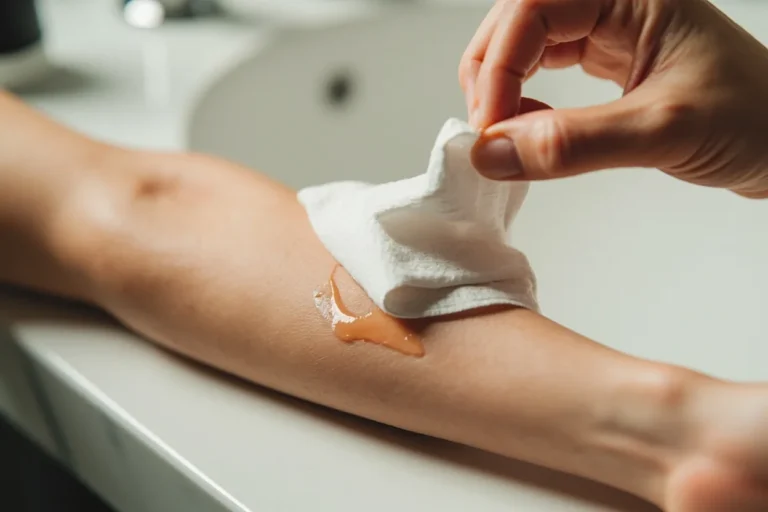
You’ll know it’s starting when you see a faint white haze over the black lines or color areas. That’s the top layer of dead skin getting ready to lift. Within a day or two, you’ll see translucent flakes, like sunburn peeling, but thinner and more delicate. The ink sits underneath, so what flakes off is mostly epidermis with a ghost of pigment, not the tattoo itself.
Some spots peel more dramatically than others. I’ve had clients call me panicking because a solid black patch on their forearm seemed to “shed” in sheets, while a fine-line piece on their ribs barely flaked at all. Both can be totally normal. Dense blackwork and heavy saturation create more trauma to the skin surface, so more skin dies and lifts. Delicate greywash or single-needle work often peels less visibly.
Peeling by Tattoo Style
- Bold traditional: Heavy saturation means heavier peeling, sometimes with thicker flakes
- Fine line / single needle: Minimal surface trauma, often barely noticeable peeling
- Color realism: Packed color areas can peel in patches, looking patchy before evening out
- Black and grey: Variable, smooth shading peels less, whip-shaded or textured areas peel more
The Day-by-Day Reality
Day one and two, your tattoo is basically an open wound. It’s weeping plasma, maybe some ink and blood, forming that thin scab-like layer we call a “second skin” if you used a saniderm-style bandage, or just drying to a dull matte finish if you went old-school with ointment. You shouldn’t see peeling yet. If you do, something’s wrong, probably over-moisturizing or infection, and you need to check in with your artist.
Days three through six, that’s the sweet spot. The skin tightens, then cracks, then lifts. I’ve had mornings where I woke up with a sleeve stuck to my bedsheets by a lattice of dead skin. That’s normal. Annoying, but normal. Days seven to ten, most of the visible peeling is done, but the skin underneath is still thin, shiny, and easily irritated. It’ll look “waxy” for another week or two.
When Peeling Starts Earlier or Later
Saniderm or other adhesive bandages can delay visible peeling by several days because the wound stays hydrated underneath. I see this a lot, client removes the bandage on day five, thinks they skipped peeling entirely, then flakes start two days later. Conversely, dry healing or under-moisturizing can cause premature cracking and peeling by day two, which usually means more color loss and a rougher heal.
What You Should Actually Do
Let it peel. That’s the whole advice, really. Don’t pick, don’t scratch, don’t rub. I tell clients: treat it like a sunburn you paid for. The flakes come off when they’re ready, and if you force them, you pull ink out with them. I’ve done enough touch-ups to know exactly what “picked scab” damage looks like, pale spots, patchy lines, color that just didn’t stay.
Keep it clean with unscented soap, pat dry, apply a thin layer of recommended aftercare. Thin means thin, if your tattoo looks glazed, you’re using too much. That traps moisture and can cause bubbling or delayed peeling, which messes with healing. Switch from ointment to unscented lotion around day three or four, when peeling starts, because ointment can be too heavy for that phase.
- Wash 2-3 times daily with gentle, fragrance-free soap
- Pat dry with paper towel, cloth towels harbor bacteria
- Apply lotion sparingly, 2-3 times daily during peeling
- Keep out of direct sun, salt water, and chlorinated pools until fully healed
- Wear loose clothing over the area, friction pulls flakes prematurely
What Peeling Shouldn’t Look Like
Not all flaking is normal. Thick, yellow scabs that crack and bleed suggest you’re either over-moisturizing or the tattoo got contaminated. Red streaks, heat, or pus means see a doctor, I’m an artist, not a medic, and I won’t diagnose, but I will tell you to get professional eyes on it. I’ve sent clients to urgent care before. Better embarrassed than sorry.
Heavy bubbling (raised, squishy areas under moisturizer) is usually from too much aftercare. Back off, let it dry out slightly, switch to lighter lotion. “Cracking” that goes deep enough to show raw, shiny skin beneath the ink is also a flag, usually from going too dry, too fast.
Spotting Problematic Healing
- Thick, crusty scabs that obscure the tattoo design
- Consistent bleeding after day two
- Spreading redness or warmth around the area
- Foul odor from the tattoo site
- Peeling that exposes raw, weeping skin rather than settled ink underneath
How Placement Affects Peeling
Some spots just heal rougher. Hands and feet peel constantly because you’re using them, washing them, flexing the skin. I’ve had palm tattoos that never seemed to stop flaking entirely. Inner biceps rub against torso skin. Bra straps, waistbands, socks, anywhere there’s friction, you’ll see more mechanical peeling, not just natural skin turnover.
Areas with thin skin (ribs, sternum, inner thighs) often peel more delicately but look more dramatic because the skin is translucent. You’ll see the ink through the flakes, which makes people think the color is “falling out.” It’s not. Thick skin areas like calves and outer arms can peel in heavier sheets but handle the process more robustly.
After Peeling: The Settling Phase
Once the flakes are gone, your tattoo isn’t done. The skin underneath is fresh, thin, and reactive. It’ll look milky or cloudy for days, sometimes weeks. Blacks seem grey. Colors seem muted. This is the “onion skin” phase, and it’s where most unnecessary panic happens. I’ve had clients book touch-up consultations during week two, convinced their tattoo faded. By week four, they cancel, because the color settles back in as the epidermis thickens and matures.
Full settling takes six to eight weeks for most pieces. Large, saturated work, full back pieces, heavy black sleeves, can take three months to really show their final character. We don’t do touch-ups before eight weeks minimum, and honestly, I prefer twelve. Let the skin be skin.
Key Takeaways
- Peeling starts around day 3-7 and lasts 2-5 days for most tattoos
- Don’t pick, scratch, or force flakes, this is the fastest way to lose ink
- Thin moisturizer, not heavy ointment, once peeling begins
- Heavy saturation peels more; fine line may peel barely at all
- “Milky” or cloudy appearance after peeling is normal and temporary
- Full healing and color settling takes 6-8 weeks, sometimes longer for large work
- When in doubt about infection or abnormal healing, contact your artist first, then a medical professional if needed
Frequently Asked Questions
Can I put lotion on my tattoo while it’s peeling?
Yes, but switch to a thin, unscented lotion rather than heavy ointment. Apply sparingly, your tattoo shouldn’t look shiny or greasy. Too much moisture traps bacteria and can cause bubbling, which disrupts healing.
Why does my tattoo look faded after the peeling stops?
That’s the “onion skin” phase. The fresh epidermis is thin and slightly translucent, making ink look milky or muted. As the skin thickens over the next few weeks, color and contrast return to their settled appearance.
Is it okay if my tattoo didn’t peel much at all?
Absolutely. Fine-line work, light shading, and well-hydrated skin can heal with minimal visible flaking. Lack of dramatic peeling doesn’t mean anything went wrong, some tattoos just heal more quietly than others.
How long should I wait before getting a touch-up if peeling revealed patchy spots?
Wait at least eight weeks, preferably twelve. What looks like a patchy spot during or right after peeling often settles beautifully. Touching up too early damages skin that hasn’t finished regenerating and can worsen the problem.
Related Tattoo Guides
- How Long to Leave Wrap on Tattoo: A Working Artist s Guide
- How Much Does a Tattoo Artist Make Yearly? Real Numbers
- How Much Does a Tattoo Cost? Real Shop Pricing Guide
- Explore more