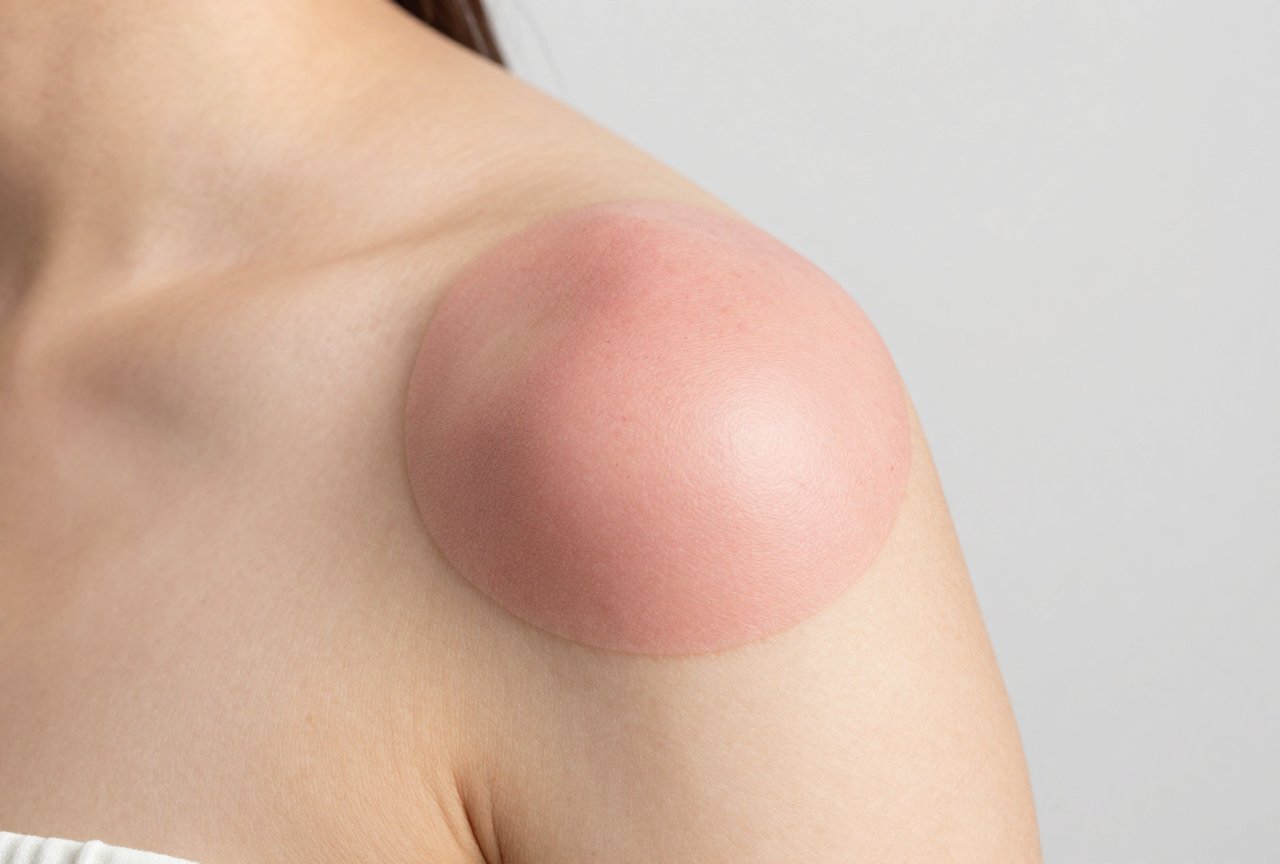
A tattoo will typically itch for about one to three weeks, with the worst of it hitting between days three and seven. That’s the honest answer I give every client who shifts in my chair around day four, panicking that something’s wrong. The itch is normal. It’s actually a sign your immune system is doing its job, sending cells to repair the damage from the needles. But knowing it’s normal doesn’t make it easier to sleep through. I’ve watched tough guys lose their minds over a palm-sized piece they can’t scratch. This guide breaks down exactly when the itching starts, why it happens, what makes it worse, and how to get through it without ruining your new ink.
The Itch Timeline: Week by Week
Days 1-2: The Calm Before
Fresh tattoos don’t really itch yet. They burn, they weep plasma, they feel like a bad sunburn. Your skin is in shock. The needles just punched through your epidermis thousands of times per minute, depositing ink into the dermis. Right now your body is flooding the area with plasma and white blood cells. Itch hasn’t kicked in because inflammation is dominating the show. I wrap clients, send them home with instructions, and warn them: the itch is coming. They never believe me.
Days 3-7: Peak Hell Week
This is when my phone blows up. The tattoo starts tightening as it dries out. The plasma crusts into scabs or that flaky, filmy layer we call “onion skin.” Histamine release ramps up as your skin regenerates. Every movement stretches the healing tissue. A rib piece itches worse when you breathe deep. A knee tattoo torments you every time you bend your leg. I’ve had clients swear their tattoo is infected because the itch is so intense. It’s usually not. It’s just your nervous system misfiring, healing skin sends chaotic signals, and your brain interprets some of them as itch.
During this window, expect:
- Constant low-grade itch that spikes randomly
- Itch that worsens at night when your body temperature rises
- Areas with dense shading or color packing itching more than fine lines
- The temptation to scratch becoming genuinely hard to resist
Days 8-14: The Flake-Off
Scabs and dead skin start peeling. The itch changes character, less deep and throbbing, more surface-level and dusty. Color tattoos often peel in visible flakes; black and grey can look like dry skin shedding. The tattoo underneath looks dull, almost grey. Clients panic, thinking the ink is falling out. I tell them: what you’re seeing is dead skin masking fresh ink. The itch here is your body finishing the outer layer repair. It should taper significantly by the end of week two.
Weeks 3-4: Lingering Ghost Itch
Most tattoos stop itching by now, but some spots, especially heavy saturation areas, color packing, or places where clothing rubs, can have residual itch. The skin looks healed but isn’t fully remodeled underneath. Collagen is still reorganizing. I’ve had my own thigh piece itch faintly for a full month. It was healed to the eye, but the deeper dermis was still settling.
Why Some Tattoos Itch Worse Than Others
Not all tattoos itch equally. I’ve done delicate single-needle wrist pieces that barely bothered clients, and I’ve done solid black tribal cover-ups that made grown adults consider sanding their own skin off.
Placement matters enormously. Areas with thin skin and lots of movement, ribs, sternum, elbows, knees, ankles, itch more because the skin is constantly flexing against healing tissue. Areas with more nerve density, like inner bicep or throat, can feel itchier even if the skin trauma is identical. Thick, saturated areas where the artist had to work the skin harder create more inflammatory response, which means more histamine, which means more itch.
Style plays a role too:
- Heavy traditional with bold lines and solid fills: more trauma, more itch
- Soft watercolor or fine line: less trauma, generally less intense itch
- White ink or UV-reactive: notorious for causing more irritation during healing
- Large-scale pieces done in one session: your body is processing more damage at once
Your personal biology matters. Some people are just itchier healers. I’ve tattooed couples who got similar pieces same day; one is fine in a week, the other suffers for three. Dry skin types, people with seasonal allergies, anyone prone to eczema, these folks tend to have rougher rides.
What Actually Helps (And What Makes It Worse)
Safe Relief That Works
I keep it simple with clients. The goal is moisture and distraction, not gimmicks.
- Thin layer of fragrance-free lotion when the skin feels tight, Aveeno, Lubriderm, plain old cocoa butter if that’s what you have
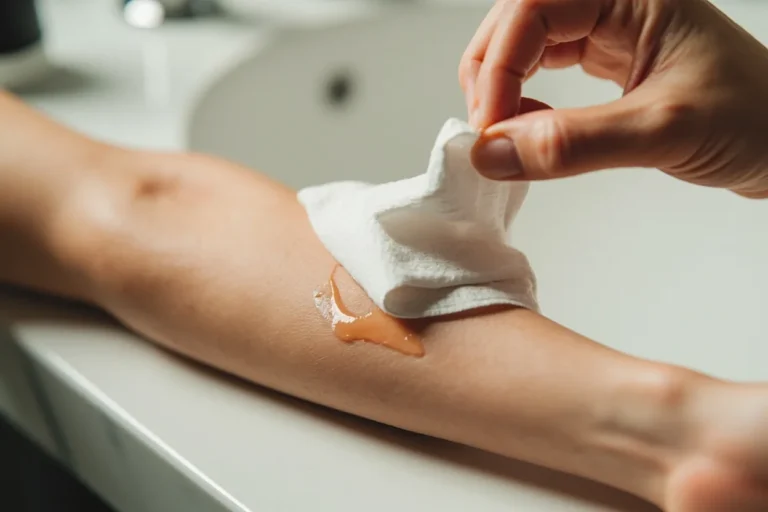
- Cool, damp cloth laid over the tattoo for a few minutes (don’t soak, don’t rub)
- Slapping the area gently instead of scratching, sounds ridiculous, works surprisingly well
- Keeping the room cool at night; heat amplifies itch
- Loose, soft clothing that doesn’t create friction
Some artists recommend antihistamines. I’ve seen clients get relief from a standard OTC option like Benadryl at night, especially if they’re also dealing with swelling. But I’m not a pharmacist, and neither is your tattooer. Check with someone who actually knows your medical history.
What to Avoid
The aftercare market is full of products that create problems. I see this constantly.
- Petroleum jelly after day two, it traps heat and bacteria, makes itch worse
- Scented anything, your healing skin doesn’t need perfume chemicals
- Scratching with nails, obviously, but also rubbing with towels, loofahs, anything abrasive
- “Numbing” creams with weird ingredients, if you wouldn’t put it on an open cut, don’t put it on a healing tattoo
- Soaking in baths, hot tubs, pools, softens scabs, increases infection risk, often makes itch rebound harder
Here’s what I tell people in my chair: if you scratch hard enough to draw fluid or reopen the skin, you’ve damaged the tattoo. You might pull ink out, you’ll definitely extend healing, and you might introduce infection. The discipline is mental. I’ve watched clients tape gauze over their tattoos just to create a barrier they can’t immediately violate.
When the Itch Means Something Else
Normal itch is diffuse, comes and goes, and doesn’t have other symptoms. But sometimes itch signals a problem worth addressing.
Infection usually brings heat that doesn’t fade, spreading redness, pain that worsens after day three, or yellow/green discharge. The skin around the tattoo feels wrong, hard, hot, angry. I’ve only seen true infections a handful of times in years of work, but they happen. If your gut says this isn’t normal itch, trust it and get to a doctor.
Allergic reaction to ink is rare but real. Red inks cause the most trouble historically. If you get raised, intensely itchy bumps specifically within the colored areas, especially weeks or months after healing, that could be ink sensitivity. I’ve had to refer clients to dermatologists for patch testing. It’s not common, but it’s not imaginary either.
Contact dermatitis from aftercare products happens more than people admit. That “natural” balm with twenty plant extracts? One of them might be the problem. If itch worsens dramatically after applying something, stop using it.
Long-Term Itch: Healed but Not Done
Even fully healed tattoos can itch occasionally. Seasonal dryness, sun exposure, or just random immune activation can trigger it. I get itchy spots on my older pieces every winter when the heat kicks on and the air goes dry. A little lotion fixes it. Some people report itching around healed tattoos when they’re stressed or run down, anecdotal, but I’ve heard it enough times to believe there’s something there.
Tattoos also change with sun damage. UV exposure degrades ink and damages surrounding skin, which can create irritation. A healed tattoo that starts itching after beach trips needs sunscreen, not more aftercare cream.
Key Takeaways
Expect one to three weeks of itch, with days three through seven being the worst. It’s normal, it’s temporary, and it’s your body repairing itself. Moisture, coolness, and loose clothing are your best tools. Scratching is your worst enemy, slap, pat, distract, but don’t dig in with your nails. Heavy saturation, certain placements, and your personal skin type all influence how intense the itch gets. Most aftercare complications I see come from people over-treating their tattoos, not under-treating them. Keep it clean, keep it lightly moisturized, keep your hands off. The itch will pass. The art underneath will stay.
Frequently Asked Questions
Can I put ice on my tattoo to stop the itching?
A cool, damp cloth works fine, but don’t put ice directly on healing skin. Extreme cold can damage fresh tissue and the temperature shock sometimes makes itch rebound worse when you remove it. Stick with brief, cool compresses.
Why does my tattoo itch more at night?
Your body temperature rises slightly when you sleep, and histamine release peaks during evening hours. You’re also not distracted by daytime activity, so you notice the sensation more. Keeping your bedroom cool and wearing loose cotton can help.
Is it normal for only part of my tattoo to itch?
Yes, completely normal. Areas with heavier ink saturation or where the artist worked the skin more intensely will trigger stronger inflammatory responses. A tattoo with bold black lines and soft grey shading might see the solid black sections itch worse than the lighter areas.
Can I take a hot shower to relieve tattoo itch?
Hot water is actually one of the worst things for itching tattoos. It draws blood to the surface and increases histamine response, which intensifies itch. Keep showers lukewarm, keep them brief, and pat dry gently rather than rubbing.
Related Tattoo Guides
- How Many Tattoo Removal Treatments You ll Actually Need
- Nose Piercing Cost at Tattoo Shops: A Real Shop Guide
- How Much Should a Tattoo Cost? A Real Shop Guide
- Explore more