A healed tattoo that suddenly turns raised, bumpy, or itchy is one of the most common post-healing complaints. The good news: it’s rarely a sign of a serious problem with the tattoo itself. Most of the time, your skin is reacting to an outside trigger, and the ink happens to be sitting right there in the middle of it. Understanding the difference between normal texture quirks and genuine irritation helps you respond without panic.
What “Raised” Actually Means
Raise can show up in different ways, and the type matters. Sometimes the entire tattooed area puffs up evenly. Other times, individual lines feel like braille under your finger, or small clusters of bumps appear only in the shaded sections. Each pattern points to a different mechanism.
Line swelling vs. overall puffiness
When only the black outlines stand up in relief, you’re often looking at a localized reaction to the pigment itself or the trauma of that specific pass with the needle. Outlines get worked harder than washes, more passes, more saturation, and the skin there can remain slightly reactive for years. Generalized puffiness across the whole piece usually signals something external: heat, pressure, or an immune response happening across the entire area.
Itch without visible change
Some healed tattoos itch while looking perfectly flat. This tends to happen with heavy saturation in spots like the inner forearm or thigh, where skin already rubs against clothing. The itch is real even when the mirror shows nothing wrong. Scratching these spots risks breaking skin that has already proven itself sensitive.
The Most Common Trigger: Allergic Contact Reactions
Tattoo ink allergies don’t always appear during healing. They can lie quiet for months or years, then flare when your immune system encounters the pigment particles again under the right conditions. Red and yellow inks are frequent culprits, but black ink reactions happen too, especially with certain brands or older formulations that used more nickel in the carbon base.
- Red inks (often iron oxide or cadmium-based) cause the majority of delayed reactions
- White ink containing zinc oxide can harden or lump under skin over time
- Black ink reactions sometimes trace to specific manufacturer batches rather than the color itself
- UV-reactive or glow inks carry higher allergen potential than standard pigments
A true ink allergy tends to produce persistent bumps, possible color change in the surrounding skin, and itch that doesn’t resolve with simple moisturization. It may also spread slightly beyond the tattoo borders.
Environmental and Physical Triggers
Your healed tattoo sits in skin that will never behave exactly like untouched skin again. The dermis there has been systematically punctured and packed with foreign material. That changes how it responds to ordinary life.
Heat and sun exposure
Hot showers, saunas, beach days, and sunburn can all cause a healed tattoo to swell and itch. Heat dilates blood vessels and increases fluid movement through tissue. In tattooed skin, that fluid can accumulate slightly around pigment deposits, creating temporary puffiness. Sun exposure adds UV-triggered inflammation on top. This usually fades within hours to a day once you cool down.
Pressure and friction
Tight clothing, backpack straps, gym equipment, and even sleeping positions that press on the tattoo can raise it. The mechanism is mechanical irritation of scar-adjacent tissue. Rib pieces under bra bands, waist tattoos under belt lines, and forearm tattoos under watch straps are especially prone. You’ll often notice the pattern: raised in the morning after a night of pressure, flat by afternoon.
Skin Conditions That Favor Tattooed Areas
Some skin conditions simply appear more dramatically where ink lives. The tattoo doesn’t cause the condition, but it makes the symptoms visible and localized in a way that draws attention.
- Sarcoidosis: Small, firm bumps that can emerge in older tattoos, often linked to red ink; requires dermatologist evaluation
- Psoriasis: Can develop first in tattooed skin due to the Koebner phenomenon (lesions forming at sites of prior injury)
- Eczema flares: Atopic skin often chooses tattooed areas during stress or seasonal triggers
- Keloid tendency: Raised, expanding scar tissue that grows beyond the original tattoo boundaries
These conditions need professional diagnosis. Self-treating with topical steroids without knowing what you’re targeting can thin skin permanently and distort the tattoo.
What Actually Helps
Most raised, itchy healed tattoos respond to simple, consistent care. The goal is reducing inflammation without damaging the ink or surrounding skin.
Immediate relief
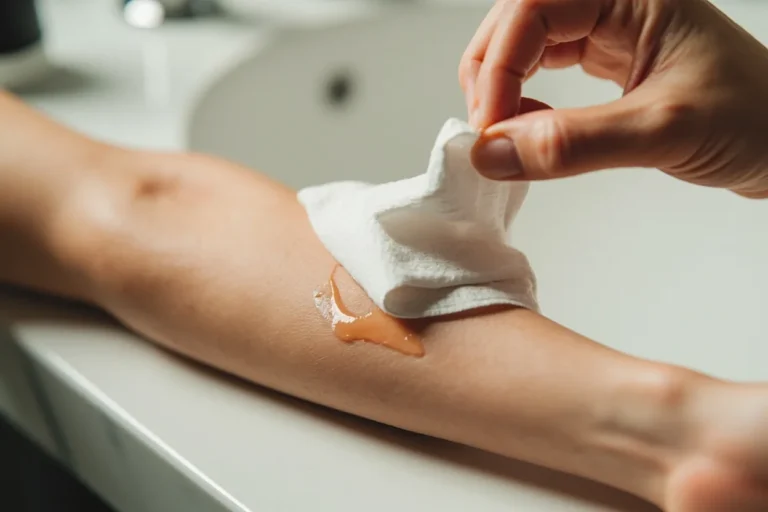
Cool compresses work faster than almost anything else for heat-related swelling. Ten minutes with a clean, cool, damp cloth. Not ice directly on skin, that can cause its own damage. Oral antihistamines help when histamine release is part of the picture, particularly for sudden flares with no obvious trigger.
Daily maintenance
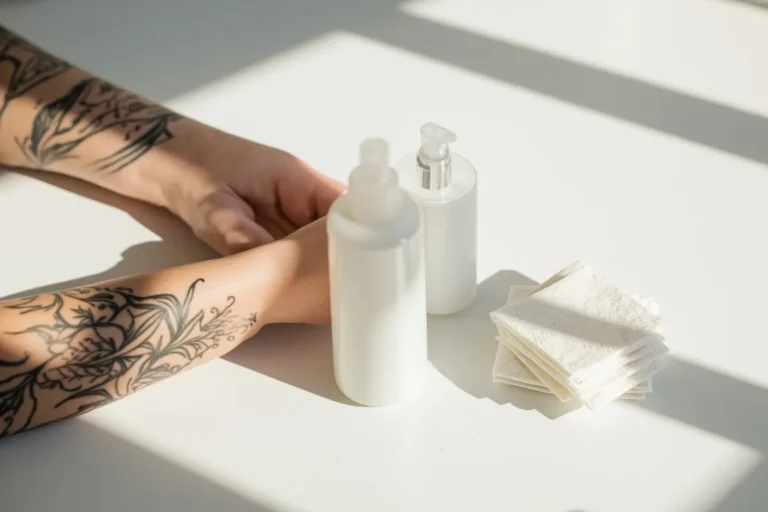
Fragrance-free moisturizer applied to slightly damp skin keeps the barrier intact. Look for simple ingredients: ceramides, glycerin, petrolatum. Avoid essential oils, “natural” balms with dozens of botanicals, and anything warming or cooling marketed for tattoos. These add more variables to already reactive skin.
When bumps are present, a thin layer of hydrocortisone 1% for 3-5 days can calm mild inflammation. Stop if there’s no improvement, prolonged steroid use on tattooed skin lightens pigment and thins tissue.
When to See Someone
Most of this is manageable at home, but certain patterns warrant professional eyes:
- Raised areas that persist beyond two weeks of careful home care
- Spreading redness, warmth, or pus (possible infection, though rare in fully healed work)
- Changes in tattoo color, especially lightening or blurring at the raised edges
- Any systemic symptoms: fever, joint pain, or widespread skin changes
- Hard, fixed nodules that don’t fluctuate with temperature or pressure
A dermatologist can biopsy puzzling lesions. Your tattoo artist can look at whether specific ink brands or application techniques might have contributed. Neither replaces the other.
Long-Term Expectations
Some tattoos just have texture. Heavily shaded areas, dense blackwork, and spots where the artist packed ink for saturation can remain slightly raised compared to surrounding skin indefinitely. This isn’t pathology, it’s the physical reality of pigment suspended in collagen. The itch may come and go with seasons, stress levels, and age. Learning your specific triggers matters more than chasing a perfectly flat result.
Older tattoos often behave differently than newer ones. Ink migrates slightly over decades. What sat cleanly in the dermis at age twenty-five may have blurred or risen subtly by forty-five as skin elasticity changes. That’s normal aging, not failure.
Key Takeaways
- Raised, itchy healed tattoos usually stem from identifiable triggers: heat, pressure, friction, or delayed immune response to ink
- Red and yellow inks carry higher allergy risk, but any color can react
- Cool compresses, fragrance-free moisturizer, and brief antihistamine or mild steroid use handle most flares
- Persistent hard bumps, color changes, or systemic symptoms need dermatologist evaluation
- Some texture in saturated or older tattoos is normal and not a problem to solve
Frequently Asked Questions
Can a tattoo allergy show up years after getting it?
Yes. Delayed hypersensitivity reactions are common with tattoo ink. Your immune system can tolerate pigment for months or years, then suddenly flag it as problematic after a trigger like sun exposure, illness, or a new medication.
Will hydrocortisone cream ruin my tattoo?
Short-term use of 1% hydrocortisone for a few days won’t destroy ink, but prolonged or repeated application can lighten pigment and thin the skin. Stop if there’s no improvement within five days.
Why does my tattoo only get raised in hot weather?
Heat causes vasodilation and fluid shift in tissue. Tattooed skin often responds more dramatically because the dermis there has been altered by needle trauma and foreign pigment. Cooling down usually resolves it within hours.
Is a raised tattoo always an allergy?
No. Most raised healed tattoos stem from mechanical irritation, heat, or normal texture variation in heavily saturated work. True ink allergies tend to be persistent, possibly spreading, and less responsive to simple environmental changes.
Related Tattoo Guides
- Can a Tattoo Heal in a Week? What Artists Actually See
- Does an Ear Tattoo Hurt? A Real Tattoo Artist s Guide
- Does Color Tattoo Hurt More Than Black and Grey?
- Explore more