Wash your tattoo two to three times per day for the first two to four weeks, depending on size, placement, and how your particular skin heals. Each wash should take about thirty seconds to a minute of actual cleansing, gentle, thorough, then done. Over-washing strips moisture and irritates; under-washing lets plasma and bacteria build up. The real skill is consistency, not intensity.
The First 48 Hours: Plasma and the Initial Washes
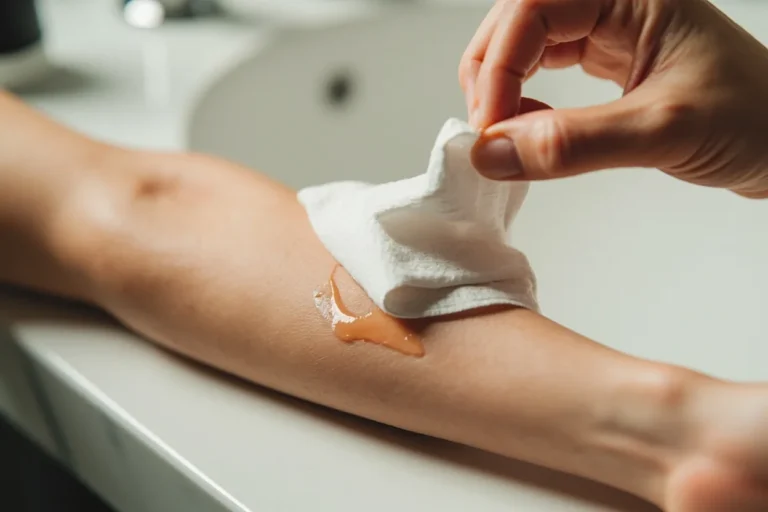
Right after the bandage comes off, usually within a few hours to a day, you’ll wash for the first time. The skin is still leaking plasma, ink, and blood. This isn’t pretty, but it’s normal. Warm water, not hot. Unscented liquid soap in your clean hands, no washcloths, no loofahs, no direct shower spray pounding the fresh work.
How the First Wash Should Go
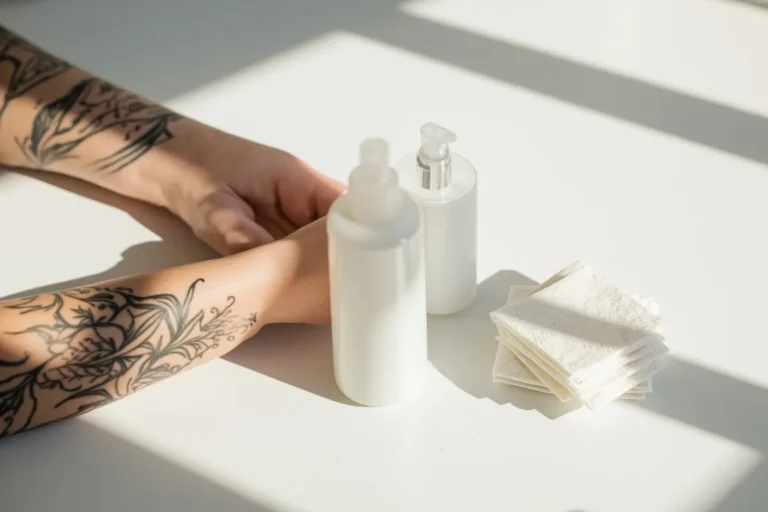
Let water run over the area first to loosen any dried fluid. Apply soap with fingertips only. Work in soft circles until the surface feels smooth, not slick or sticky. Rinse completely. Pat dry with a clean paper towel. No rubbing. No towel fibers snagging on raised lines. Apply a thin layer of recommended aftercare ointment or lotion, thin enough that the skin still breathes.
During these first two days, wash morning, night, and once midday if you’re active, sweating, or working in a dusty environment. The goal is removing plasma before it hardens into thick scabs that pull ink out when they eventually detach.
Days 3-14: Peeling and the Adjustment Period
Around day three, the surface seals. You’ll notice peeling, dry, flaky skin, sometimes translucent, sometimes colored like the tattoo itself. This is not the ink falling out; it’s the top layer of dead skin shedding. Keep washing twice daily minimum, three times if the area gets dirty or you work with your hands.
What Changes During Peeling
The skin feels tighter. It itches. Resist scratching. During washes, don’t pick at lifting flakes. Let water soften them, let soap loosen them, let the towel catch what comes off naturally. Forcing peeling skin extends healing and creates patchy spots.
- Wash duration stays brief, thirty seconds of soaping, thorough rinse, done
- Water temperature stays lukewarm; hot water increases itching and inflammation
- Continue unscented products only; fragrances sting and irritate open skin
- Dry completely before applying lotion; moisture trapped under ointment breeds bacteria
By day ten to fourteen, most small to medium tattoos have finished heavy peeling. Large pieces, solid blackwork, and color packing may still be flaking. Don’t quit washing early because it looks better. The deeper dermis is still settling.
Weeks 2-4: The Skin Looks Healed, But Isn’t
This is where people mess up. The surface looks closed, the shine is gone, the color seems settled. Underneath, collagen is remodeling, ink is still binding to macrophages, and the barrier function remains compromised. Continue washing once to twice daily through week four.
For larger work, full sleeves, back pieces, thigh tattoos, extend to six weeks. Dense saturation means more trauma, more fluid initially, longer for the deeper layers to stabilize. Wash frequency tapers by skin response, not by calendar alone. If the area feels tight or gets dirty, wash it. If it’s comfortable and clean, once daily with your regular shower suffices.
Placement and Lifestyle: What Changes the Schedule
Not all tattoos heal on the same timeline. Placement affects everything, how much you wash, how you wash, and for how long.
High-Friction and High-Sweat Areas
Hands, feet, inner arms, inner thighs, anywhere under clothing that rubs: these need more diligent washing. Feet especially, shoes create heat and moisture, a problematic combination. Wash feet and hand tattoos three times daily minimum, and expect touch-ups. The skin here regenerates faster and sheds ink more readily.
Protected vs. Exposed Placement
Ribs, upper back under shirts, upper arms in sleeves: easier to keep clean, less environmental exposure. Still wash twice daily. Don’t assume protection means less care. Trapped sweat under clothing can be as problematic as open air.
Your job matters too. Kitchen workers, construction crews, gym employees, anyone around heat, moisture, or particulates, need stricter washing schedules. Office workers with upper arm or back pieces have an easier path, but complacency causes infection just as readily.
What You’re Actually Washing Off
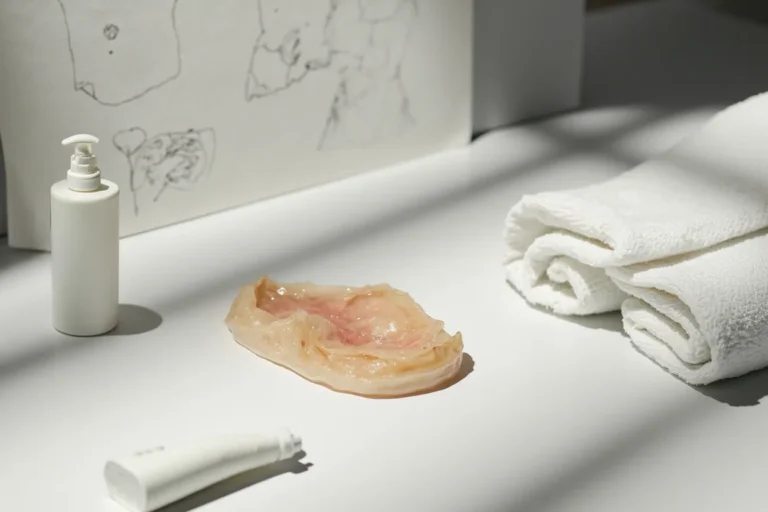
Understanding the purpose keeps you consistent when the novelty wears off. Fresh tattoos exude plasma, a straw-colored fluid rich in proteins and white blood cells. Left alone, it dries into hard scabs. Scabs crack with movement, pulling ink out with them. Bacteria also colonize plasma deposits. Soap removes this food source. Water carries it away. The thirty-second wash is prophylactic, not cosmetic.
Later in healing, you’re washing away dead skin, environmental dust, skin oils that accumulate, and any residual lotion that hasn’t absorbed. Clean skin breathes better. Better breathing means less trapped moisture, less irritation, more even healing.
Signs You’re Washing Wrong
- Skin stays glistening wet hours after washing: you’re not drying thoroughly, or applying too much ointment
- Heavy, thick scabs forming: plasma is drying before you wash it away; increase frequency or improve technique
- Redness spreading outward from the tattoo after day five: possible early infection, not just irritation
- Color seems patchy after peeling: either scabs pulled ink out, or the deeper layer hasn’t settled yet, wait before judging
- Itching that intensifies after washing: water too hot, soap too harsh, or drying too aggressively
One wash too many does less damage than one wash too few. If you’re uncertain, wash. If the skin looks angry and dry, cut back slightly and switch to a lighter, fragrance-free lotion rather than heavy ointment.
Key Takeaways
Wash two to three times daily for two to four weeks, using lukewarm water and unscented liquid soap. Keep it brief, thirty seconds of gentle cleansing, thorough rinse, pat dry completely. Extend to six weeks for large or dense pieces. Adjust for your placement, your work, and your skin’s actual response rather than following a rigid calendar. The washing phase ends when the skin has fully settled, not merely when the surface looks presentable. Consistency beats intensity every time.
Frequently Asked Questions
Can I wash my tattoo in the shower, or should I use a sink?
Showers are fine; avoid soaking in baths, pools, or hot tubs for at least two weeks. Don’t let the shower spray hit the tattoo directly at high pressure. Let water run nearby and splash over it, or cup water gently with your hands.
How do I know when I can stop washing my tattoo so often?
When the skin feels normal to the touch, not tight, not flaky, not shiny, and there’s no remaining tenderness when you press it, you can drop to once daily with your regular shower routine. For most people this happens between weeks three and four.
Is antibacterial soap better than regular unscented soap?
Not necessarily. Many artists prefer plain, fragrance-free liquid soap over antibacterial versions because the active ingredients in antibacterial soaps can irritate healing skin. Unless your artist specifically recommends one, simple and gentle wins.
What if my tattoo gets dirty between washes at work?
Rinse it with clean water as soon as possible, wash properly when you get home, and don’t panic. A single exposure to dirt or dust won’t ruin a tattoo if you clean it promptly. Keep a small bottle of your approved soap at work if your job is messy.
Related Tattoo Guides
- How Long to Keep Your Tattoo Bandage On: A Complete Guide
- How Long to Keep a New Tattoo Out of Water
- How Much Aquaphor to Put on a Tattoo: A Healing Guide
- Explore more