Plan on $200 to $500 per session, with most tattoos needing somewhere between 6 and 12 sessions spread across one to three years. A small black-ink tattoo on your wrist might run you $1,500 total. A full sleeve with heavy color saturation? That could push past $5,000. The honest truth: there’s no flat rate. Your artist’s skill level in putting it on matters almost as much as the laser tech’s skill in taking it off. Skin type, ink density, placement, color palette, and how your body processes the broken ink particles all shift the number. This guide breaks down what actually drives the price, what the process feels like, and how to budget without getting burned by cut-rate shops.
What You’re Actually Paying For
Laser removal isn’t a magic eraser. It’s a series of controlled burns that shatter ink particles so your lymphatic system can flush them out. Each session requires a medical-grade Q-switched or picosecond laser, protective eyewear, topical anesthetic, and a technician who knows how to read skin response in real time. The expensive part isn’t the 15-minute zap session. It’s the machine, the training, and the liability insurance.
Per-Session vs. Package Pricing
Most reputable shops charge per session. Some offer package discounts if you prepay for 6 or 8 sessions upfront, typically knocking 10-20% off. Be cautious of unlimited-session packages. Your skin needs 6-8 weeks minimum between treatments. Anyone promising complete removal in three sessions is selling hope, not results. Ask what happens if you hit their session limit and still have ghosting. A good shop will be upfront about realistic outcomes.
- Single session: $200-$500 for palm-sized areas
- Small package (4-6 sessions): $800-$2,000 with modest discount
- Large package (8-10 sessions): $1,500-$3,500
- Full sleeve or back piece: $3,000-$7,000+ over multiple years
The Factors That Jack Up Your Price
Not all tattoos are created equal. A scratcher stick-and-poke from your buddy’s kitchen sinks differently than a professional piece from a shop that knew what they were doing. Here’s what techs actually look at when they quote you.
Size and Placement
Bigger equals more laser passes, more time, more money. But placement matters too. Ankle skin is thin and vascular. Chest skin stretches and moves. These areas often need gentler settings and more sessions. A dense 2-inch black tattoo on your ribs might cost more than a 4-inch washed-out piece on your thigh because the tech has to work more carefully around bone and thinner dermis.
Color Complexity
Black ink absorbs all laser wavelengths. It’s the easiest to break down. Reds and dark blues respond to specific wavelengths but need more passes. Greens, yellows, and light blues? They’re stubborn. Some shops will tell you straight up that certain greens might never fully disappear, just fade to a ghost you can cover. White ink and skin-toned inks can oxidize and turn dark under laser, which is a nasty surprise if your artist didn’t warn you.
- Black: Fastest removal, fewest sessions
- Red/dark blue: Moderate, 2-4 extra sessions typical
- Green/yellow: Often requires specialized lasers, 4-8 extra sessions
- White/skin-tone: Potential darkening, discuss with tech before starting
Age and Quality of Original Work
A 15-year-old faded tattoo? Your body already started the work. That tattoo might lift in half the sessions of something fresh and saturated. Conversely, a dense professional piece with solid packing and consistent depth takes longer than something your friend did too shallow. The irony: good tattoos cost more to put on, and they cost more to take off.
What the Sessions Actually Feel Like
Everyone asks if it hurts worse than getting tattooed. The honest answer from people who’ve done both: it’s a different beast. Getting tattooed is a sustained abrasion, like a cat scratch that doesn’t stop. Laser removal is a sharp, hot snap, like bacon grease hitting your skin, but concentrated and repeated rapidly. Most shops offer topical numbing cream applied 30-45 minutes before. Some offer cooling devices or injectable lidocaine for larger areas. The session itself is quick, usually 10-20 minutes even for bigger pieces. The aftermath is where it gets real.
Healing Between Sessions
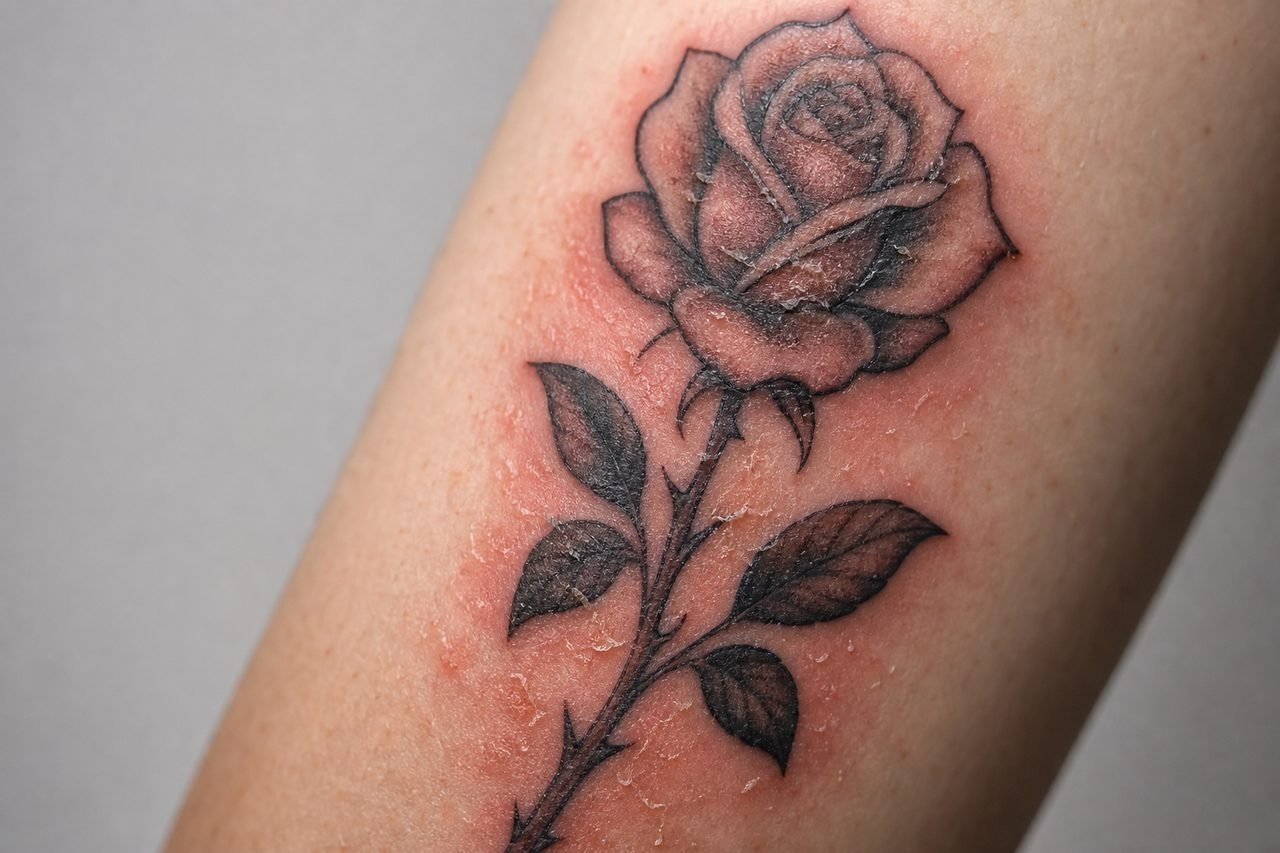
Your skin will blister. Maybe not every time, but probably. You’ll get white frosting immediately after, which looks like frozen condensation. That fades in 20 minutes. Then comes swelling, redness, potential scabbing. You need to keep it clean, avoid sun completely, and let the scabs fall naturally. Picking means scarring, and scars don’t hold ink or respond well to further laser. Budget for aftercare supplies: fragrance-free soap, plain moisturizer, non-stick bandages. Maybe $30-50 per healing cycle.
- Days 1-3: Swelling, redness, possible blistering
- Days 4-10: Scabbing, tightness, itching (don’t scratch)
- Weeks 2-6: Fading continues as lymphatic system processes ink
- Week 6-8: Ready for next session if fully healed
Hidden Costs Nobody Mentions Upfront
The quoted per-session rate is just the beginning. Consultation fees, touch-up sessions for stubborn spots, aftercare products, and potential cover-up work if removal only fades rather than clears all add up. Some people get 80% removal, decide that’s enough, and pivot to a cover-up tattoo. Now you’re paying for both processes. Also, if you need to travel to a qualified shop because your local options are limited, factor in gas, hotels, or time off work.
When Removal Fails Completely
Some tattoos don’t fully disappear. You might be left with a shadow, a slight texture change, or hypopigmentation where the laser stripped melanin along with ink. Darker skin tones carry higher risk of pigment changes. A responsible tech will do a test spot in your consultation to see how your skin reacts. If someone wants to blast your whole back on day one, walk.
Finding a Shop That Won’t Wreck You
Look for laser-specific certification, not just a tattoo shop that bought a machine. In most states, laser operation requires separate training from tattooing. Ask how long they’ve been removing, what lasers they use (picosecond lasers like PicoSure or PicoWay generally cost more per session but need fewer sessions), and whether they have before/after photos of healed results, not just immediately post-session. The immediate post shots always look dramatic. The healed three-month results tell the real story.
- Verify laser operator certification separate from tattoo license
- Ask for healed-result photos, not just fresh post-laser shots
- Request a test spot before committing to full treatment
- Get written estimate with session range, not guaranteed number
- Check reviews for mentions of scarring, burns, or pigment changes
Key Takeaways
Budget $200-$500 per session and expect 6-12 sessions minimum. Black ink on light, thick skin in a fleshy area is your cheapest scenario. Color, dense professional work, bony placements, and darker skin tones all extend timeline and cost. Healing takes 6-8 weeks between sessions, so this is a years-long commitment, not a quick fix. Get consultations from multiple shops, ask about their specific laser technology, and demand realistic expectations rather than promises. The cheapest option often becomes the most expensive if you end up with scars that require cosmetic tattooing or dermatology work to fix. Good removal is medical-adjacent work performed by trained professionals. Treat it with the same seriousness you’d bring to any other significant investment in your body.
Related Tattoo Guides
- How Much Do Tattoo Artists Make in 2024
- How to Become a Tattoo Artist: A Complete Guide
- Can You Donate Blood If You Have a Tattoo? Rules, Timing and What Chan
- Explore more
Frequently Asked Questions
How much does a single tattoo removal session cost in 2024?
A single session typically ranges from $200 to $500 for a small tattoo, while larger pieces can cost $500 to $1,000 or more per visit. Most tattoos require 6 to 12 sessions spaced 6 to 8 weeks apart, so the total investment often falls between $1,200 and $10,000.
Does the color of my tattoo affect the removal price?
Yes, certain ink colors are harder to remove and may increase both the number of sessions needed and the overall cost. Black and dark blue inks respond best to laser treatment, while bright colors like yellow, green, and light blue often require specialized lasers and more sessions.
Is tattoo removal cheaper than getting the tattoo?
Generally no, tattoo removal is significantly more expensive than getting the original tattoo. Where a small tattoo might cost $50 to $200 to apply, removing it can easily cost ten times that amount or more depending on size, ink density, and location on the body.
Do insurance plans cover any portion of tattoo removal costs?
Insurance almost never covers elective tattoo removal for personal reasons. However, in limited cases involving documented trauma, gang-related tattoos, or medical necessity, some plans may provide partial coverage with extensive documentation from a physician.