Right around day three or four, you glance at your fresh tattoo and your stomach drops. The blacks look charcoal-gray. The reds seem pink. The whole thing has a cloudy, milky film over it, like someone smeared Vaseline on a photograph. This is the single most common panic moment in tattoo aftercare, and almost every time, it means your skin is doing exactly what it should. A tattoo that looks faded during healing is not losing ink. It is buried under plasma, dead skin, and the early stages of rebuilding itself. Understanding the actual mechanics of this process saves you from unnecessary anxiety and, more importantly, from the bad decisions that come with it, over-moisturizing, picking, or rushing back to the shop for a “touch-up” that isn’t needed yet.
What You’re Actually Seeing: The Healing Layers
The Plasma and Fibrin Phase
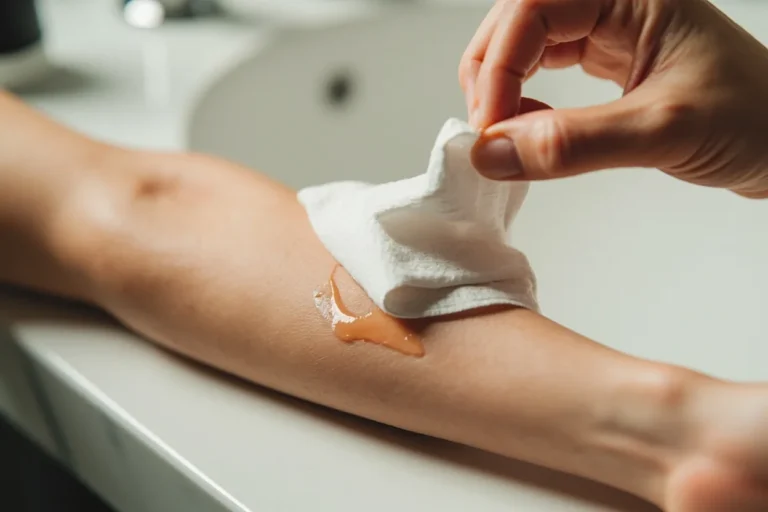
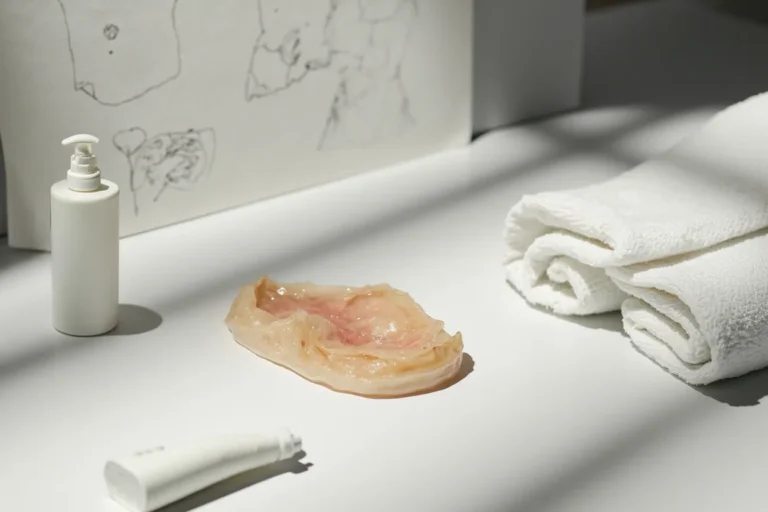
Fresh tattoos weep plasma for the first 24 to 72 hours. This clear-to-yellowish fluid mixes with ink particles and dries into a thin, crusty layer. Plasma is rich in proteins that form a mesh called fibrin, essentially a biological scaffold. That scaffold sits directly over your ink, diffusing light and creating a hazy, desaturated appearance. The tattoo isn’t lighter; light is scattering through an irregular surface instead of hitting pigment directly.
The Epidermal Turnover
Your epidermis, the top layer of skin, completely replaces itself roughly every 27 days. A tattoo needle deposits ink through this layer into the dermis below, but the healing wound triggers accelerated cell turnover. As new keratinocytes push upward, they carry trapped ink particles with them. These cells die, flatten, and become part of the stratum corneum, the translucent, flaky layer you see peeling. That peeling layer is literally a veil of dead skin over your living ink. Until it sheds completely, saturation reads as muted.
- Days 1-3: Glossy, swollen, plasma film creates a “wet” look that masks true color
- Days 4-7: Dull, matte appearance as plasma dries and epidermis begins thickening
- Days 7-14: Peeling stage; tattoo looks patchy and “scabby” under loose skin
- Days 14-30: Gradual return of vibrancy as new skin fully matures and flattens
- Month 2-3: Settled, stable color that reflects long-term reality
Why Some Areas Look Worse Than Others
Not all parts of a tattoo heal at the same rate, which creates uneven fading that can look alarming. High-friction zones, inner forearms against desks, wrists under watchbands, thighs where pants rub, slough skin faster and may appear lighter earlier. Conversely, areas with thicker skin or less movement, like the outer upper arm or calf, hold that cloudy phase longer but often settle more uniformly.
Line-dense areas versus shaded areas behave differently too. Solid black lines can look gray during healing because the concentrated ink deposit creates a thicker fibrin response. Soft shading, especially gray-wash, sometimes appears to disappear entirely under peeling skin, then re-emerge dramatically once the surface stabilizes. Color packing in traditional or neo-traditional pieces often looks most washed-out because the saturated fields of ink raise more plasma and more subsequent peeling.
The Difference Between Normal Fading and Real Problems
Signs of Normal Healing
Uniform cloudiness across the entire tattoo. Consistent peeling without raw, weeping patches beneath. Gradual improvement rather than sudden changes. Slight itchiness that responds to gentle washing and thin lotion. The color you see at three weeks is almost always darker and more saturated than at one week.
Actual Red Flags
Geographic blank spots where ink seems completely absent, this suggests the needle never deposited properly or the scab was pulled off prematurely. Spreading redness, heat, or pain increasing after day four rather than decreasing. Thick, yellow-green crust that isn’t just dried plasma. Fading that worsens after the three-week mark rather than improving. These warrant a conversation with your artist or, for infection signs, a medical professional.
How Aftercare Affects What You See
Over-moisturizing is the most common self-inflicted problem. Thick layers of petroleum-based ointment or heavy lotion trap plasma and dead skin, keeping that cloudy layer wet and opaque longer than necessary. The tattoo can’t breathe, can’t dry, and can’t move through its natural phases. A thin, barely-there sheen of unscented lotion after washing is the standard most experienced artists recommend now.
Dry healing, going entirely without moisturizer, works for some people but risks thicker scabbing that cracks and takes ink with it. The middle path matters: clean with fragrance-free soap, pat dry, apply a minimal amount of aftercare product, and let the tattoo experience some air.
Submerging in water is another variable. Baths, hot tubs, swimming pools, and even long showers saturate the epidermis, causing it to swell and trap more fluid over the ink. Quick showers, pat-drying immediately, and avoiding soaking for the first two weeks keeps the healing timeline predictable.
When the Real Color Actually Returns
Most tattoos reach a reliable approximation of their final appearance around the six-week mark, but the full settling process continues for two to three months. This is why reputable shops schedule touch-ups no earlier than six to eight weeks, and many prefer three months. Assessing color accuracy before the dermis has fully remodeled is guesswork.
Long-term factors also matter. UV exposure degrades tattoo pigment over years, not weeks, but freshly healed skin is more vulnerable to photodamage. Once peeling stops and the surface feels like normal skin again, consistent SPF application preserves what you’ve got. Without it, blacks shift to blue-gray, reds to orange-pink, regardless of how bold the tattoo looked leaving the shop.
Key Takeaways
- A cloudy, faded appearance during the first two weeks is standard biology, not failed ink
- Plasma, fibrin, and accelerated epidermal turnover create optical interference that masks true color
- Peeling skin is a temporary veil; the ink beneath remains intact in properly executed work
- Over-moisturizing and soaking extend the faded phase unnecessarily
- Judge your tattoo’s final color no earlier than six weeks, ideally closer to three months
- Geographic blank spots, spreading redness, or worsening after week three need professional attention
- Protect healed tattoos from sun to prevent the only kind of fading that actually is permanent
Frequently Asked Questions
Will my tattoo look exactly like the stencil color once it heals?
Not exactly. Stencil ink sits on the skin’s surface and reads at full saturation. Healed tattoo ink lives in the dermis, viewed through your specific skin tone and texture. Expect 10-20% muted compared to the fresh, idealized version.
Is it normal for my tattoo to look shiny and waxy after peeling stops?
Yes, that’s often a thin layer of new, immature skin called “onion skin.” It reflects light differently than mature epidermis and may look slightly iridescent or plastic. This flattens and normalizes over the following weeks.
Can I speed up the healing to see my real color faster?
There’s no safe shortcut. Your body sets the timeline. Aggressive exfoliation, sun exposure, or extra washing damages the new tissue and can actually pull ink out or cause scarring that makes the tattoo look worse permanently.
Why does my older tattoo look faded compared to when it was fresh?
All tattoos settle and soften over time. Some initial “fading” is simply the difference between inflamed, freshly needled skin and calm, healed skin. True long-term fading comes from sun exposure, immune system pigment breakdown, and natural skin aging.
Related Tattoo Guides
- Why Is My Healed Tattoo Raised and Itchy?
- Can a Tattoo Heal in a Week? What Artists Actually See
- Does an Ear Tattoo Hurt? A Real Tattoo Artist s Guide
- Explore more