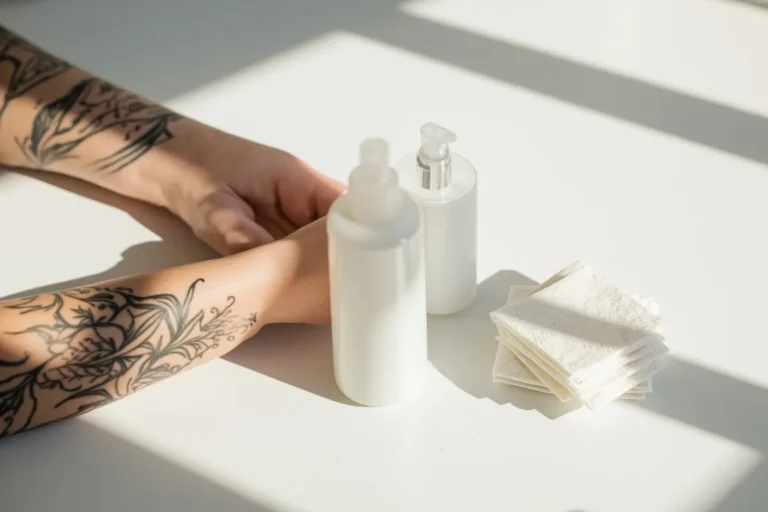
The short answer: for the first few days, use a thin layer of petroleum-free, fragrance-free ointment like Aquaphor or a dedicated tattoo aftercare balm. After that, switch to an unscented, dye-free lotion such as Lubriderm or CeraVe. Nothing else goes on the skin. No Neosporin, no coconut oil, no sunscreen until fully healed.
The Direct Answer
First 3 to 5 Days: Ointment Stage
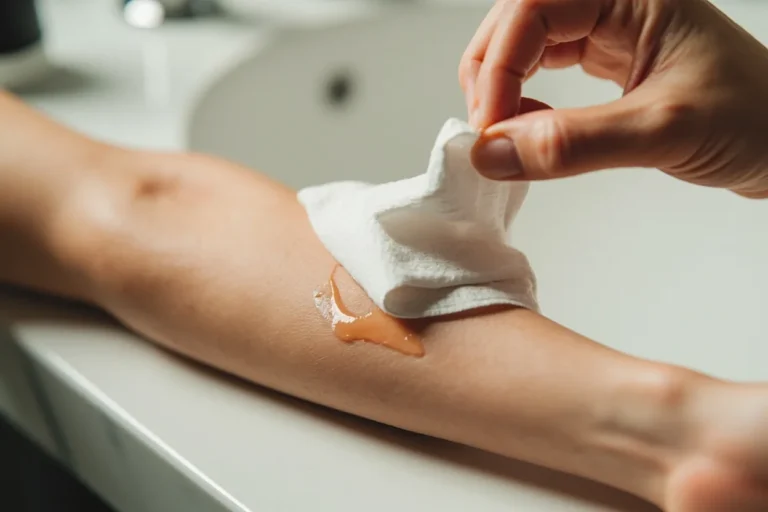
Fresh tattoos weep plasma, ink, and blood for the first 24 to 48 hours. A breathable, non-comedogenic ointment creates a thin protective barrier without suffocating the skin. Apply a small amount, rub it in until nearly invisible, and blot excess with a clean paper towel. The skin should look slightly dewy, not greasy or wet. Reapply two to three times daily, or whenever the area feels tight after washing.
Days 5 to 14: Lotion Stage
Once scabbing starts to flatten and peeling begins, switch to lotion. Ointment at this stage traps too much moisture and can cause bubbling or color loss. Unscented lotions absorb quickly and relieve the itch without adding shine. Look for ingredients like glycerin, hyaluronic acid, or ceramides. Avoid anything with alpha-hydroxy acids, retinol, or heavy perfumes.
- Approved: Aquaphor, Hustle Butter, Hustle Butter Deluxe, CeraVe Daily Moisturizing Lotion, Lubriderm unscented, Aveeno unscented
- Avoid: Neosporin, bacitracin, petroleum jelly (Vaseline is too occlusive for long use), coconut oil, tea tree oil, fragranced body butters
Pain and Comfort
What the Discomfort Actually Feels Like
Healing pain differs from tattooing pain. Instead of the sharp, grinding sensation of needles, you get a dull, hot, tight feeling, like a sunburn someone keeps stretching. The worst days are usually two and three, when inflammation peaks and the skin starts to tighten. Sleeping becomes awkward because you cannot roll onto the fresh work without waking yourself up.
Managing It Without Messing Up the Ink
Cool, dry air helps more than you might expect. A fan on low across the room, loose sheets, and sleeping in positions that keep the tattoo exposed all reduce that throbbing heat. Resist numbing creams during healing. They are formulated for intact skin and can irritate open wounds. If the area swells significantly, raise the limb above heart level when possible. For very large pieces, some artists suggest wrapping the first night with breathable medical film (Saniderm, Dermalize), though opinions vary on duration and brand preference.
Common Mistakes
Over-Moisturizing
Probably the most frequent error. Slathering on thick layers keeps the wound too wet, leading to tattoo bubbling: raised, cloudy patches where ink settles unevenly. Once bubbled, that spot often heals lighter or patchy. The rule is simple. If you can see product sitting on top, you have used too much.
Picking and Scratching
Peeling skin and soft scabs tempt everyone. Scratching pulls ink out with the scab. Rubbing against clothing does the same damage more slowly. When itching hits hard, slap the area gently or apply a thin layer of lotion. The itch means healing is progressing. Do not sabotage it.
- Submerging in baths, hot tubs, pools, or ocean water before the two-week mark
- Letting pets sleep on or lick the fresh tattoo
- Working out and soaking the area in sweat without immediate, gentle washing
- Using old, bacteria-laden towels to pat dry
Aftercare Essentials
Washing Technique
Wash hands first. Every time. Use lukewarm water and a fragrance-free liquid soap. Bar soap sits in dishes collecting bacteria; pump bottles are cleaner. Lather in your hands, not directly on the tattoo. Clean with fingertips in light circles. No washcloths or loofahs. Rinse thoroughly. Pat dry with paper towel, never rub. Let it air-dry five minutes before applying any product.
Clothing and Environment
Loose, breathable fabrics matter. Tight jeans over a fresh thigh piece, sports bras pressing into rib work, or wool sweaters brushing a new shoulder tattoo all cause friction and fiber embedding. Sleep on clean sheets the first week. If the tattoo is on your back, stomach sleeping becomes temporarily mandatory. For foot or ankle pieces, sandals beat sneakers for at least five days.
What to Expect Step by Step
Days 1 to 2: The Weeping Phase
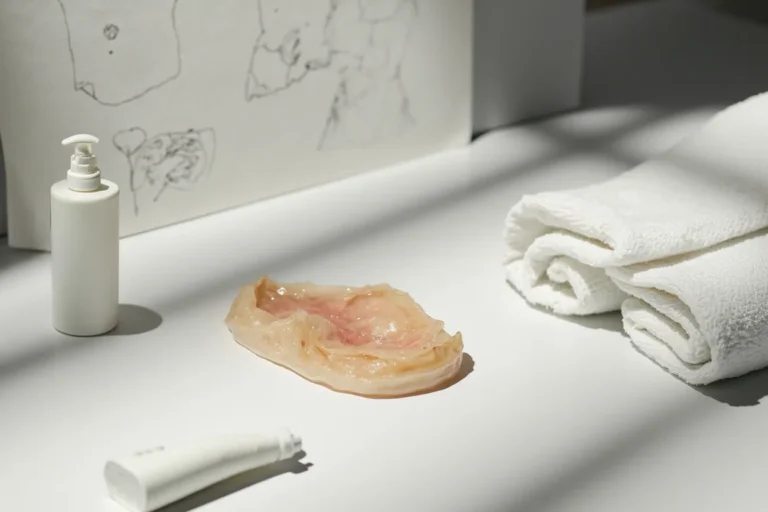
The tattoo looks bright, almost too bright. Plasma oozes, mixes with excess ink, and forms a thin, shiny layer. Some people see ink on their bandage or first washcloth. This is surface ink and carrier fluid, not the tattoo falling out. The area feels warm and slightly puffy. Keep it clean, keep it lightly protected, and do not panic at the fluid.
Days 3 to 7: Scabbing and Tightening
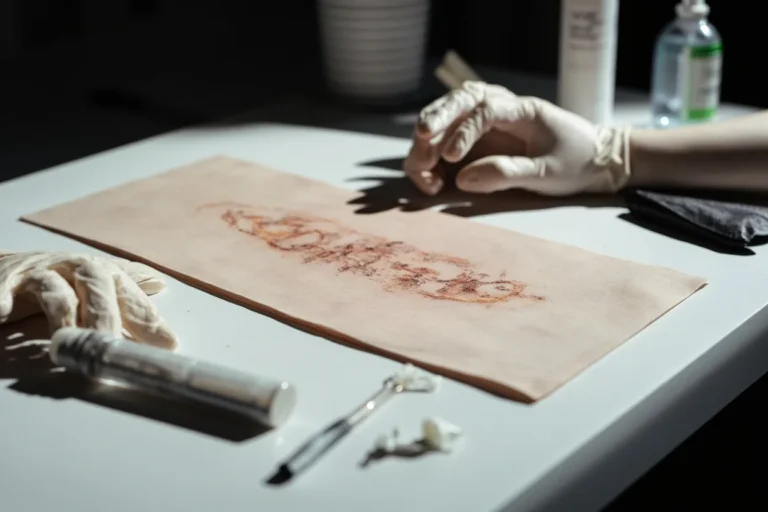
Color dulls as a thin scab or matte film develops. The skin pulls when you move. This is when most people doubt their aftercare. Everything looks worse before it looks better. Continue washing and light moisturizing. The scabs should be thin and flat. Thick, raised scabs usually mean too much product or too little cleaning.
Days 8 to 14: Peeling and Itching
Flakes of dead skin lift away, sometimes carrying tiny dots of color. Underneath, the tattoo looks milky or grayish. That is new skin forming, not ruined ink. The true color re-emerges over the following weeks. Keep moisturizing but scale back frequency as the skin normalizes.
Weeks 3 to 4: Surface Healed, Still Settling
The top layer looks done, but deeper layers continue knitting. The skin may still be slightly raised or textured. This is when you can resume normal activity, though continued sun protection matters. The tattoo will not show its final saturation until roughly six weeks out.
Healing Timeline
Small, simple line work heals fastest, often surface-healed in ten days. Heavy saturation, color packing, and large areas take the full four weeks or more. Black and gray tends to settle quicker than color, though red inks sometimes cause more reactive swelling initially. Location dramatically affects recovery. Inner arms and calves heal easier than feet, hands, ribs, or anywhere with constant bending and friction.
Age, immune health, and season play real roles. Winter healing means dry air and static from wool layers. Summer brings sweat and sun exposure. Neither is ideal, but both are manageable with adjusted routines. Older skin generally takes longer to regenerate. Smokers often see slower healing across the board.
Touch-ups become necessary when healing goes sideways: heavy scabbing, infection, or simply skin that did not hold ink evenly. Most artists include one touch-up in the original price if you return within a reasonable window, often two to six months depending on the studio. Wait until the skin is fully settled before scheduling.
When to Worry
Normal vs. Concerning Symptoms
Some redness and warmth are normal for the first few days. Prolonged spreading redness, red streaks, pus, or fever are not. These suggest infection and need medical attention, not just a call to your artist. Allergic reactions to aftercare products happen too. If you develop a rash that precisely matches where you applied a new ointment, stop using it and switch to something simpler.
Artist vs. Doctor
Your artist knows how tattoos should heal. They do not diagnose infections. When in doubt, see a clinician. You can always get a touch-up. You cannot always reverse scar tissue from untreated infection.
What to Remember
Healing a tattoo well is mostly about restraint. The products are simple. The discipline is what separates clean, saturated results from patchy disappointment. Wash it, moisturize it lightly, keep it out of the sun and water, and let your body do the actual work. Your artist put the ink in skillfully. The aftercare is your half of the collaboration. Treat it like that, and the piece holds for decades.
Frequently Asked Questions
Can I use coconut oil or shea butter on my healing tattoo?
No, both can clog pores and trap bacteria. Coconut oil is comedogenic and too occlusive for open skin. Stick to artist-recommended ointments and unscented lotions until fully healed.
When can I start using sunscreen on my new tattoo?
Wait until the tattoo is fully healed, typically four to six weeks. Before that, keep it covered with clothing. Once healed, use SPF 30 or higher daily to prevent fading and color shift.
Why is my tattoo scabbing thick and raised instead of thin?
Thick scabbing usually means too much moisturizer was applied, or the area was not kept clean enough. It can also result from heavy saturation in the tattoo. Do not pick at it. Let it flatten naturally and contact your artist if concerned.
Is it normal for my tattoo to look faded or cloudy during healing?
Yes, the milky or dull appearance during days seven to fourteen is new skin forming over the ink. True color returns as this layer settles and matures, typically within three to six weeks.