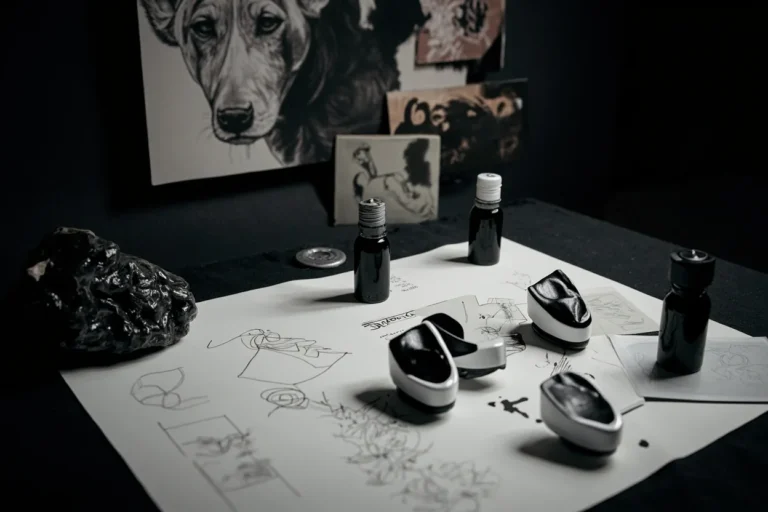
I almost talked myself out of my first dotwork piece because I thought tiny dots meant tiny tattoos. Wrong. Dot art painting canvases can read clean for years if you give the design enough skin, enough contrast, and a placement that doesn’t get chewed up every day. Here’s what I’d save before booking.
- Mandala Dotwork Tattoo Canvas Design
- Acrylic Dot Painting Inspired Fine Line Tattoo
- Dot Art Drawing Ideas For Finger Tattoos
- Easy Dot Art Patterns For Ankle Ink
- Constellation Dot Art Canvas On The Forearm
- Layered Dotwork Canvas For Botanical Tattoos
- Colorful Acrylic Dots In Watercolor Tattoo Style
- Dot Art Canvas For Minimalist Wrist Ink
- Sacred Geometry Dot Painting On The Sternum
- Gradient Dotwork Canvas For Shoulder Tattoos
- Dot Painted Floral Canvas On The Calf
- Blackwork Dot Art Canvas For Back Ink
- Tiny Dot Art Canvas Behind The Ear
- Dotwork Mandala Canvas For Thigh Placement
- Red Ink Dot Painting For Meaningful Tattoos
- Dot Art Patterns For Matching Finger Ink
- Pointillist Dot Canvas For Rib Tattoos
- Hand Poked Dot Art Canvas Concepts
- Dot Painted Lettering Canvas For Inner Arm Tattoos
1Mandala Dotwork Tattoo Canvas Design
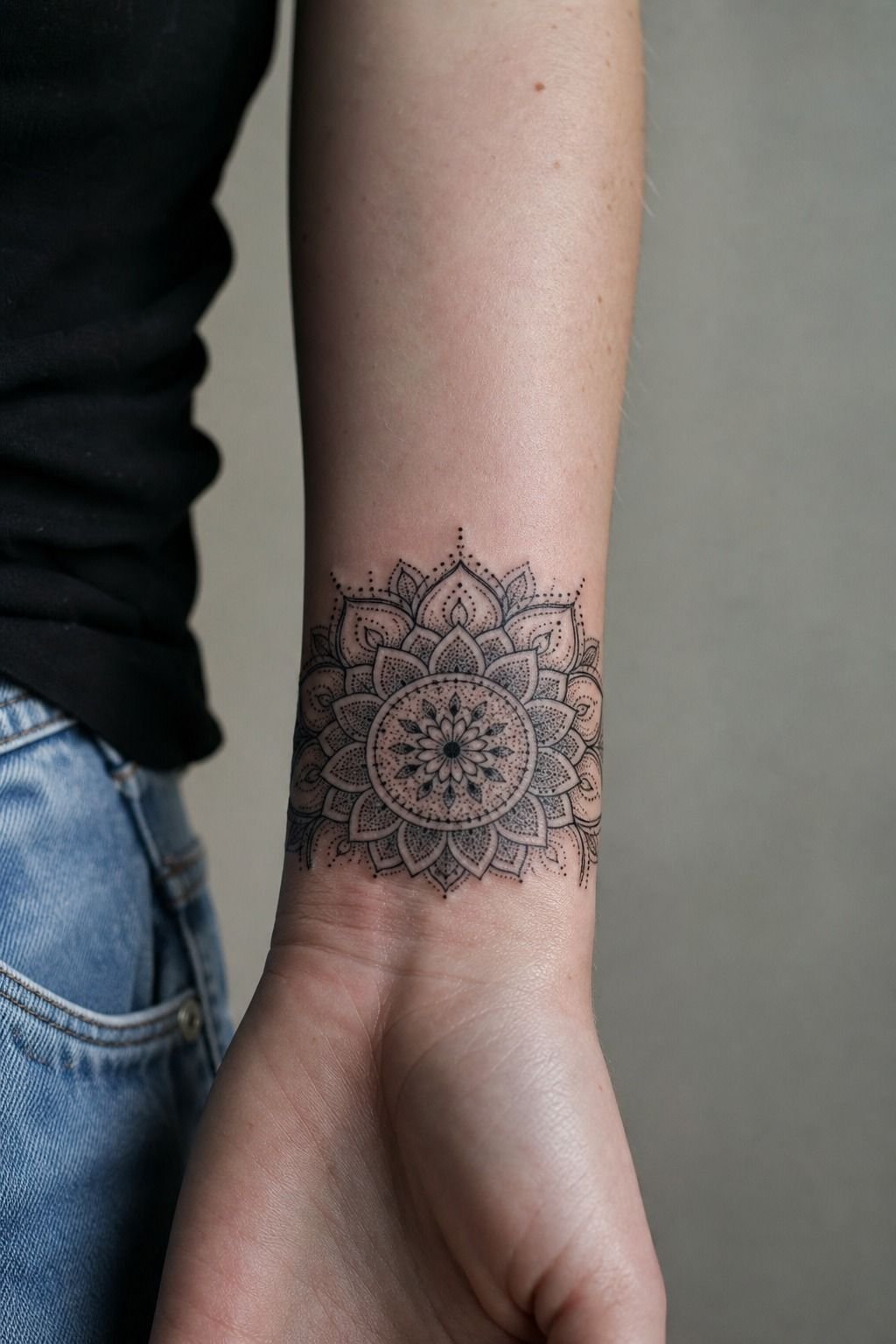
Start with a mandala that has a clear outer edge, then let the smaller dots soften toward the center. On a fair wrist, that black stippling looks refined when the circle sits just above the wrist crease instead of fighting the joint.
I’d keep the design around 2 to 3 inches wide. You want your artist using black tattoo ink and deliberate dot spacing, not packing every gap until it becomes a dark coin.
A mandala needs air. If you want more reference before committing, look through this aesthetic mandala art guide.
2Acrylic Dot Painting Inspired Fine Line Tattoo
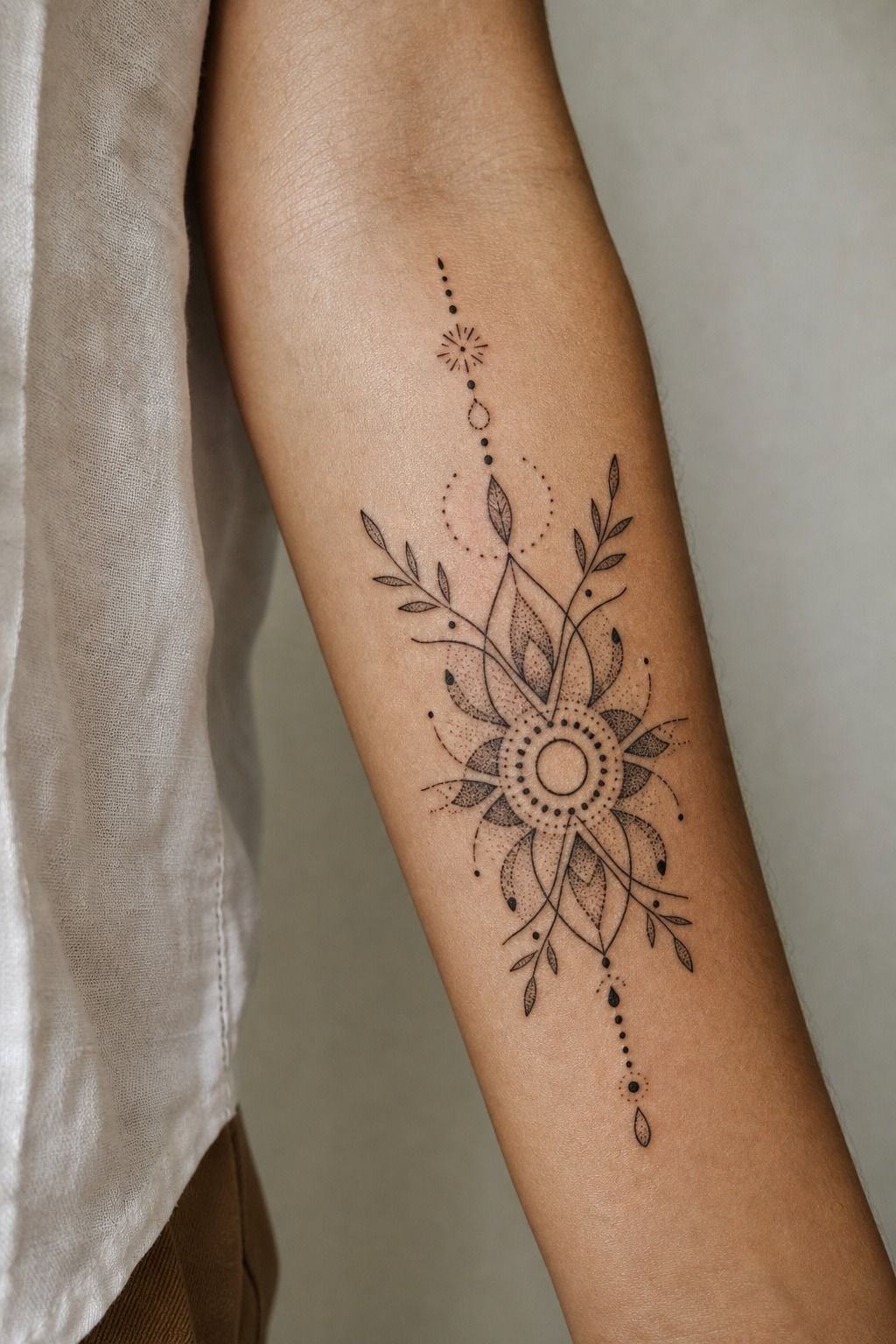
Use a fine-line outline as the anchor, then scatter dot clusters like an acrylic paint fade across your inner forearm. The result can feel soft and modern, but only if the linework stays crispy.
Your artist should pull the outline in one clean pass, then build the dots with a single-needle cartridge or a small round liner. Don’t ask for fifty microscopic marks inside a 1-inch leaf. That’s gonna heal into soup.
Give the motif 3 to 4 inches of forearm so it breathes and ages nicer.
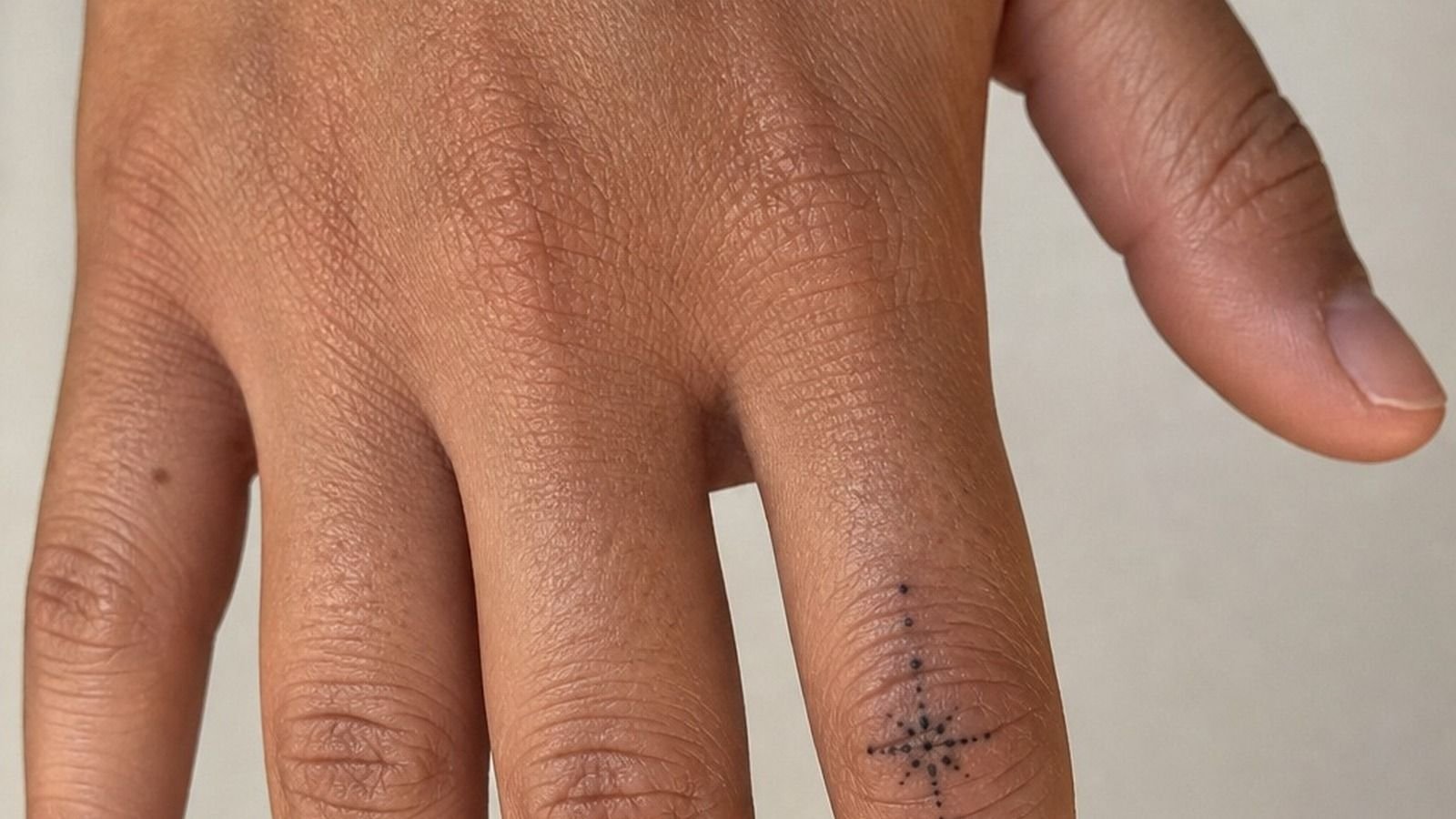
3Dot Art Drawing Ideas For Finger Tattoos
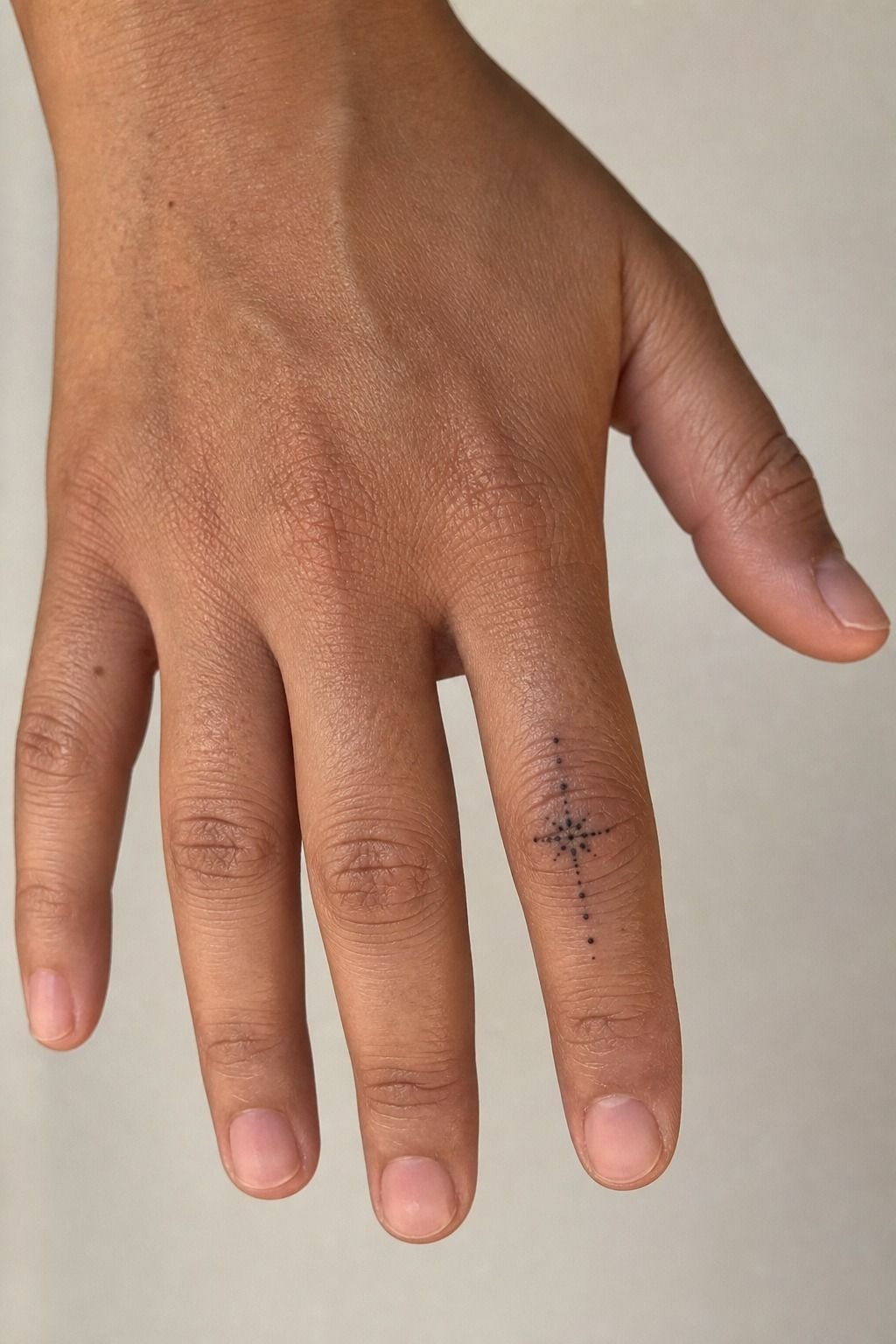
Keep finger dotwork brutally simple. Three dots, a tiny crescent, a short ornamental band, or one symbol with open skin around it all make more sense than a full miniature mandala.
Fingers are high-wear zones, so your healed black ink may fade or need a touch-up. I tell clients this every time: hands are for people who accept maintenance. If the meaning matters more than perfect longevity, a small three-dot layout can still be solid.
Read the symbolism first in this three dot hand tattoo meaning guide.
4Easy Dot Art Patterns For Ankle Ink
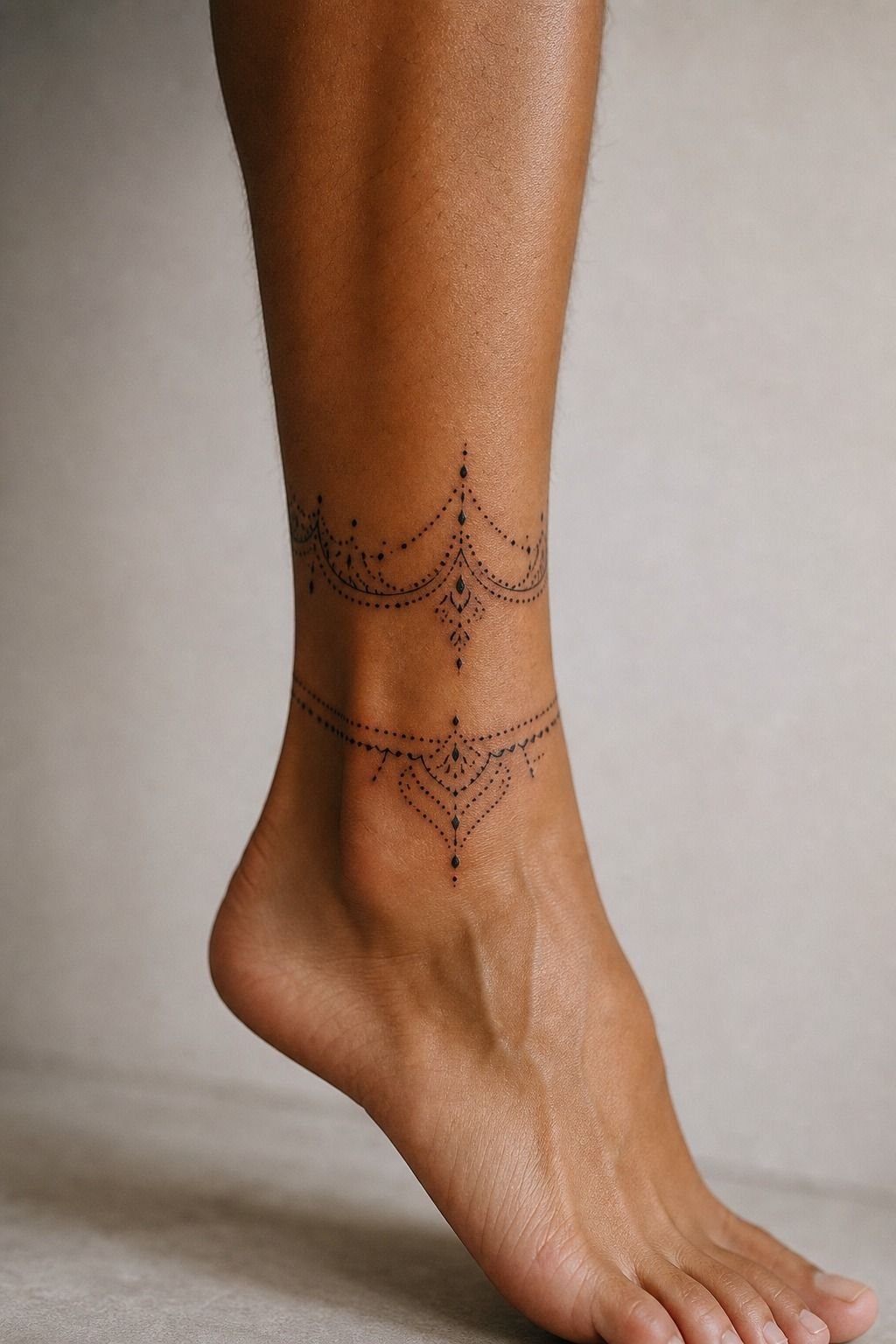
Wrap a dot pattern slightly above the ankle bone, where your design can follow the leg instead of getting chopped by the shoe line. A narrow orbit of dots, stars, and tiny black leaves looks calming there.
You’ll want an open shape, around 3 inches tall, because the ankle has curves and friction. Grey wash ink can make the fade gentle, but I’d skip pale dots with no black anchor.
Socks, boots, and sun will test them. Keep the darkest dots on the outer ankle where you can still see the flow.
5Constellation Dot Art Canvas On The Forearm
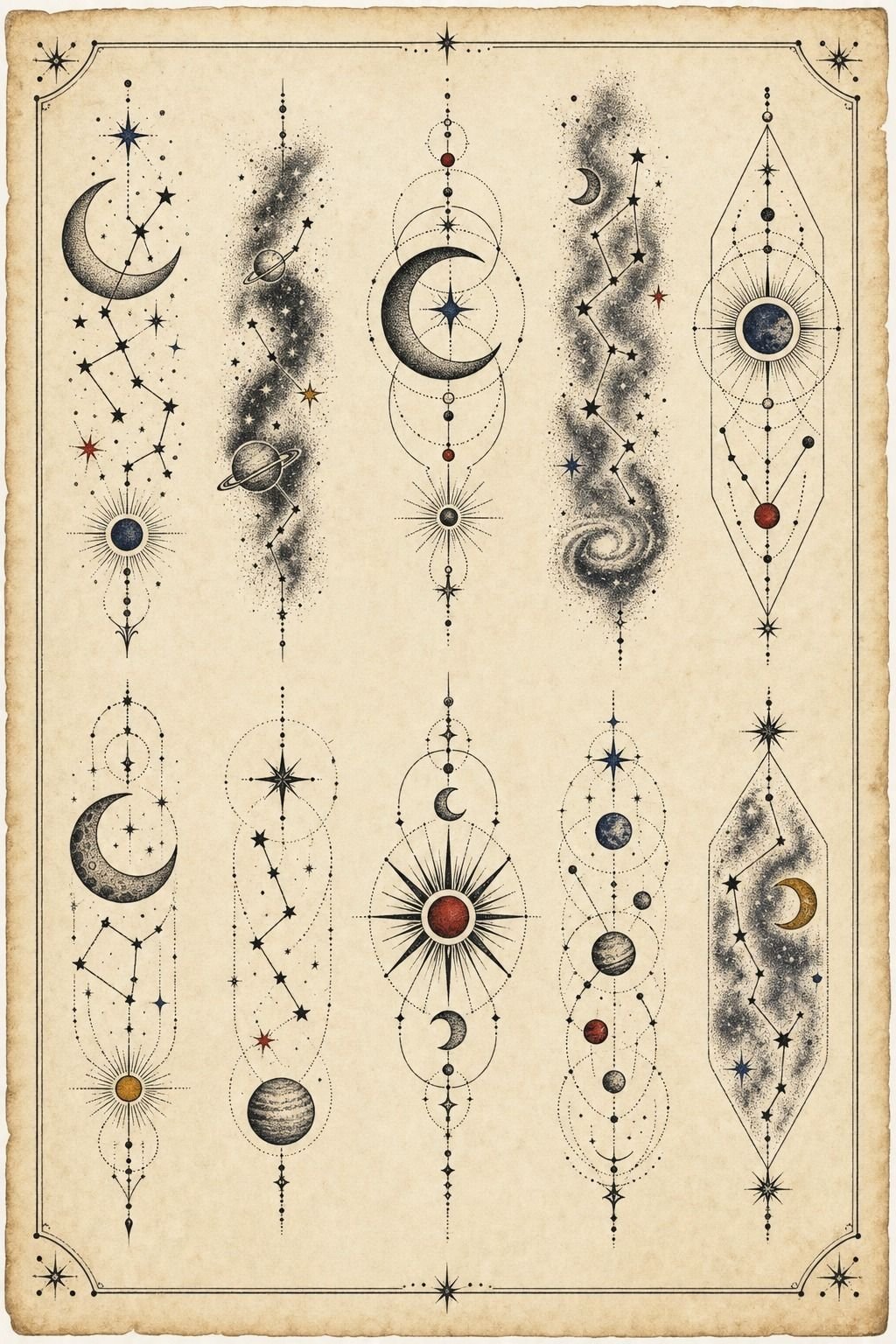
Build a constellation as a flash-style composition, not an exact Pinterest copy. A few larger stars, connecting lines, and dot clusters give your forearm a captivating pattern that reads from across the room, well, across the coffee shop.
Bring a reference sheet with your favorite layouts, then let the artist redraw it for your arm. Aged flash paper looks cool in the photo, but the tattoo needs a custom fit for your muscles.
I’d choose a constellation with personal meaning over a random zodiac chart. Your skin isn’t a printable canvas.
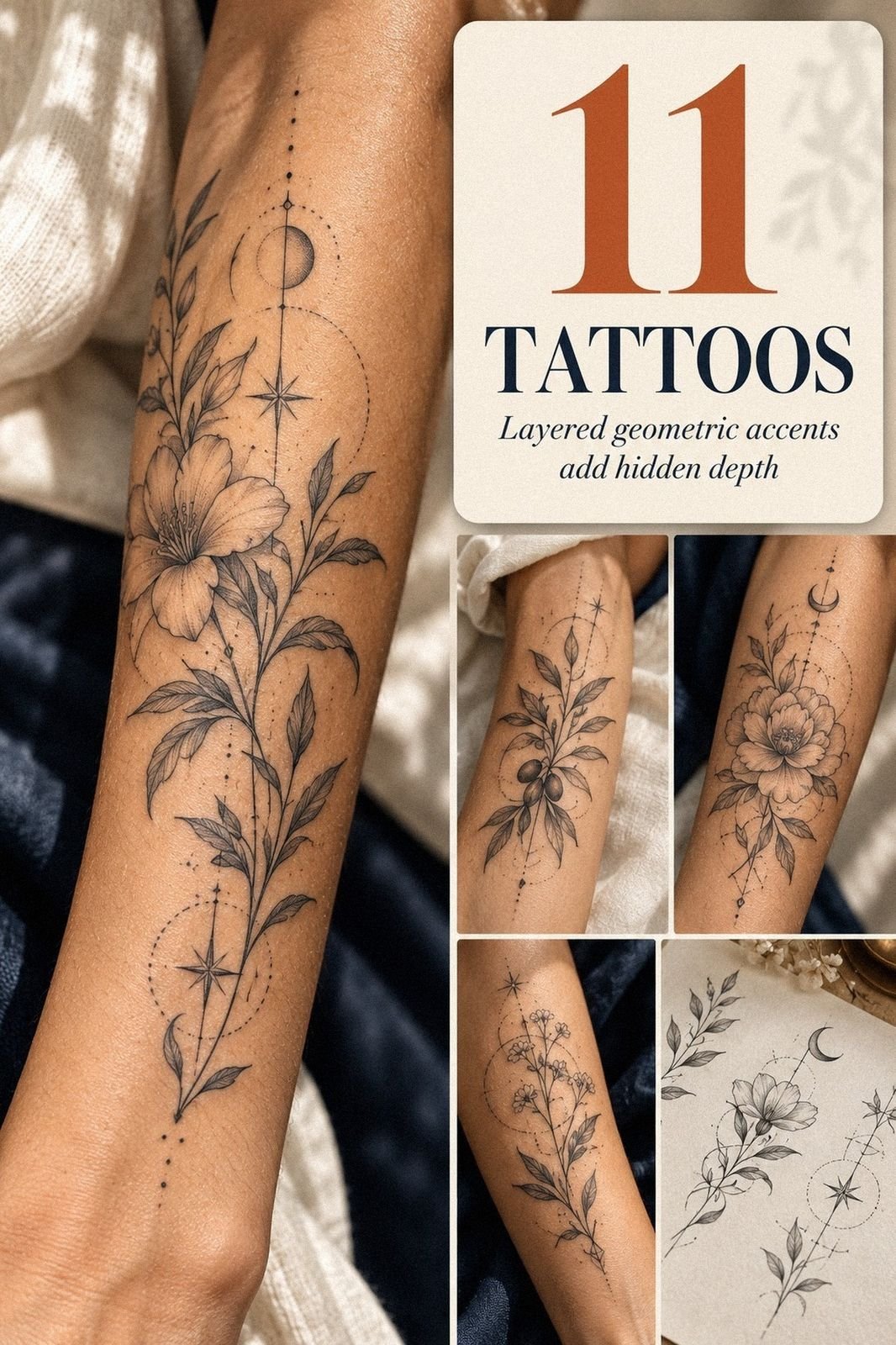
6Layered Dotwork Canvas For Botanical Tattoos
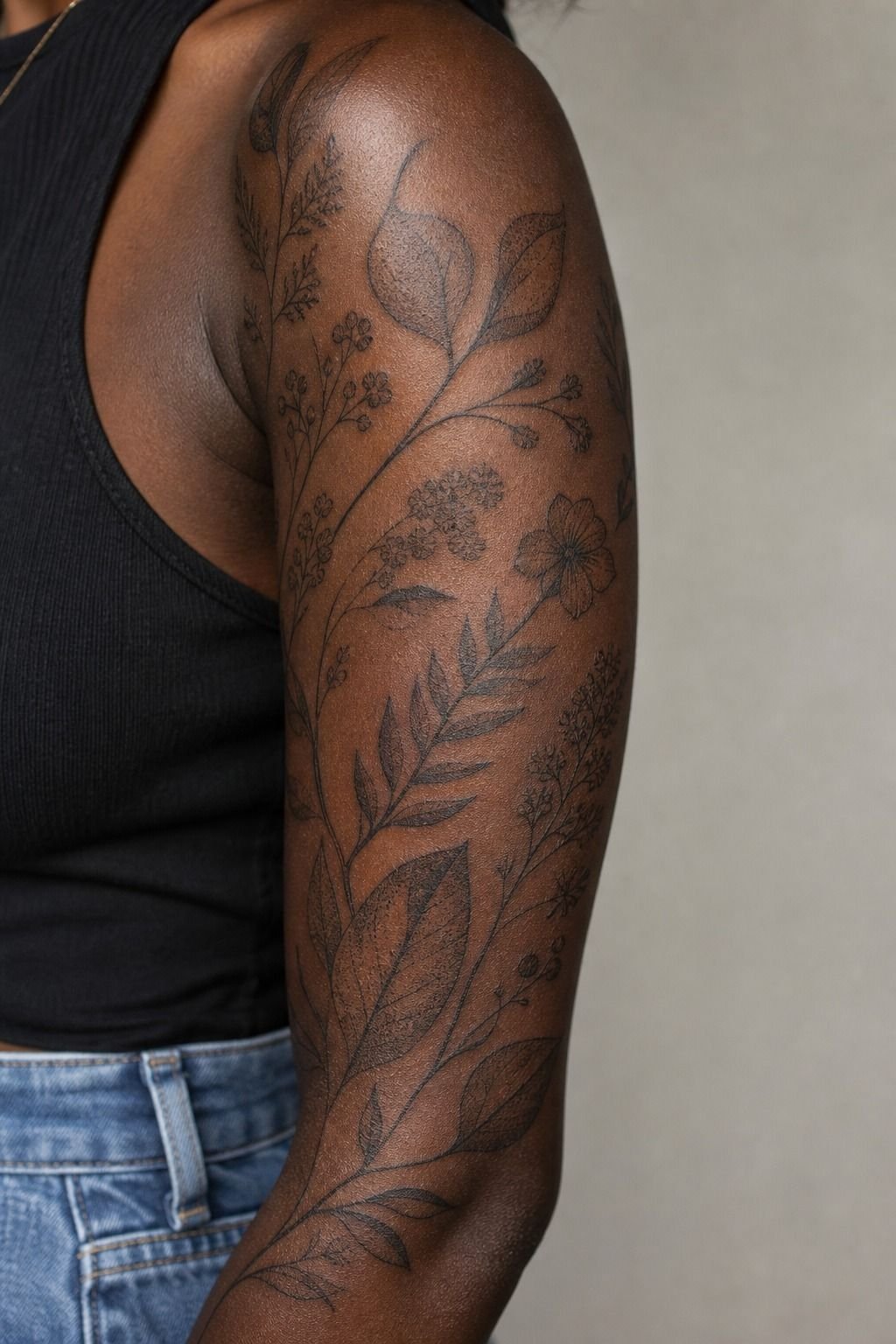
Layer botanical stems over dot shadows on the upper arm, where the roundness gives leaves a natural lift. On deep ebony skin, I’d push the contrast with clean black outlines and larger stipple fields so the tattoo doesn’t heal flat.
Ask for black and grey ink with negative space inside the petals. You need those breaks.
Fine dots alone can disappear visually on a fuller botanical design, while black leaves hold the composition together. And yes, a bolder outline is the better call here.
It’ll stay readable while softer details settle in.
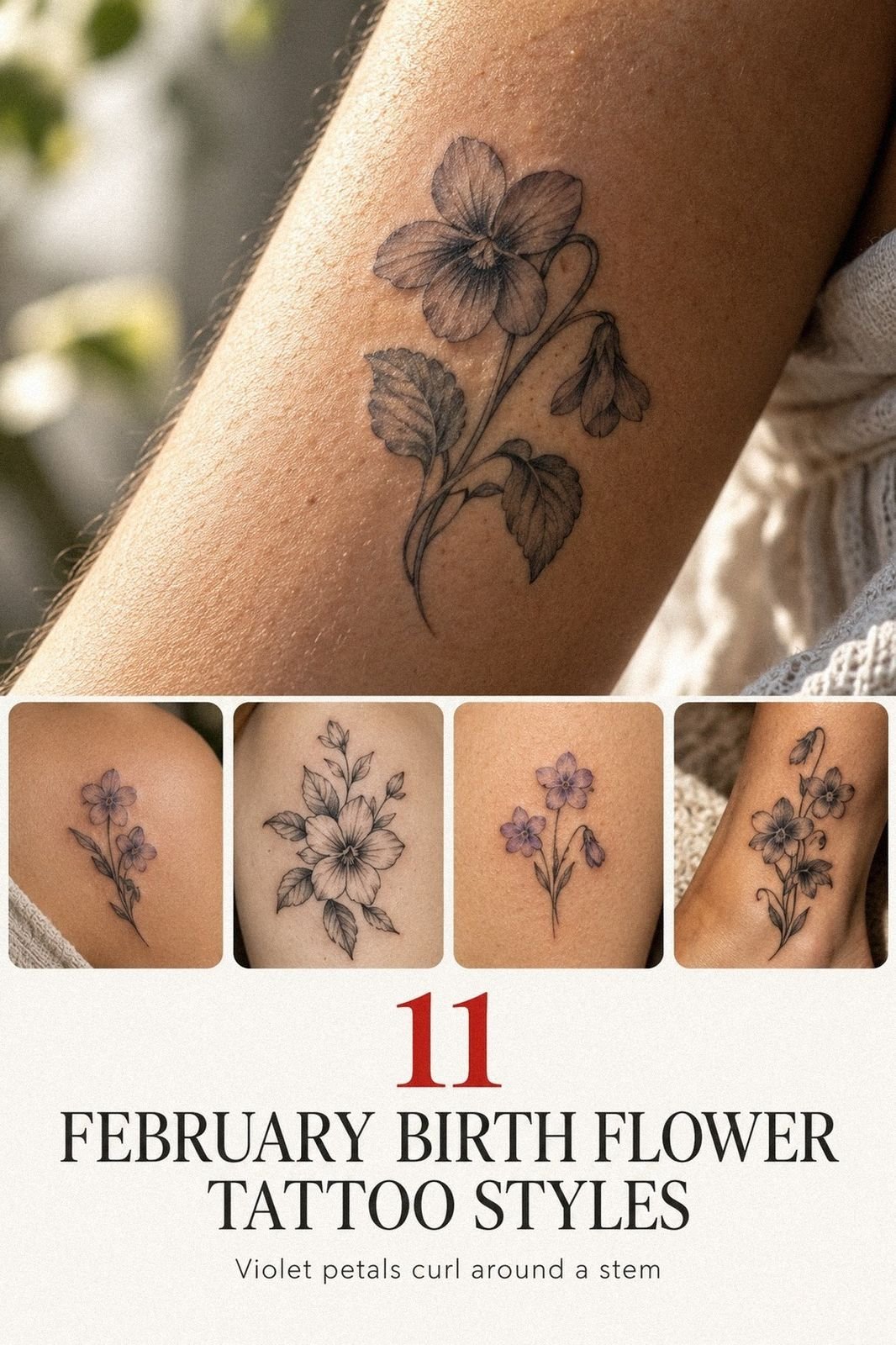
7Colorful Acrylic Dots In Watercolor Tattoo Style
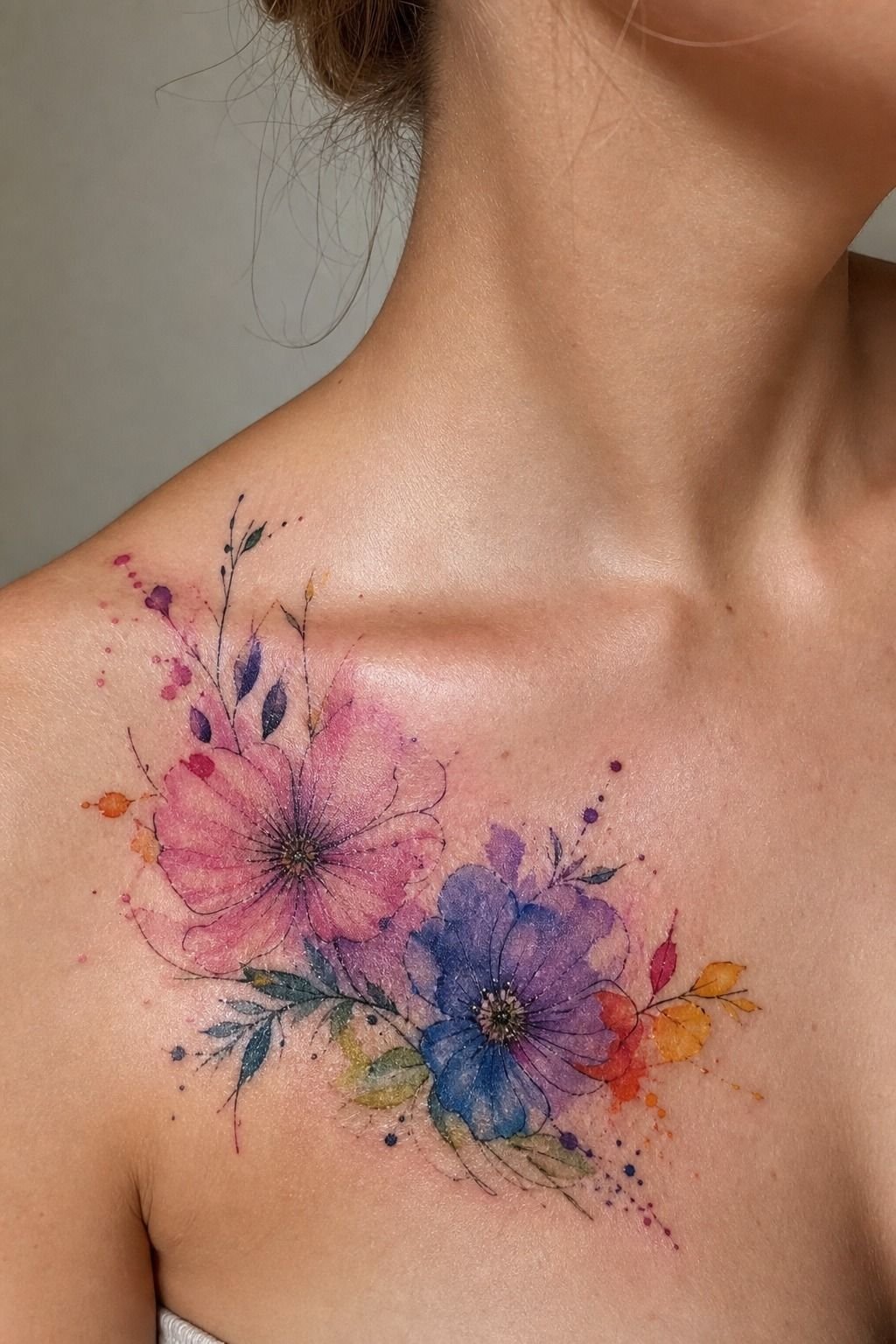
Anchor watercolor dots with linework. Always. A collarbone splash in coral, violet, and blue can look dreamy on fair skin, but loose color with no structure often turns patchy after healing.
Your artist can use red pigment, blue, and violet in controlled stipple clusters, then lock the design down with a black stem, moon, or abstract shape. Color packing is the spiciest part, so don’t sit there trying to prove something. Tap out for five rather than pass out on me!
Keep the shape at least 4 inches wide.
8Dot Art Canvas For Minimalist Wrist Ink
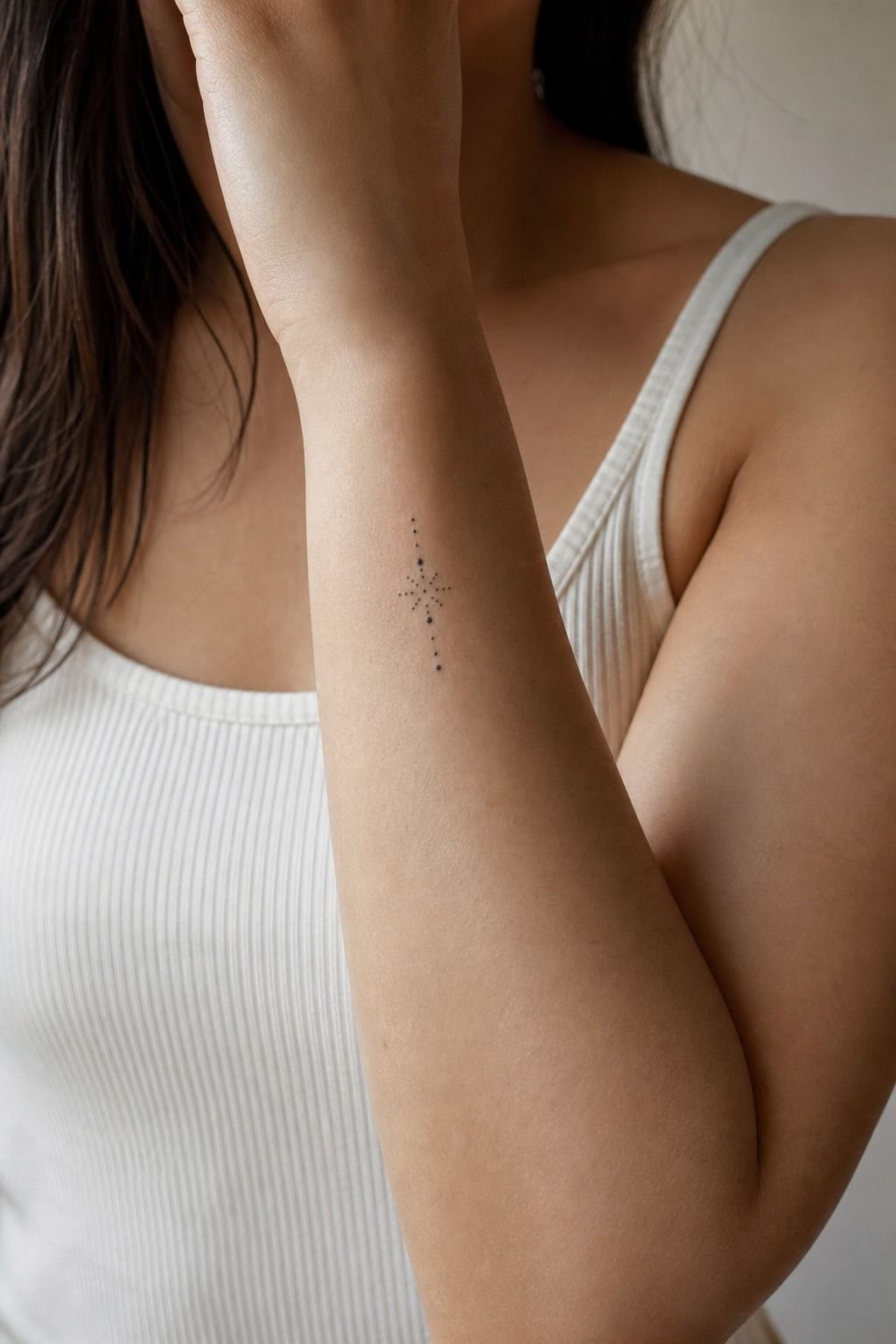
Choose one quiet symbol for a minimalist wrist piece: a small orbit, a tiny flower center, or three dots inside a thin circle. That’s enough. Your wrist already gives the tattoo plenty of attention.
I’d place it about one finger-width above the crease, using single-needle black ink and a size closer to 1.5 inches than a half-inch. You’ll see it daily, which makes this a good spot for a meaningful piece.
But skip fine script wrapped around the wrist. The movement makes delicate lettering blur faster than people expect.
9Sacred Geometry Dot Painting On The Sternum
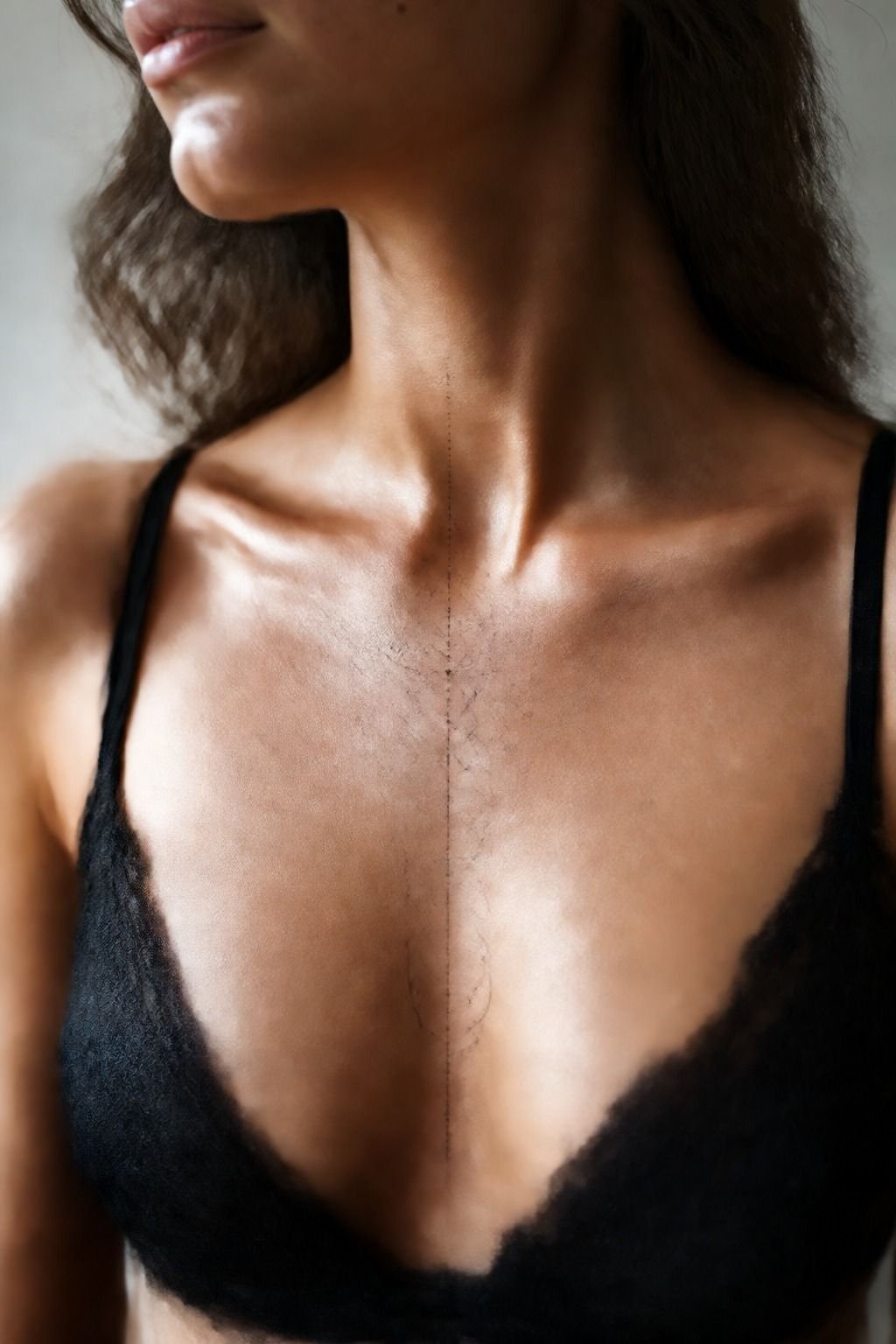
Frame sternum geometry around the body’s centerline instead of dropping a flat symbol in the middle. A diamond, lotus, or radiating circle can look dramatic when the dots widen toward the ribs and tighten near the breastbone.
This placement is spicy. Your sternum tattoo stencil should be checked while you stand, sit, and breathe, because symmetry shifts with your posture.
I’ve seen people chase perfect ruler-straight geometry and forget they’re human. Let the artist adjust the design to your anatomy.
It’ll look better in real life.

10Gradient Dotwork Canvas For Shoulder Tattoos
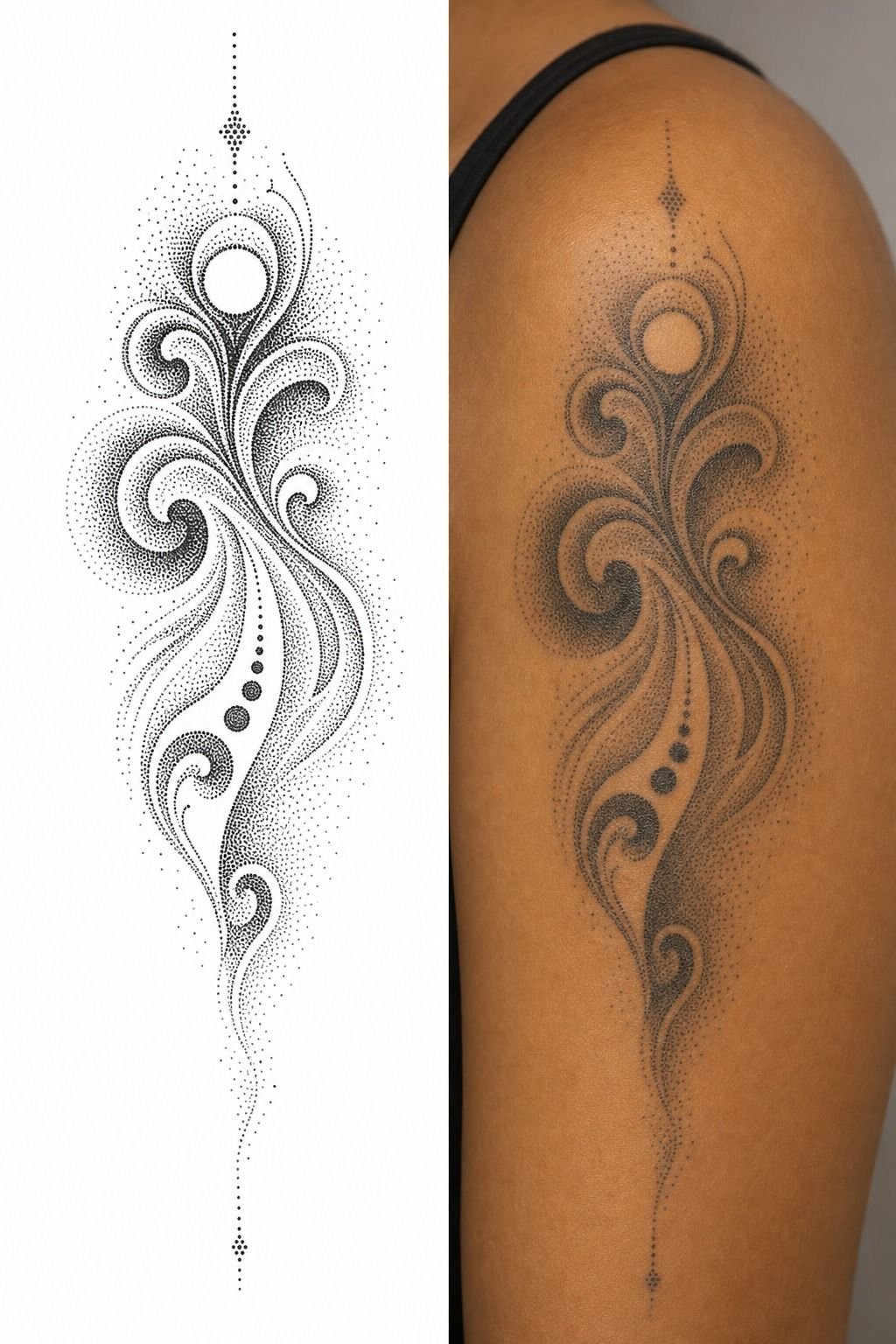
Use a stencil-to-healed comparison as your reality check. The fresh drawing may show every tiny dot, while the healed shoulder version needs enough spacing for the gradient to remain soft instead of muddy.
A shoulder is low-wear and fairly chill for pain, so you can go bigger, around 4 to 6 inches. Medium grey wash gives you a peaceful fade behind a black flower, moon, or geometric arch.
But don’t make every dot the same size. That’s the fastest route to a flat-looking tattoo.
11Dot Painted Floral Canvas On The Calf
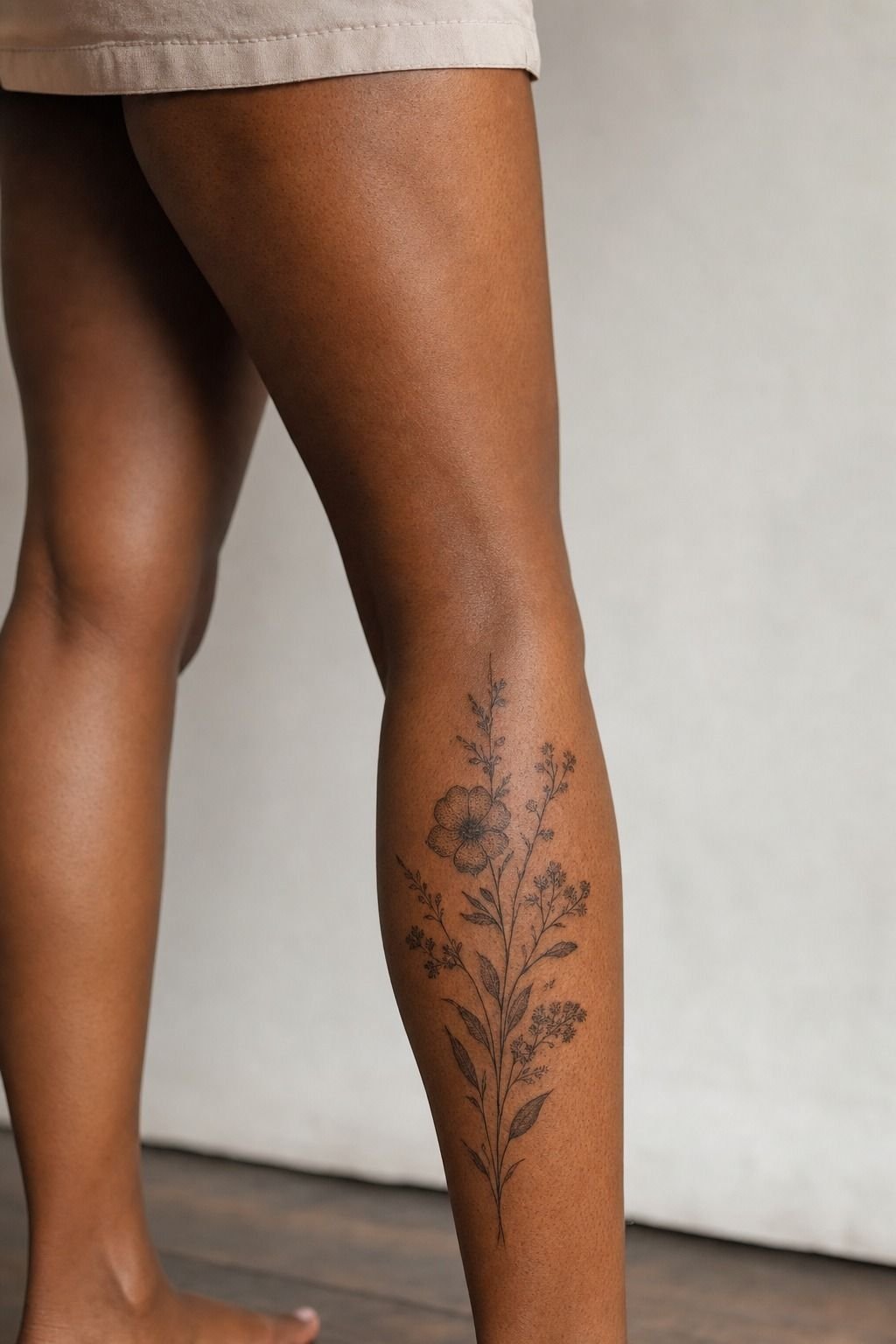
Let a floral dotwork piece climb the calf on a diagonal.
12Blackwork Dot Art Canvas For Back Ink
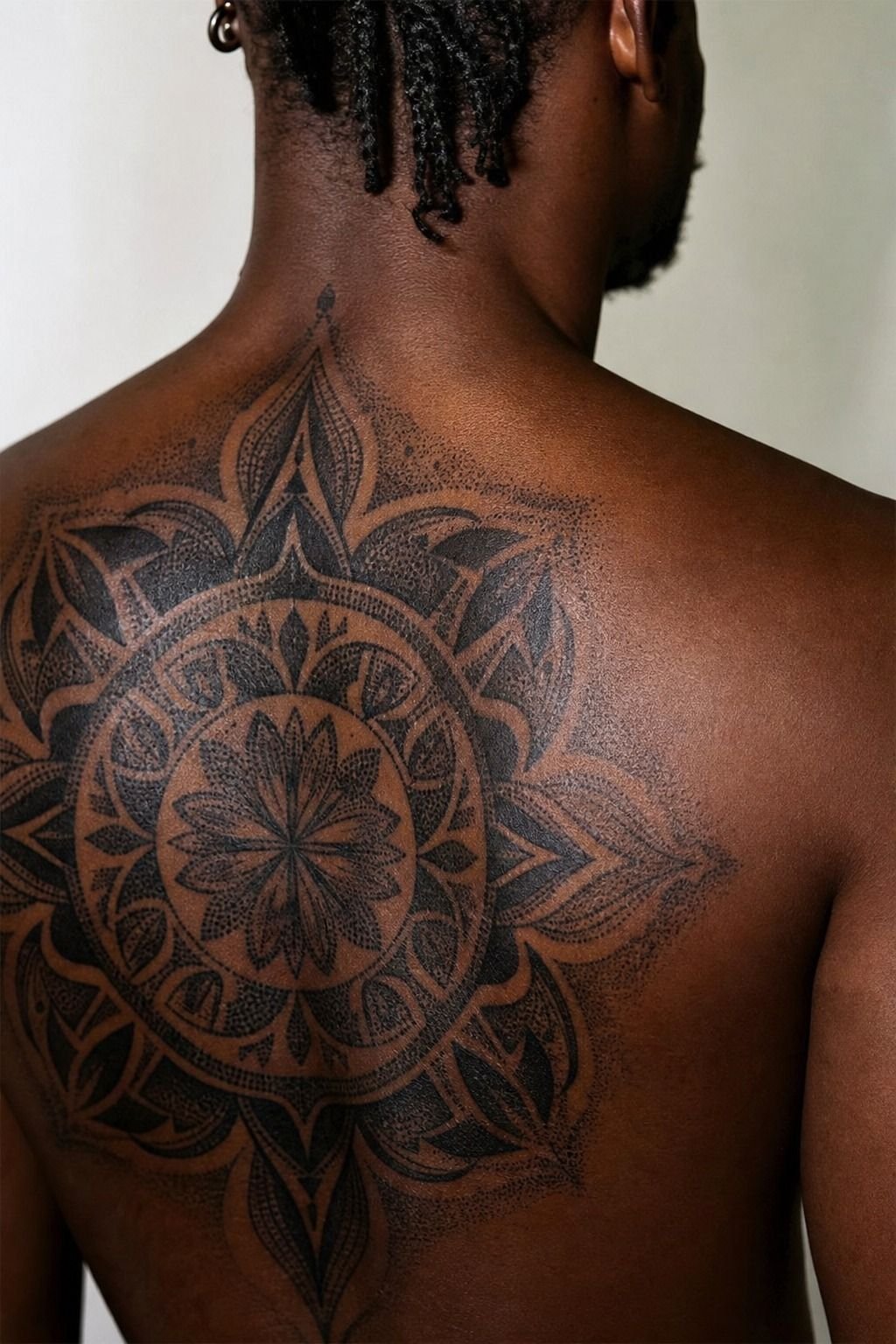
Go bold on the upper back. A blackwork field with dot texture, negative-space circles, and smooth grey shading can look timeless because there’s enough skin to let the contrast do its job.
Your artist should use large magnum needles for solid fill and build the stippling after the black is clean. Don’t scratch at it fifty times.
Overworked skin heals rough, and rough skin won’t give you that velvety finish. I’d skip a tiny micro-realism concept here. Your back deserves something with weight.
13Tiny Dot Art Canvas Behind The Ear
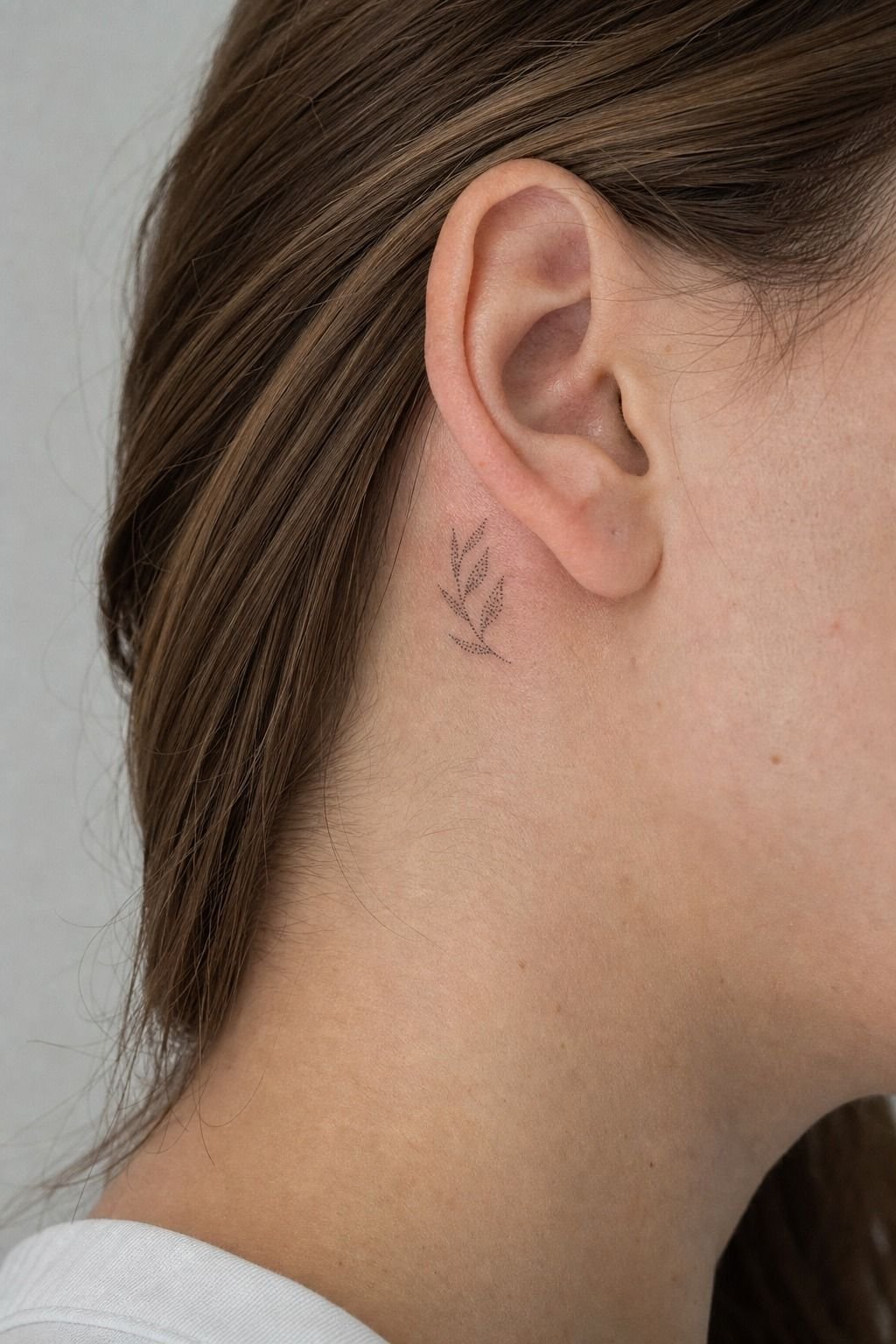
Pick one compact mark behind the ear: a dot halo, a tiny star cluster, or a minimal crescent. It’s intimate, visible when you want it to be, and easy to hide with hair when you don’t.
That skin is thin, so the lines feel sharper than your forearm. Use fine-line black ink, but don’t go smaller than about 1 inch if your design has multiple dots.
You’ll also need to be careful with hair products and headphones while it heals. Gentle soap. Thin ointment.
No picking, even when it gets flaky.
14Dotwork Mandala Canvas For Thigh Placement
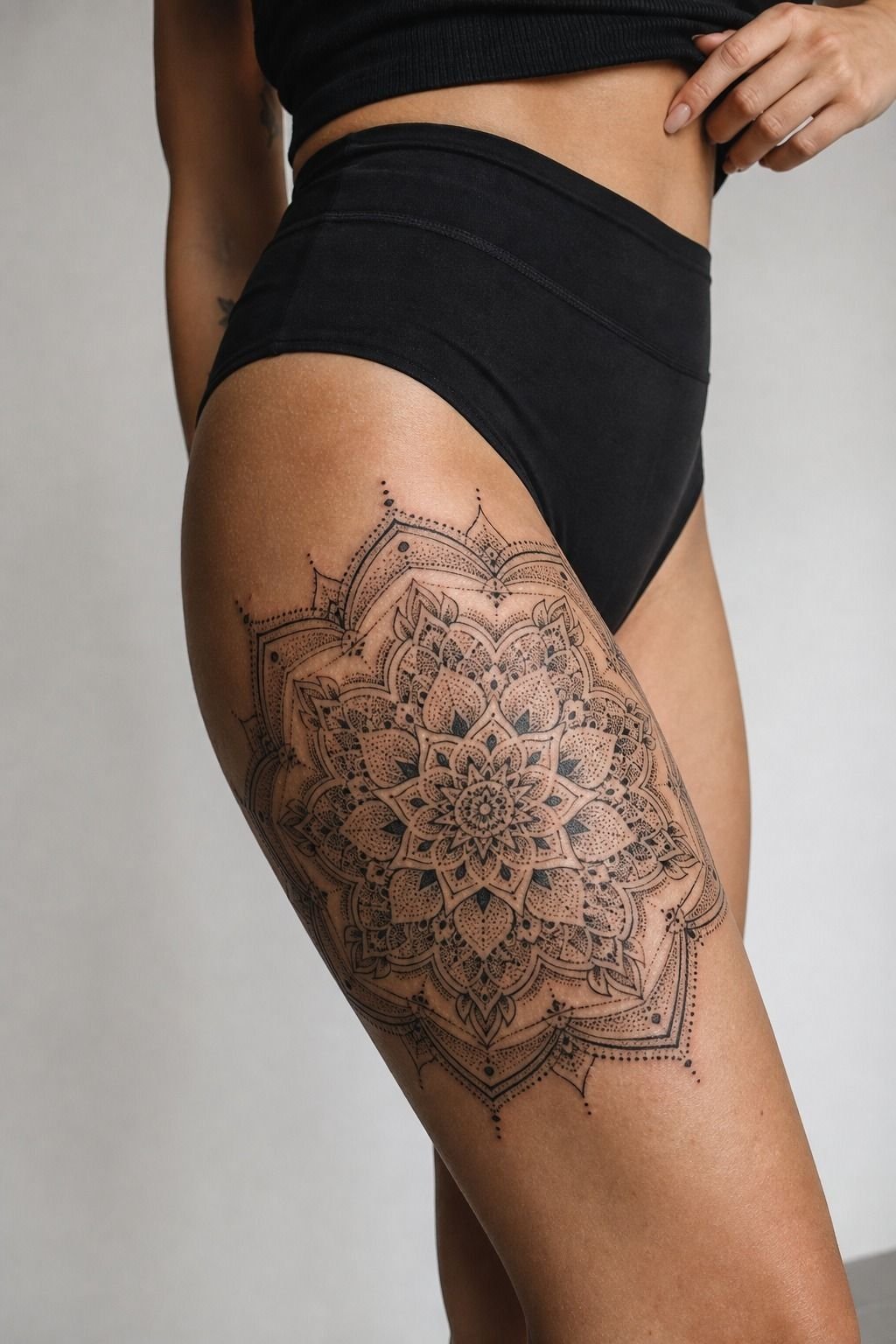
Build a thigh mandala with a large center and open dot rings that follow the leg’s curve. This is one of my favorite placements for detailed dotwork because you get room without constant sun and friction.
A 6-inch mandala stencil gives the artist enough space for crisp petals, black accents, and a subtle gradient. Your thigh is also more forgiving than ribs or sternum, so longer sessions feel manageable.
Want more flash references? Browse this tattoo flash art collection.
But make the final drawing yours.
15Red Ink Dot Painting For Meaningful Tattoos
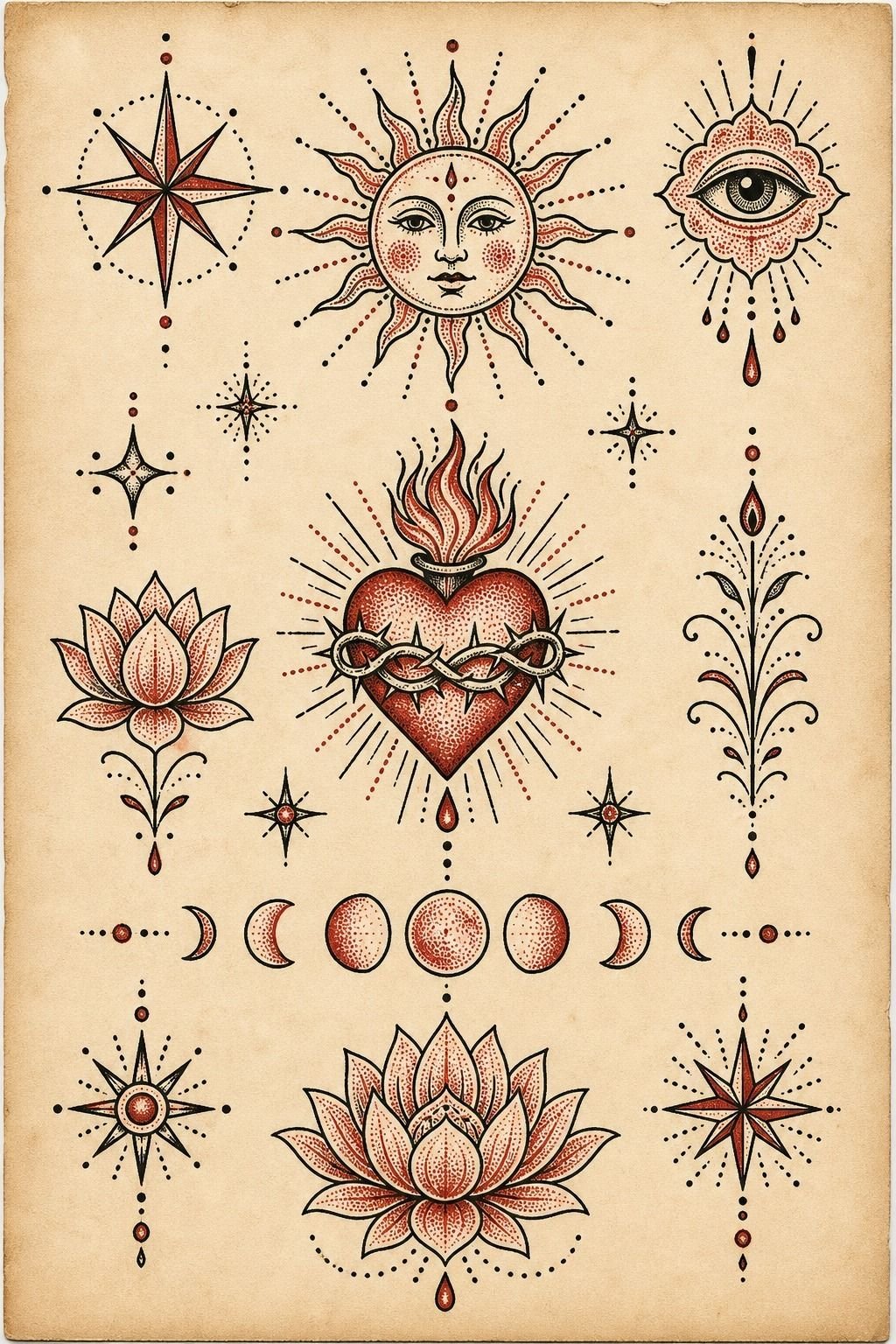
Use red ink as spice, not the whole meal.
16Dot Art Patterns For Matching Finger Ink
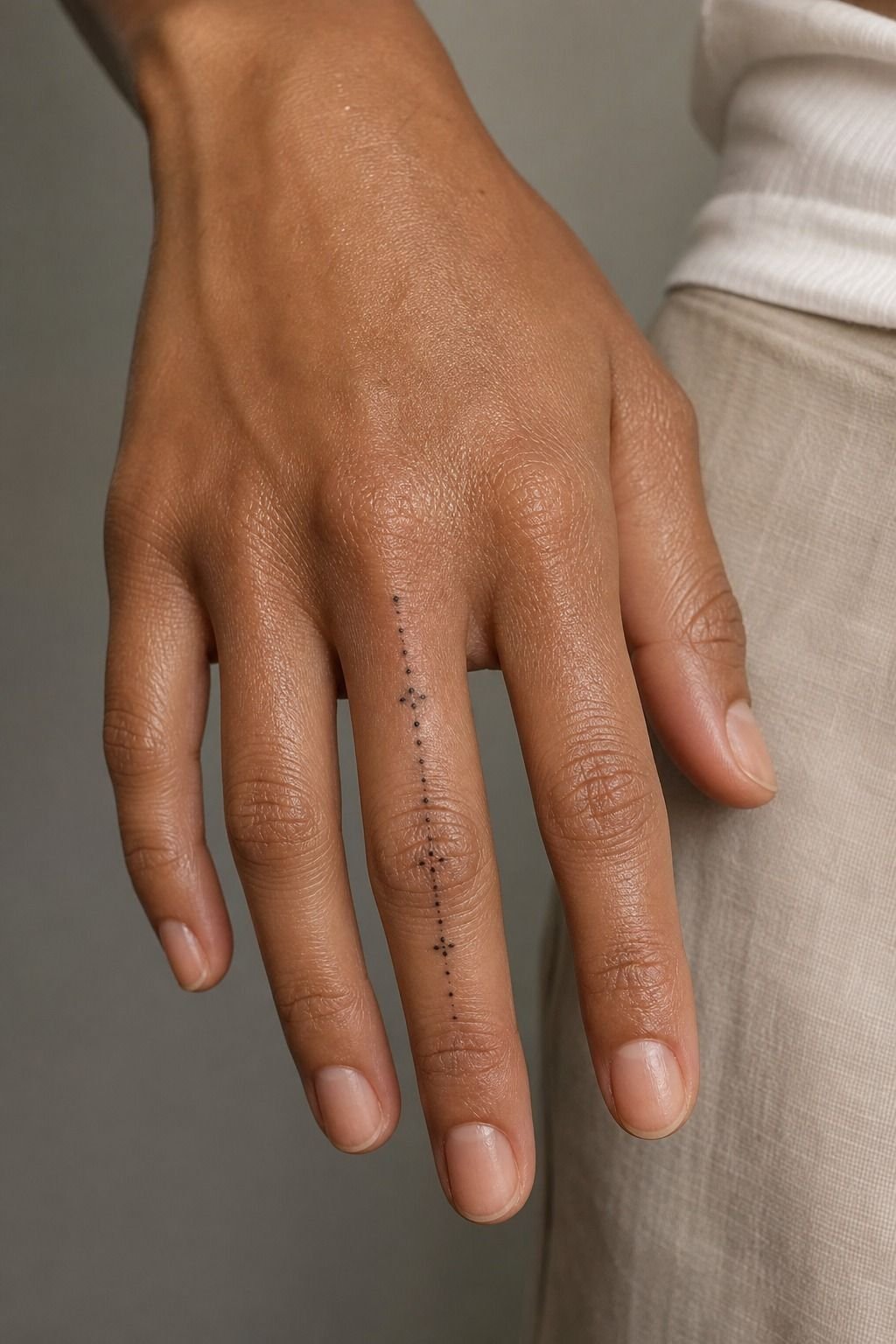
Match the concept, not every pixel. Two hands can carry mirrored dot bands, paired stars, or matching three-dot symbols while still fitting each person’s finger shape.
A clean black dotwork band works better than matching micro-detail. You and your person may have different skin texture, different wear, and different pain tolerance.
That’s normal. I’d rather see two tattoos that heal nice on each hand than matching designs forced into bad sizing. Cute matters.
Longevity matters more.
17Pointillist Dot Canvas For Rib Tattoos
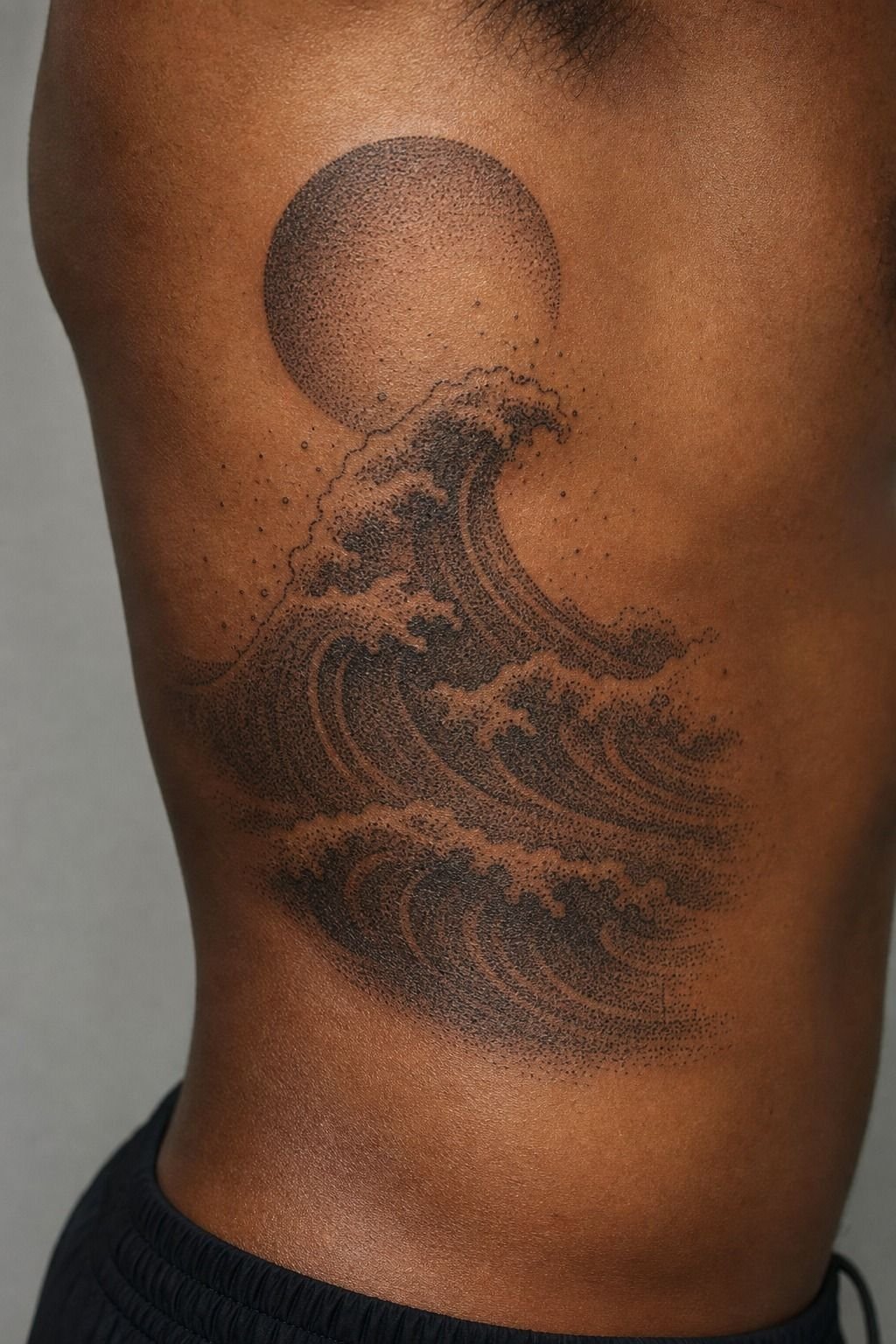
Let pointillist dots fade outward from one focal image on the ribs. A moon, botanical branch, or abstract orbit can feel serene there because the body gives you a wide, moving surface.
Ribs are spicy, full stop. Lines feel sharp, shading is a dull burn, and you’ll notice every breath.
Use black stipple shading with enough open skin so the design doesn’t become one dark patch. I’d book this in a session you can handle, not after a long week when you’re already fried. Eat first!
18Hand Poked Dot Art Canvas Concepts
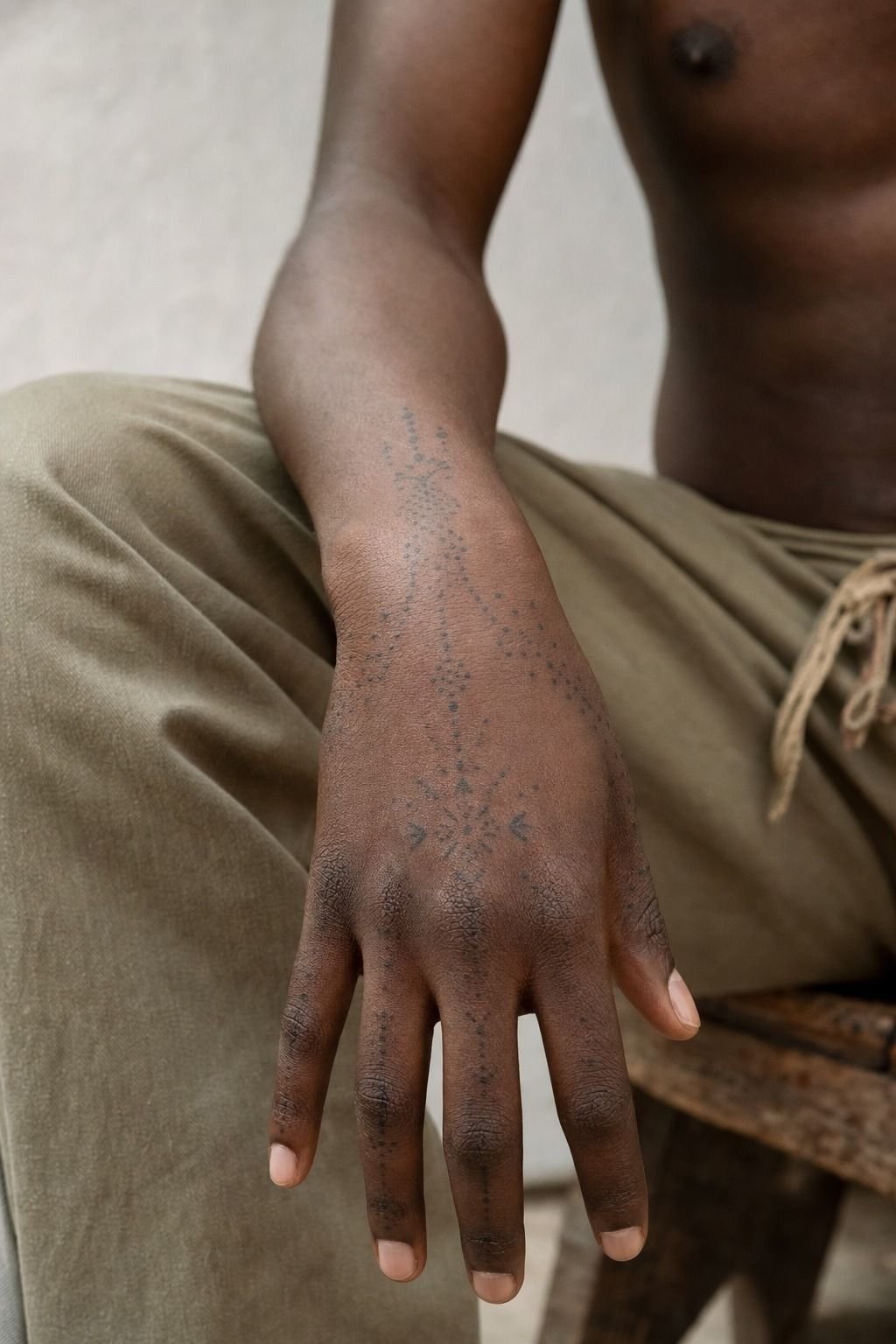
Choose hand-poked dots for the texture, not because you think it’s automatically easier or cheaper. Hand poke can leave a charming, slightly organic rhythm, especially for small symbols on the hand, but it still needs a clean, experienced artist.
Your artist should show healed examples using hand-poke needles and explain how they build consistent saturation. A tiny dot constellation can take longer than you’d think.
And your hand will fade faster than your upper arm. If you want the look without the high-wear headache, bump it up the forearm.
19Dot Painted Lettering Canvas For Inner Arm Tattoos
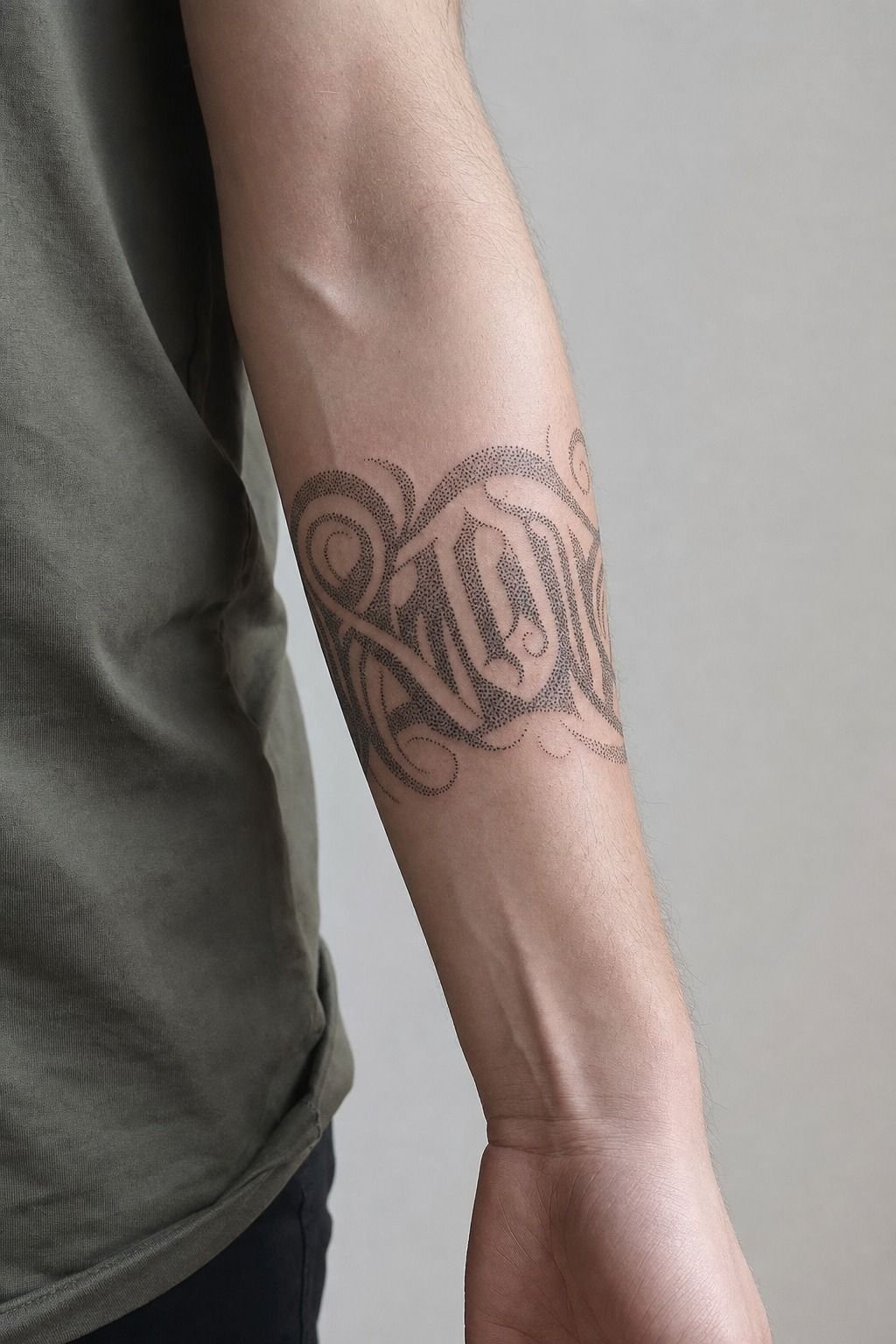
Frame inner-arm lettering with dots that create a soft shadow, not a noisy border. One word, a short date, or a small phrase can look elegant when the dots taper away from the baseline.
Use black lettering ink with enough letter height to survive healing. I’d avoid ultra-thin cursive under 1 inch tall, especially if you want dots tucked between every letter.
Your inner arm can be tender, but it’s a decent placement for readability. For illustrated lettering references, this art Chicano tattoo guide shows why clean contrast beats fussy detail.
The Breathing-Room Rule I Wish More Clients Knew
I’ve learned that dotwork succeeds or fails before the needle touches skin. It’s not about whether the reference looks delicate on a phone. It’s about whether the design has room to live on you.
Clients sometimes show me a screenshot with a 1-inch mandala, six layers of dots, tiny lettering, and shading packed into every empty corner. It looks refined at full zoom. On a moving wrist?
That size is gonna mush out. The dots spread a little over years, the skin flexes, and the tiny gaps stop reading as gaps.
Then you’re left with a grey blur that was supposed to be a meaningful little universe.
So I make the call early. If you want detail, I move it to the thigh, upper arm, calf, or back.
If you want a wrist or finger tattoo, I simplify the design until it can breathe. Sometimes that means one flower instead of three.
Sometimes it means a bold black dot instead of a whole galaxy. But the result is better.
It reads clean from normal distance, heals soft, and doesn’t need you to explain what it is.
I made the mistake of agreeing to an over-detailed tiny concept once early in my career. The client loved it fresh, then came back after it healed frustrated that it looked crowded. Fair.
I should’ve pushed back harder. Now I do. Your tattoo isn’t a test of how much detail we can cram into a small patch of skin.
It’s a mark you’ll wear through sun, movement, weight changes, workouts, and regular life. Give it room.
Bold will hold.
Dotwork Cost, Healing, and Placement at a Glance
Your first few days are an open-wound situation, so treat them like that. Wash with gentle unscented soap, use a thin layer of aftercare, and don’t suffocate the tattoo. Pools, hard gym friction, and direct sun can mess with a fresh piece fast.
What People Always Want to Know
How much does a dot art tattoo usually cost?
A dotwork tattoo usually costs about $100 to $300 for a small to medium design, though shop minimums often run $50 to $100 and hourly rates commonly land around $100 to $250. Clear pricing expectations help you choose the right size instead of rushing the artist.
Is a dot art tattoo a good first tattoo?
Yes, especially if you choose a simple forearm, shoulder, or thigh design with bold enough dots. A forgiving placement gives you lower pain and better healing odds than fingers or ribs. Your first tattoo doesn’t need to be tiny to feel personal.
How do I choose a tattoo artist for a dot art tattoo?
Look for healed work, not just fresh photos. You want clean dot saturation, confident lines, and a studio that takes hygiene seriously. Check whether the artist specializes in fine line or dotwork, then bring references for vibe only, not a demand for an exact copy.
How much does a dot art tattoo hurt?
Pain depends on placement. Ribs, feet, hands, and sternum are usually spicier, while outer forearm, thigh, and shoulder tend to be more tolerable. A smart placement matters more than pretending pain tolerance is a personality trait.
How long does a dot art tattoo take to heal?
Surface healing usually takes 2 to 3 weeks, while the tattoo can take 2 to 3 months to fully settle. Gentle aftercare keeps color and dots cleaner. Wash, moisturize lightly, avoid sun and pools, and don’t pull peeling flakes.
What’s the best placement for a dot art tattoo?
The outer forearm, upper arm, calf, and thigh are strong choices because they’re lower-wear and give the dots room. More usable skin means cleaner aging. For hand concepts, review this three-dot hand tattoo guide before you commit.
Where I’d Start First
If I had to pick one, I’d start with the upper-arm botanical dotwork. It gives your artist enough skin for contrast, so the dots won’t collapse into grey fuzz. Pin the botanical layout for later and browse more tattoo flash art before your consult.