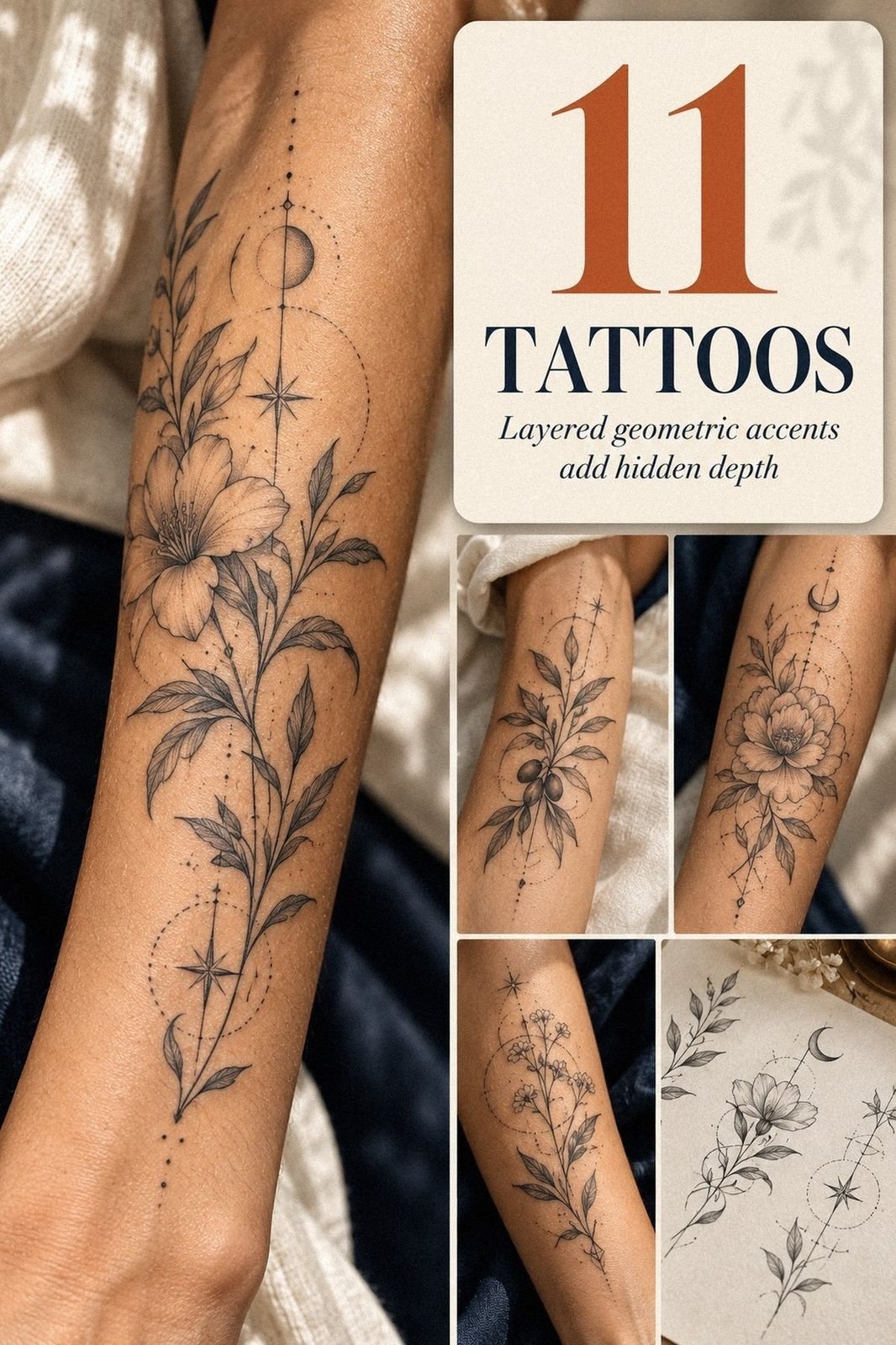
Tattoo inspirations can stay personal without feeling hidden. I once chose a design before checking how its lines would age, and I regretted rushing that decision. These ideas pair meaningful symbols with placements you can reveal on your terms. You’ll find delicate, bold, and understated options here!
My rule is simple: choose the story first, then the scale, line weight, and placement. A striking tattoo doesn’t need to announce itself every day. Sometimes the most powerful designs are the ones you can keep for yourself.
- Fine Line Botanical Tattoos for the Forearm
- Where Should Meaningful Coordinates Sit Along the Ribcage?
- Anchor the Shoulder With Bold Blackwork Symbols
- Delicate Finger Tattoos With Personal Significance
- Behind the Ear: Creative Animal Silhouettes
- Minimalist Celestial Designs on the Wrist
- Let the Mandala Breathe Between the Shoulder Blades
- When Should Script Follow the Collarbone?
- Whimsical Tiny Tattoos for the Ankle
- Watercolor Nature Tattoos Across the Upper Arm
- Matching Symbolic Tattoos for Close Friends
1Fine Line Botanical Tattoos for the Forearm
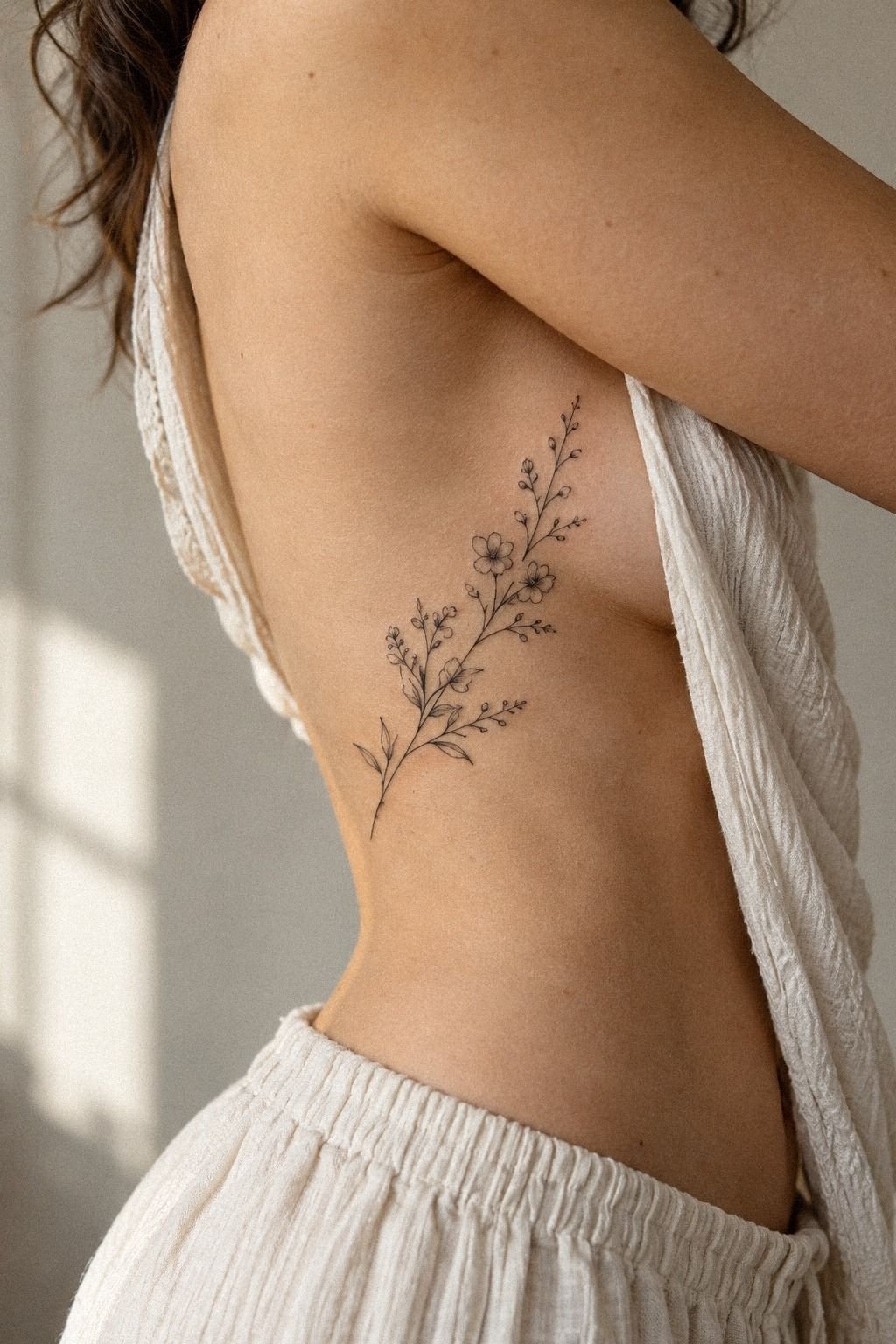
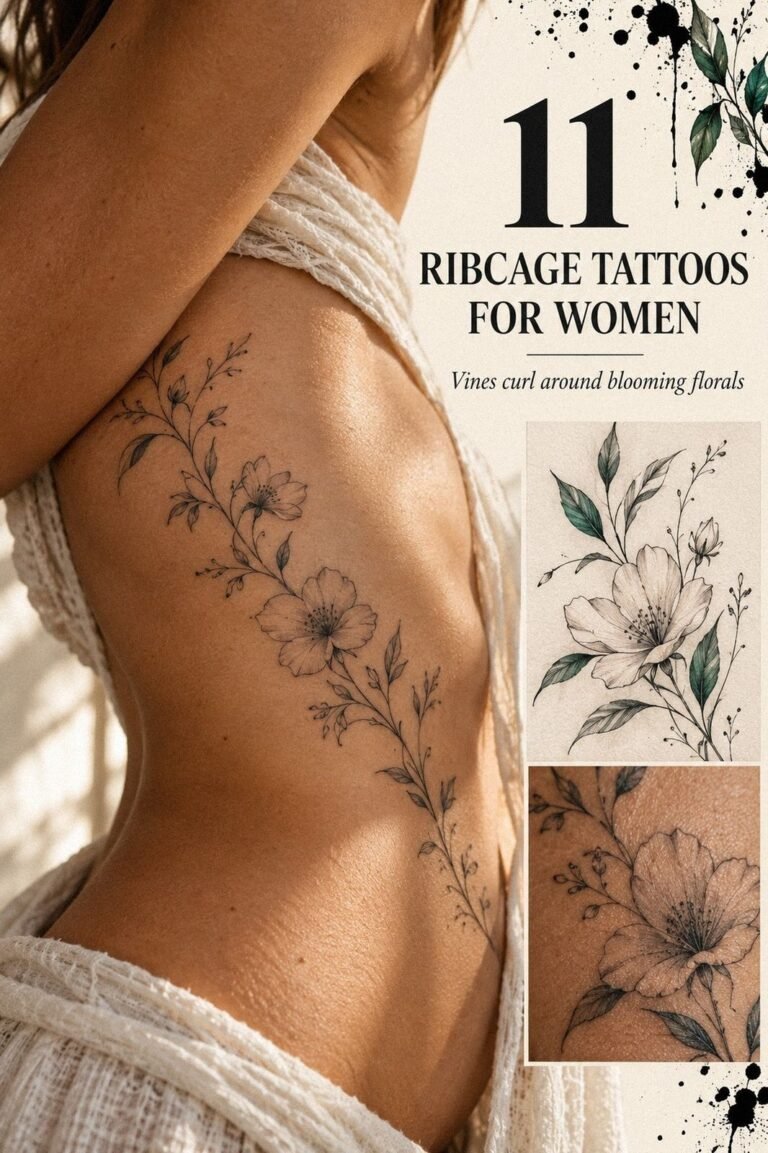
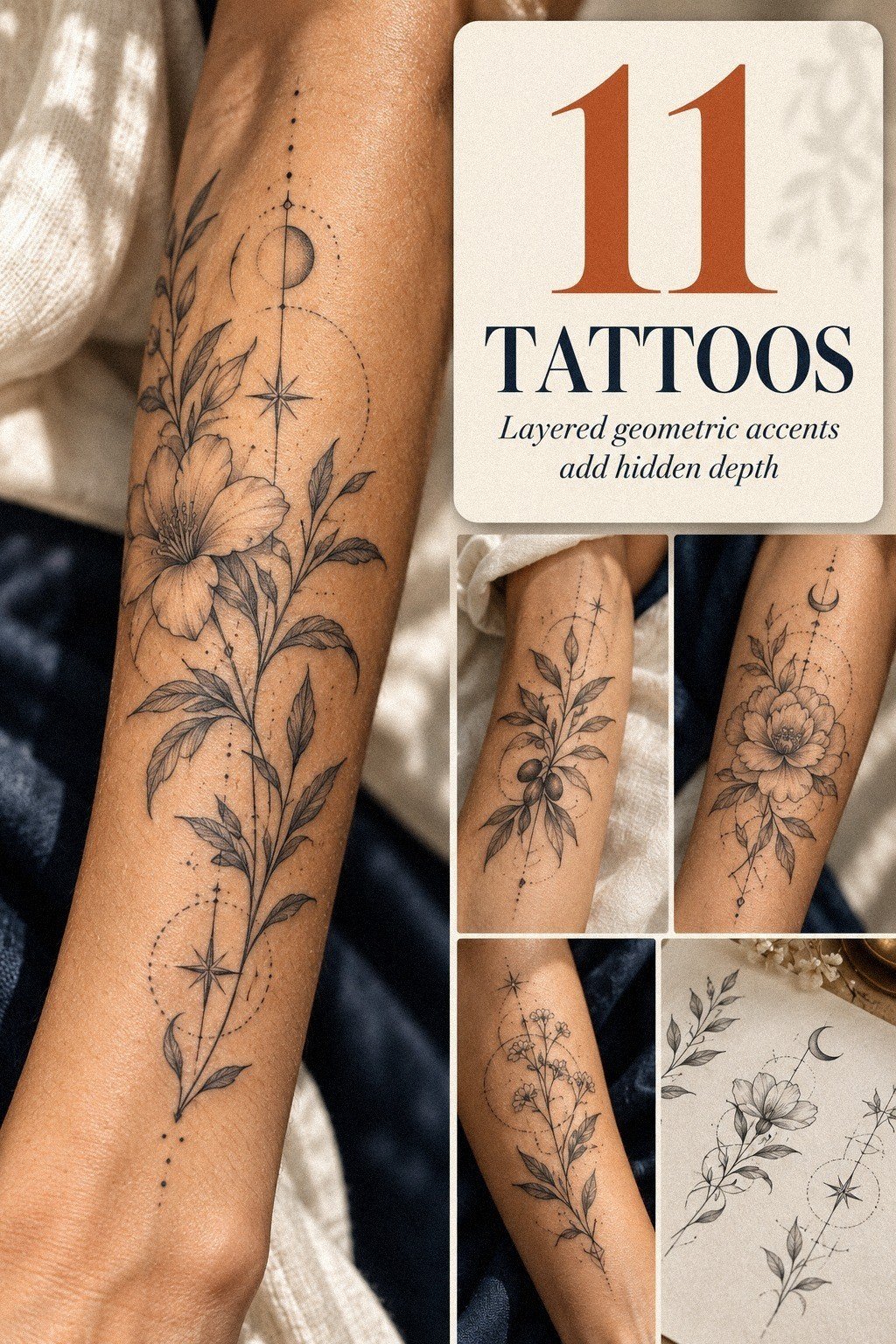
A botanical forearm tattoo suits you when you want something delicate, personal, and easy to cover with a sleeve. I’d choose a fine-line branch, narrow leaves, or one olive branch that follows the arm’s natural length. The result can feel graceful without becoming overly ornate.
Ask your artist to show healed tattoo examples, not only fresh photographs. Fine lines may widen over time, especially with regular sun exposure, so placement matters. I’d choose a design around 3 to 5 inches long rather than squeezing six leaves into a tiny mark.
A few details suit this approach:
– Single-needle leaves can create a minimal silhouette. – A tiny wildflower stem can carry a personal memory. – One symbolic bud can hold a short date. – Soft black ink keeps the design understated.
I’d skip an intricate botanical bouquet for a first fine line piece. It may look romantic in theory, but a sparse branch usually stays more readable. If you’re choosing a plant with personal meaning, explore this guide to meaningful Zeus tattoo symbolism before settling on the final stem.
Your forearm gives you control over visibility. You can turn your wrist inward for privacy, then show the piece when you want someone to notice it. That quiet reveal is part of the appeal!
A covered forearm placement also gives you room to adjust the stencil. Ask to see the branch while your arm is relaxed and while it’s hanging naturally. A flowing design should follow your body rather than look pasted onto it.
2Where Should Meaningful Coordinates Sit Along the Ribcage?
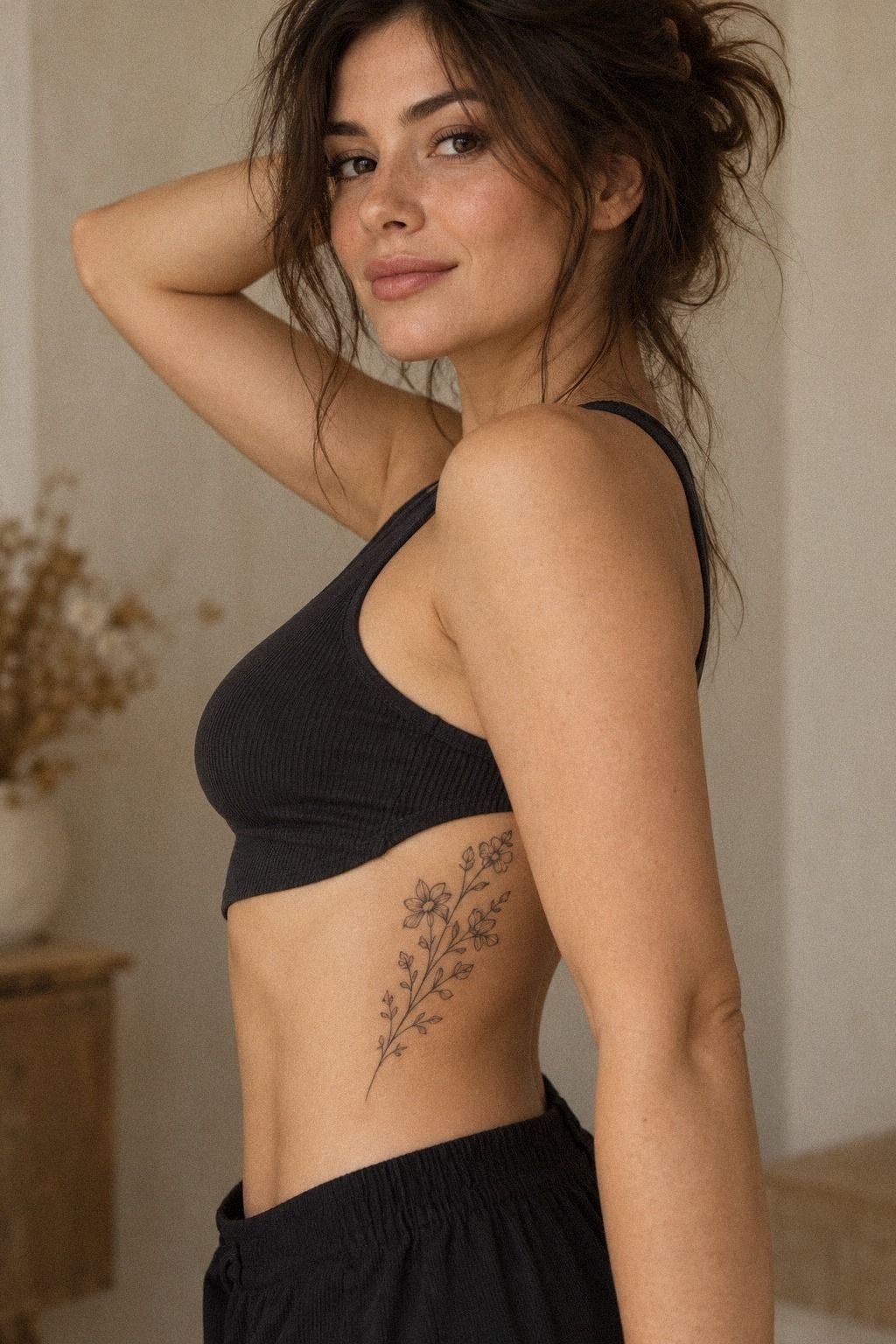
Coordinate tattoos carry meaning without announcing the entire story.
3Anchor the Shoulder With Bold Blackwork Symbols
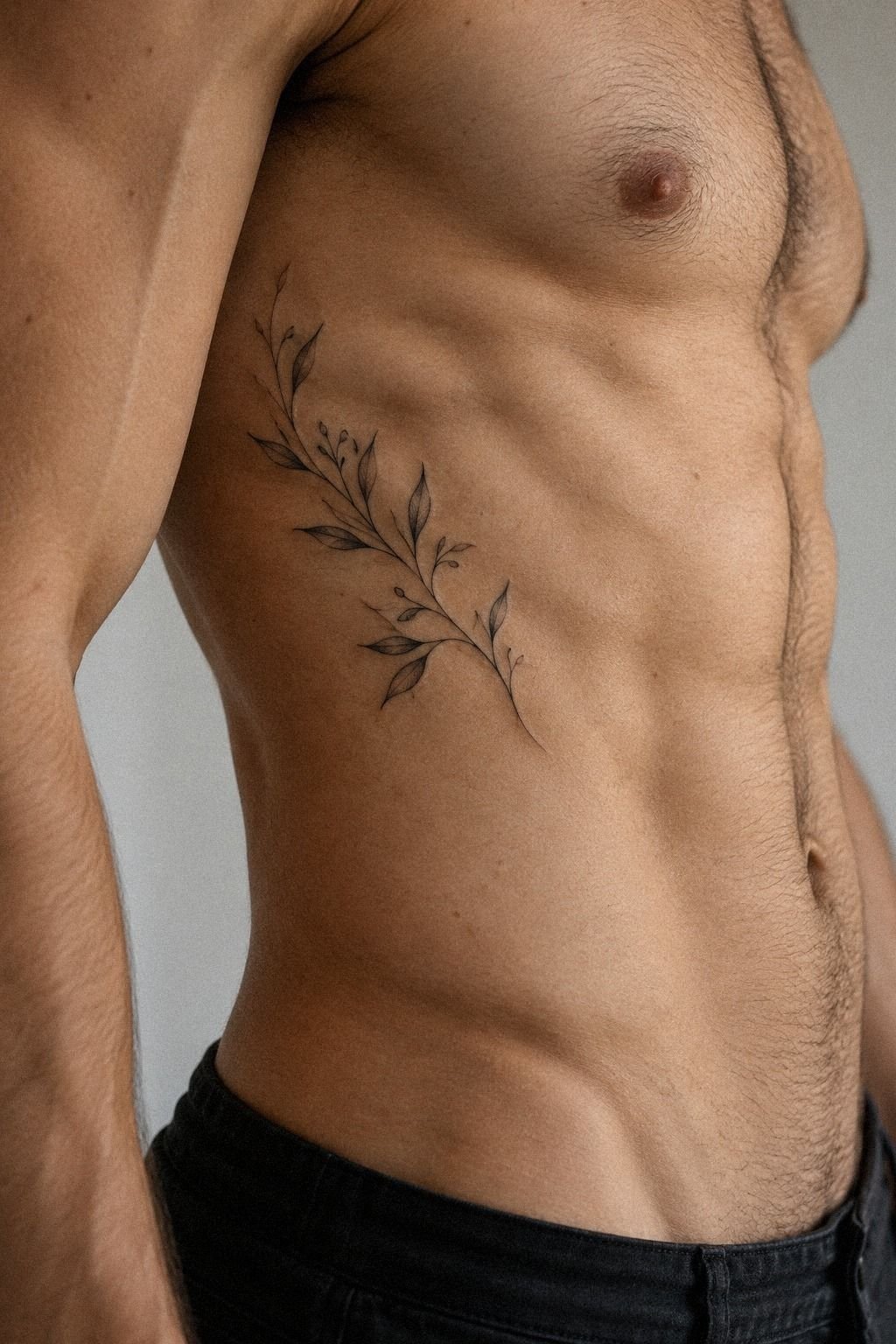
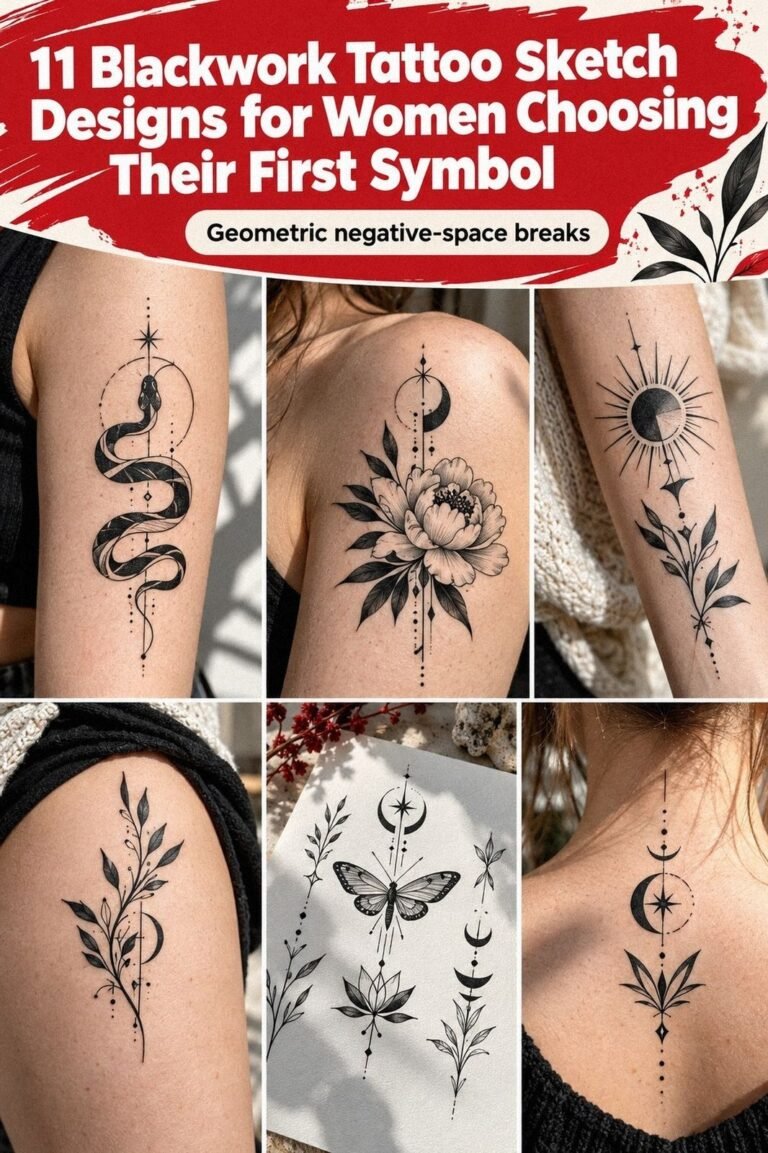
Bold blackwork gives your shoulder a striking anchor, especially when the design uses solid saturated black and deliberate negative space. You can adapt the scale and symbol to your own body. I’d choose one powerful emblem rather than stacking unrelated motifs.
A solid black sun can feel iconic, while a geometric animal or protective mark may feel more personal. Ask your artist how the design will curve over the shoulder cap before you approve the stencil. That small adjustment can make the final tattoo look polished from several angles.
You’ll want the black areas filled evenly. Patchy saturation can become obvious once the skin settles, and heavy shading may make a small symbol look muddy. I’d rather see one sharp shape with clean edges than a complicated design that loses its identity.
Possible directions include:
– A black eclipse symbol with an open center. – A compact mountain outline with filled peaks. – A protective eye with controlled negative space. – A geometric arrow design pointing toward the collarbone.
I’d skip copying a popular symbol without asking what it means to you. If mythology matters, this Yggdrasil tattoo meaning guide can help you build a more meaningful concept. The design should feel bold without feeling random!
A shoulder-cap tattoo can stay beneath a shirt sleeve or become an expressive focal point with a tank top. I like this placement when you want a tattoo that can shift between private and visible without changing the design.
4Delicate Finger Tattoos With Personal Significance
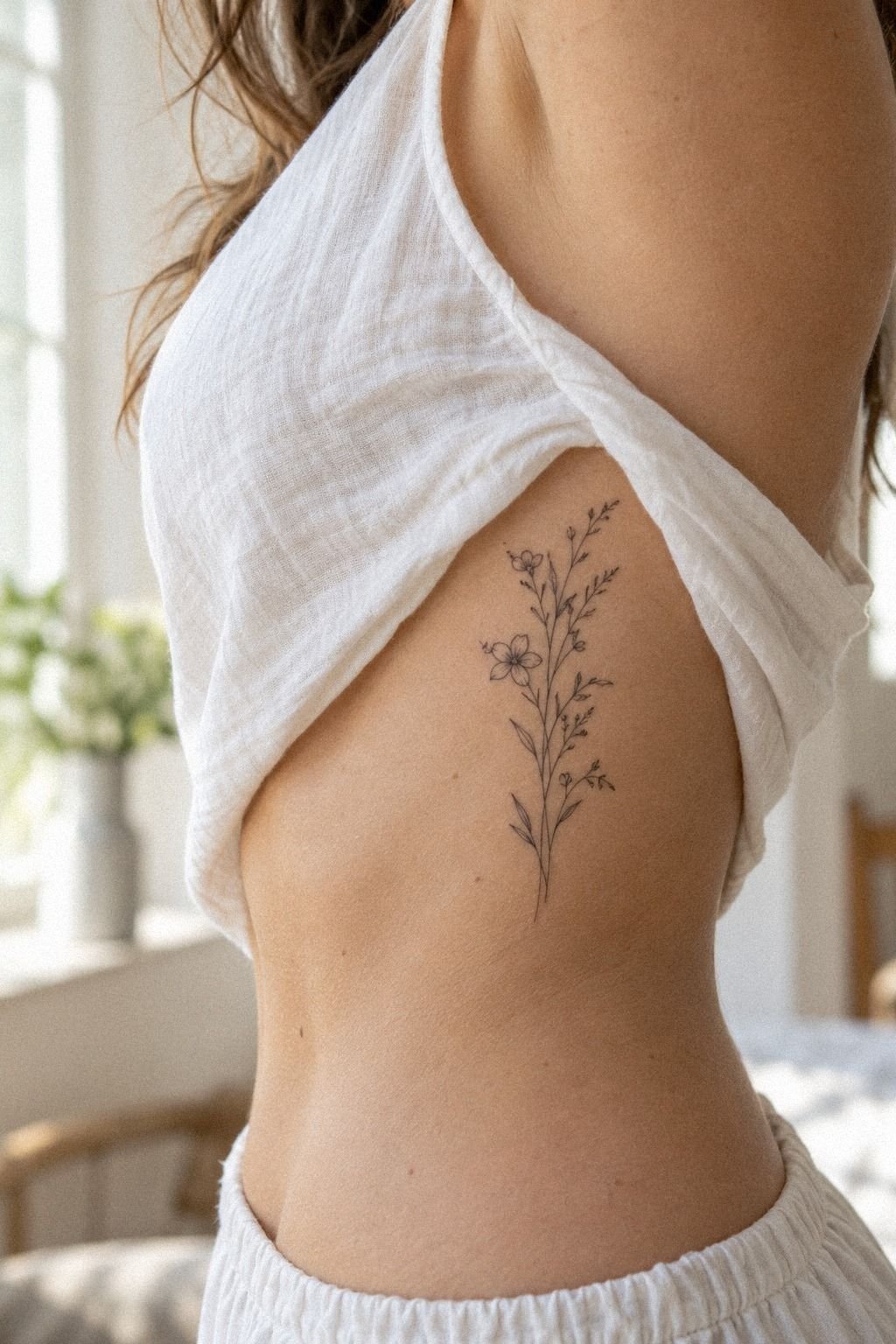
Finger tattoos are dainty, visible, and surprisingly expressive. A tiny line, initial, star, or personal symbol can hold a private message without taking over your hand. The best designs usually have a crisp shape and very little visual noise.
Your hands wash, bend, grip, and meet sunlight every day. Because of that, finger tattoos can fade or blur faster than designs placed on less exposed skin. I’d choose a tiny crescent or simple dot pattern instead of detailed lettering.
A strong finger concept might include:
– One delicate initial mark. – A narrow ring-style line. – Three tiny dots with personal meaning. – A small side-finger symbol.
I wouldn’t choose a dense miniature portrait for this placement. It may look impressive on a stencil, but your skin needs enough open space for the mark to remain clear. You’ll have better long-term value with fewer lines and a slightly larger design.
If your symbol relates to protection, faith, or a personal ritual, look through these yant tattoo ideas for visual direction. Keep the final mark yours, though. A finger tattoo feels most meaningful when you don’t have to explain it.
A finger tattoo placement is naturally visible, so consider whether you’re comfortable answering questions. The side of a finger can feel more discreet than the top, but both areas experience constant friction.
5Behind the Ear: Creative Animal Silhouettes
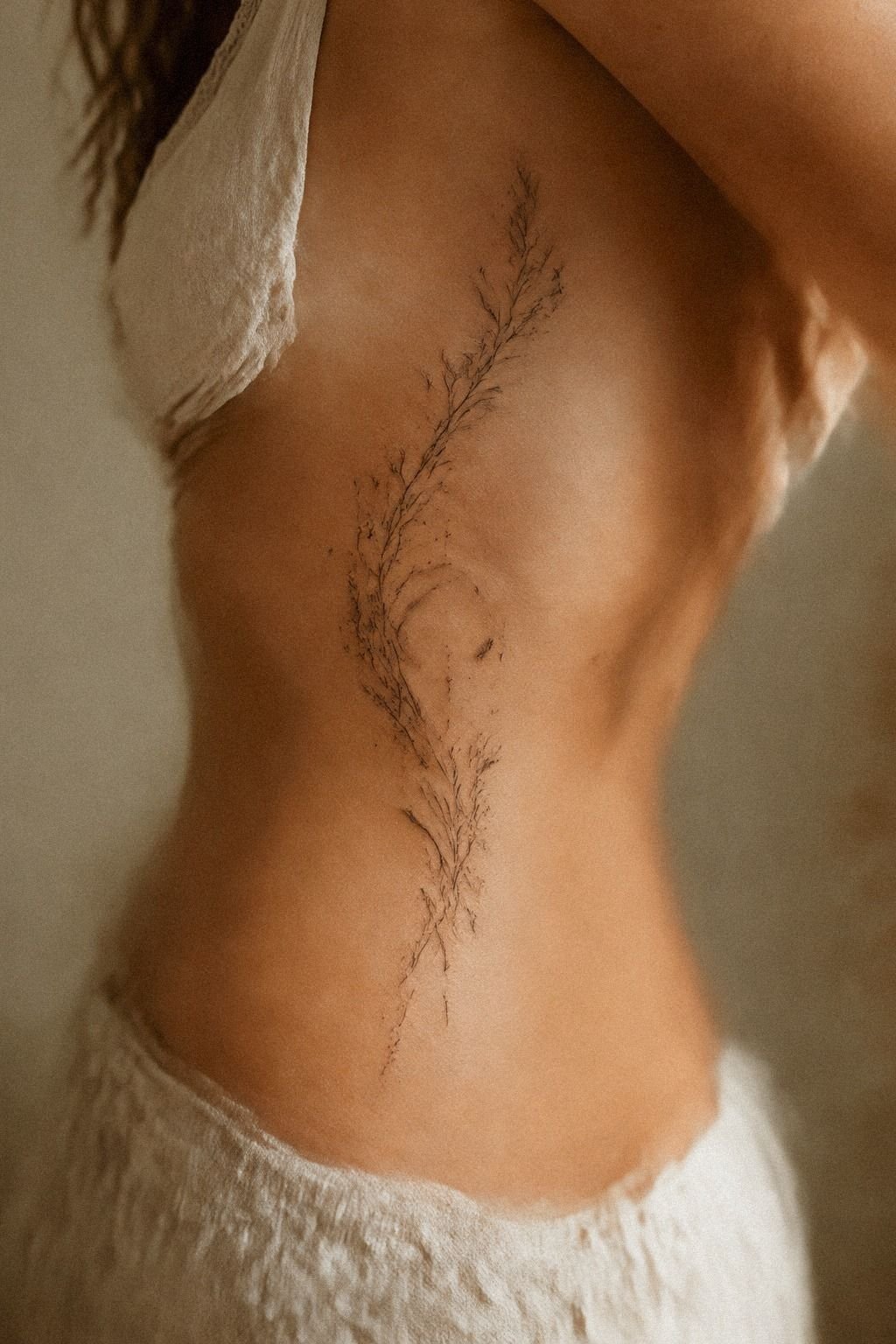
Behind-the-ear tattoos can feel playful, personal, and easy to keep private. A fox silhouette might suggest adaptability, while a swallow, cat, or moth can carry a completely different feeling. This is a good placement for an expressive idea that doesn’t need intricate anatomy.
The area is small, curved, and close to the hairline. You’ll want a design that reads from a short distance rather than one packed with miniature texture. I’d choose a clean profile with one memorable feature, such as pointed ears, a long tail, or open wings.
Your options could include:
– A tiny moth outline. – A fox profile with one sharp ear. – A whimsical rabbit shape. – A small bird with flowing tail feathers.
I’d skip a highly realistic animal portrait behind the ear. The placement doesn’t give your artist enough space for every texture, and the design may lose its expression. A symbolic silhouette is more elegant because one gesture carries the idea.
You can keep the tattoo covered by your hair most days and reveal it with a tied-back style. If your animal represents joy, loyalty, or change, compare it with these yellow rose tattoo meaning ideas for another meaningful direction.
A behind-the-ear silhouette works best when the outer shape does most of the storytelling. One pointed ear, curved wing, or lifted tail can make the tattoo expressive without requiring tiny internal lines.
6Minimalist Celestial Designs on the Wrist
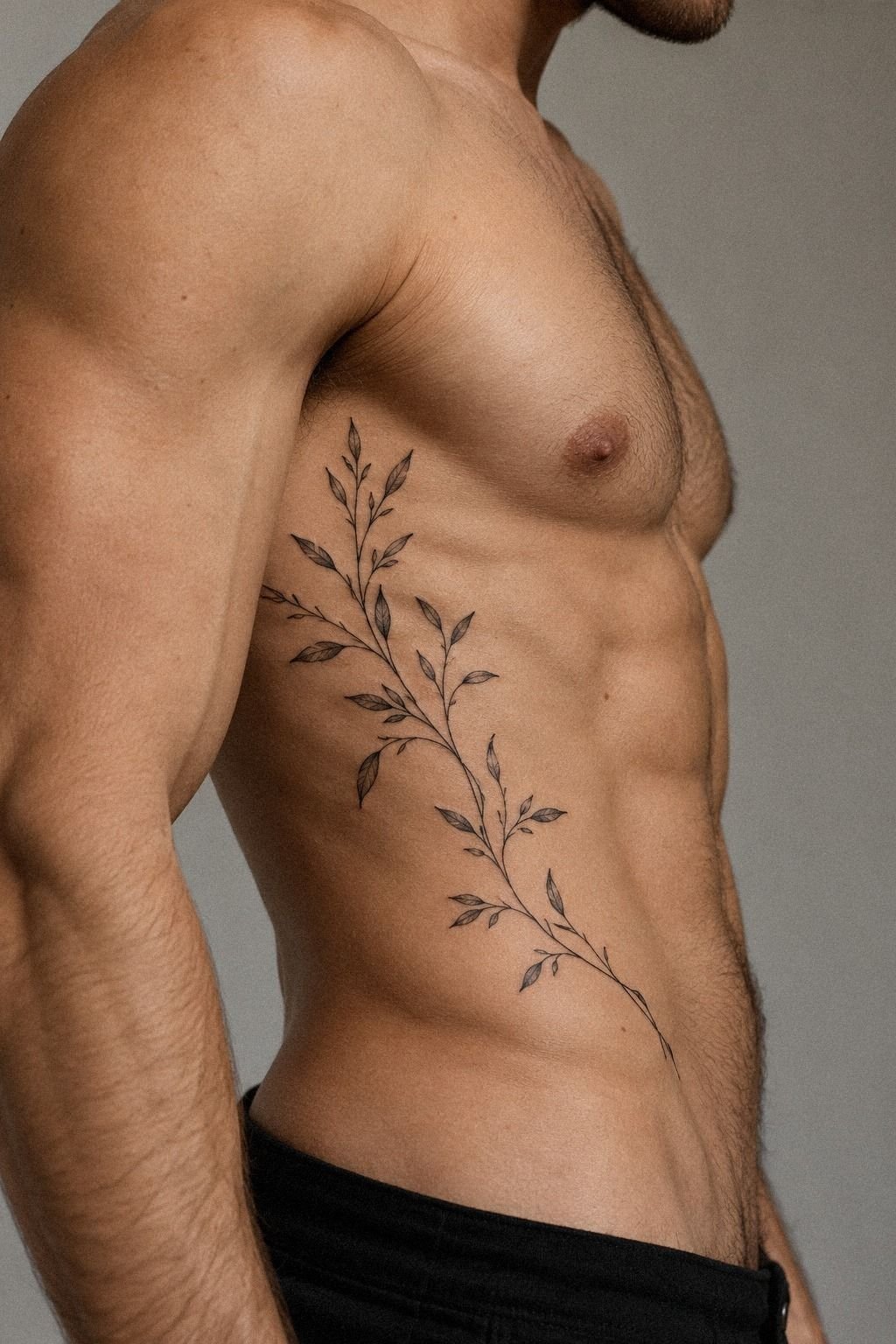
A minimalist celestial tattoo can make your wrist feel expressive without looking crowded. A small moon, star, or orbit line can look sleek when the strokes are deliberate and well spaced. I’d use clear shapes so the design stays readable from across your hand.
Your wrist moves constantly, and the skin sees sunlight, soap, and friction. That makes a crescent moon tattoo a safer choice than a tiny constellation filled with fragile dots. You’ll want your artist to consider how the design sits when your hand is relaxed.
Try combinations such as:
– A small north star symbol with two dots. – A crescent crossed by one fine orbit. – A sun and moon separated by a narrow line. – Three stars arranged in an uneven triangle.
I’d skip copying a symmetrical celestial stamp if you want something personal. Slight asymmetry can make your tattoo feel more expressive, while a generic arrangement may lose its meaning. You can study these yantra tattoo concepts before choosing your final geometry.
Your wrist is easy to show and easy to cover with a watch or cuff. That flexibility matters if you want a tattoo that can move between private and visible moments. The simple design may be worth the cost because the idea, not the size, does the emotional work.
A wrist tattoo stencil should be checked from several angles. Your hand may look relaxed during the consultation, but you’ll also want to see how the design appears when your wrist bends.
7Let the Mandala Breathe Between the Shoulder Blades
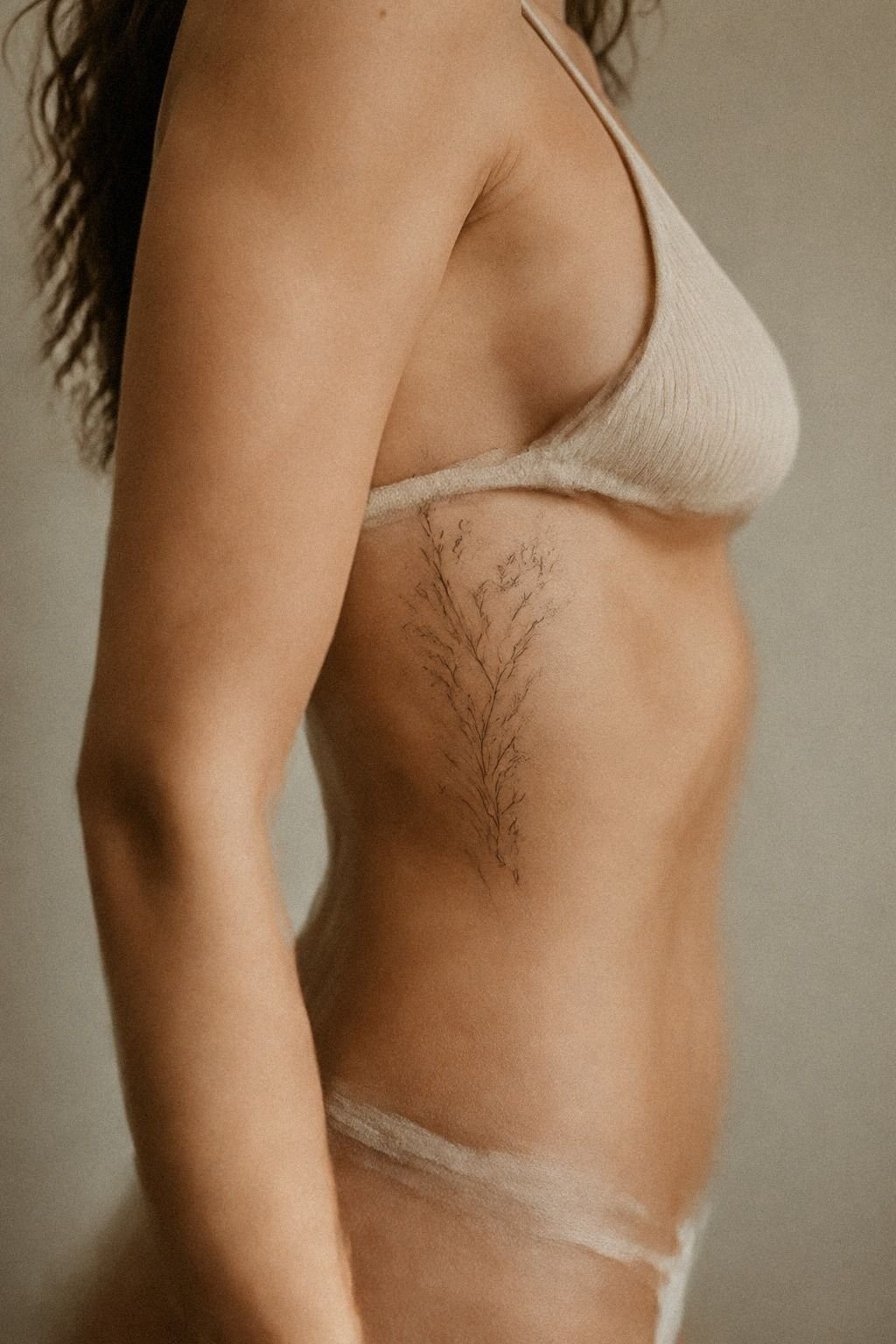
An intricate mandala between the shoulder blades creates a centered, graceful design with space for careful geometry. I’d use a geometric mandala with clear rings and controlled symmetry rather than compressing every possible detail into one shape.
Discuss scale before the appointment. Fine radial details need enough skin to remain distinct, and your artist may recommend a wider design so the center doesn’t collapse into a dark dot. Check the stencil while your back is relaxed and upright.
Your mandala could use:
– A crisp lotus center. – Repeating triangular points. – Fine circles with open gaps. – One dark focal ring around the middle.
I’d skip squeezing an ornate mandala into a space smaller than your artist recommends. More detail doesn’t always create a more impressive tattoo. Sometimes one clean central shape looks more timeless than dozens of cramped marks.
This placement works well when you want privacy beneath clothing and a dramatic reveal during a special occasion. If the symbol connects to faith or spiritual identity, read about YHWH tattoo meaning before borrowing visual elements.
A shoulder-blade mandala can feel sacred without being overly literal. Let the central shape carry the emotional weight, then use the surrounding geometry to support it.
8When Should Script Follow the Collarbone?
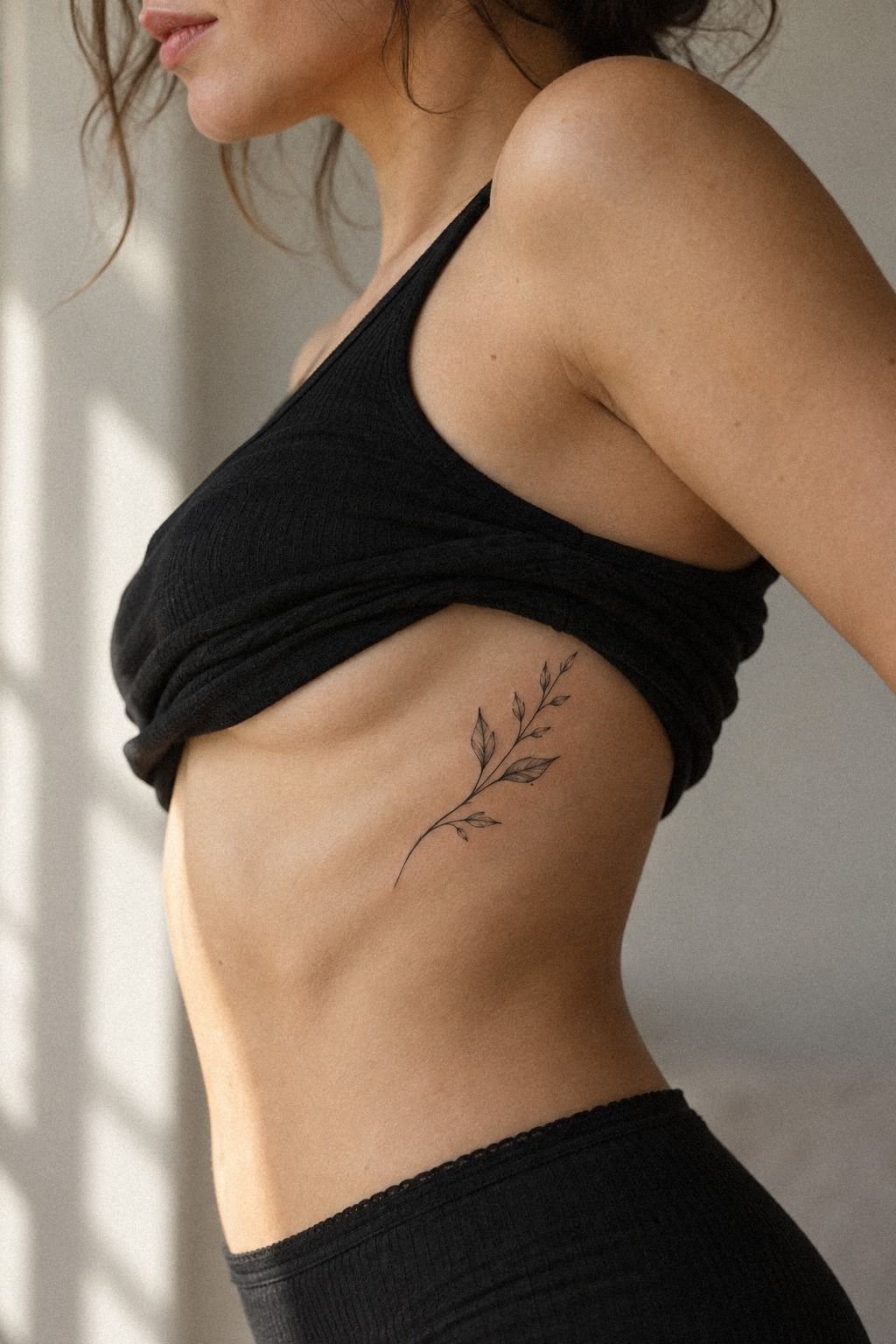
A script tattoo along the collarbone can feel fierce, romantic, and quietly empowering.
9Whimsical Tiny Tattoos for the Ankle
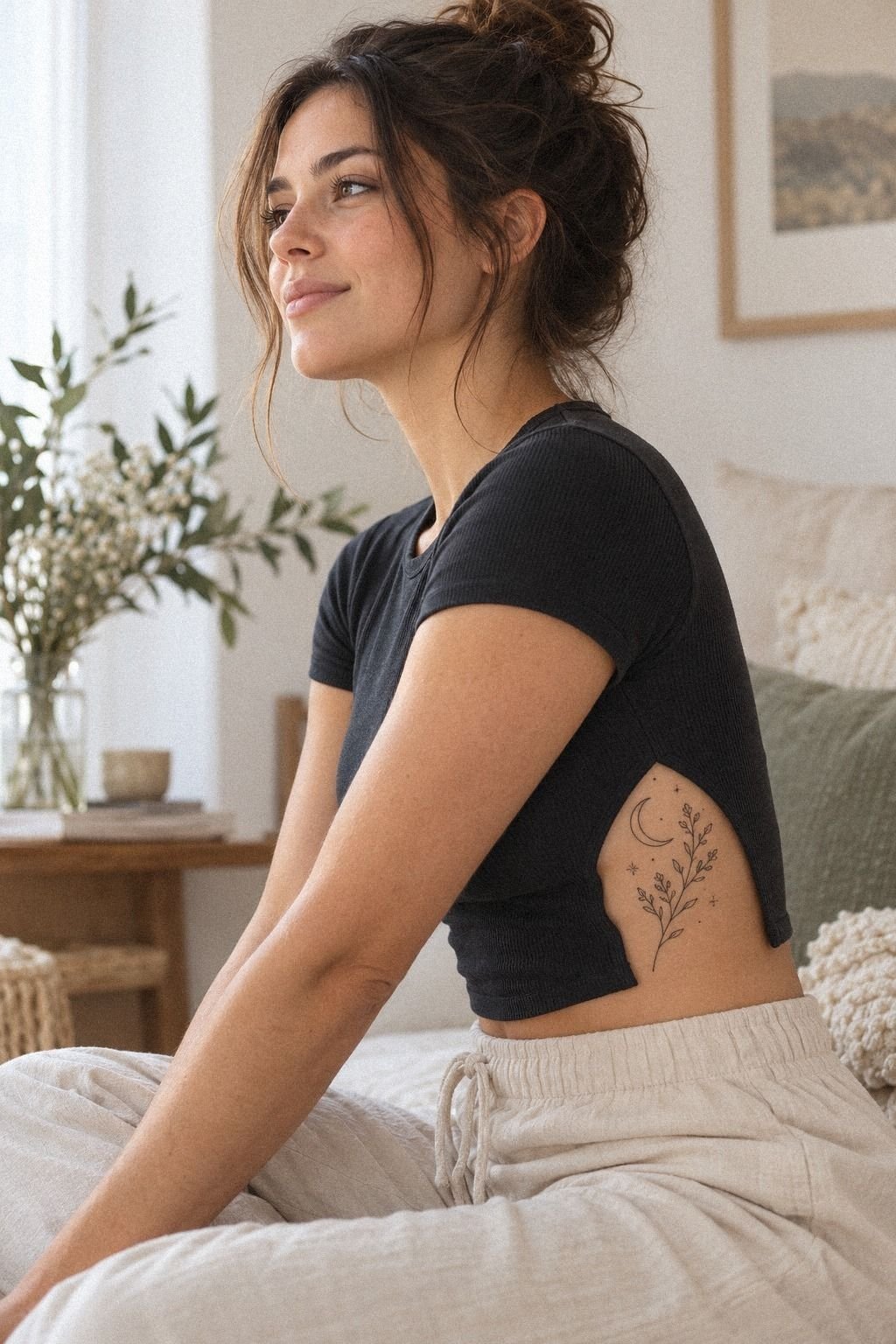
Tiny ankle tattoos can be whimsical without feeling childish. A miniature key, spark, fruit, or creature can become a playful personal mark, depending on your story. I’d choose one crisp object with a recognizable outline because the ankle doesn’t offer much space for extra texture.
Your ankle experiences friction from socks, shoes, and movement, so place the design away from the strongest rubbing point. Ask your artist whether the outside ankle or lower leg gives the mark a better chance to stay clear.
Ideas that suit this placement include:
– A little match flame. – A curved shooting star. – A tiny cat with one raised paw. – A simple lucky fruit symbol.
I’d skip ultra-fine lettering here. You’ll get more charm from a small image than from text that becomes hard to decipher. Keep the outline sharp and let one unexpected detail carry the personality.
You can cover an ankle tattoo with socks, boots, or trousers, then show it with sandals. That makes it useful when you want control over visibility. If your symbol represents affection or friendship, revisit these yellow rose symbolism ideas before deciding.
A small ankle symbol can be playful and discreet at the same time. I’d give it one unusual detail, such as a crooked star point or a single contrasting line.
10Watercolor Nature Tattoos Across the Upper Arm
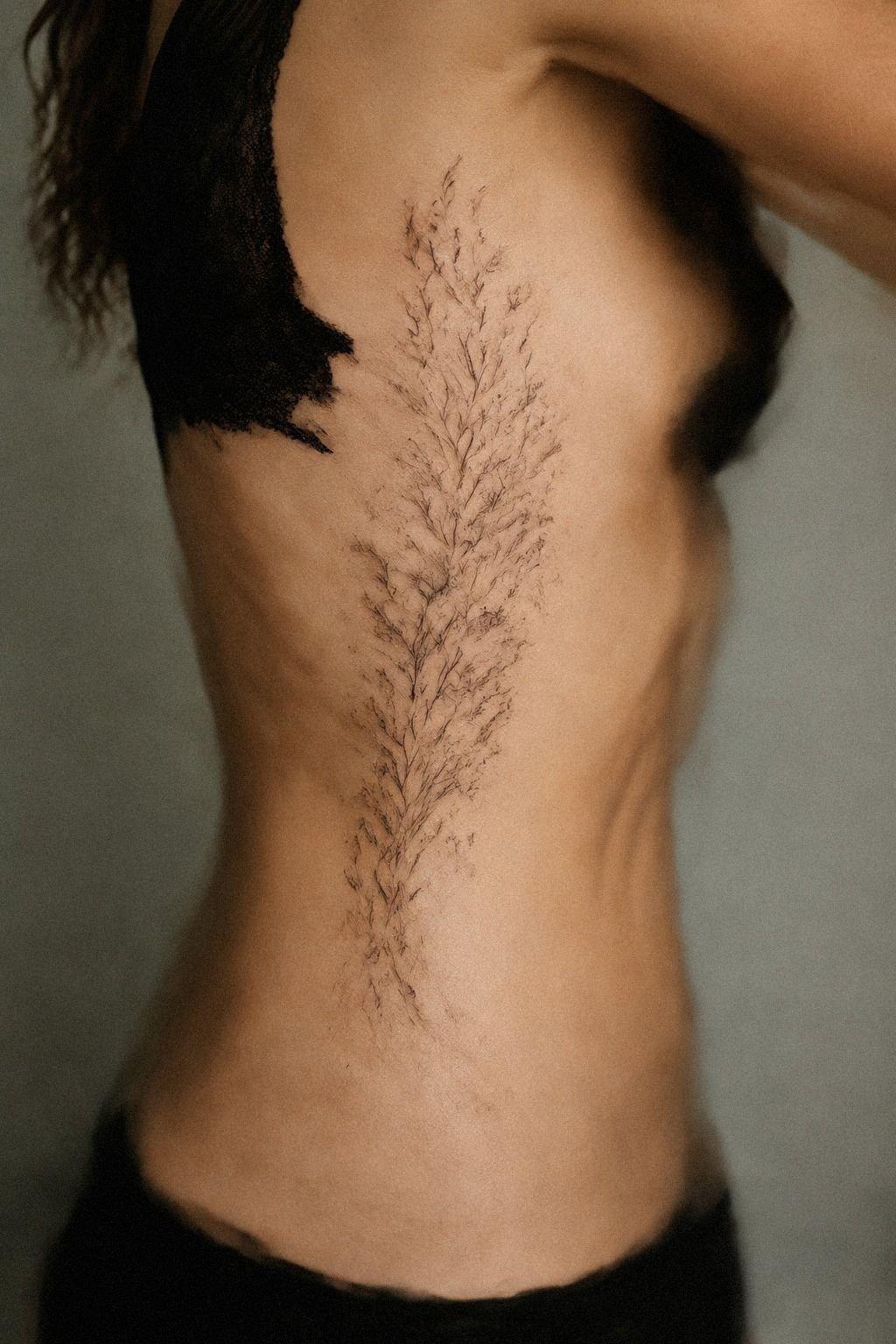
A watercolor nature tattoo can look expressive when the stencil and healed result are treated as two different stages. I’d choose a sage-green leaf or flower with a strong structure beneath the color. That gives the design a readable silhouette even as softer pigment changes.
Your artist needs to explain how the pigment may change as the tattoo heals. Fresh color can look brighter than the healed version, and skin tone affects how each shade appears. I’d rather see a restrained wash around clear linework than a design that depends on pale color alone.
A strong upper-arm concept might include:
– A sage-green wildflower with one dark stem. – A small bird surrounded by soft green brush marks. – A cream leaf with uneven watercolor edges. – A nature symbol with one controlled green accent.
I’d skip a watercolor tattoo that has no readable shape beneath it. Color can soften, but a clear silhouette gives your design structure. Protect the area from unnecessary UV exposure once it has healed.
Upper-arm placement gives you generous coverage when you need privacy and easy visibility with a sleeveless top. If you want a nature symbol with deeper roots, look at Yggdrasil tattoo symbolism before settling on leaves alone. The final design should feel vibrant, but its meaning should carry it!
A watercolor upper-arm tattoo can be expressive without becoming loud. Keep the palette controlled and let one saturated color become the visual signature.
11Matching Symbolic Tattoos for Close Friends
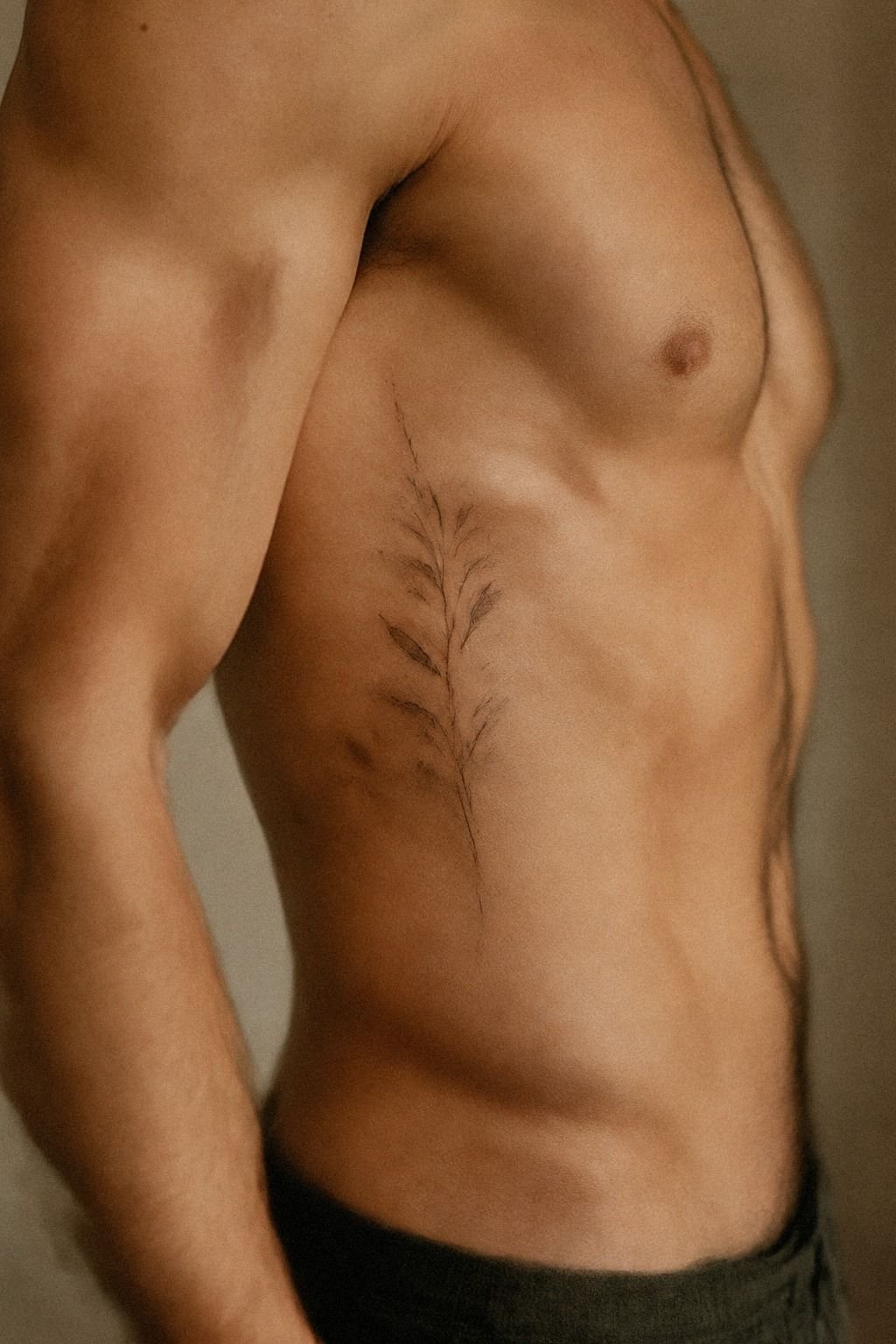
Matching tattoos work best when they share an idea without requiring identical artwork. I’d choose two connected symbols rather than duplicating one exact mark. That approach feels more personal and gives each friend room for a different style.
You and your friend might choose a paired constellation, two halves of a circle, or separate symbols that become meaningful when placed together. Before booking, talk honestly about size, placement, budget, and what happens if your styles change.
Possible pairings include:
– A small sun and moon pair. – Two halves of one botanical form. – Matching arrows pointing toward each other. – Separate animals with a shared visual detail.
I’d skip names, initials, or dates unless both of you genuinely want them. A shared symbol gives you more emotional room and avoids making the tattoo feel like a contract. It can remain meaningful even if the friendship changes.
The sternum can be more sensitive because it sits close to bone, so discuss the session honestly with your artist. If your friendship is built around balance, compare the symbolism in this yin-yang tattoo guide before finalizing the pair. Matching doesn’t need to mean identical!
A paired friendship tattoo should give both people some creative ownership. Shared meaning matters more than matching dimensions, identical placement, or a perfectly mirrored design.
The Three-Line Rule for Tattoo Ideas That Age Well
I’ve changed my mind about tattoos more than once, usually after looking at a design at its final size instead of admiring it on a phone screen. My rule now is simple: every piece needs a clear silhouette, enough open space, and a reason I can still explain to myself years later.
Fine lines can be elegant, but they may spread as they age. Solid blackwork often holds its shape better when the placement and saturation are right.
Neither style wins every time. You’ll want to ask your artist for healed work and accept that skin is living material, not paper.
I also pay attention to privacy before choosing a placement. A wrist, forearm, ankle, or collarbone can be visible one day and covered the next. A ribcage, sternum, shoulder blade, or behind-the-ear tattoo gives you more control.
The first line is a readable silhouette. If you can’t understand the shape from a short distance, the design may need fewer details.
The second line is open breathing room. Skin between marks helps delicate and intricate elements remain distinct as they heal.
The third line is personal meaning. A symbolic detail can outlast a passing trend, especially when the reference is connected to your life.
A Private Placement Check Before You Book
Ask yourself what you want strangers to see and what should remain yours. A forearm tattoo offers easy visibility, while ribs, sternum, and behind-the-ear placements feel more discreet. Your answer should guide the design before you start comparing styles.
Movement matters as much as visibility. Hands, fingers, ankles, and wrists experience constant friction, while the upper arm and shoulder may offer more stable skin. That difference can affect long-term value.
I’d make a visibility checklist before contacting an artist:
– Can you cover the tattoo for work or formal events? – Will you still like the placement when your body moves? – Are you comfortable explaining the symbol? – Does the location receive frequent sun or friction?
If your answer changes from day to day, that’s normal. A personal tattoo can be meaningful without being permanently public.
How to Read a Tattoo Portfolio
A portfolio should show more than fresh, perfectly lit pieces. Look for healed photographs, consistent line quality, even saturation, and designs that still read clearly at different sizes. A stylish social feed isn’t enough by itself.
I’d search for healed linework photographs before choosing an artist for delicate work. For blackwork, inspect the edges and filled areas. For color, compare healed images with the artist’s original style so you understand how the pigment settles.
Pay attention to whether the artist regularly creates the style you want. Someone known for bold blackwork may not be the right fit for a tiny script piece. A specialist can often give you more precise advice about scale and spacing.
The strongest portfolios feel personal rather than repetitive. You should see evidence of technical control, but also enough variety to know the artist can interpret your idea instead of copying a reference.
Questions to Ask Before You Book
Bring your concept, reference images, preferred placement, and a rough size. You don’t need every detail solved before the consultation. Your artist should help you refine the design while respecting the meaning behind it.
Ask about stencil placement before the session begins. Check the design while standing, sitting, and relaxing the relevant body part. A tattoo can look different when the skin shifts.
You can also ask:
– How will this line weight heal? – Would a slightly larger scale protect the details? – How often do you create this style? – Can I see healed examples? – What aftercare will you recommend? – Is a touch-up included?
A thoughtful artist won’t rush you through those questions. The consultation should leave you feeling informed, not pressured.
Tattoo Budget, Cost, and Long-Term Value
Cost matters, too. In the United States, a boutique minimum is typically about $50 to $100, while hourly rates often fall around $100 to $250, depending on the artist and region. A higher quote may be worth it when the artist has strong healed work and specialized experience.
You shouldn’t choose the cheapest option for a permanent mark, but you also don’t need the largest possible design to make it meaningful. Ask what the quote includes, whether touch-ups cost extra, and how the artist prices consultations.
A tattoo consultation fee may be separate from the session price. Clarify that before booking so the final estimate doesn’t surprise you.
You’re paying for more than the minutes under the machine. The quote can also reflect design preparation, hygiene standards, experience, and the artist’s ability to place the work accurately.
Aftercare That Protects Your Tattoo Investment
Aftercare is part of the result. You’ll usually need gentle washing, light moisturizing, and protection from sun and swimming while the surface settles. If your artist gives different instructions for your skin or pigment, follow those instructions.
Don’t pick peeling skin, even if it feels tempting. Avoid heavy friction and keep an eye out for unusual irritation. A polished tattoo begins with a good design, but it stays crisp through patient care.
Follow the artist aftercare instructions rather than combining advice from several unrelated sources. Different bandages, placements, and skin types can require different routines.
During early healing, loose clothing may reduce rubbing around the tattoo. Keep the area clean, avoid unnecessary soaking, and contact a qualified medical professional if you’re concerned about unusual symptoms.
The Questions Worth Answering First
How Much Do These Tattoo Inspirations Cost?
A small tattoo typically starts around $50 to $100 at a boutique minimum, while hourly pricing often sits near $100 to $250 in the United States. Your artist, region, size, placement, and detail will change the final quote, so ask for a clear estimate before booking.
Are These Tattoo Inspirations Worth It for a First Tattoo?
Yes, especially when you choose a manageable placement and a design with clear lines. Forearm, shoulder, and thigh placements are often more tolerable than ribs, feet, hands, or sternum areas. Start with symbolism you understand, not a design you chose only because it photographs well.
How Do I Choose the Right Tattoo Artist?
Review a portfolio for clean linework, solid saturation, and healed photographs. Specialization matters, so choose someone who regularly works in your preferred style. You should also check studio hygiene, consultation habits, stencil placement, and whether the artist answers your questions without rushing you.
How Much Do Tattoo Inspirations Hurt?
Pain varies by person and placement. Ribs, feet, hands, and sternum are often more sensitive because of bone, thin skin, or constant movement.
Forearms, thighs, and shoulders are usually more tolerable. Your session length, design density, and personal sensitivity will affect the experience.
How Long Do Tattoo Inspirations Take to Heal?
The surface usually heals in about 2 to 3 weeks, while complete healing can take roughly 2 to 3 months. Wash gently, moisturize as directed, and avoid strong sun and swimming during early healing. Don’t pick peeling skin, even if it feels tempting.
What’s the Best Placement for Tattoo Inspirations?
The best placement depends on your visibility and pain preferences. Forearm and shoulder tattoos are easier to show and often more tolerable, while ribcage, sternum, and behind-the-ear designs offer more privacy. Ask your artist how movement, sun, and line aging may affect your choice.
Where I’d Start First
If I had to pick one, I’d start with the fine line botanical forearm tattoo. It has enough space for clean detail, it’s easier to cover, and the stem can carry meaning without explaining itself.
I’d save the meaningful tattoo ideas guide for later, then sketch one plant you’d still choose tomorrow. You can also compare the concept with these personal tattoo symbolism ideas before booking.
The best private tattoo isn’t necessarily the smallest or most hidden. It’s the one that still feels like yours when nobody else is looking.