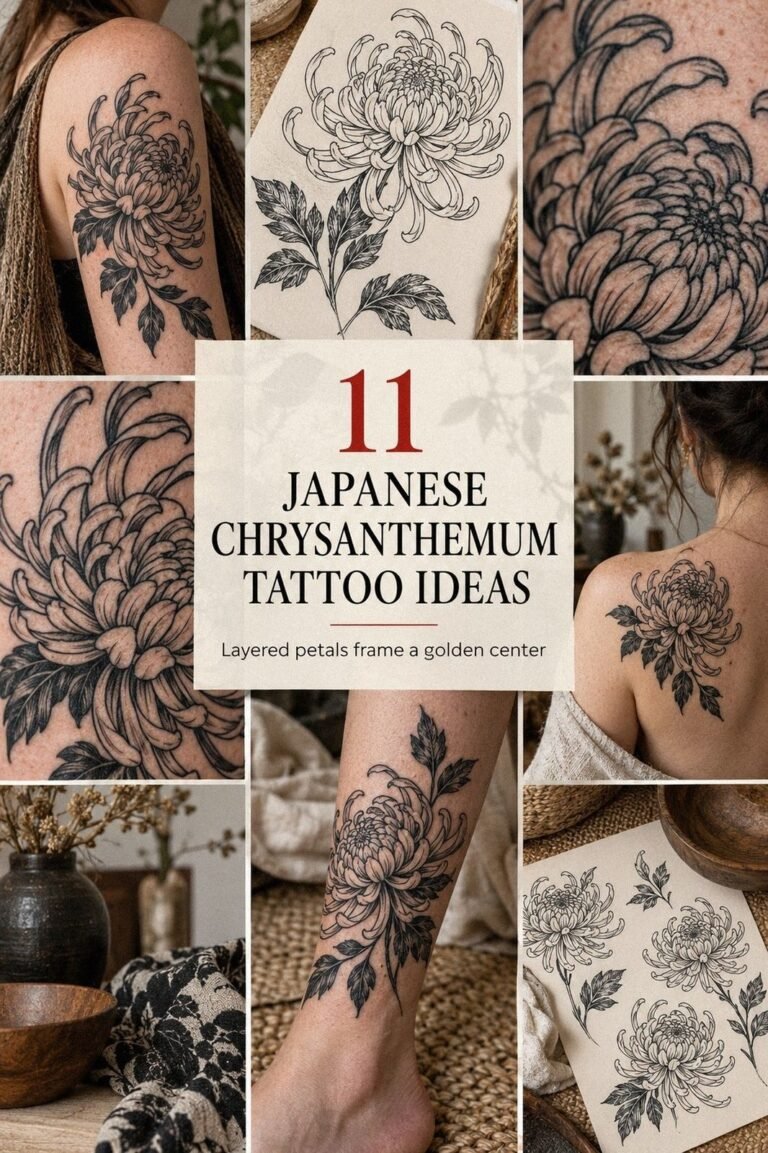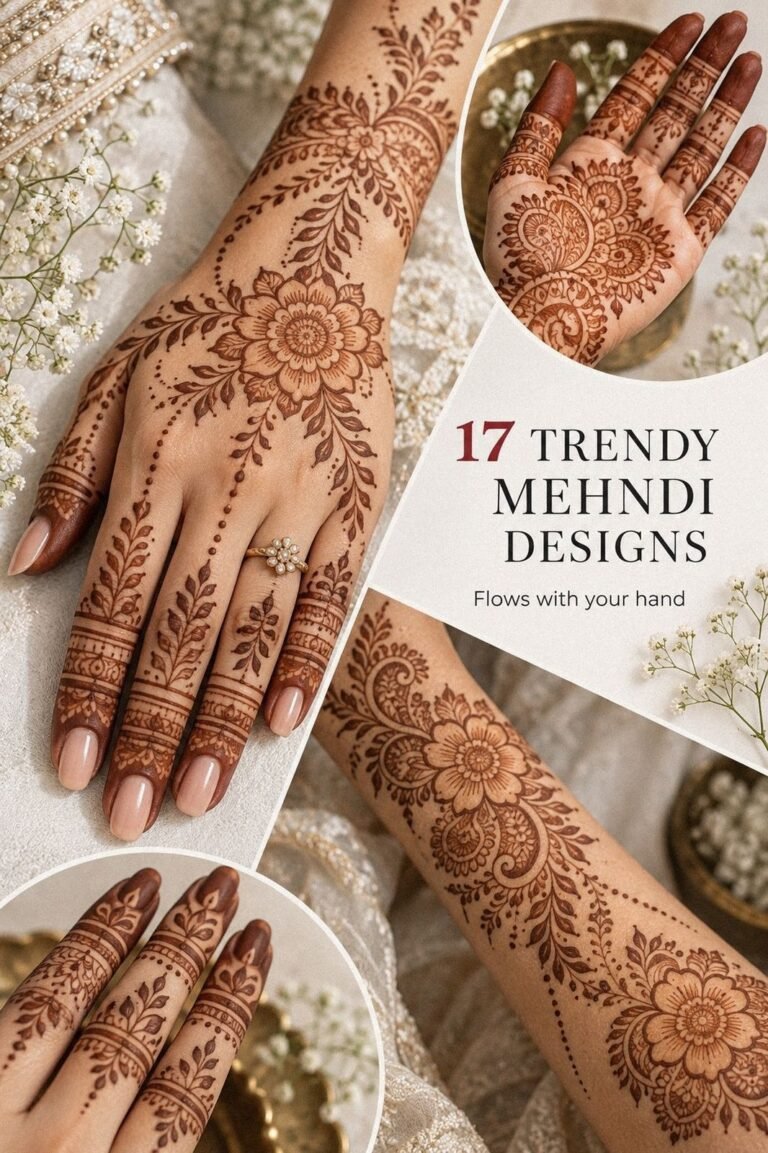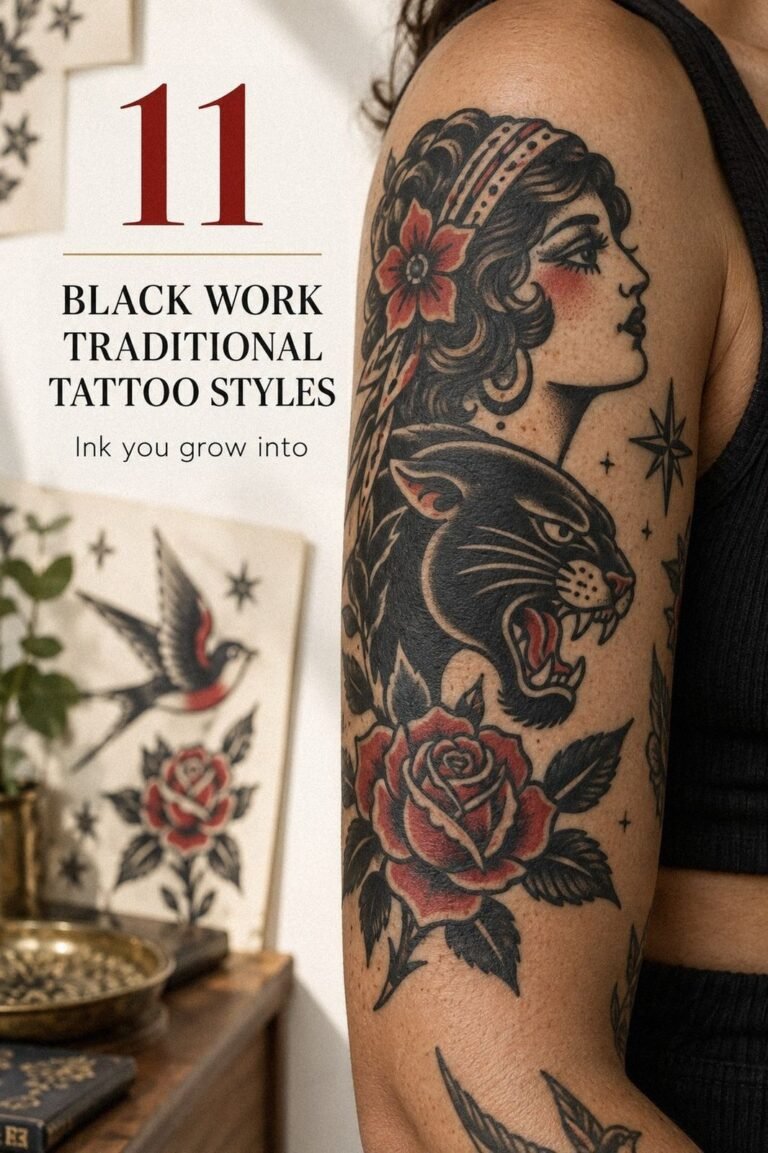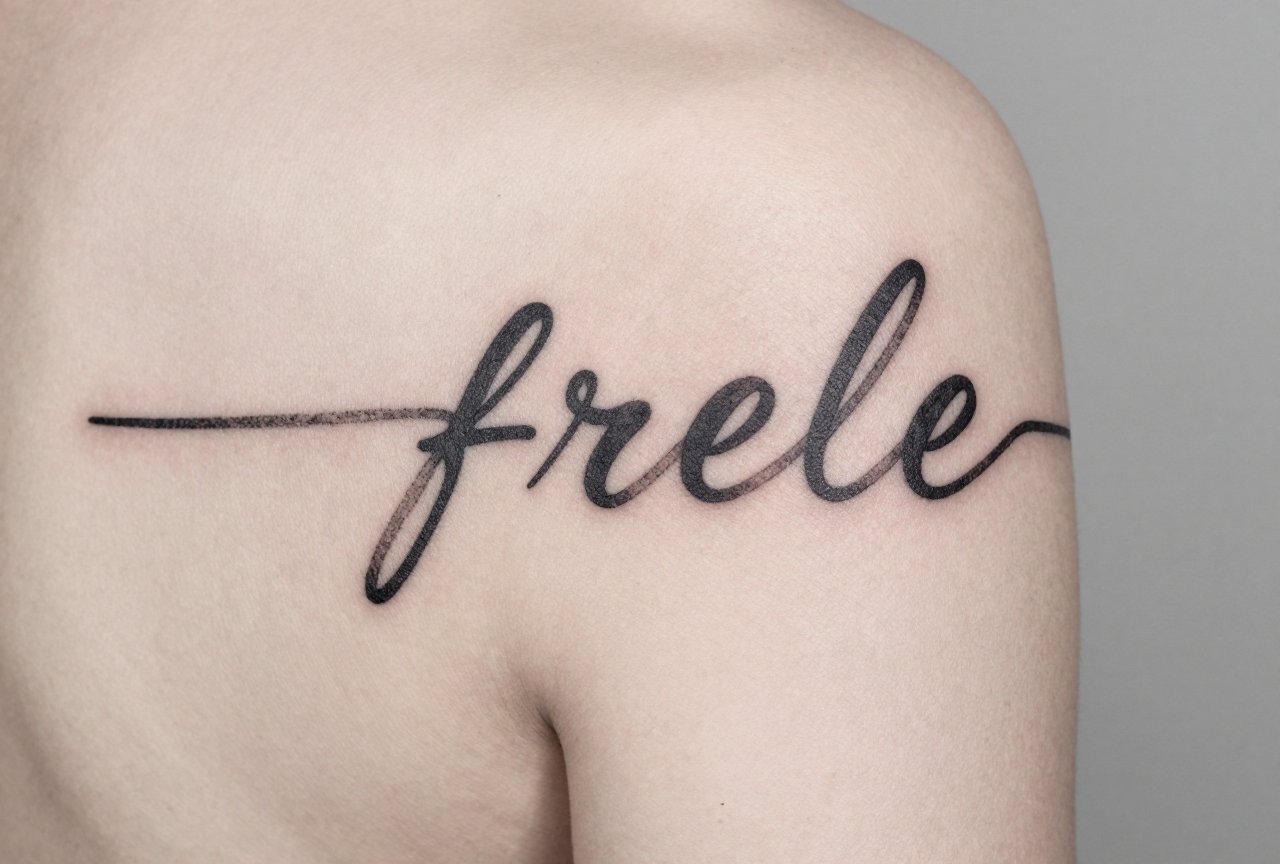
Let’s be real. “Free tattoo designs” sounds like a trap. You picture blurry clip art, flash sheets from 2003, or that sketch your cousin drew in algebra class. But here’s the thing, free art can absolutely become a killer tattoo. The trick is knowing what translates to skin, what ages well, and how to work with an artist instead of just handing them a JPEG and saying “do this.” I’ve watched too many people walk in with a Pinterest screenshot and walk out disappointed. Let’s fix that.
Popular Styles That Work for Free Designs
Some tattoo styles naturally lend themselves to free or accessible source material. Others need serious adaptation. Here’s what actually works in real shops.
Traditional and Neo-Traditional
Old school flash is practically designed to be free. Sailor Jerry style, bold black outlines, limited color palette, readable from across the room. The classic motifs, roses, anchors, swallows, pin-ups, exist in thousands of public domain references. A good artist can redraw any of these from memory, but bringing clean reference helps. The thick lines hold up for decades. The simplicity is the point. Don’t overthink it.
- Black outlines at least 3-4 needle widths thick
- Limited color: red, yellow, green, navy blue, black
- Simple shading with whip shading or minimal fill
- Readable at 10 feet away
Minimalist and Fine Line
This is where free designs get tricky. That delicate botanical illustration you found? Gorgeous on paper. On skin, single needle lines blur and fade. I’ve seen too many “fine line” tattoos from Instagram become gray smudges by year three. If you want minimalist free art, look for designs with intentional weight variation, lines that go thick to thin, not hair-thin throughout. Or plan for touch-ups. Most artists doing this style well charge accordingly because it’s genuinely harder to execute.
Design Ideas You Can Actually Source
Where do you find quality free art? Not the first page of Google Images, I promise you that.
Public domain archives are gold. The New York Public Library’s digital collections. Wikimedia Commons. Old scientific illustrations from the 1800s. Patent drawings. These have character, history, and clean linework that artists respect. A 1920s botanical print of a poppy? Your artist will actually want to tattoo that. Some random tribal vector from a stock site? They’ll charge you extra for the headache.
- Woodcut illustrations from old books
- Scientific and anatomical drawings
- Art Nouveau borders and motifs
- Vintage advertising art (pre-1925)
- Your own handwriting or a loved one’s
That last one’s important. Free doesn’t mean found online. Your kid’s drawing, your grandmother’s recipe handwriting, the doodle your partner made on a napkin, these carry weight that no purchased design matches. Artists love this stuff. It has story. Story makes the tattoo better.
Best Placements for Free Art
Not every free design works everywhere. The body has curves, movement, and skin that behaves differently by location.
Flat Panels and Flow
Forearms, thighs, upper back, these flat planes forgive simpler designs. A free mandala or geometric pattern? Outer forearm, easy. The skin stays relatively stable, the artist can stencil cleanly, and you see the whole composition without body contortion.
Ribs, elbows, knees, ankles? These spots move, stretch, and hurt like hell. Free designs for these areas need to be simpler, bolder, or specifically adapted by your artist. That detailed free illustration of a wolf? Beautiful. On a knee? You’re losing half the detail to the cap’s movement and the natural fading that high-friction spots get.
- Outer forearm: forgiving, visible, good for medium detail
- Upper thigh: flat, easy to heal, hides well for work
- Shoulder cap: classic placement, holds detail reasonably
- Inner bicep: soft skin, but beware the stretch if you lift
- Chest/sternum: bold designs only; fine detail disappears here
The Hand and Neck Reality Check
Free designs for hands and necks? They need to be bold. Period. Finger skin is basically a different organ, thinner, more oil glands, constant friction. That delicate free script you found? It’ll be a blue blur in two years. I’ve watched it happen. If you’re set on free hand art, look for solid blackwork, simple symbols, or plan for regular touch-ups. And please, don’t put free art on your face. Just… don’t.
Color Choices and Aging
Free designs often come in color you can’t control. That vintage print with six different greens? Your artist might translate that to two. Here’s why that matters.
Skin isn’t paper. It’s translucent, textured, and changes over time. Yellow fades fastest. Light blue can look muddy on darker skin tones. White ink turns ivory or disappears entirely. I’ve seen gorgeous free watercolor-style designs become unrecognizable because the color theory was wrong for tattooing.
- Black and grey: most reliable, ages gracefully, works with any source material
- Red and dark blue: hold well, high contrast
- Yellow and orange: plan for fading, needs bold placement
- White: accent only, never the main event
- Skin tone matters: what pops on fair skin may need adjustment for melanin-rich skin
A good artist will color-correct your free reference. Let them. The emotional attachment to the original palette isn’t worth a tattoo that looks sickly in five years.
Tips for Choosing and Working With Artists
This is where free designs live or die. The relationship with your artist matters more than the price you paid for the art.
Bring Reference, Not Demands
Walk in with three free designs you like. Explain what draws you to each, the composition, the subject, the feeling. Then listen. An artist worth their machine will tell you what works, what needs redrawing, and what will age poorly. The worst clients bring one low-res image and say “exactly this.” The best bring inspiration and trust the translation process.
Most shops will do a free consultation. Use it. Ask about their redraw policy. Many artists include minor customization in the tattoo price. Major redesigns cost more, but it’s worth it for something you’ll wear forever.
- Print your reference at actual tattoo size
- Ask about the artist’s preferred style, don’t force a realism artist to do traditional
- Discuss aging explicitly: “How will this look in 10 years?”
- Budget for a good artist; free design doesn’t mean cheap tattoo
- Get the stencil preview before the needle touches skin
The Tracing and Adaptation Process
Here’s what actually happens in shops. You bring free art. The artist traces it, either by hand or digitally, then adapts line weights for tattooing. They might simplify shading into black fill or expand thin lines. This isn’t them ruining your design. It’s them making it survive. The best free tattoo designs start flexible, clean outlines, not dependent on subtle gradients, with enough negative space to breathe.
I’ve watched artists spend an hour redrawing a free design that the client found in ten minutes. That hour is the difference between a tattoo that looks good at the beach and one that looks like a mistake.
Final Thoughts
Free tattoo designs aren’t lesser. They’re just unfiltered. The work you put in after finding them, researching the artist, adapting for placement, respecting the medium, that’s what makes them sing. I’ve seen $20 flash tattoos from street shops that aged better than $500 custom pieces because the fundamentals were right. Bold lines. Good placement. Proper aftercare.
The internet gives us infinite free art. Your skin gives you one canvas. Be picky about what makes the jump from screen to body. Find an artist who gets excited about your reference, not one who just nods and takes your deposit. And remember: the best free design might be something you already have, a drawing, a signature, a symbol that means something specific to you. That’s the stuff that doesn’t need a price tag to be valuable.
Happy hunting. Wear it well.
More Tattoo Ideas
- Spiderman Tattoo Ideas That Actually Work
- Realistic Butterfly Tattoos: Complete Style Guide
- Ladies Tattoo Design Ideas
- Explore more
Frequently Asked Questions
Where can I actually find quality free tattoo designs without copyright issues?
Sites like Wikimedia Commons, certain government archives, and artists on Reddit or Instagram who explicitly offer free flash sheets are your safest bets. Always verify the license terms and credit the artist when required.
Are free tattoo designs usually lower quality than paid ones?
Not necessarily, many talented apprentices and established artists release free flash to build their portfolio or gain exposure. The real risk is outdated designs or poor line work that won’t translate well to skin.
Can I bring a free design I found online to any tattoo shop?
Most shops will tattoo free designs you have legal rights to use, but reputable artists often prefer to redraw or customize them. This ensures proper sizing, flow with your body, and avoids direct copies of another person’s work.
What free design styles tend to age best over time?
Bold traditional American, simple blackwork, and minimal geometric designs from free sources tend to hold up better than highly detailed free realistic portraits. Clean lines and adequate negative space are more important than complexity when choosing free artwork.