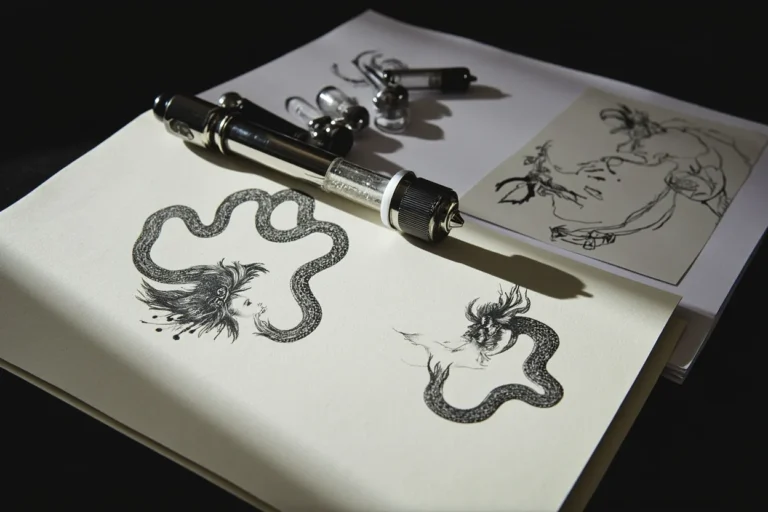
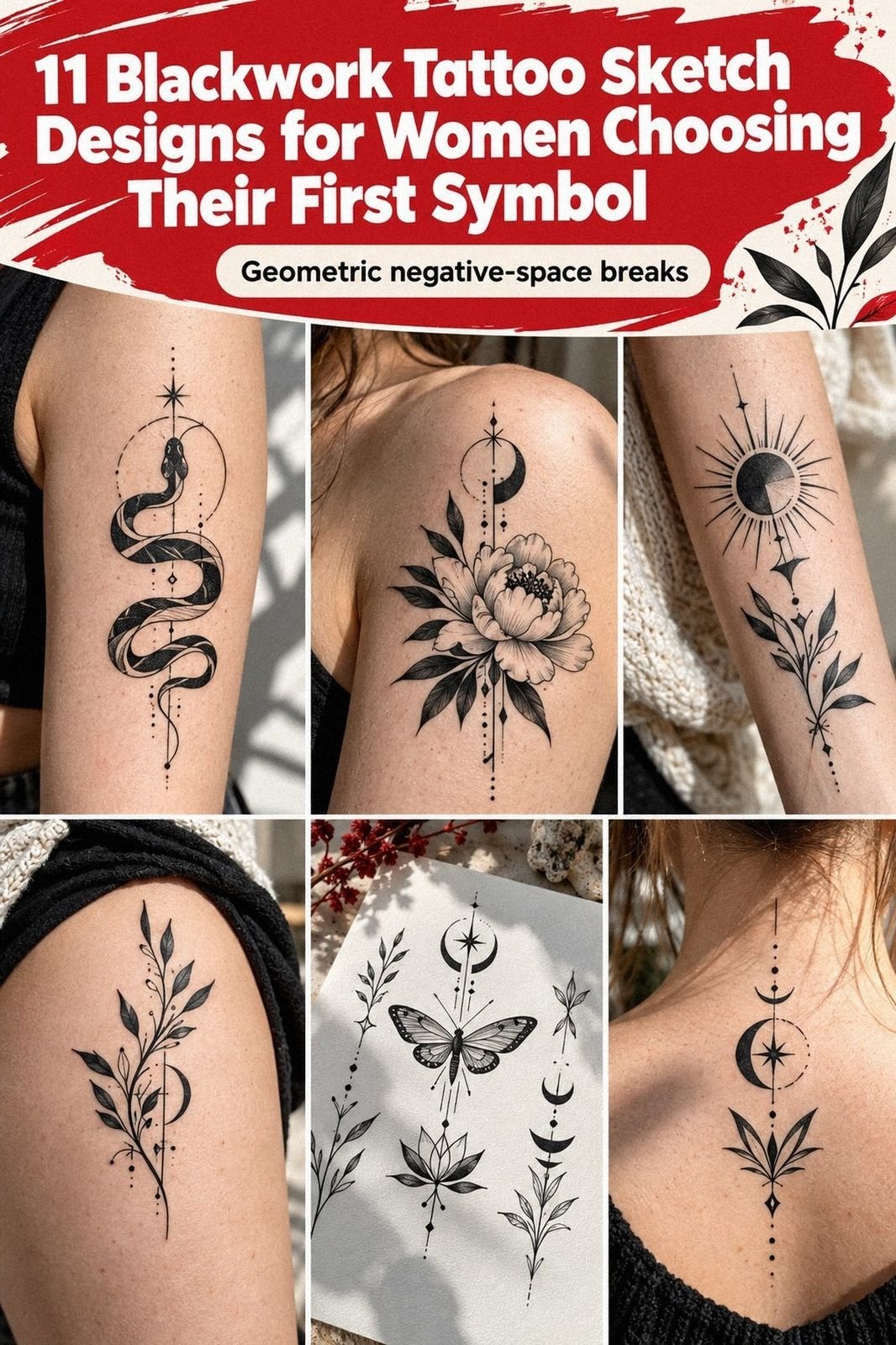
Blackwork tattoo sketch ideas can be personal without looking precious. I once chose a design that was too detailed for its placement, and the healed result lost its crisp edge. Now I favor symbolic shapes, solid black anchors, and breathing space. These 11 concepts keep the meaning yours.
- Choose a Striking Blackwork Flash Sketch
- Which Intricate Blackwork Design Details Matter?
- Fierce Ankle Blackwork vs. Quiet Edge
- Delicate Botanical Blackwork Linework
- Build a Bold Blackwork Sleeve in Phases
- Is Minimal Wrist Blackwork Still Enough?
- The Nyx Motif: Sacred Geometry for an Ornate Back Piece
- Keep a Symbolic Blackwork Sketch Meaningful
- Sharp Blackwork Drawings Need Clear Edges
- What Makes a Haunting Fine-Line Sketch Work?
- Expressive Blackwork for Ankles and Beyond
1Choose a Striking Blackwork Flash Sketch
A striking flash sketch works when its silhouette reads before the details do. For your calf, look for a strong central shape, clean negative space, and one memorable mark instead of six competing symbols. Solid blackwork gives the design weight, while small breaks keep it readable against your skin.
Ask your artist for a 3-inch blackwork emblem with enough open skin around it. A crowded outline can blur visually as your tattoo settles, so I’d skip tiny interior flourishes that have no job.
Don’t treat a flash sheet like a menu where you must choose untouched art. You can borrow the blackwork tattoo flash structure and replace the central symbol with something personal. A thorn, star, key, or animal mark can feel edgy without becoming loud.
Save this sketch tattoo style guide beside your notes, then ask how the line weight will look after healing. The answer matters more than the first glance!
Choose the Silhouette Before the Details
Before you worry about texture, test the outer contour at the size you might actually wear. Print it, place it against your calf, and step back. If the mark still feels expressive from several feet away, the foundation is working.
The best flash adaptations often have a personal symbol hidden inside a bold shape. A small star, initial, or animal eye can make the piece meaningful without turning it into a literal story. That restraint is what makes the design feel timeless.
2Which Intricate Blackwork Design Details Matter?
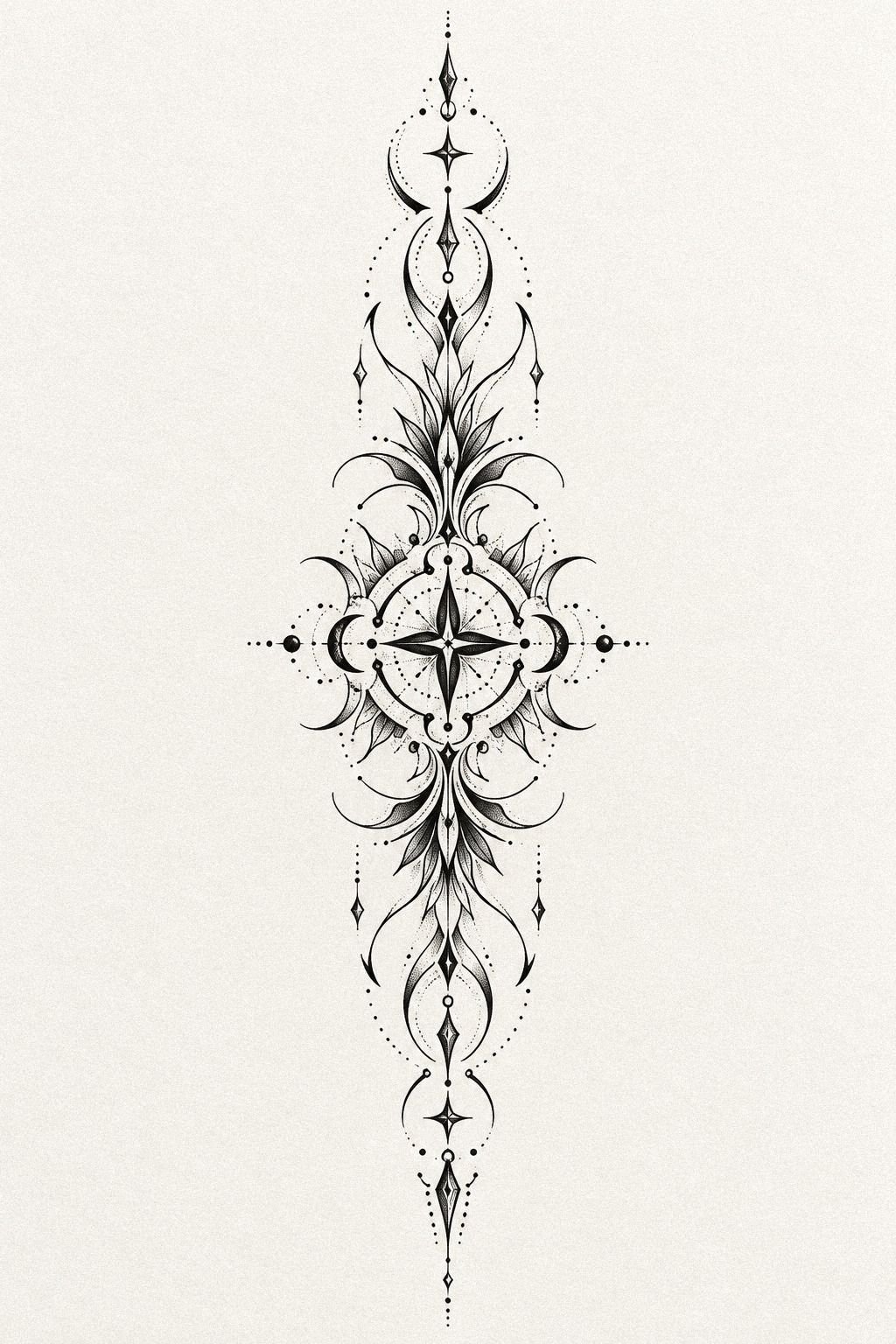
Intricate work needs a visual hierarchy. Your eye should land on the outer contour first, then move through small marks and textured shadows. That order makes the tattoo feel expressive rather than muddy.
I’d choose illustrative blackwork when you want a story hidden inside the image. A figure, bird, relic, or botanical fragment can carry several meanings, but your artist should still reduce the design to two or three major shapes. Too many equal details make the tattoo feel hesitant.
Ask for fine stipple shading only where it supports the drawing. You don’t need every section filled. Restrained texture can make the darkest areas feel more powerful, especially when the design needs to stay legible from a distance.
Bring your artist a reference from the blackwork tattoo design ideas collection, then mark the one detail you refuse to lose. Your tattoo should still be recognizable when you glance down quickly, not only when you study it under bright light.
Which Details Deserve to Stay?
I’d keep the detail that carries the emotional meaning, not simply the detail that took the longest to draw. A tiny crown may matter because it represents survival, while an extra border may be removable.
Ask about the long-term value of every mark. If removing one flourish makes the tattoo clearer, the edit is probably worth it. You aren’t paying for maximum density; you’re paying for a readable composition that still feels like yours.
3Fierce Ankle Blackwork vs. Quiet Edge
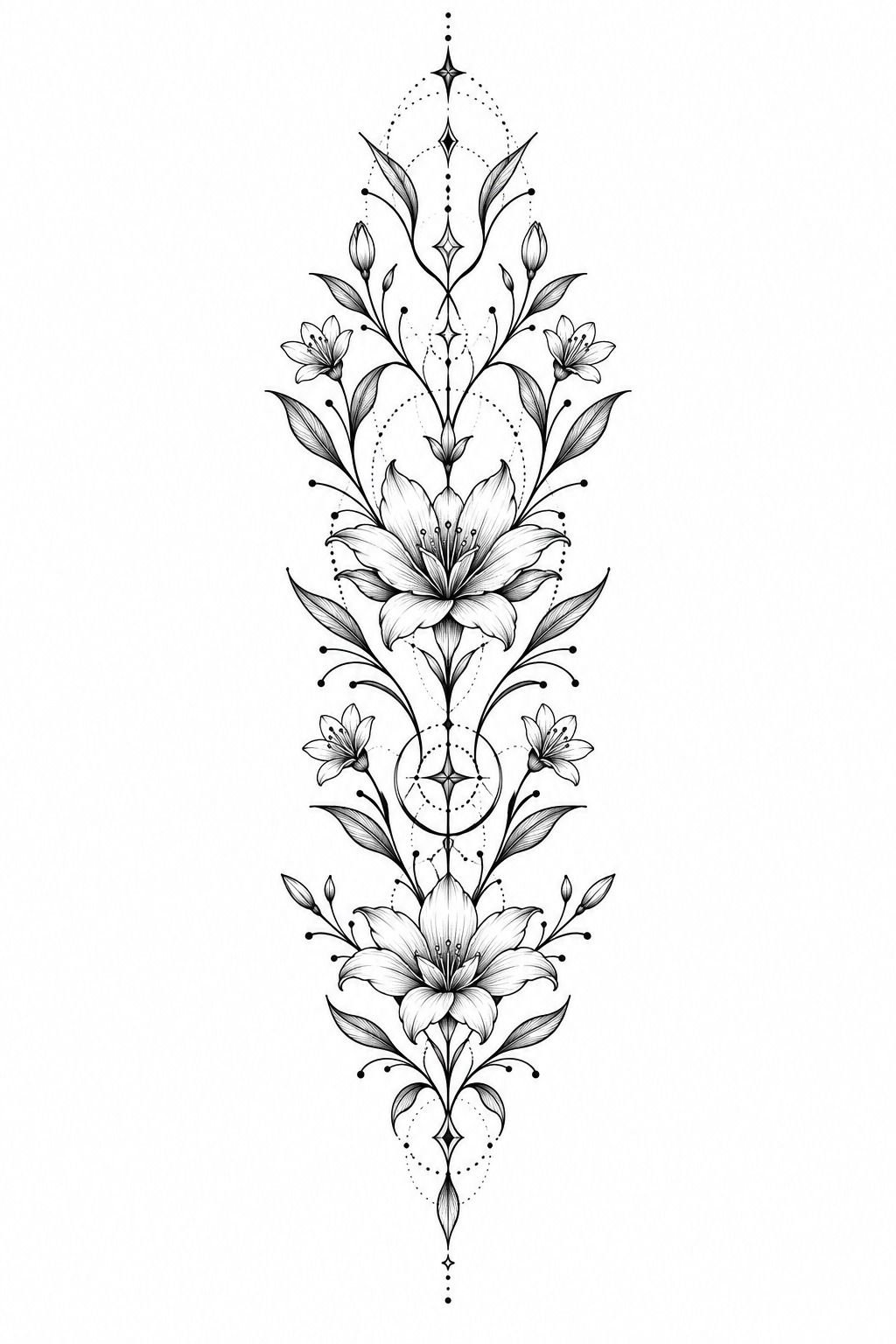
Fierce ankle work suits a compact footprint and a sharp outer edge. The solid fill can feel grounded, while a small strip of open skin stops the shape from becoming one heavy block.
For your ankle, I’d favor a dark-work tattoo with one black crescent, blade-like contour, or animal silhouette. A fierce idea can remain elegant if the artist limits the points and keeps the border deliberate. Random spikes usually look edgy for five minutes and confusing for years.
Your ankle moves, rubs against footwear, and sees plenty of sun. Ask for saturated black ink in the main anchor and a little less density near the outer edge. I’d skip a pale grey wash here because it can lose its authority beside the stronger fill.
If you want the design to feel raw rather than ornamental, study the blackwork geometric tattoo dotwork guide. You can borrow its rhythm without copying a mandala. Your final sketch should have one clear direction.
Let the Ankle Carry the Edge
An ankle design has to survive movement, socks, shoes, and regular sunlight. That makes a sharp outer boundary more valuable than a crowded interior. The strongest version may look almost minimal on paper, then feel powerful once it follows your ankle.
Think about orientation before you book. A point facing upward feels daring, while a mark facing forward can look more intentional when you walk. Your artist can rotate the fierce silhouette until it works with your natural movement.
4Delicate Botanical Blackwork Linework
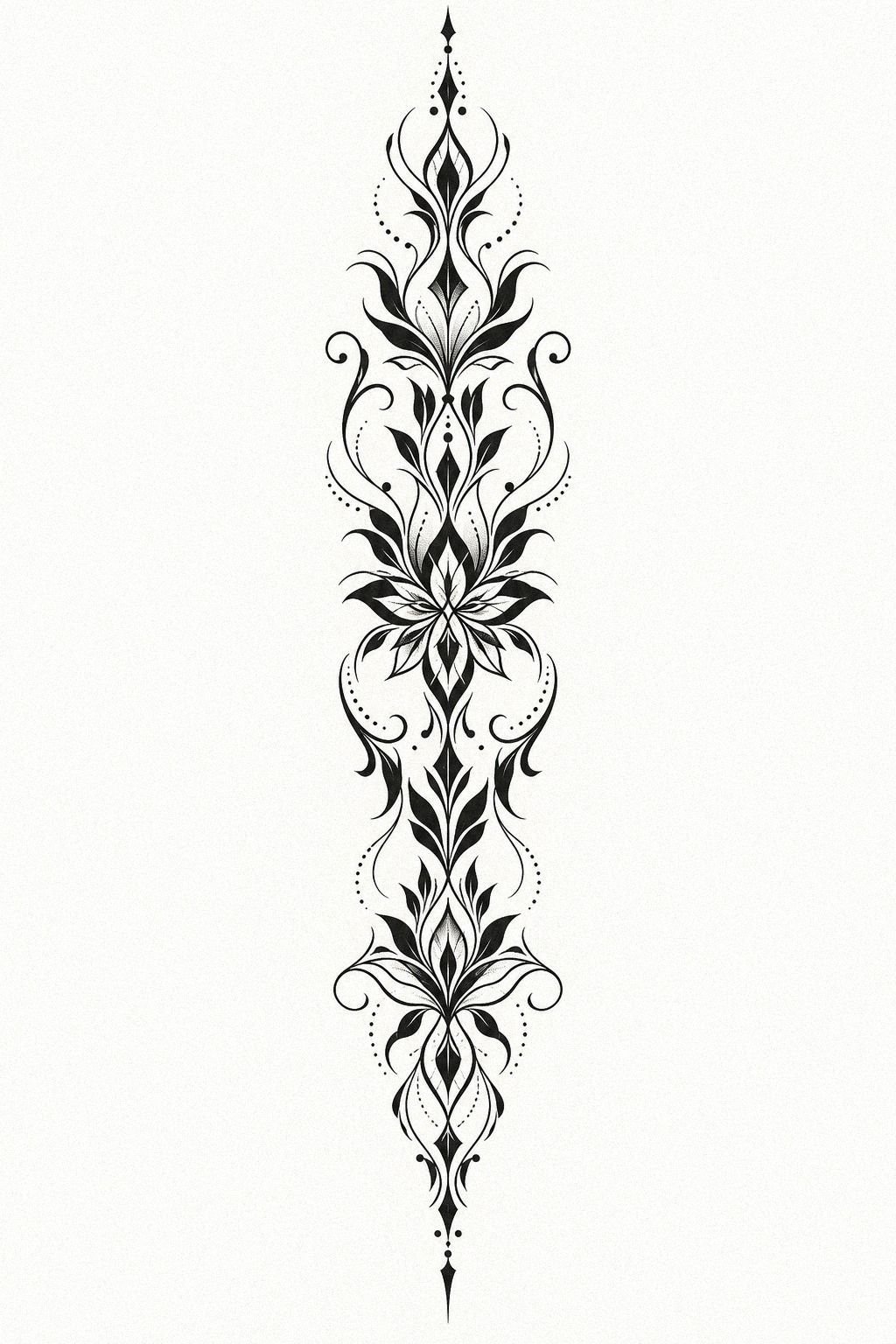
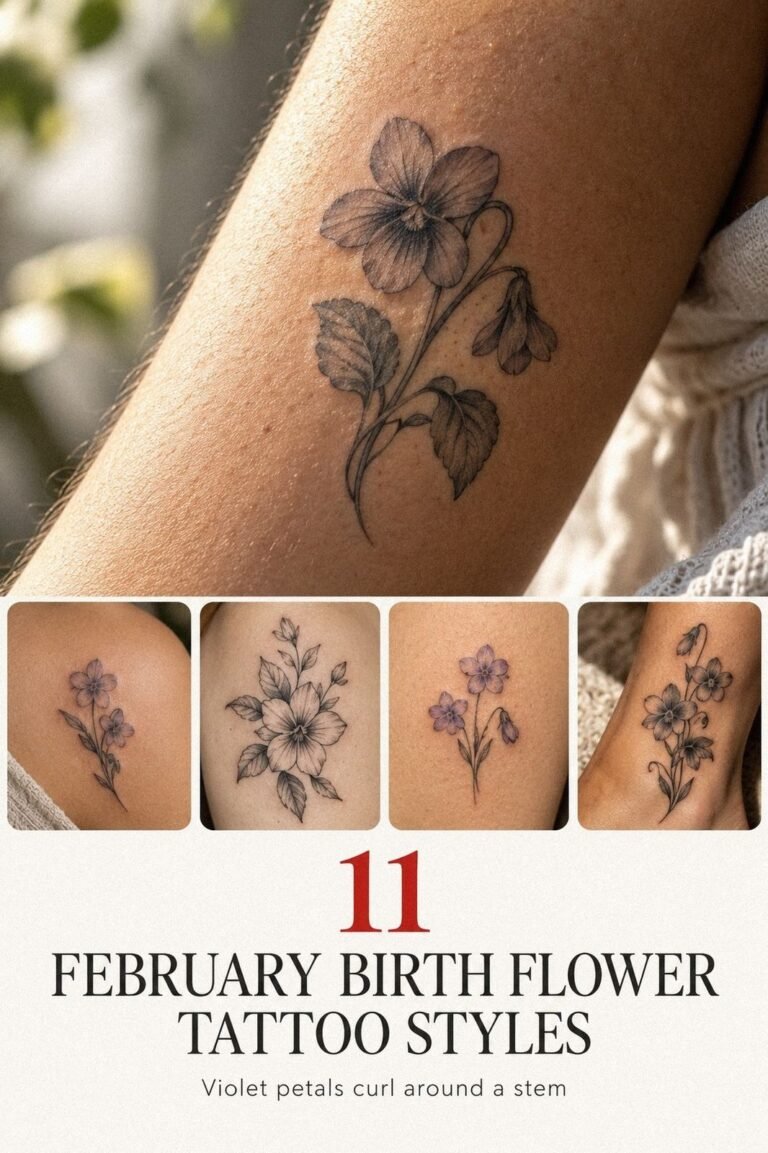
Delicate botanical linework can feel graceful without becoming fragile. A stem, thorn, leaf, or seed pod gives the artist a natural path to follow while leaving enough skin between the marks.
Choose one botanical motif instead of combining an entire garden. A curved stem can wrap around the forearm, while a single leaf may suit the wrist or ankle better. The design should remain recognizable even after the smallest veins soften.
Ask whether the plant’s shape fits your placement. A tall bloom needs a different proportion from a spreading branch, and a minimal version may age more clearly than a crowded study.
Keep the symbolism direct. Growth, remembrance, protection, and renewal can all live inside botanical blackwork without requiring text or extra shading.
5Build a Bold Blackwork Sleeve in Phases
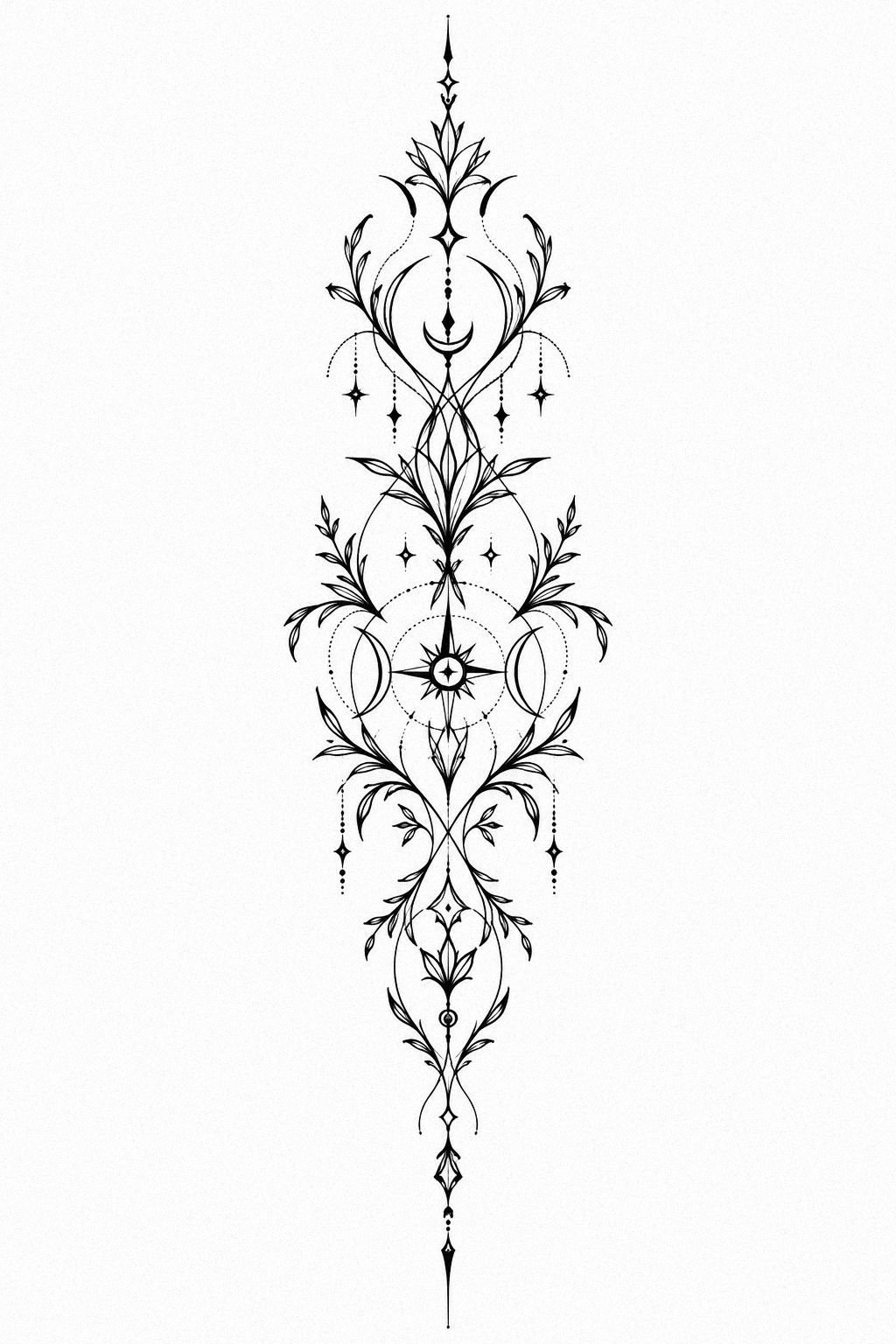
A bold sleeve concept needs rhythm before it needs more images. Start with one blackwork sleeve concept, then decide how repeated angles, line weights, or symbols might connect the later additions.
I wouldn’t mix five unrelated styles just because each sketch looks good alone. A sleeve becomes readable when your eye finds a visual family moving from shoulder to wrist.
Start with one anchor and test its position against your arm. Black fill with smooth grey shading can bridge two pieces, but too much grey may weaken the graphic force.
If you want a gritty, woodcut feel, keep the hatching directional and let some skin interrupt it. You can compare ideas in this blackwork tattoo ideas collection before choosing the first mark.
You don’t have to commit to a full sleeve in one session. Save three shapes, then ask what they might look like at 4 inches, 6 inches, and larger. Your budget and healing time will shape the sequence.
A vibrant sleeve can still include quiet gaps. Breathing space keeps the design from becoming a solid block of marks, and your skin can create an intentional visual pause.
Build a Sleeve in Phases
A phased sleeve gives you time to judge the first anchor piece before adding more. Wear it for a few weeks, notice how your eye moves around it, and only then decide whether the next mark should echo or challenge it.
Cost matters here. A clear plan can help you budget for several appointments, while an improvised sleeve may leave you paying for filler you never wanted. The best value comes from a cohesive sequence, not from rushing every idea into one booking!
6Is Minimal Wrist Blackwork Still Enough?
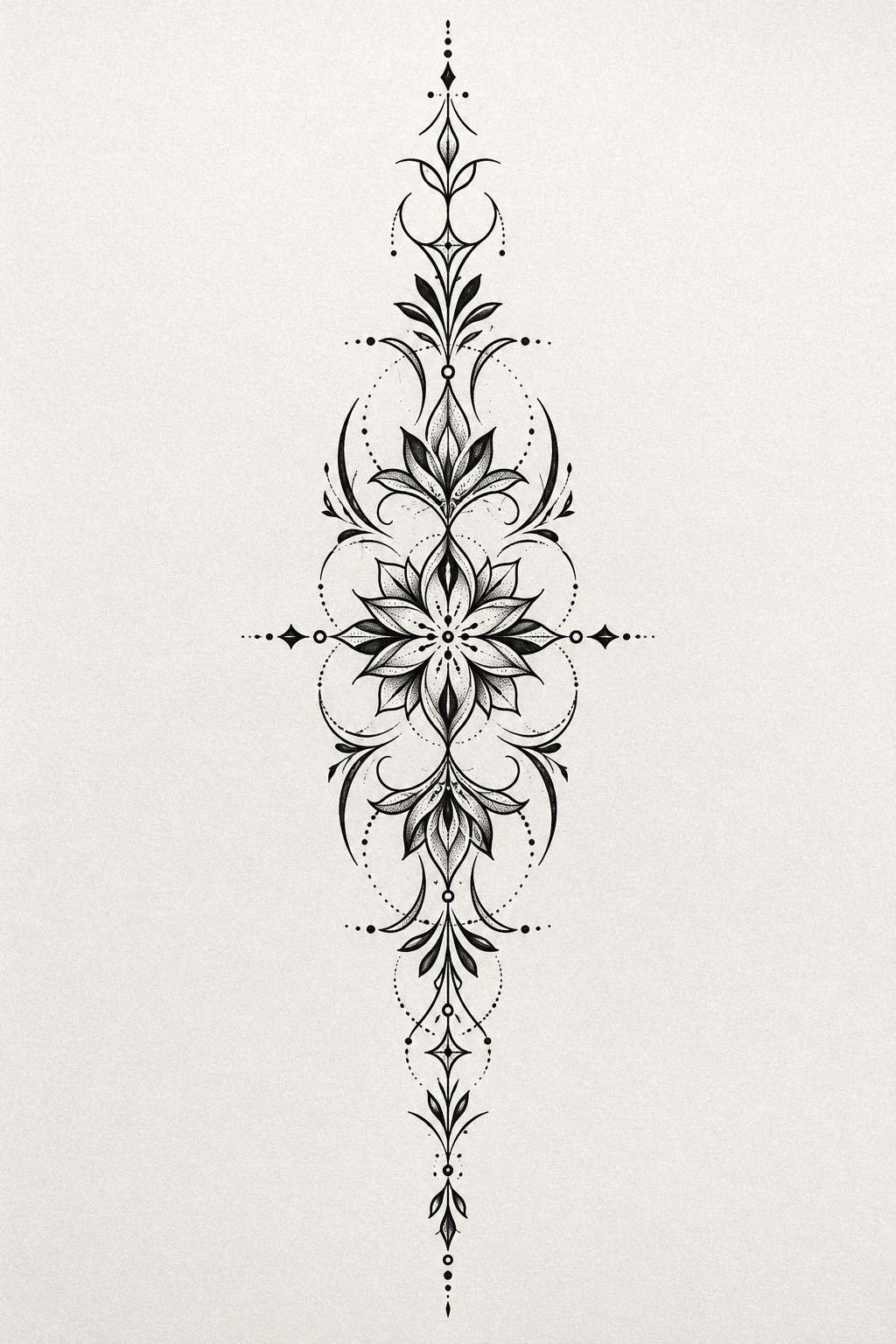
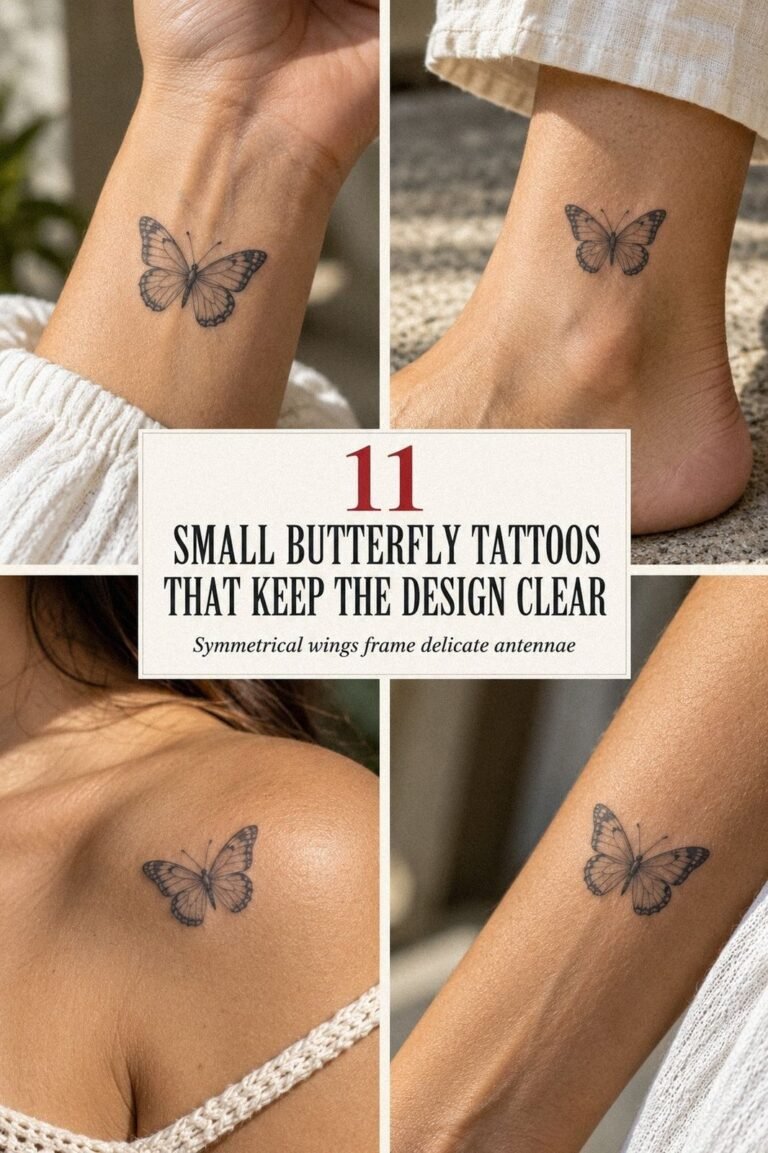
Minimal wrist work succeeds through proportion. A narrow symbol, short word, or small orbit can be enough when the contour is deliberate.
Choose a minimal blackwork symbol that has one clear shape. Your wrist is visible, mobile, and close to the eyes, which makes uneven spacing easy to notice. I’d skip ultra-tiny detail if the design only makes sense from a few inches away.
A small piece can still feel meaningful. Consider a 2-inch open-circle mark, paired points, or a simplified animal profile. Your artist should show you the stencil before the needle starts.
You can ask for a slight shift toward the inner or outer wrist depending on how often you want it seen. That decision matters more than squeezing in one extra detail.
Review blackwork design ideas and look for healed examples, not only fresh ink. Your wrist may need a touch-up later if friction and sunlight soften the smallest lines.
Is Small Still Worth It?
Small doesn’t automatically mean low cost. Many artists charge a minimum, so ask whether the design is worth the shop minimum before you book.
The right small tattoo has an iconic identity. If you can describe the single defining mark in a sentence, it will probably read better than a miniature collage. Keep the line spacing generous and let your skin do some of the visual work.
7The Nyx Motif: Sacred Geometry for an Ornate Back Piece
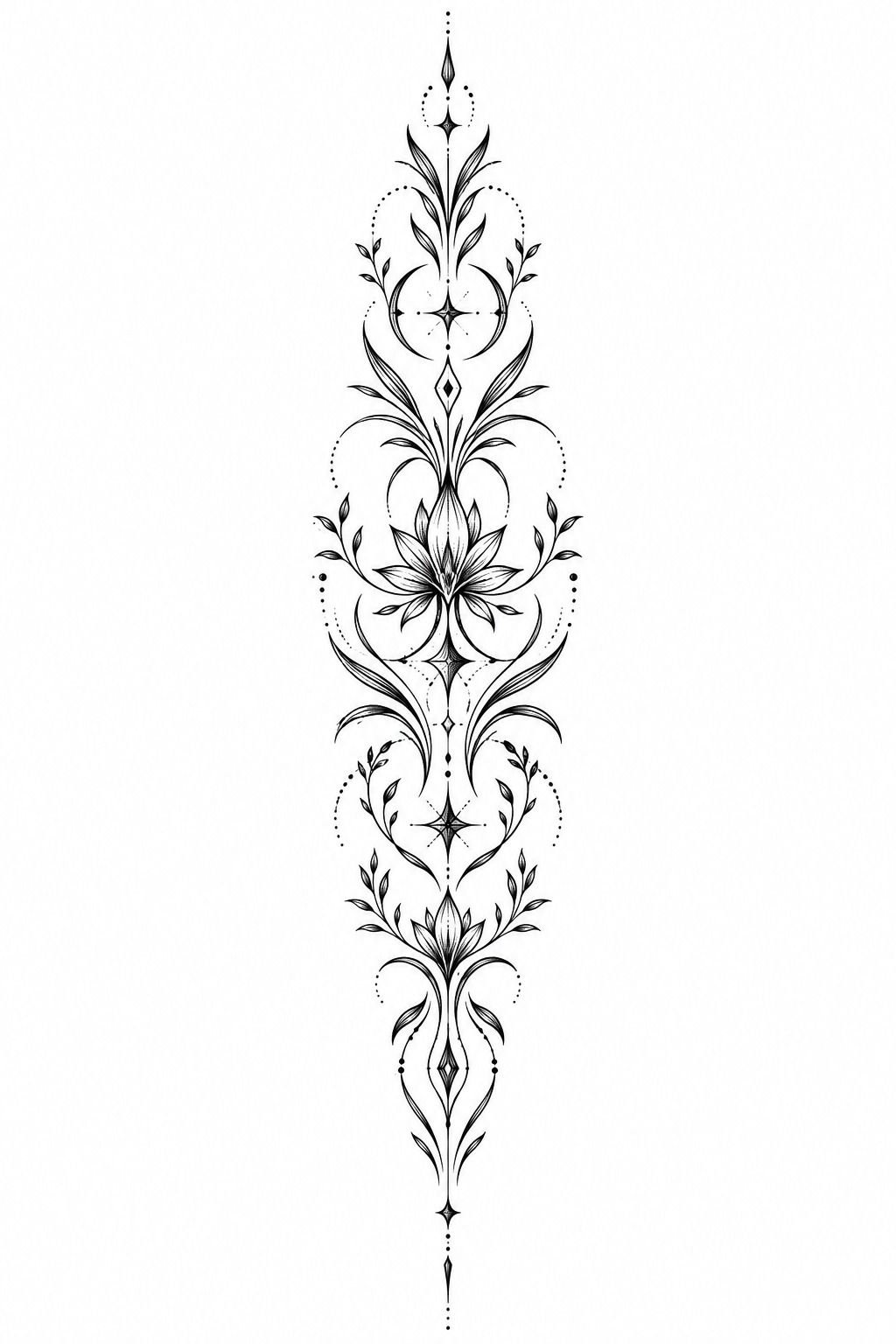
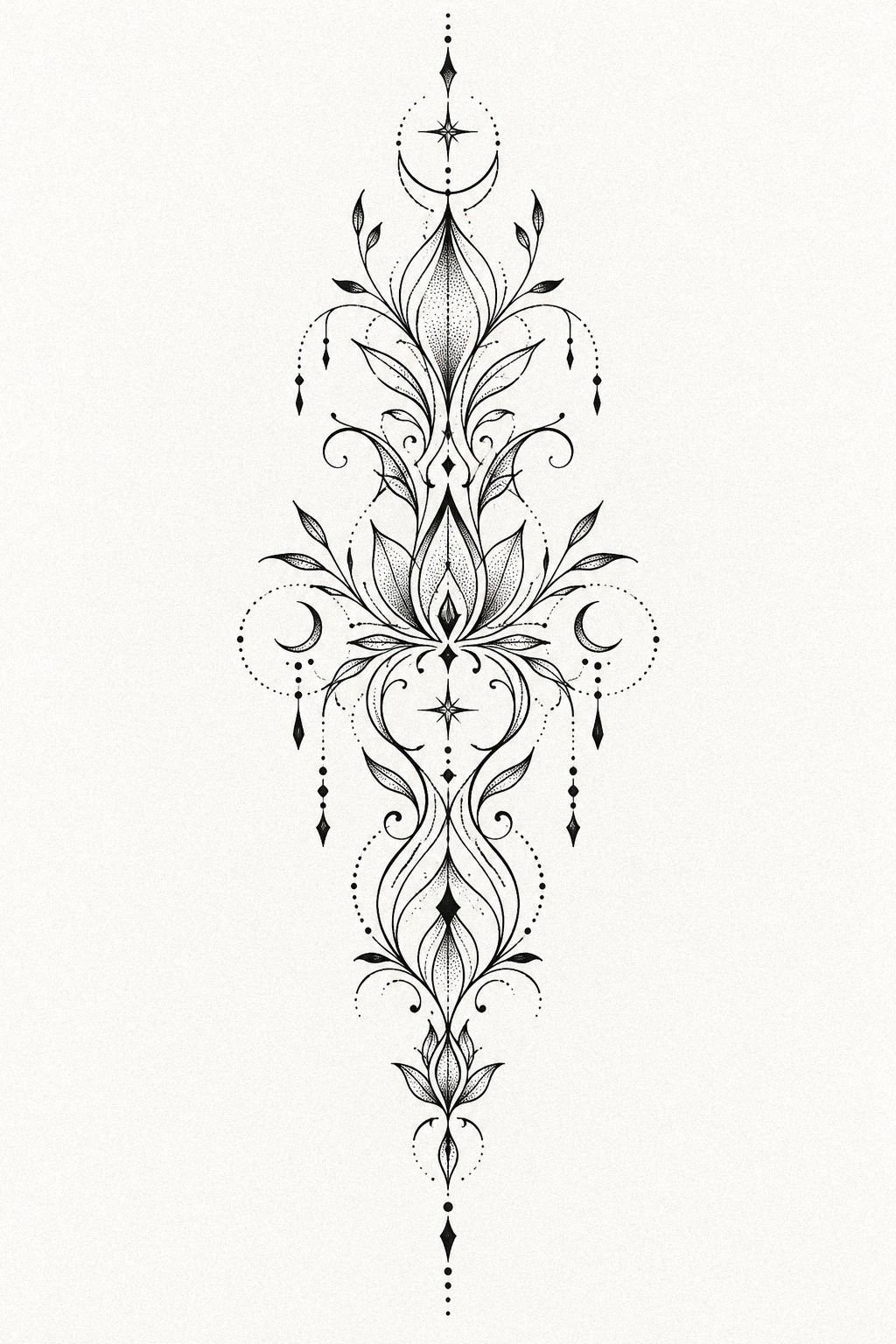
An ornate back piece needs a centerline. A vertical study can follow the spine while leaving the shoulder blades visually open.
I’d use ornate blackwork when you want a sacred feeling. A central eye, sun, animal, or relic can hold the composition, while side marks echo its shape. I’d skip random filler because it makes a large tattoo feel assembled instead of intentional.
The Nyx motif, with its night-sky associations, can give a back piece a 12-inch vertical composition without forcing a literal moon or star. Your artist should measure your anatomy rather than copy that number blindly.
Shoulder width, muscle movement, and the curve near the lower back all affect the stencil. You want the design to sit naturally when you stand and move.
The blackwork geometric tattoo dotwork guide may help you compare spacing systems. Ask how long the session might take, and remember that a larger study may require more than one appointment.
What Will You Pay for Scale?
Large work costs more because it demands planning, stencil time, repeated sessions, and careful saturation. Ask for a clear estimated tattoo cost before committing.
The cheapest quote may not offer the best value if the artist’s healed portfolio doesn’t match the style. Request a properly measured stencil, discuss breaks between appointments, and ask how the design will be divided.
8Keep a Symbolic Blackwork Sketch Meaningful
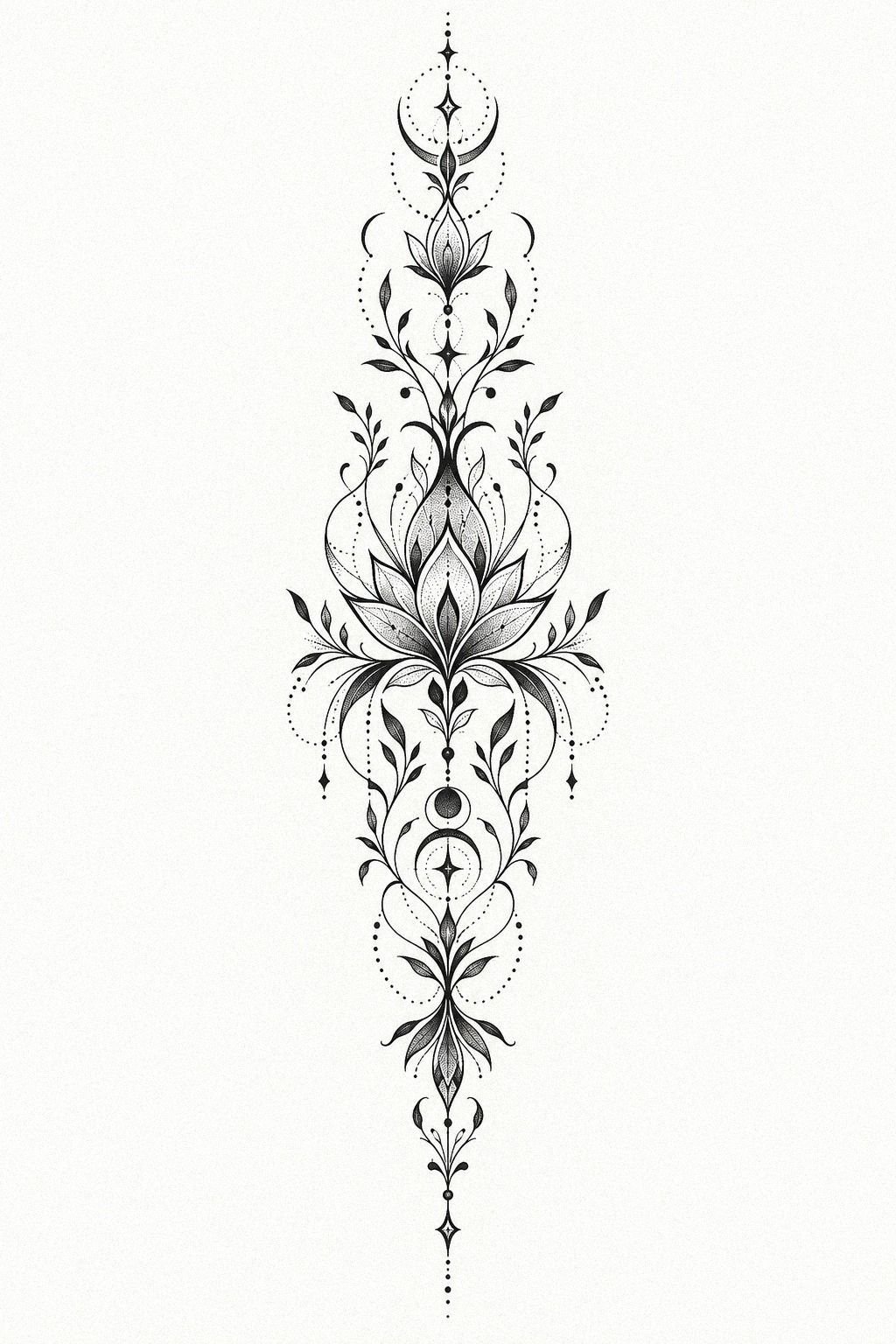
Symbolic work becomes stronger when you can explain the image to yourself in one sentence. A black mark can stay clear without extra color when the shape has enough room to breathe.
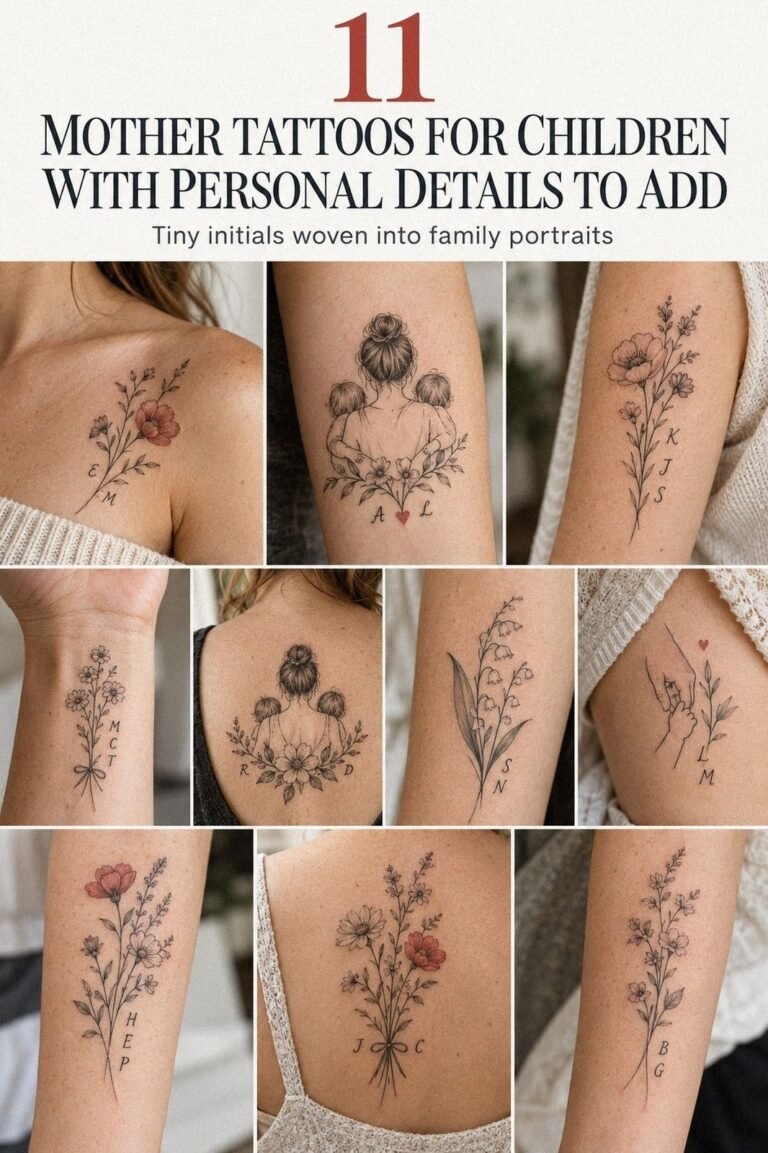
Try a symbolic blackwork sketch built around one private association: a constellation, inherited object, animal, or personal number. Your design doesn’t need a public explanation. In fact, I think the best symbols are understated enough that strangers see a sharp image while you know the full story.
A small amount of open space can make the symbol feel more personal. Black ink with clean negative space gives your eye somewhere to rest, and it lets the central mark remain recognizable as the tattoo ages.
If your symbol comes from balance, duality, or opposing forces, compare the yin yang tattoo meaning reference. If it relates to strength or myth, the Zeus tattoo meaning page may give you useful context.
Your artist can simplify either reference into a personal shape. I’d skip adding text unless the lettering is essential to the meaning.
A symbolic idea can be romantic, masculine, feminine, or none of those labels at all. A single emblem usually carries more emotional weight than a crowded collage, especially when you choose a placement you’ll see often.
Let the Meaning Stay Private
You don’t owe anyone a full explanation. A personal blackwork symbol can mark grief, survival, love, faith, or a private promise without spelling out the story.
If you want the tattoo to feel understated rather than literal, remove the obvious clue. Keep the shape that gives you the strongest emotional response, then let the rest become symbolism.
9Sharp Blackwork Drawings Need Clear Edges
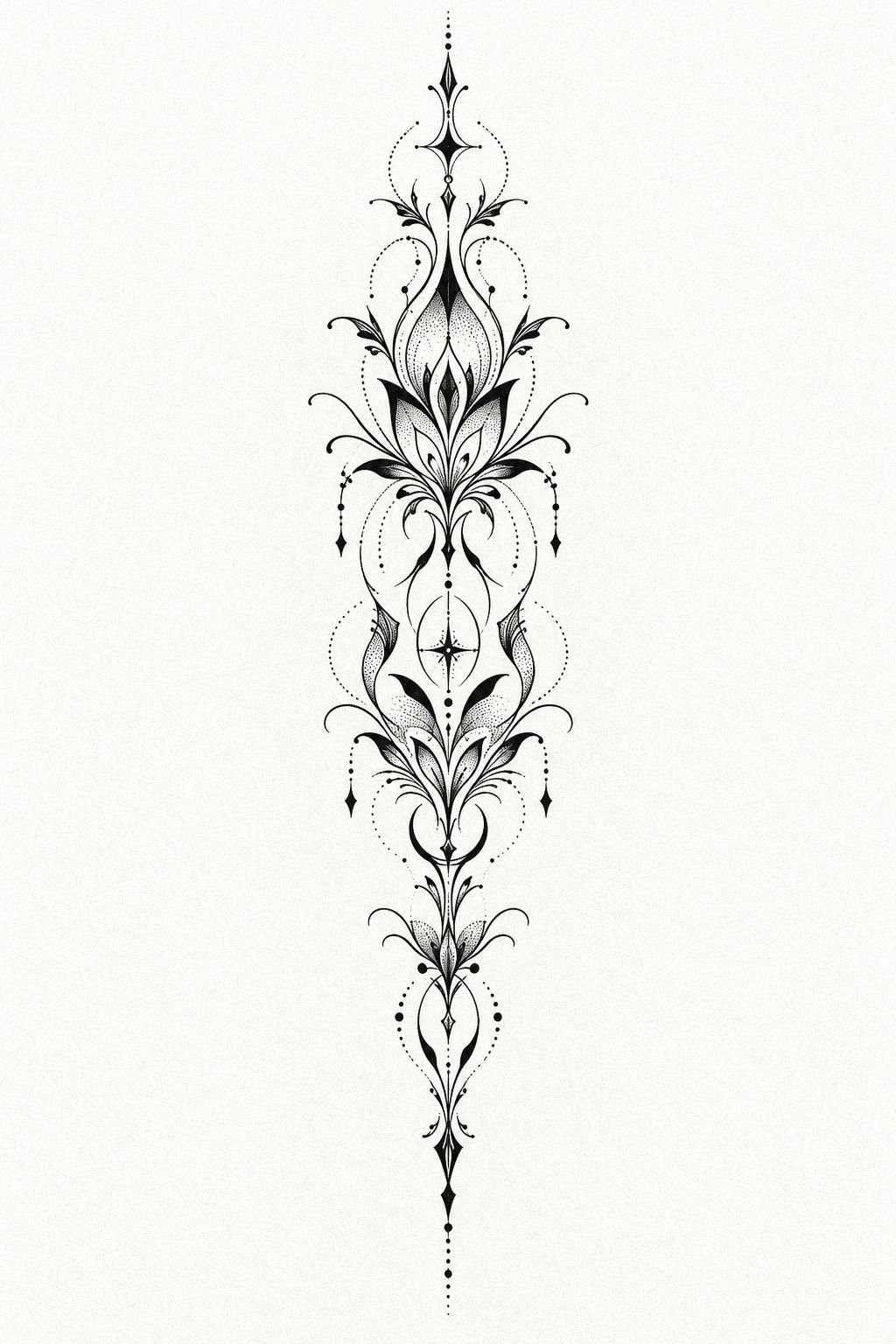
Sharp design drawings depend on edge control. Your artist should decide where the eye lands before adding texture or small accents.
Choose a sharp blackwork drawing if you like strong angles, blades, claws, stars, or abstract geometry. A polished stencil matters here because a small shift can change the balance.
I’d avoid soft shading across every surface. It can blur the distinction between the main shape and its supporting marks.
Crisp solid black fill can age well when the placement is protected and the lines aren’t packed too tightly, but shoes and sunlight still affect the area. Your artist may recommend a little more scale than you first imagined.
You can compare the abstract blackwork tattoo guide with your drawing before the appointment. Ask whether the sharpest point will face upward, forward, or inward.
10What Makes a Haunting Fine-Line Sketch Work?
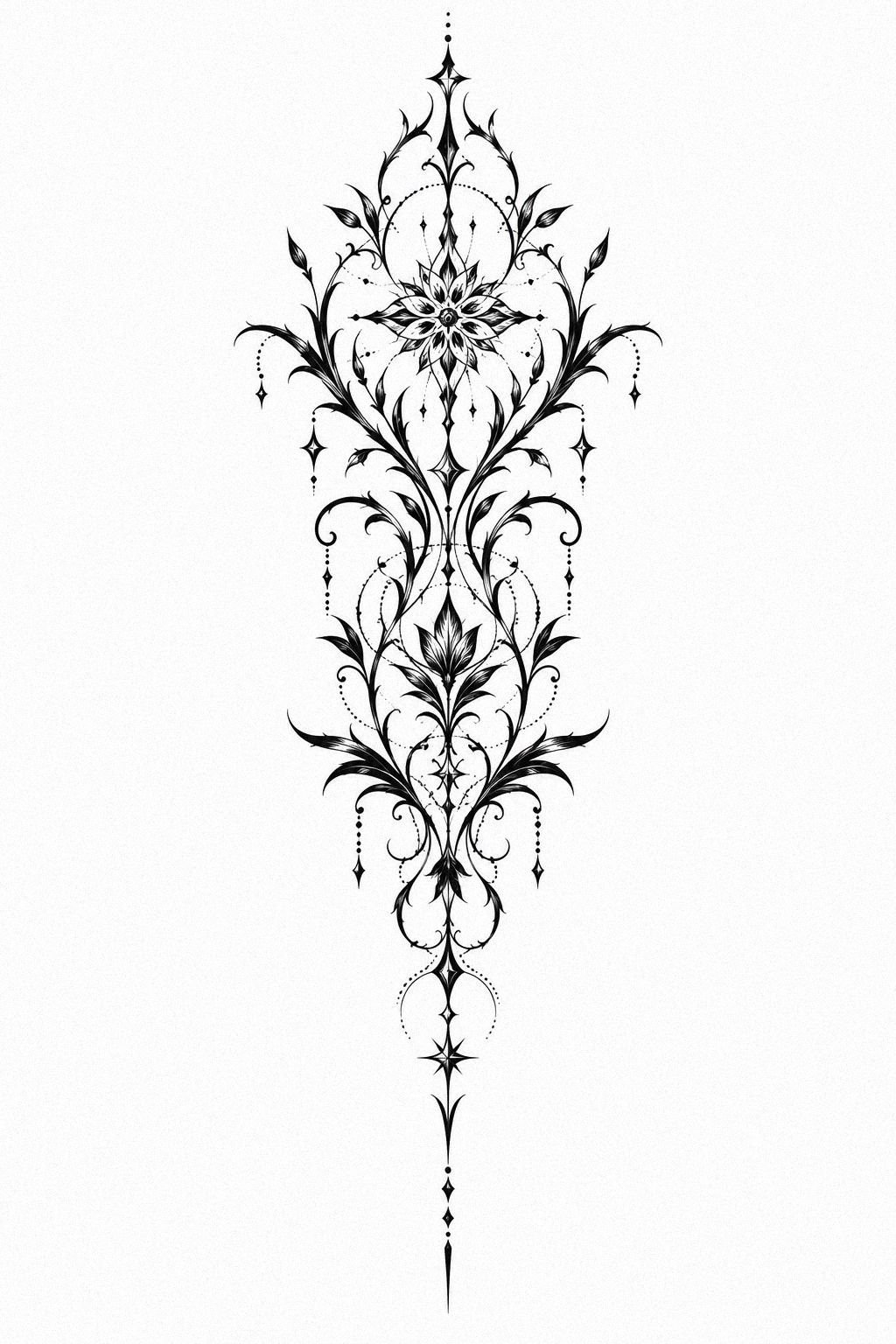
A haunting fine-line sketch works through restraint. Fresh lines can look dramatic, but healed lines reveal whether the spacing was generous enough.
For your piece, choose a fine-line tattoo with one central image and a few deliberate breaks. A face, moth, doorway, or distant figure can feel ethereal without needing a heavy background.
I’d skip overly dense detail, because thin lines may widen and soften over time. The stencil stage gives you a chance to catch scale problems before the appointment.
White stencil paper makes gaps and overlaps easy to see, while your artist can adjust the composition. Ask how the design is expected to age, especially if the linework is smaller than 2 inches.
Fine lines aren’t automatically delicate in personality. They can be vintage, playful, raw, or deeply personal. Look through the sketch tattoo style references and compare healed work.
11Expressive Blackwork for Ankles and Beyond
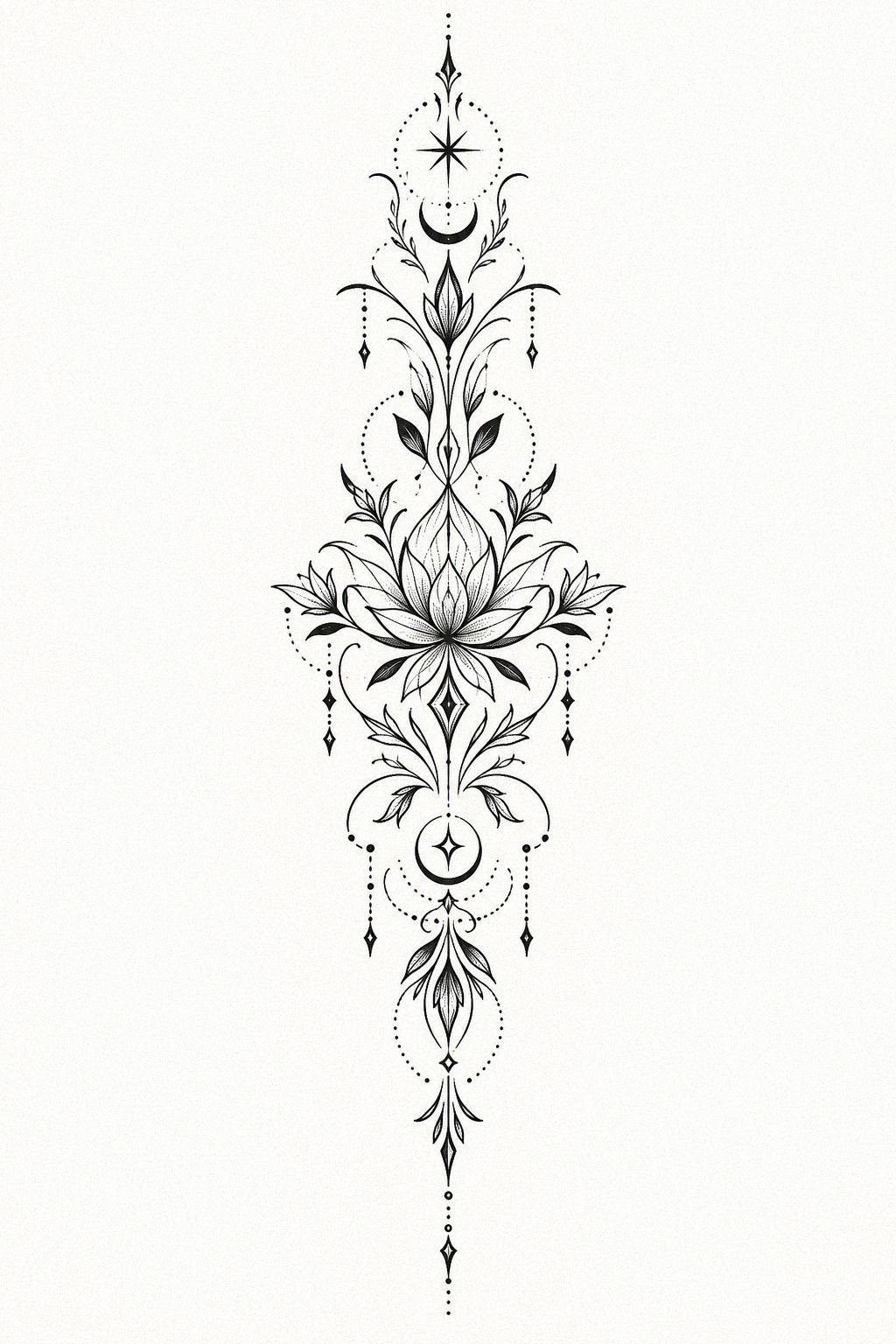
Expressive blackwork can sit on the shoulder, ankle, calf, or another placement if the drawing has a clear emotional gesture.
For an ankle, keep the main shape compact enough to survive movement and friction. For a shoulder or calf, you can let the design stretch into a longer mark without losing its identity.
An empowering blackwork idea does not need to be large. A claw, flame, animal profile, or broken chain can carry force when the contour is intentional.
The Private Symbol Method: Why Does a Quiet Mark Hold Power?
I used to think a meaningful tattoo needed an obvious story. Mine was too literal, too crowded, and I kept explaining it before anyone had asked. The design wasn’t terrible, but it left no space for curiosity.
A private symbol works differently. It gives you a memory without turning your skin into a caption. The first test is simple: can you name the feeling or memory in one sentence?
If you need five explanations, the drawing may be carrying too many ideas. Choose one anchor, then let the artist remove anything that only repeats the message. That edit can make a personal blackwork symbol feel more powerful.
The second test is visual. Does the design still work when the smaller details disappear from a few feet away? Your eye should catch the main shape first, whether it’s an iconic black silhouette, a botanical curve, or an abstract mark.
I’d rather have a smaller drawing with a memorable contour than a packed piece nobody can read. The forest tattoo design collection may help if your symbol involves trees, roots, distance, or endurance.
The last test is practical. You need to consider placement, sun exposure, friction, sensitivity, and healing before you fall in love with a sketch. Ribs, feet, hands, and sternum tend to feel more intense, while the forearm, thigh, and shoulder are often more tolerable.
A tattoo can be elegant without being decorative, masculine without being severe, feminine without being soft, or timeless without looking traditional. Your reason matters, but the drawing still needs structure.
Motifs That Keep Meaning Quiet
A private symbol usually works best when it has one visual verb. A thorn can suggest protection.
A key can suggest access. A broken circle can suggest change without spelling it out.
Start a short list of motifs that already follow you through life. The motif shortlist should include objects, animals, marks, or shapes you won’t resent after the initial excitement fades.
Then remove anything chosen only because it’s popular. A design can be stylish and still feel empty if it doesn’t connect to your experience.
I like comparing three versions of the same idea: a literal symbol, a simplified outline, and a nearly abstract mark. The middle version often has the best balance of recognition and privacy.
Placement, Scale, and Contrast
Placement changes the emotional tone of a tattoo. A mark on the inner forearm can feel available to you, while one on the back can feel more guarded.
Before booking, test the stencil proportion with a temporary version. Walk, bend, and move naturally. If the shape feels cramped before the needle starts, it won’t improve through wishful thinking.
Scale also affects the meaning. A tiny mark can feel like a secret, while a larger emblem can feel declarative. Neither choice is automatically better.
The blackwork tattoo design ideas collection can help you compare proportions. Keep your artist involved, because anatomy and movement should guide the final decision.
A Short, Personal Brief Before You Book
Write down three things before your consultation: what the symbol means, what must remain visible, and what you would gladly remove. That personal design brief gives your artist useful limits.
Bring a few references, but don’t arrive with ten unrelated styles. Explain the feeling first, then identify the shapes, spacing, and contrast you want.
I’d also ask how the design will look healed, not only fresh. A confident artist should be able to discuss line spacing, saturation, placement, and realistic aftercare.
The Questions I Get Asked Most
How much does a Blackwork Tattoo Sketch usually cost?
A small blackwork sketch often starts around the shop minimum, about $50 to $100, while hourly work may run about $100 to $250 in the US. Your artist, region, size, and placement will change the quote, so ask about the total cost before booking.
Are Blackwork Tattoo Sketch ideas good for a first tattoo?
Yes, especially when you choose a readable placement and a design that feels meaningful. A clean black silhouette can be easier to understand than crowded color work. Your forearm, thigh, or shoulder may feel more manageable than ribs, feet, hands, or sternum.
How do I choose a tattoo artist for Blackwork Tattoo Sketch?
Study a portfolio for consistent linework, solid fills, and healed photographs. Look for an artist who specializes in blackwork tattooing, not only one impressive image. Your consultation should also cover hygiene, stencil placement, aftercare, and how the design may change as it heals.
How much do Blackwork Tattoo Sketch designs hurt?
Sensitivity depends on your body and the placement. Ribs, feet, hands, and sternum are often more sensitive, while forearms, thighs, and shoulders tend to be more tolerable. Your session length and the amount of solid fill can affect the experience too.
How long does a Blackwork Tattoo Sketch take to heal?
The surface often settles in about 2 to 3 weeks, but complete healing can take about 2 to 3 months. Wash gently, moisturize as directed, and avoid sun and swimming while your skin recovers. Your artist’s aftercare instructions should lead.
What’s the best placement for Blackwork Tattoo Sketch designs?
The forearm, thigh, and shoulder offer readable space and are often more tolerable. Your ankle can work for a compact design, but footwear and sun exposure matter. Choose a placement where the main contour has enough room to remain clear over time.
What color works with blackwork in 2026?
Black remains the defining color, but your artist can use skin breaks, soft grey shading, or a small muted accent if it serves the drawing. I’d keep the solid black anchor dominant so your sketch doesn’t lose its identity.
Can I design a Blackwork Tattoo Sketch on a budget?
Yes. Bring a focused reference, choose a moderate size, and ask for a design that works in one session.
Your best budget choice is editing the idea before the appointment, not cutting corners on hygiene, artist skill, or aftercare. A thoughtful plan usually offers better value than a rushed booking!
Aftercare for a Crisp Blackwork Mark
Follow your artist’s instructions first, because products and timing can vary. Keep the healing surface clean, avoid picking, and don’t expose it to unnecessary friction while the skin settles.
Sun protection matters after healing too. Strong sunlight can soften contrast over time, especially on ankles, wrists, hands, and other exposed placements.
If anything looks unusual during healing, contact your artist or a qualified healthcare professional. Good aftercare protects the design, but it also protects your skin.
The One-Anchor Decision: Where I’d Start First
If I had to pick one, I’d start with the symbolic calf sketch. Its solid central mark stays readable while the open skin keeps it from feeling heavy.
Pin that idea for later and compare it with more blackwork tattoo design ideas before booking. If the symbol still feels personal after a few weeks, it’s probably worth it.
A private tattoo doesn’t need a public explanation. If the contour still gives you the right feeling when nobody else understands it, that’s your signal!