Simple tattoo stencil designs work best when the shape, placement, and line weight agree. I learned that after choosing a tiny design that looked delicate on paper but crowded my skin. Your first stencil doesn’t need to be timid. It needs a clear silhouette, a meaningful detail, and enough room to age gracefully!
- Start With Delicate Floral Wrist Stencil Designs
- Why a Fierce Snake Works on the Forearm
- Keep Minimal Moon Ankle Tattoo Stencils Open
Editor’s note: The most worthwhile stencil is the one you’ll still recognize when the initial excitement fades. Think about the shape first, then the placement, then the artist who can translate both into lasting black ink. For more planning ideas, browse this tattoo outline drawing guide.
- Start With Delicate Floral Wrist Stencil Designs
- Why a Fierce Snake Works on the Forearm
- Keep Minimal Moon Ankle Tattoo Stencils Open
- Compass Meaning: A Symbolic Chest Stencil
- Try a Dainty Butterfly Finger Outline
- Bold Lion Shoulder Stencils Need Room
- Let Flowing Script Follow the Ribs
- Neck Geometry: One Unique Outline
- Give a Playful Heart Hip Stencil a Personal Twist
- Let Sacred Lotus Back Stencils Breathe
- Dragonfly Collarbone Placement: Sharp or Soft?
1Start With Delicate Floral Wrist Stencil Designs
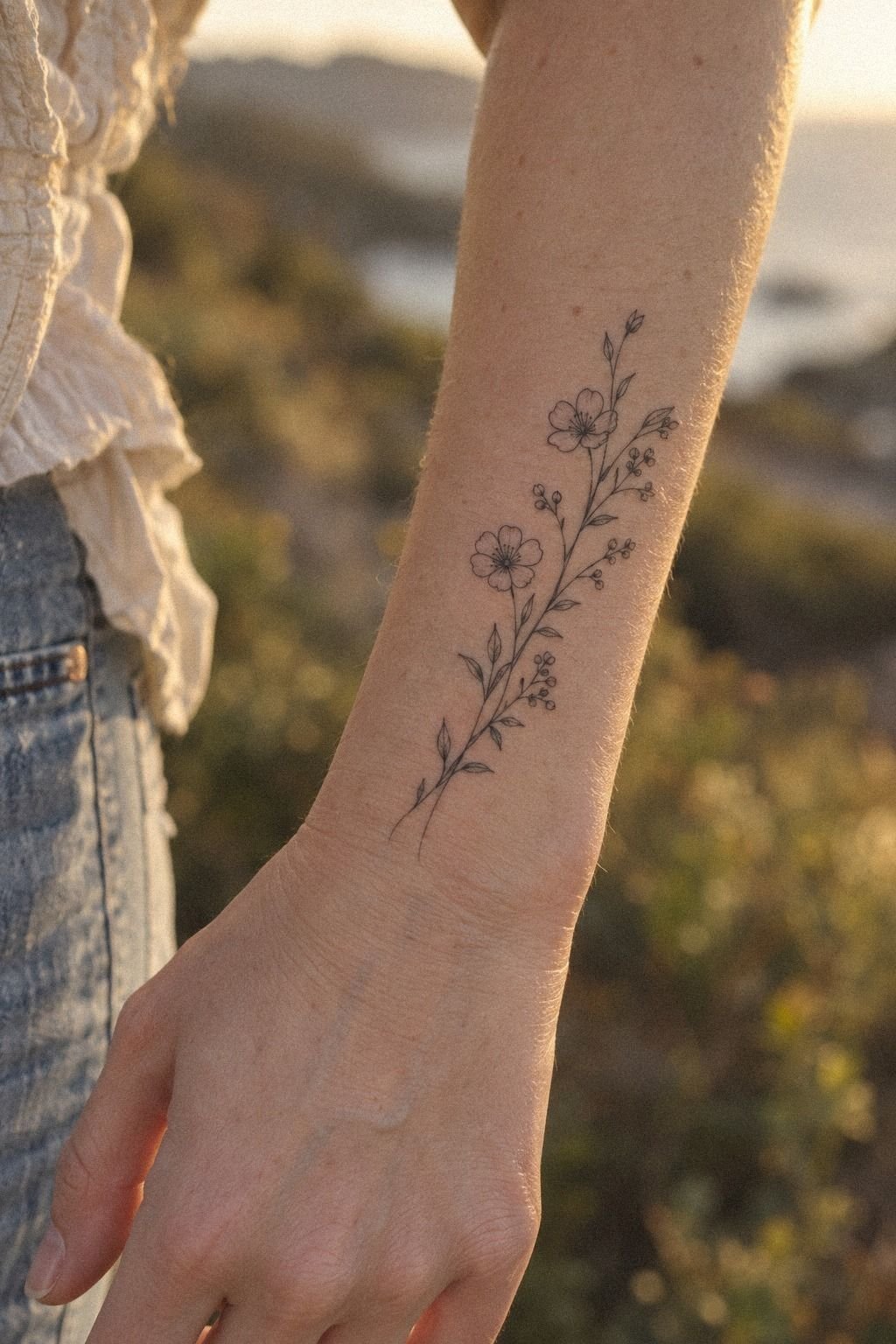
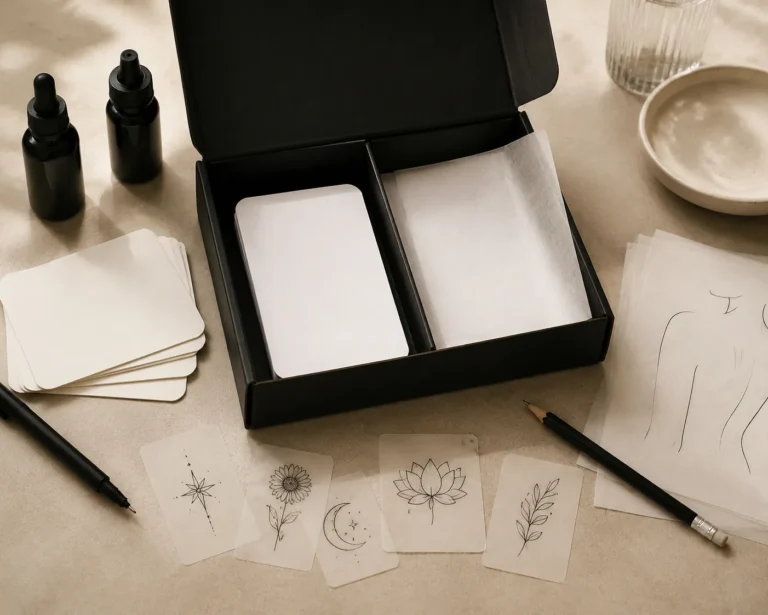
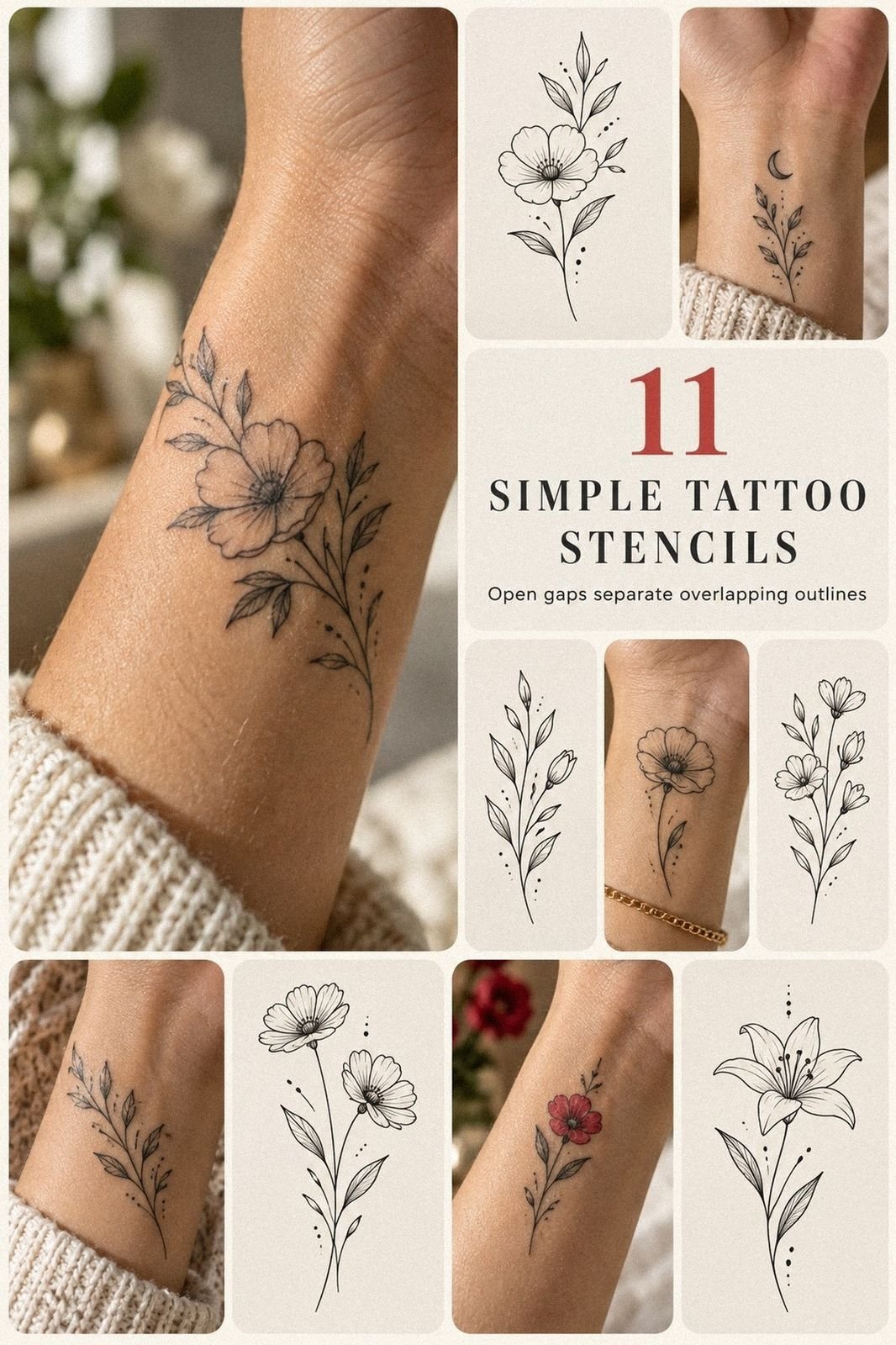
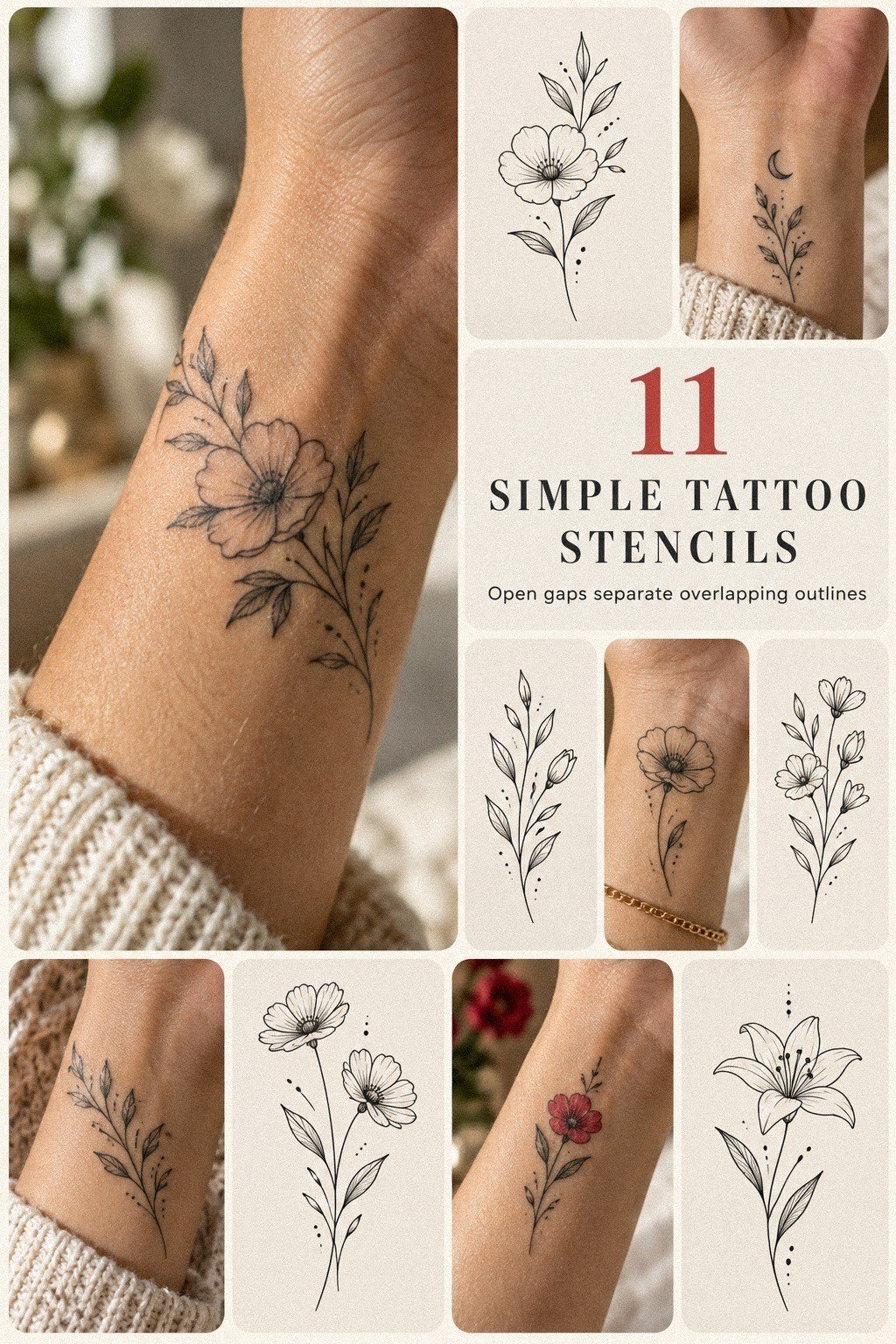
A wildflower sprig on the wrist gives you a delicate botanical stencil without looking forgettable. If you’re choosing this Tattoo Ideas Female Stencil approach, keep the stem flowing toward the hand and let each bloom breathe. I’d choose single-needle black ink over gray for a crisp outline that remains readable.
Your stencil should follow the wrist’s natural length, not wrap tightly around it. Ask your artist to leave small gaps between petals, especially if your design is under two inches. That negative space keeps the sprig elegant instead of turning into a dark blur.
I’ve seen the best results with fine-line botanical work that uses three or four flowers rather than a crowded bouquet. You’ll want one larger bloom, two smaller buds, and a few narrow leaves. Anything more can lose its graceful rhythm.
The wrist is visible, so you’ll notice every change as the tattoo settles. Protect your fresh piece from direct sun, wash it gently, and don’t pick at flaking skin.
Surface healing may take about two to three weeks, while complete settling can take about two to three months. This tattoo outline drawing stencil design can help you compare simplified shapes.
I’d skip dense shading here because it can make a delicate flower look heavy. Your strongest choice is an understated floral sprig with one personal symbol hidden among the leaves. It can feel romantic, feminine, and quietly iconic!
2Why a Fierce Snake Works on the Forearm
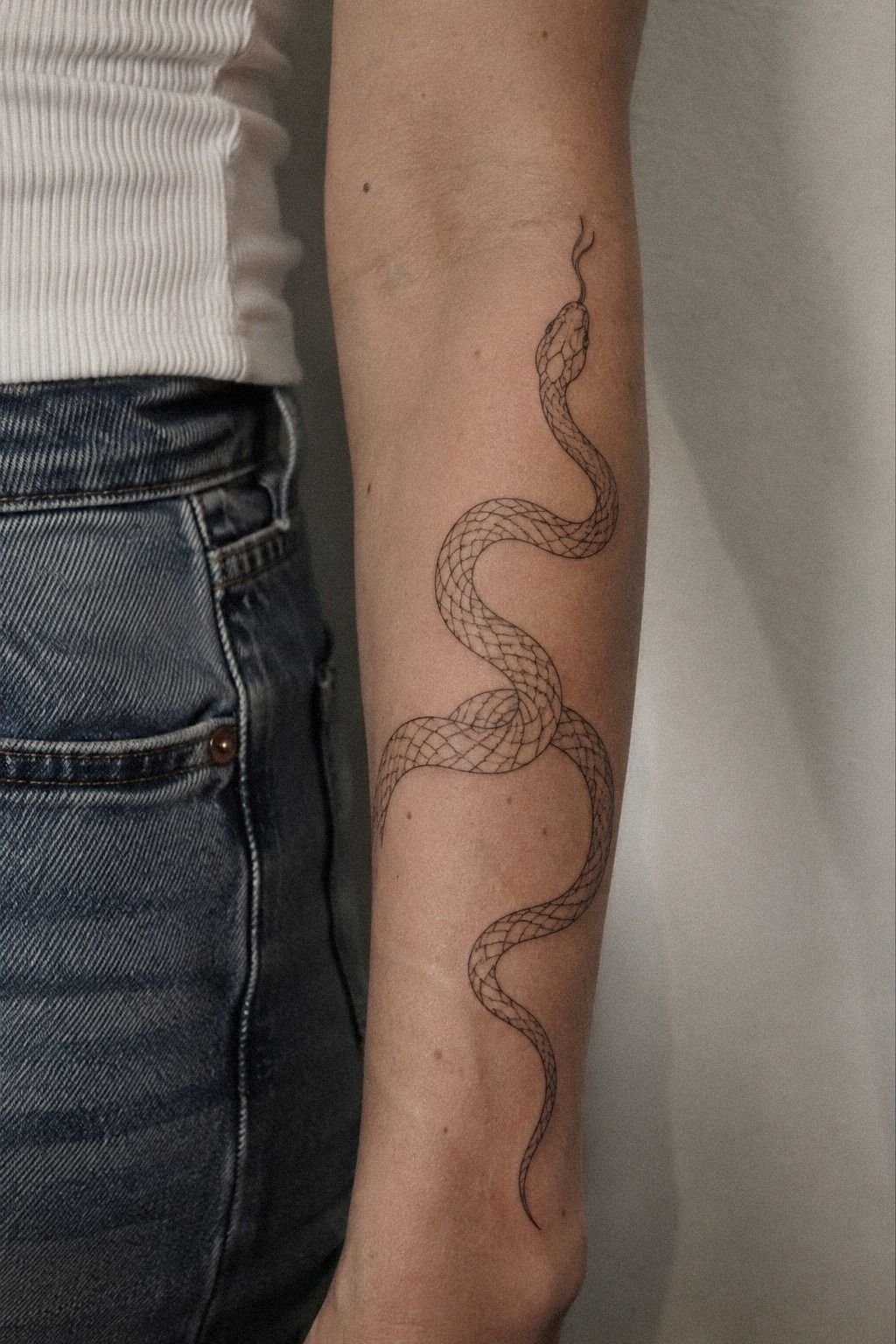
A slim serpent gives you a fierce forearm outline while keeping the tattoo narrow and wearable.
3Keep Minimal Moon Ankle Tattoo Stencils Open
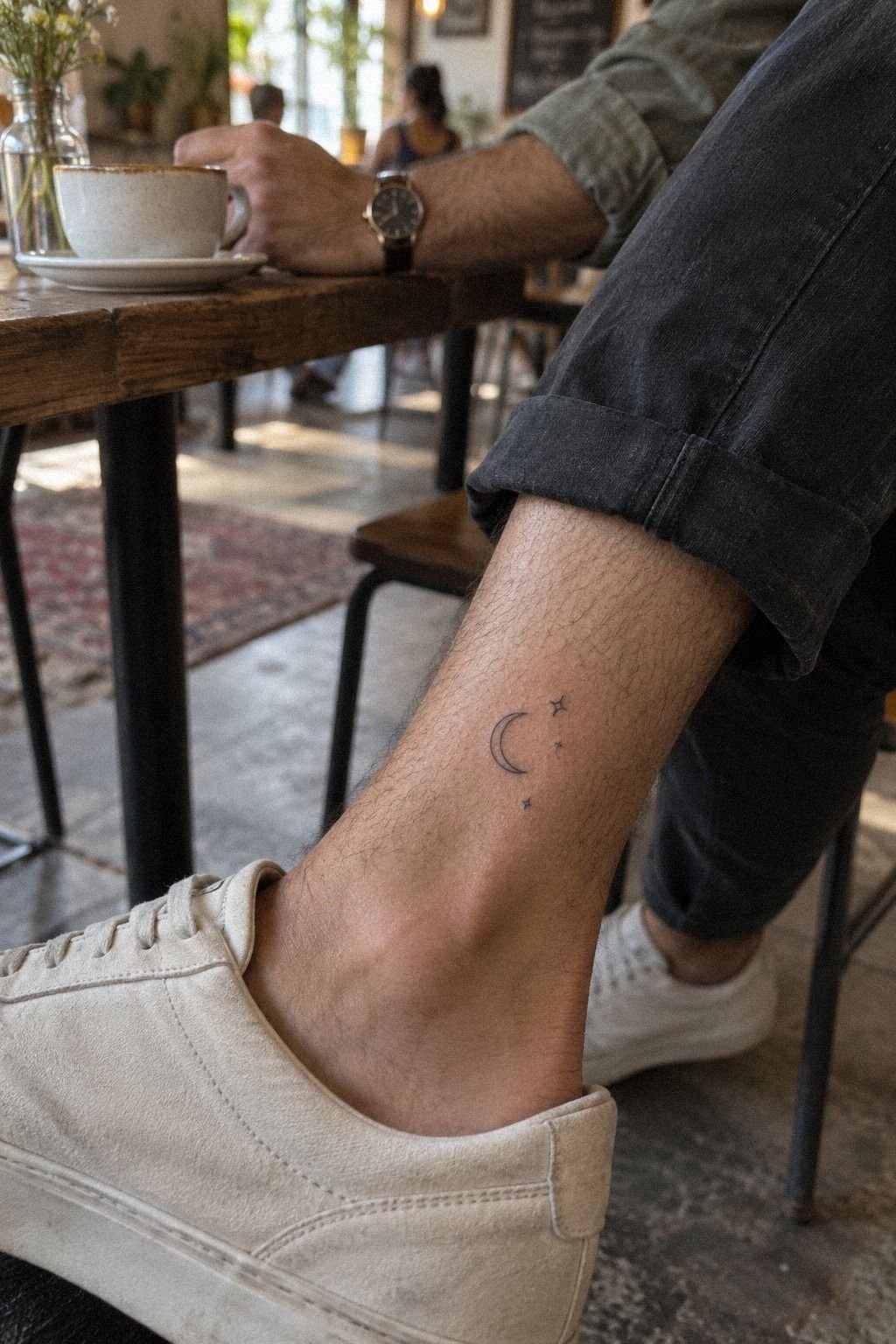
A crescent moon with a few stars works beautifully when you want a minimal moon stencil that still feels meaningful. The outline should be immediately recognizable, even if the finished tattoo is small. For alternate creature and celestial references, compare it with this bee tattoo design collection.
Ankle skin moves, rubs against footwear, and sees plenty of sun. I’d keep the ankle placement slightly above the most active crease rather than forcing the crescent directly onto it. Your artist can test the position while you stand and walk.
A few tiny stars can make the design feel ethereal, whimsical, or personal, but they aren’t essential. One star connected to a date or memory may carry more meaning than a scattered field. Keep the crescent open, crisp, and easy to read.
4Compass Meaning: A Symbolic Chest Stencil
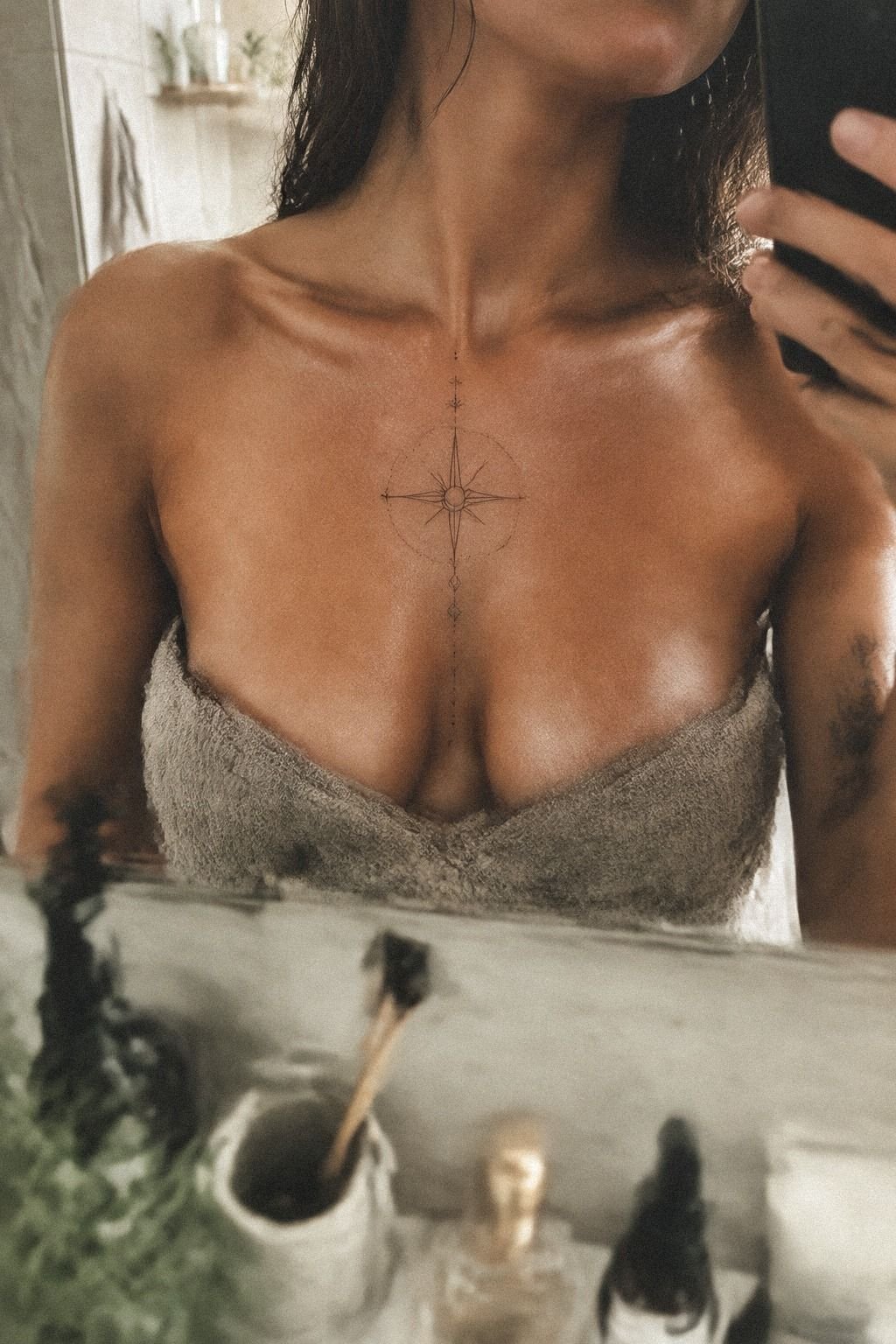
A compass on the chest can be symbolic compass linework without requiring heavy decoration.
5Try a Dainty Butterfly Finger Outline
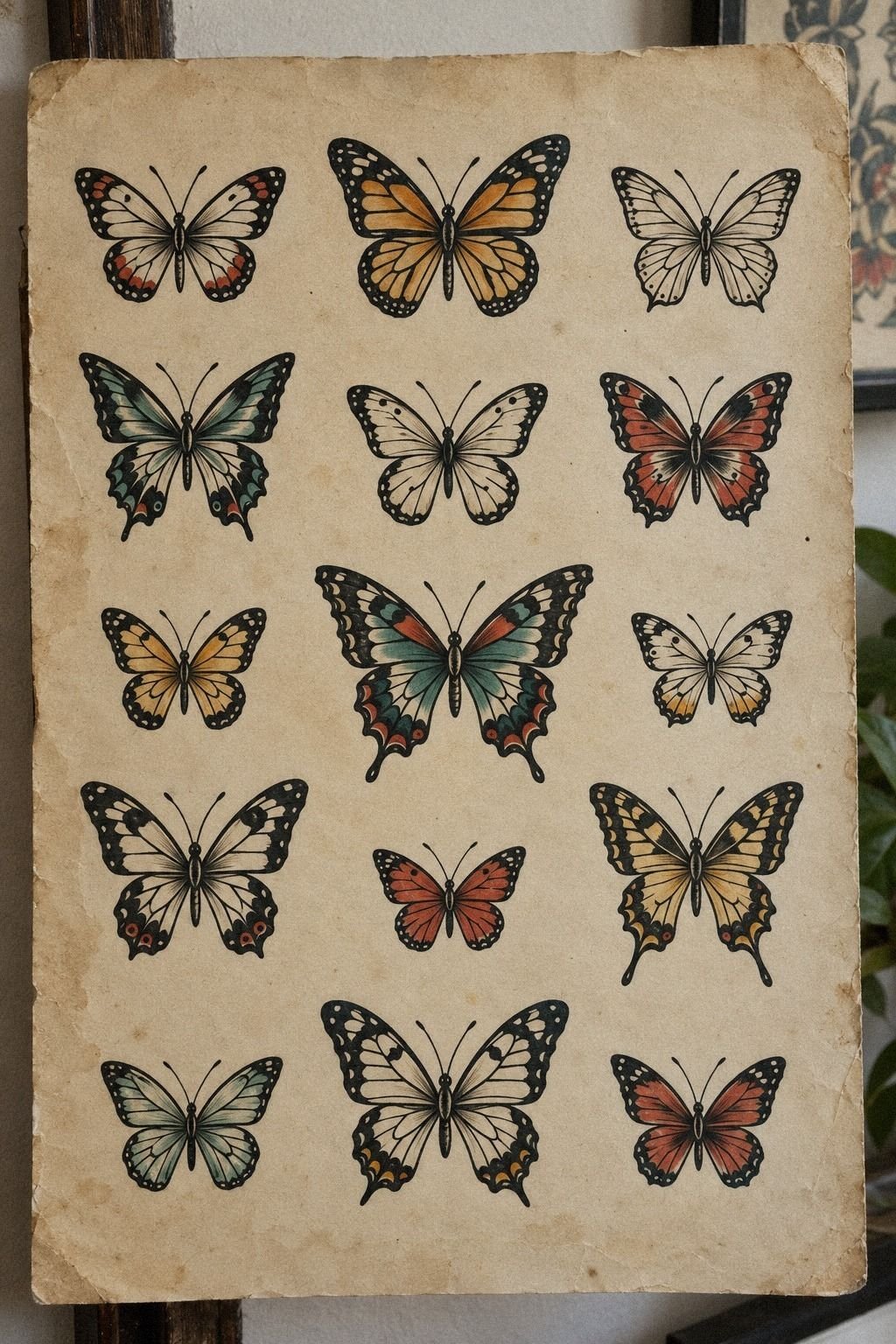
A butterfly outline can be dainty finger linework, especially when you choose a simple flash-style silhouette. Its wings can stay symmetrical, or one small difference can make the design more personal. These ladybug tattoo stencil ideas offer another useful reference for compact insect shapes.
Finger tattoos face constant movement, washing, friction, and sun exposure. Because of that, your artist may recommend slightly stronger lines than you expected. The butterfly outline should remain readable without depending on fragile interior veins.
Think carefully about the visibility before choosing finger placement. It can look polished and striking, but the skin may require a touch-up sooner than a protected area. If you want the same motif with more flexibility, a small wrist or ankle version may be worth comparing.
6Bold Lion Shoulder Stencils Need Room
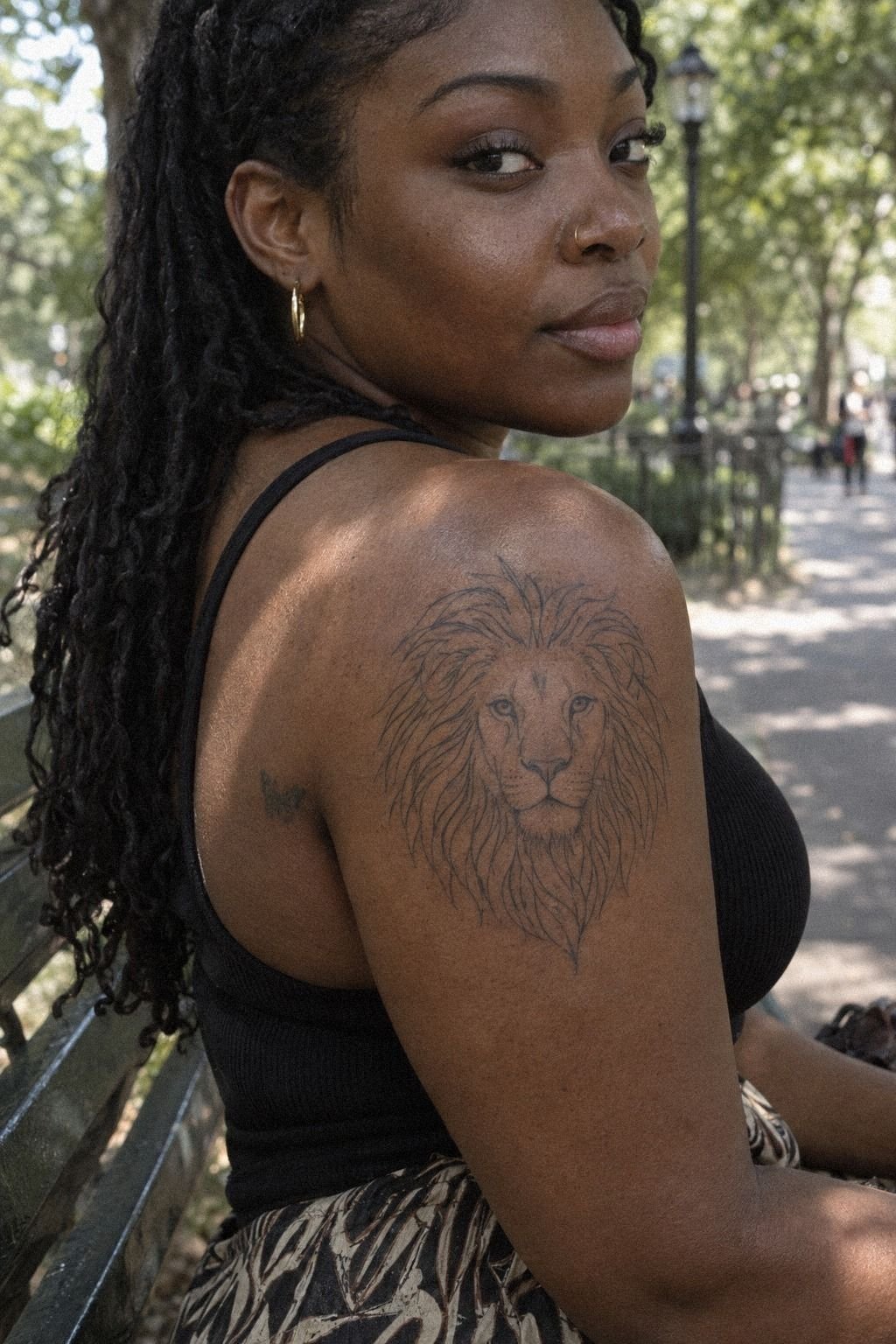
A lion head on the shoulder lets you choose a bold lion portrait without filling your entire upper arm.
7Let Flowing Script Follow the Ribs
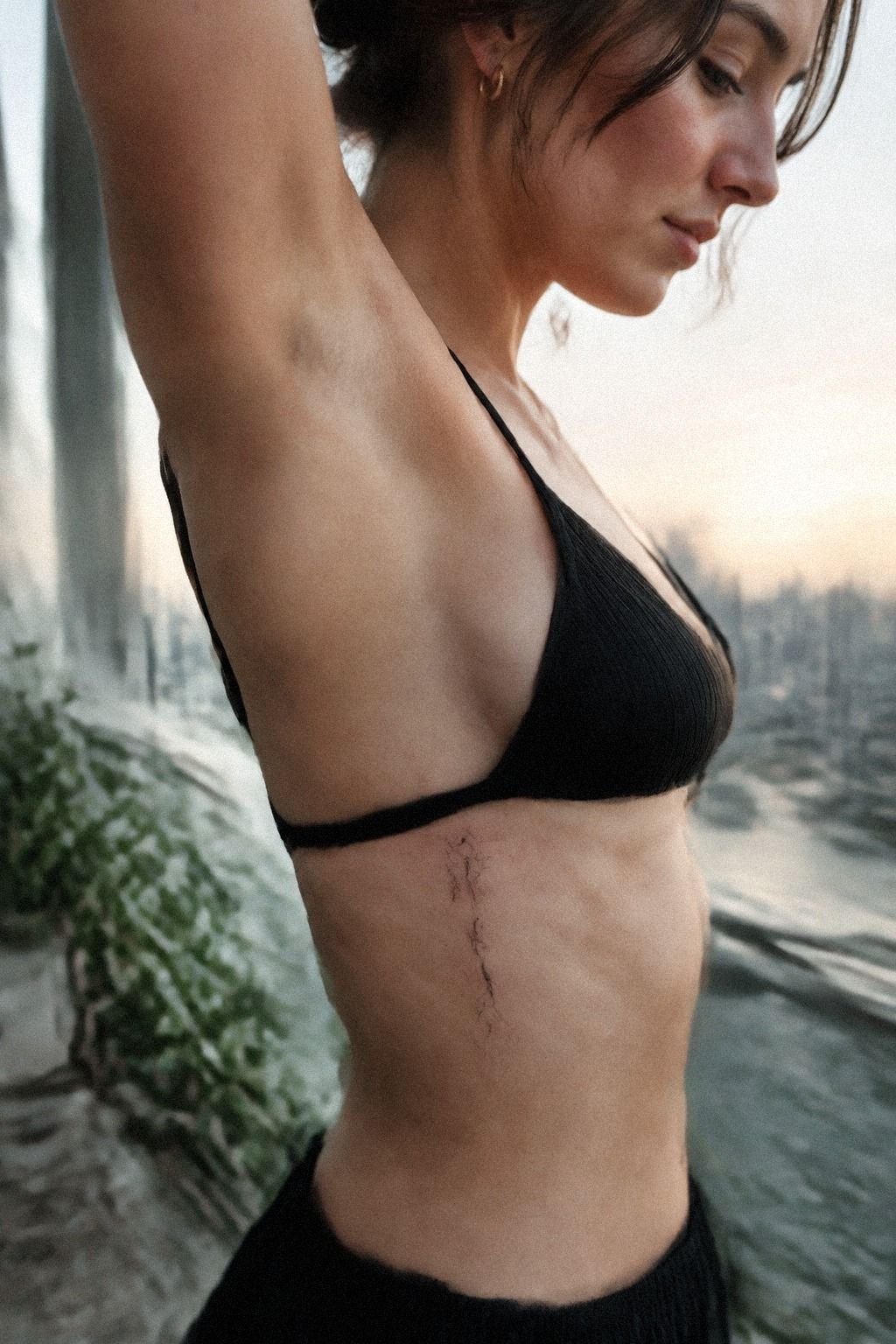
Flowing script along the ribs can feel intimate, expressive, and deeply personal. The words need a readable script stencil, not an overworked letterform that looks beautiful only at full size. A lettering reference from this tattoo outline drawing guide can help you simplify the structure.
Choose a phrase that still matters without extra flourishes. Your artist can adjust the spacing so the letters follow the rib line without compressing at the edges. Read the stencil while standing, sitting, and twisting slightly to check the rib placement.
Rib skin moves with every breath, and the placement can feel intense for many people. I’d choose a slightly larger script height over a microscopic quote. A sharp, meaningful phrase is more likely to remain recognizable and worth the commitment.
You can make the lettering flowing, graceful, or slightly gritty through the stroke endings. Don’t add flourishes simply because an empty area feels unfinished. One confident phrase usually has more emotional force than a paragraph of decoration.
8Neck Geometry: One Unique Outline
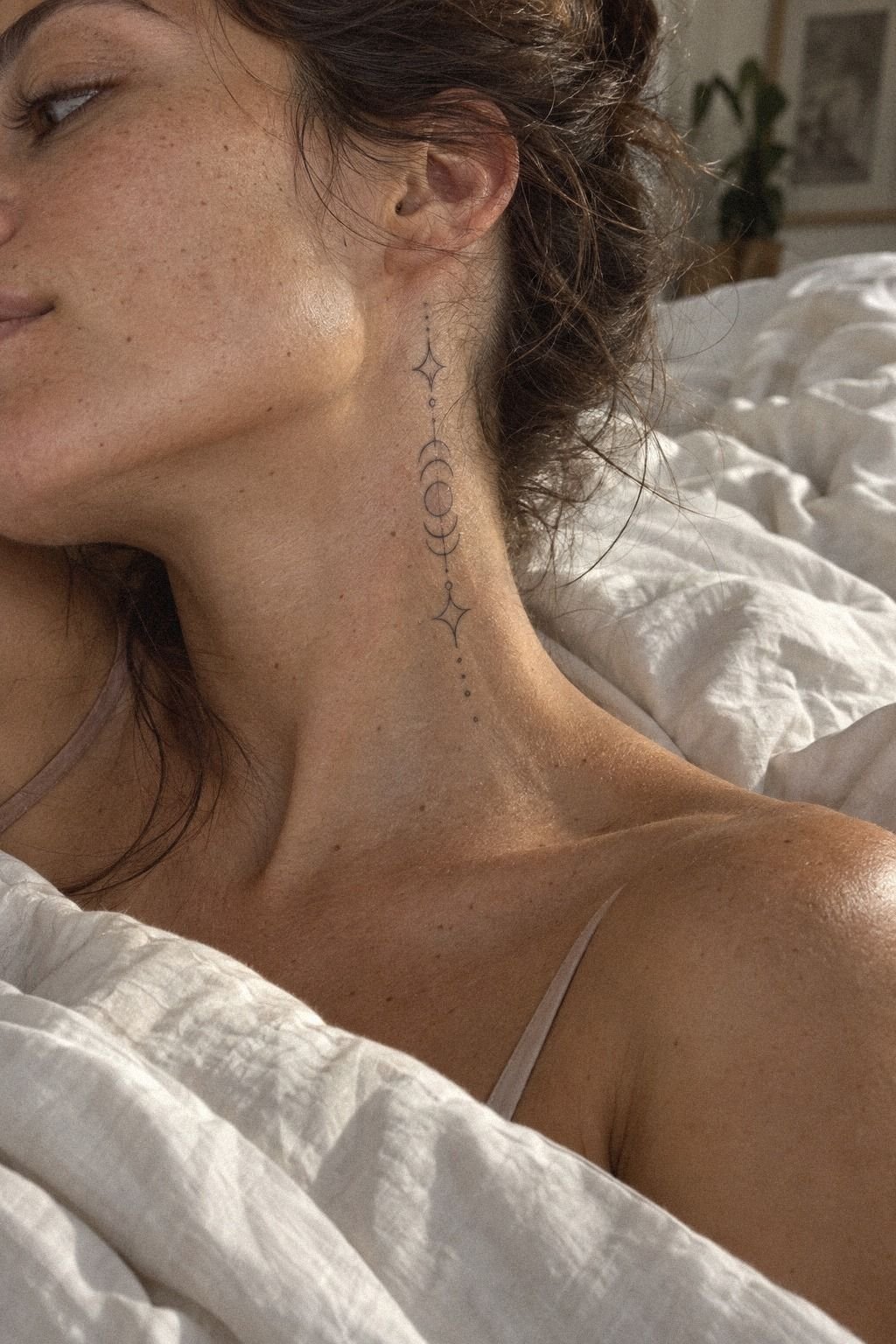
A geometric neck stencil can look sharp geometric linework when the lines follow your anatomy. Keep the central shape clear and test how it reads from the front, side, and back. If you want to explore more unusual directions, this tattoo design website ideas guide may give you useful starting points.
The neck is highly visible, so neck placement deserves more thought than the stencil itself. A small mark below the hairline offers a different commitment from a design that reaches toward the throat. Stand naturally during the consultation rather than lifting your chin to make the skin flat.
A circle, diamond, or angular sigil can feel sleek, edgy, or ornate depending on the interior marks. I’d choose one dominant geometry and remove anything that weakens its silhouette. The design should look intentional at a glance.
9Give a Playful Heart Hip Stencil a Personal Twist
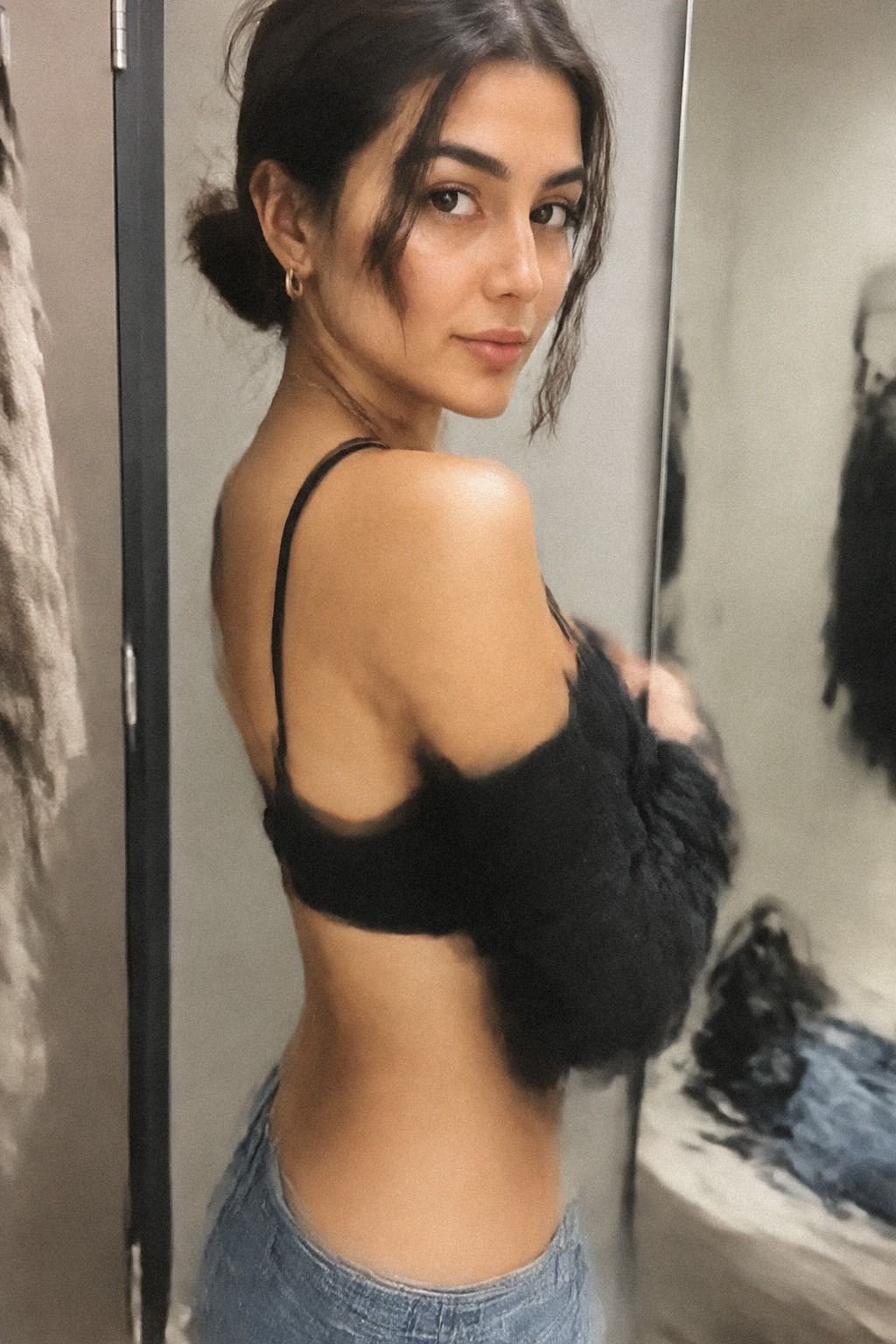
A small heart on the hip can be playful heart outline work, romantic, or quietly personal without looking overly sweet. Your reference shows a clean outline, so I’d keep it free from extra banners, shading, or decorative text. Compare it with this bee tattoo design if you like compact symbols with a distinctive outline.
The hip gives you more privacy than the wrist, neck, or fingers, and you’ll have flexibility with scale. Ask your artist to place the stencil while you stand naturally because the curve changes when you sit or shift your weight. That hip placement can also make the design feel more intimate.
I like a heart with one unusual detail, such as a tiny break, pointed base, or asymmetrical upper curve. That makes it expressive without losing the familiar symbol. If you’re choosing a first tattoo, a heart variation can feel more meaningful than a copied flash design.
Clothing can still rub against a fresh tattoo, even when the placement is private. Wear soft, loose fabric and follow the artist’s guidance about washing and moisturizing. You don’t need a complicated routine, only consistency.
Compare this idea with tato design tattoo ideas before removing anything that doesn’t serve the heart.
10Let Sacred Lotus Back Stencils Breathe
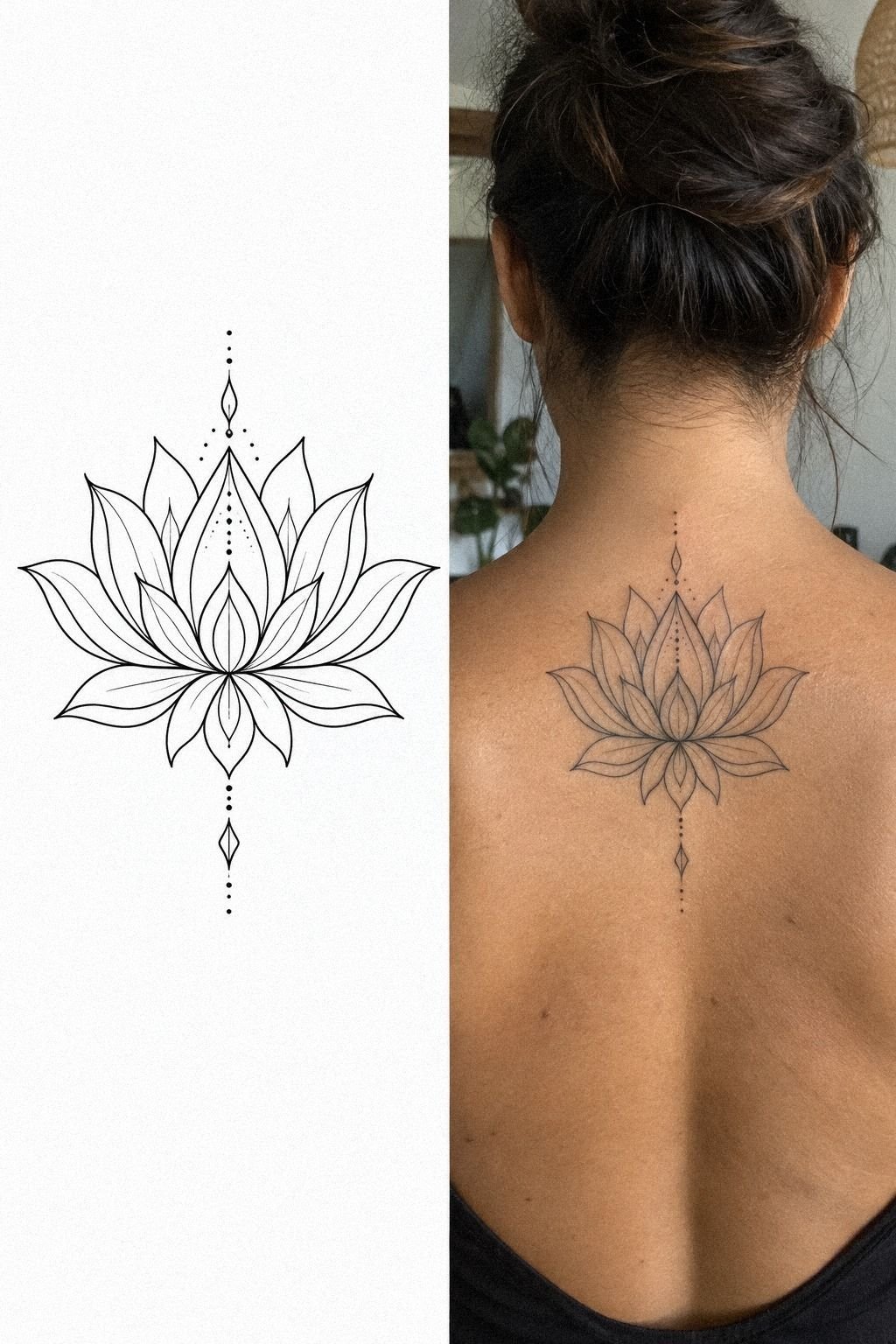
A lotus stencil can feel sacred lotus linework when the petals are arranged with clear spacing. Begin with the outer silhouette, then add only the petal marks that support its rhythm. More floral references are available through this ladybug tattoo stencil guide.
A lotus can be placed between the shoulder blades, along one side of the upper back, or lower near the spine. Your artist should check the back placement while your shoulders rest naturally. A design that looks centered when you’re rigid may shift when you move.
The inner petals can be intricate, ornate, or almost completely open. I prefer a clear outer shape with three or four intentional interior lines. That balance keeps the symbol timeless instead of turning it into visual noise.
11Dragonfly Collarbone Placement: Sharp or Soft?
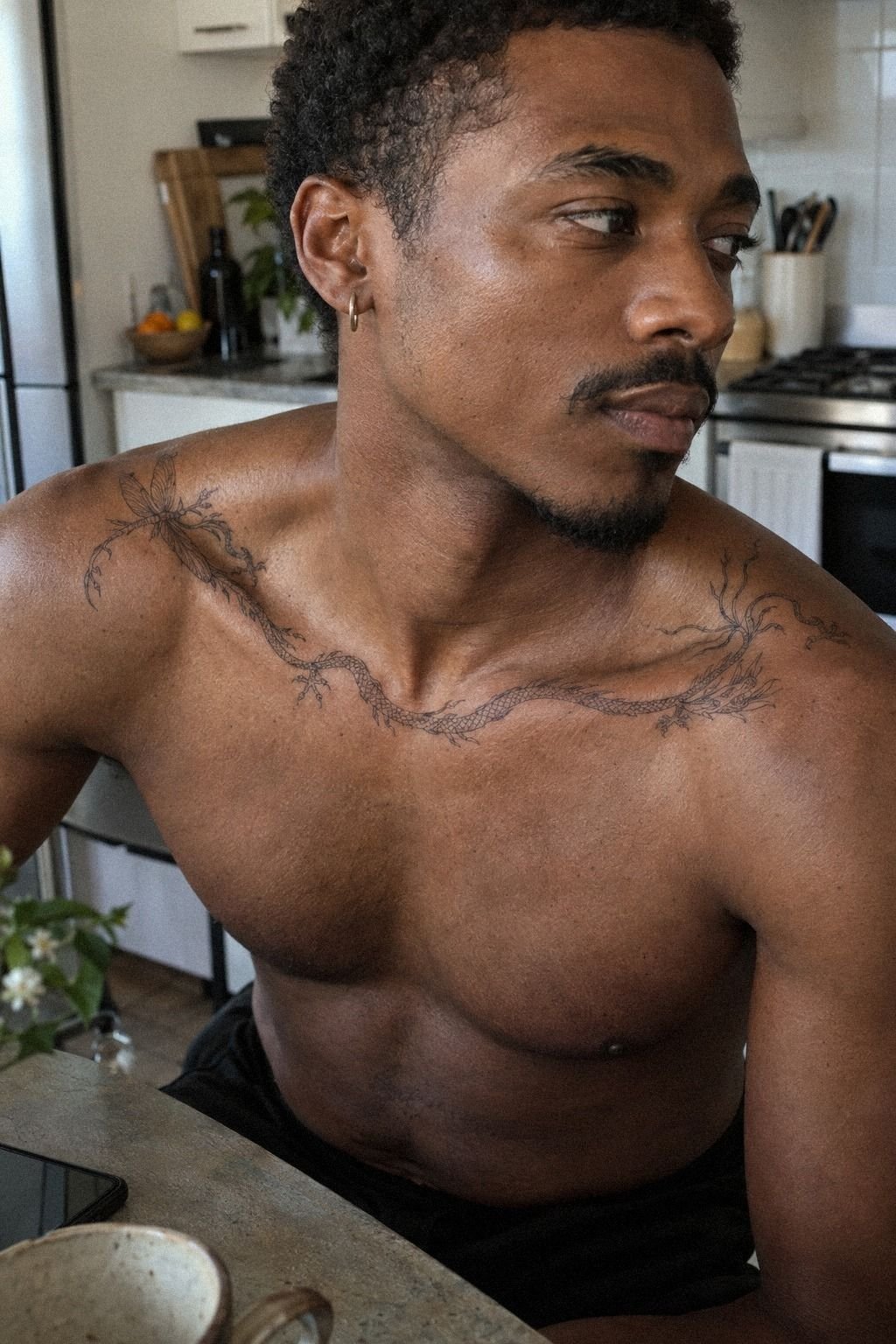
A dragonfly along the collarbone can look sharp dragonfly linework when the body follows the natural line of the bone. Your reference places the design on deep brown skin with a warm undertone, so strong contrast matters. The black dragonfly outline should stay clean without relying on pale highlights.
I’d angle the wings slightly upward instead of drawing them perfectly flat. That small change gives your stencil movement and keeps the design from looking like a diagram. You’ll want the body to remain narrow while the wing structure carries the expressive detail.
The collarbone can be more sensitive than the shoulder or outer forearm, especially over the bone. If you’re worried, ask your artist to test the collarbone placement with a temporary stencil first. Your posture, neckline, and shoulder movement can all change how the dragonfly reads.
Keep the wing veins limited to a few crisp lines. Too many tiny marks may blur together as the tattoo ages, while a sharp outer wing will remain recognizable.
For another stencil reference, revisit this tattoo outline drawing stencil design. Good stencil, good start!
What I Learned Before Choosing Fine Linework
I used to think a first tattoo should be as small and discreet as possible. That sounds sensible until you see how quickly fine details compete inside a tiny shape.
I once chose a design because it looked intricate on paper, then realized the lines had nowhere to breathe. My better rule now is simple: choose the clearest healed linework sample you’d still recognize from across the room.
Placement matters more than people expect. An ankle crescent, a shoulder lion, and a rib script can all be called simple, but they won’t behave the same way.
Your skin moves, stretches, sees sunlight, and meets clothing differently in every location. I’d rather choose a slightly larger skin movement reference than trust a perfect fresh photograph.
I also stopped treating pain as the only deciding factor. Yes, ribs, feet, hands, and sternum can feel more intense, while outer forearms, thighs, and shoulders are often more tolerable.
But your comfort with visibility matters too. A neck tattoo might be quick, yet it can feel like a much bigger commitment than a private hip design.
The artist’s portfolio should show fresh work and healed work. Look for clean curves, readable spacing, and lines that haven’t spread into muddy patches. Ask what line weight they’d use for your placement.
I’d take a thoughtful answer over a fast promise every time.
Your aftercare will affect the result, but it doesn’t need to become a ritual. Wash gently, moisturize as directed, avoid swimming while the surface heals, and protect the finished tattoo from UV protection. A simple design can age beautifully when you give it honest space, suitable placement, and enough time to settle.
Build the Stencil Before You Book
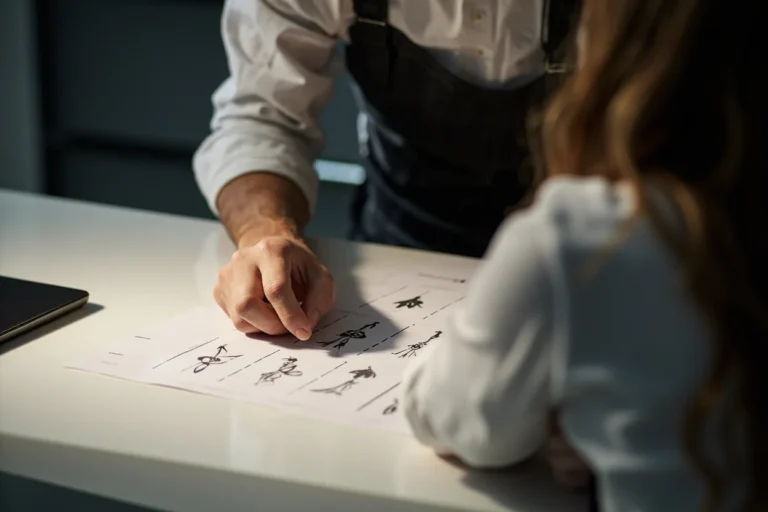
Start with a black-and-white sketch before you discuss custom stencil preparation. At this stage, you’re checking whether the silhouette works without color, texture, or extra decoration. If it doesn’t read clearly in a small sketch, more detail probably won’t solve the problem.
Print or draw the design at two or three sizes. Hold each version against the intended area and turn your body naturally.
A stencil that looks perfect on a flat page may feel cramped once it follows the wrist, ribs, collarbone, or ankle. That simple stencil scale test can prevent an awkward appointment.
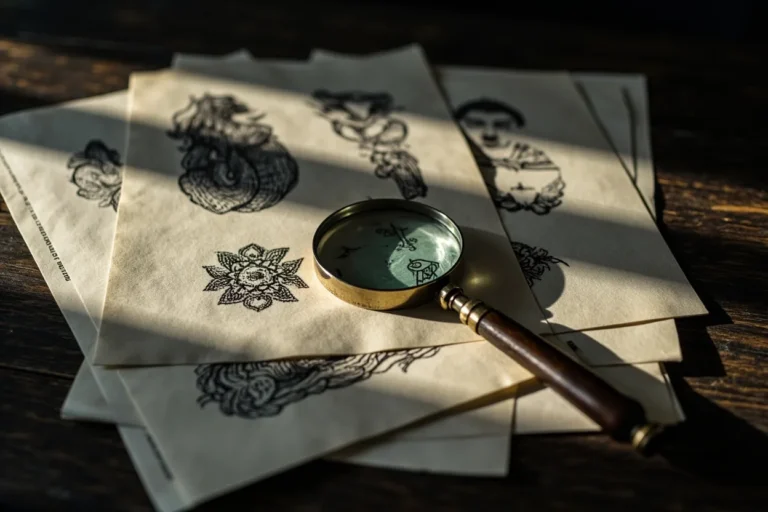
Use this tattoo outline drawing as a planning reference, then remove details that don’t support the main shape. The best first tattoo usually has one dominant idea, one personal detail, and a controlled line system.
I’d also make a quick black silhouette. If the dominant idea disappears when the interior marks are removed, the design may be relying too heavily on tiny details. A strong stencil should still have a recognizable personality in its simplest form.
Choose the Line Before the Placement
A fine-line tattoo and a bold outline don’t behave identically over time. Ask your artist how the black ink line weight will respond to your skin, exposure, movement, and chosen location.
If your design depends on tiny interior marks, choose a placement with enough stable skin to protect them. If the silhouette does most of the emotional work, you can be more flexible. That distinction can improve the long-term value of the design.
I’d also ask to see healed work in the same style. Fresh tattoos often look crisp and striking, but healed examples reveal whether the artist preserves readable spacing and controlled curves. This tattoo design drawings guide can help you notice the difference between a strong outline and a crowded one.
A Budget Check That Protects the Design
A useful budget begins with the artist’s minimum, not only the number of minutes under the machine. Ask whether the quote covers the consultation, drawing time, stencil changes, and any scheduled touch-up.
The cheapest option may not offer the best value when you’re choosing permanent custom tattoo work. You don’t need the most expensive artist either. You need a portfolio that proves the artist can handle your line style and placement.
Before you book, compare the expected price with the complexity of the design. A simple stencil may still be worth the cost when it has strong construction, careful placement, and an experienced tattoo artist whose healed results match your goals.
Tattoo Placement, Cost, and Healing Data
These are typical US references, not a quote for your appointment. Your artist may price a small custom stencil by minimum, while another may use an hourly rate. Ask about the minimum before you book so the number doesn’t surprise you.
I’d also ask whether the quoted price includes drawing time, stencil adjustments, and a touch-up policy. You don’t need to chase the cheapest appointment. Your goal is clean work from someone whose healed portfolio matches your chosen style.
For more research, compare your plan with unique tattoo ideas and note which designs remain readable after simplification. A clear reference can save time during the consultation and help you explain the result you want.
The Questions Worth Answering First
How much does a Simple Tattoo Stencils Design usually cost?
A simple tattoo usually costs about $100 to $300 in the US, while shop minimums may run about $50 to $100 and hourly rates about $100 to $250. Your artist, region, placement, and detail level will affect the final quote. Ask about the shop minimum before booking.
Are Simple Tattoo Stencils Design a good idea for a first tattoo?
Yes, simple designs can be a meaningful first choice because clean shapes are easier to understand and plan. Your placement still matters.
An easy-to-read outline on an outer forearm or shoulder may feel more forgiving than a tiny design on your hand. You can compare additional planning references through this tattoo design website ideas guide.
How do I choose a tattoo artist for Simple Tattoo Stencils Design?
Choose an artist with a portfolio showing clean linework and healed results. You’ll want to see consistent curves, balanced spacing, and strong hygiene practices. If you like stencil planning, compare their work with this tattoo design drawings guide.
How much do Simple Tattoo Stencils Design hurt?
Pain varies, but ribs, feet, hands, and sternum are often more sensitive, while forearms, thighs, and shoulders are commonly more tolerable. Your artist can explain the placement. A stable skin area may make a first session feel easier to manage.
How long does a Simple Tattoo Stencils Design take to heal?
The surface usually heals in about two to three weeks, while complete settling can take about two to three months. Wash gently, moisturize as directed, avoid pools, and protect your healed black ink from direct sun.
What’s the best placement for Simple Tattoo Stencils Design?
The best placement depends on your visibility preference, pain tolerance, and design shape. Forearms and shoulders are often practical for clean outlines, while hips and upper backs offer more privacy. Your artist should check how the stencil moves with your body.
Where I’d Start First
If I had to pick one, I’d start with the delicate floral wrist stencil. Its sprig has enough movement to feel personal, but the open spacing gives fine lines room to settle without becoming a dark patch.
Pin the floral idea for later and bring a simplified sketch to your artist. That’s a personal first tattoo with a strong chance of staying readable, expressive, and yours.